Plaintiff Sues For
Description
Get your form ready online
Our built-in tools help you complete, sign, share, and store your documents in one place.
Make edits, fill in missing information, and update formatting in US Legal Forms—just like you would in MS Word.
Download a copy, print it, send it by email, or mail it via USPS—whatever works best for your next step.
Sign and collect signatures with our SignNow integration. Send to multiple recipients, set reminders, and more. Go Premium to unlock E-Sign.
If this form requires notarization, complete it online through a secure video call—no need to meet a notary in person or wait for an appointment.
We protect your documents and personal data by following strict security and privacy standards.

Make edits, fill in missing information, and update formatting in US Legal Forms—just like you would in MS Word.

Download a copy, print it, send it by email, or mail it via USPS—whatever works best for your next step.

Sign and collect signatures with our SignNow integration. Send to multiple recipients, set reminders, and more. Go Premium to unlock E-Sign.

If this form requires notarization, complete it online through a secure video call—no need to meet a notary in person or wait for an appointment.

We protect your documents and personal data by following strict security and privacy standards.
Looking for another form?
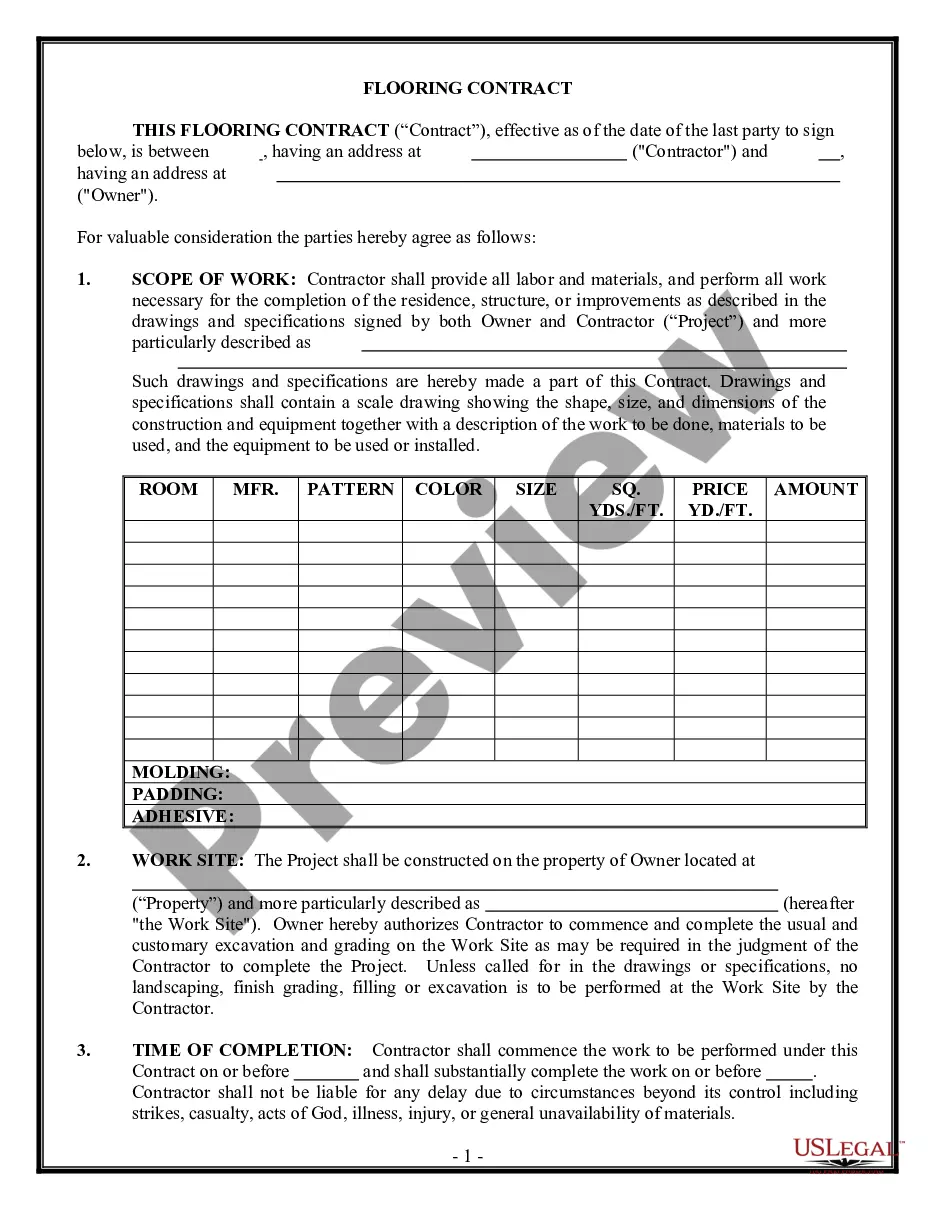
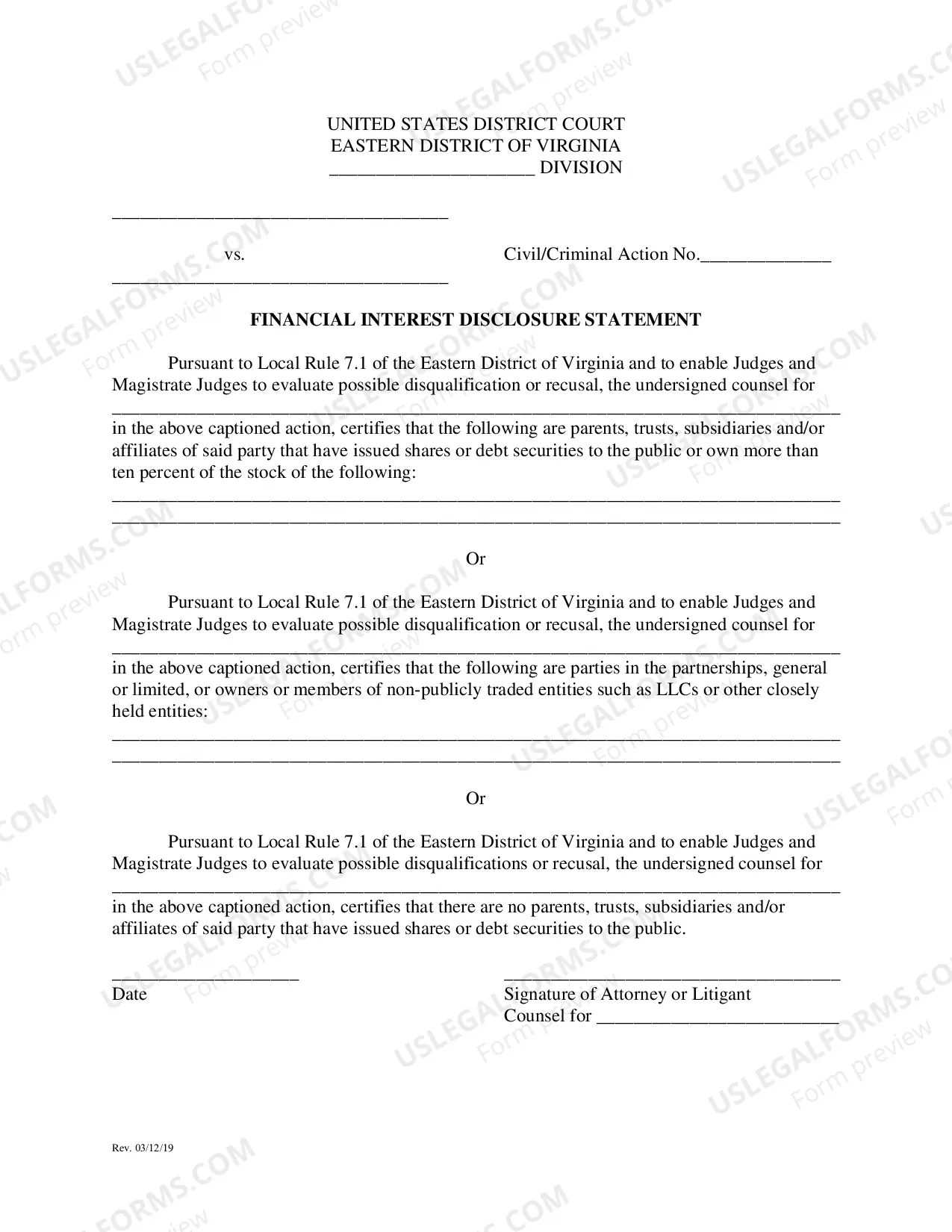
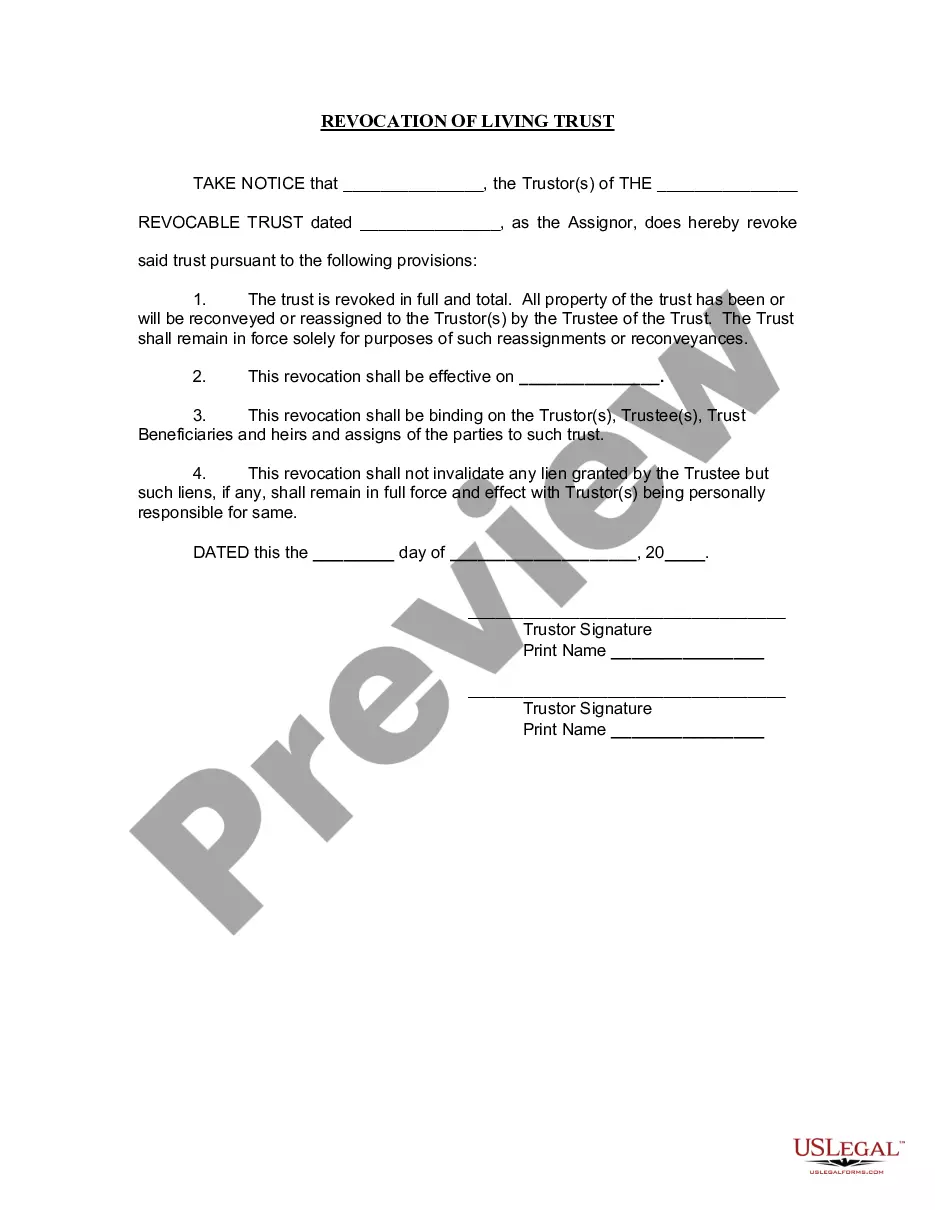


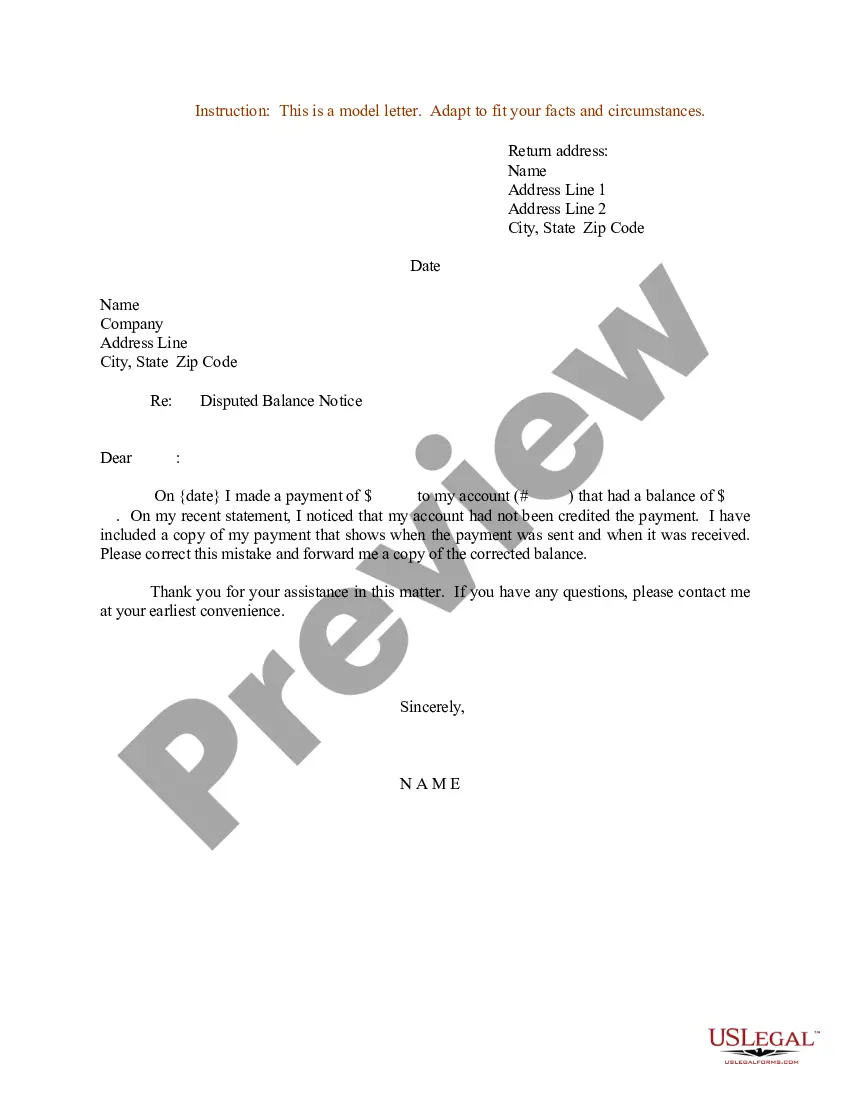


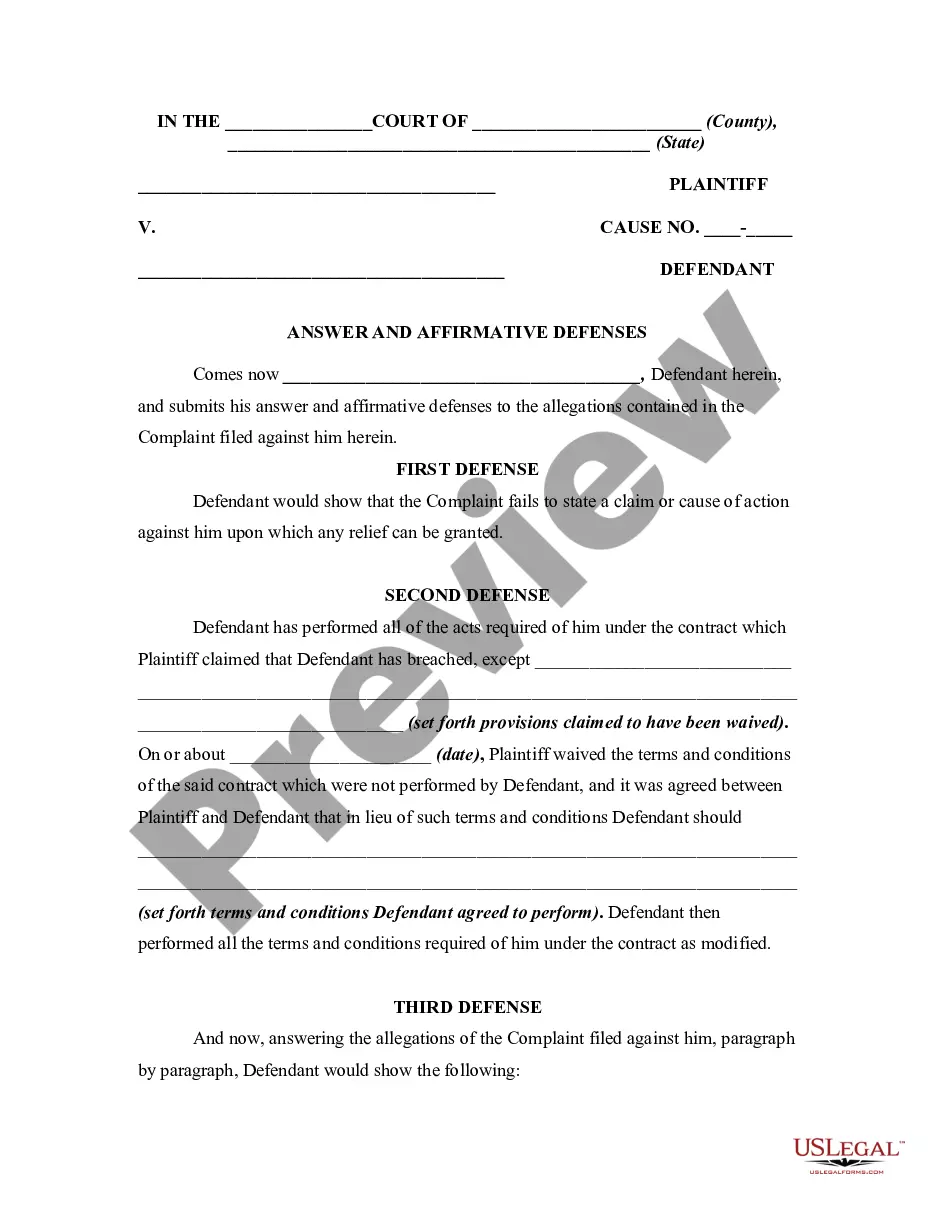
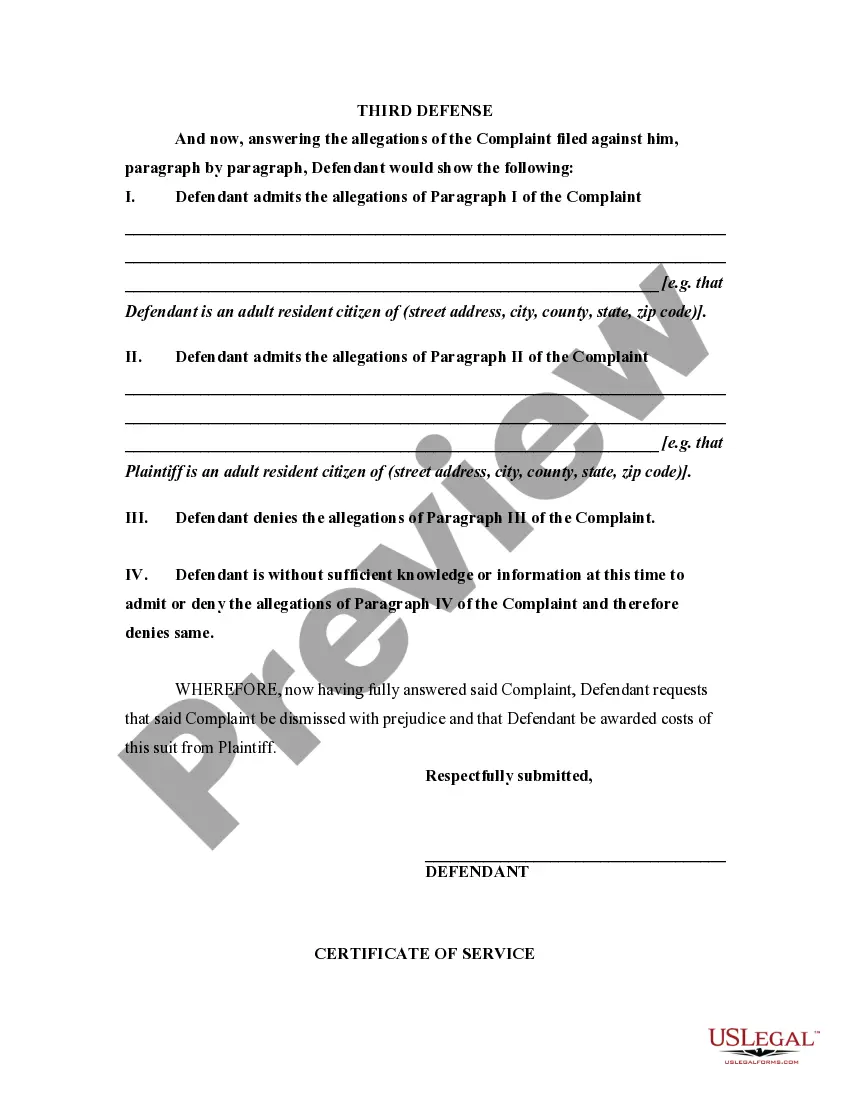
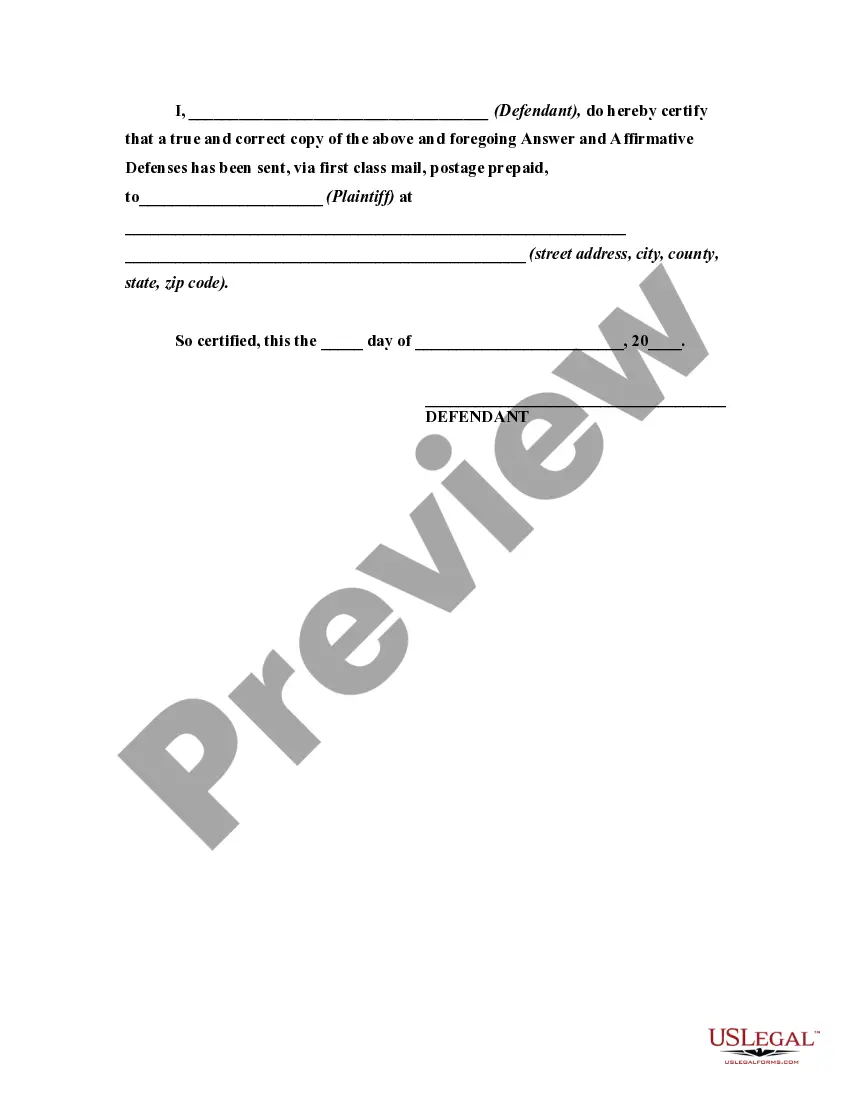
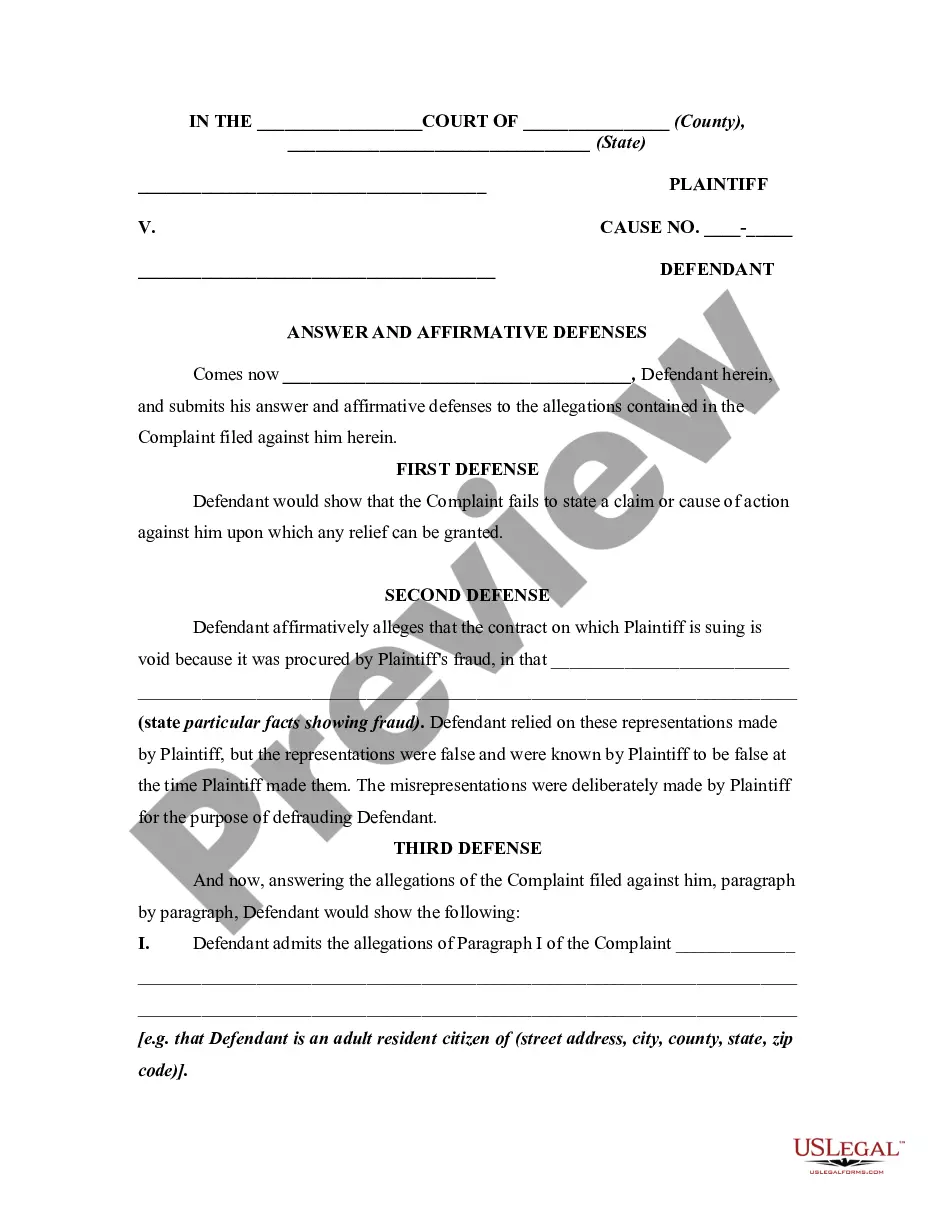
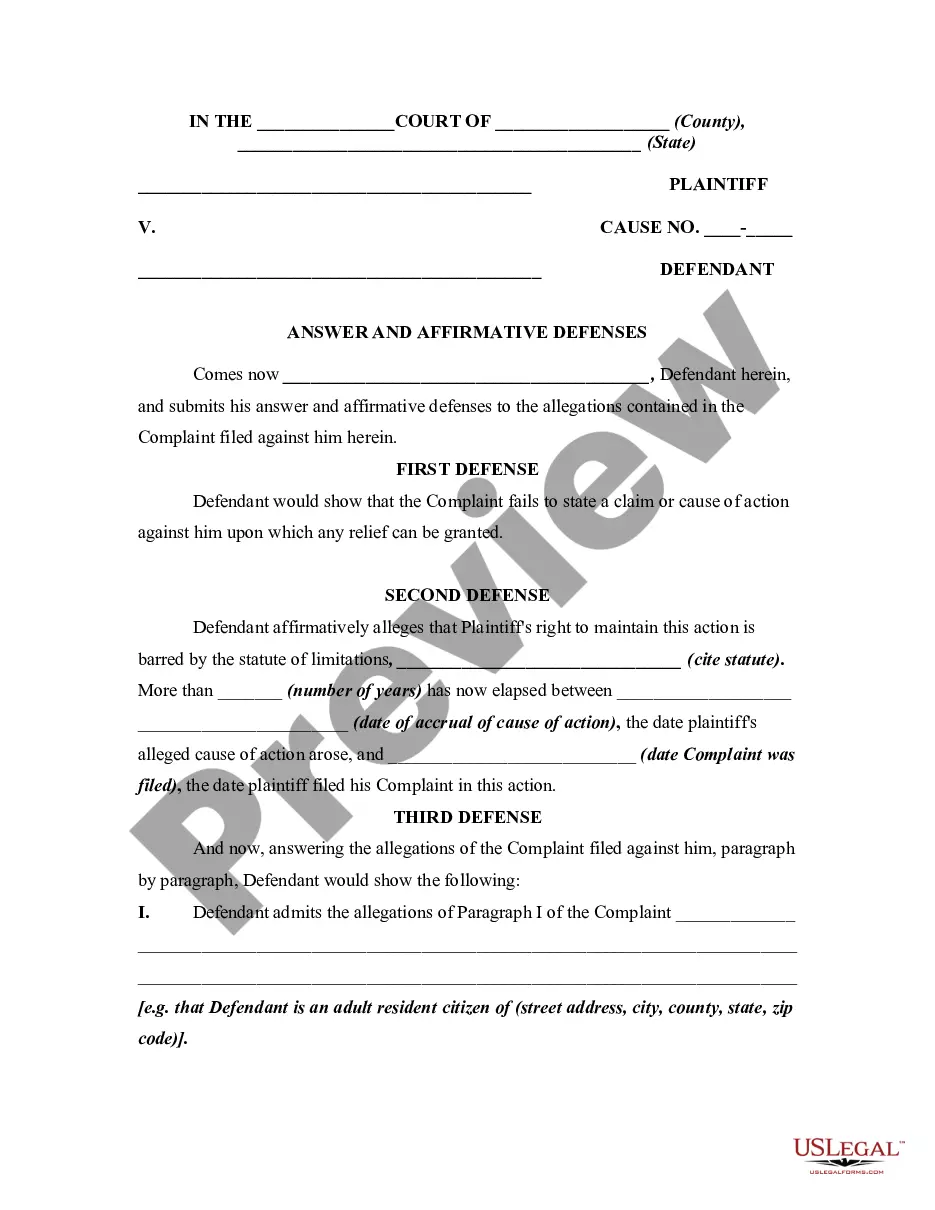
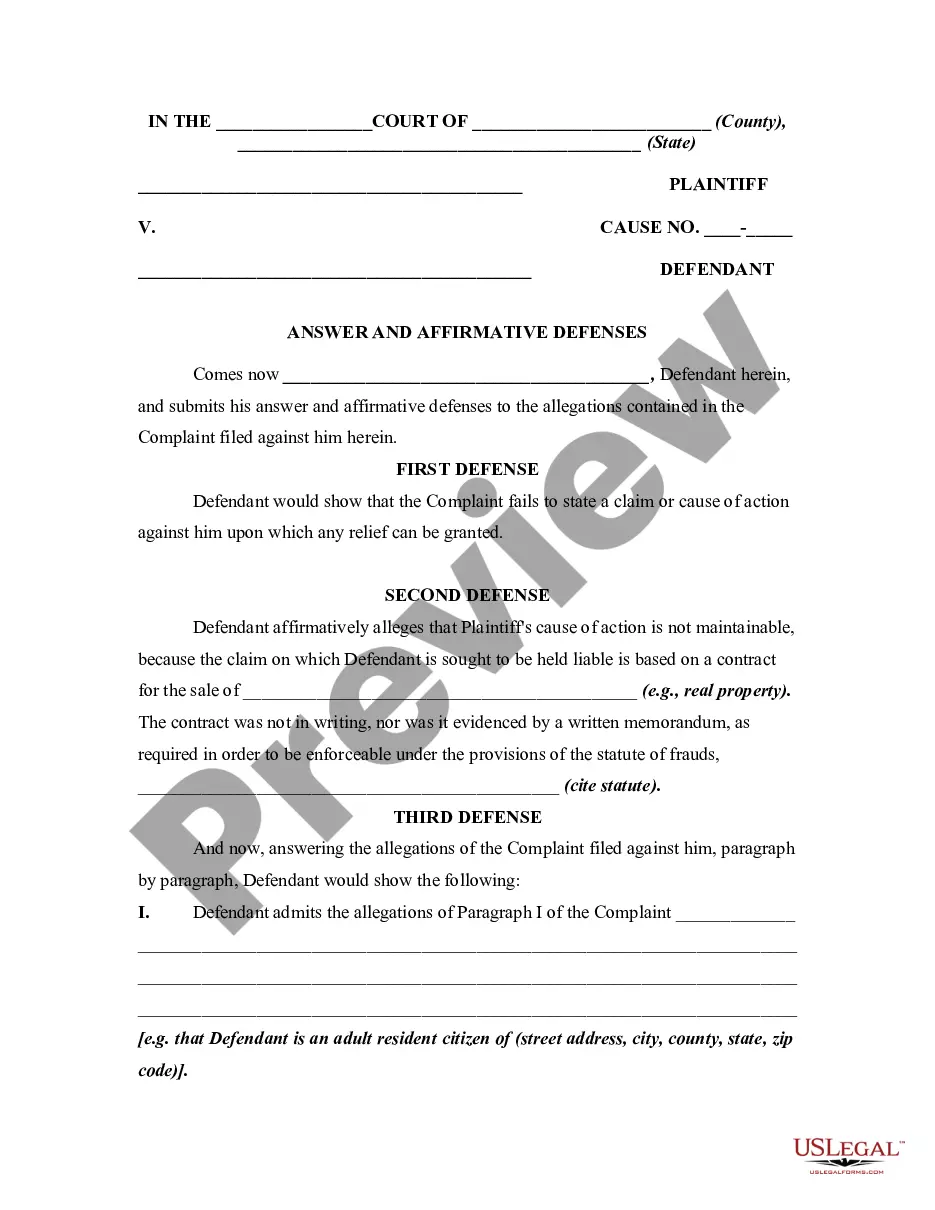
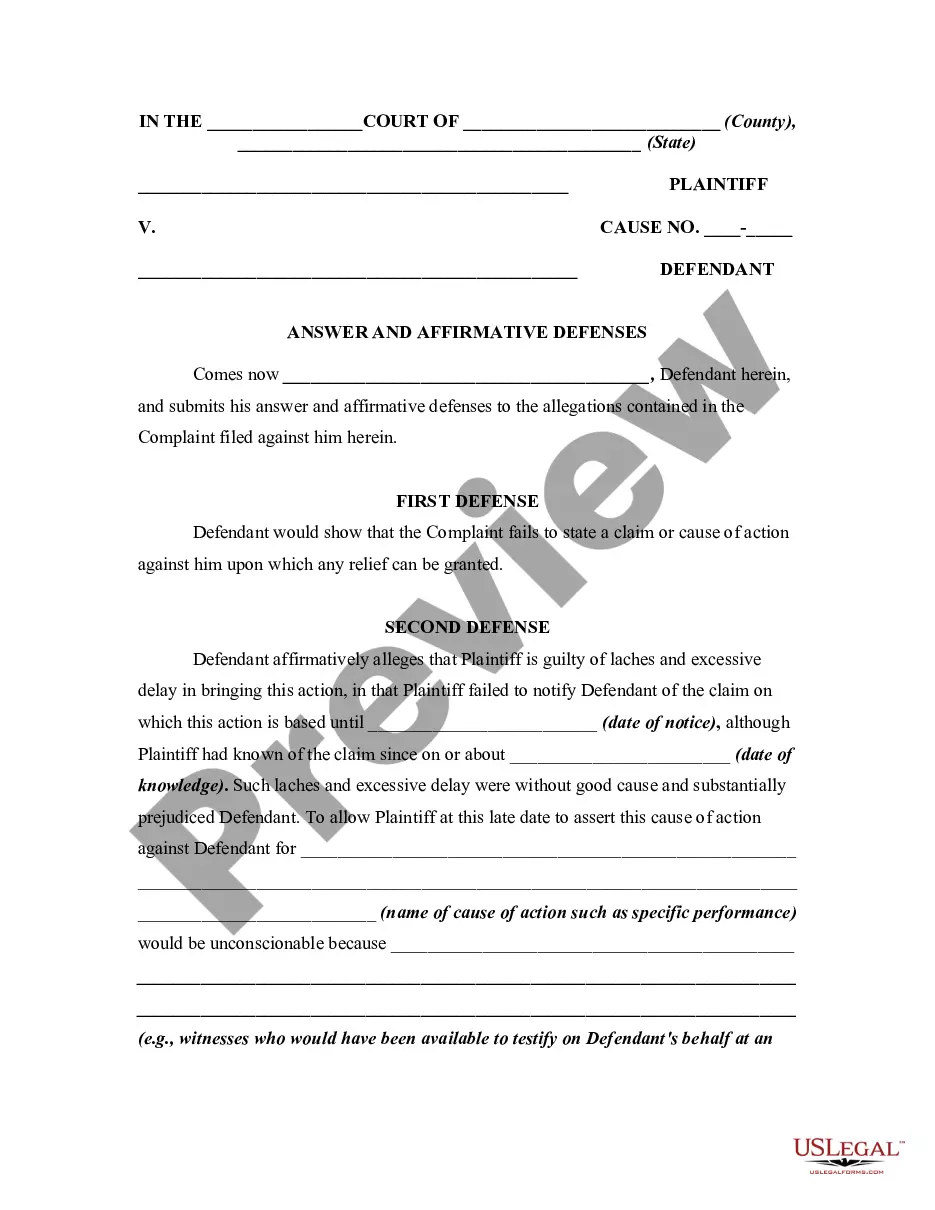
How to fill out Answer By Defendant In A Civil Lawsuit Alleging The Affirmative Defense Of The Cause Of Action Being Barred By Waiver Of Terms Of Contract By Plaintiff?
Accessing legal documents that adhere to federal and local regulations is essential, and the internet provides many choices to select from.
However, what's the benefit of spending time looking for the appropriate Plaintiff Sues For template online when the US Legal Forms digital library already compiles such documents in one location.
US Legal Forms is the largest online legal repository with over 85,000 fillable documents created by lawyers for various professional and personal situations.
Explore the template using the Preview option or via the written description to ensure it fulfills your requirements.
- These documents are easy to navigate, with all materials categorized by state and intended use.
- Our experts keep up with legal updates, ensuring you can always trust that your form is current and compliant when obtaining a Plaintiff Sues For from our site.
- Acquiring a Plaintiff Sues For is quick and easy for both existing and new users.
- If you already have an account with an active subscription, Log In and download the document sample you require in the appropriate format.
- If you are new to our platform, follow the instructions below.
Form popularity
FAQ
If you don't have enough tangible assets to satisfy a judgment, you might be forced to turn over a portion of your wages to the person or business who sued you until they've recouped what a court has determined you owe them. Other expected (future) assets besides wages can also be seized.
A letter of intent to sue is used to notify an individual or business that legal action may be taken against them if the demands included in the letter are not met. By sending an intent to sue letter, you may be able to resolve the dispute without having to initiate a costly lawsuit.
For example, if you are a plumber doing business as ABC Plumbing and want to sue a customer who has not paid you, you can file a claim for up to $10,000. If your business is a corporation, partnership or anything other than a sole proprietorship, your maximum claim amount is $5,000.
To begin a civil lawsuit in federal court, the plaintiff files a complaint with the court and ?serves? a copy of the complaint on the defendant.
If you want to ask for more than $10,000 (for individuals) or $5,000 (businesses and other entities), you need to sue in the civil division of the superior court and not in small claims court. In the civil division, lawyers can represent each side.