Civil Law Case
Description
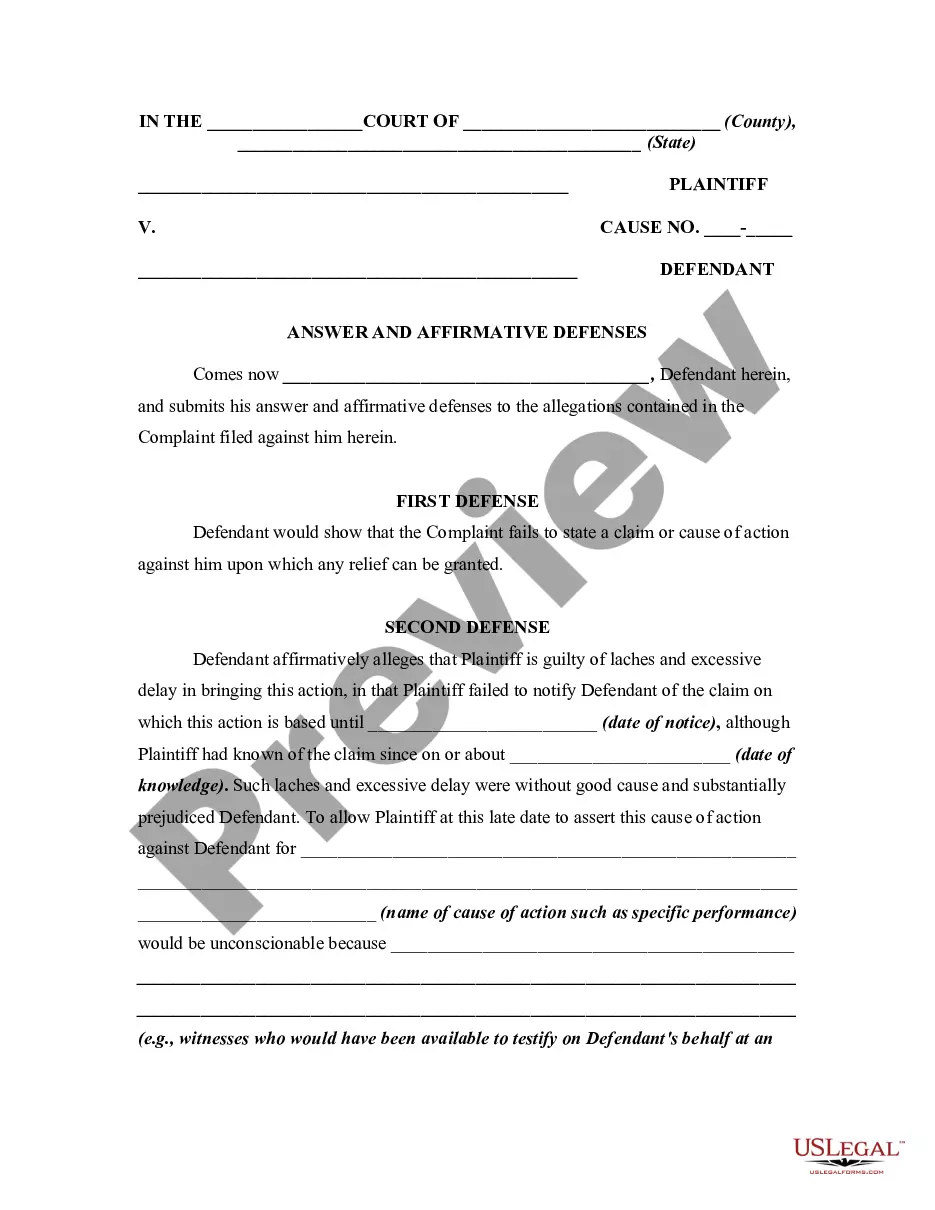
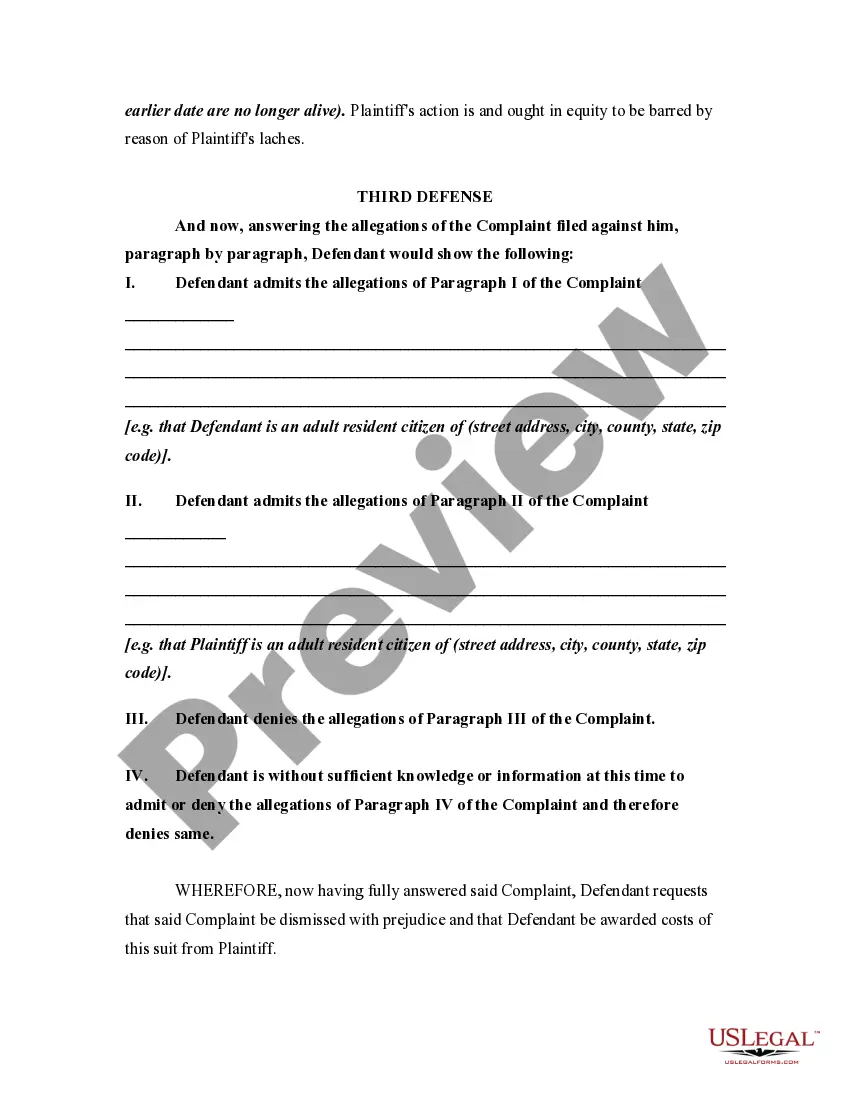
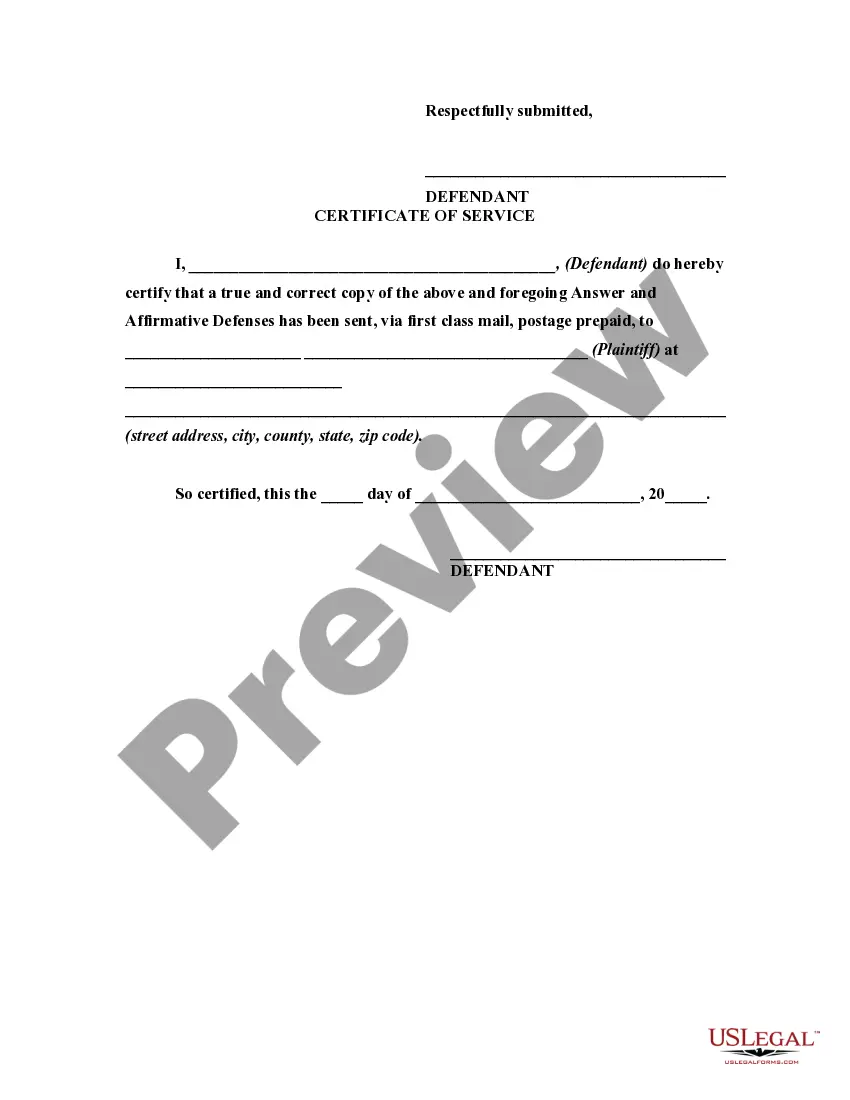
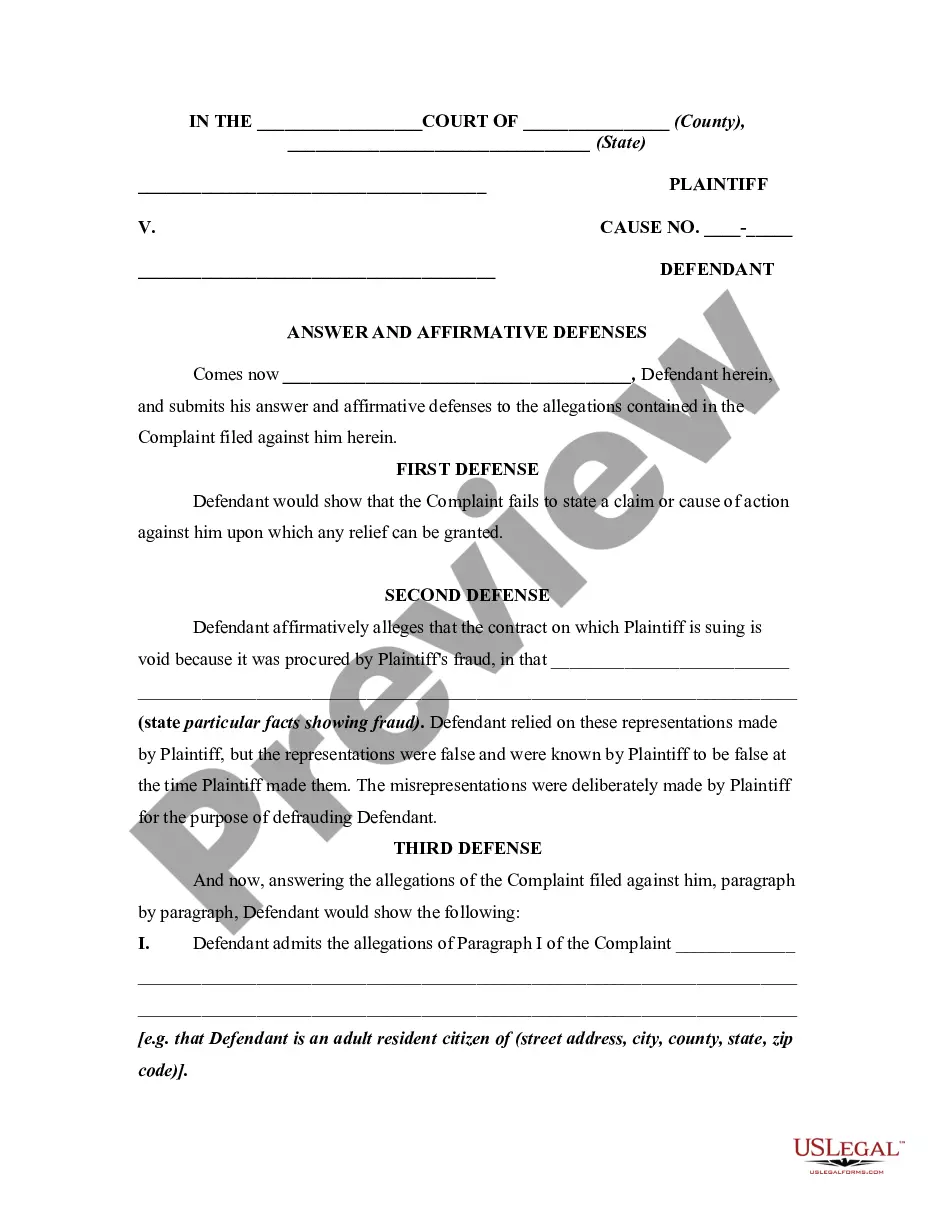
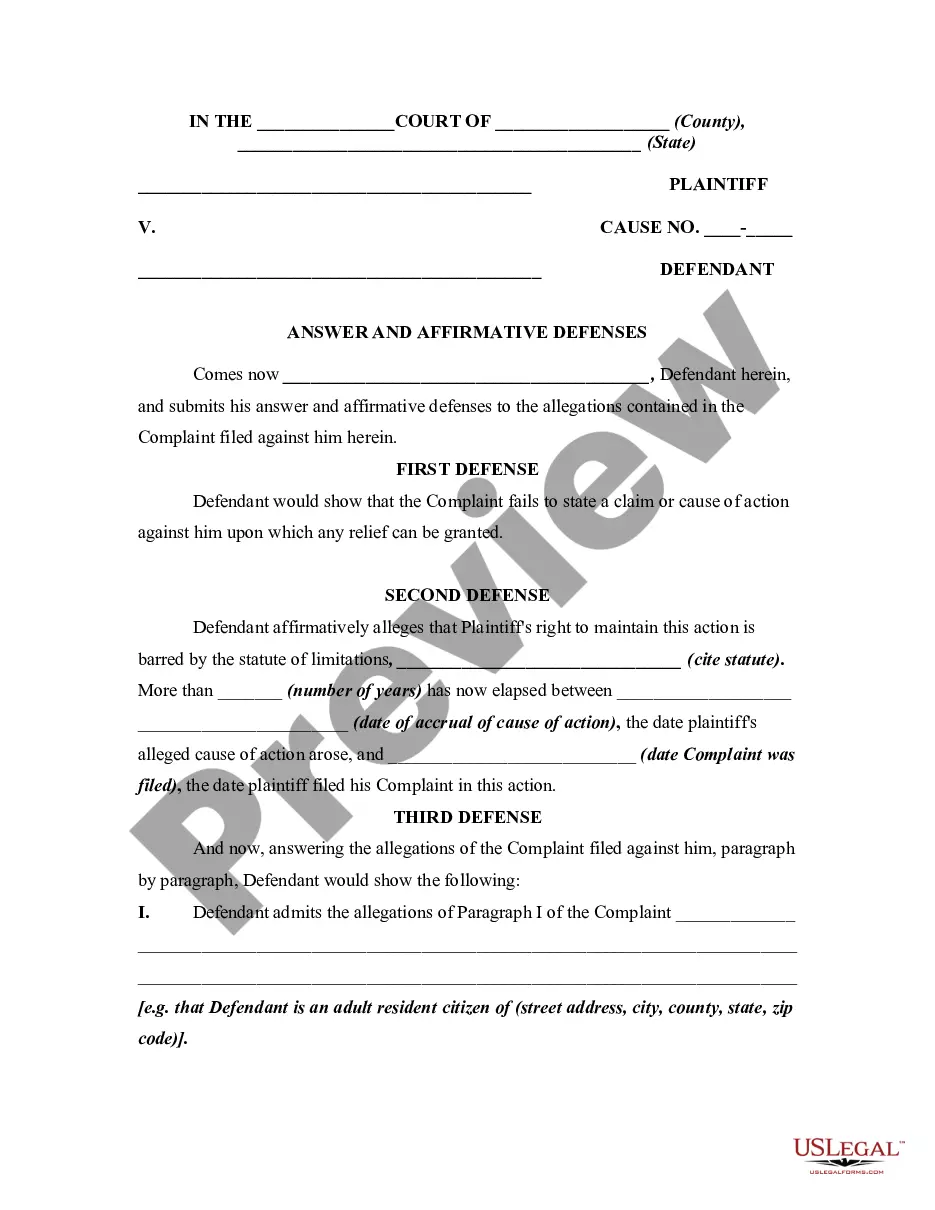
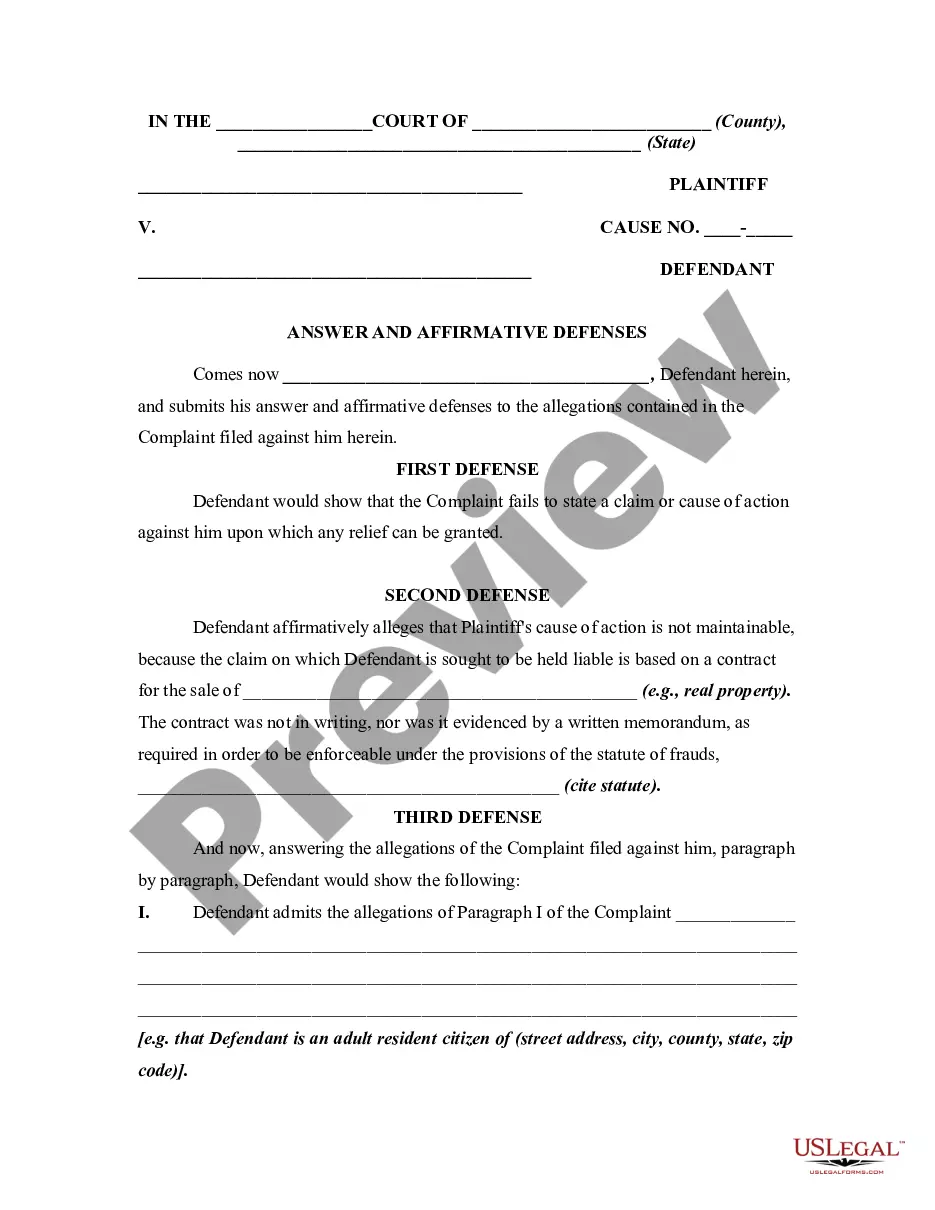
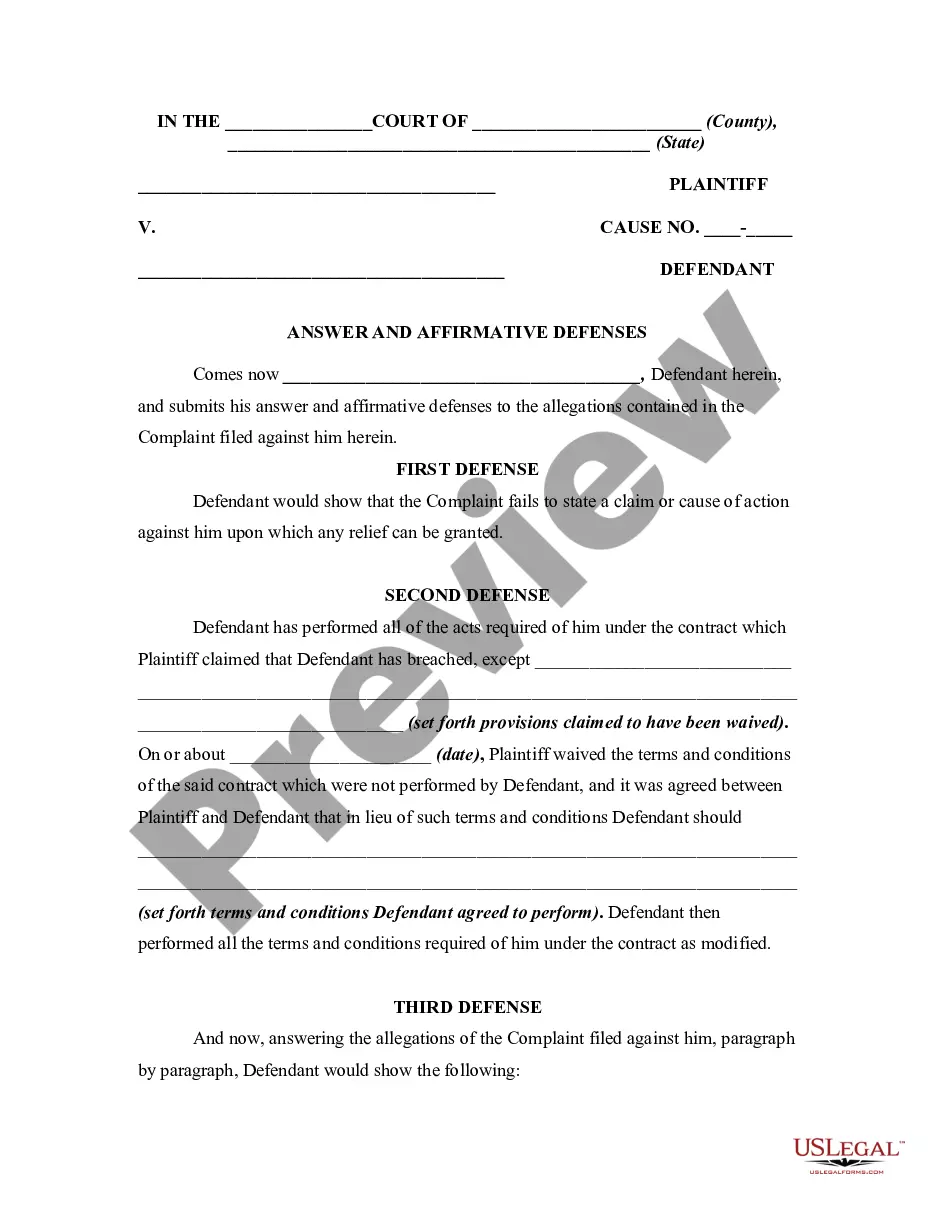
Get your form ready online
Our built-in tools help you complete, sign, share, and store your documents in one place.
Make edits, fill in missing information, and update formatting in US Legal Forms—just like you would in MS Word.
Download a copy, print it, send it by email, or mail it via USPS—whatever works best for your next step.
Sign and collect signatures with our SignNow integration. Send to multiple recipients, set reminders, and more. Go Premium to unlock E-Sign.
If this form requires notarization, complete it online through a secure video call—no need to meet a notary in person or wait for an appointment.
We protect your documents and personal data by following strict security and privacy standards.

Make edits, fill in missing information, and update formatting in US Legal Forms—just like you would in MS Word.

Download a copy, print it, send it by email, or mail it via USPS—whatever works best for your next step.

Sign and collect signatures with our SignNow integration. Send to multiple recipients, set reminders, and more. Go Premium to unlock E-Sign.

If this form requires notarization, complete it online through a secure video call—no need to meet a notary in person or wait for an appointment.

We protect your documents and personal data by following strict security and privacy standards.
Looking for another form?

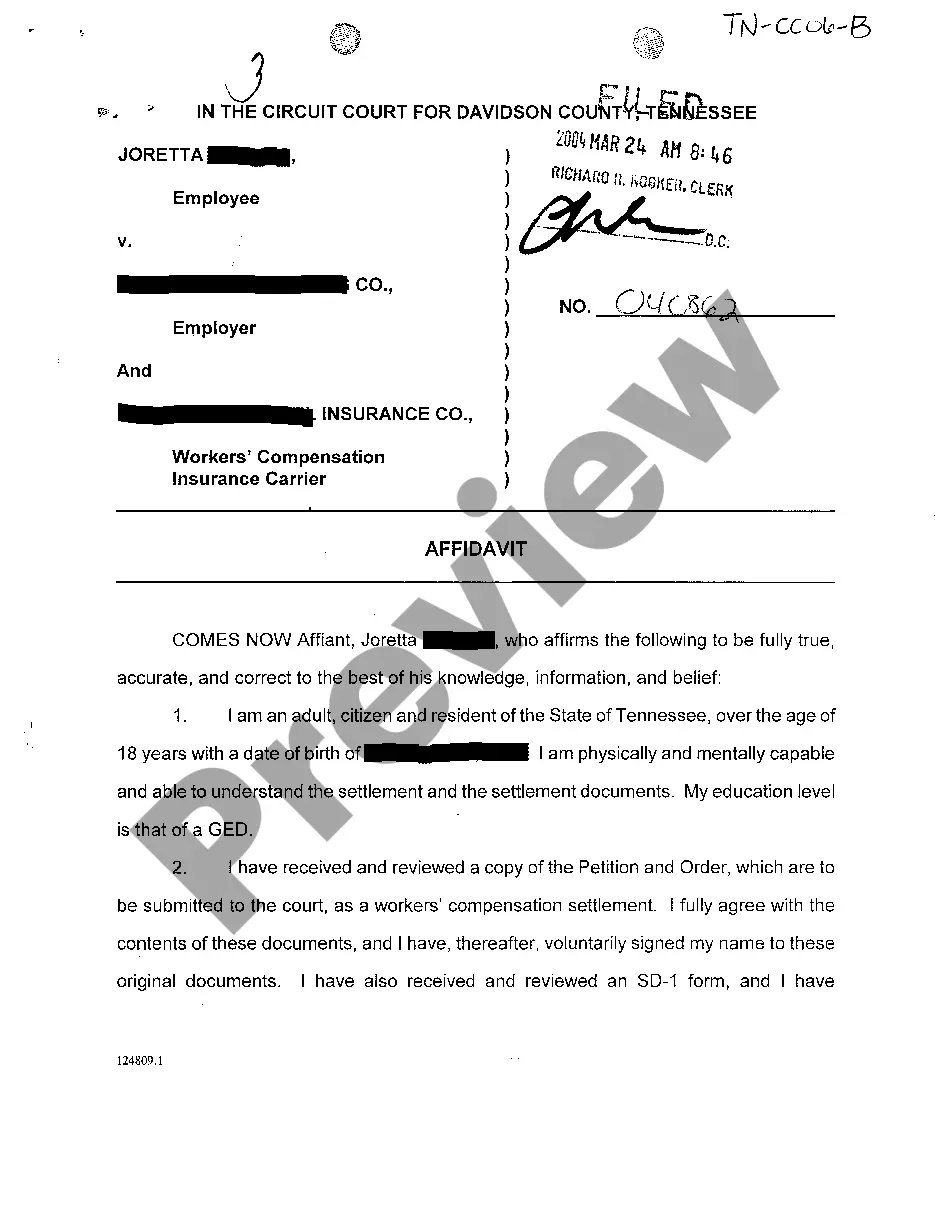
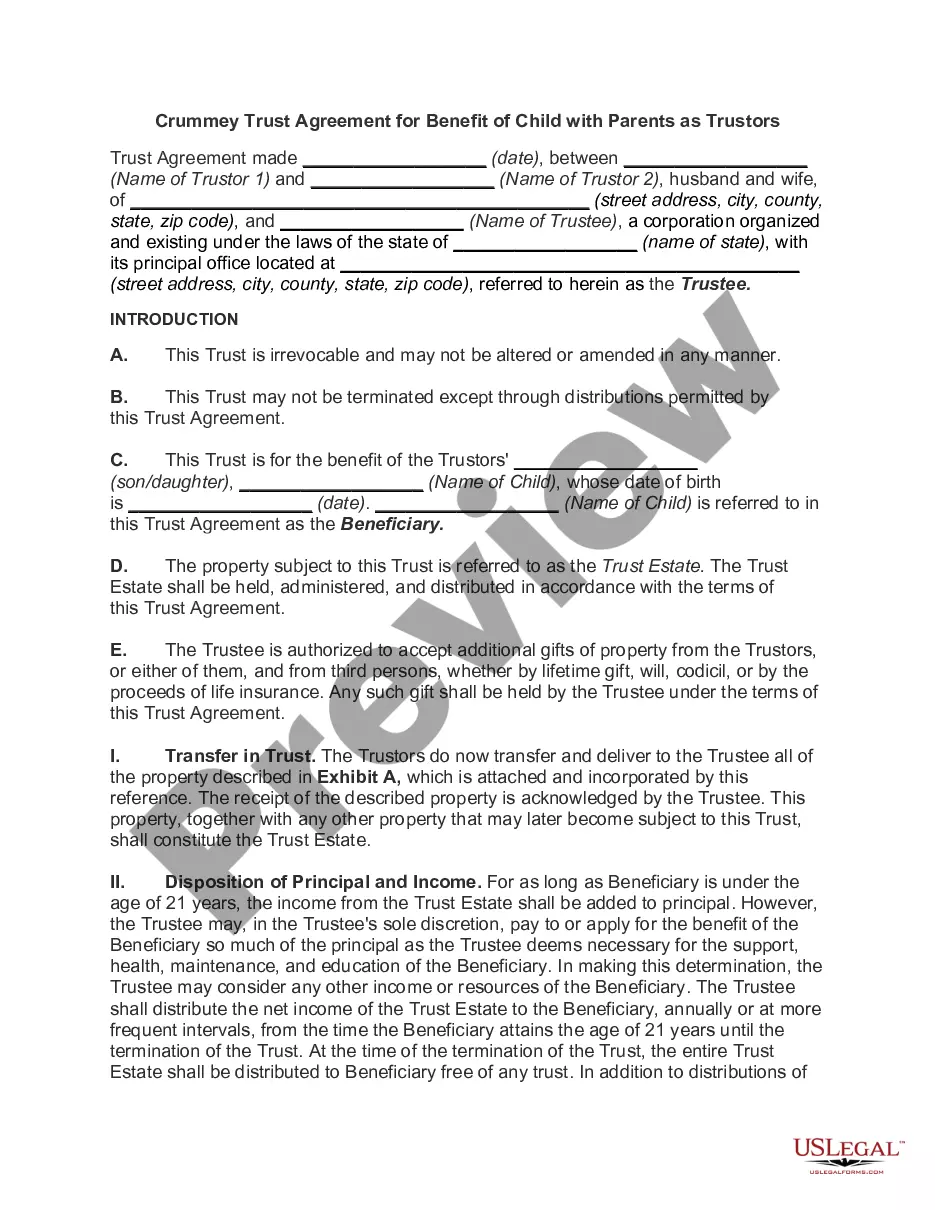


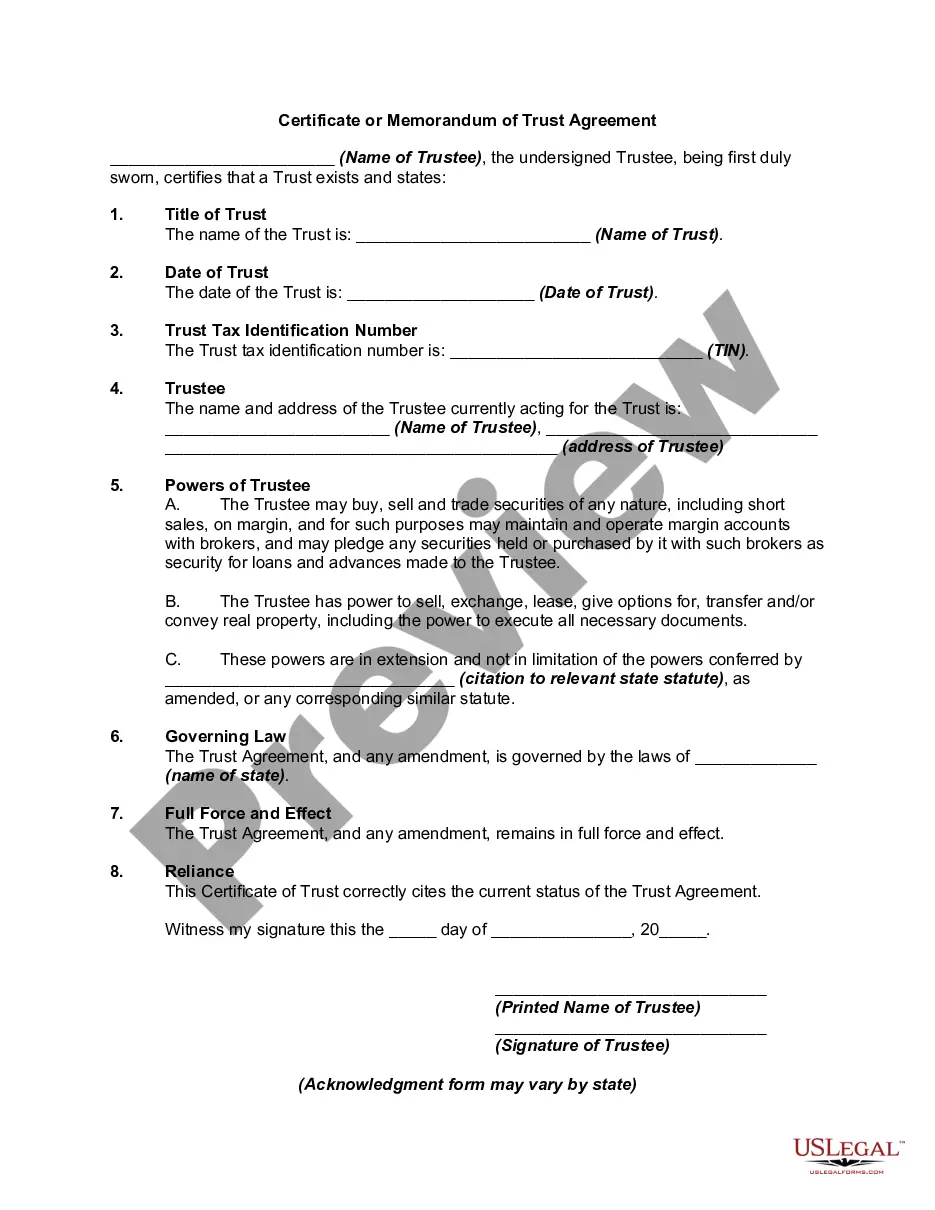




How to fill out Answer By Defendant In A Civil Lawsuit Alleging The Affirmative Defense Of The Cause Of Action Being Barred By Laches?
- Log into your US Legal Forms account if you're a returning user, ensuring your subscription is active; otherwise, renew it to maintain access.
- If you are new to US Legal Forms, start by previewing the form descriptions. Verify that the selected document aligns with your requirements and local jurisdiction.
- Utilize the search function to locate additional templates if necessary. If you encounter any discrepancies, find an alternative form that meets your needs.
- Proceed to purchase the document by clicking 'Buy Now' and selecting a suitable subscription plan. You will need to create an account for access.
- Complete your purchase by entering your payment details or using PayPal to finalize your subscription.
- Download your selected form directly to your device for easy accessibility and future reference in the 'My Forms' section of your profile.
US Legal Forms not only provides a robust collection of legal documents but also offers expert support to ensure you fill them out accurately.
Take control of your civil law case today by leveraging the invaluable resources at US Legal Forms. Start your journey now!
Form popularity
FAQ
Setting up a civil law case involves several important steps. First, collect all necessary evidence and documentation to support your claims. You will then need to file a complaint with the appropriate court and serve notice to the opposing party. Finally, consider using platforms like US Legal Forms to ensure you complete all required paperwork accurately and efficiently, simplifying the process as you set up your civil law case.
The timeline for a civil law case can vary greatly, depending on several factors such as the complexity of the case and the jurisdiction. Some civil law cases may be resolved in just a few months, while others can take years to reach a conclusion. It's crucial to prepare for potential delays and understand that each case is unique. Utilizing resources like US Legal Forms can help streamline the process and provide guidance along the way.
Civil law encompasses a wide range of cases that deal with disputes between individuals or organizations. An example of a civil law case is a lawsuit for breach of contract, where one party claims that another party did not fulfill their obligations. Other examples include personal injury claims and property disputes, all of which aim to resolve issues without criminal charges. Understanding these examples can help you navigate your own civil law case more effectively.
Winning a civil law case requires thorough preparation and strong evidence. Start by gathering all relevant documents and witness statements to support your position. Additionally, presenting your case clearly and confidently is vital during court proceedings. It can also be beneficial to consult with a legal professional who understands the intricacies of civil law cases.
In Virginia, the maximum amount you can sue for in a civil law case often depends on the type of claim you are filing. Generally, for most civil lawsuits, there isn't a strict cap; however, small claims court has a limit of $5,000. For significant claims, particularly in personal injury cases, the amounts may be much higher. Understanding the limits and specifics of your case is crucial, and platforms like US Legal Forms can provide valuable resources to assist you.
The duration of a civil law case can vary widely based on the specifics of your situation. Some cases may resolve in a few months, while others could take years due to appeals or other complications. Factors such as court schedules, the complexity of the case, and negotiation processes all play a role. Staying informed and organized can help you manage expectations throughout the legal journey.
Winning a civil law case typically requires strong evidence and a clear legal argument. It's vital to gather documents, witness statements, and any relevant information that supports your position. Additionally, working with an experienced attorney can help you navigate the complexities of the law and develop a robust strategy. With the right preparation and guidance, you can effectively build your case.
Civil law cases can be filed by individuals, organizations, or government entities seeking legal redress for wrongs suffered. Plaintiffs often pursue cases to recover damages or enforce rights. If you believe you have a valid claim, consulting a legal professional can help you understand your options. Platforms like uslegalforms can assist in preparing the necessary documentation for your civil law case.
The order of a civil law case typically begins with filing a complaint and serving it to the defendant. This is followed by the defendant's response and the discovery process. Afterward, both parties may file motions, and if unresolved, the case advances to trial. Finally, the judge or jury renders a verdict, leading to potential appeals if necessary.
The maximum amount you can sue for in a civil law case varies depending on the state and the type of case. Many jurisdictions have limits, especially in small claims court, while others may allow for larger sums in civil court. It is crucial to understand local laws and regulations. Consulting with a legal expert can provide clarity based on your particular situation.