Civil Action Lawsuit For Credit Card Debt
Description
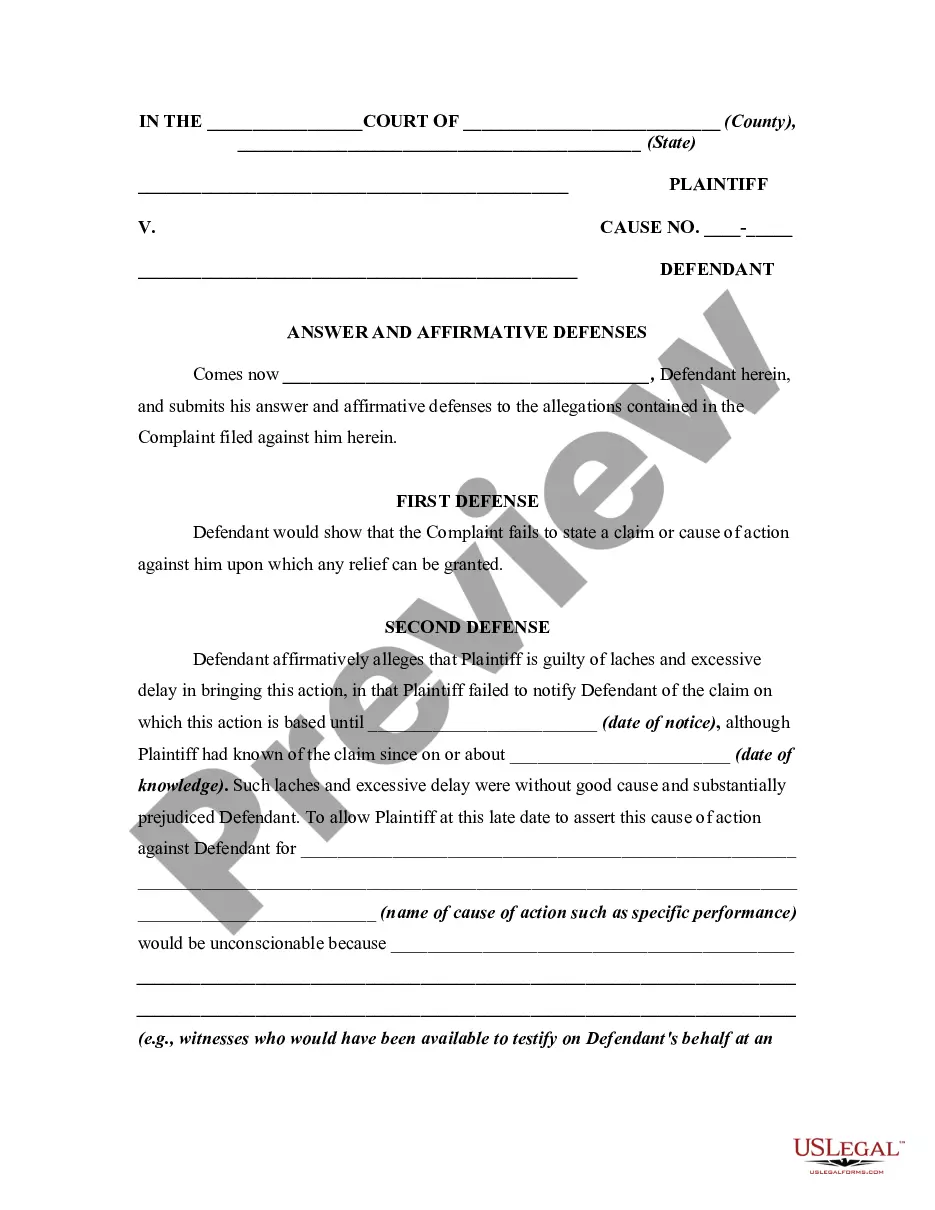
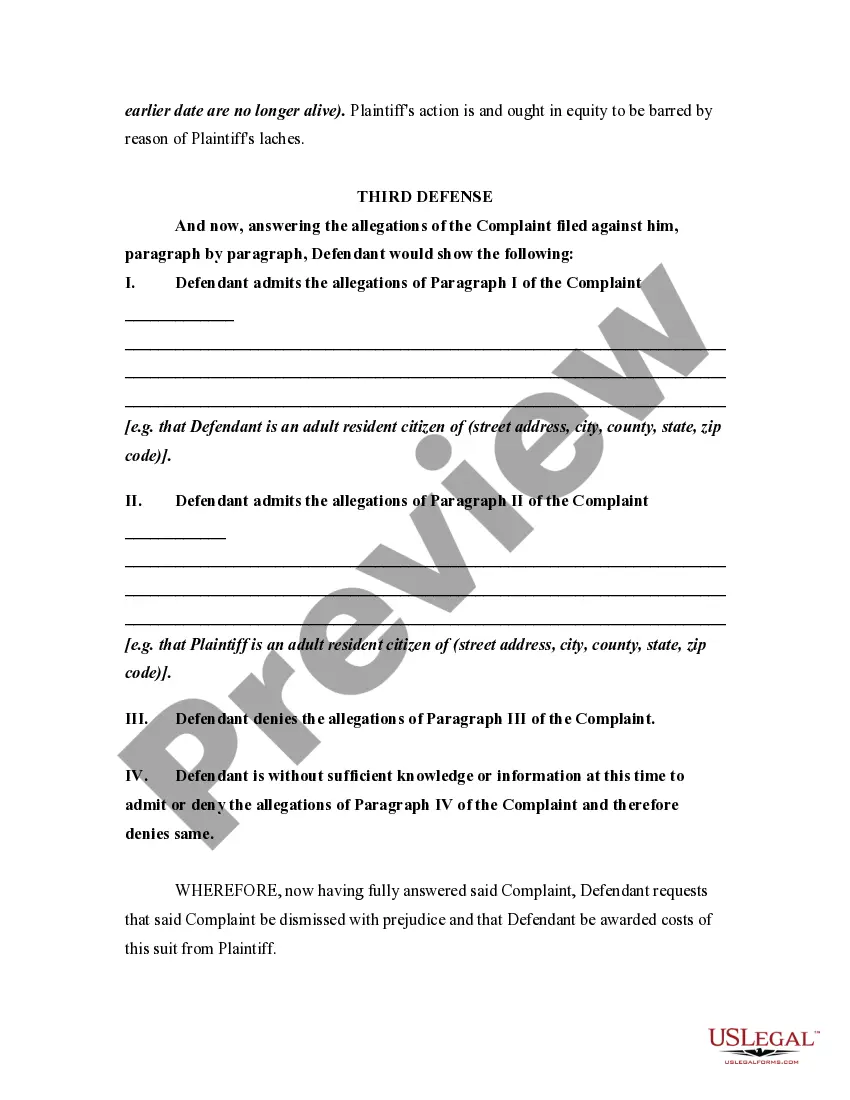
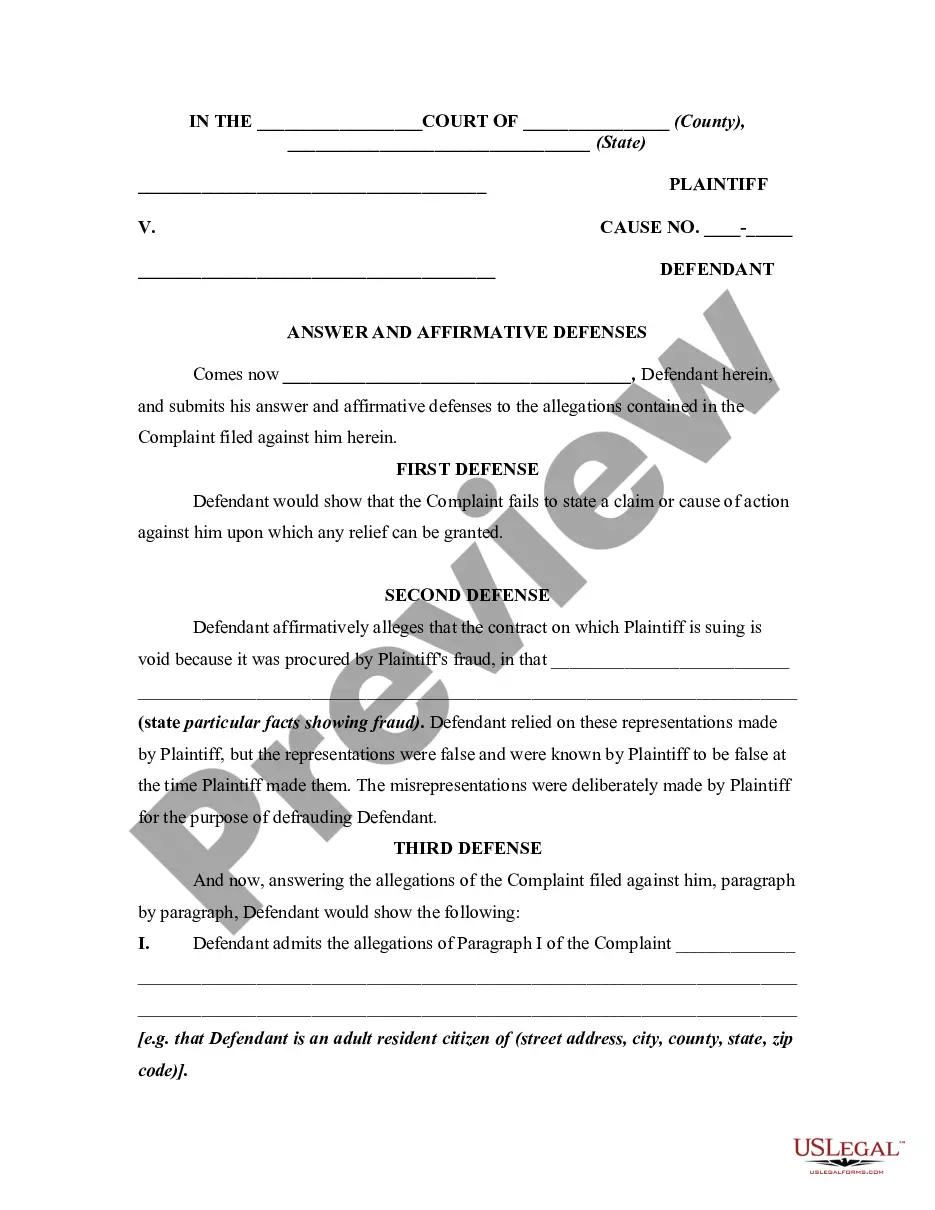
Get your form ready online
Our built-in tools help you complete, sign, share, and store your documents in one place.
Make edits, fill in missing information, and update formatting in US Legal Forms—just like you would in MS Word.
Download a copy, print it, send it by email, or mail it via USPS—whatever works best for your next step.
Sign and collect signatures with our SignNow integration. Send to multiple recipients, set reminders, and more. Go Premium to unlock E-Sign.
If this form requires notarization, complete it online through a secure video call—no need to meet a notary in person or wait for an appointment.
We protect your documents and personal data by following strict security and privacy standards.

Make edits, fill in missing information, and update formatting in US Legal Forms—just like you would in MS Word.

Download a copy, print it, send it by email, or mail it via USPS—whatever works best for your next step.

Sign and collect signatures with our SignNow integration. Send to multiple recipients, set reminders, and more. Go Premium to unlock E-Sign.

If this form requires notarization, complete it online through a secure video call—no need to meet a notary in person or wait for an appointment.

We protect your documents and personal data by following strict security and privacy standards.
Looking for another form?

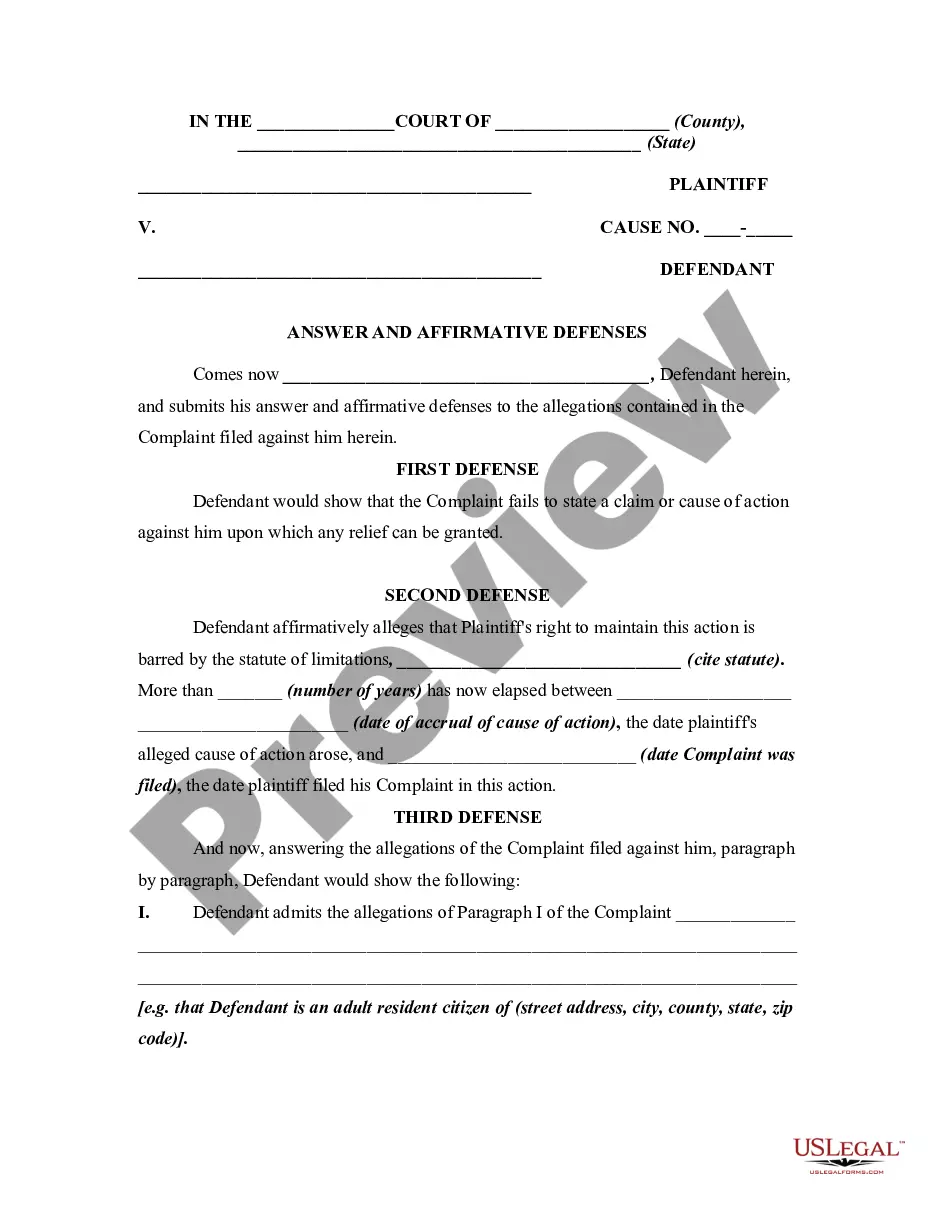
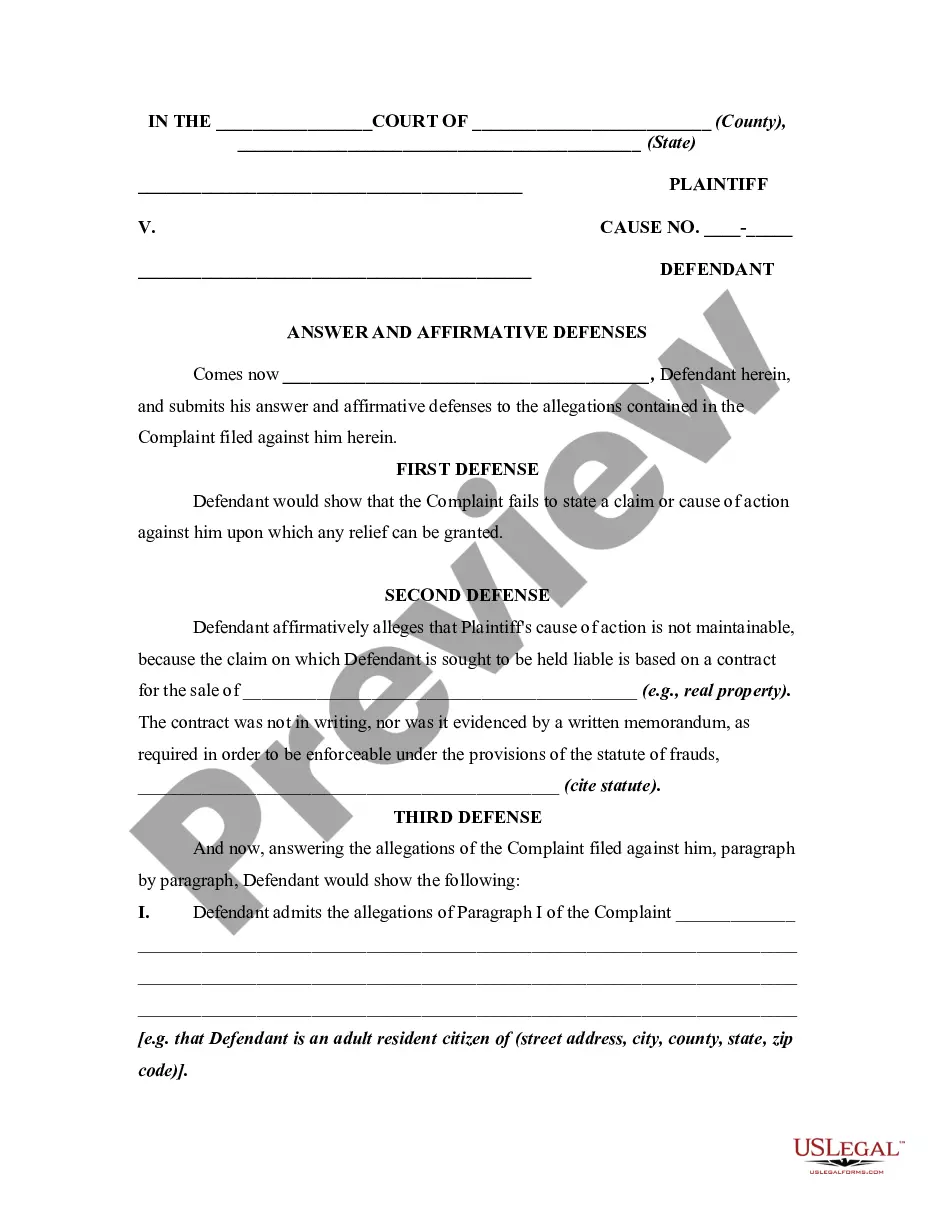
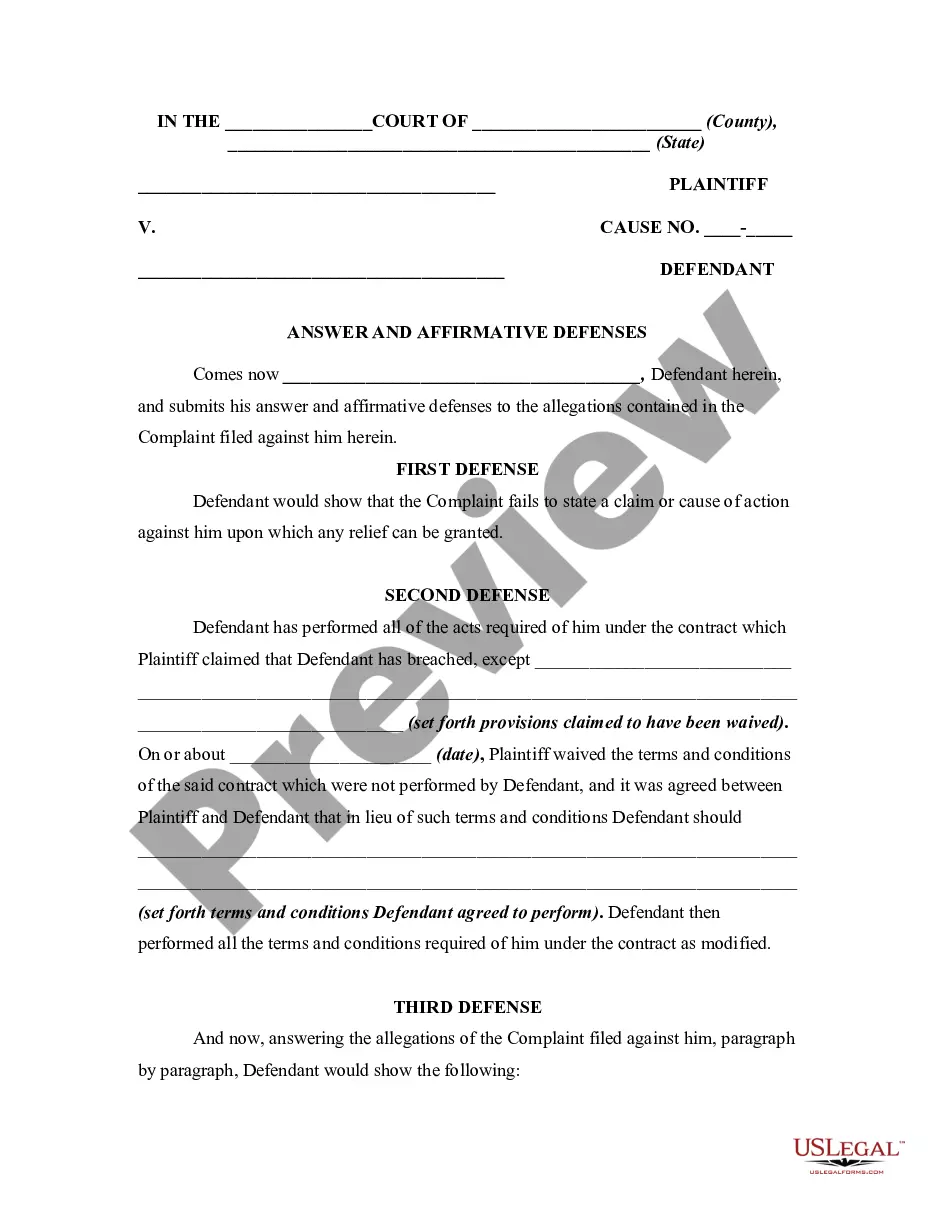
How to fill out Answer By Defendant In A Civil Lawsuit Alleging The Affirmative Defense Of The Cause Of Action Being Barred By Laches?
- If you have used US Legal Forms previously, log in to your account and download the required form by clicking the Download button. Ensure your subscription is active; if not, renew it as per your plan.
- For first-time users, start by browsing the Preview mode and form descriptions to pick a document that fits your needs. Make sure it meets your local jurisdiction requirements.
- If the first template doesn’t meet your needs, utilize the Search tab to find a more suitable document that complies with your requirements.
- Once satisfied with the selected document, proceed to purchase by clicking the 'Buy Now' button and selecting a subscription plan that works for you. Remember, you’ll need to create an account for full library access.
- Complete your purchase by entering your credit card information or selecting PayPal for payment.
- After purchasing, download the template to save it on your device. You can access the document anytime via the My Forms menu in your account.
Using US Legal Forms empowers individuals to navigate the process with confidence. Their robust collection of documents surpasses competitors, making it a go-to resource for legal forms.
In conclusion, if you're looking to file a civil action lawsuit for credit card debt, leveraging US Legal Forms can simplify your journey. Begin now and secure your legal rights with the right documentation!
Form popularity
FAQ
When you receive a lawsuit for credit card debt, it's crucial to respond promptly and appropriately to avoid default judgment. You typically have a limited time to file an answer or counterclaim in the civil action lawsuit for credit card debt. Consult with a legal expert if needed, as they can guide you through the process and help you understand your rights. Documentation is key, so gather relevant information before responding.
Choosing to settle a debt rather than going to court often proves to be the better option for many individuals facing a civil action lawsuit for credit card debt. Settlements can provide a quicker resolution, lower total payments, and reduced stress compared to the court process. Furthermore, negotiating a settlement directly with creditors can lead to mutually beneficial terms. Weigh your options and consider the long-term implications of each choice.
Settlement can often be a more favorable option than going to court in a civil action lawsuit for credit card debt. Settling allows you to resolve the issue quickly, typically for less than the total owed, and avoids the stress of court appearances. Additionally, settlements can help protect your credit score from further damage. When you consider all these advantages, settlement may indeed be the smarter route.
Deciding whether to settle your debt or go to court hinges on various factors, including your financial situation. A civil action lawsuit for credit card debt may lead to court costs and attorney fees. If you can agree to a settlement, it can help you avoid a drawn-out legal battle and minimize the financial burden. Assess your options carefully, weighing the potential outcomes before making a decision.
Credit card companies often settle for a percentage of the total debt in civil action lawsuits for credit card debt, typically ranging from 30% to 70%. The final settlement amount depends on various factors, such as the age of the debt and the financial situation of the debtor. It is beneficial to negotiate directly with the creditor or consult with a legal professional for guidance on approaching a settlement. USLegalForms offers customizable documents and tools to assist you during negotiations.
Defending against a civil action lawsuit for credit card debt involves understanding your rights and gathering relevant evidence. You should review all documentation related to the debt, including any statements or communications from the creditor. It's important to respond to the lawsuit within the specified time frame and consider filing a counterclaim if there are legitimate issues with the creditor’s practices. Additionally, utilizing the resources from USLegalForms can help you navigate the legal process effectively.
The 777 rule with debt collectors pertains to the guidelines they must follow when pursuing collections. It seeks to prevent abusive tactics and ensure ethical behavior in collection practices. Being informed about this rule is critical when you face a civil action lawsuit for credit card debt, as it provides you with a framework of rights that can help you navigate your situation effectively.
A debt typically becomes uncollectible after a set period, often ranging from three to six years, depending on state laws. During this time, creditors may attempt collection efforts, which can escalate into a civil action lawsuit for credit card debt. If you are concerned about an unpaid debt, knowing the timeline can empower you to take the appropriate steps to protect your financial interests.
The 777 rule typically refers to specific regulatory guidelines that restrict how debt collectors can operate. This rule limits their practices to ensure fairness and reduces harassment of consumer debtors. Understanding these guidelines is important, especially when facing a civil action lawsuit for credit card debt, as they protect your rights and may impact the strategies employed by creditors.