Statute Of Frauds Philippines
Description
Get your form ready online
Our built-in tools help you complete, sign, share, and store your documents in one place.
Make edits, fill in missing information, and update formatting in US Legal Forms—just like you would in MS Word.
Download a copy, print it, send it by email, or mail it via USPS—whatever works best for your next step.
Sign and collect signatures with our SignNow integration. Send to multiple recipients, set reminders, and more. Go Premium to unlock E-Sign.
If this form requires notarization, complete it online through a secure video call—no need to meet a notary in person or wait for an appointment.
We protect your documents and personal data by following strict security and privacy standards.

Make edits, fill in missing information, and update formatting in US Legal Forms—just like you would in MS Word.

Download a copy, print it, send it by email, or mail it via USPS—whatever works best for your next step.

Sign and collect signatures with our SignNow integration. Send to multiple recipients, set reminders, and more. Go Premium to unlock E-Sign.

If this form requires notarization, complete it online through a secure video call—no need to meet a notary in person or wait for an appointment.

We protect your documents and personal data by following strict security and privacy standards.
Looking for another form?






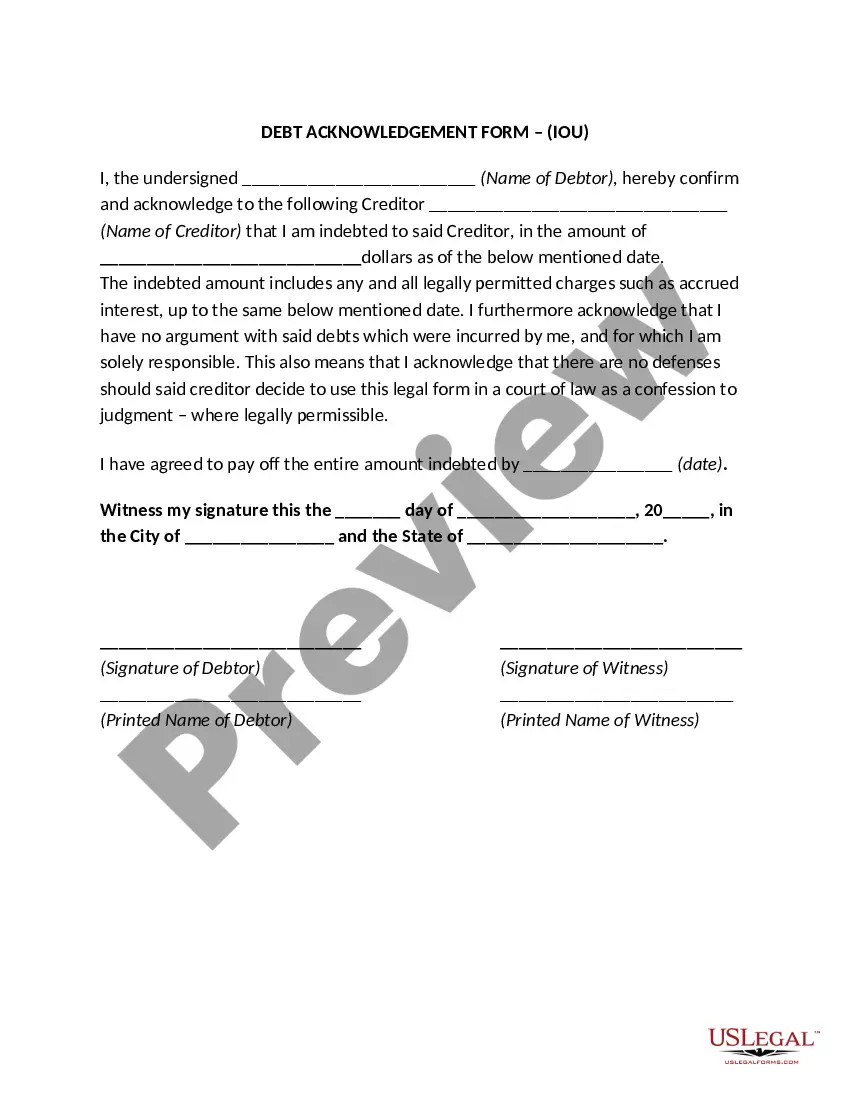


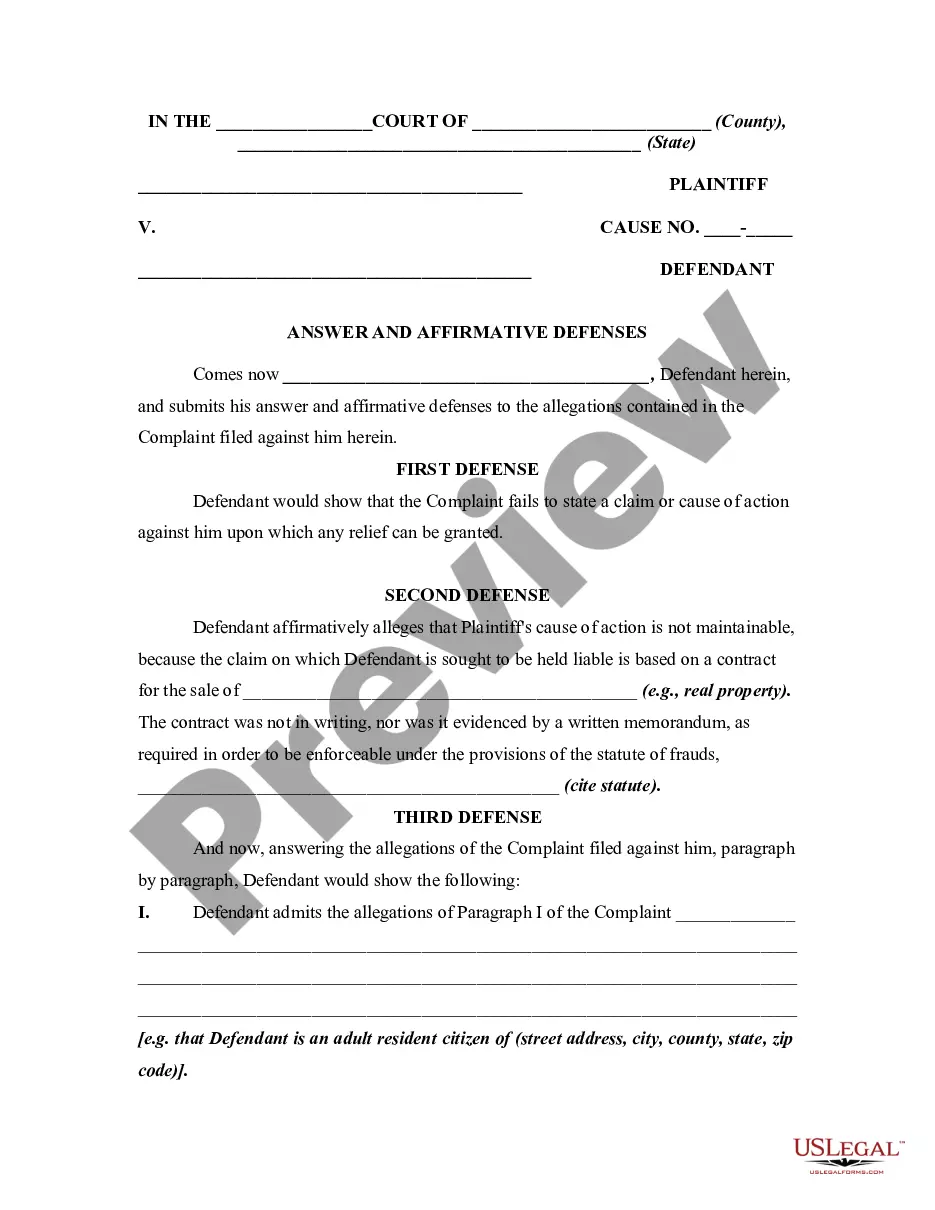
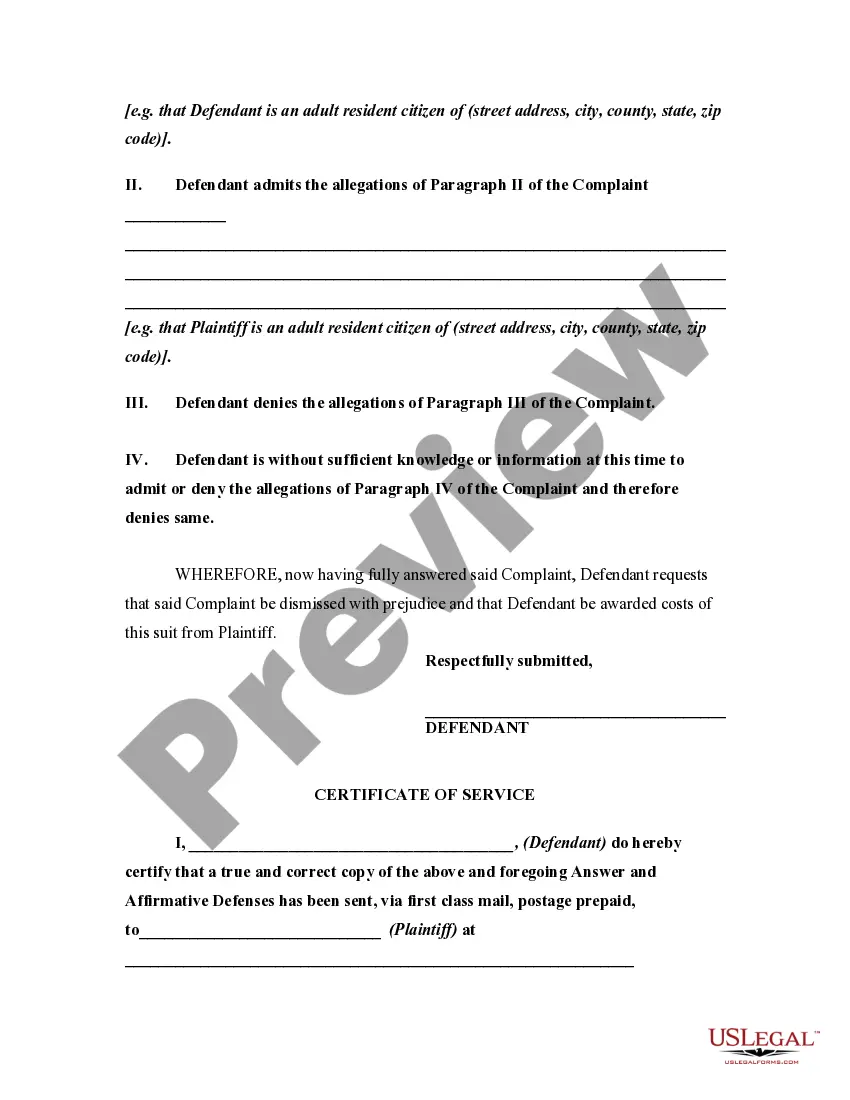
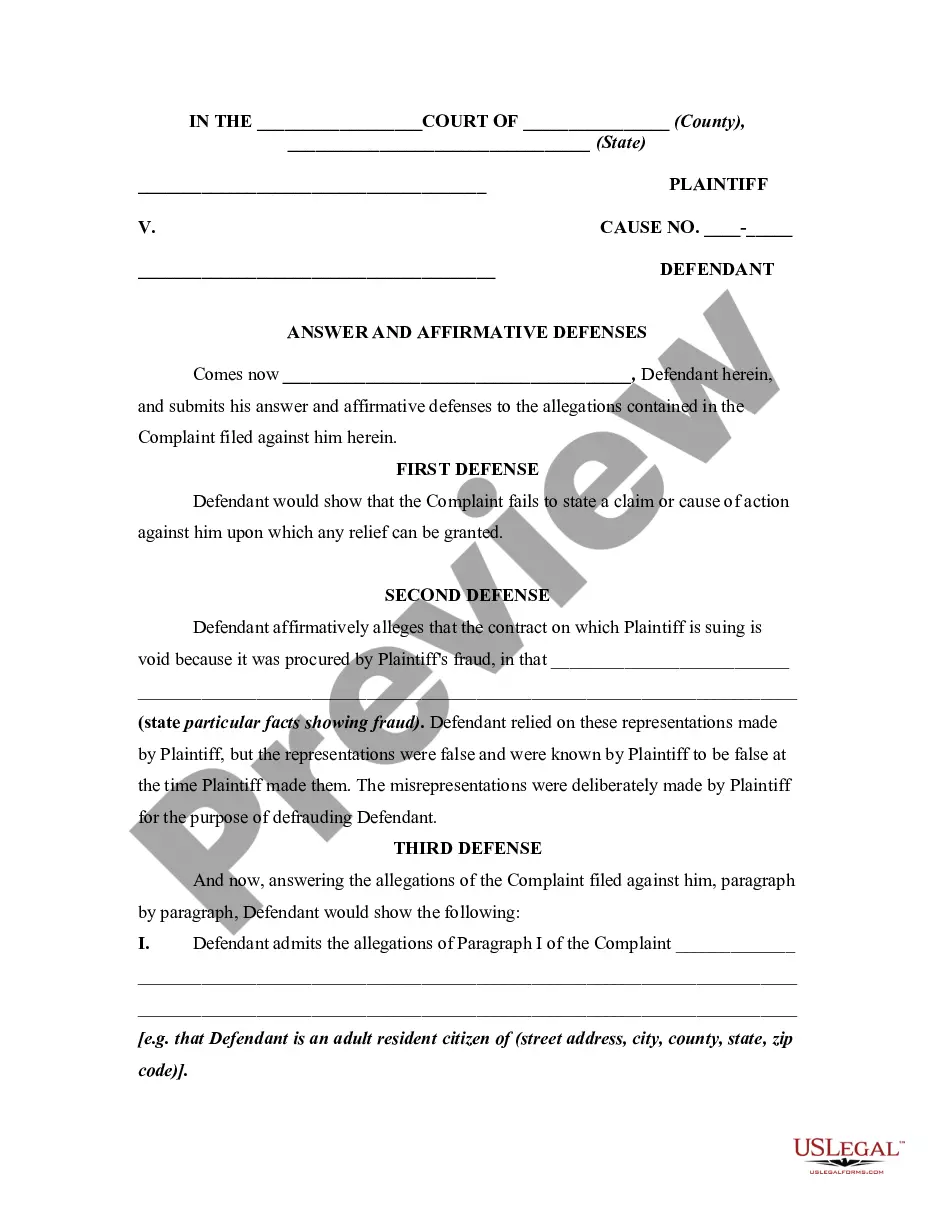
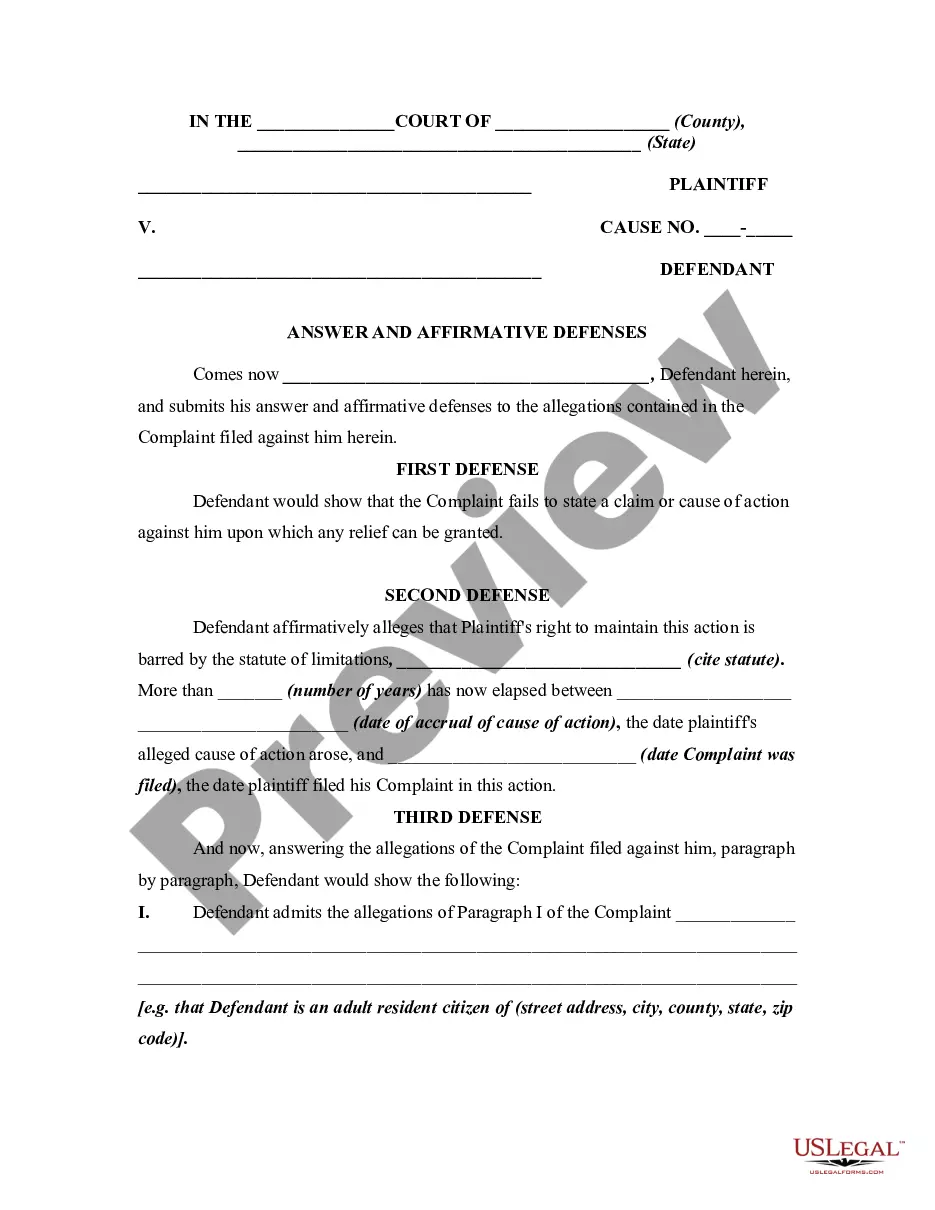
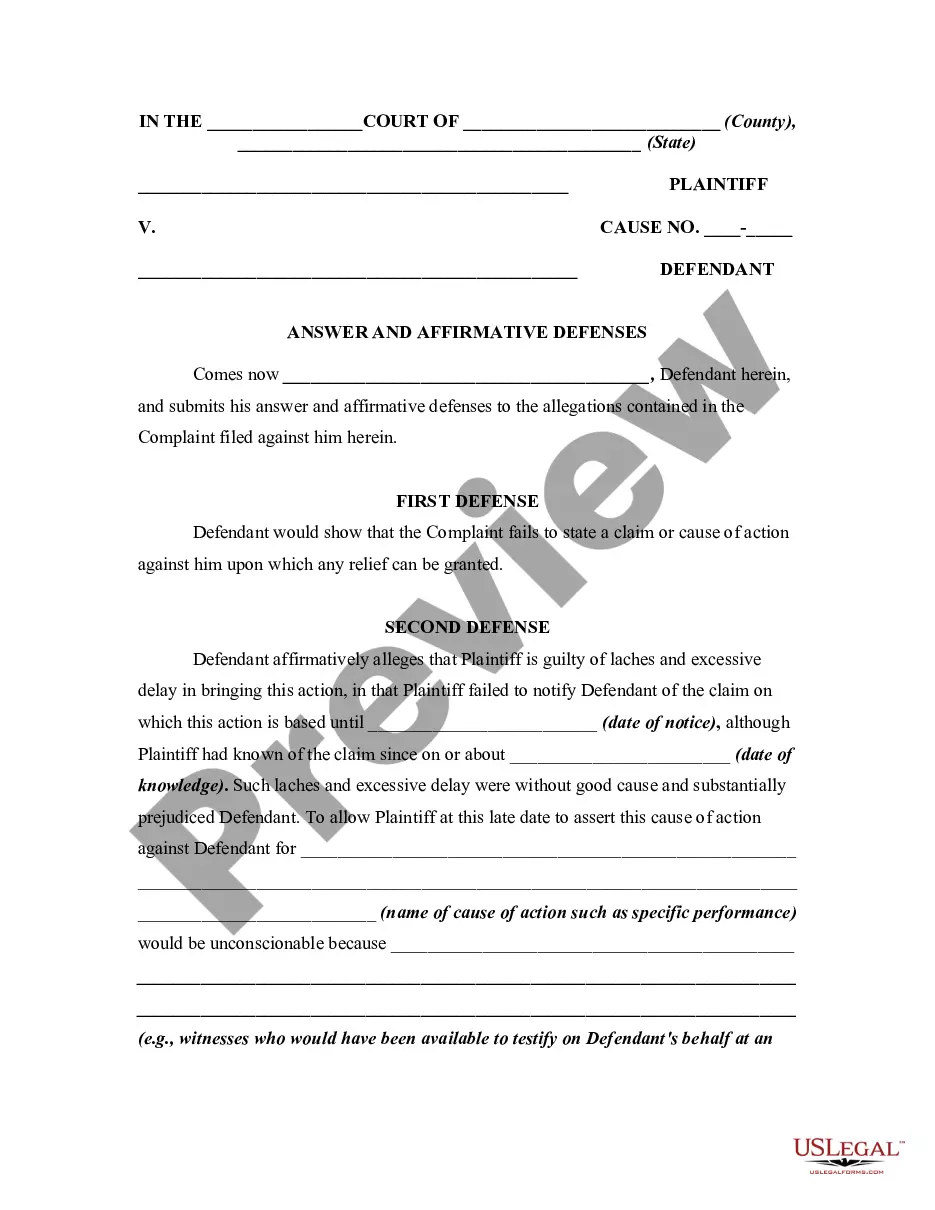
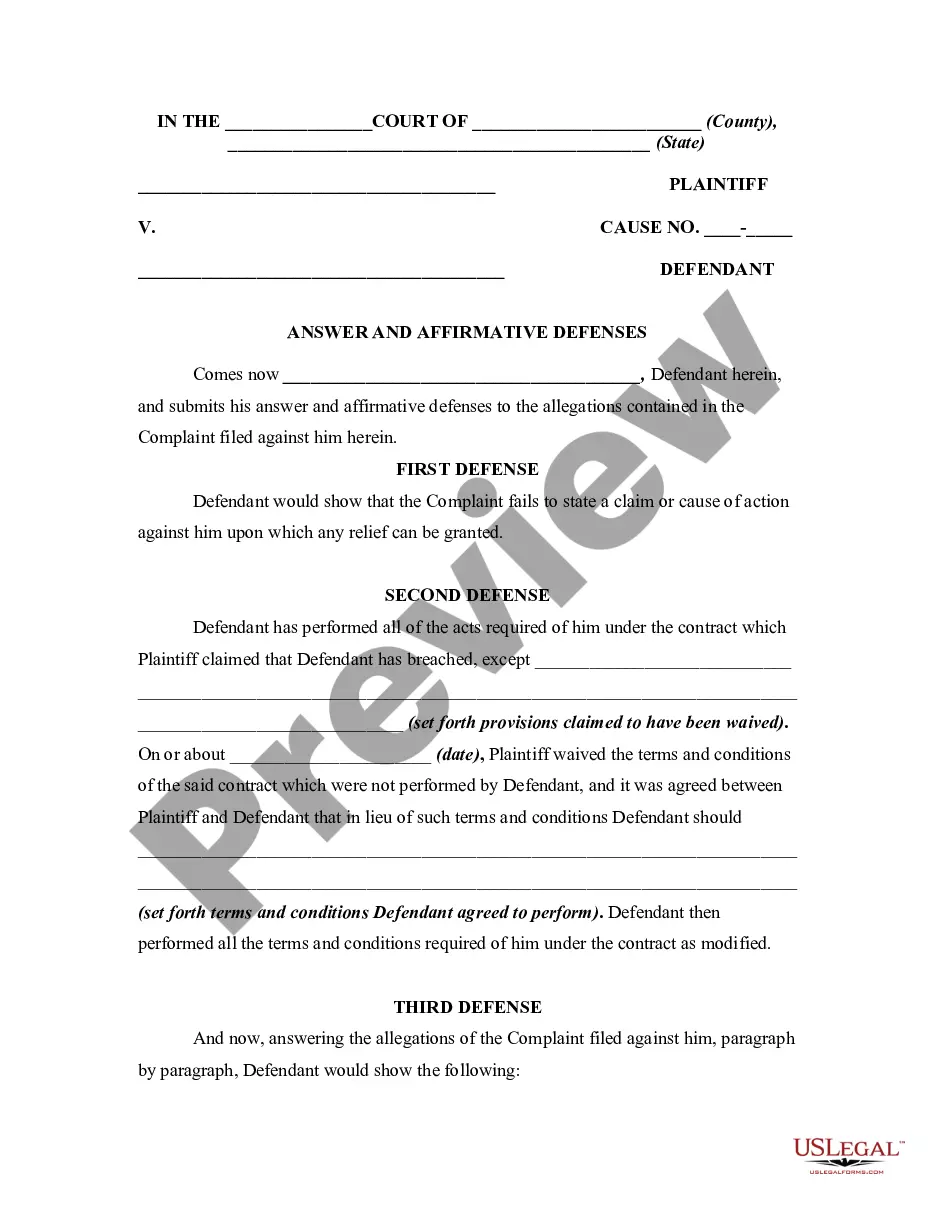
How to fill out Answer By Defendant In A Civil Lawsuit Alleging The Affirmative Defense Of The Cause Of Action Being Barred By The Appropriate Statute Of Frauds?
Clearly, it’s not possible to instantly become a legal expert, nor can you swiftly create the Statute Of Frauds Philippines without possessing specialized knowledge.
Compiling legal documents is a lengthy task that demands particular training and expertise. So, why not entrust the drafting of the Statute Of Frauds Philippines to the experts.
With US Legal Forms, one of the most extensive libraries of legal templates available, you can access everything from court documents to templates for internal corporate communication.
Create a free account and choose a subscription plan to purchase the template.
Select Buy now. Once the payment is completed, you can download the Statute Of Frauds Philippines, fill it out, print it, and send or mail it to the necessary parties or organizations.
- We realize how important it is to comply with federal and state regulations.
- That’s the reason all forms on our platform are specific to your location and up to date.
- Discover the template you need using the search bar at the top of the webpage.
- Preview it (if this feature is available) and review the accompanying description to determine if the Statute Of Frauds Philippines matches your requirements.
- If you require another form, simply start your search again.
Form popularity
FAQ
The Statute of Frauds in the Philippines is a legal principle that requires certain agreements to be in writing to be enforceable. This law aims to prevent fraud and misunderstandings in significant transactions, like contracts for the sale of land or agreements that cannot be completed within one year. Understanding the Statute of Frauds is essential for individuals and businesses alike, as it helps in creating legally binding documents that safeguard your interests. For additional resources and templates, consider exploring the offerings from USLegalForms, which can help you navigate these legal requirements effectively.
Defrauding creditors falls under Article 315, showcasing actions aimed at obstructing creditors’ rights through deceit. This aspect is relevant to the Statute of frauds philippines, as it underscores the significance of enforceable contracts. By understanding how Article 315 operates, creditors can better navigate legal avenues to recover debts and protect their interests.
Article 315 of the Penal Code addresses the crime of swindling, which involves deceiving someone to gain something of value unjustly. This article reveals the importance of protecting interests in matters tied to the Statute of frauds philippines, ensuring that individuals are held accountable for fraudulent actions. Recognizing the nuances of Article 315 can help victims pursue justice effectively while safeguarding their rights.
The Statute of Frauds can be satisfied by any signed writing that (1) reasonably identifies the subject matter of the contract, (2) is sufficient to indicate that a contract exists, and (3) states with reasonable certainty the material terms of the contract.
The first requirement for a contract under the statute of frauds is to be written. Written form consists of something in writing but does not have to be a formal contract. Any memorandum or writing that contains the necessary elements will suffice.
The Statute of Frauds can be satisfied by the completion of three requirements. First, it must identify the subject matter of the contract. It must also indicate that a contract between two parties exists. Lastly, it must state with reasonable certainty the specific terms of the contract.
Under the statute of frauds, the writing must: be signed by the defendant; and must state with reasonable certainty the name of each party, the subject matter of the agreement, and all of the essential terms and promises.
The term "Statute of Frauds" is descriptive of statutes which require certain classes of contracts to be in writing. The Statute does not deprive the parties of the right to contract with respect to the matters therein involved, but merely regulates the formalities of the contract necessary to render it enforceable.