Suing For Negligence Australia
Description
Get your form ready online
Our built-in tools help you complete, sign, share, and store your documents in one place.
Make edits, fill in missing information, and update formatting in US Legal Forms—just like you would in MS Word.
Download a copy, print it, send it by email, or mail it via USPS—whatever works best for your next step.
Sign and collect signatures with our SignNow integration. Send to multiple recipients, set reminders, and more. Go Premium to unlock E-Sign.
If this form requires notarization, complete it online through a secure video call—no need to meet a notary in person or wait for an appointment.
We protect your documents and personal data by following strict security and privacy standards.

Make edits, fill in missing information, and update formatting in US Legal Forms—just like you would in MS Word.

Download a copy, print it, send it by email, or mail it via USPS—whatever works best for your next step.

Sign and collect signatures with our SignNow integration. Send to multiple recipients, set reminders, and more. Go Premium to unlock E-Sign.

If this form requires notarization, complete it online through a secure video call—no need to meet a notary in person or wait for an appointment.

We protect your documents and personal data by following strict security and privacy standards.
Looking for another form?



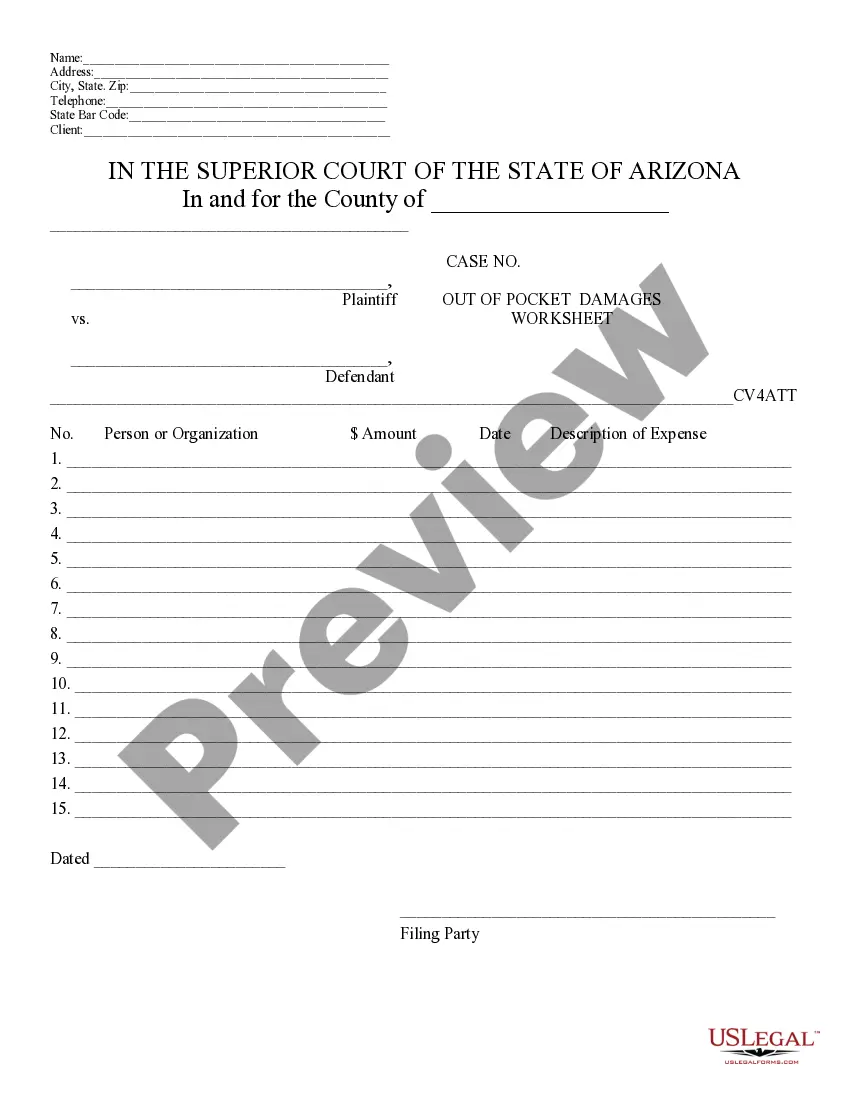

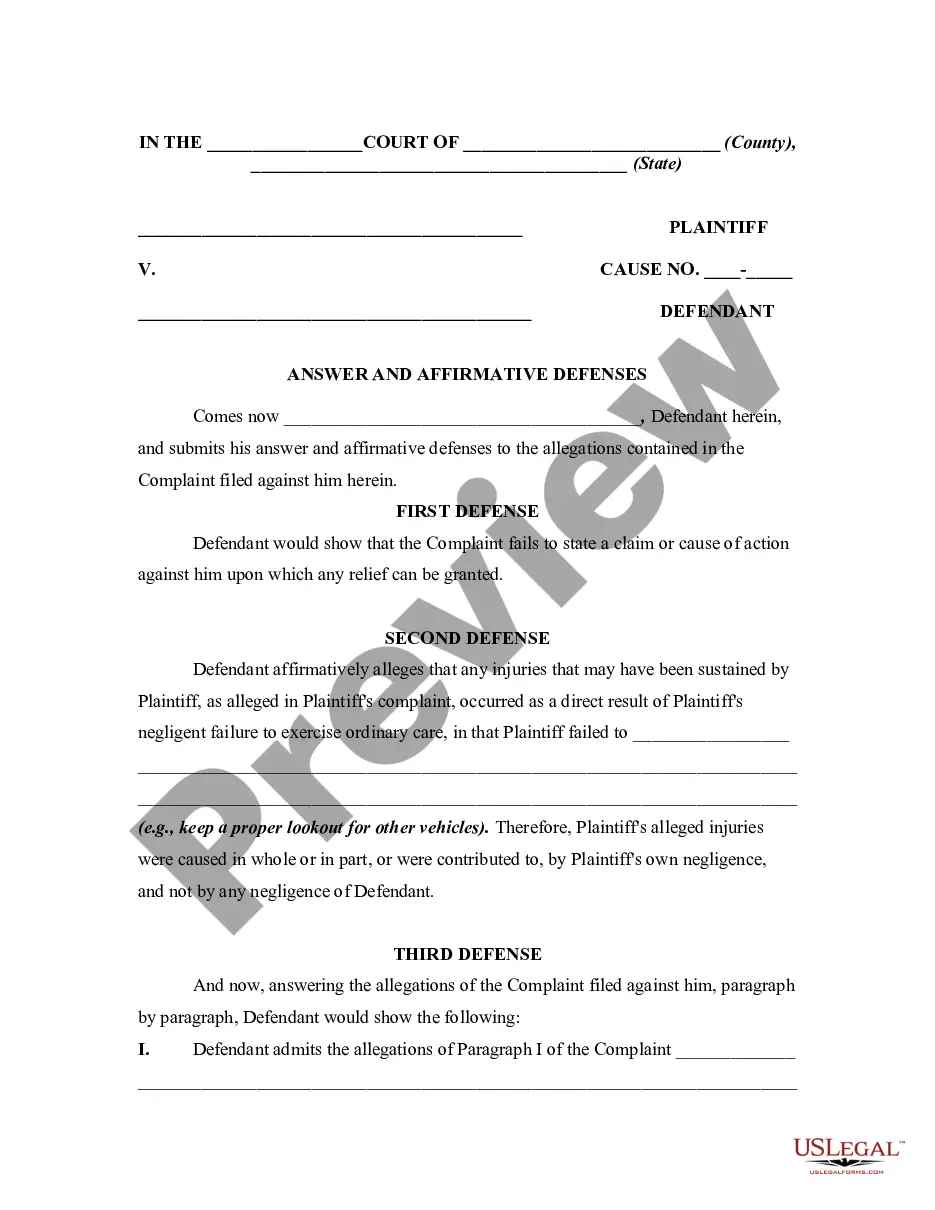
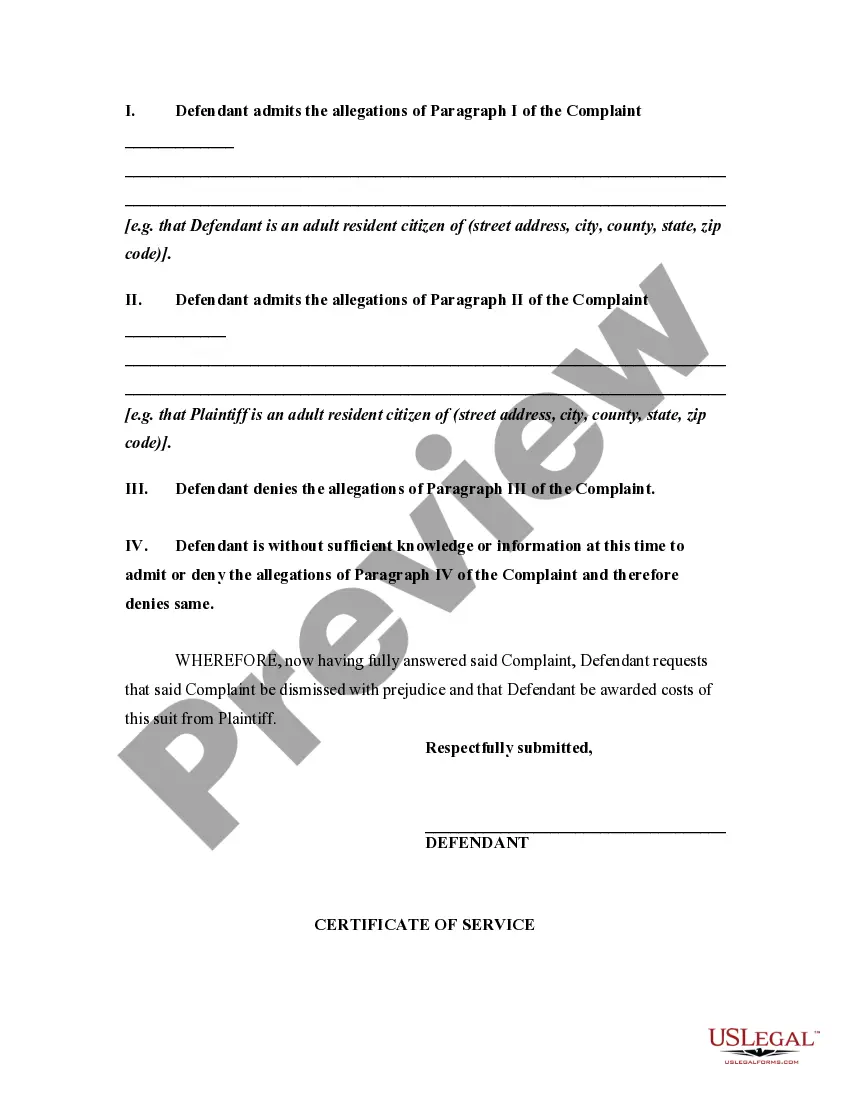
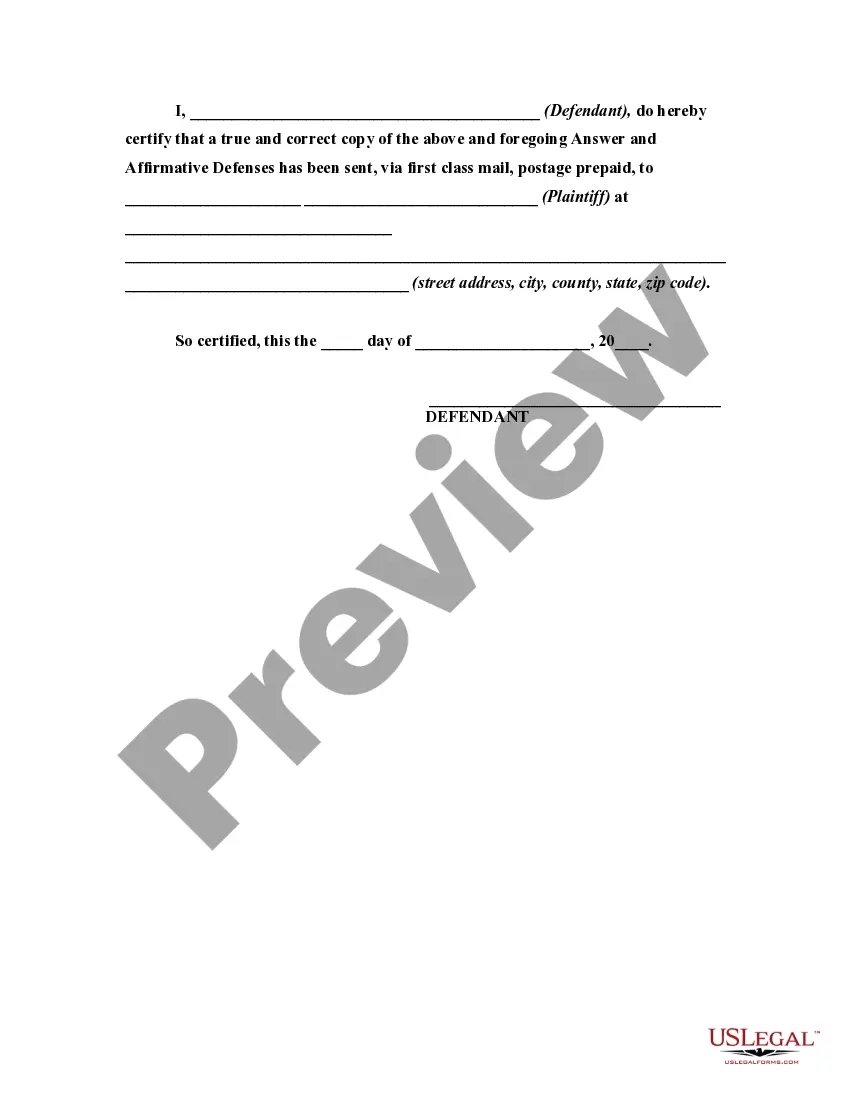
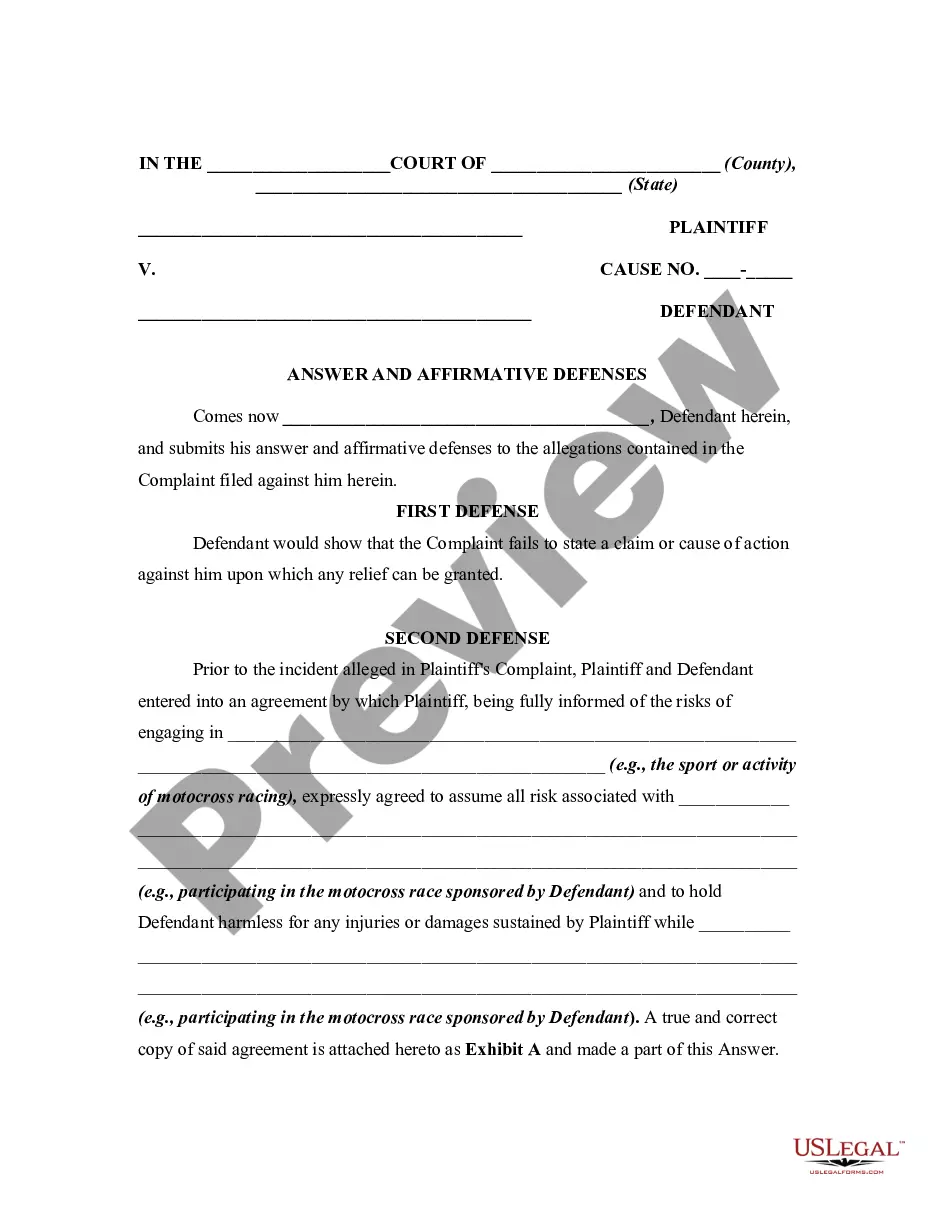
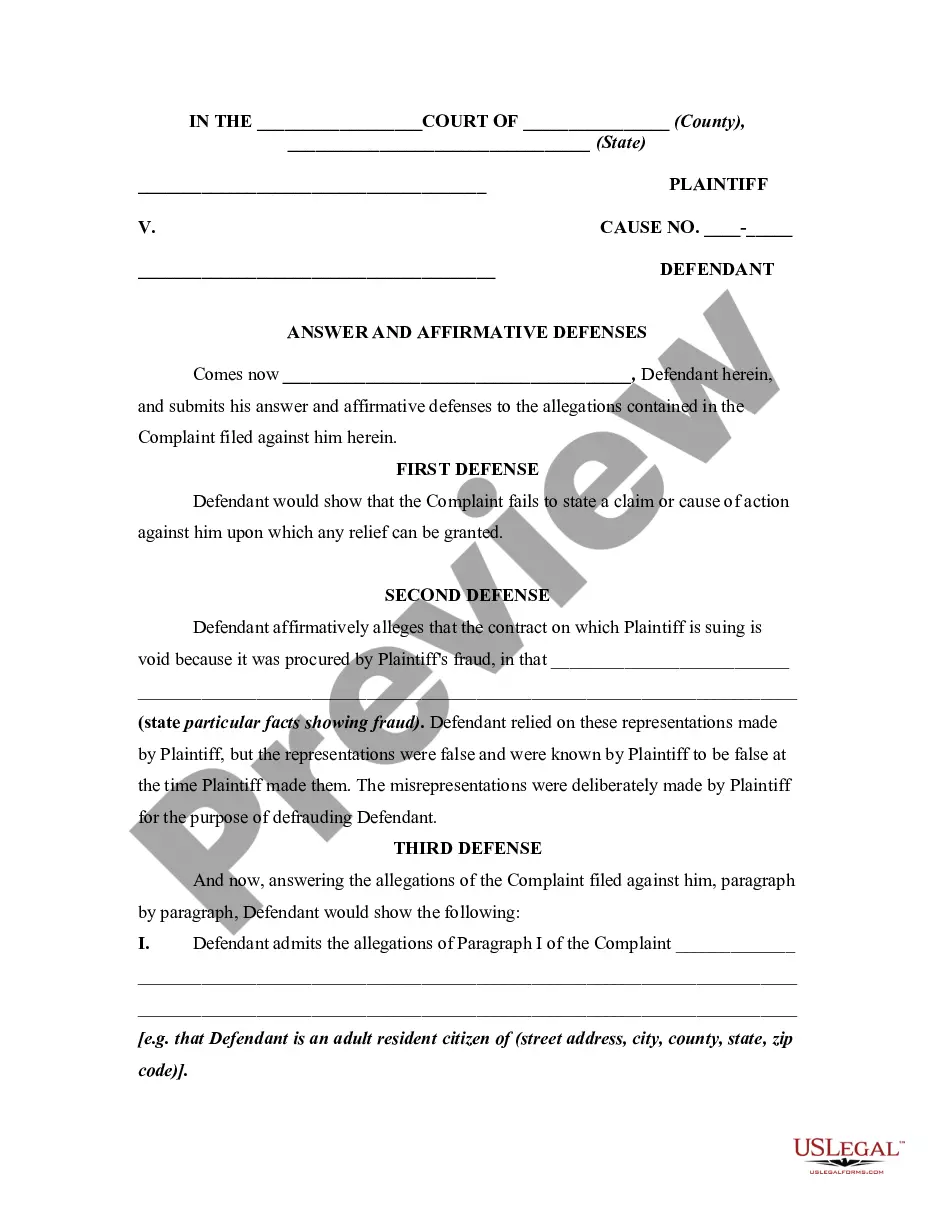
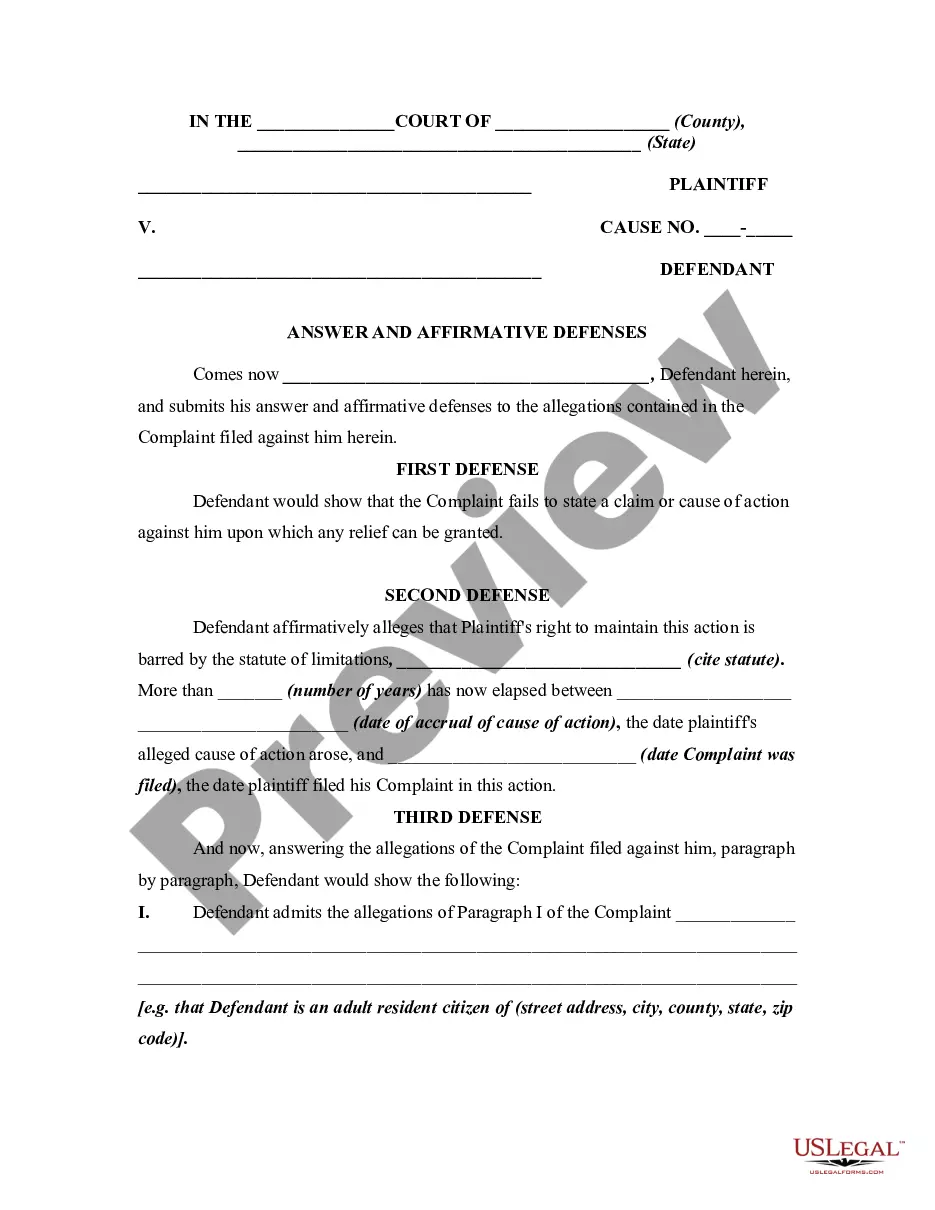
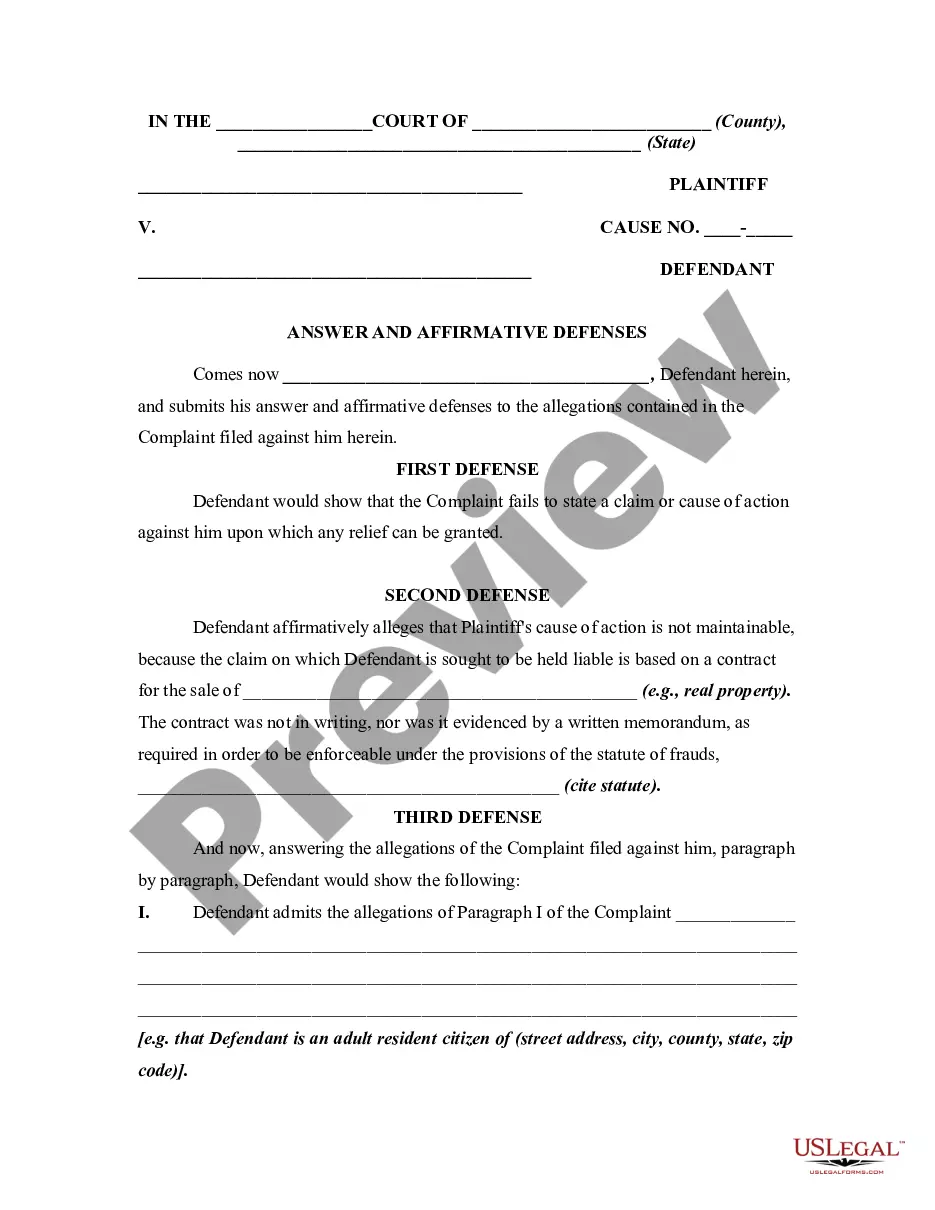
How to fill out Answer By Defendant In A Civil Lawsuit Alleging The Affirmative Defense Of Contributory Negligence?
It’s clear that you cannot transform into a legal expert instantly, nor can you learn to swiftly assemble Suing For Negligence Australia without having a specialized background.
Compiling legal documents is a lengthy process necessitating specific training and expertise.
So why not allow the experts to handle the creation of the Suing For Negligence Australia.
You can access your documents again from the My documents tab anytime.
If you’re a current customer, you can simply Log In and find and download the template from the same section.
- Locate the necessary document using the search bar at the top of the webpage.
- Preview it (if this functionality is available) and review the accompanying description to ascertain if Suing For Negligence Australia meets your requirements.
- Restart your search if you require any other documents.
- Sign up for a free account and select a subscription plan to purchase the form.
- Select Buy now. Once the payment has been completed, you can obtain the Suing For Negligence Australia, fill it out, print it, and deliver it by mail or send it to the appropriate recipients.
Form popularity
FAQ
The law of negligence in Australia aims to protect individuals from harm due to another's careless actions. It establishes a framework for holding parties accountable when they fail to meet a reasonable standard of care. Compensation may be awarded to those who demonstrate that they sustained injuries because of this breach. Understanding this legal landscape is essential when considering suing for negligence in Australia, and resources like US Legal Forms can guide you through the process.
Yes, you can sue for damages in Australia under negligence law. If you suffer harm due to another person's breach of duty, you have the right to seek compensation for your losses. It's important to gather evidence and document your injuries, as this information will support your claim. The process might seem complex, but platforms like US Legal Forms can simplify your legal journey.
When suing for negligence in Australia, you must establish four key elements: duty of care, breach of duty, causation, and damages. First, you need to prove that the defendant had a legal obligation to act in a certain way. Second, you must show that the defendant failed in that duty, leading to a specific incident. Lastly, the breach must directly cause harm or injury, resulting in damages that you can claim.
The four proofs of negligence typically involve establishing duty, breach, causation, and damages. Each proof must be supported by strong evidence and a clear connection to your case. Familiarizing yourself with these proofs can be beneficial, especially if you are planning to take action by suing for negligence in Australia. Utilizing resources like USLegalForms can help you navigate this complex landscape.
Winning a negligence case can be challenging, as it involves proving all necessary elements by a preponderance of the evidence. The burden of proof lies with the plaintiff, and substantial evidence is often required to establish causation and damages. If you are considering suing for negligence in Australia, seeking expert advice can significantly improve your chances.
To prove negligence, you must demonstrate four key elements: duty of care, breach of that duty, causation, and damages. The duty of care requires the defendant to act in a way that avoids unreasonable harm to others. If you can show that the defendant failed in this duty, resulting in damages, it strengthens your chances when suing for negligence in Australia.
The four primary claims of negligence include breach of duty, causation, damages, and foreseeability. A plaintiff must establish that the defendant failed to meet the required standard of care, that this failure led to damages, and that the damages were a foreseeable result of the defendant's actions. If you are considering suing for negligence in Australia, knowing these claims can help strengthen your case.
The 4 C's of negligence refer to the core concepts: Carelessness, Causation, Concurrence, and Compliance. Carelessness involves failing to act as a reasonable person would in similar circumstances. Causation connects the careless action to the harm suffered. Understanding these concepts is essential when pursuing a claim on suing for negligence in Australia.
Yes, you can sue for negligence in Australia if you believe someone else's actions caused you harm. The legal process requires you to demonstrate that the other party owed you a duty of care, breached that duty, and that this breach directly caused your injury. Understanding the specifics of suing for negligence in Australia can be complex, so consulting with a legal expert or using a platform like USLegalForms can provide valuable assistance.
One notable negligence case in Australia is the Donoghue v. Stevenson case, decided in 1932. This landmark ruling established the foundation for modern negligence law by introducing the principle of duty of care. It involved a claim against a manufacturer after a consumer found a snail in her ginger beer, leading to severe illness. Understanding such pivotal cases can provide valuable insights when considering suing for negligence in Australia.