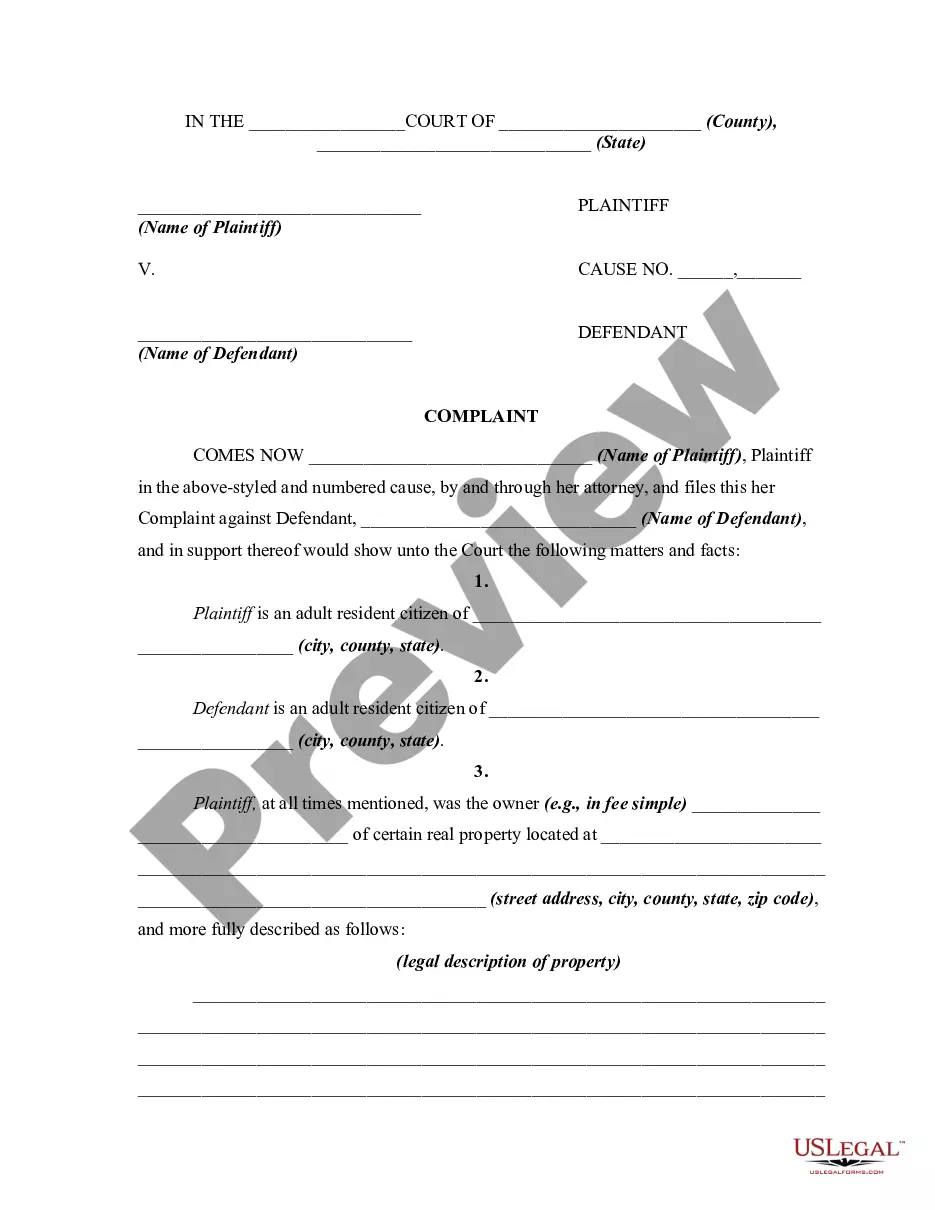
Complaint For Negligence
Description
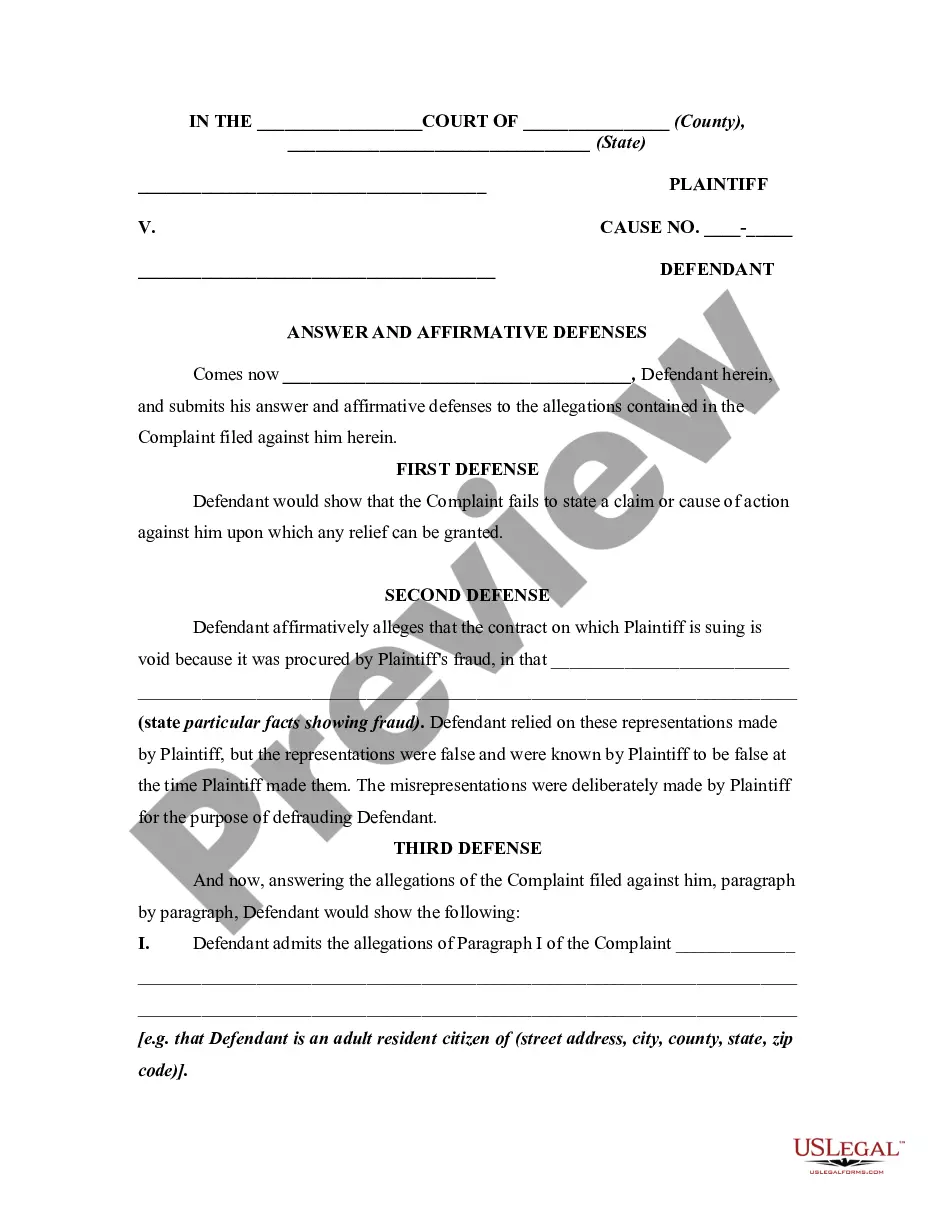
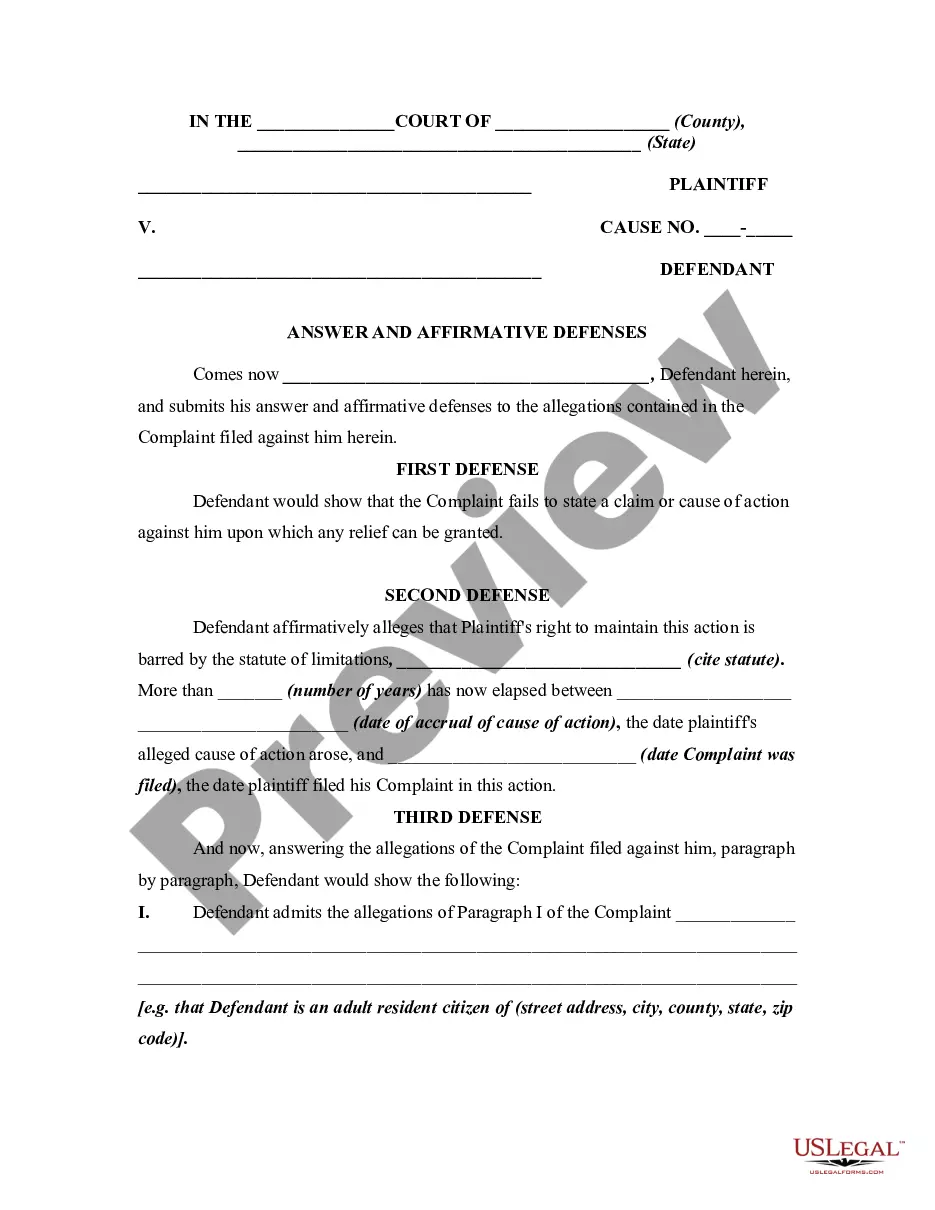
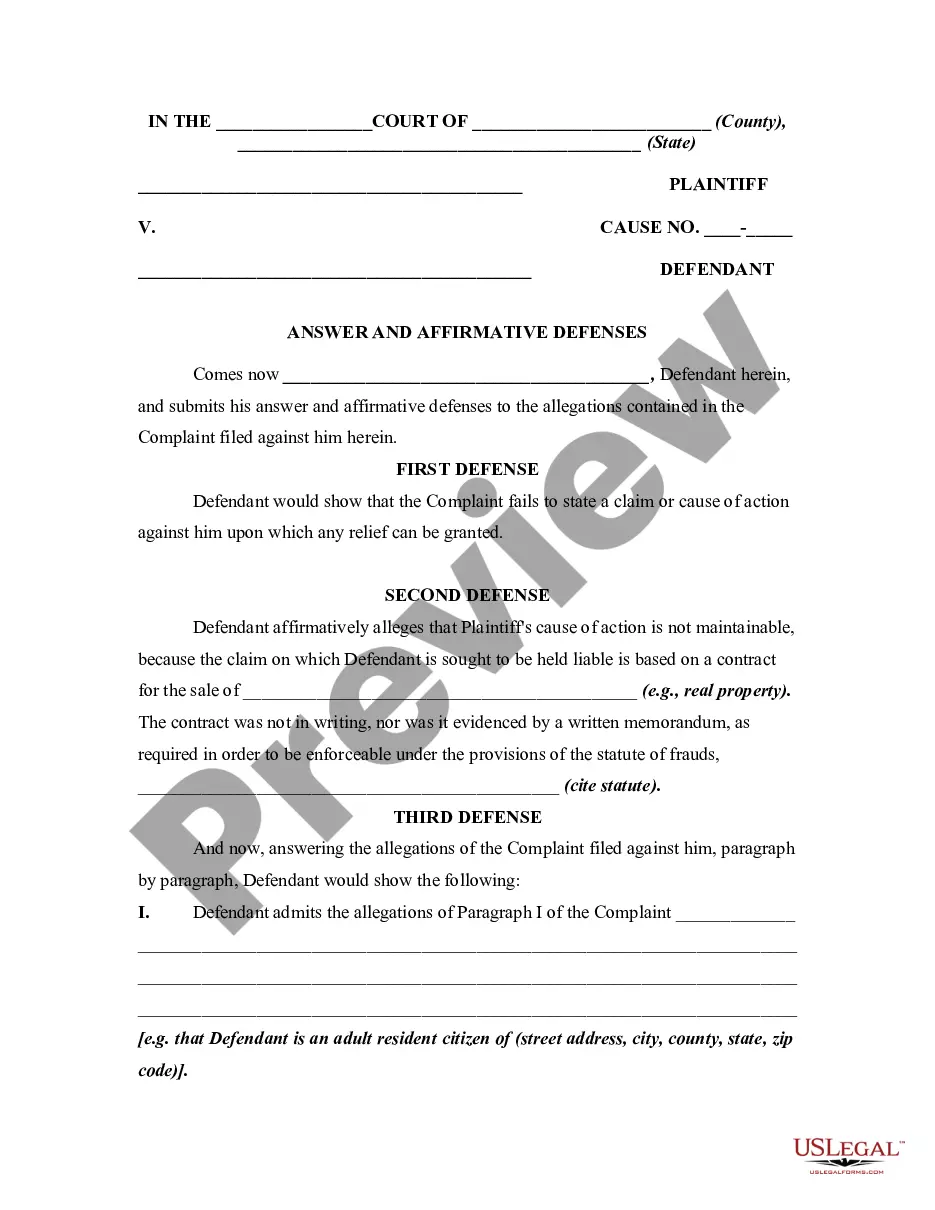
Get your form ready online
Our built-in tools help you complete, sign, share, and store your documents in one place.
Make edits, fill in missing information, and update formatting in US Legal Forms—just like you would in MS Word.
Download a copy, print it, send it by email, or mail it via USPS—whatever works best for your next step.
Sign and collect signatures with our SignNow integration. Send to multiple recipients, set reminders, and more. Go Premium to unlock E-Sign.
If this form requires notarization, complete it online through a secure video call—no need to meet a notary in person or wait for an appointment.
We protect your documents and personal data by following strict security and privacy standards.

Make edits, fill in missing information, and update formatting in US Legal Forms—just like you would in MS Word.

Download a copy, print it, send it by email, or mail it via USPS—whatever works best for your next step.

Sign and collect signatures with our SignNow integration. Send to multiple recipients, set reminders, and more. Go Premium to unlock E-Sign.

If this form requires notarization, complete it online through a secure video call—no need to meet a notary in person or wait for an appointment.

We protect your documents and personal data by following strict security and privacy standards.
Looking for another form?



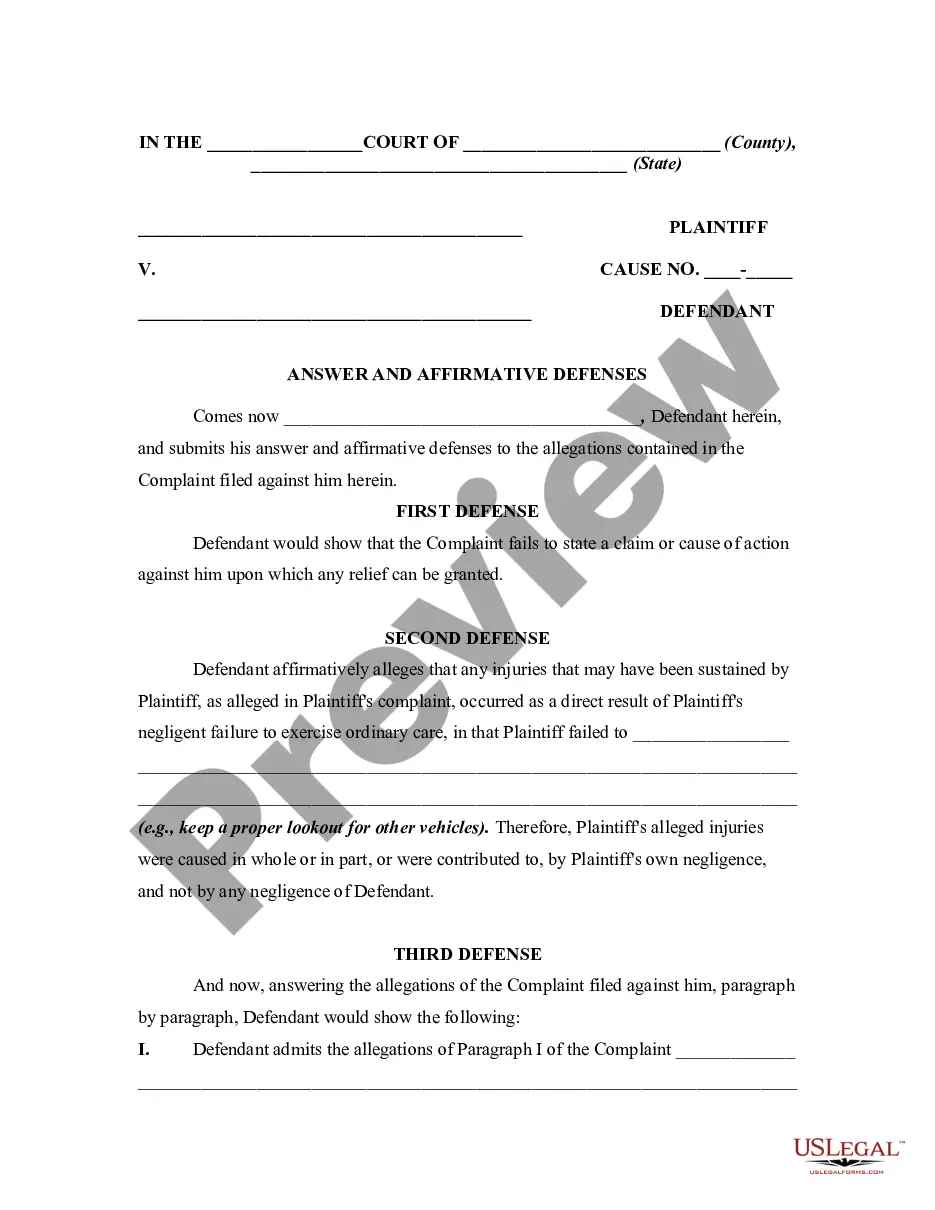
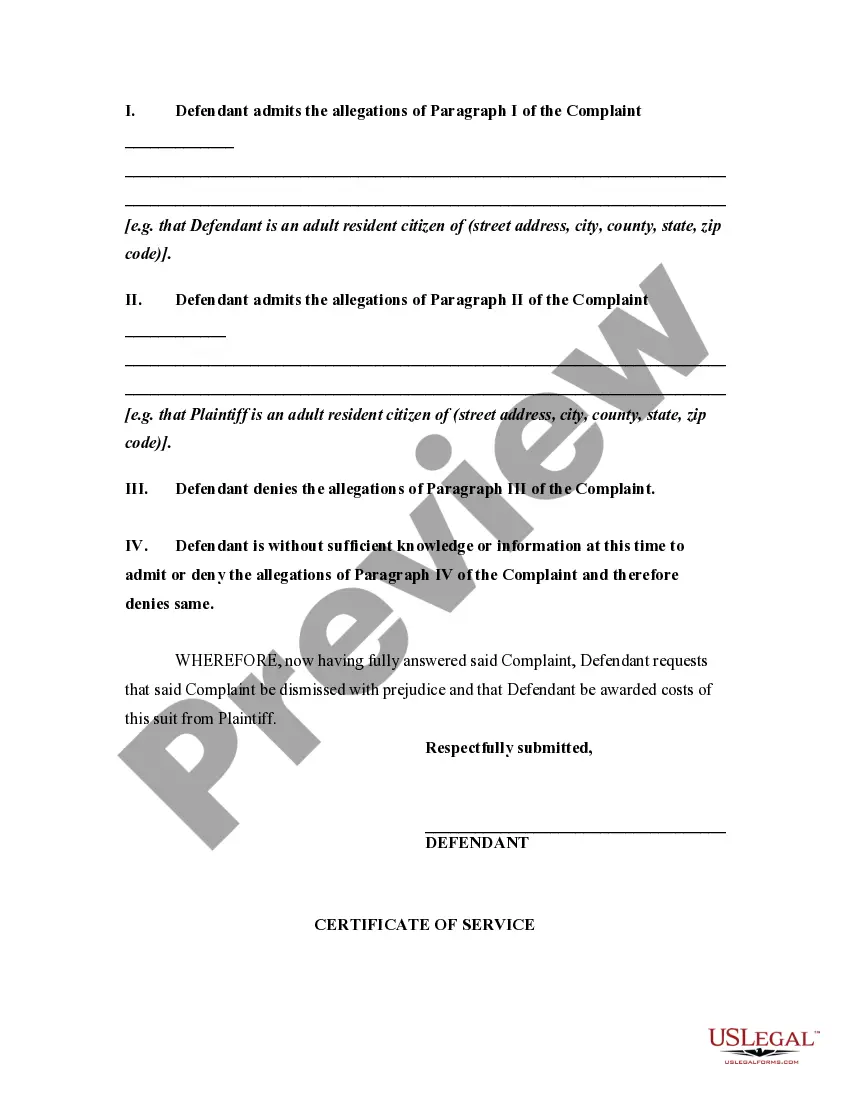
How to fill out Answer By Defendant In A Civil Lawsuit Alleging The Affirmative Defense Of Contributory Negligence?
Acquiring legal document specimens that adhere to federal and local statutes is essential, and the internet provides numerous alternatives to select from.
However, why spend time searching for the accurately formulated Complaint For Negligence template online when the US Legal Forms digital library already consolidates such documents in one location.
US Legal Forms is the most comprehensive online legal repository with over 85,000 editable templates created by attorneys for various professional and personal situations. They are easy to navigate with all documents organized by state and intended use. Our specialists keep abreast of legal modifications, ensuring that your paperwork is current and compliant when you obtain a Complaint For Negligence from our platform.
Click Buy Now when you’ve found the correct form and select a subscription plan. Create an account or Log In and process payment via PayPal or credit card. Select the appropriate format for your Complaint For Negligence and download it. All documents available through US Legal Forms are reusable. To re-download and fill in previously saved forms, access the My documents tab in your account. Take advantage of the most extensive and user-friendly legal document service!
- Acquiring a Complaint For Negligence is quick and straightforward for both existing and new users.
- If you possess an account with an active subscription, Log In and save the document sample you need in the appropriate format.
- If you’re unfamiliar with our site, follow the steps below.
- Examine the template using the Preview feature or through the description text to ensure it aligns with your requirements.
- Use the search tool at the top of the page to locate another sample if necessary.
Form popularity
FAQ
Writing a complaint for negligence involves clearly stating the facts surrounding your case. Start by identifying the parties involved, then outline the actions that lead to the alleged negligence. Next, specify how the negligence caused harm or injury to you, and what compensation you seek. If you need assistance, consider using the US Legal Forms platform, which provides templates and guidance to help you create an effective complaint for negligence.
To complain about negligence effectively, start by documenting all relevant details surrounding the incident. Collect evidence, such as medical documents, photographs, and witness statements. Then, consider filing a formal complaint; you can use platforms like USLegalForms to assist with your legal documentation. Using proper resources helps ensure your complaint for negligence is thorough and well-structured.
The 4 C's of negligence are critical in constructing a persuasive complaint. They include Care, which refers to the duty owed; Circumstances that outline how the incident occurred; Causation that connects the plaintiff's injuries to the defendant's actions; and finally, Consequences, which detail the damages the plaintiff suffered. Understanding these components can significantly aid in formulating a successful complaint for negligence.
The four common claims of negligence focus on different aspects of the incident. These claims typically include negligence per se, where a violation of a law leads to a harm; gross negligence, indicating a severe lack of care; ordinary negligence, which is the most common and relates to the reasonable person's standard; and vicarious liability, which holds an employer responsible for the negligent acts of its employees. Each claim addresses various nuances within a complaint for negligence.
In a complaint for negligence, you must prove four key aspects to build a solid case. First, establish the duty owed by the defendant. Next, show how the defendant's actions deviated from that duty, indicating a breach. Third, connect the breach directly to your injury, proving causation. Finally, confirm that you experienced actual damages resulting from the defendant's negligence.
When preparing a complaint for negligence, gathering appropriate evidence is essential. You should collect documentation that demonstrates the duty of care and how it was breached. This might include photographs, witness statements, medical records, and other relevant materials. Proper evidence strengthens your case and helps establish the basis for your claims of negligence.
To prove a complaint for negligence, you must establish four crucial elements. First, you need a duty of care, showing that the defendant had an obligation to act in a certain way. Second, there must be a breach of that duty, meaning the defendant did not act as a reasonable person would. Third, you must demonstrate causation; that is, the breach directly caused your injury. Lastly, actual damages must be present, which refers to the measurable harm you suffered.