Responding To A Lawsuit
Description
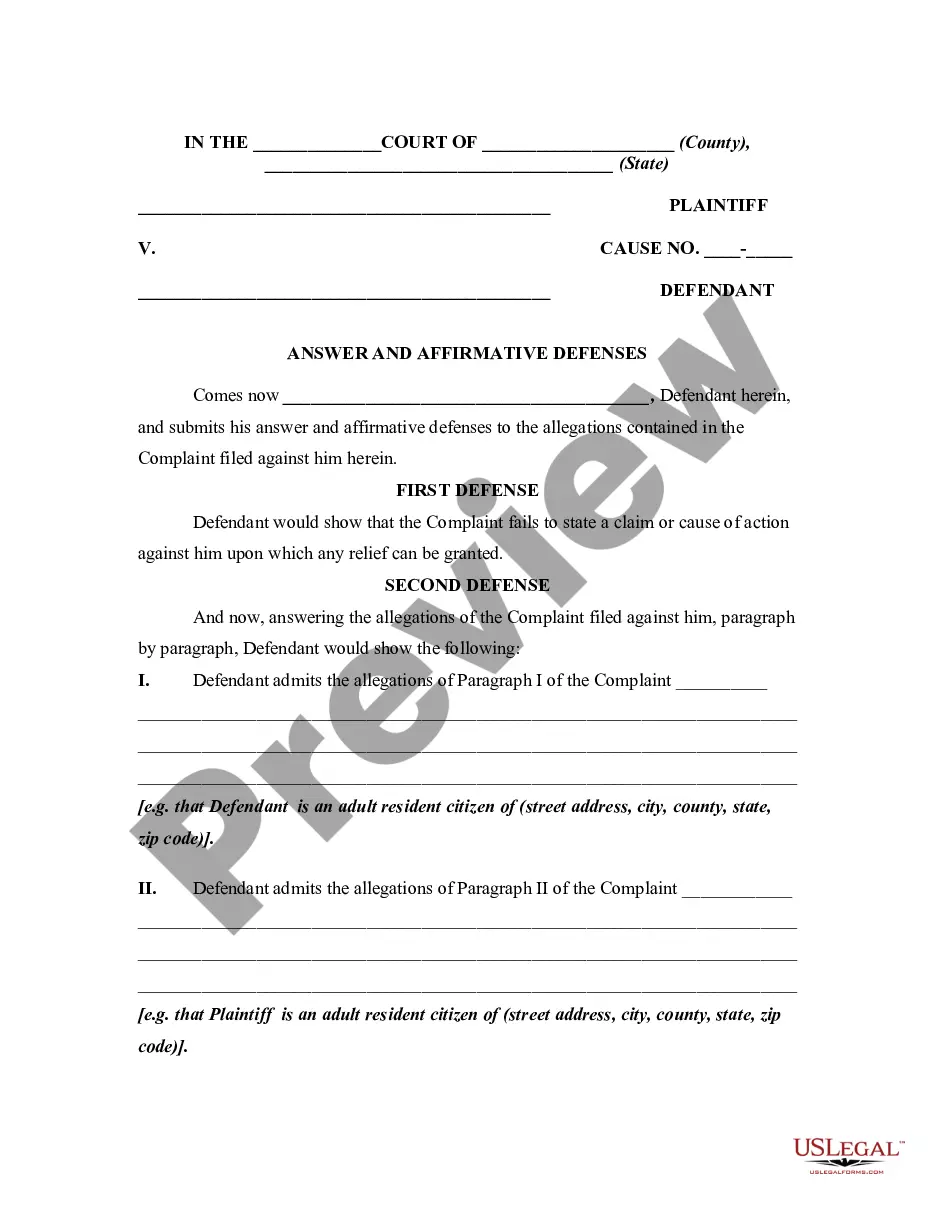
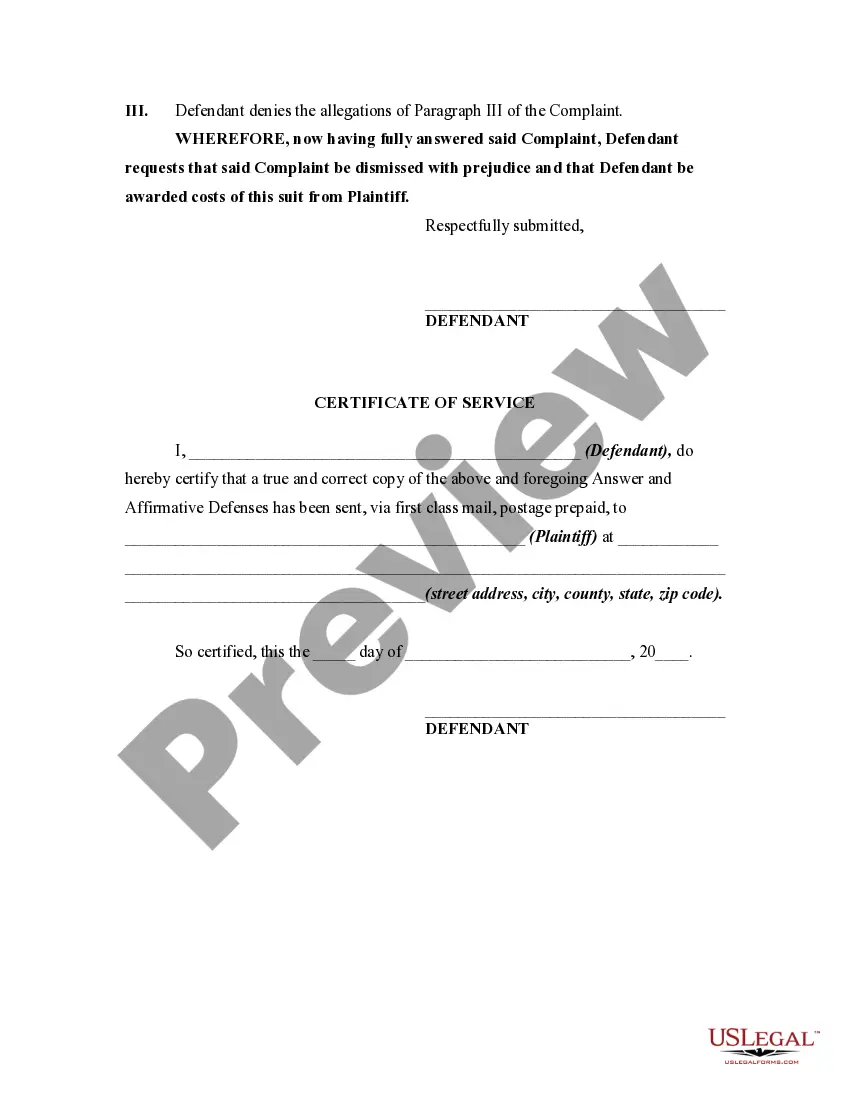
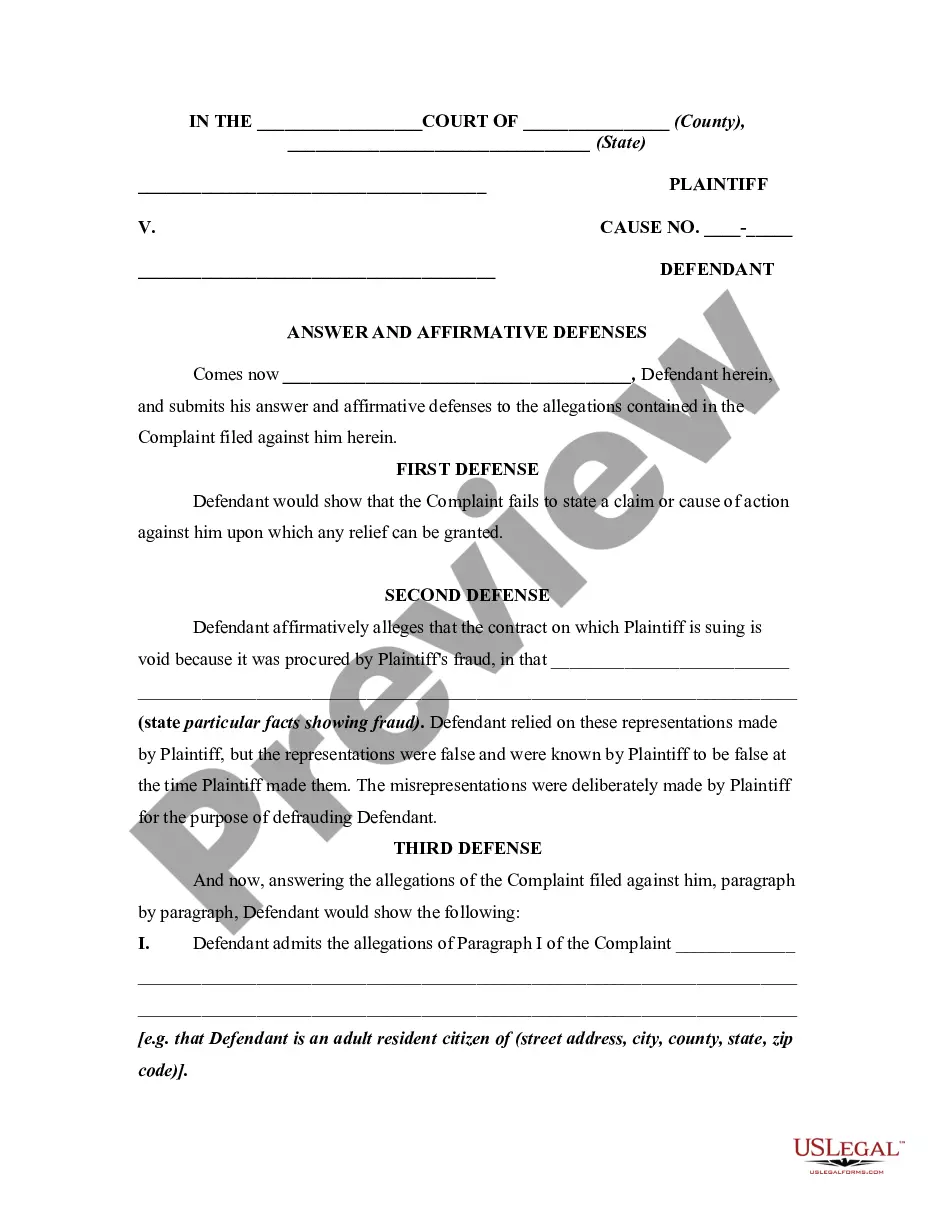
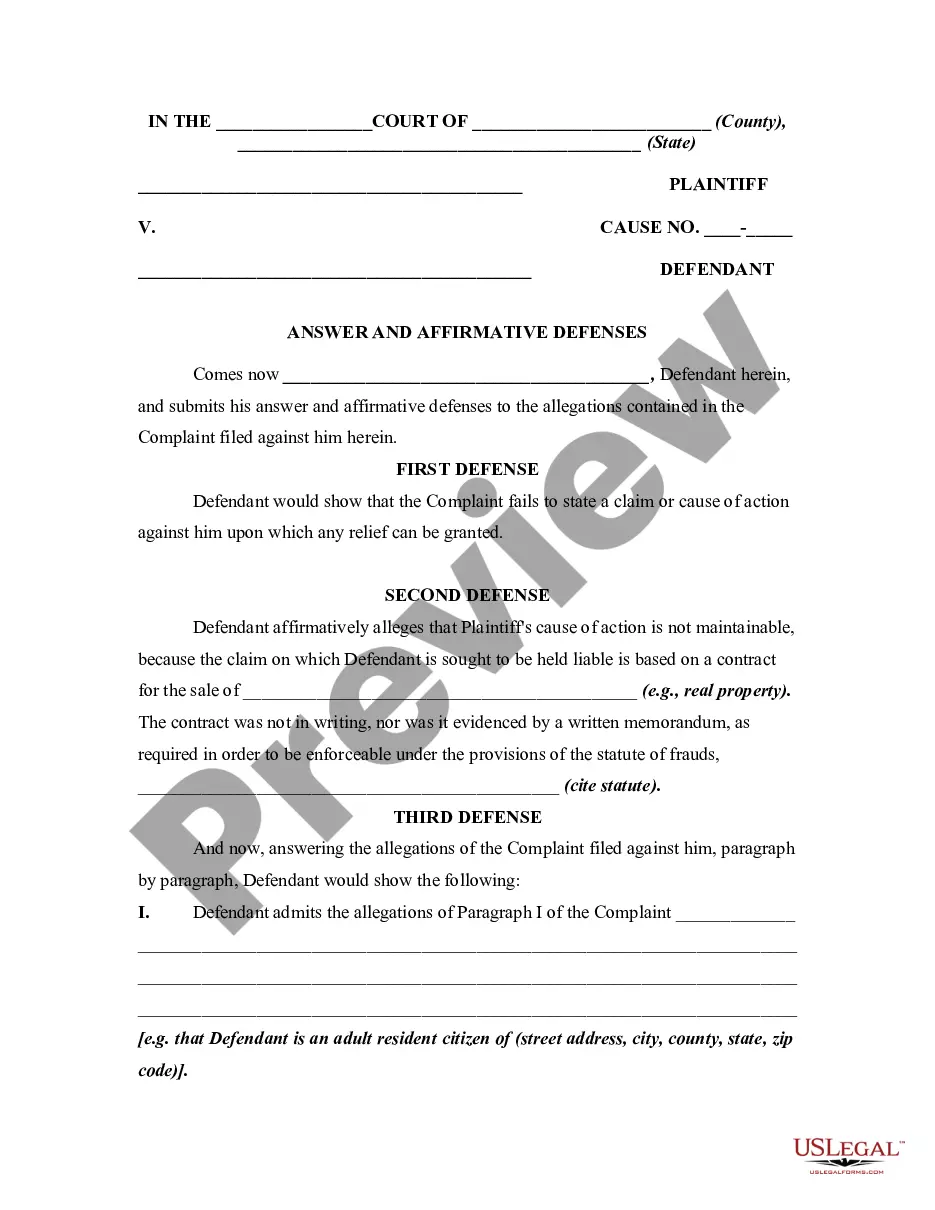
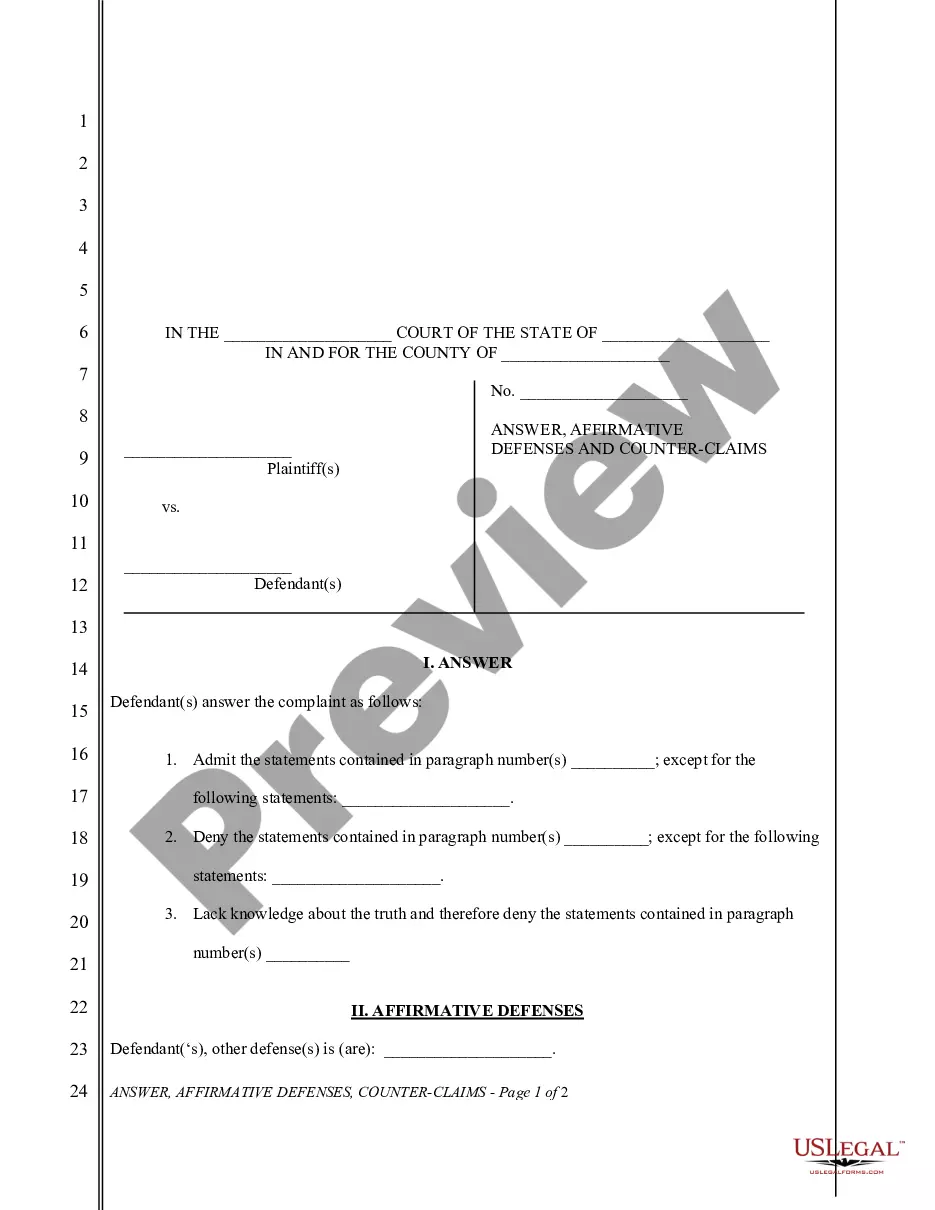
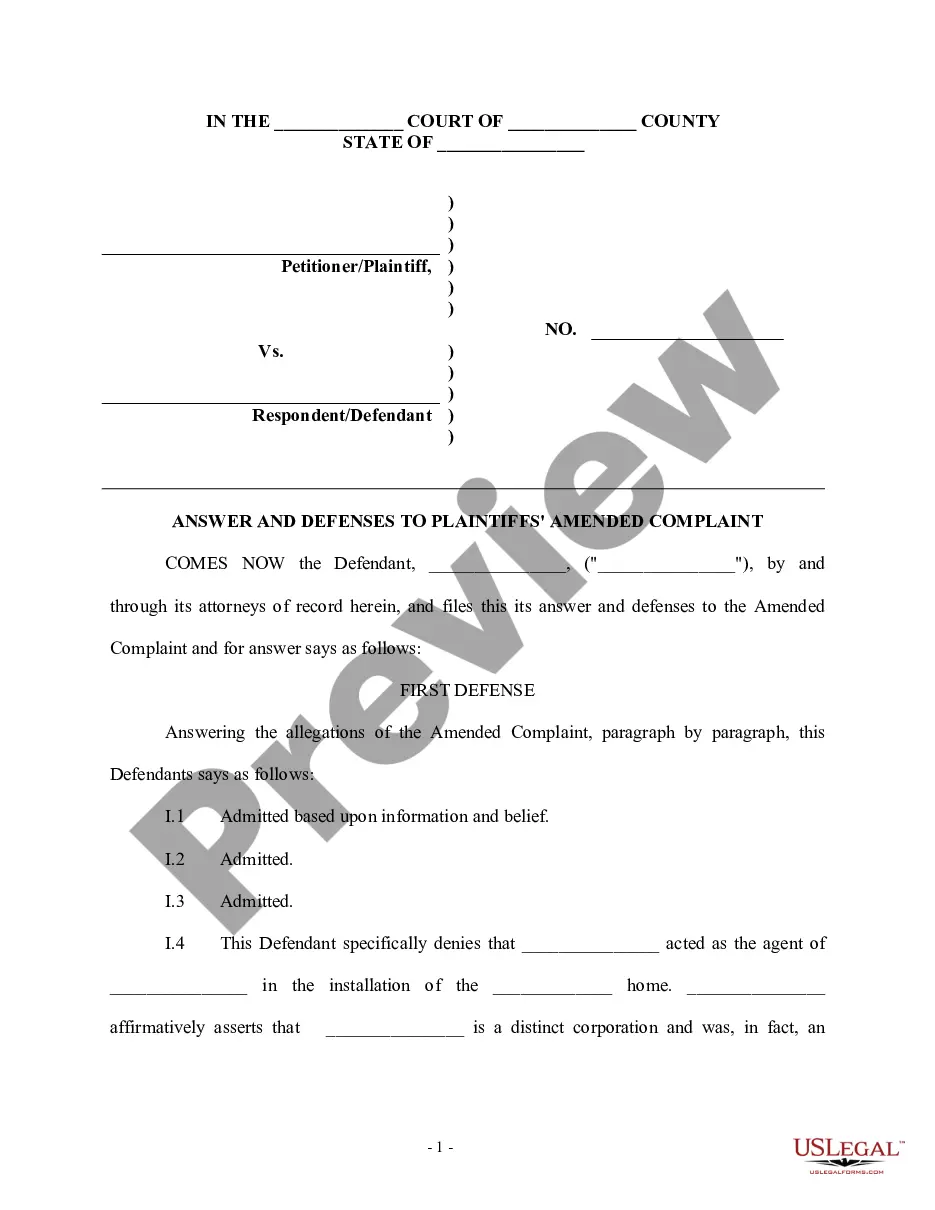
Get your form ready online
Our built-in tools help you complete, sign, share, and store your documents in one place.
Make edits, fill in missing information, and update formatting in US Legal Forms—just like you would in MS Word.
Download a copy, print it, send it by email, or mail it via USPS—whatever works best for your next step.
Sign and collect signatures with our SignNow integration. Send to multiple recipients, set reminders, and more. Go Premium to unlock E-Sign.
If this form requires notarization, complete it online through a secure video call—no need to meet a notary in person or wait for an appointment.
We protect your documents and personal data by following strict security and privacy standards.

Make edits, fill in missing information, and update formatting in US Legal Forms—just like you would in MS Word.

Download a copy, print it, send it by email, or mail it via USPS—whatever works best for your next step.

Sign and collect signatures with our SignNow integration. Send to multiple recipients, set reminders, and more. Go Premium to unlock E-Sign.

If this form requires notarization, complete it online through a secure video call—no need to meet a notary in person or wait for an appointment.

We protect your documents and personal data by following strict security and privacy standards.
Looking for another form?
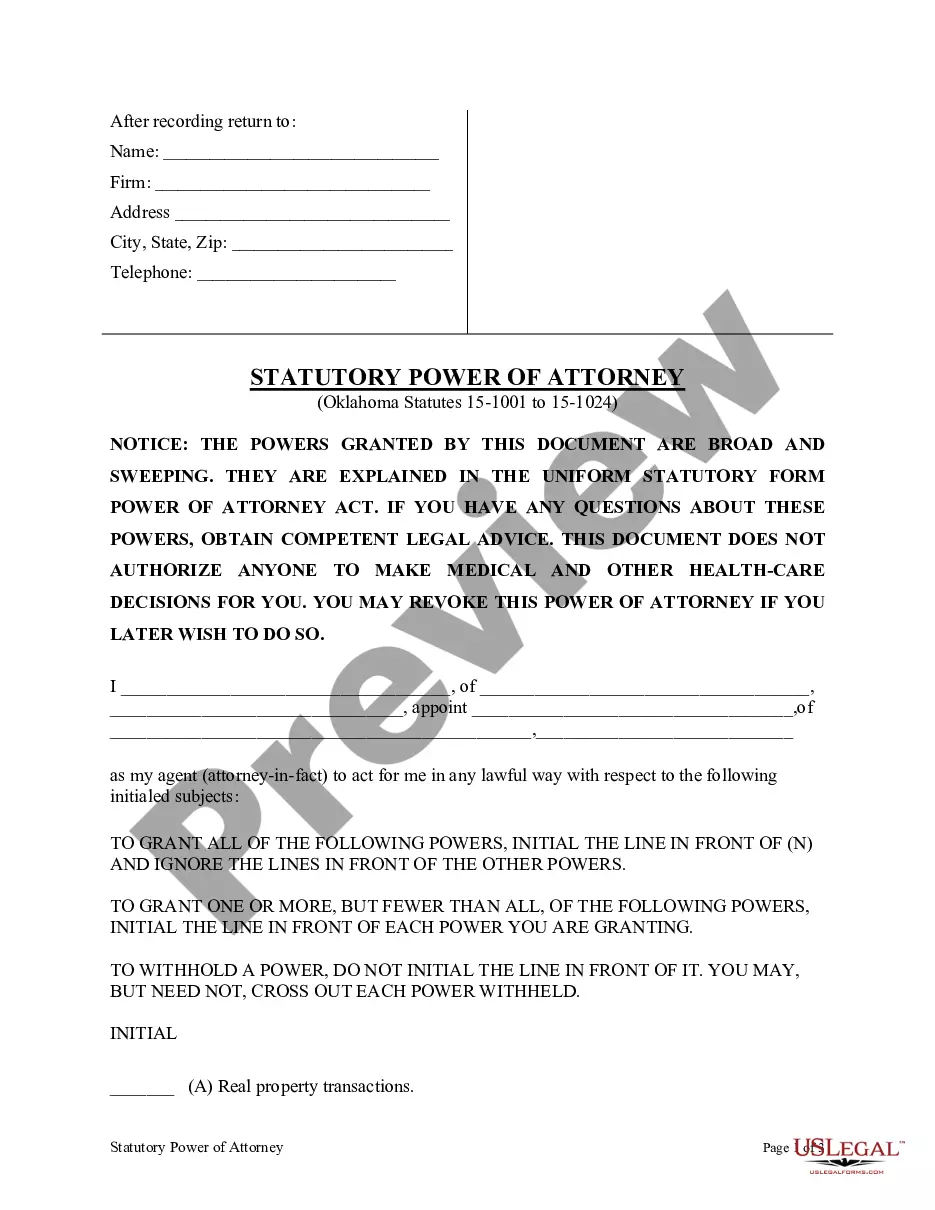



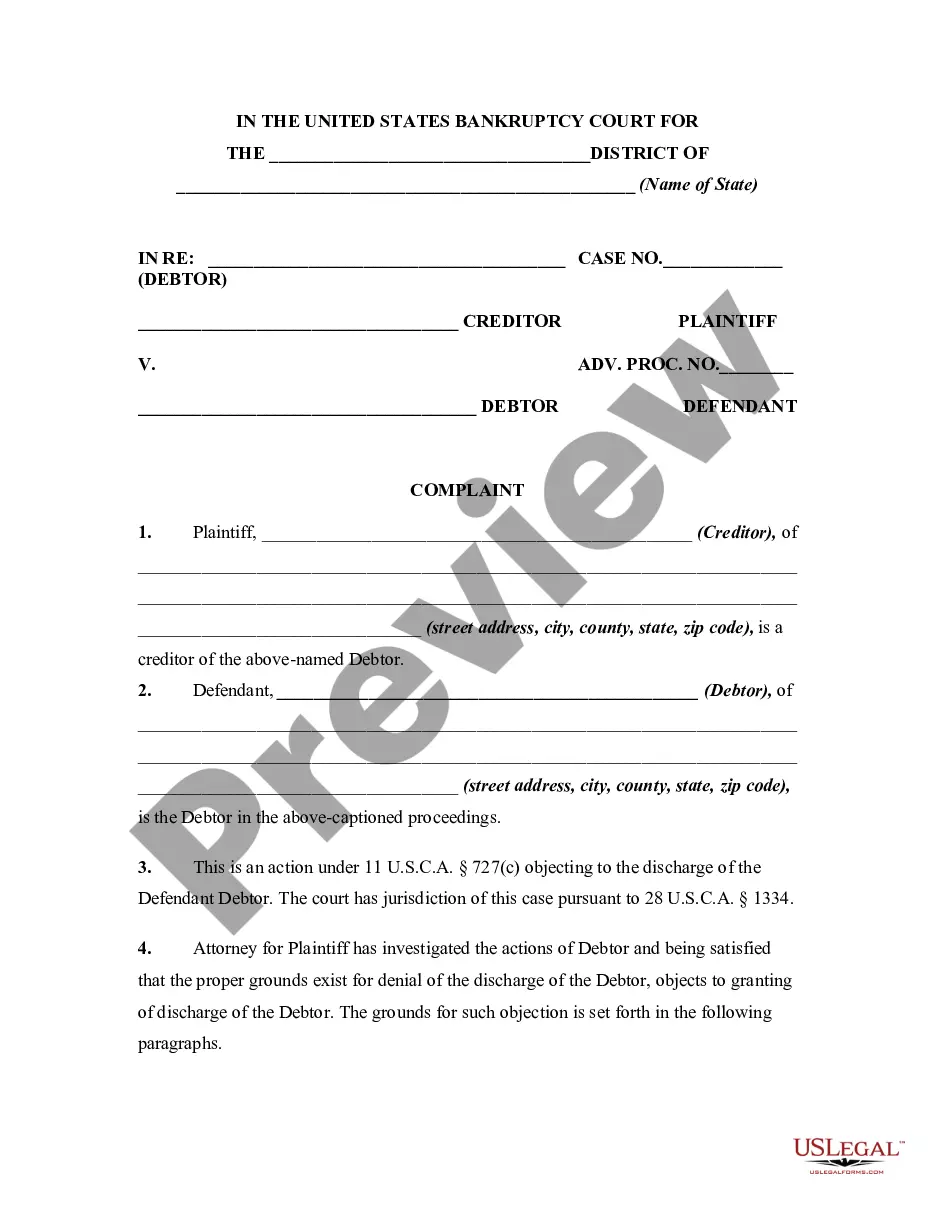




How to fill out General Form Of An Answer By Defendant In A Civil Lawsuit?
- Log in to your US Legal Forms account if you are a returning user. Ensure your subscription is active; renew if necessary.
- For first-time users, start by browsing the available forms. Preview the descriptions to find a template that meets your needs and complies with local regulations.
- If the chosen template is not suitable, utilize the search feature to explore other options until you find the right document.
- Proceed to purchase the correct form by clicking the Buy Now button, then select a subscription plan and create an account.
- Complete your transaction using either credit card details or a PayPal account.
- Finally, download your completed form to your device for immediate use. You can also access it anytime in the My Forms section of your profile.
Utilizing US Legal Forms not only saves you time but also ensures that you have access to a robust collection of over 85,000 fillable and editable legal templates. Whether you're an individual or an attorney, this service empowers you to execute legal documents accurately.
Don’t leave your legal matters to chance—start your process with US Legal Forms today and ensure your responses are timely and effective!
Form popularity
FAQ
Writing a response to a claim requires you to be direct and clear. First, acknowledge receipt of the claim and state your intention to respond. Then, address the specific issues raised, providing your perspective and any supporting evidence. Utilizing a platform like USLegalForms can streamline the process of responding to a lawsuit effectively.
The defendant's reply to the allegations in a lawsuit is typically known as an answer. This document addresses each claim made against you, admitting or denying each point. Crafting an effective answer is essential, as it sets the basis for your defense. In many cases, responding to a lawsuit with a well-prepared answer can help clarify your position.
Winning a lawsuit against you often starts with a solid strategy and thorough preparation. Investigate all claims against you and gather evidence that can support your defense. Work closely with a legal professional who can help you navigate the complexities of your case. Remember, successfully responding to a lawsuit requires diligence and the right resources.
A legal response letter should be clear, concise, and structured properly. Begin with your contact information, followed by the date, and the recipient's details. Address the specific claims made against you, providing counterarguments where necessary. Crafting a well-formatted legal response letter is essential in effectively responding to a lawsuit.
Writing a response letter after being sued can be daunting, but it is crucial. Begin by clearly stating your intention to respond to the allegations and outline your position. Be sure to include any relevant evidence or information that supports your case. Remember, effectively responding to a lawsuit requires attention to detail and clarity in your message.
When you are facing a lawsuit, it is generally advisable to remain cautious when talking to the person suing you. Open dialogue might benefit your case, but it could also lead to misunderstandings or further complications. Consider seeking legal advice before engaging in any discussions. Responding to a lawsuit requires careful planning, and the right guidance can make a significant difference.
When responding to a lawsuit, start by carefully reviewing the petition you received. This document outlines the claims made against you, so it's important to address each point methodically. You will need to draft your response by admitting, denying, or stating that you lack the information to respond to each allegation. Additionally, utilizing resources from US Legal Forms can guide you in formulating a thorough and legally sound response, ensuring you effectively counter the claims while protecting your rights.
To 'answer the lawsuit' means to file a formal response to the claims made by the plaintiff. This response outlines whether the defendant admits to, denies, or does not have enough information to respond to the allegations. Answering the lawsuit is a fundamental step in the legal process and is essential for establishing the defendant’s position. Utilizing platforms like uslegalforms can simplify the process and ensure that your answer is complete and legally sound.
The outcome of a lawsuit is typically referred to as a 'verdict' or 'judgment.' This outcome results from the court's evaluation of the evidence and arguments presented by both parties. Understanding the outcome is crucial for both plaintiffs and defendants, as it can significantly impact their lives and finances. Effective responding to a lawsuit is crucial, as the final decision hinges on the legal arguments made throughout the proceedings.
In legal terms, a reply is a further response by the plaintiff to the defendant's answer. When responding to a lawsuit, the plaintiff may feel the need to clarify or modify their initial claims based on the defendant’s answer. A reply can help ensure that both parties clearly understand the issues at hand. It is an important part of the litigation process, helping to delineate the facts and arguments.