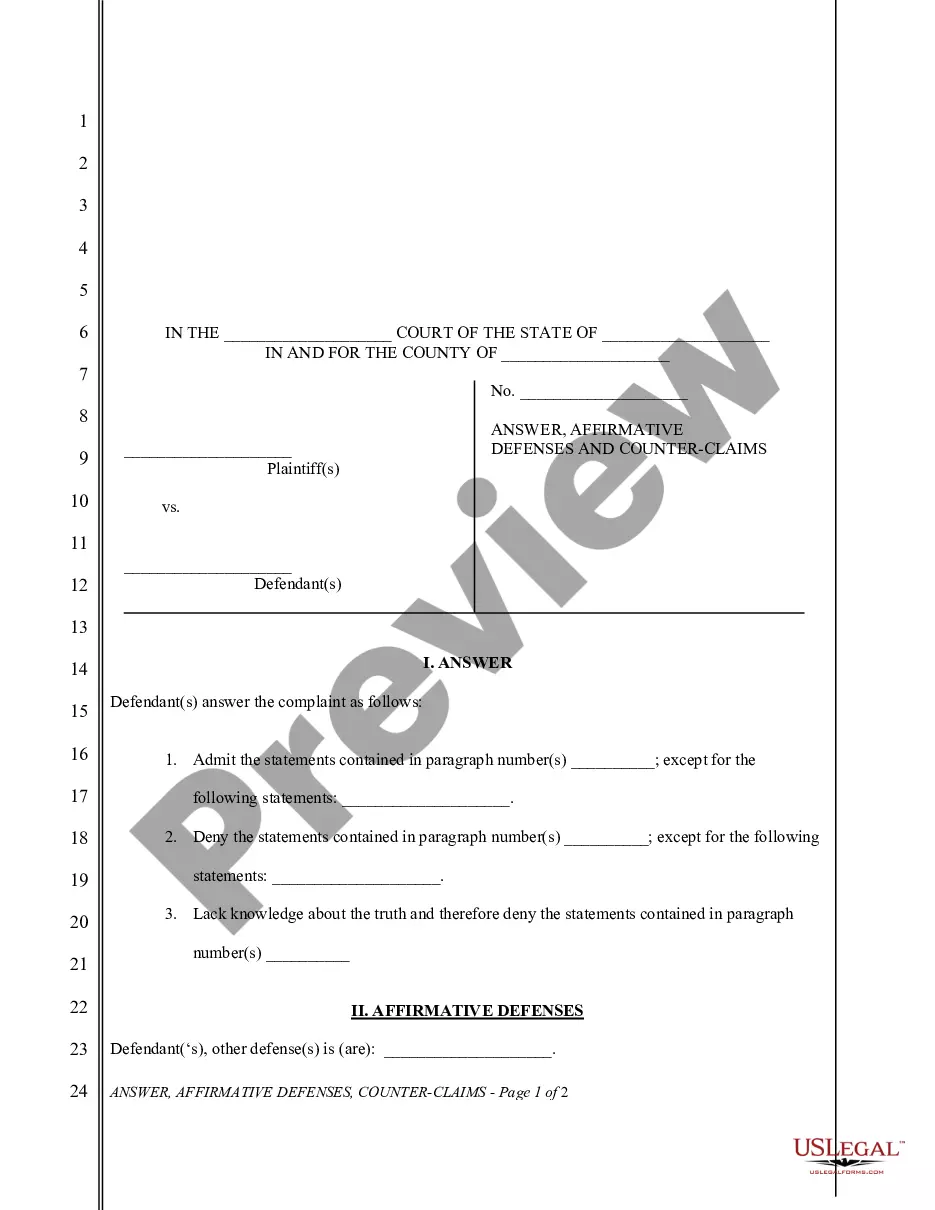
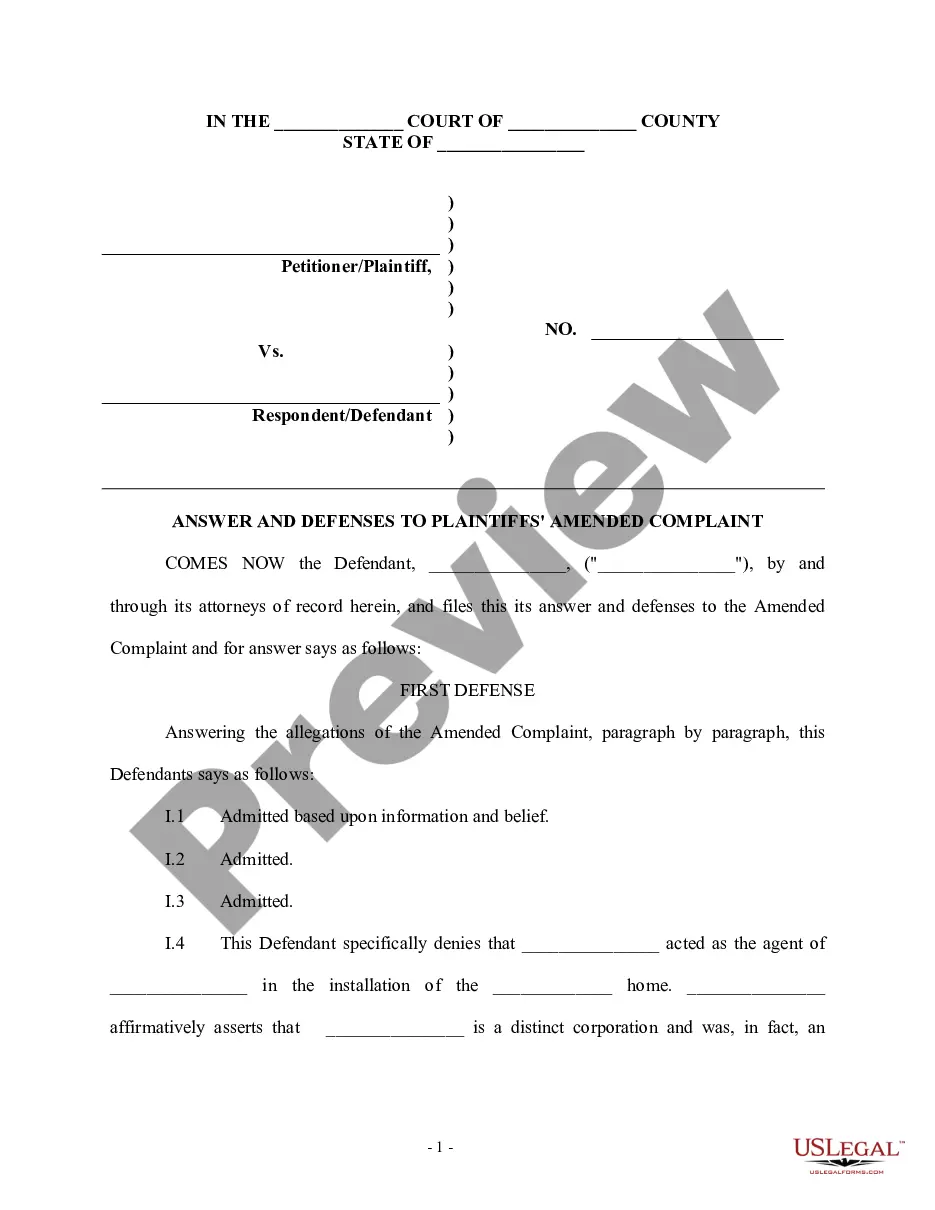
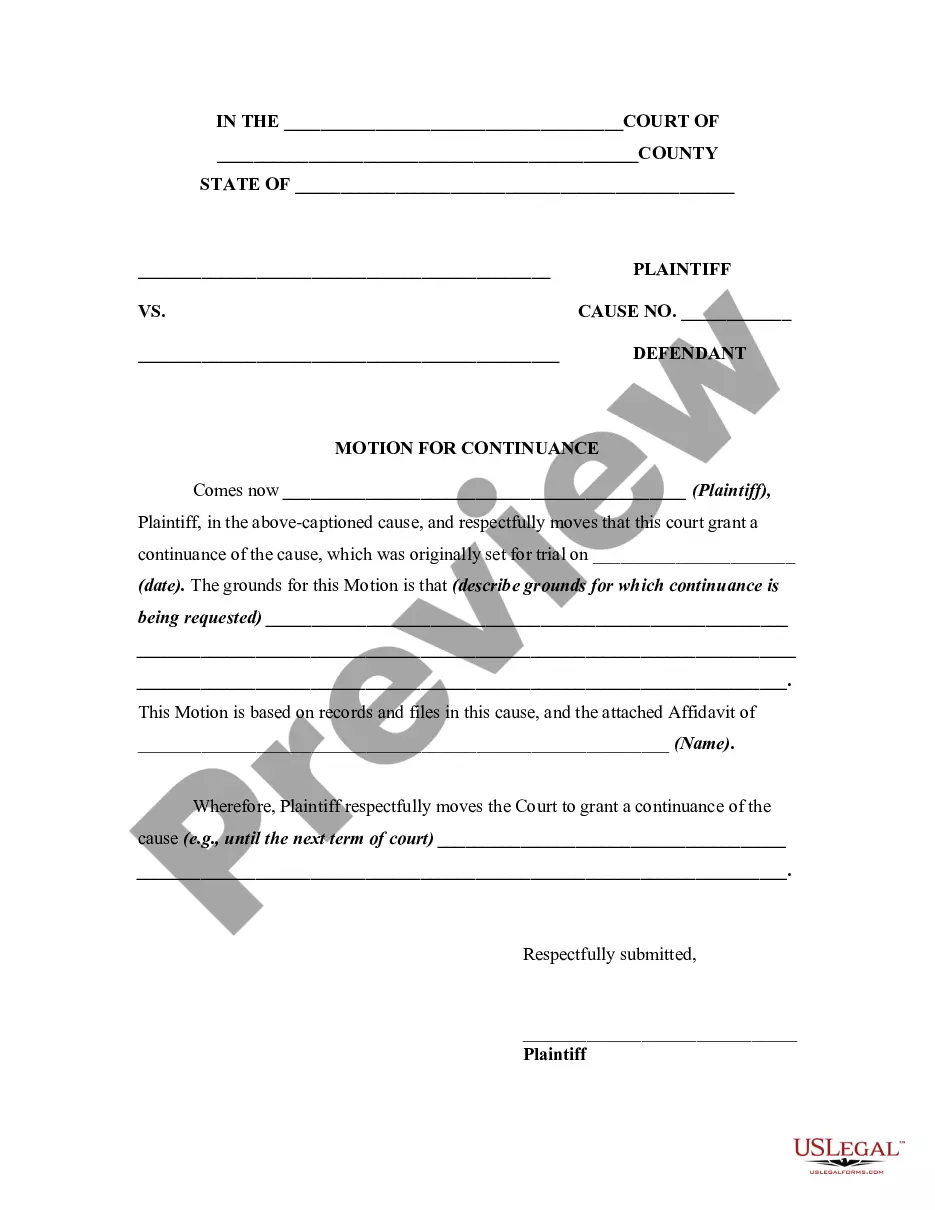
Defendant Answer Form With Motion
Description
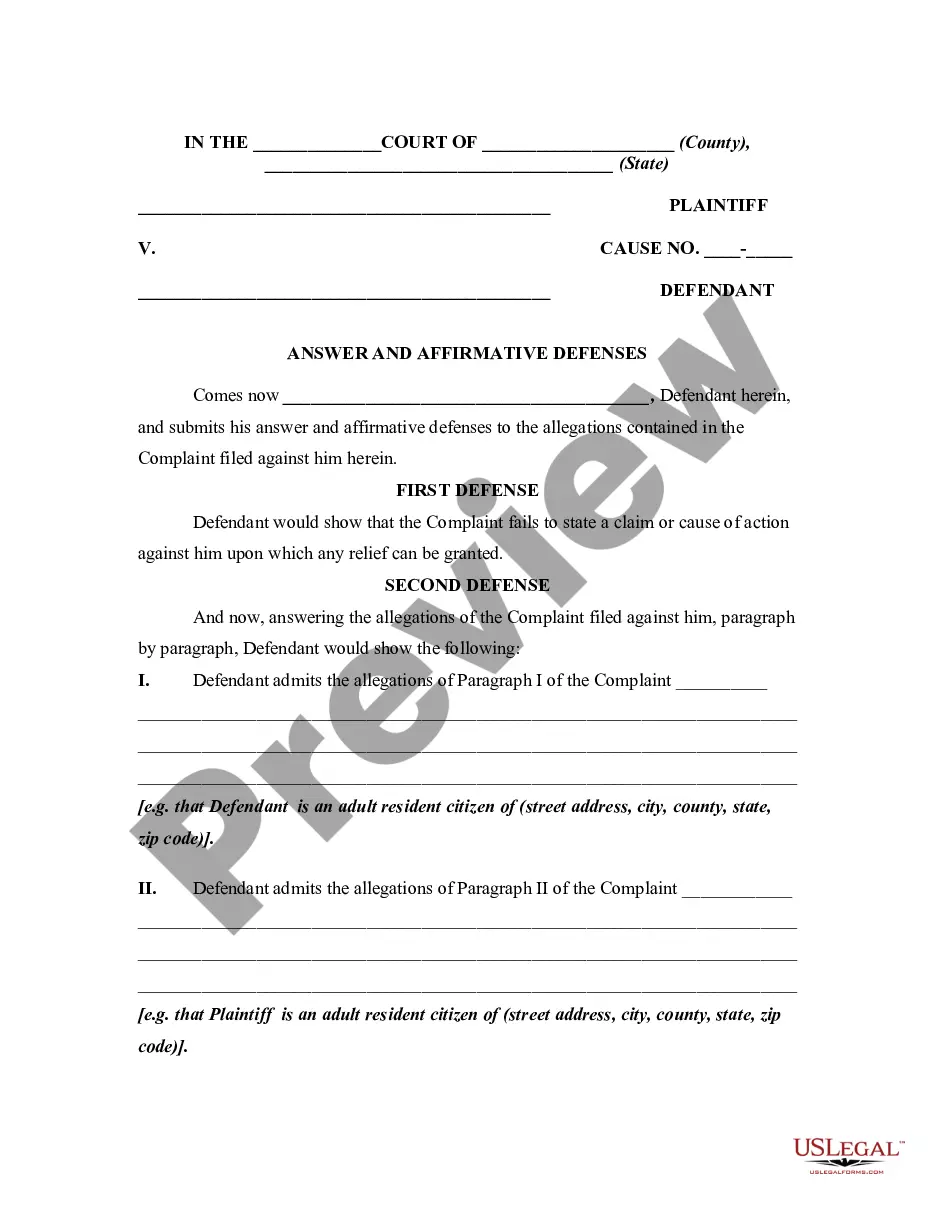
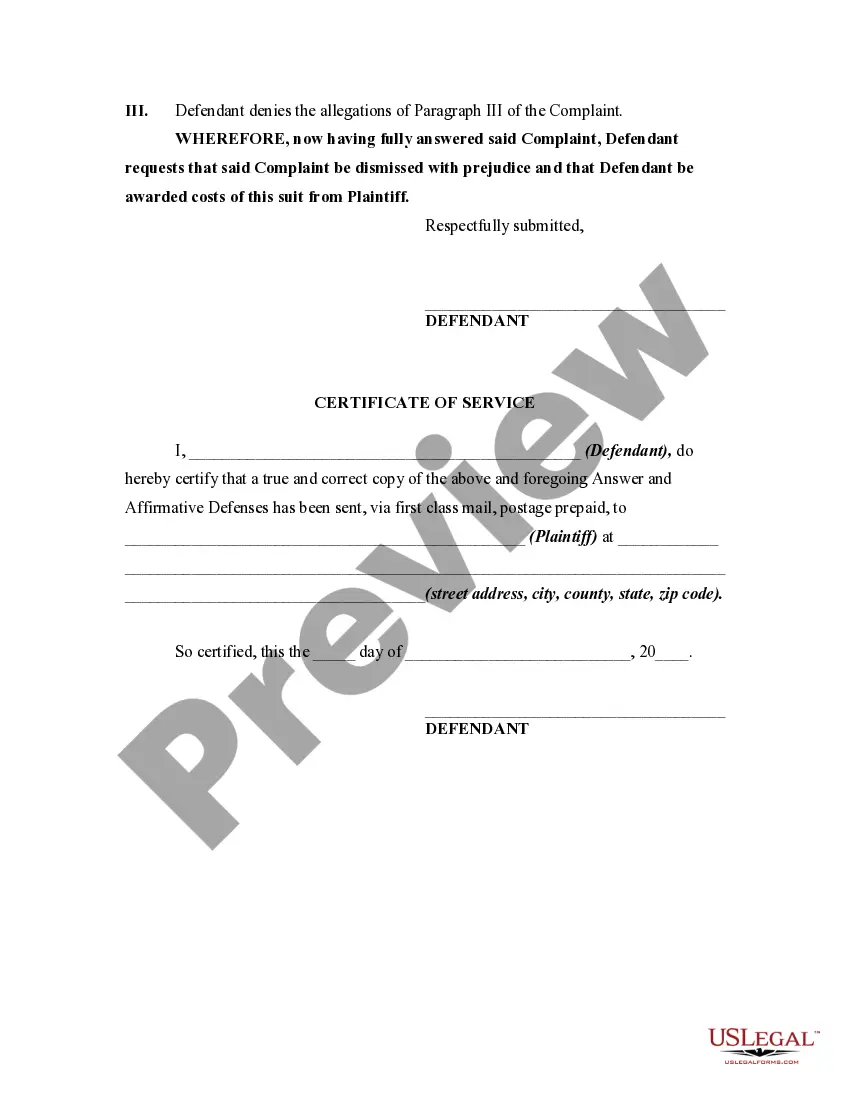
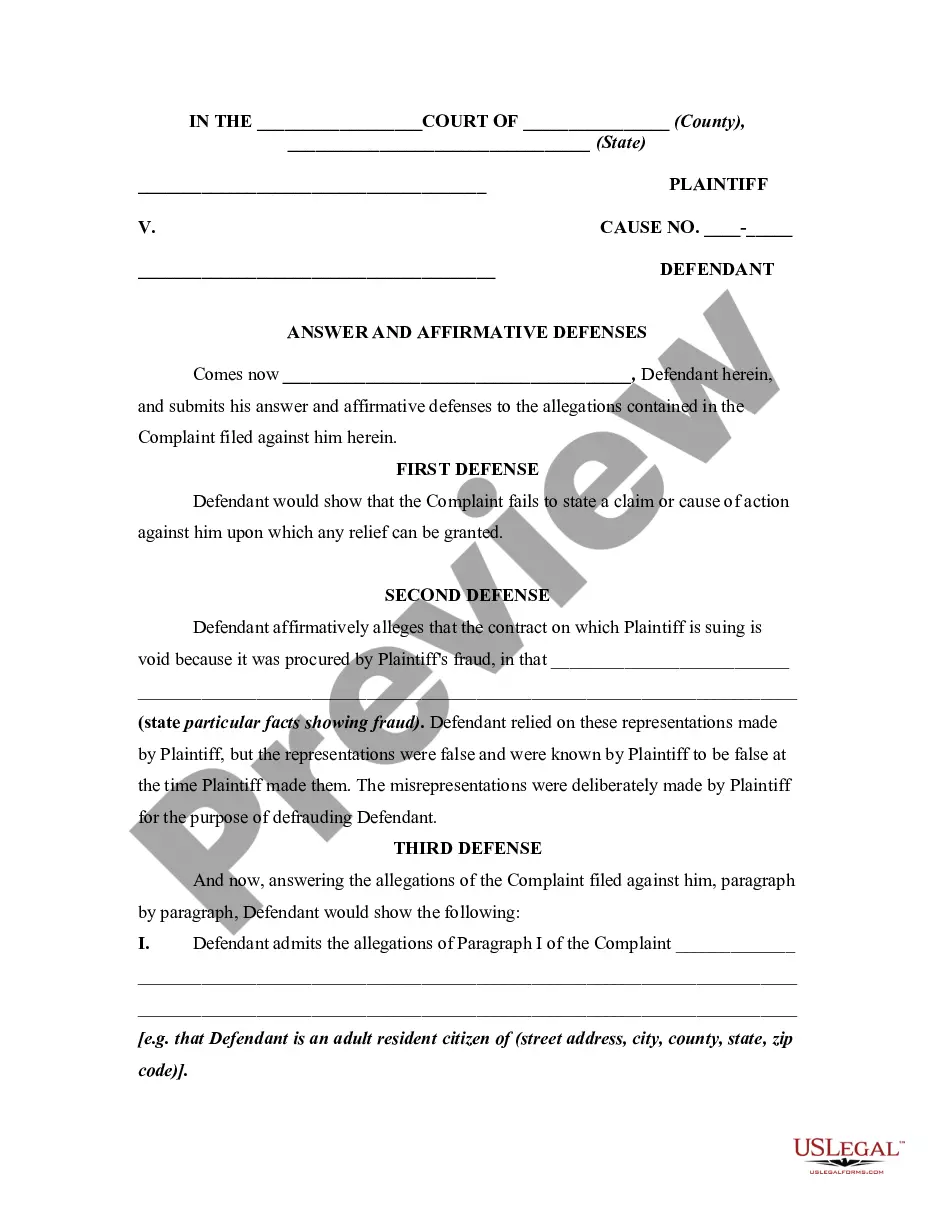
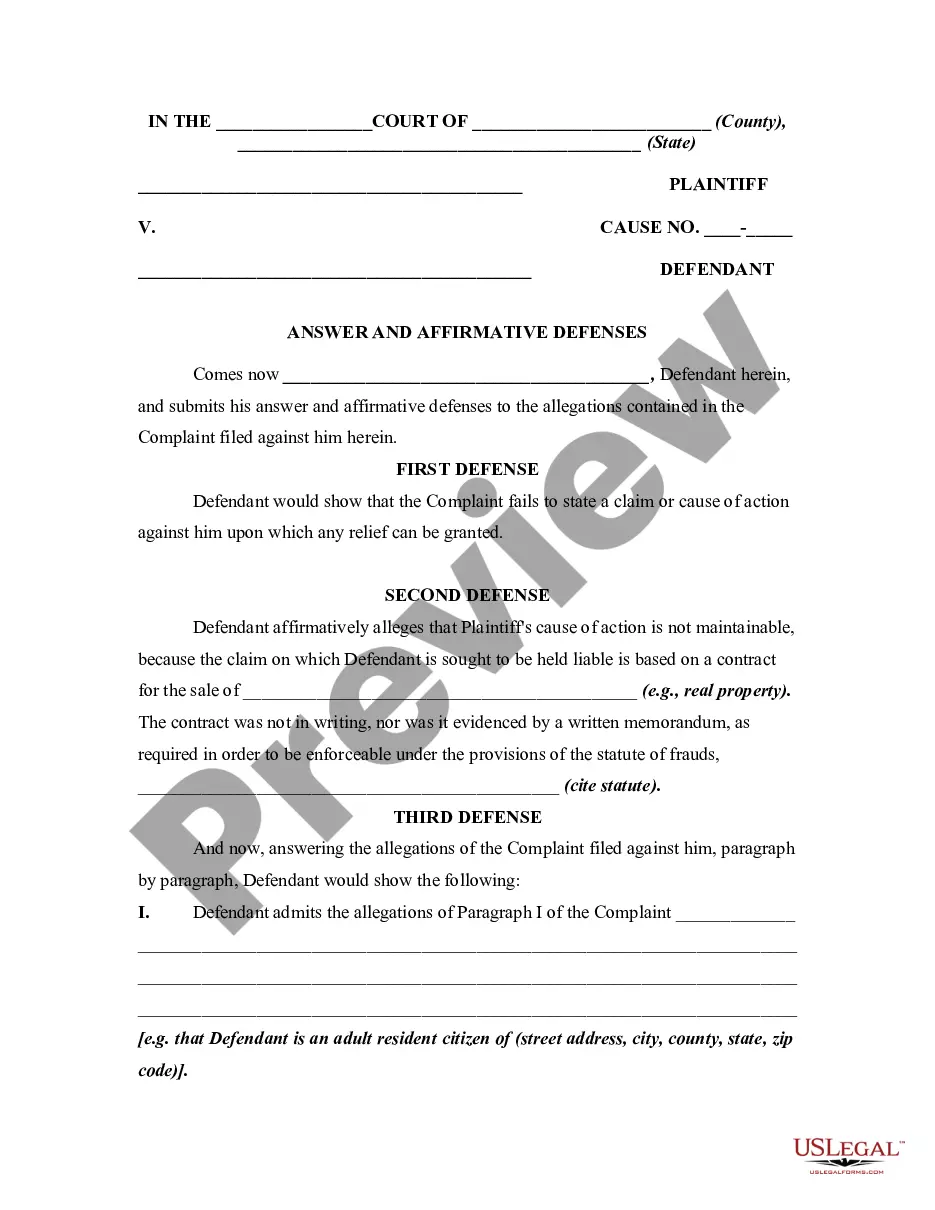
Get your form ready online
Our built-in tools help you complete, sign, share, and store your documents in one place.
Make edits, fill in missing information, and update formatting in US Legal Forms—just like you would in MS Word.
Download a copy, print it, send it by email, or mail it via USPS—whatever works best for your next step.
Sign and collect signatures with our SignNow integration. Send to multiple recipients, set reminders, and more. Go Premium to unlock E-Sign.
If this form requires notarization, complete it online through a secure video call—no need to meet a notary in person or wait for an appointment.
We protect your documents and personal data by following strict security and privacy standards.

Make edits, fill in missing information, and update formatting in US Legal Forms—just like you would in MS Word.

Download a copy, print it, send it by email, or mail it via USPS—whatever works best for your next step.

Sign and collect signatures with our SignNow integration. Send to multiple recipients, set reminders, and more. Go Premium to unlock E-Sign.

If this form requires notarization, complete it online through a secure video call—no need to meet a notary in person or wait for an appointment.

We protect your documents and personal data by following strict security and privacy standards.
Looking for another form?









How to fill out General Form Of An Answer By Defendant In A Civil Lawsuit?
Dealing with legal paperwork and processes can be a lengthy addition to your entire day.
Defendant Response Form With Motion and similar forms frequently require you to search for them and comprehend how to fill them out accurately.
Consequently, whether you are managing financial, legal, or personal matters, utilizing a comprehensive and user-friendly online directory of forms available will significantly help.
US Legal Forms is the premier online platform for legal templates, featuring over 85,000 state-specific forms and various tools that will assist you in completing your documents with ease.
Is this your first time using US Legal Forms? Register and create an account in a few minutes to gain access to the form catalog and Defendant Response Form With Motion. Then, follow the steps below to complete your form: Ensure you have located the correct form by using the Preview feature and reviewing the form description. Select Buy Now when ready, and choose the subscription plan that suits your needs. Click Download then fill out, sign, and print the form. US Legal Forms has 25 years of experience helping clients manage their legal documents. Find the form you need today and simplify any process without exerting excessive effort.
- Explore the collection of relevant documents accessible to you with just a click.
- US Legal Forms provides state- and county-specific forms available anytime for download.
- Protect your document management tasks by utilizing a reliable service that enables you to prepare any form in minutes without any additional or hidden costs.
- Simply Log In to your account, locate Defendant Response Form With Motion, and obtain it immediately from the My documents section.
- You can also access previously downloaded forms.
Form popularity
FAQ
A defendant's motion is a specific type of request made by the defendant in a legal case, aimed at addressing particular issues or seeking a ruling that favors their position. This can include motions to dismiss, compel, or modify aspects of the case. By filing a defendant answer form with motion, you take an active role in shaping the legal proceedings to align with your objectives.
In legal terms, a motion is a formal request made to the court, seeking a specific ruling or action. This request must be supported by legal arguments and evidence to persuade the judge. When you submit a defendant answer form with motion, you present a structured case that outlines your demands and reasons for the motion.
The main purpose of a motion is to request the court to take a specific action or make a ruling on a particular issue in a case. Motions help clarify legal points, resolve procedural matters, or seek remedies that can influence the outcome. Utilizing a defendant answer form with motion can enhance your chances of achieving a favorable decision.
A motion to strike the defendant's answer is a request made by the opposing party to remove your response from the court's records. This motion argues that the answer is irrelevant, improper, or insufficient. If faced with such a motion, it's crucial to have a well-prepared defendant answer form with motion to defend your position effectively.
An answer is a formal written response to allegations made against you in a legal complaint, while a motion is a request for the court to take a specific action. While an answer addresses the claims, a motion often seeks to change the legal proceedings in some way. Understanding this distinction can help you effectively use a defendant answer form with motion in your case.
When you go to court for a motion, the judge will review the arguments presented by both sides before making a decision. The process typically involves presenting evidence and legal reasoning to support your position. If you have filed a defendant answer form with motion, you will need to explain how it impacts your case and why the court should grant your request.
A defendant's motion refers to a formal request made by the defendant in a legal case, seeking a specific ruling or decision from the court. This motion can relate to various issues, including dismissing a case or altering the proceedings. When you file a defendant answer form with motion, you are actively participating in the legal process and asserting your rights.