Affirmative Verbs
Description
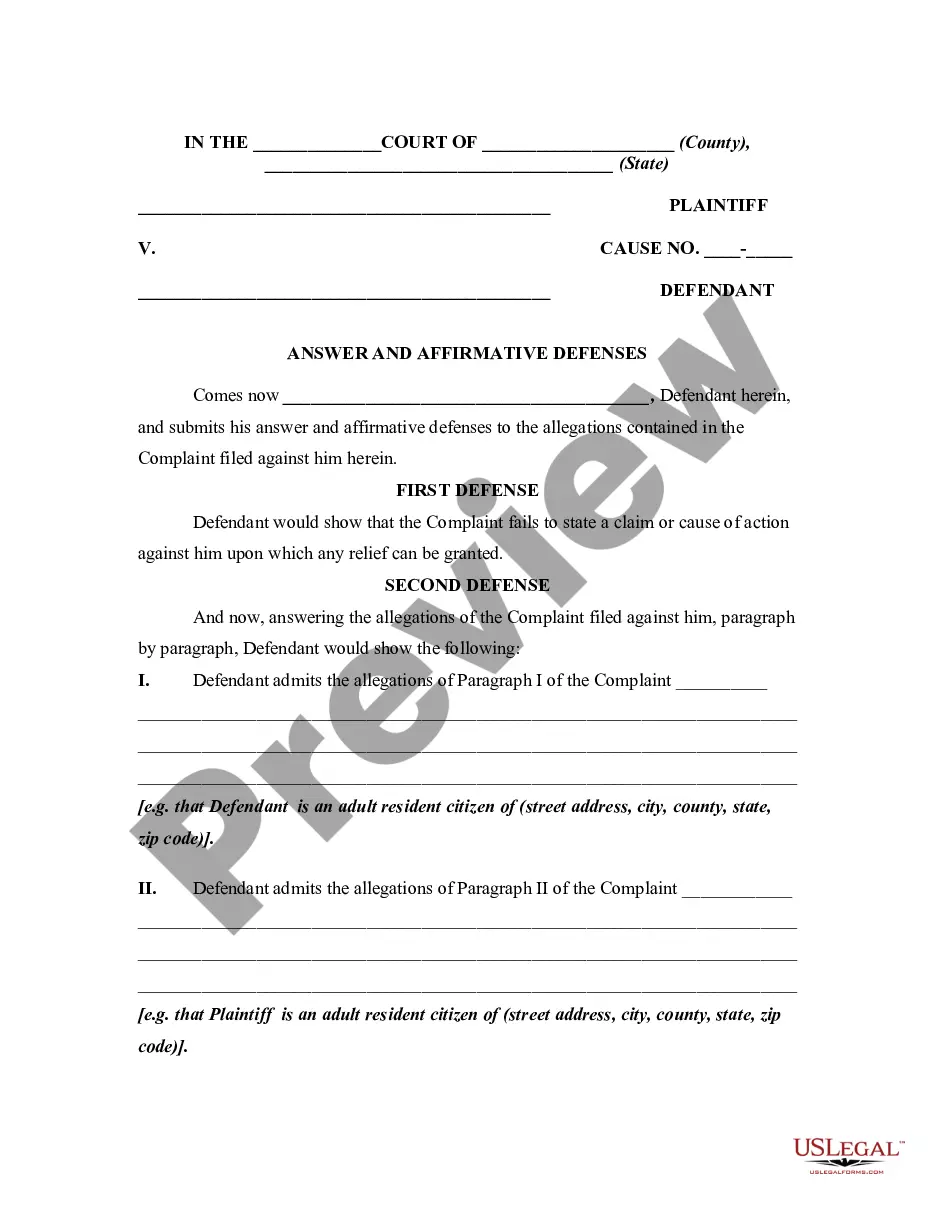
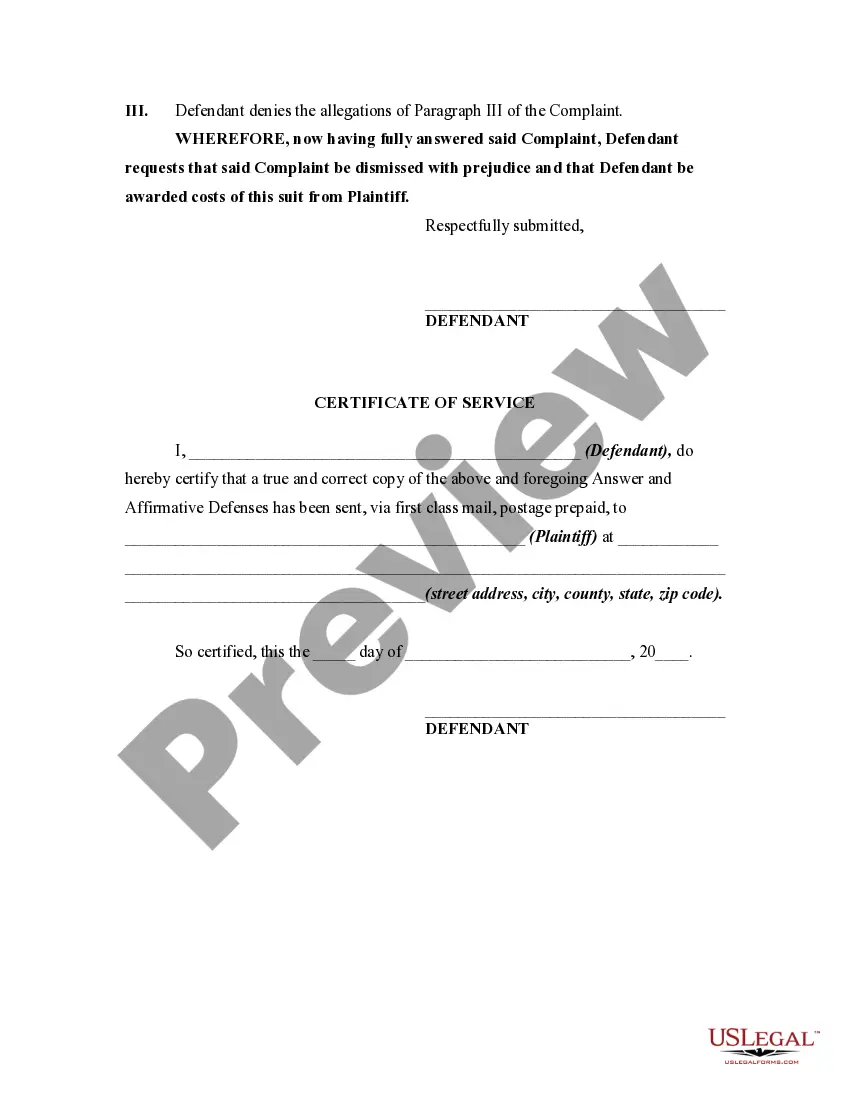
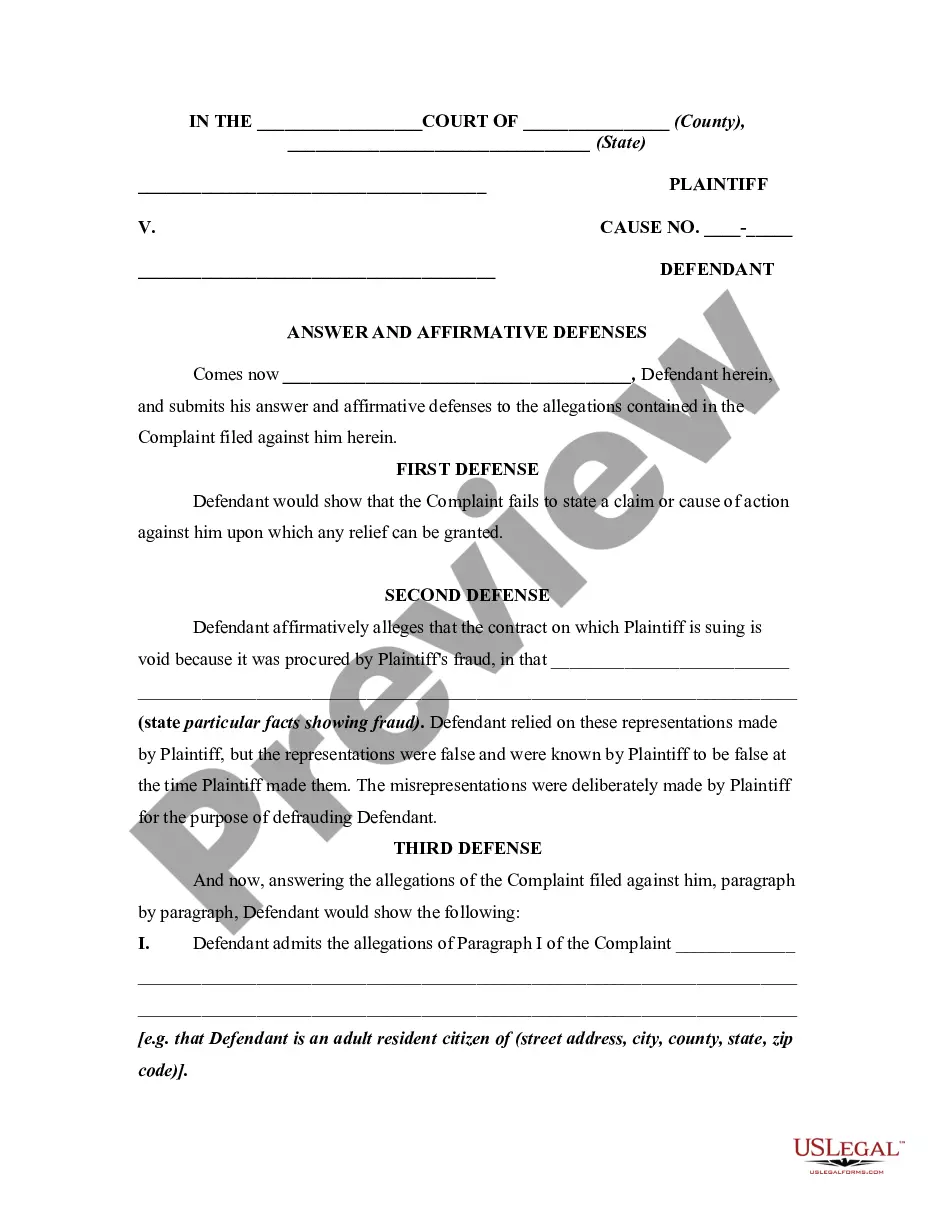
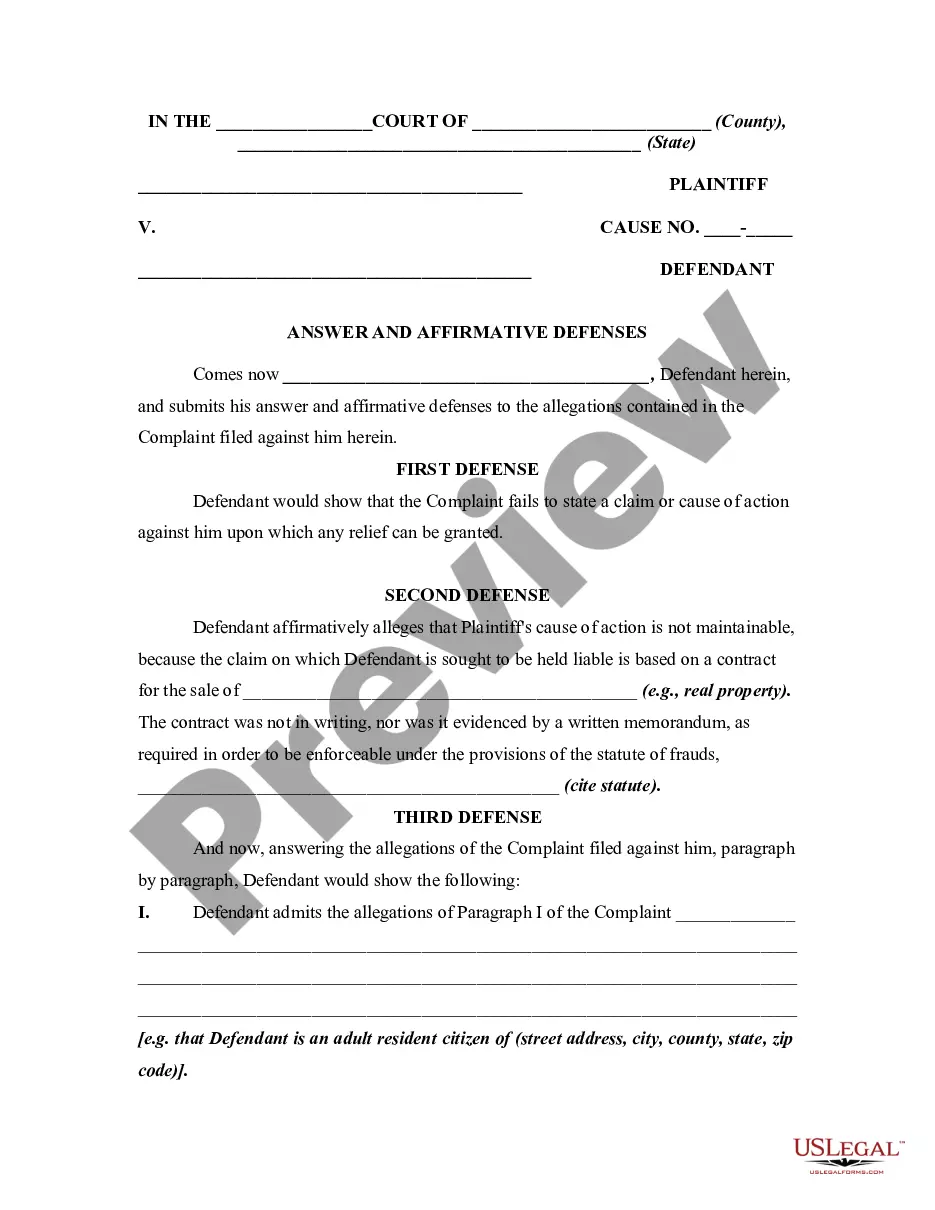
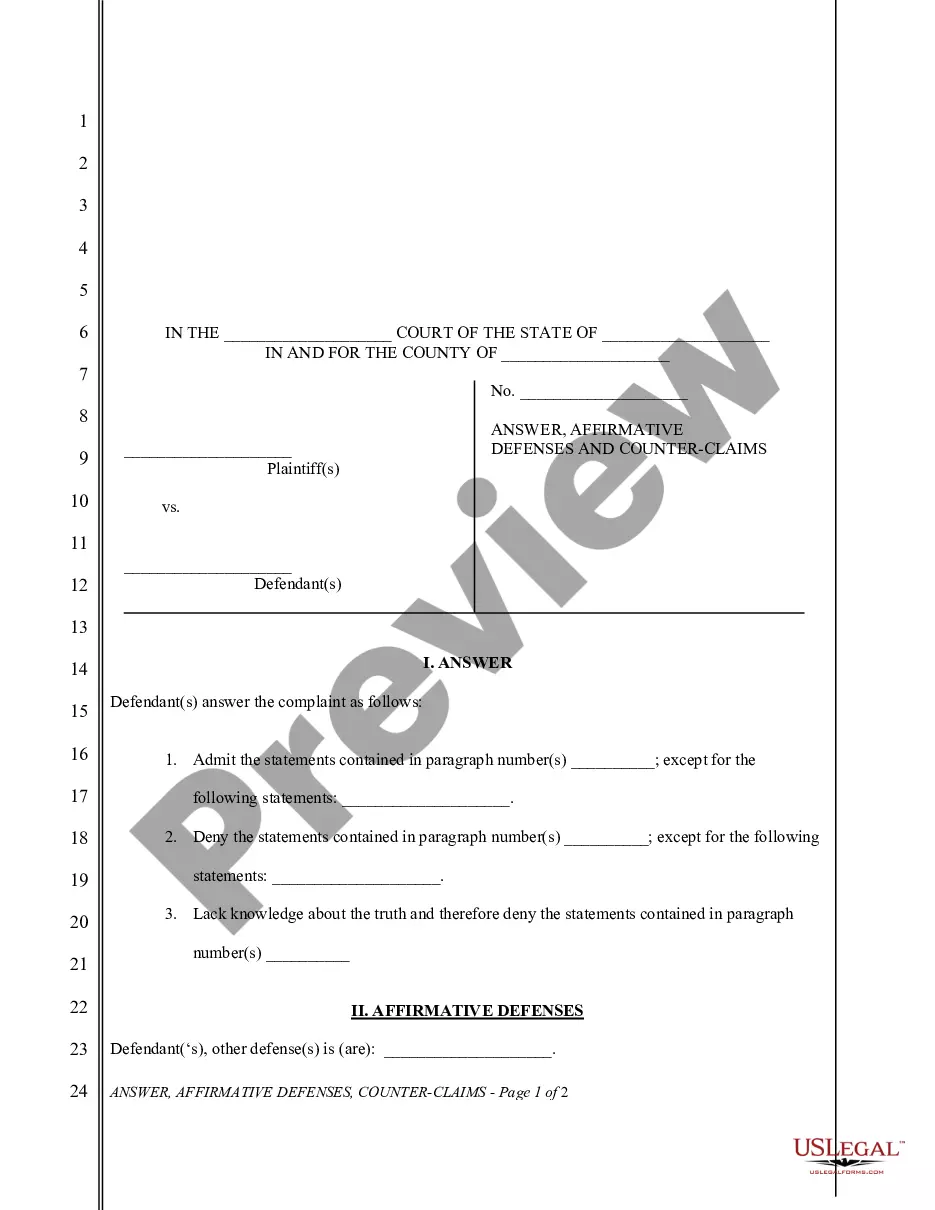
Get your form ready online
Our built-in tools help you complete, sign, share, and store your documents in one place.
Make edits, fill in missing information, and update formatting in US Legal Forms—just like you would in MS Word.
Download a copy, print it, send it by email, or mail it via USPS—whatever works best for your next step.
Sign and collect signatures with our SignNow integration. Send to multiple recipients, set reminders, and more. Go Premium to unlock E-Sign.
If this form requires notarization, complete it online through a secure video call—no need to meet a notary in person or wait for an appointment.
We protect your documents and personal data by following strict security and privacy standards.

Make edits, fill in missing information, and update formatting in US Legal Forms—just like you would in MS Word.

Download a copy, print it, send it by email, or mail it via USPS—whatever works best for your next step.

Sign and collect signatures with our SignNow integration. Send to multiple recipients, set reminders, and more. Go Premium to unlock E-Sign.

If this form requires notarization, complete it online through a secure video call—no need to meet a notary in person or wait for an appointment.

We protect your documents and personal data by following strict security and privacy standards.
Looking for another form?





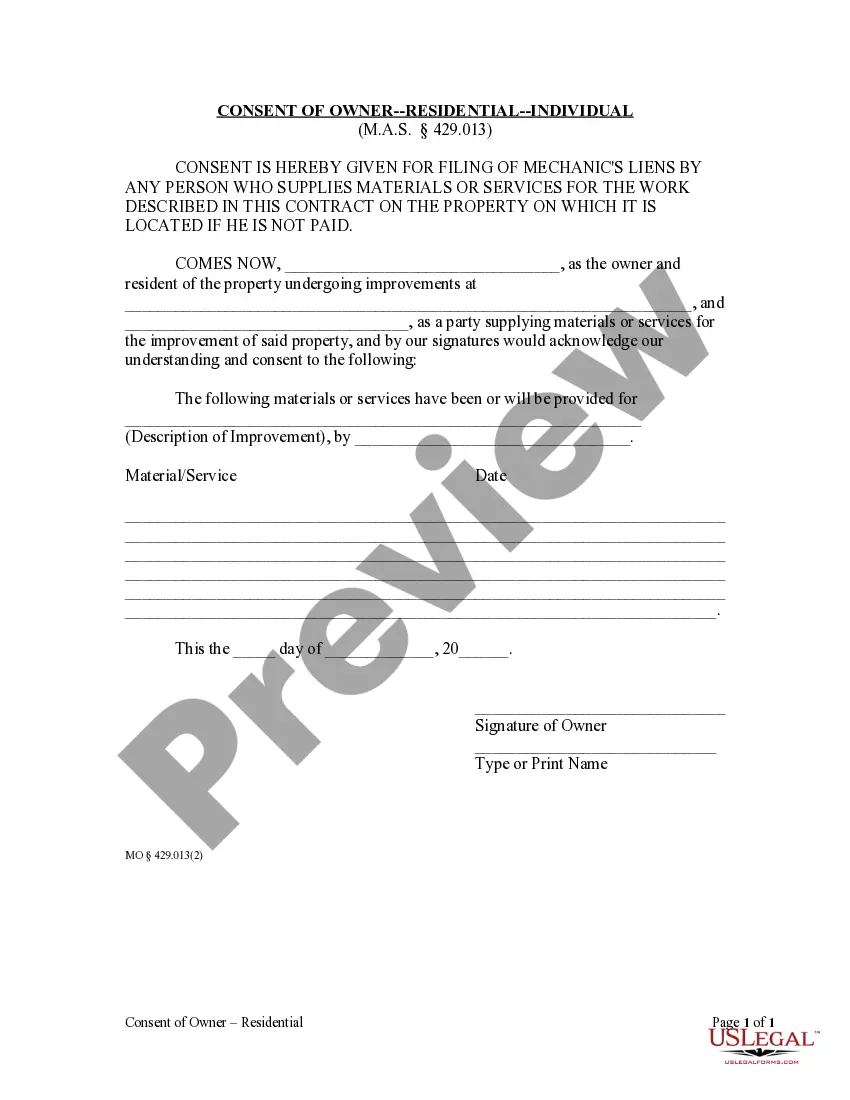



How to fill out General Form Of An Answer By Defendant In A Civil Lawsuit?
- Log in to your account if you're a returning user to download your necessary form template. Ensure your subscription remains active, or renew it per your chosen plan.
- For first-time users, begin by reviewing the Preview mode and form details to confirm you've selected a form that aligns with your specific needs and local jurisdiction.
- If adjustments are necessary, utilize the Search function to locate alternative templates that better fit your requirements.
- Proceed to purchase by clicking the Buy Now button. Select a subscription plan and create an account to gain full access to the library.
- Complete the payment process using your credit card or PayPal to secure your subscription.
- Download your chosen form directly to your device. You can also revisit it anytime from the My Forms section of your account.
In conclusion, US Legal Forms empowers users to easily access and customize legal documents using affirmative verbs throughout the process. By following these steps, you'll find that the legal documentation is streamlined and straightforward.
Start your journey with legal forms today and discover the convenience of using US Legal Forms!
Form popularity
FAQ
An example of an affirmative could be a straightforward command like 'Run to the store.' In this case, 'run' serves as the affirmative verb. This type of communication is direct and encourages immediate action. Utilizing affirmatives in your interactions can enhance clarity and urgency in your message.
Ten examples of affirmative verbs include 'accept,' 'advance,' 'assist,' 'create,' 'encourage,' 'explore,' 'help,' 'inspire,' 'support,' and 'welcome.' Using these verbs allows you to convey positive intentions and motivate others in conversation. Integrating these affirmative verbs into your vocabulary boosts your ability to communicate effectively.
Affirmative verbs are action words used to express positive commands or direct actions. In English, they include 'give,' 'run,' and 'read.' By understanding and using affirmative verbs, you can create clear instructions and engage effectively in conversations. This skill is particularly valuable in enhancing your language proficiency.
An affirmative verb in Spanish is a verb that conveys a direct command or instruction. Examples include 'haz' (do), 'dame' (give me), and 've' (go). These verbs encourage action and clarity in communication. Learning to use affirmative verbs correctly is key to mastering conversational Spanish.
An example of an affirmative verb is 'comer,' which means to eat. When giving someone a command, you can say 'Come la cena,' which translates to 'Eat the dinner.' This approach demonstrates how affirmative verbs function in practical situations. Familiarizing yourself with such examples helps improve your language skills.
To form affirmative commands in Spanish, start with the verb in its root form, often dropping the final 's' for TU commands. For example, 'hablar' becomes 'habla.' It's important to know that irregular verbs may change form, so familiarizing yourself with these exceptions is beneficial. Practice using affirmative verbs in various scenarios to gain confidence.
Affirmative verbs in Spanish refer to action words that express positive commands or actions. Examples include 'come' (eat), 'haz' (do), and 've' (go). Using these verbs enriches your Spanish dialogue by creating clear and direct instructions. Understanding affirmative verbs is crucial for effective communication, especially in everyday situations.
The 8 affirmative TU commands are essential expressions used to give direct orders in Spanish. These include 'habla' (speak), 'come' (eat), 'vive' (live), 'escucha' (listen), 'mira' (look), 'escribe' (write), 'juega' (play), and 'canta' (sing). Mastering these affirmative verbs can greatly enhance your communication in Spanish. With practice, you will use these commands naturally in conversations.
The four types of verbs in Spanish are regular, irregular, reflexive, and transitive verbs. Each type serves a unique purpose, helping to shape meaningful and expressive sentences. Familiarizing yourself with these categories, especially when focusing on affirmative verbs, allows you to master their usage and apply them effectively in your Spanish conversations.
The primary difference between affirmative and negative imperative sentences lies in the intent of the message. Affirmative imperatives instruct someone to do something, while negative imperatives direct someone not to perform an action. Understanding this distinction is vital as it gives you command over your language and allows for more precise expression with affirmative verbs.