Affirmative Action Debate
Description
Get your form ready online
Our built-in tools help you complete, sign, share, and store your documents in one place.
Make edits, fill in missing information, and update formatting in US Legal Forms—just like you would in MS Word.
Download a copy, print it, send it by email, or mail it via USPS—whatever works best for your next step.
Sign and collect signatures with our SignNow integration. Send to multiple recipients, set reminders, and more. Go Premium to unlock E-Sign.
If this form requires notarization, complete it online through a secure video call—no need to meet a notary in person or wait for an appointment.
We protect your documents and personal data by following strict security and privacy standards.

Make edits, fill in missing information, and update formatting in US Legal Forms—just like you would in MS Word.

Download a copy, print it, send it by email, or mail it via USPS—whatever works best for your next step.

Sign and collect signatures with our SignNow integration. Send to multiple recipients, set reminders, and more. Go Premium to unlock E-Sign.

If this form requires notarization, complete it online through a secure video call—no need to meet a notary in person or wait for an appointment.

We protect your documents and personal data by following strict security and privacy standards.
Looking for another form?




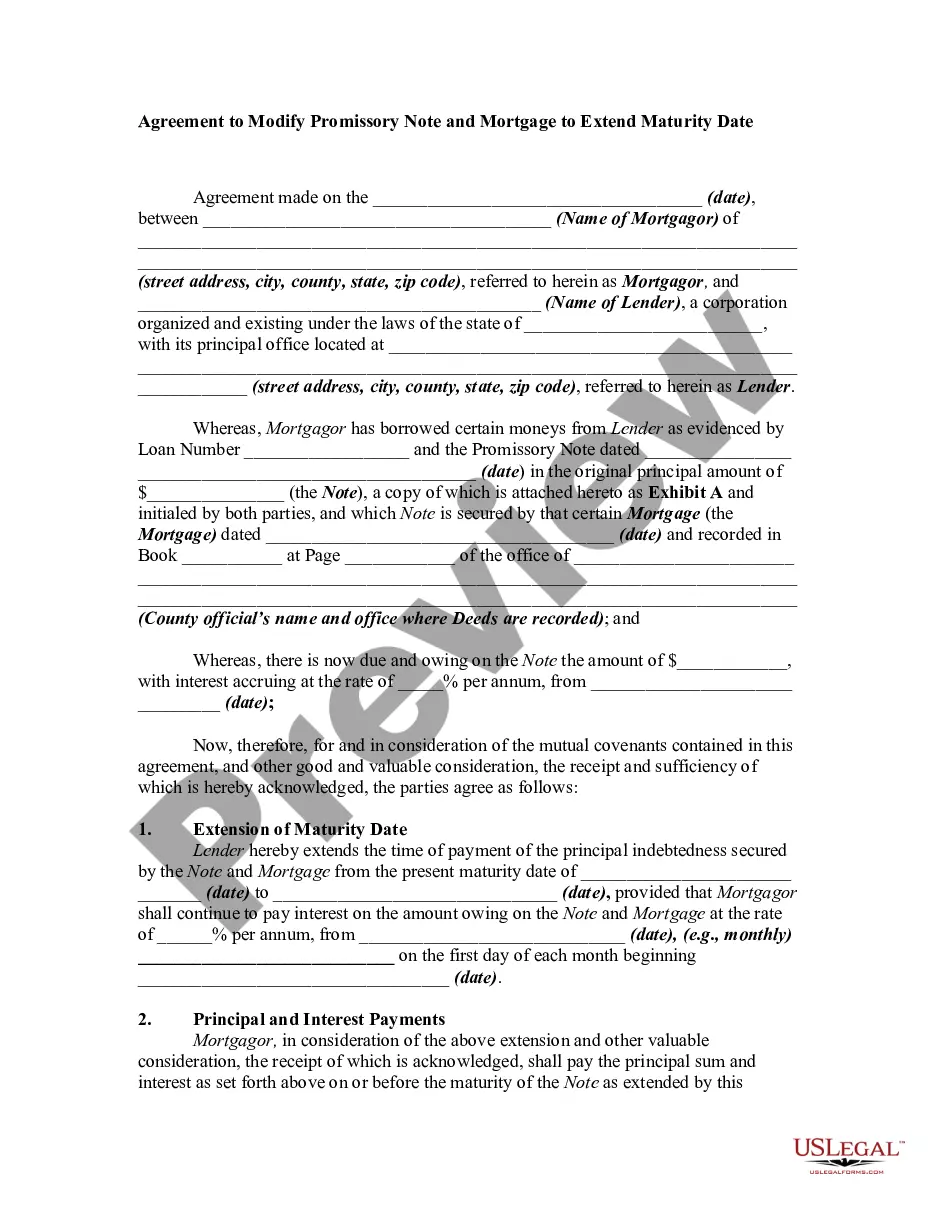




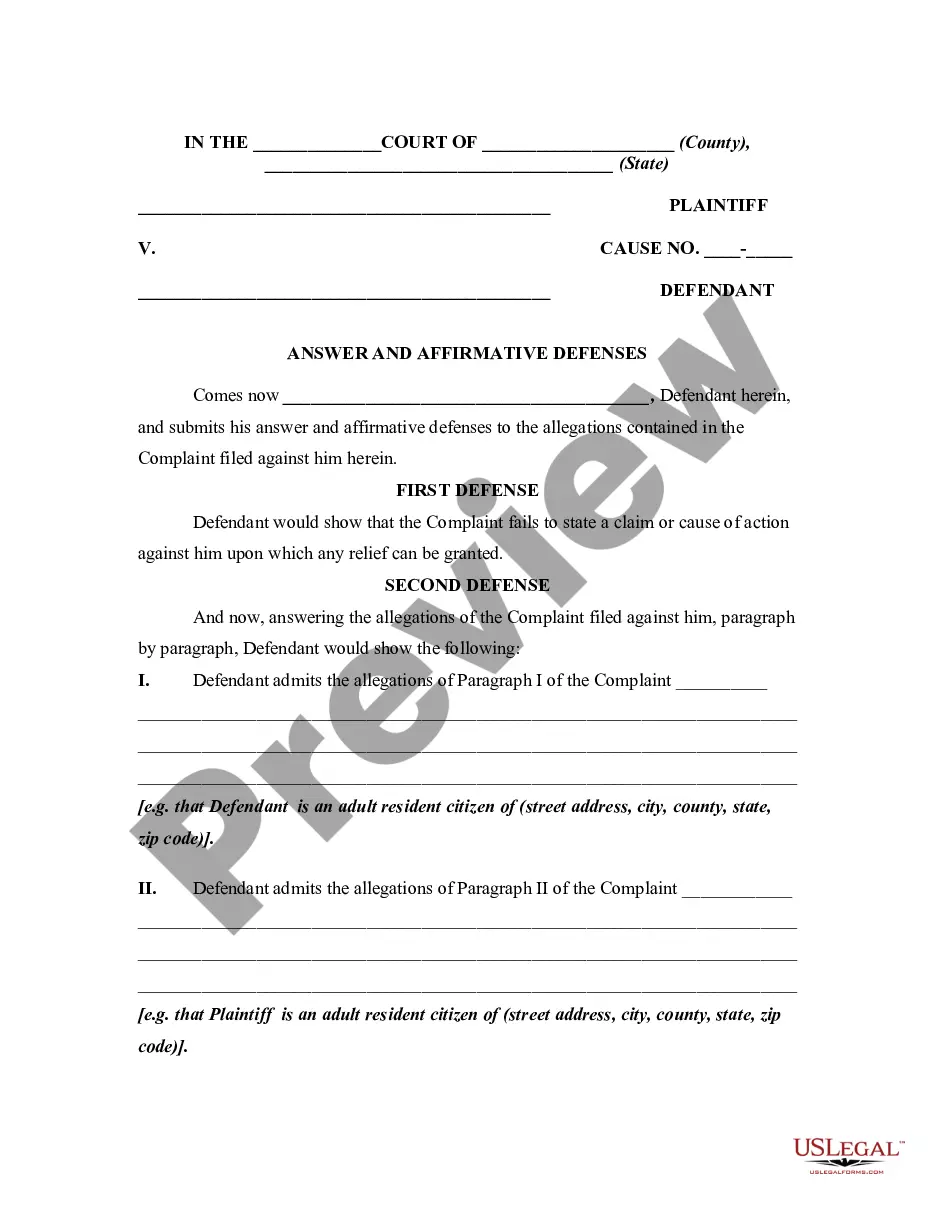
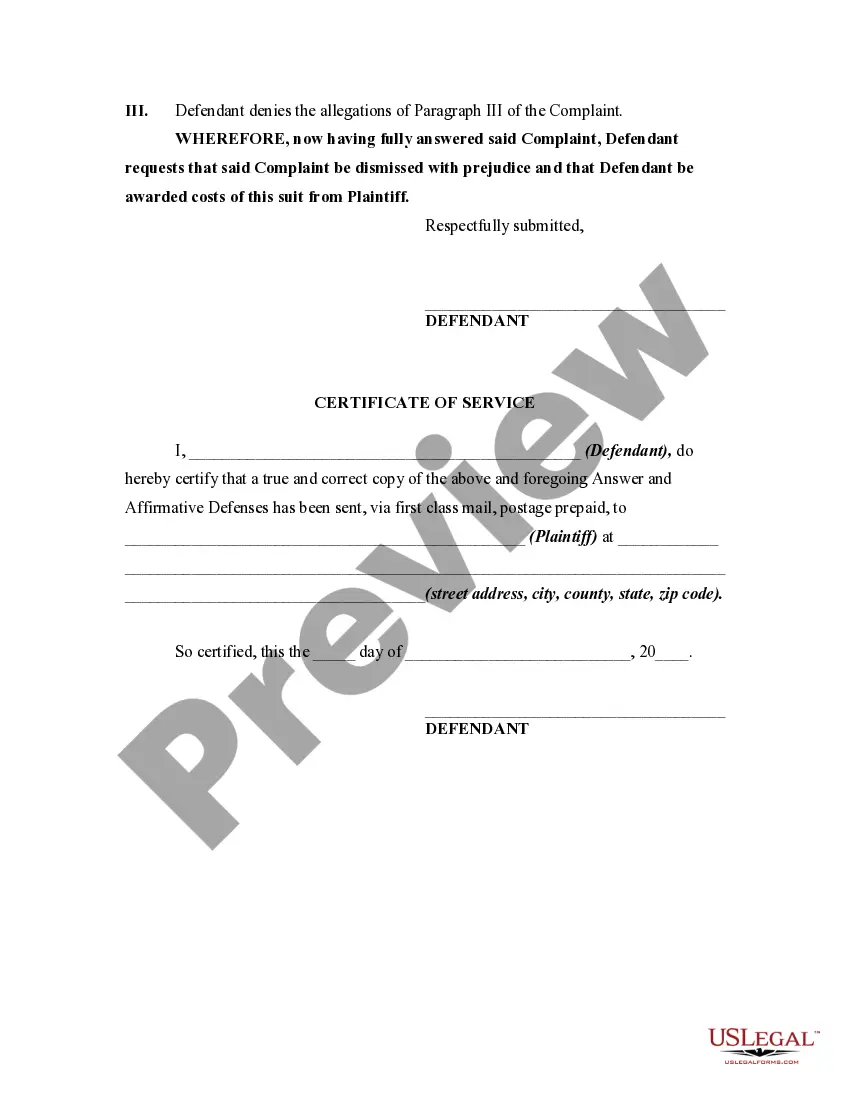
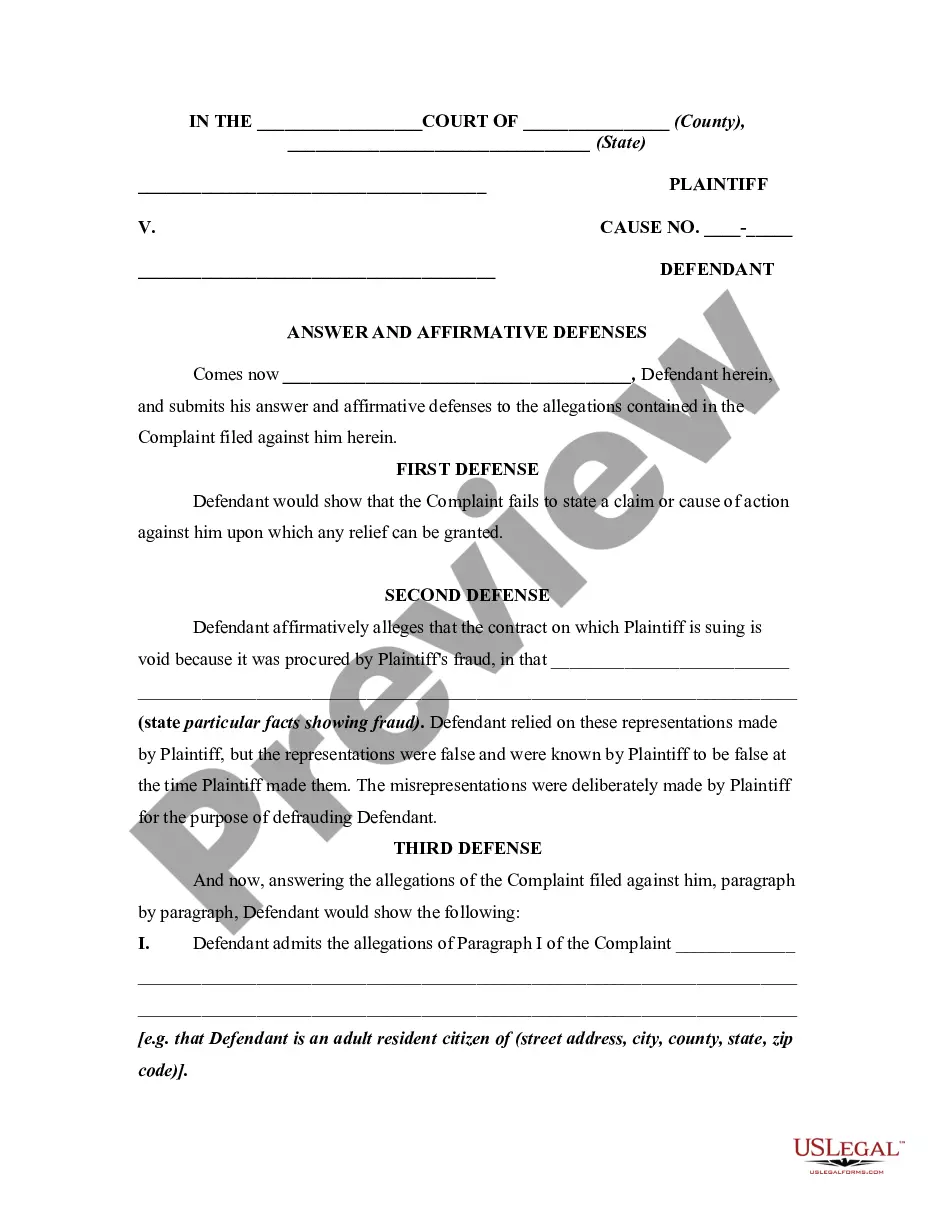
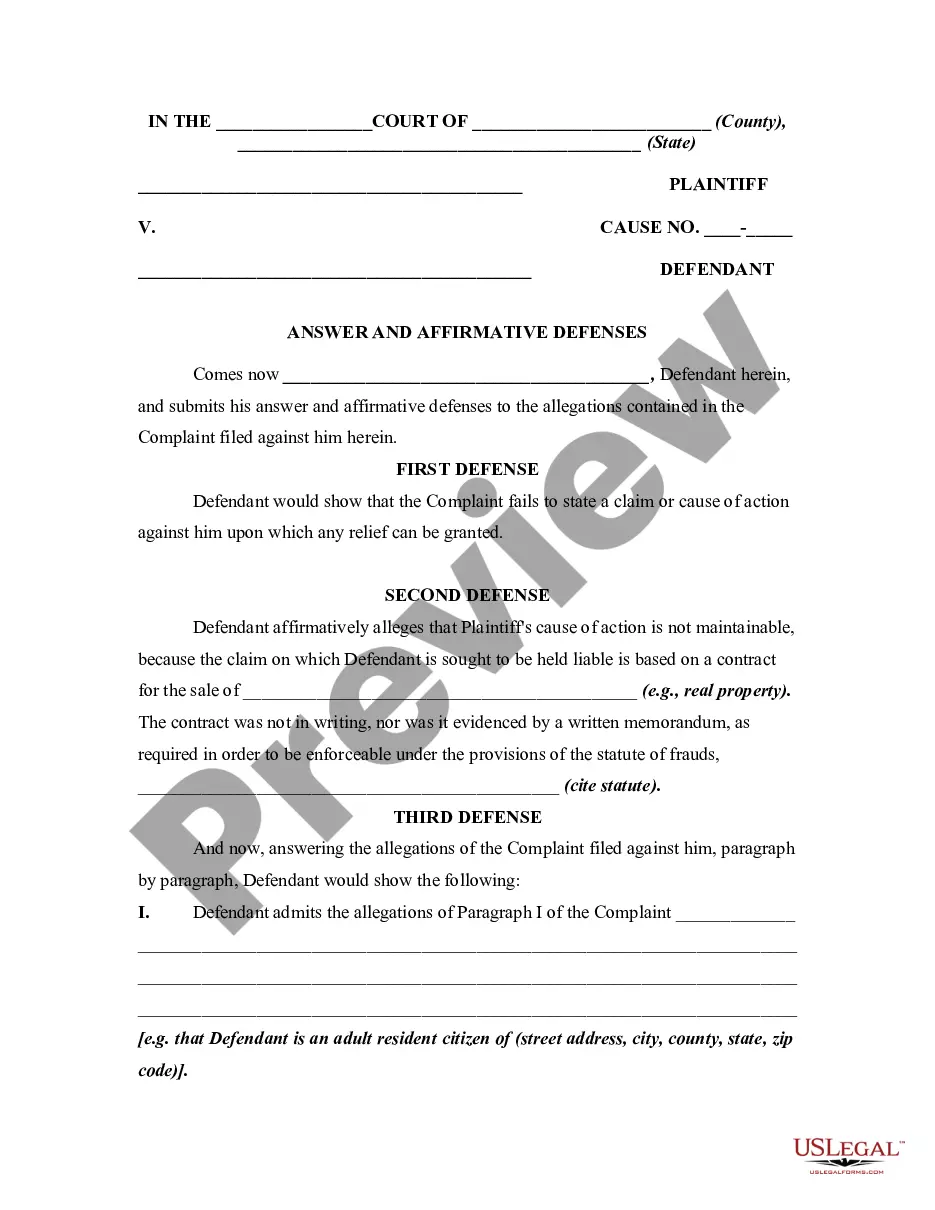
How to fill out General Form Of An Answer By Defendant In A Civil Lawsuit?
- Log in to your existing account at US Legal Forms. Ensure your subscription is still active; renew if necessary.
- Browse through the extensive online library, ensuring you've selected the legal form that best fits your needs and meets local jurisdiction requirements.
- Utilize the Search feature to find any additional templates if needed, ensuring you have the most relevant documentation.
- Choose the document by clicking the 'Buy Now' button, and select your preferred subscription plan. Registration is required for account access.
- Complete your purchase by entering your payment information, whether through credit card or PayPal.
- Download your form and save it to your device. You can always access it again under 'My Forms' in your profile.
With US Legal Forms, individuals and attorneys alike are empowered to efficiently tackle legal documentation. Their robust collection and expert assistance ensure that your forms are not only completed properly but are also reflective of your specific legal needs.
Get started with US Legal Forms today and simplify your journey through the affirmative action debate. Access thousands of legal documents now!
Form popularity
FAQ
To create an affirmative action plan, start by gathering data on your employment practices and workforce demographics. Then, identify any disparities and set specific, measurable goals to address them. Ensure that your plan aligns with both federal regulations and your organization's objectives. For a comprehensive approach, US Legal Forms offers templates and resources to facilitate this process.
Setting up an affirmative action program involves assessing your current workforce and identifying areas for improvement. You need to establish clear goals based on the affirmative action debate's context and legal requirements. Implementing a structured plan with regular evaluations ensures effectiveness. Platforms like US Legal Forms can guide you through the setup process efficiently.
Affirmative action programs must include clear objectives and measurable goals for increasing diversity. Additionally, they often require thorough documentation of hiring practices and outcomes. These requirements aim to promote transparency and accountability in the workplace. To assist with compliance, you might consider utilizing tools provided by US Legal Forms.
Organizations that are federal contractors or subcontractors are usually required to file affirmative action plans. This obligation aims to ensure compliance with equal opportunity regulations. However, understanding your specific obligations in the context of the affirmative action debate can be complex. Using resources like US Legal Forms can simplify this process.
The 80% rule, often referenced in the affirmative action debate, serves as a benchmark for assessing disparities in employment and hiring practices. This rule stipulates that if the selection rate for any group is less than 80% of the highest rate achieved by any group, it may indicate discrimination. Understanding this rule is crucial for creating fair and equitable employment practices. You can explore more about it through platforms like US Legal Forms.
Affirmative action typically benefits individuals from historically marginalized groups, including racial minorities and women. It aims to level the playing field for those who have faced discrimination in the past. However, qualifications can vary based on specific programs, so it’s essential to understand the context of the affirmative action debate. Resources like US Legal Forms can help you navigate these qualifications effectively.
Affirmative action is about taking steps to ensure everyone gets a fair chance, especially when some have been treated unfairly in the past. It often involves giving special consideration to people based on their race, gender, or other characteristics. This topic is central to the affirmative action debate, as it raises important questions about fairness and equality in our society.
Affirmative action is a policy that aims to level the playing field for all individuals, particularly those from underrepresented groups. Think of it as a way to support people who may have been denied opportunities in the past. The affirmative action debate revolves around its effectiveness and fairness in promoting equality in education and the workplace.
To explain affirmative action to kids, use relatable examples, such as comparing it to helping all friends play a game where some may need extra help to join in. Emphasize that affirmative action is about fairness and giving everyone a chance, especially when some people face hurdles others do not. This simple comparison can lead to discussions about equality and the ongoing affirmative action debate.
To write an affirmative action plan, start by determining your organization's goals regarding diversity and inclusion. Next, conduct an analysis of your workforce to identify underrepresentation and areas for growth. This process not only aligns with legal requirements but also contributes to the broader affirmative action debate, emphasizing the importance of equitable practices in today's workplaces.