Template Discovery
Description

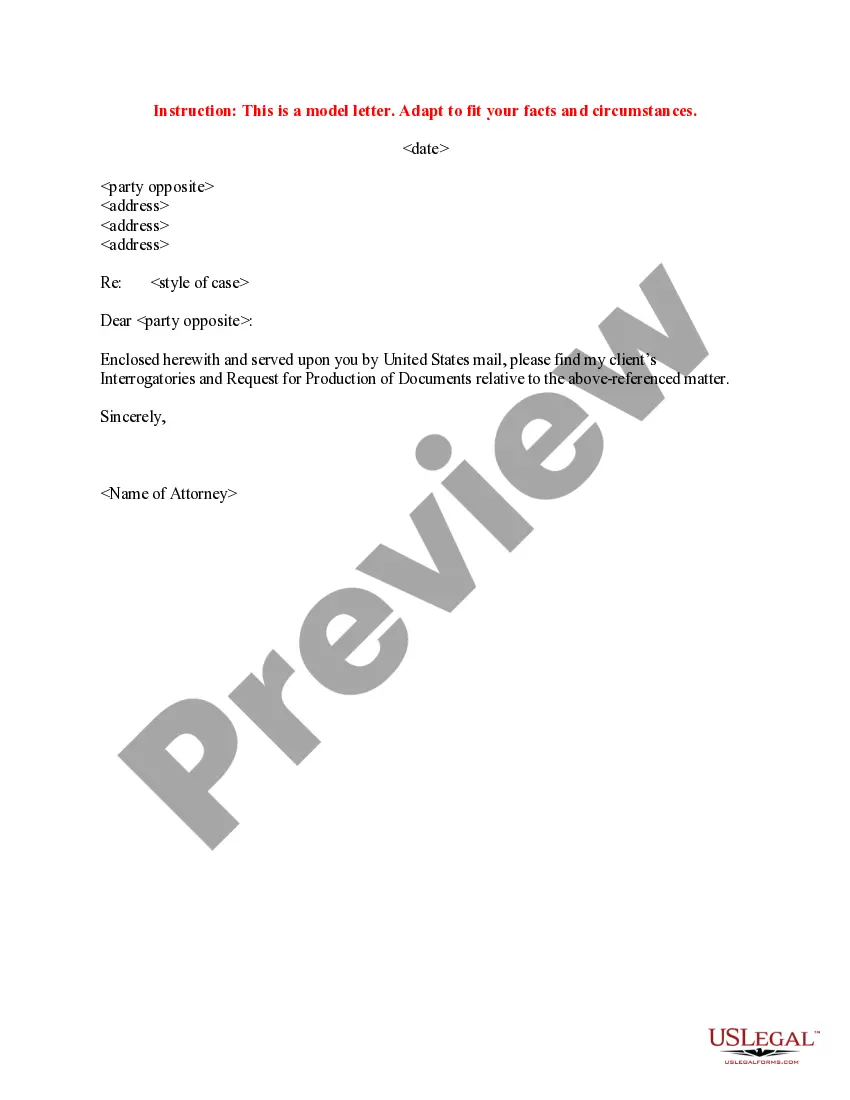
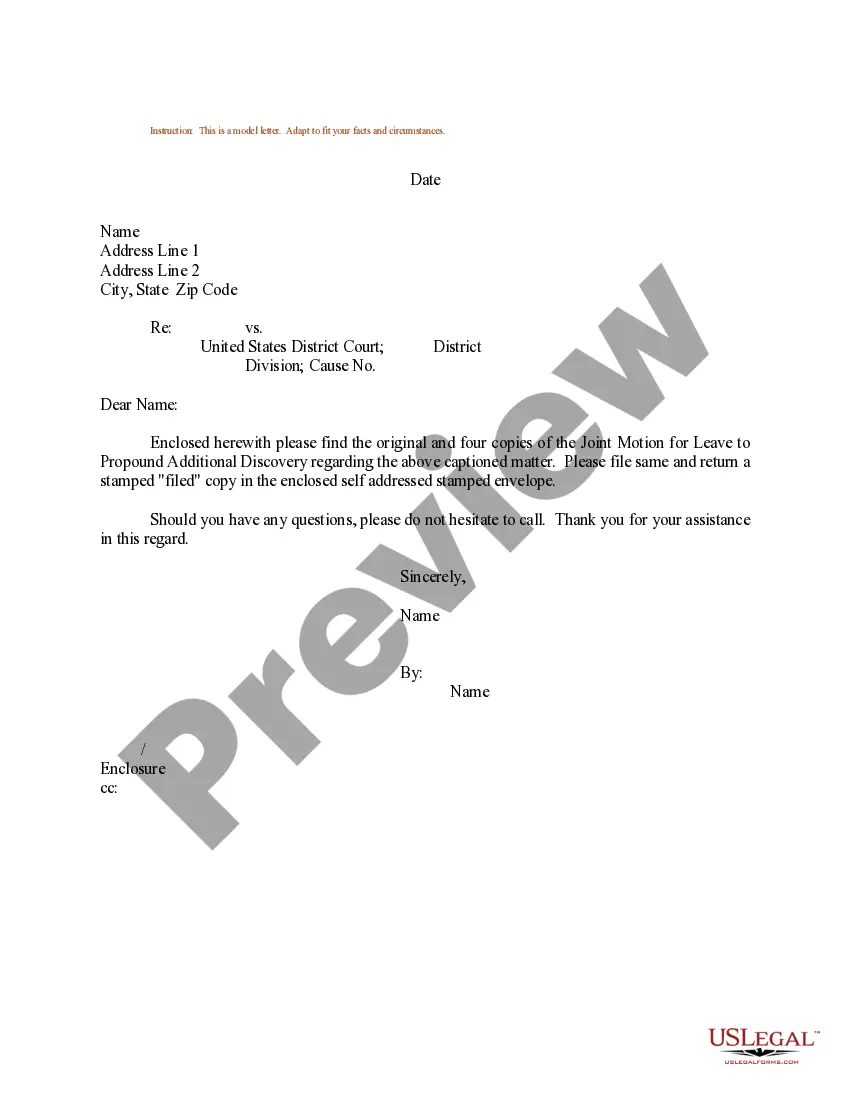
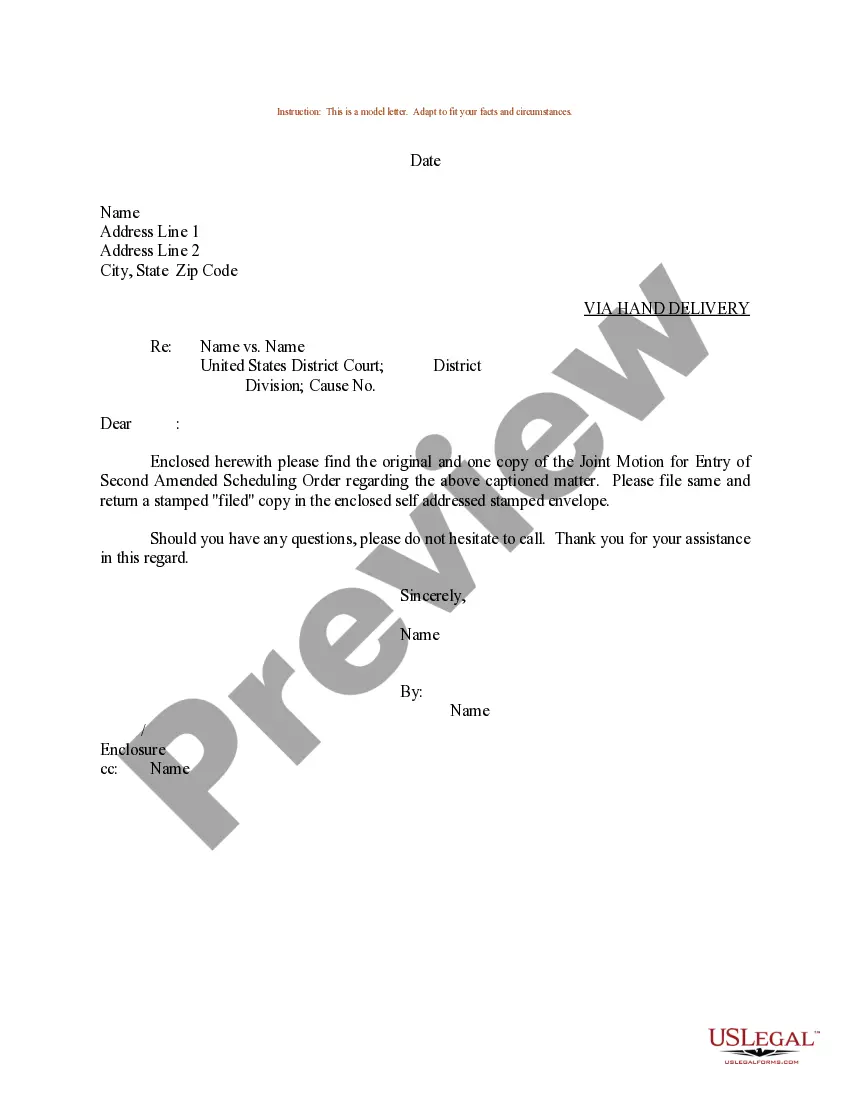
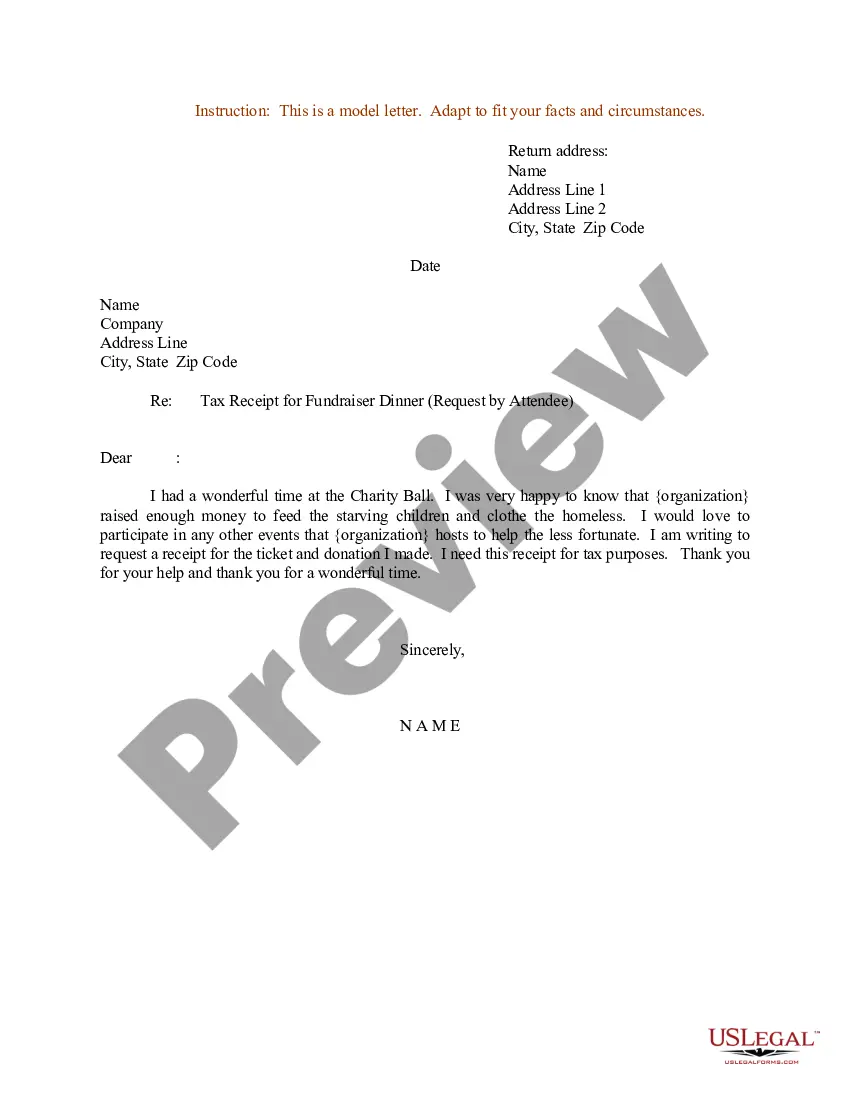

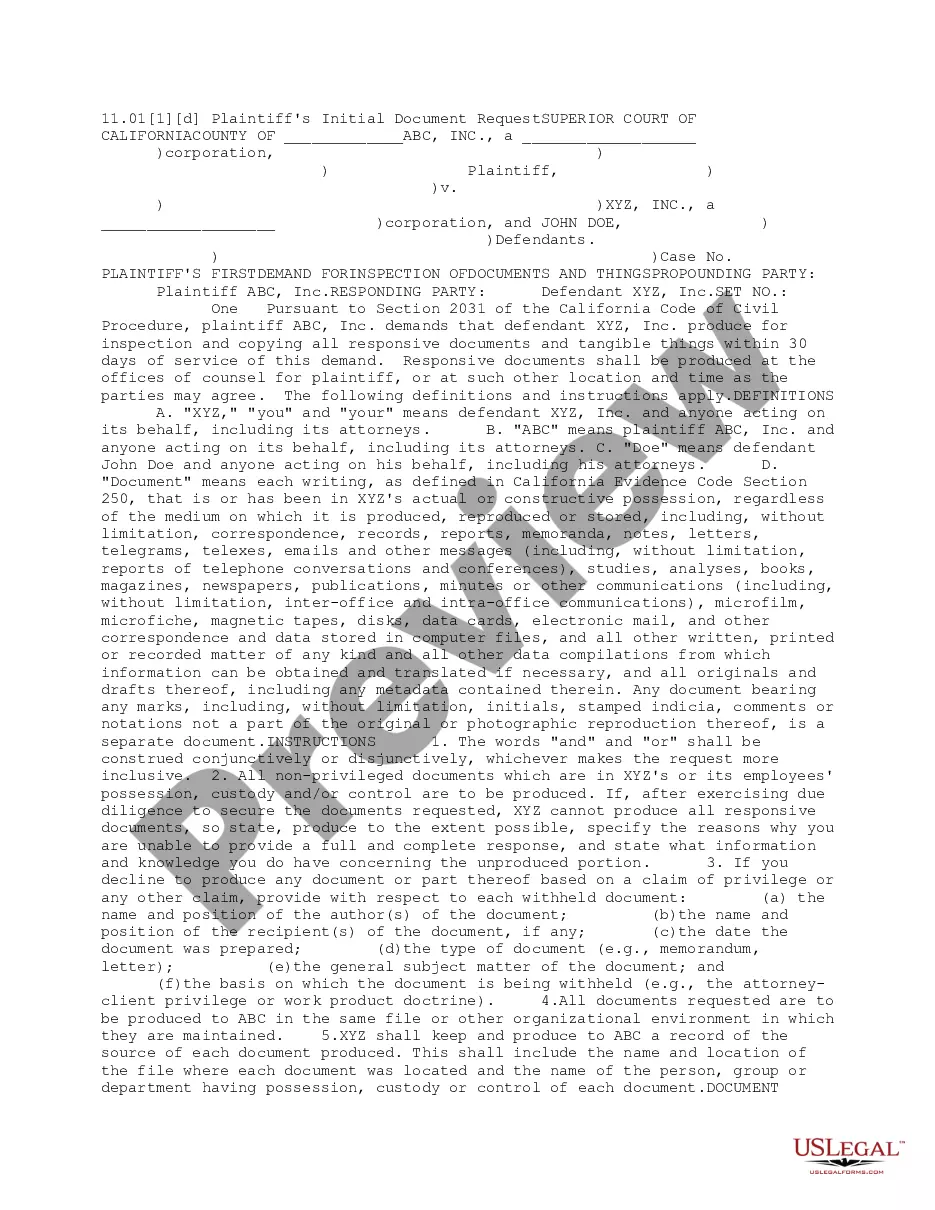


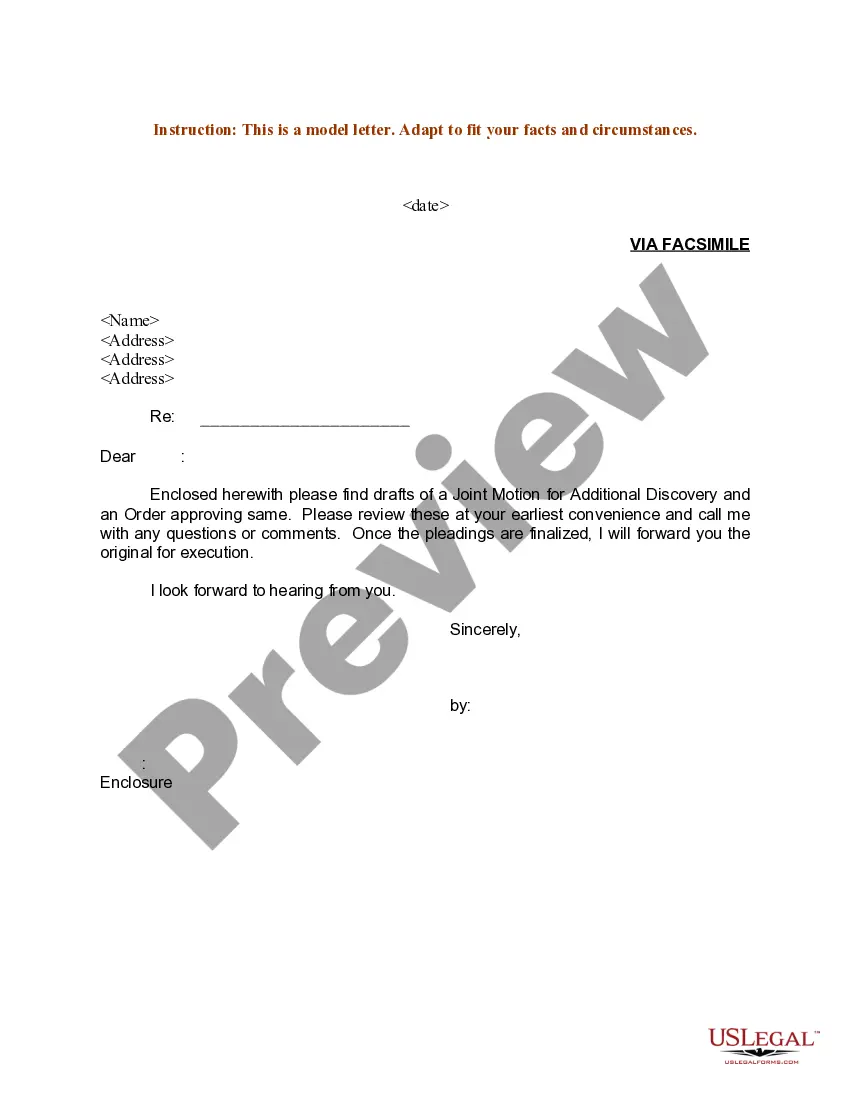
How to fill out Sample Letter For Drafts Of A Joint Motion For Additional Discovery And An Order Approving Same?
- Log in to your US Legal Forms account if you’re returning. Ensure your subscription is active to access your forms.
- For first-time users, start by exploring the Preview mode of the desired form. Verify that it aligns with your specific legal needs.
- If you need a different template, use the Search feature to locate the proper document that fits your requirements.
- Once you find the right template, click on the Buy Now button and select your preferred subscription plan.
- Complete your purchase by entering your payment details via credit card or PayPal.
- Finally, download your completed form and save it to your device for easy access later. You can also find it under the My Forms section in your account.
With US Legal Forms, users enjoy an unparalleled array of legal documents, making template discovery seamless and empowering. Our service not only provides a comprehensive selection but also includes assistance from premium experts to ensure your forms are correctly completed.
Ready to simplify your legal needs? Visit US Legal Forms today and start your template discovery journey!
Form popularity
FAQ
Evidence discovery is the process of obtaining evidence that supports claims in legal cases. This may include documents, testimonies, or physical evidence. Implementing template discovery helps structure this process, making it more efficient and ensuring you collect all relevant evidence for your case.
In court, discovery often includes the exchange of evidence between parties. An example could be a witness deposition, where lawyers gather testimony under oath. Tools like template discovery can facilitate this exchange, ensuring all necessary statements and documents are properly handled.
Discovery can refer to finding pertinent documents or information related to a case. An example might be unearthing emails that reveal relevant communications between involved parties. Using template discovery tools helps organize this information, ensuring nothing critical gets overlooked.
Process discovery involves examining how a procedure functions. For instance, in a legal context, it might involve mapping out steps taken during the incident leading to litigation. By incorporating template discovery, you can visualize these processes clearly, enabling you to gather essential information efficiently.
The four types of discovery include interrogatories, depositions, requests for production, and requests for admissions. Each type serves a unique purpose in gathering information during legal proceedings. By utilizing template discovery, you can streamline the process, making it easier to manage documentation and requests.
An example of the discovery of an idea could be a brainstorming session where participants share their initial thoughts on a new product. Through open dialogue and collaborative exploration, team members refine their ideas into actionable concepts. Using a template discovery framework can help organize thoughts and facilitate idea development.
A discovery template is a structured document designed to guide the flow of discussions during a discovery meeting. It typically includes sections for objectives, key questions, and space for capturing responses. Using a discovery template can streamline the process, making it easier to identify client needs and potential solutions.
An example of a discovery meeting could involve a sales team discussing a new software solution with a potential client. The meeting would begin by outlining the client's current challenges, followed by an exploration of how the proposed solutions meet their needs. Utilizing a template discovery approach can enhance the clarity and efficiency of such meetings.
To structure a discovery meeting, start with a welcoming introduction and a recap of the agenda. Follow this with sections dedicated to discussing challenges, exploring potential solutions, and addressing participant questions. This organization allows for a smooth flow, ensuring participants feel valued and heard.
The most effective approach for structuring a discovery meeting involves a clear agenda, engaging participants, and open-ended questions. This encourages dialogue and allows for a deeper understanding of needs. By leveraging a discovery template, you can ensure all vital areas are covered efficiently.