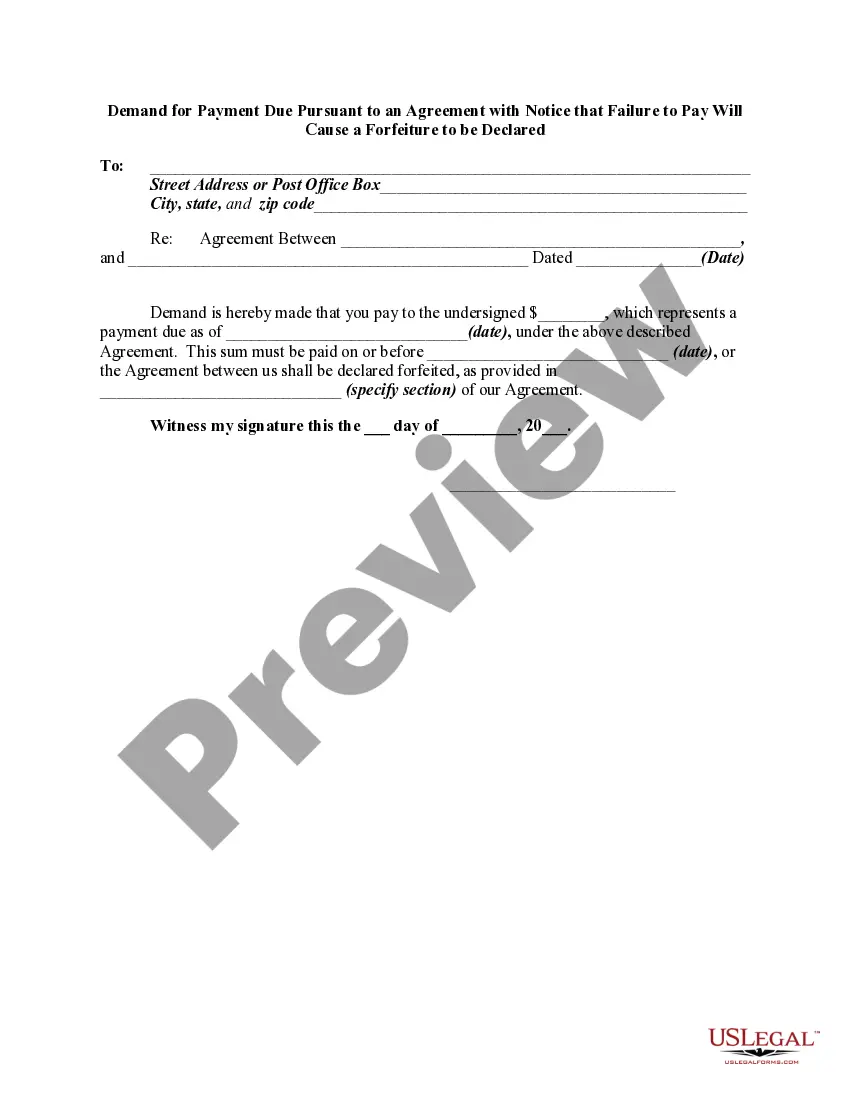
Failure Pay Will Force
Description
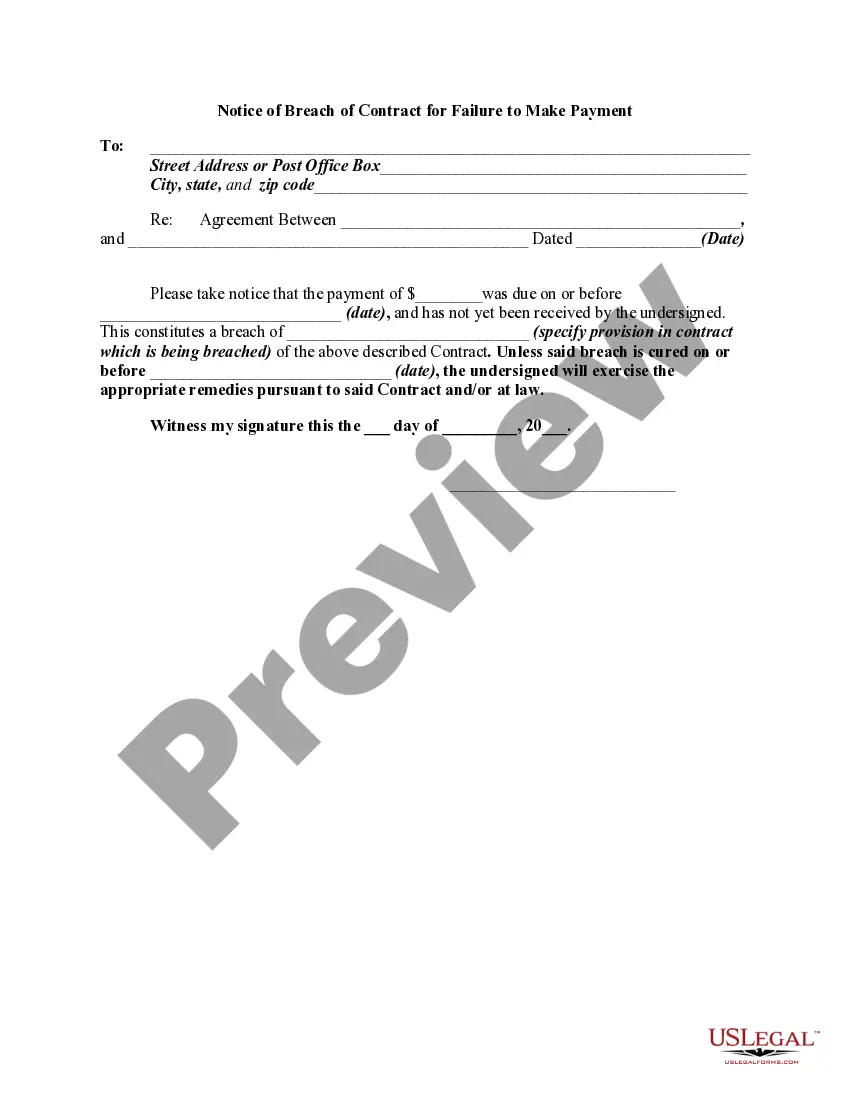
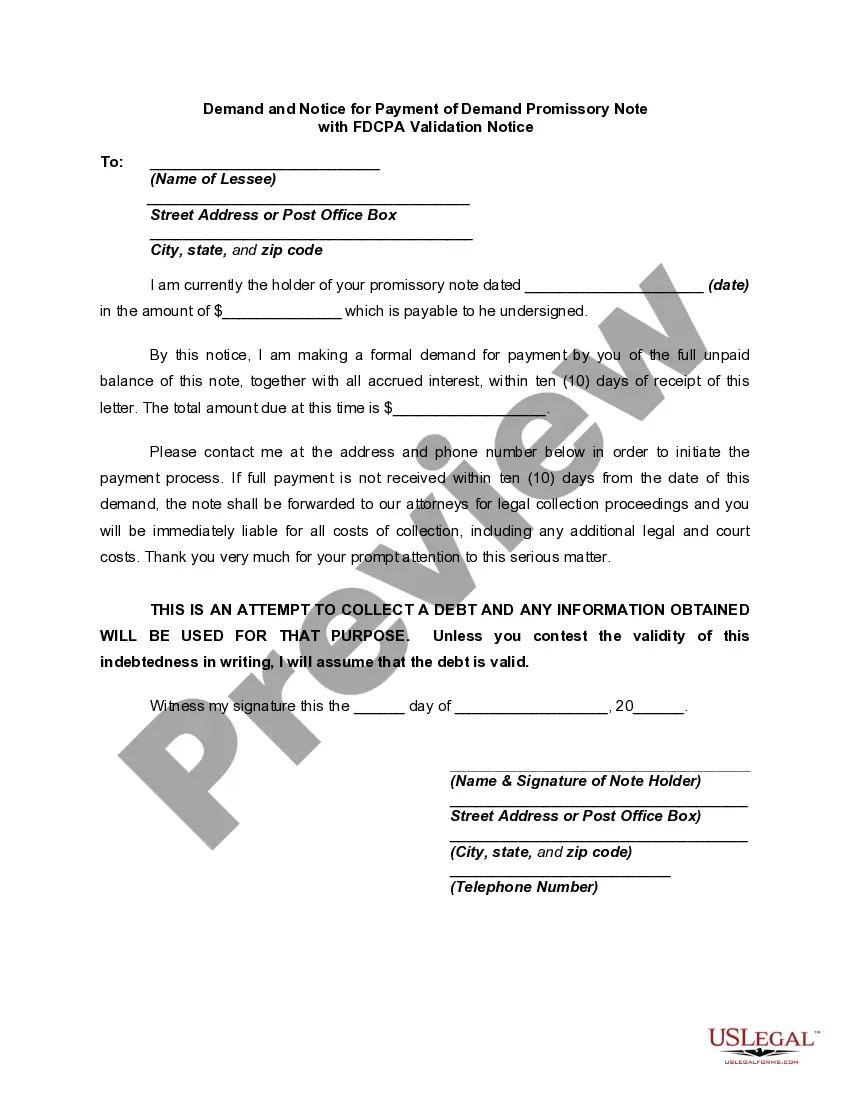
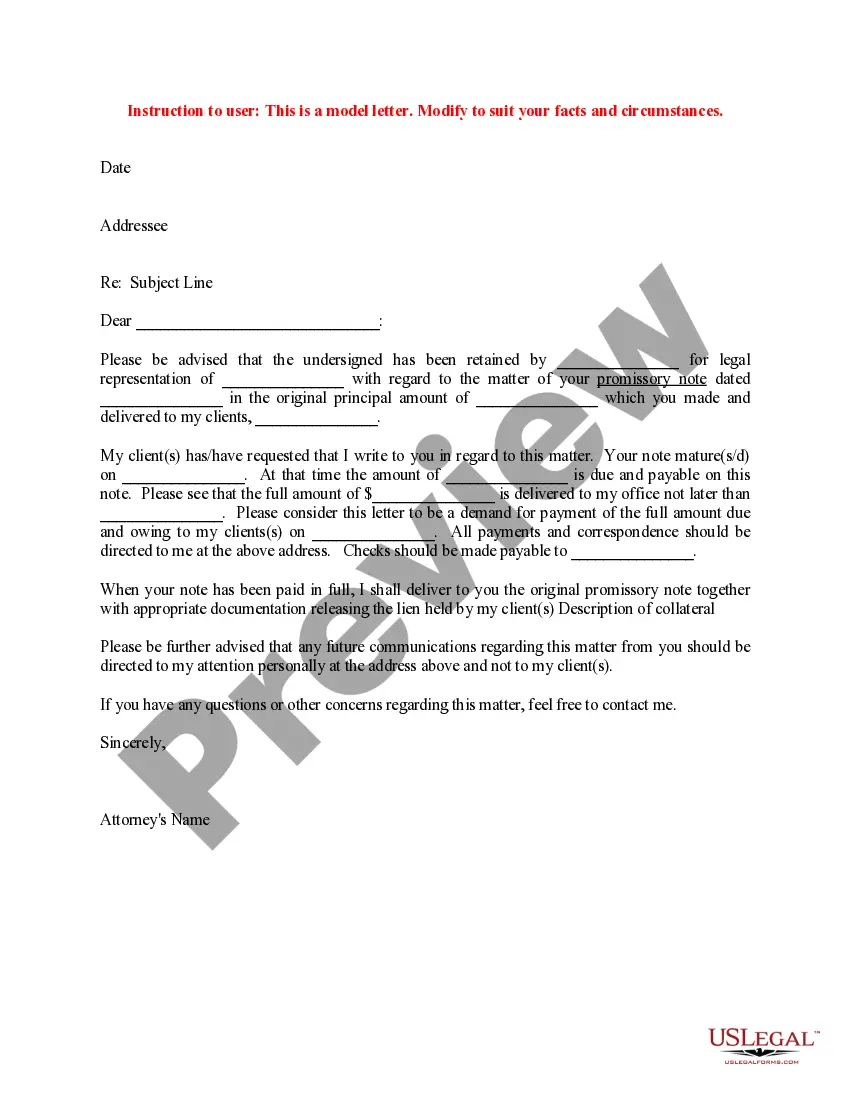

How to fill out Demand For Payment Due Pursuant To An Agreement With Notice That Failure To Pay Will Cause A Forfeiture To Be Declared?
Managing legal paperwork and processes can be a lengthy addition to your day.
Failure Pay Will Force and similar forms generally necessitate that you search for them and find your way to fill them out correctly.
Therefore, whether you are addressing financial, legal, or personal affairs, utilizing a comprehensive and functional online directory of forms when needed will be of great assistance.
US Legal Forms is the premier online platform for legal templates, boasting over 85,000 state-specific forms and a variety of tools to assist you in completing your documents promptly.
Is this your first experience with US Legal Forms? Register and create an account in just a few minutes to gain access to the form directory and Failure Pay Will Force. Then, follow the steps below to fill out your form: Ensure you have located the correct form by using the Preview feature and reviewing the form details. Select Buy Now when ready, and pick the subscription plan that best fits your needs. Click Download and then fill out, sign, and print the form. US Legal Forms has twenty-five years of expertise assisting users with their legal documents. Obtain the form you need today and streamline any procedure effortlessly.
- Explore the collection of relevant documents available to you with just a single click.
- US Legal Forms provides you with state- and county-specific forms available for download at any time.
- Safeguard your document management tasks with a high-quality service that enables you to prepare any form in minutes without incurring additional or concealed fees.
- Simply Log In to your account, search for Failure Pay Will Force and access it directly from the My documents section.
- You can also access forms you have downloaded in the past.
Form popularity
FAQ
Writing a payment failure email requires clarity and compassion. Begin with a subject line that highlights the issue, such as 'Payment Processing Issue.' In the body, explain that the payment failed and provide details about the next steps. Offer assistance, making it clear that addressing this failure pay will force a resolution that benefits both you and the customer.
When informing a customer about a failed payment, communicate clearly and professionally. Start by explaining that the payment could not be processed due to issues with their payment method. Encourage them to check their account details or consider using a different payment method. Remember, failure pay will force you to take action to resolve the billing issue promptly.
When you encounter a salary increase rejection, start by remaining composed and professional. Acknowledge the rejection respectfully, then request feedback to understand the decision better. Use this opportunity to express your commitment to the organization and discuss your contributions. Remember, if failure pay will force a reconsideration of your value, be prepared to present your achievements and plans for future contributions.
Payment failure refers to the inability to complete a payment transaction as intended. This can occur for various reasons, including insufficient funds, expired payment details, or technical issues. When a failure pay will force a financial action, it typically leads to penalties or consequences outlined in your agreement. Being aware of payment failure helps you avoid issues and take proactive steps to ensure timely payments.
If you fail to make a payment when due, you risk facing unwanted consequences, such as late fees, penalties, and potential damage to your credit score. Additionally, the lender may initiate collection processes that can lead to legal action. In some cases, a failure pay will force the lender to repossess collateral or initiate foreclosure. Understanding the implications of late payments is crucial to managing your financial obligations.
The calculation for failure to file penalties involves a specific formula that includes a percentage of the unpaid tax amount for each month the return is late. Typically, the penalty starts at 5% of the unpaid tax, increasing for each month you remain noncompliant. Failure pay will force you to face these penalties, so knowing the calculation helps you plan and potentially reduce the financial impact. Platforms like uslegalforms can provide valuable resources to navigate these penalties effectively.
The failure to file penalty is primarily calculated based on the amount of tax owed and the duration of the delay in filing. Generally, the penalty accumulates each month until you file your tax return or pay your owed taxes. It is important to note that the failure to file penalties can significantly increase your total tax liability, as failure pay will force additional charges. Thus, understanding this calculation helps in mitigating potential financial strain.
The timeframe for when a raise is due can vary by industry, but generally, not receiving a raise for over a year can be concerning. Consider factors such as company performance and personal achievements. If you feel that failure to pay will force you to seek employment elsewhere, it's critical to have this conversation with your supervisor soon.
A Performance Improvement Plan (PIP) does not automatically mean you will not receive severance. However, it can lead to termination, which may impact your eligibility for severance benefits. It is wise to check company policies and consult with an expert if failure to pay will force you to leave under unfavorable circumstances.
When you don't receive a raise, remain professional and focus on your future. Express your feelings calmly, and ask for feedback on how you can improve. This dialogue may open the door to potential growth opportunities and important discussions about salary in the future. If failure to pay will force you to reconsider your position, leverage this response to clarify your career goals.