Defendant Court Motion For Summary Judgment
Description
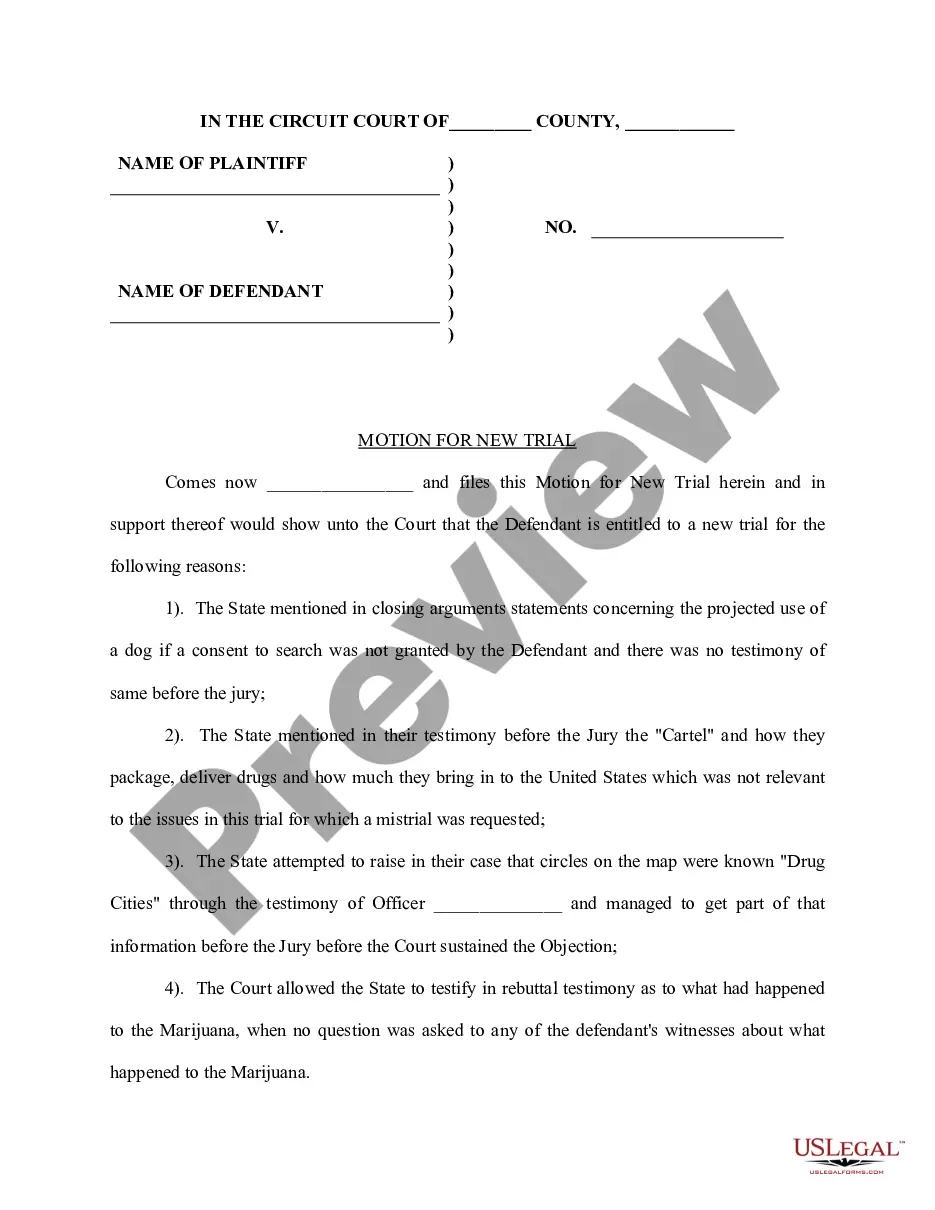
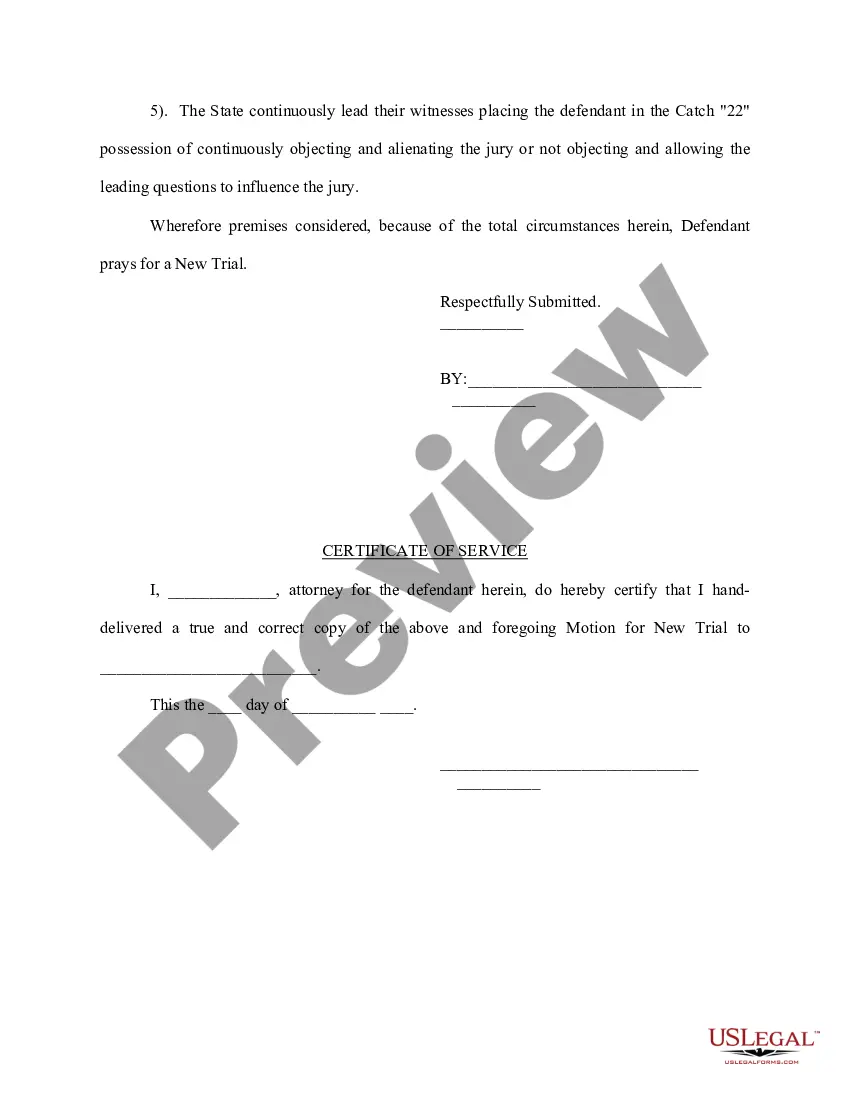
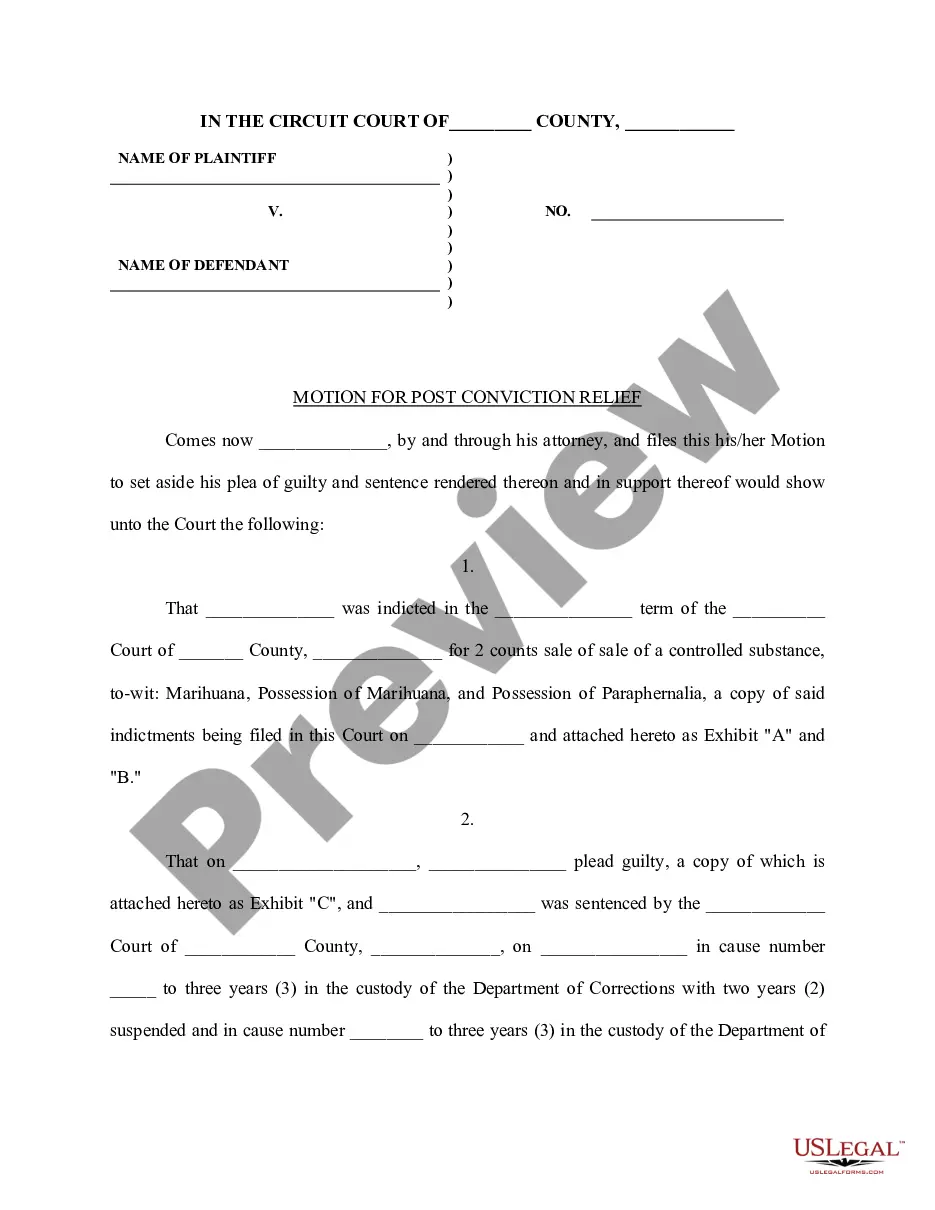
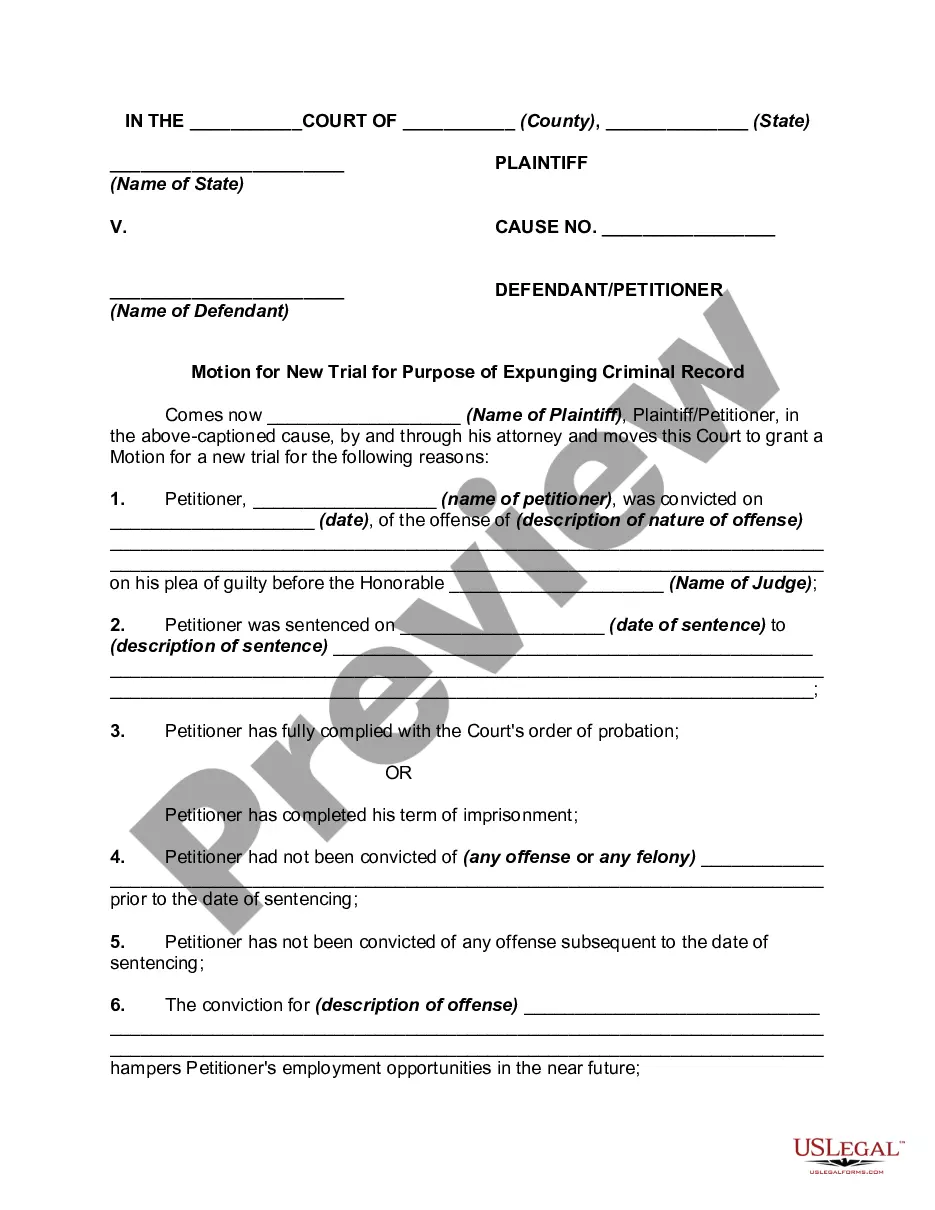
Get your form ready online
Our built-in tools help you complete, sign, share, and store your documents in one place.
Make edits, fill in missing information, and update formatting in US Legal Forms—just like you would in MS Word.
Download a copy, print it, send it by email, or mail it via USPS—whatever works best for your next step.
Sign and collect signatures with our SignNow integration. Send to multiple recipients, set reminders, and more. Go Premium to unlock E-Sign.
If this form requires notarization, complete it online through a secure video call—no need to meet a notary in person or wait for an appointment.
We protect your documents and personal data by following strict security and privacy standards.

Make edits, fill in missing information, and update formatting in US Legal Forms—just like you would in MS Word.

Download a copy, print it, send it by email, or mail it via USPS—whatever works best for your next step.

Sign and collect signatures with our SignNow integration. Send to multiple recipients, set reminders, and more. Go Premium to unlock E-Sign.

If this form requires notarization, complete it online through a secure video call—no need to meet a notary in person or wait for an appointment.

We protect your documents and personal data by following strict security and privacy standards.
Looking for another form?
How to fill out Motion For New Trial?
Legal administration can be perplexing, even for seasoned experts.
When you are seeking a Defendant Court Motion For Summary Judgment and lack the time to invest in finding the correct and updated version, the processes can be daunting.
US Legal Forms addresses any needs you may have, from personal to business documents, all in one location.
Utilize state-of-the-art tools to complete and handle your Defendant Court Motion For Summary Judgment.
Transform your routine document management into a seamless and user-friendly experience today.
- Access a valuable resource library of articles, guides, and materials pertinent to your situation and needs.
- Save time and effort searching for the forms you require, and use US Legal Forms’ advanced search and Review tool to locate Defendant Court Motion For Summary Judgment and obtain it.
- If you have a membership, Log In to your US Legal Forms account, search for the form, and acquire it.
- Check the My documents tab to view the documents you have previously saved and to manage your folders as desired.
- If this is your first experience with US Legal Forms, create an account for unlimited access to all the library's benefits.
- A comprehensive online form directory could be a game-changer for anyone looking to manage these situations effectively.
- US Legal Forms is a frontrunner in online legal forms, offering over 85,000 state-specific legal forms accessible at any moment.
- With US Legal Forms, you can access state- or county-specific legal and business documents.
Form popularity
FAQ
Answering a defendant court motion for summary judgment involves presenting evidence that disputes the claims made in the motion. You should file a response that highlights factual inaccuracies and provides your own evidence to counter the summary judgment request. Crafting a compelling answer is crucial in ensuring your case proceeds to trial.
Yes, a defendant can file a summary judgment to seek dismissal of the case before trial. This motion asserts that there are no material facts in dispute, allowing the court to decide based on the existing evidence. Understanding the process and requirements is crucial for success in your defendant court motion for summary judgment.
Seeking a defendant court motion for summary judgment can be advantageous because it provides a chance to resolve a case early, avoiding the time and expense of a trial. It allows you to challenge the opposing party's claims based on law and evidence without going through lengthy procedures. This proactive approach can lead to a more favorable outcome and can ease the burden on all parties involved.
The odds of winning a defendant court motion for summary judgment vary based on the strength of the evidence and legal arguments presented. Generally, if the defendant can clearly show that there are no material facts in dispute, the chances of a favorable ruling increase significantly. However, it is important to carefully prepare and understand that not all cases will lead to summary judgment.
Yes, a defendant can ask for a summary judgment. This legal action allows them to challenge the plaintiff's claims and seek a dismissal without going to trial. By demonstrating that there are no disputed facts requiring a court's adjudication, the defendant strengthens their position. It is vital for the defendant to present clear and compelling arguments in their motion to achieve the best possible outcome.
The odds of winning a summary judgment depend on the clarity of the facts and the strength of the evidence presented. If the defendant can show that there are no significant disputes about material facts, the likelihood of success increases. Generally, summary judgment motions have a lower success rate than many attorneys would like, making it crucial to be thorough and prepared. Consulting resources like US Legal Forms can provide valuable insight into increasing these odds.
When asking for a summary judgment, the defendant must formally draft a request called a motion for summary judgment. This document must clearly outline the reasons why no trial is necessary by providing evidence and references to relevant laws. It is essential to present a strong argument supported by facts to convince the judge. Using platforms like US Legal Forms can help in crafting a well-structured motion for summary judgment.
In a legal case, it is typically the responsibility of the defendant to file a court motion for summary judgment. This motion seeks to resolve the case without a trial by arguing that there are no significant facts in dispute. However, plaintiffs can also request a summary judgment if they believe they can prove their case without going to trial. Thus, both parties can initiate this motion, depending on the circumstances.