Gross Estate Example
Description
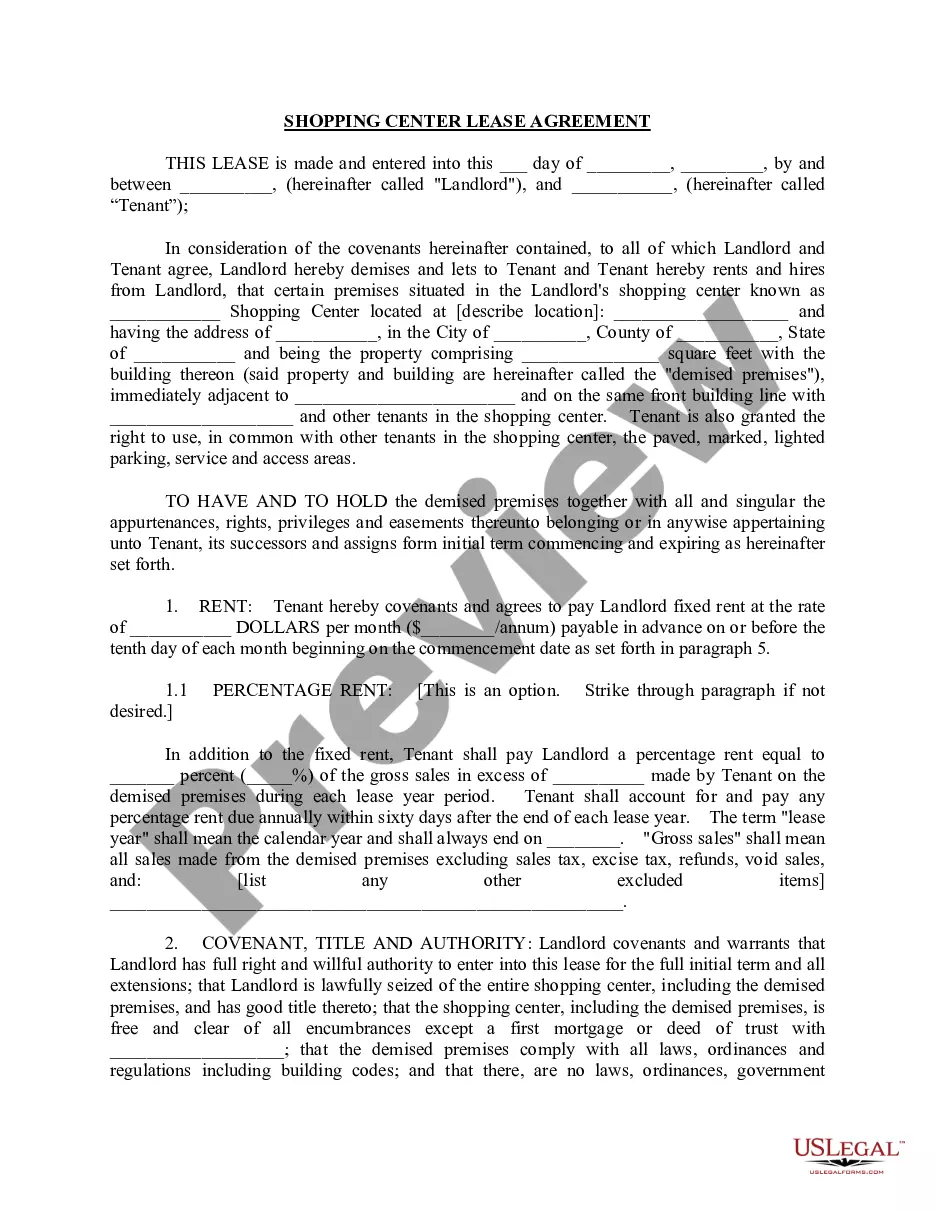
Get your form ready online
Our built-in tools help you complete, sign, share, and store your documents in one place.
Make edits, fill in missing information, and update formatting in US Legal Forms—just like you would in MS Word.
Download a copy, print it, send it by email, or mail it via USPS—whatever works best for your next step.
Sign and collect signatures with our SignNow integration. Send to multiple recipients, set reminders, and more. Go Premium to unlock E-Sign.
If this form requires notarization, complete it online through a secure video call—no need to meet a notary in person or wait for an appointment.
We protect your documents and personal data by following strict security and privacy standards.

Make edits, fill in missing information, and update formatting in US Legal Forms—just like you would in MS Word.

Download a copy, print it, send it by email, or mail it via USPS—whatever works best for your next step.

Sign and collect signatures with our SignNow integration. Send to multiple recipients, set reminders, and more. Go Premium to unlock E-Sign.

If this form requires notarization, complete it online through a secure video call—no need to meet a notary in person or wait for an appointment.

We protect your documents and personal data by following strict security and privacy standards.
Looking for another form?

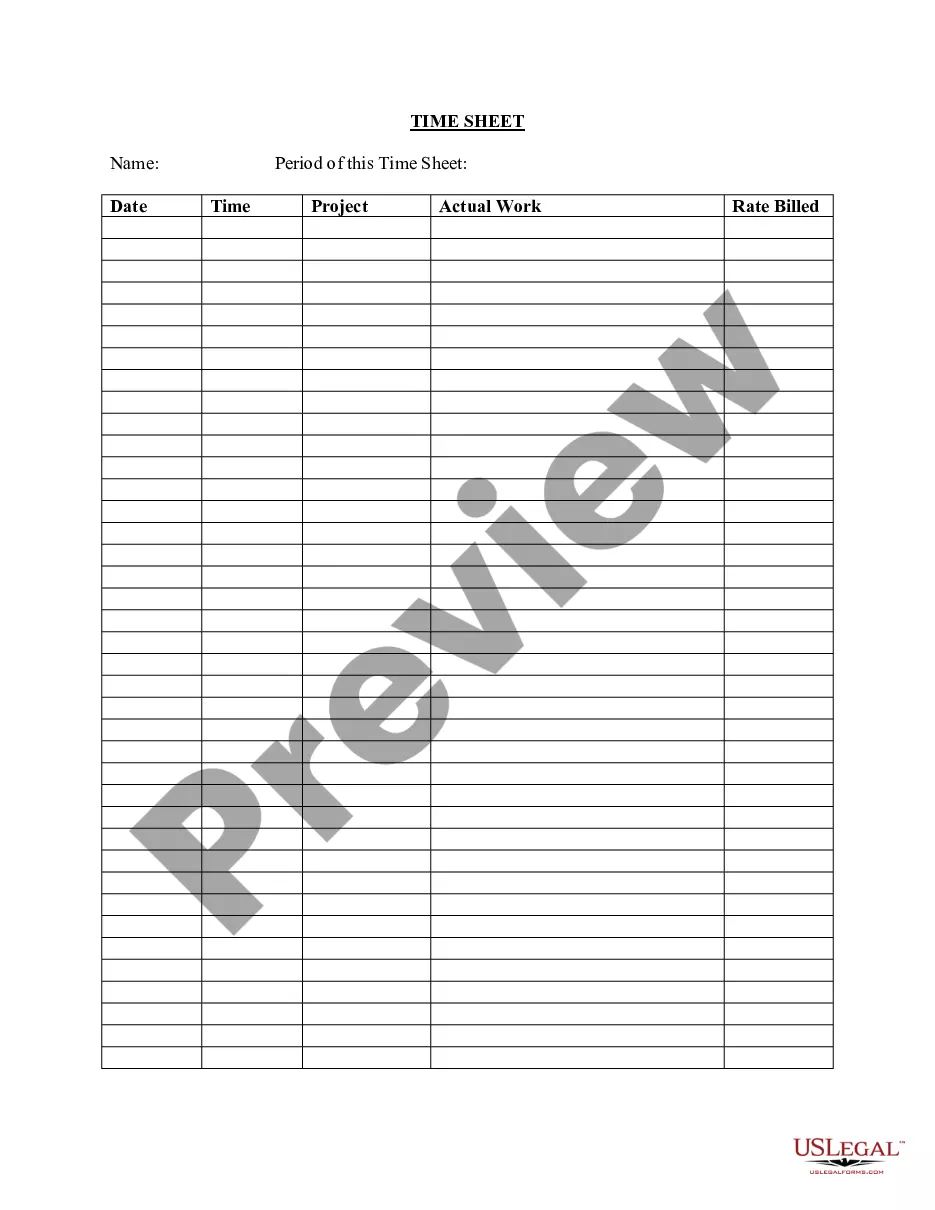



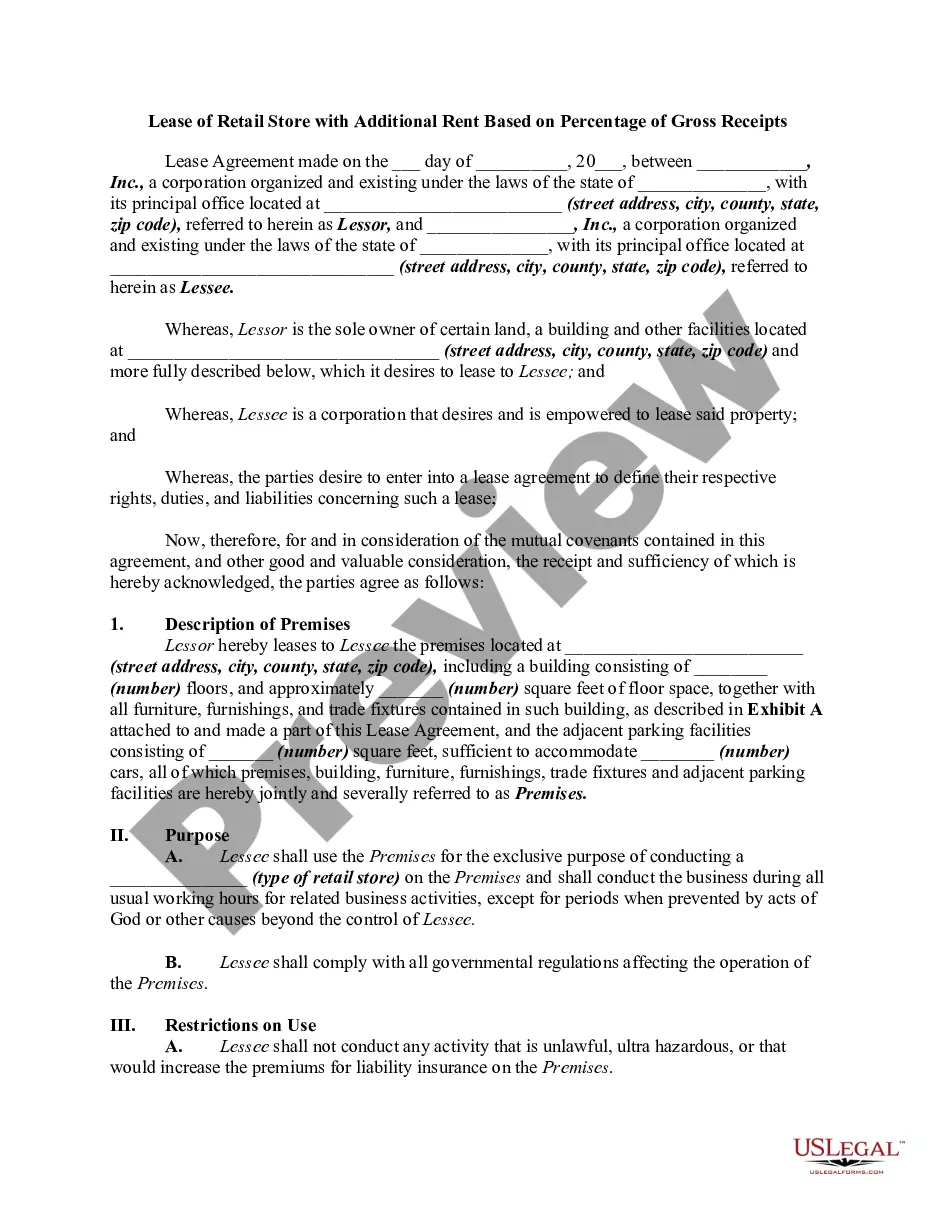
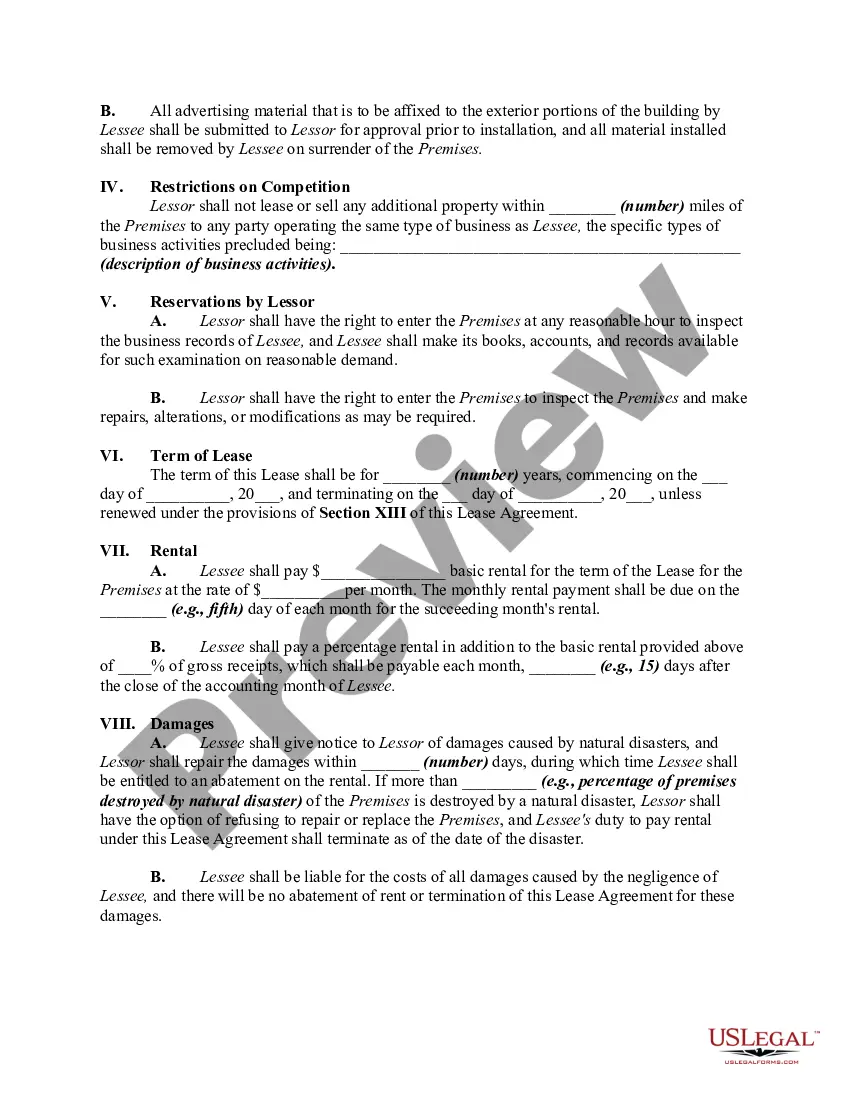
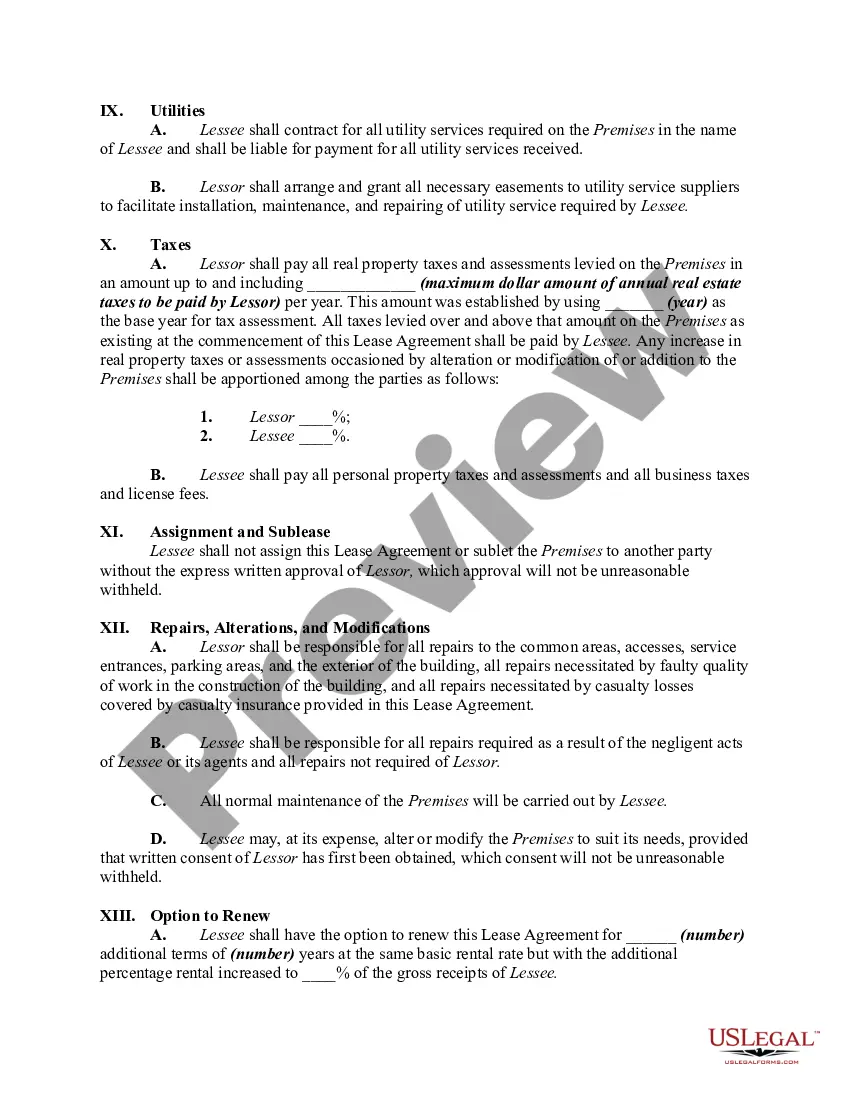
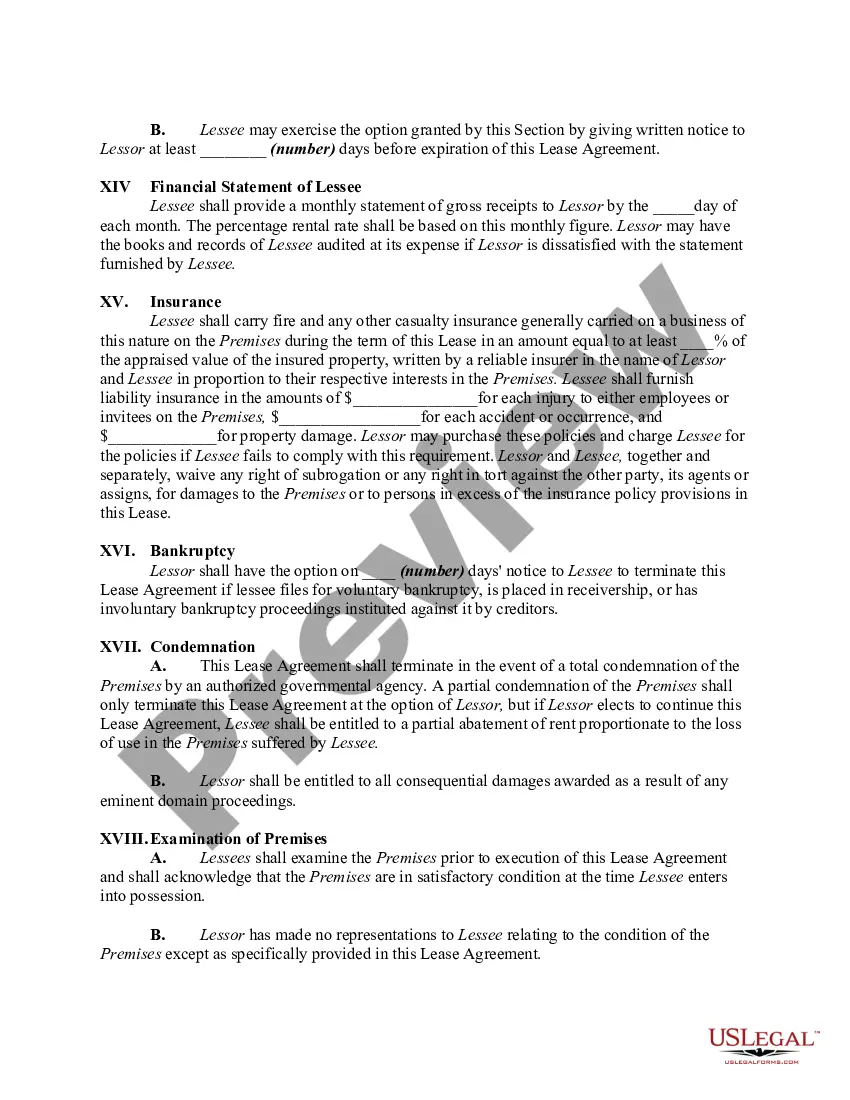
How to fill out Lease Of Retail Store With Additional Rent Based On Percentage Of Gross Receipts - Real Estate?
It's clear that one cannot transform into a legal authority in a single night, nor can one swiftly prepare a Gross Estate Example without having a distinct expertise.
Drafting legal documents is a lengthy process that demands specialized education and abilities. So, why not assign the task of creating the Gross Estate Example to the experts.
With US Legal Forms, featuring one of the most comprehensive collections of legal documents, you can discover from court filings to templates for internal business communications.
If you're looking for another template, restart your search.
Create a free account and choose a subscription plan to purchase the template. Press Buy now. Once your payment is processed, you can access the Gross Estate Example, fill it out, print it, and deliver it, or send it via mail to the relevant parties or organizations.
- We understand how vital it is to comply with and follow federal and state regulations.
- That’s why all documents available on our site are specific to your location and current.
- Let’s begin with our platform and obtain the document you need in just a few minutes.
- Find the document you seek using the search feature at the top of the page.
- Preview it (if this option is available) and review the accompanying description to determine if the Gross Estate Example is what you need.
Form popularity
FAQ
The gross estate is the total sum of all assets held by a person at a given time or at his death. The assets may include cash, securities, property, real estate, jewelry, and other assets owned. Adjusted gross estate deducts the liabilities from the gross estate.
Gross estate includes essentially all substantially valuable property owned by the person at death, including real estate, cash, stocks, life insurance, jewelry, furniture, and owed debts.
The gross estate is the total sum of all assets held by a person at a given time or at his death. The assets may include cash, securities, property, real estate, jewelry, and other assets owned. Adjusted gross estate deducts the liabilities from the gross estate.
Let's say estate owner John passed away in 2023. Combining his personal possessions, insurance policies, financial accounts and real property, John owned an estate worth $8 million ? his gross estate.
The gross estate consists of the value of all property (real or personal, tangible or intangible) owned by a decedent or in which the decedent had an interest at the time of death. See I.R.C. § 2031(a). Generally, assets are included in the gross estate at their fair market value on the date of the decedent's death.