Business Premises Real For Real
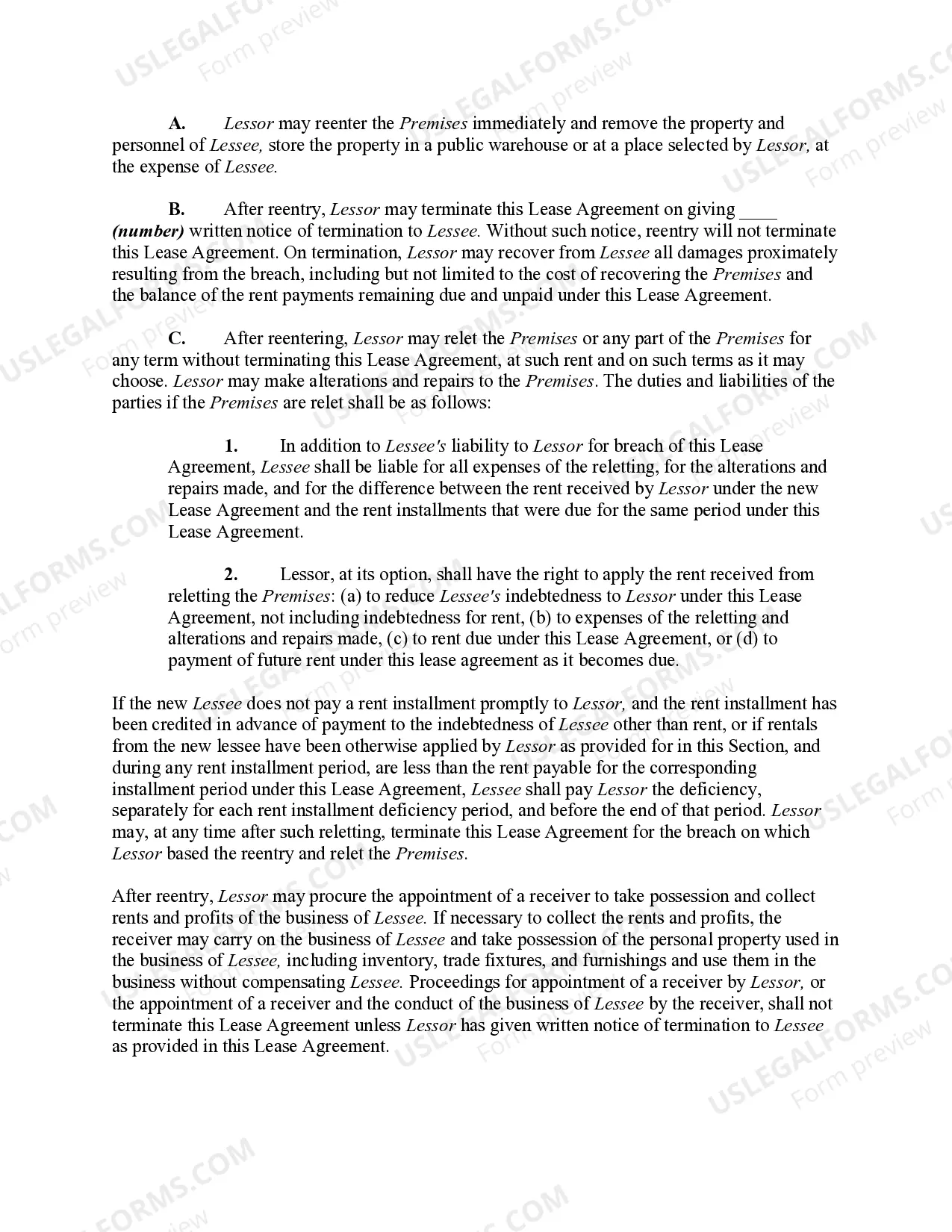
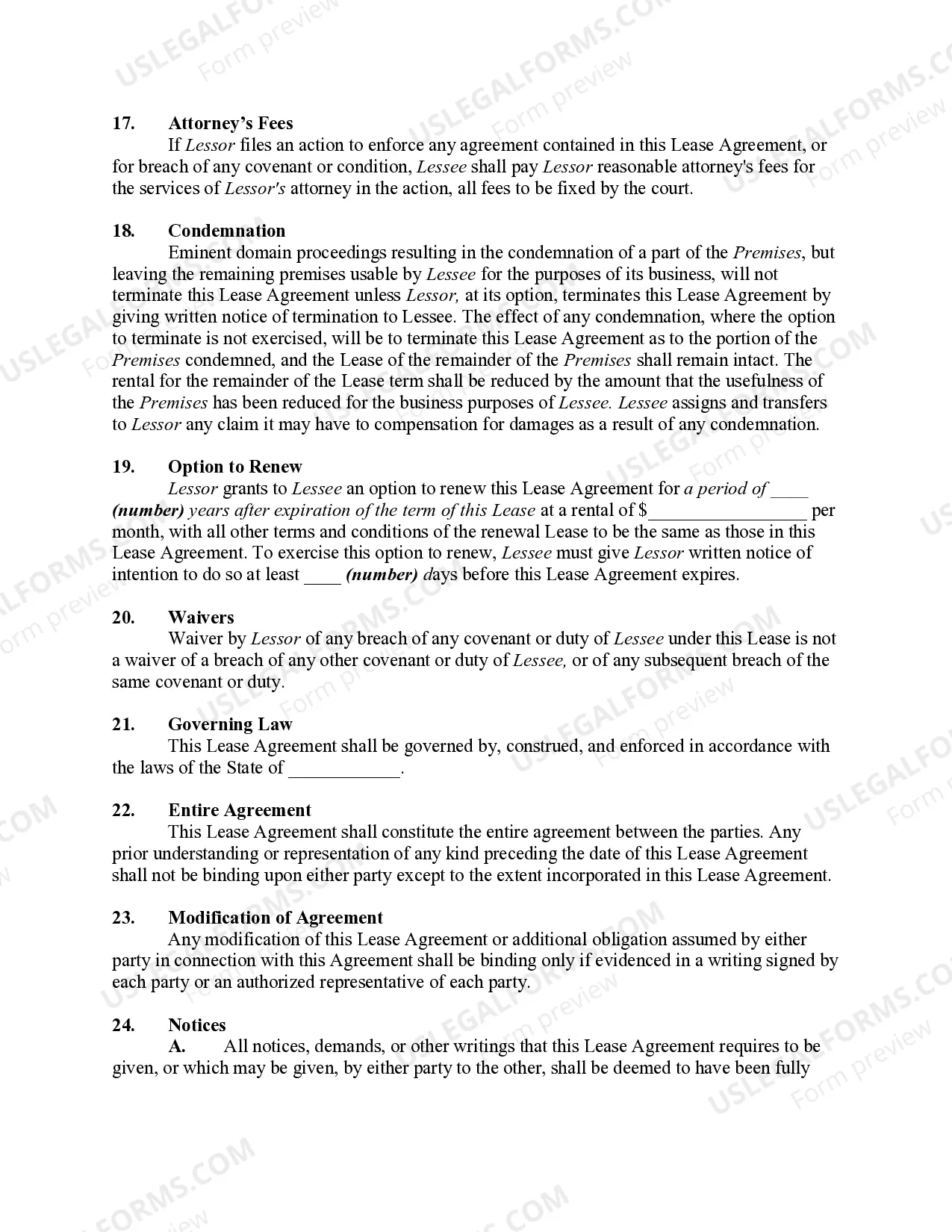
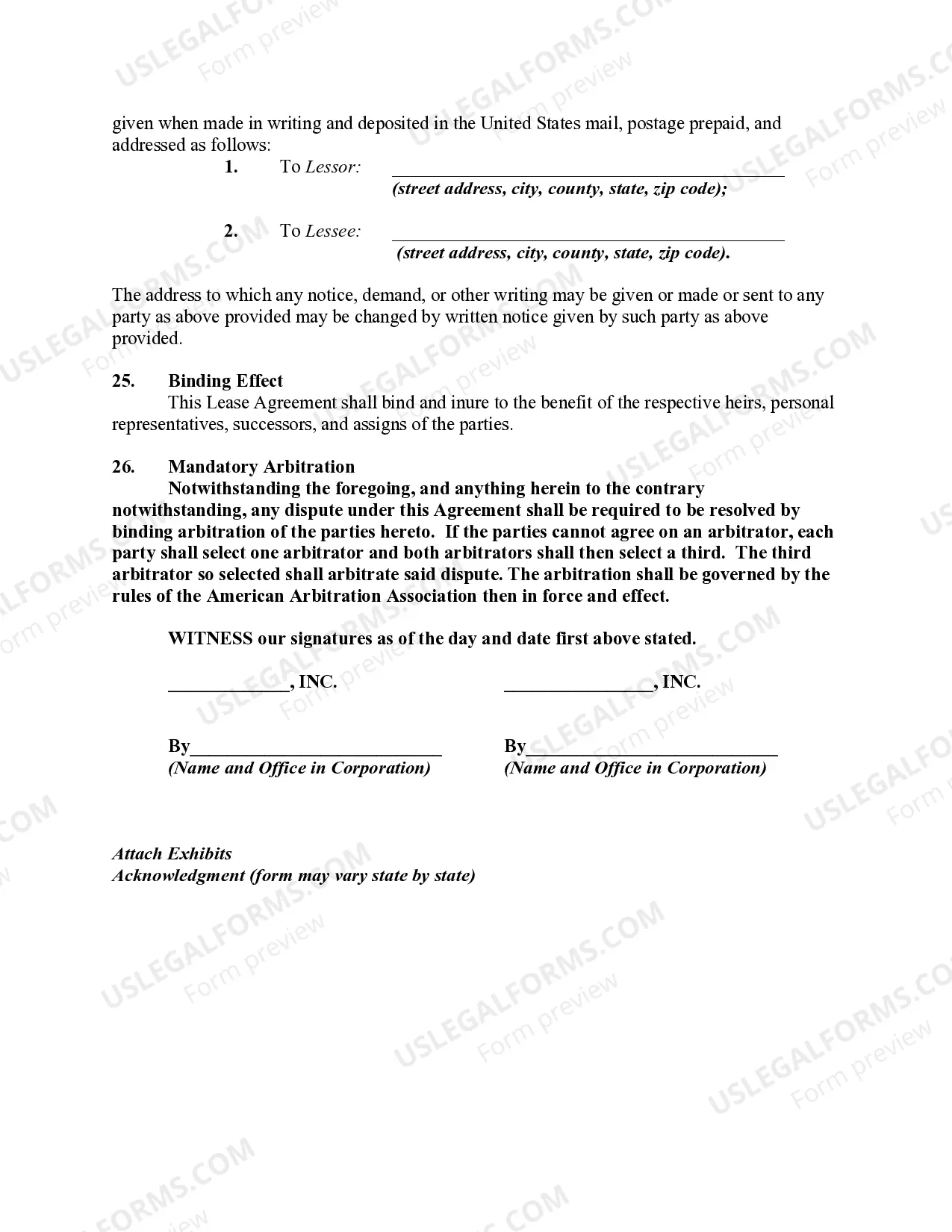
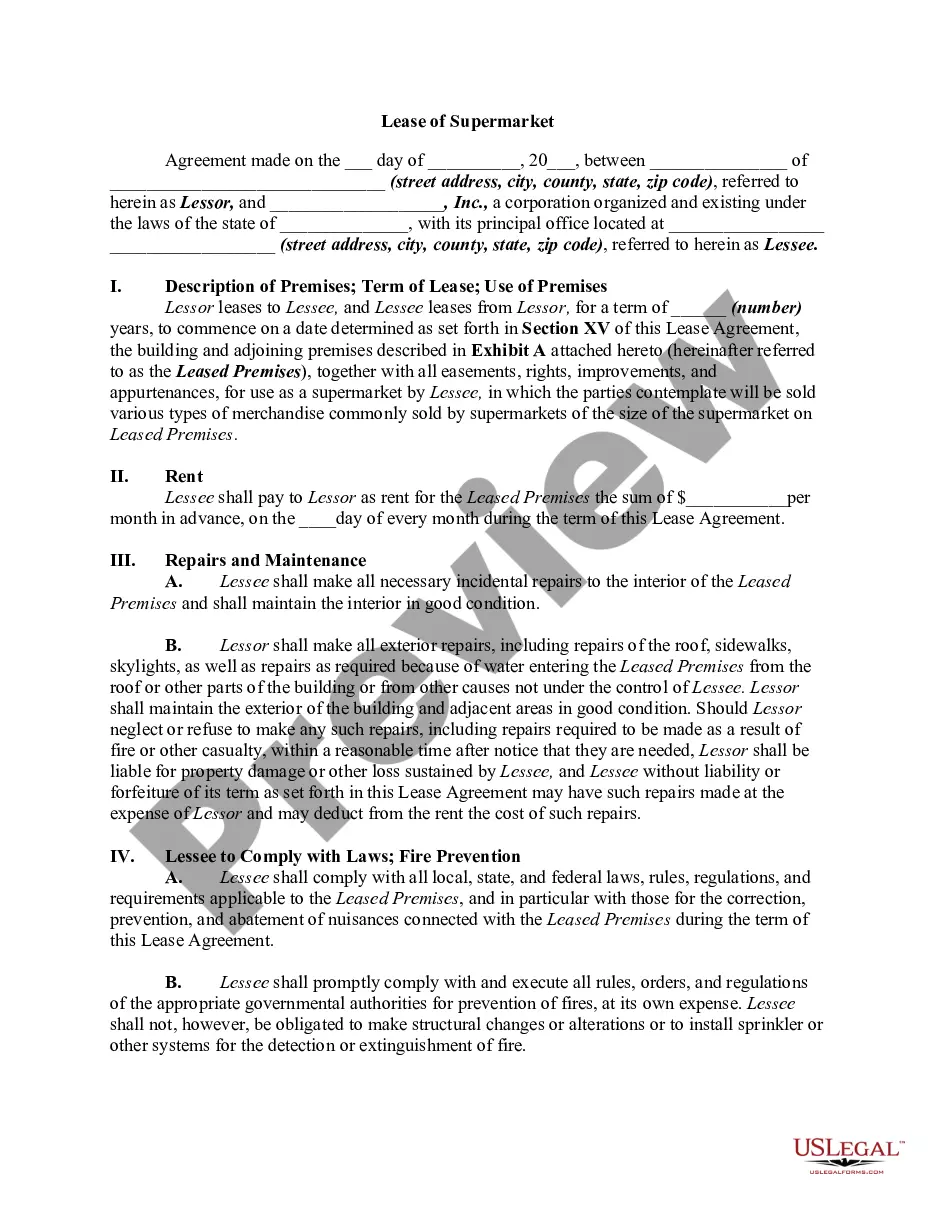
Description
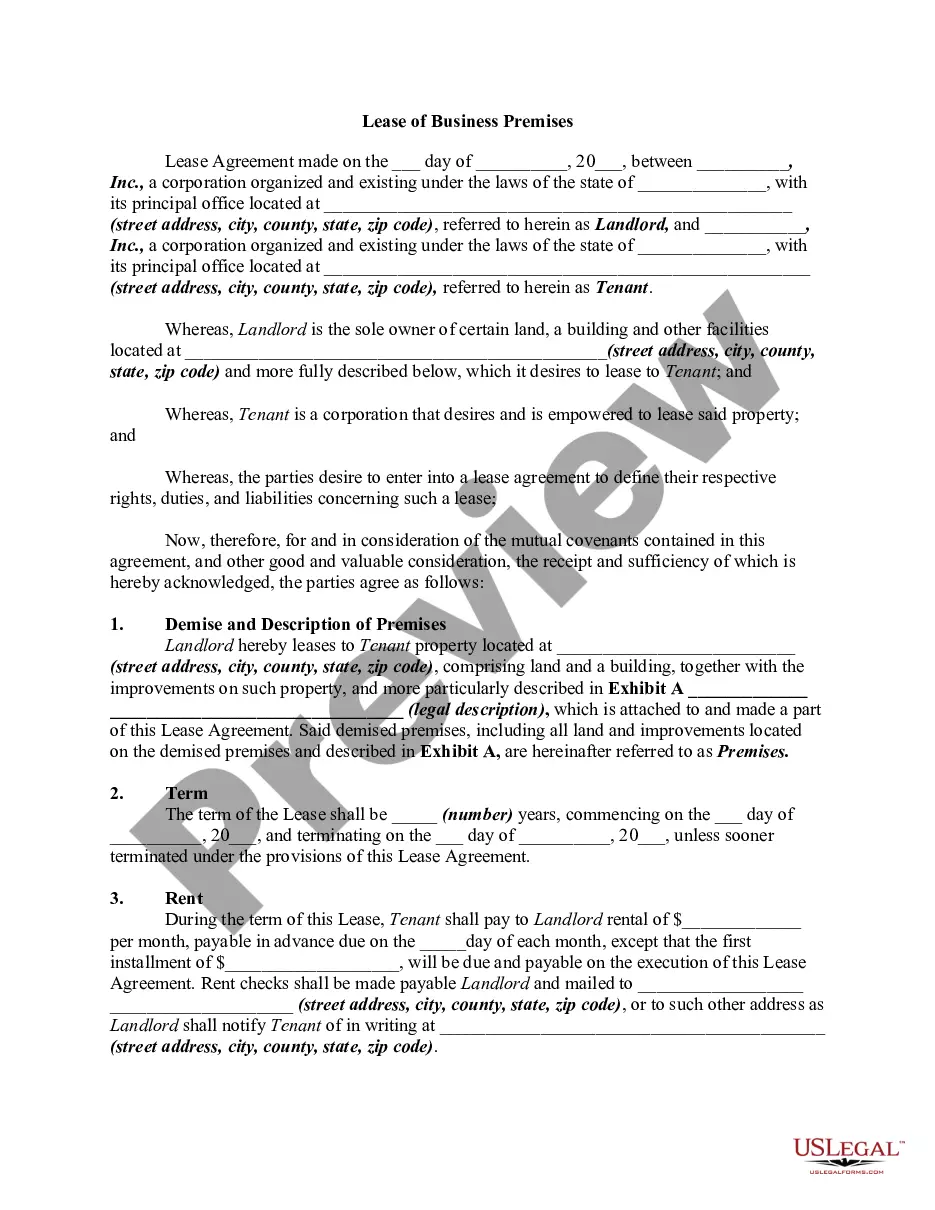
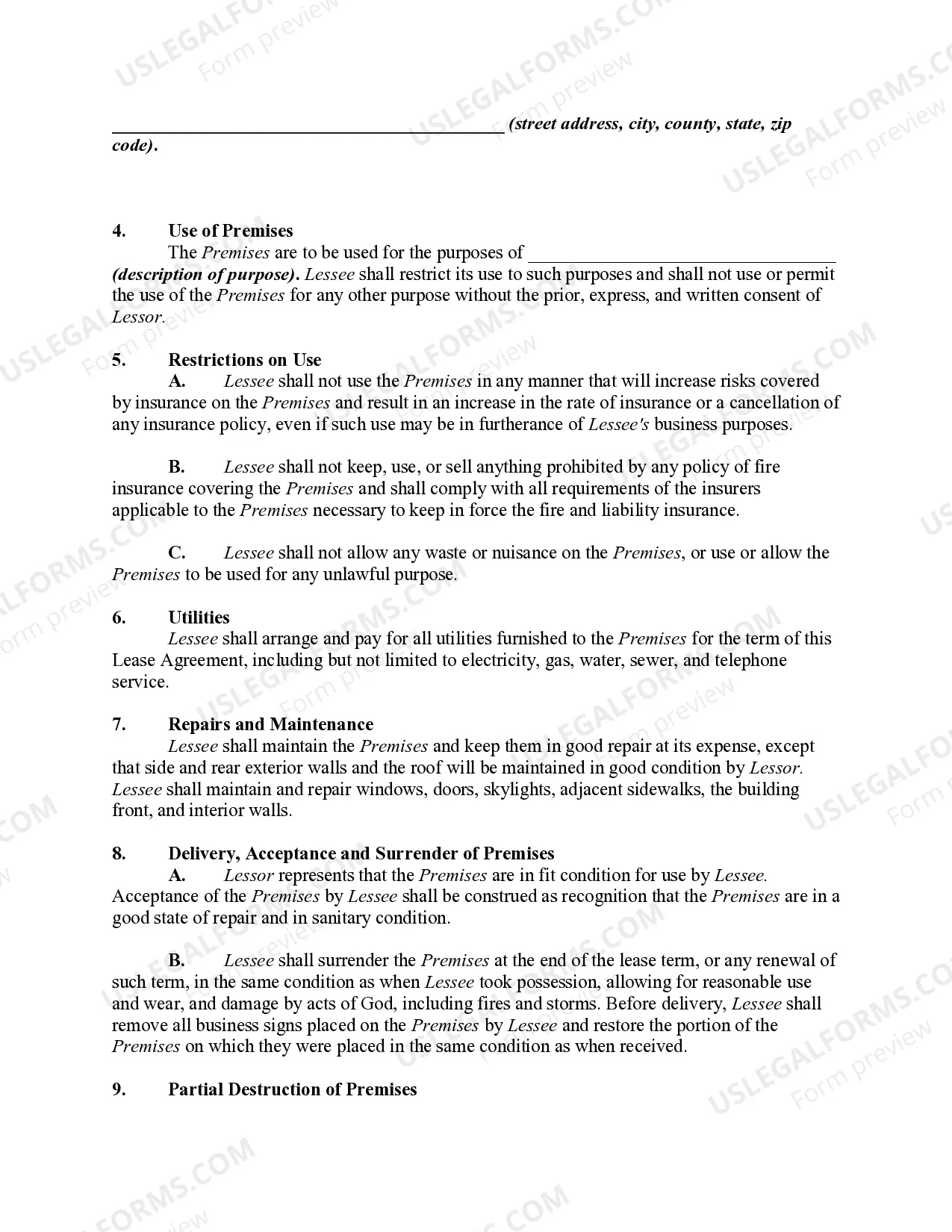
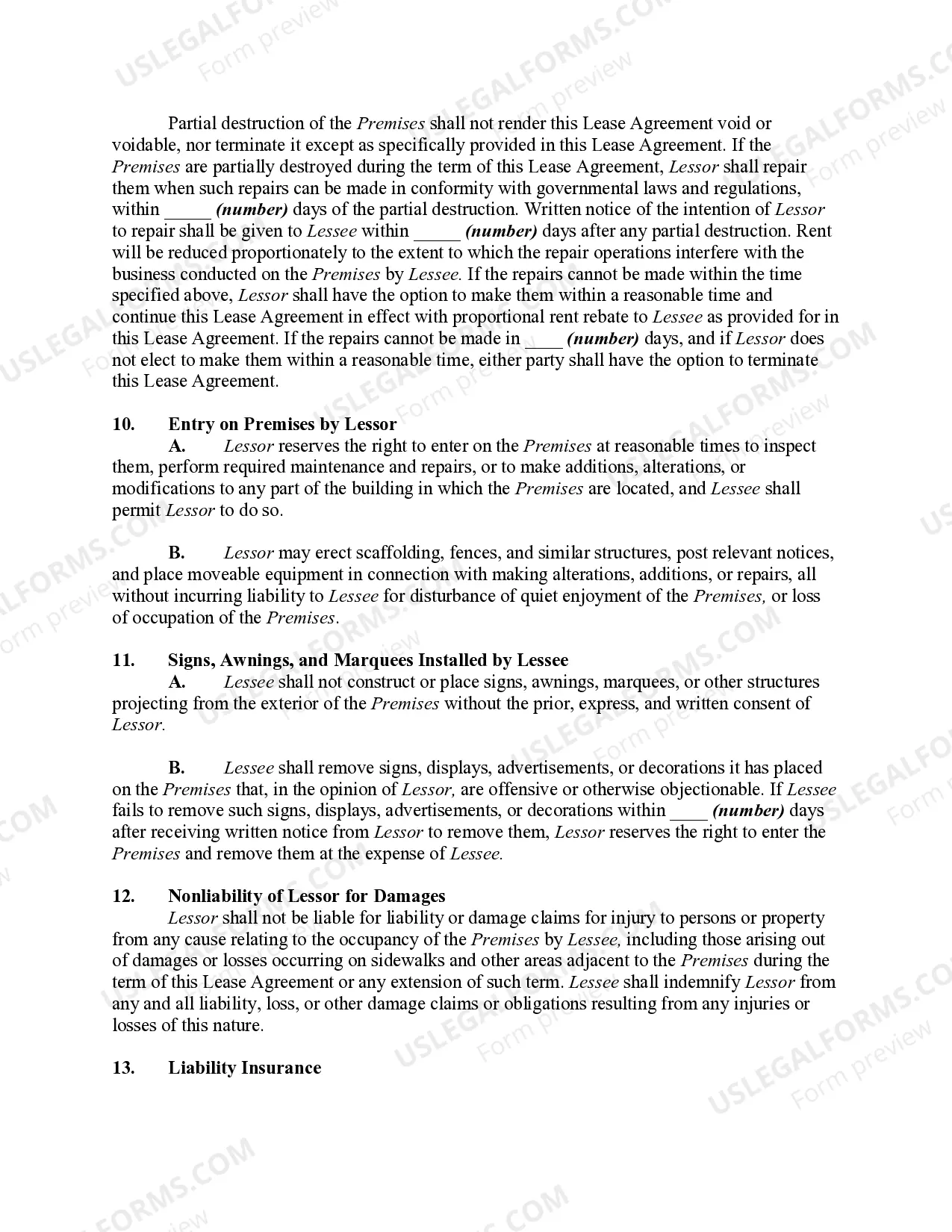
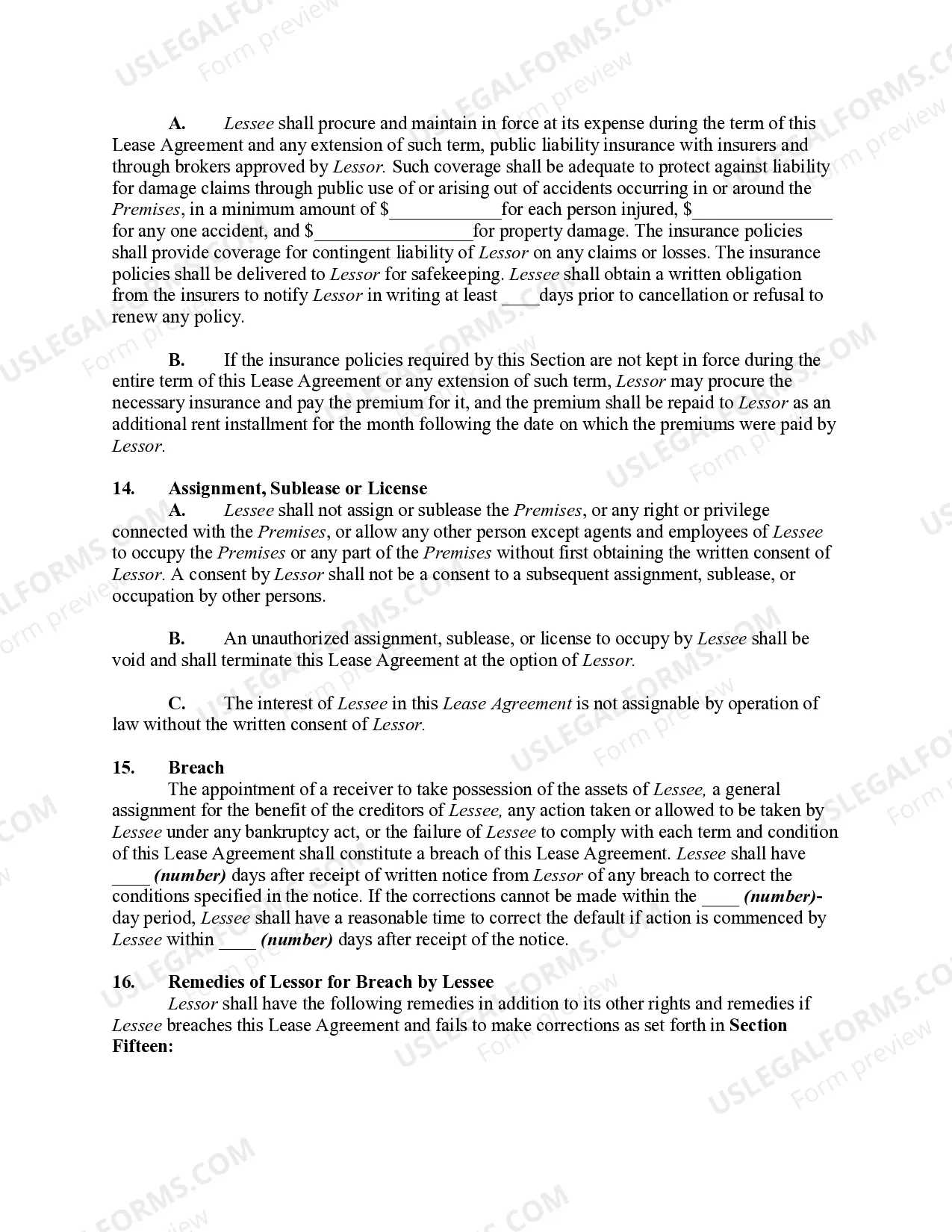
Get your form ready online
Our built-in tools help you complete, sign, share, and store your documents in one place.
Make edits, fill in missing information, and update formatting in US Legal Forms—just like you would in MS Word.
Download a copy, print it, send it by email, or mail it via USPS—whatever works best for your next step.
Sign and collect signatures with our SignNow integration. Send to multiple recipients, set reminders, and more. Go Premium to unlock E-Sign.
If this form requires notarization, complete it online through a secure video call—no need to meet a notary in person or wait for an appointment.
We protect your documents and personal data by following strict security and privacy standards.

Make edits, fill in missing information, and update formatting in US Legal Forms—just like you would in MS Word.

Download a copy, print it, send it by email, or mail it via USPS—whatever works best for your next step.

Sign and collect signatures with our SignNow integration. Send to multiple recipients, set reminders, and more. Go Premium to unlock E-Sign.

If this form requires notarization, complete it online through a secure video call—no need to meet a notary in person or wait for an appointment.

We protect your documents and personal data by following strict security and privacy standards.
Looking for another form?



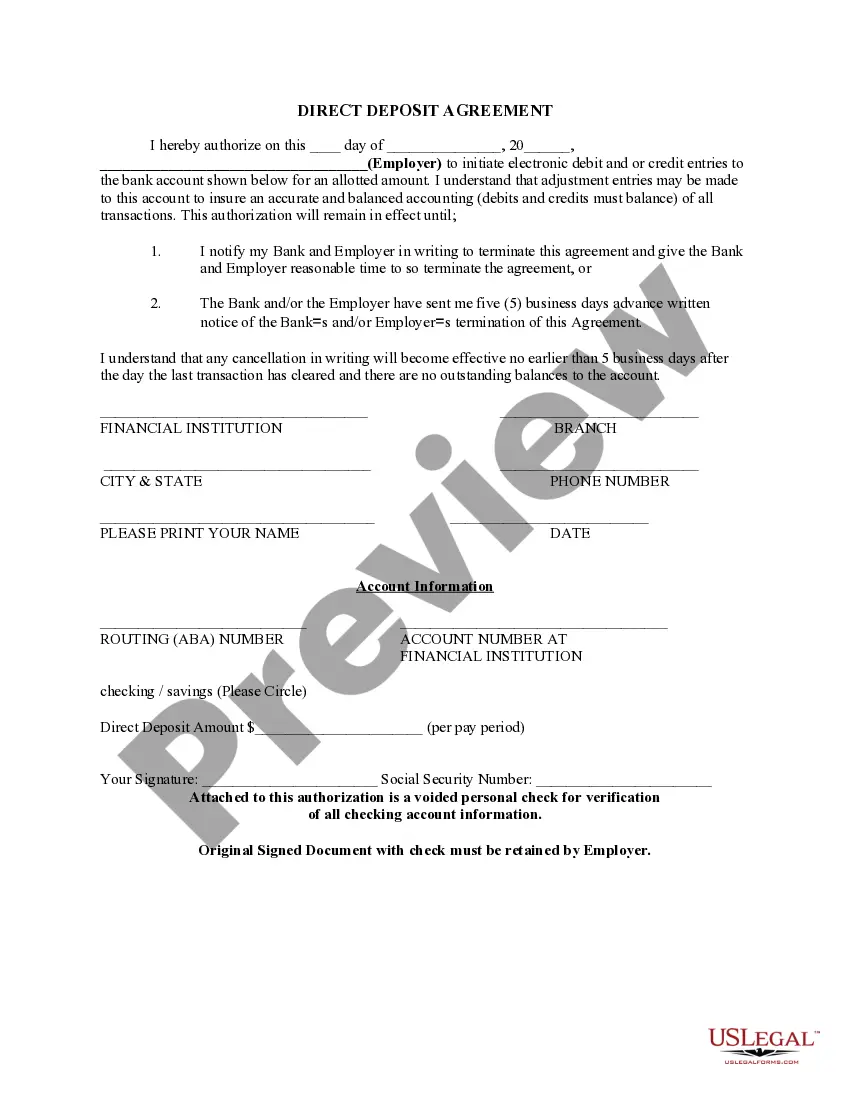





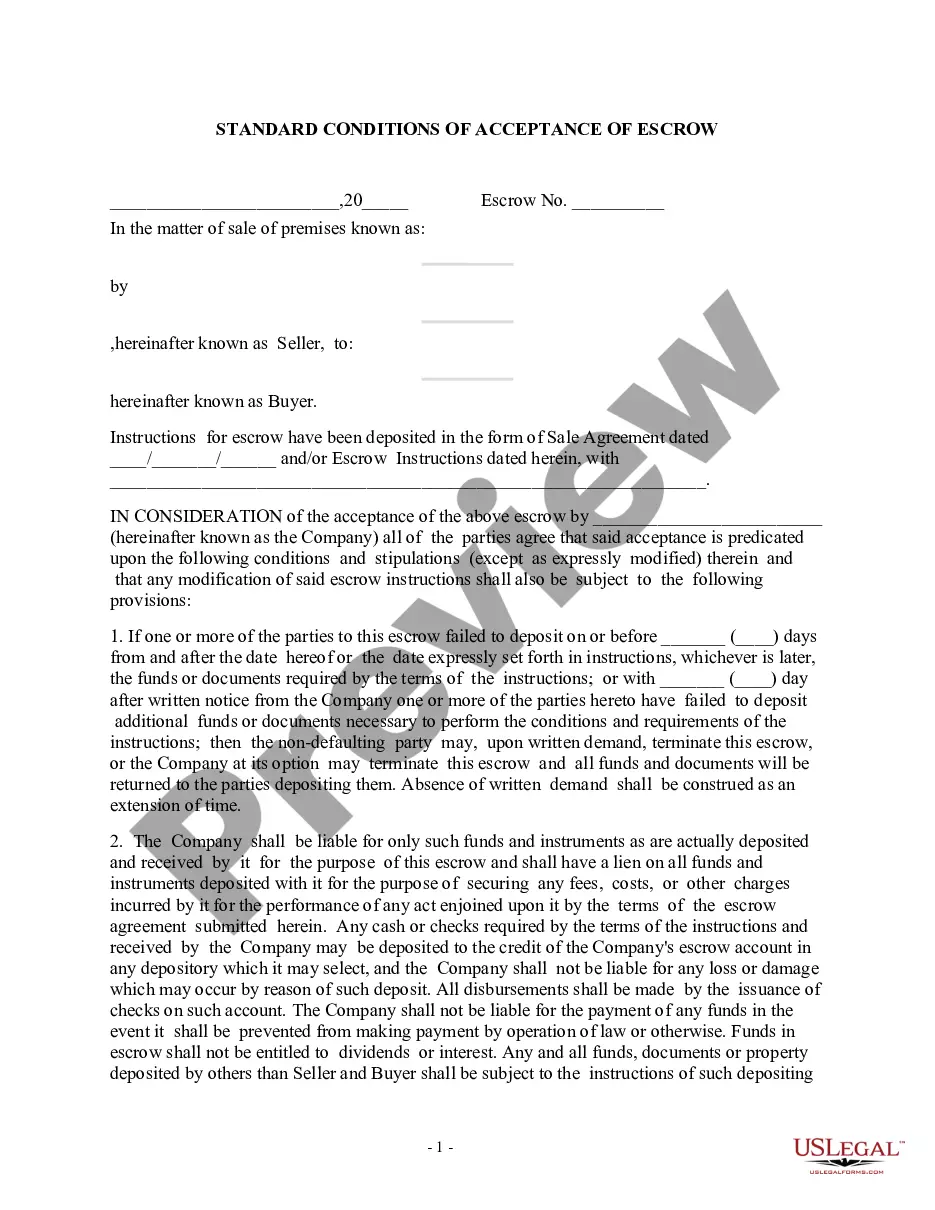
How to fill out Lease Of Business Premises - Real Estate Rental?
Utilizing legal document examples that adhere to federal and state laws is essential, and the internet provides numerous choices to select from.
But what’s the purpose of spending time searching for the appropriate Business Premises Real For Real template online if the US Legal Forms digital library has already assembled such documents in one location.
US Legal Forms is the premier online legal repository with over 85,000 fillable templates crafted by attorneys for any business or personal situation.
Explore the template using the Preview feature or through the text outline to confirm it fits your needs.
- They are straightforward to navigate with all documents arranged by state and intended use.
- Our experts keep up with legal updates, so you can always trust that your form is current and compliant when obtaining a Business Premises Real For Real from our site.
- Acquiring a Business Premises Real For Real is quick and easy for both existing and new customers.
- If you already possess an account with an active subscription, Log In and save the document template you need in your desired format.
- If you are new to our site, follow the steps outlined below.
Form popularity
FAQ
The 7 percent rule in real estate is similar to the 7% rule, emphasizing the importance of a 7% return on investment. This guideline aids investors in determining whether a property will yield satisfactory returns, particularly in the context of business premises real for real. By focusing on this rule, you can make more informed decisions about your real estate investments.
According to the IRS, real property consists of land and anything permanently attached to it, such as buildings or improvements. This definition is critical when considering transactions involving business premises real for real, as it affects how you report income and expenses associated with these assets. Understanding this definition helps ensure compliance with tax regulations. For clarity on this matter, you might find useful resources on the US Legal Forms platform.
When filing a business, real property refers to assets used in operations, which can have implications for tax reporting and business structure. Properly categorizing your business premises real for real as part of your filings can affect ownership rights and liability. It's essential to consult with professionals to ensure accurate classification and compliance.
According to the IRS, real property includes land, buildings, and improvements permanently attached to the land. This definition is essential for tax purposes, impacting deductions and liabilities associated with your business premises real for real. Being aware of these IRS guidelines can help you navigate tax responsibilities more effectively.
In the business context, real property encompasses land and any structures used for economic gain. It plays a vital role in business operations, as it can impact financing, taxes, and overall value. Recognizing the significance of real property is essential, particularly when establishing your business premises real for real.
Business real property refers to any real estate used for business purposes, including offices, warehouses, and storefronts. It differs from residential property, as it often generates income and serves a commercial function. Identifying your business premises real for real can aid in compliance with local laws and regulations.
The four primary types of commercial real estate include office buildings, retail properties, industrial spaces, and multifamily residences. Each type serves different business needs and requires specific legal considerations. Understanding these classifications helps entrepreneurs make informed decisions when looking for suitable business premises real for real.
Real property, in the context of business premises real for real, refers to land and anything permanently attached to it. This includes buildings, structures, and other improvements made on the property. It is essential for business owners to understand what constitutes real property, as it impacts ownership rights, taxes, and potential revenue generation.