California Trust Probate Code For Accounting
Description
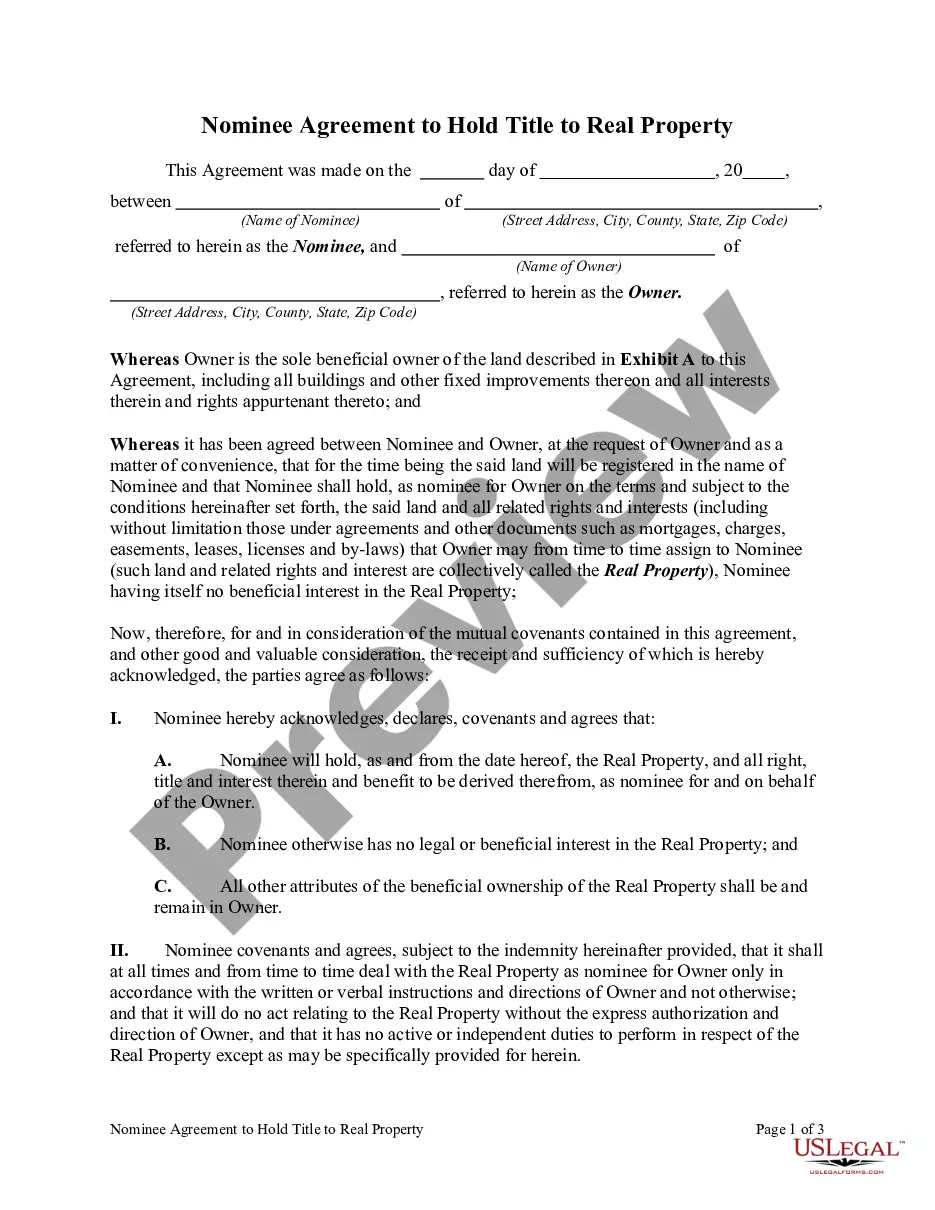
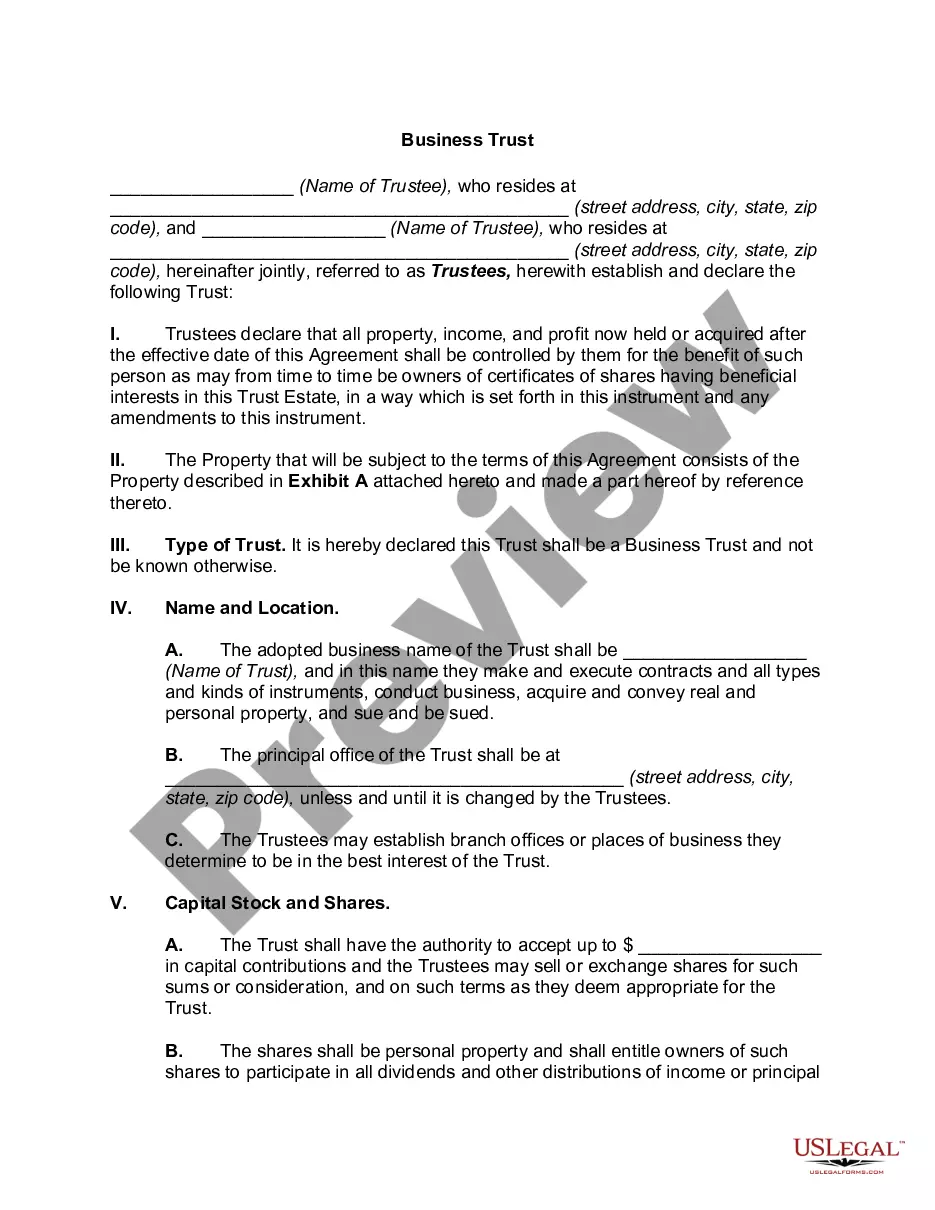
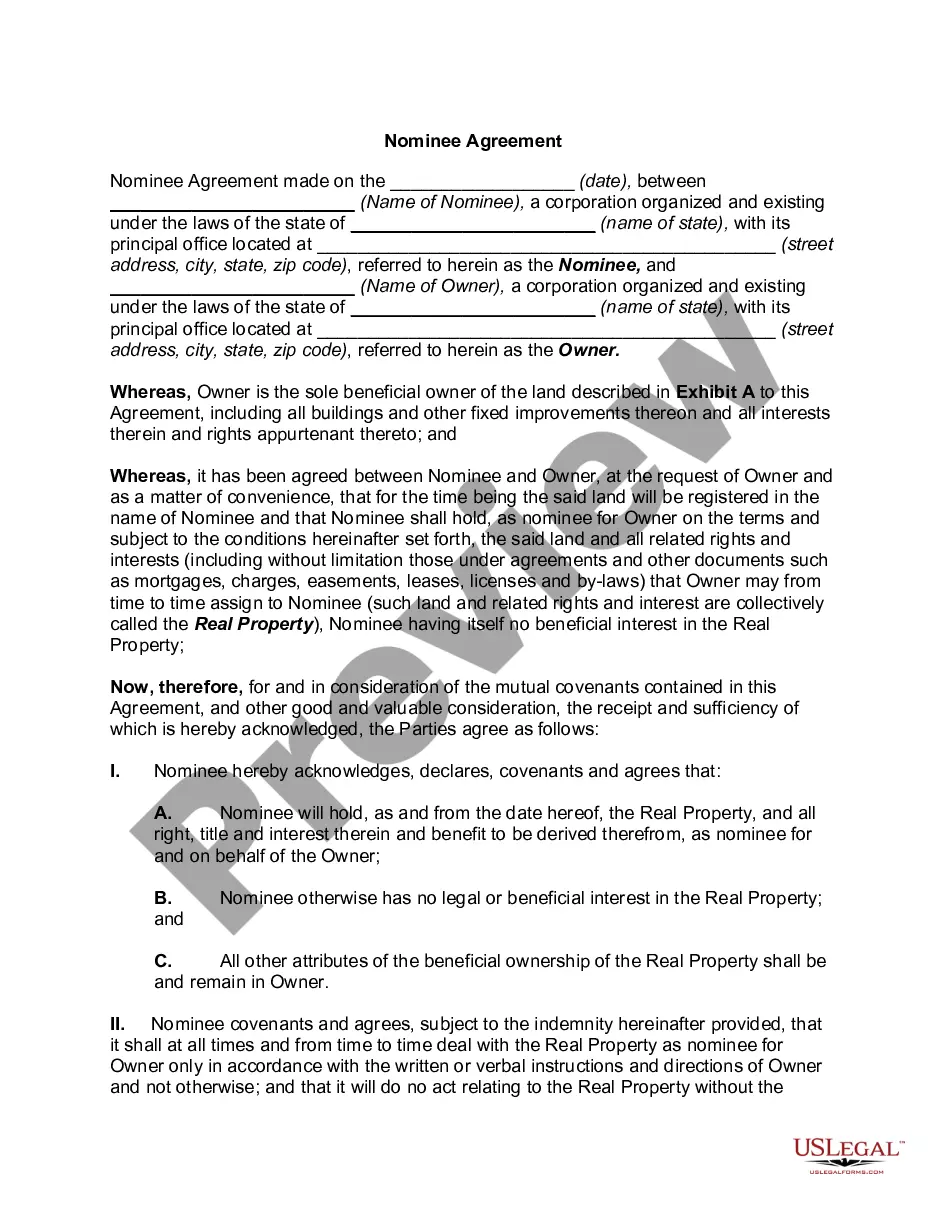

Get your form ready online
Our built-in tools help you complete, sign, share, and store your documents in one place.
Make edits, fill in missing information, and update formatting in US Legal Forms—just like you would in MS Word.
Download a copy, print it, send it by email, or mail it via USPS—whatever works best for your next step.
Sign and collect signatures with our SignNow integration. Send to multiple recipients, set reminders, and more. Go Premium to unlock E-Sign.
If this form requires notarization, complete it online through a secure video call—no need to meet a notary in person or wait for an appointment.
We protect your documents and personal data by following strict security and privacy standards.

Make edits, fill in missing information, and update formatting in US Legal Forms—just like you would in MS Word.

Download a copy, print it, send it by email, or mail it via USPS—whatever works best for your next step.

Sign and collect signatures with our SignNow integration. Send to multiple recipients, set reminders, and more. Go Premium to unlock E-Sign.

If this form requires notarization, complete it online through a secure video call—no need to meet a notary in person or wait for an appointment.

We protect your documents and personal data by following strict security and privacy standards.
Looking for another form?










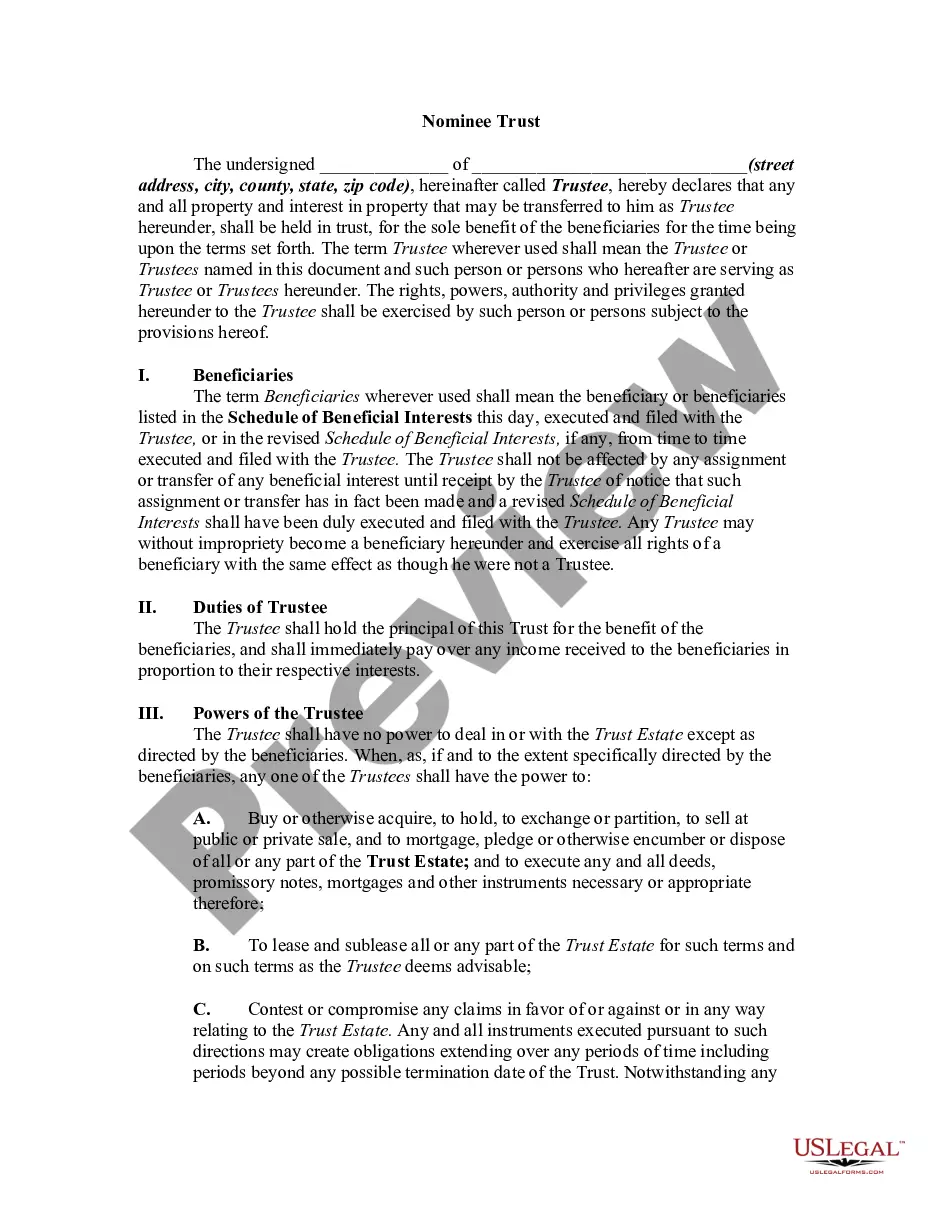
How to fill out Nominee Trust?
Regardless of whether it is for professional endeavors or personal matters, everyone will have to handle legal issues at some point in their lifetime.
Filling out legal documents necessitates meticulous care, starting with choosing the correct form template.
Opt for the desired file format and download the California Trust Probate Code For Accounting. Once it is saved, you can complete the form using editing software or print it and finish it by hand. With a vast catalog from US Legal Forms at your disposal, you do not have to waste time searching for the right template online. Leverage the library’s straightforward navigation to locate the necessary form for any circumstance.
- For instance, selecting an incorrect version of a California Trust Probate Code For Accounting will result in its rejection once submitted.
- Thus, it is vital to have a trustworthy source for legal documents, such as US Legal Forms.
- To acquire a California Trust Probate Code For Accounting template, follow these straightforward steps.
- Retrieve the template you require by utilizing the search bar or catalog navigation.
- Review the form’s details to confirm it is suitable for your situation, state, and county.
- Click on the form’s preview to review it.
- If it is the wrong document, return to the search option to find the California Trust Probate Code For Accounting template you need.
- Obtain the template if it satisfies your requirements.
- If you have an existing US Legal Forms account, simply click Log in to access previously saved templates in My documents.
- If you do not yet have an account, you can acquire the form by clicking Buy now.
- Choose the appropriate pricing option.
- Complete the account registration form.
- Select your payment method: utilize a credit card or PayPal account.
Form popularity
FAQ
California Probate Code 16062 gives beneficiaries the right to demand an accounting at least annually from the trustees. Trustees must also provide an accounting within 60 days if a trust beneficiary demands an accounting in writing.
A trust accounting, essentially, is bookkeeping required for trusts. Per California probate code sections 16060 and 16062, trustees must: Keep beneficiaries 'reasonably' informed about how they manage the trust. Provide an accounting at least once annually.
Probate accounting, also known as trust accounting, is simply an accounting of the transactions undertaken by an estate during a specific reporting period. Section 16062 of the California Probate Code requires trustees to provide an accounting at least once a year.
Generally, the accounting should include the assets and their value on the date the decedent passed away. Imagine the date of death as a snapshot moment in time, that is the starting point. From there each transaction where money was received, or money was spent from the trust should be disclosed on the accounting.
Probate accounting, also known as trust accounting, is simply an accounting of the transactions undertaken by an estate during a specific reporting period. Section 16062 of the California Probate Code requires trustees to provide an accounting at least once a year.