Special Needs Trust Information With Third Parties
Description
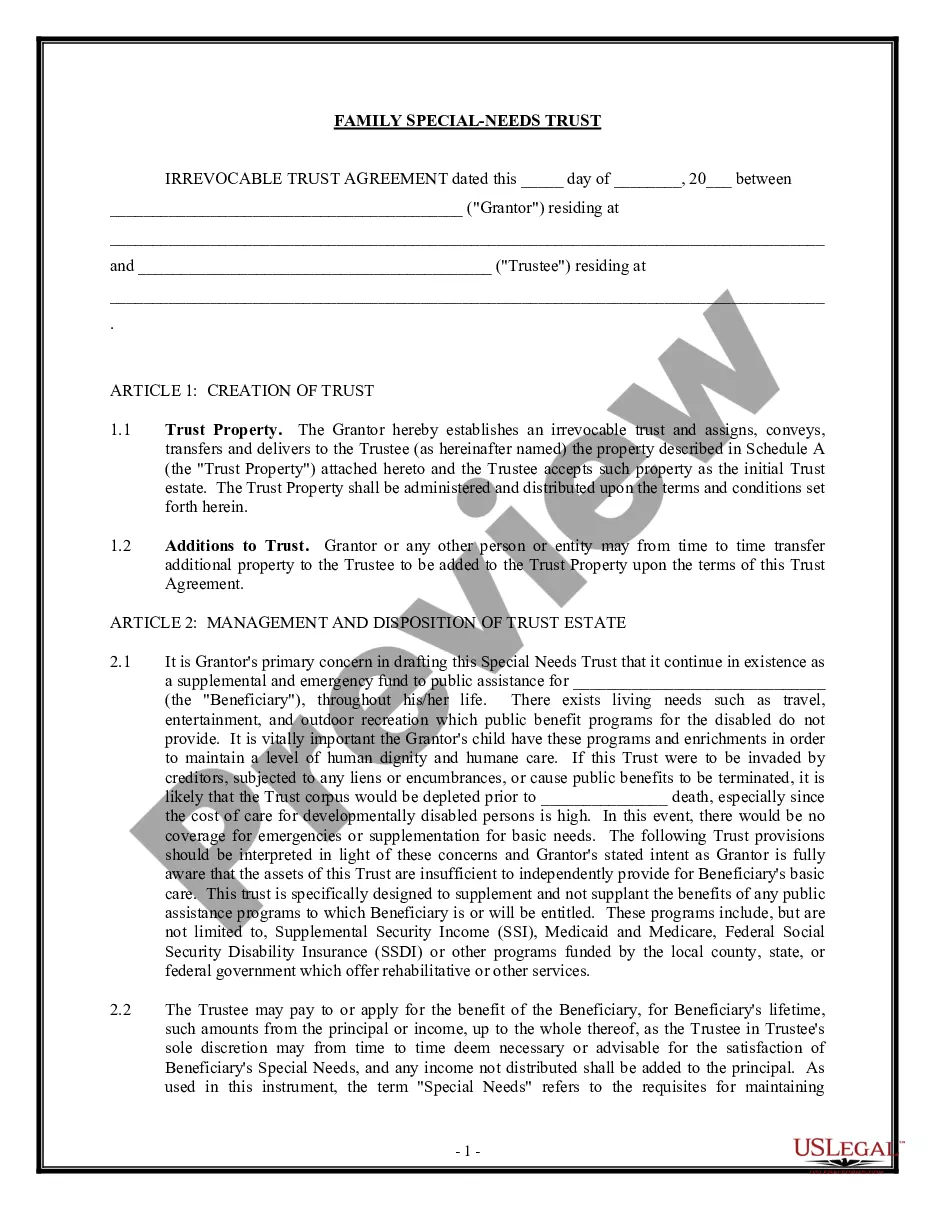
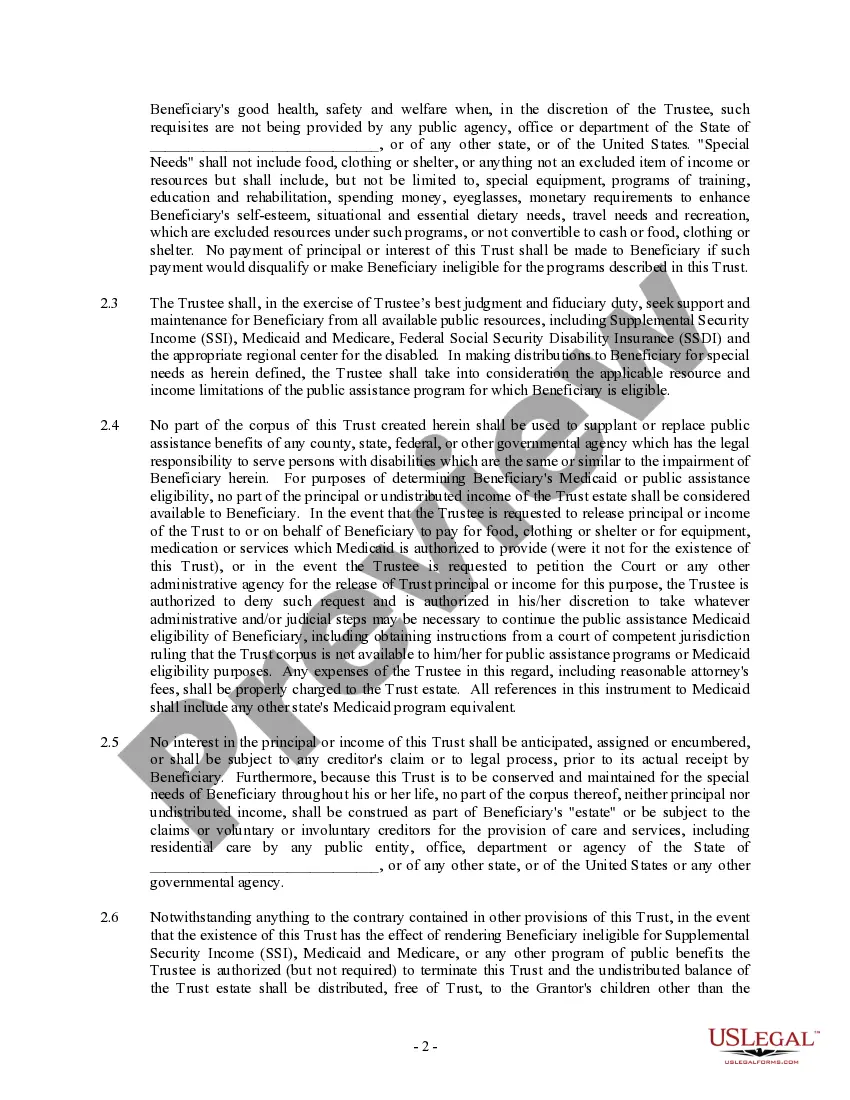
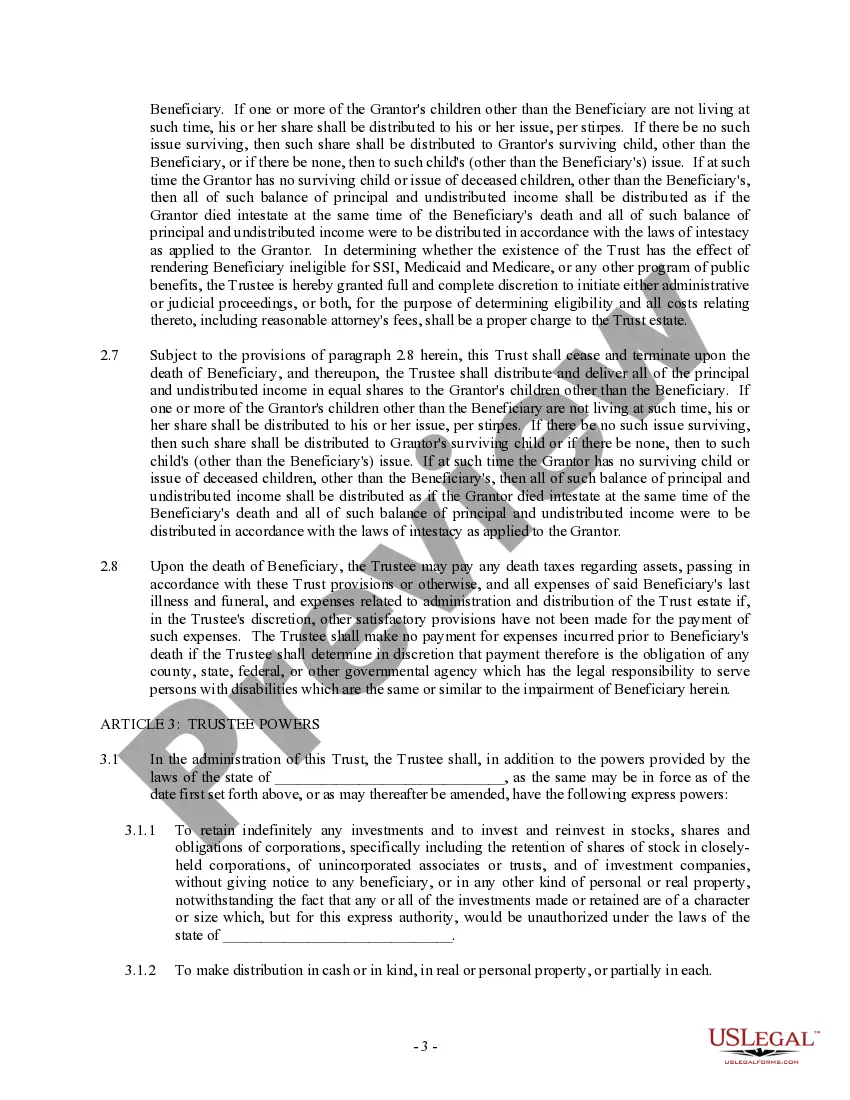
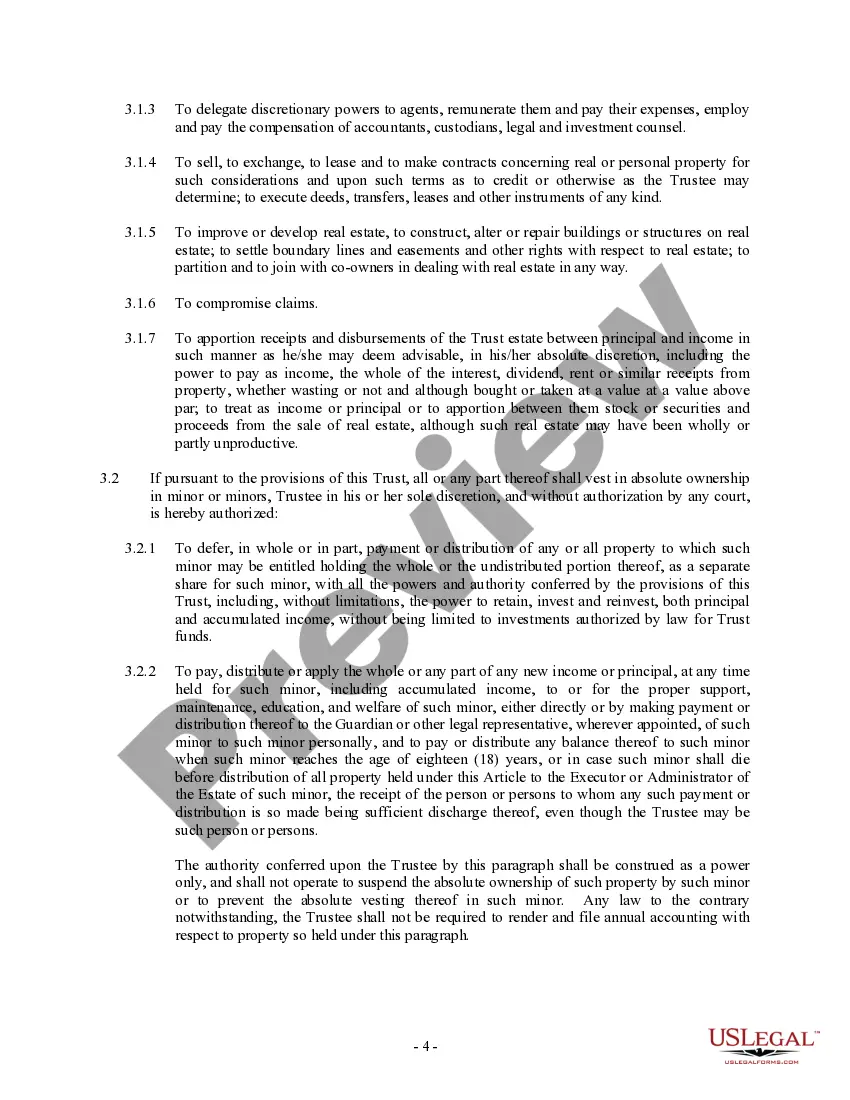
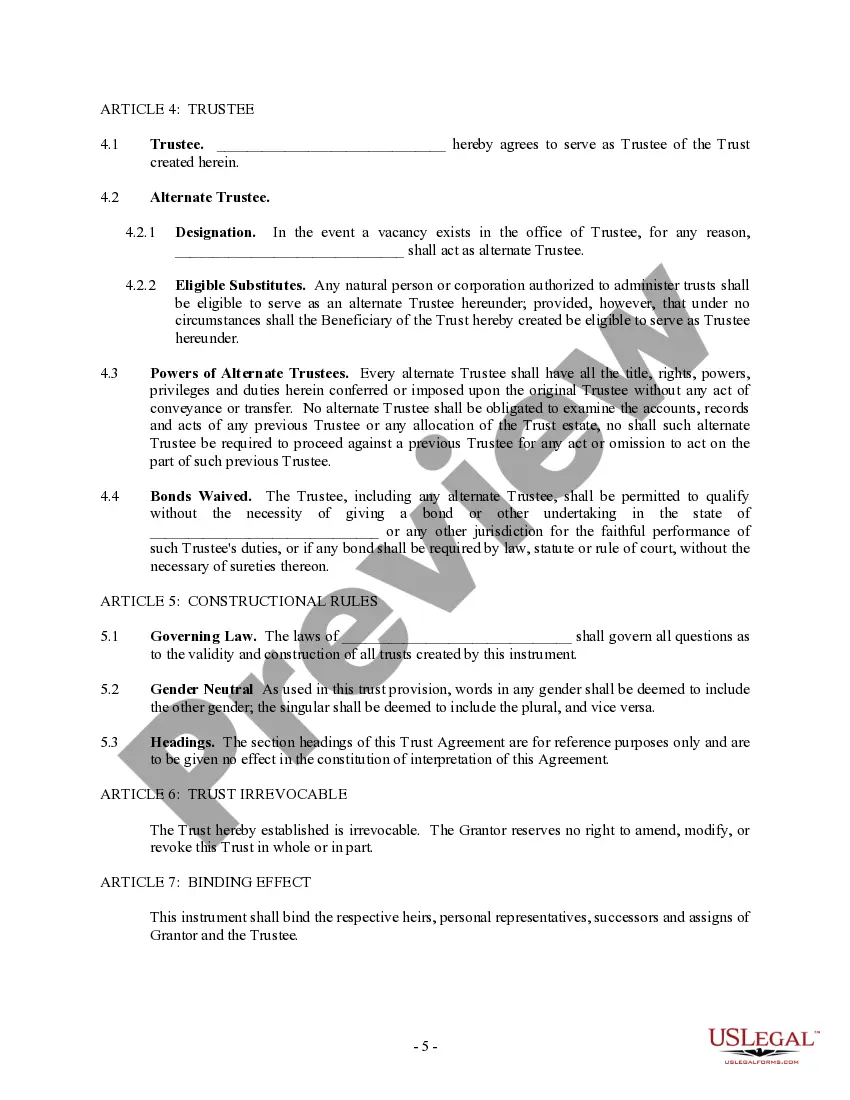
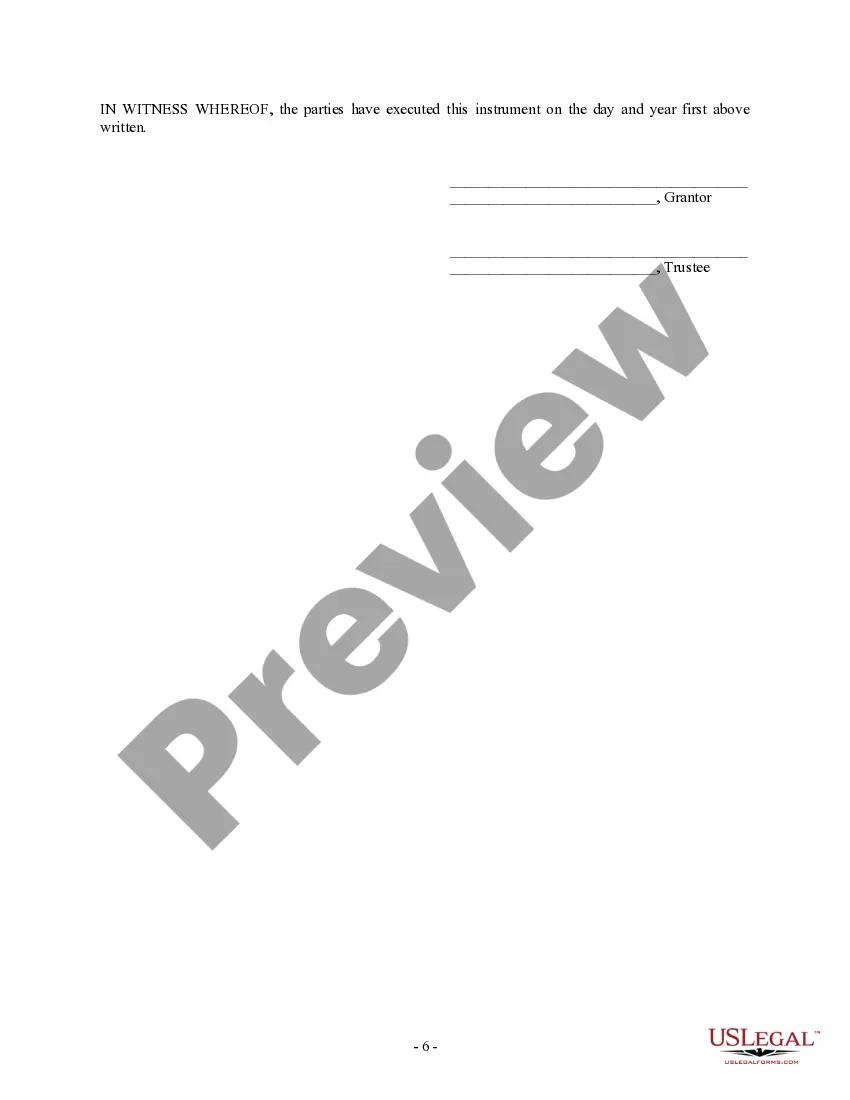
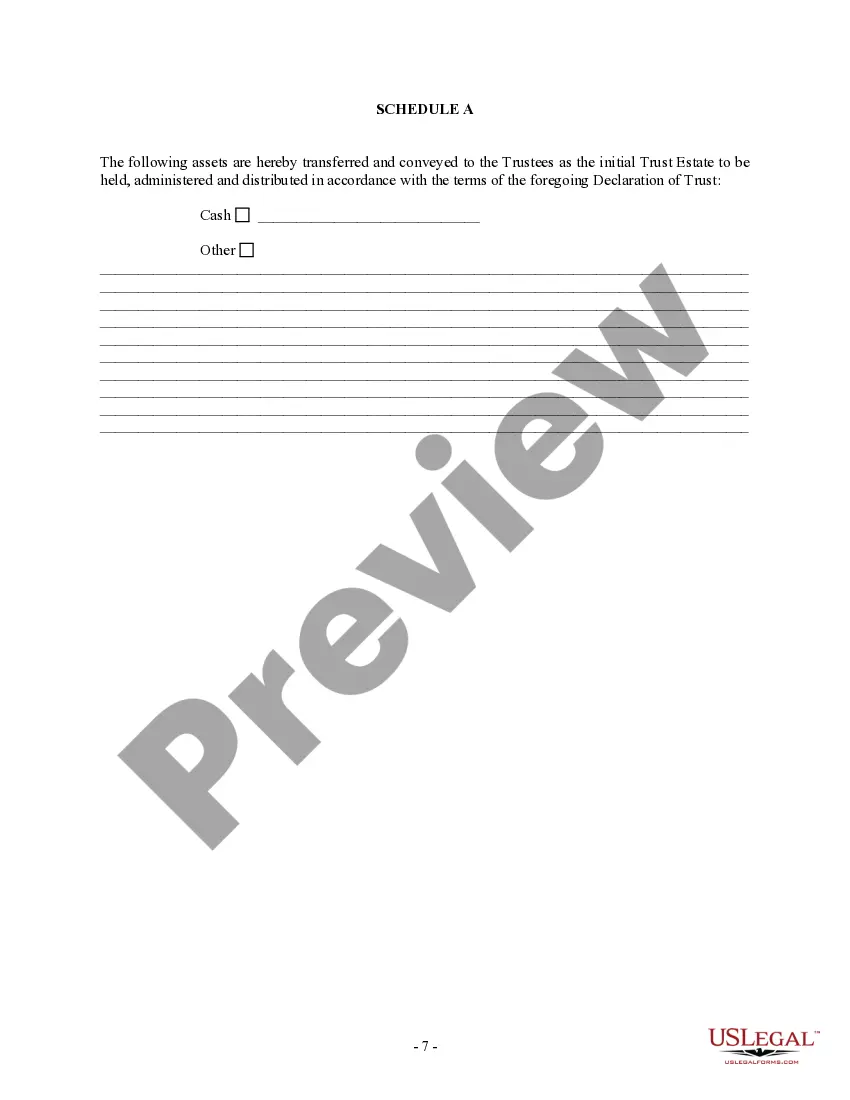
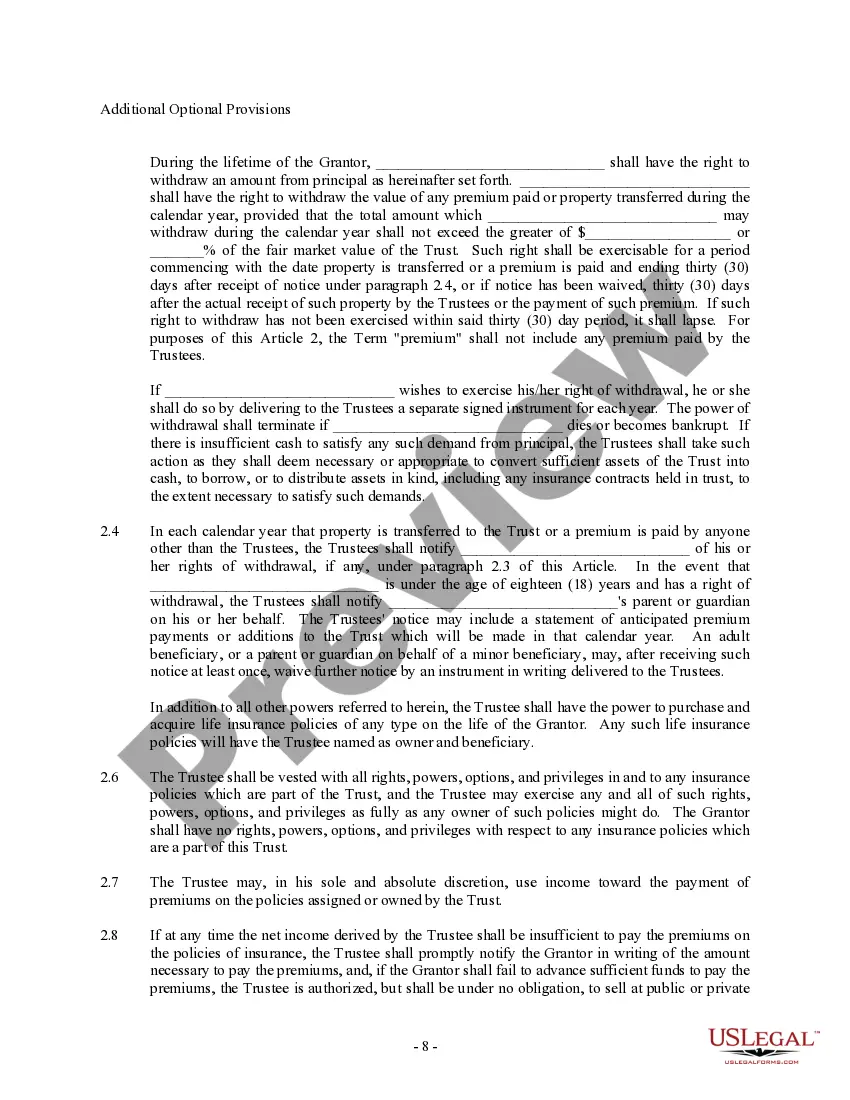
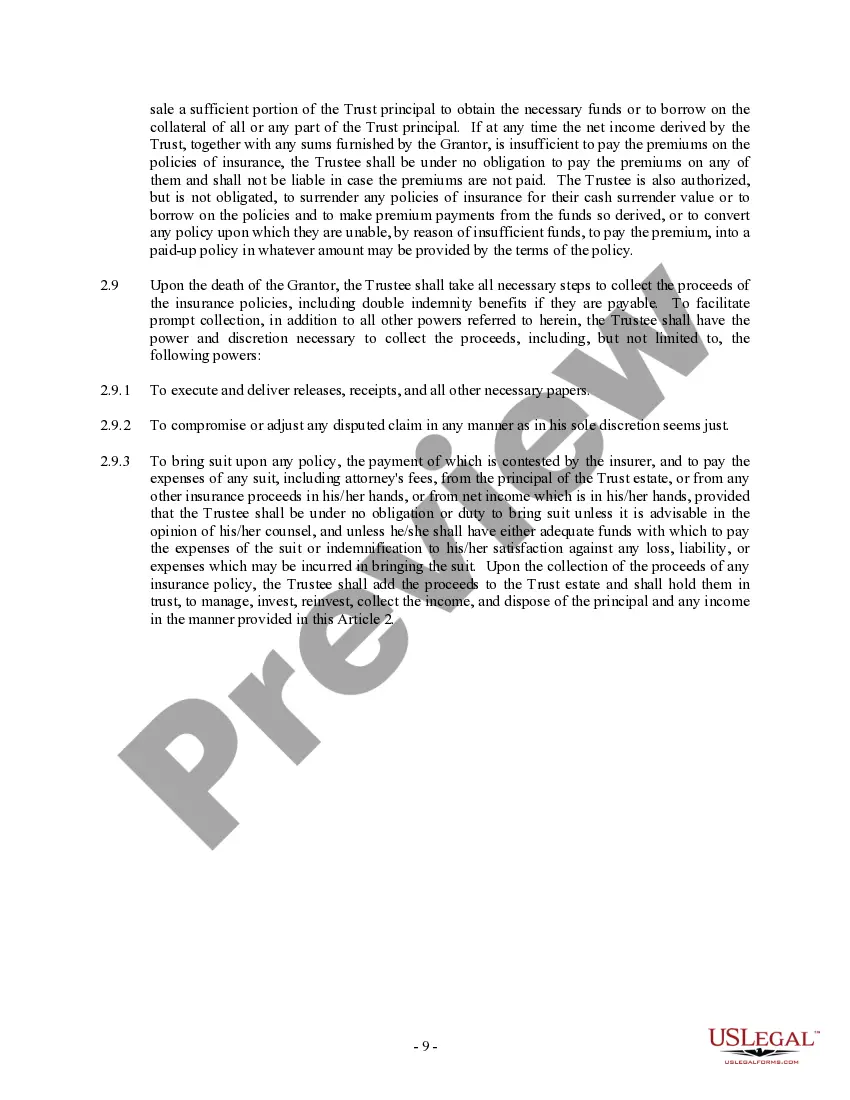
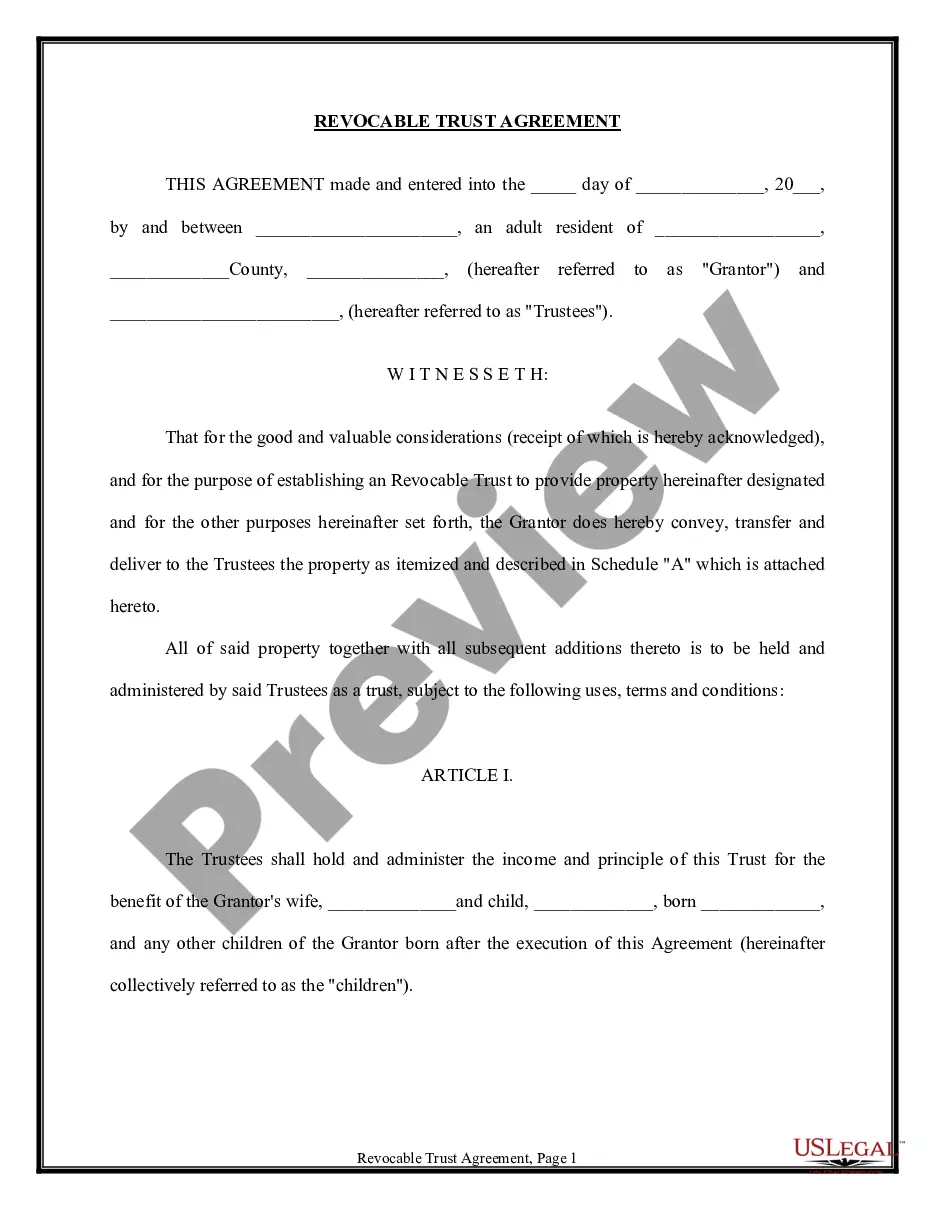
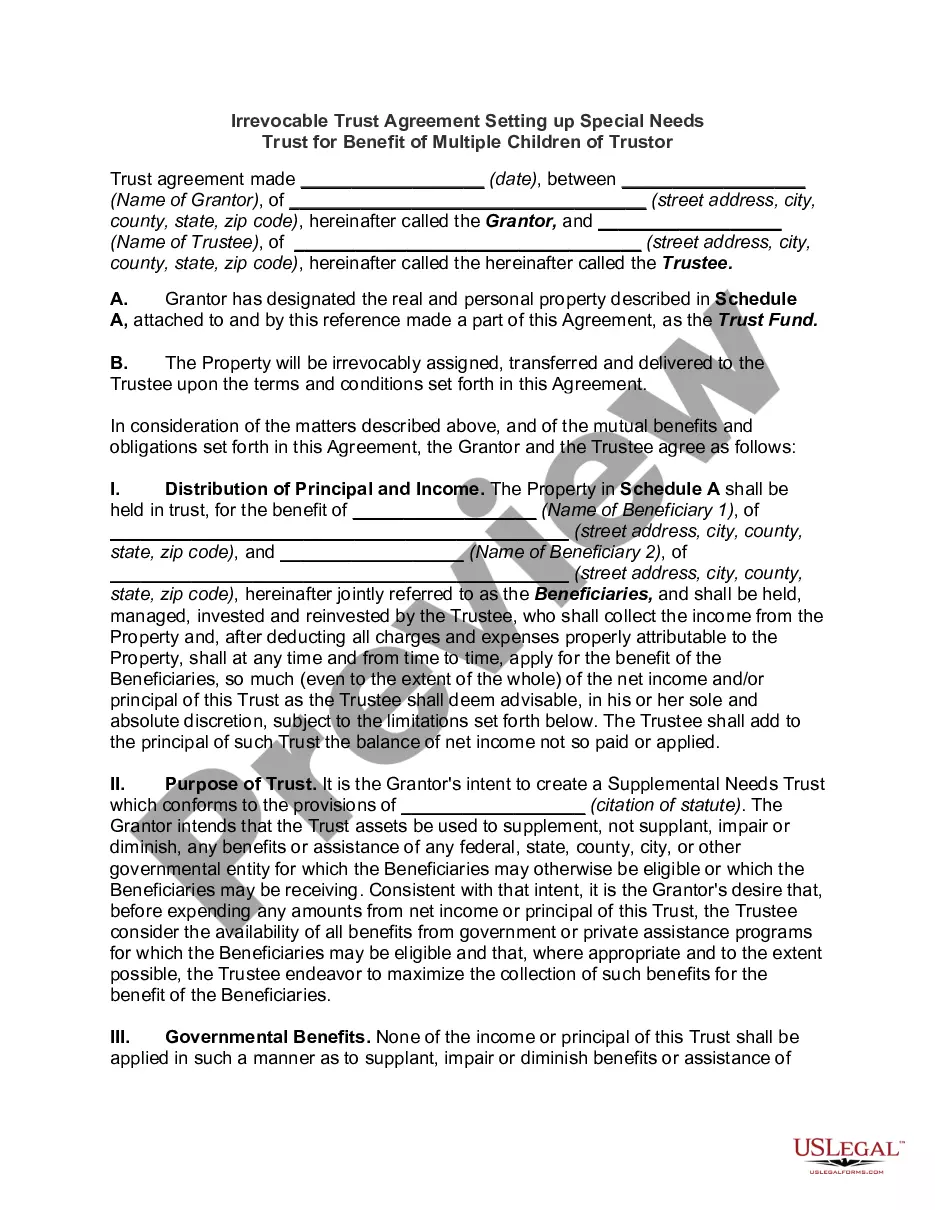
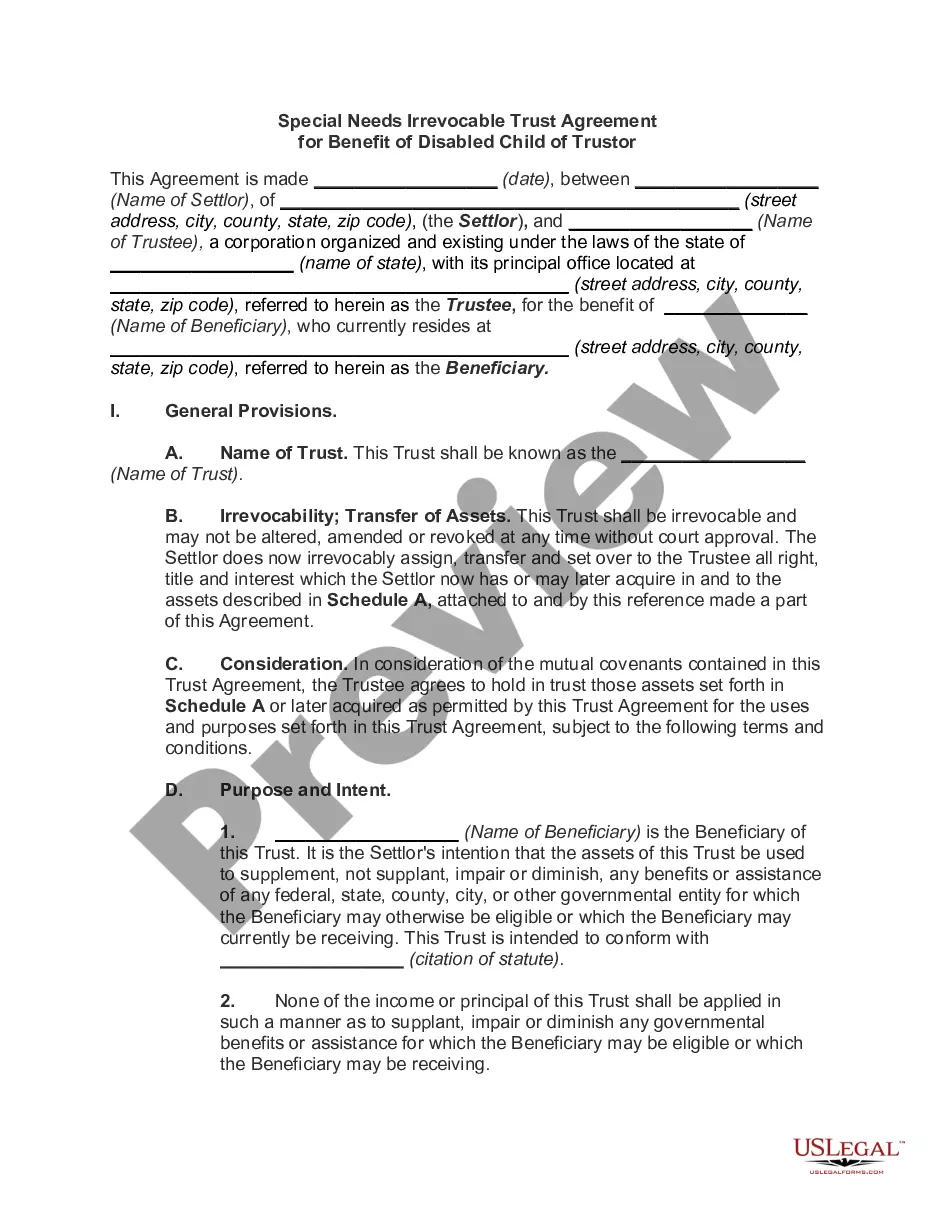
Get your form ready online
Our built-in tools help you complete, sign, share, and store your documents in one place.
Make edits, fill in missing information, and update formatting in US Legal Forms—just like you would in MS Word.
Download a copy, print it, send it by email, or mail it via USPS—whatever works best for your next step.
Sign and collect signatures with our SignNow integration. Send to multiple recipients, set reminders, and more. Go Premium to unlock E-Sign.
If this form requires notarization, complete it online through a secure video call—no need to meet a notary in person or wait for an appointment.
We protect your documents and personal data by following strict security and privacy standards.

Make edits, fill in missing information, and update formatting in US Legal Forms—just like you would in MS Word.

Download a copy, print it, send it by email, or mail it via USPS—whatever works best for your next step.

Sign and collect signatures with our SignNow integration. Send to multiple recipients, set reminders, and more. Go Premium to unlock E-Sign.

If this form requires notarization, complete it online through a secure video call—no need to meet a notary in person or wait for an appointment.

We protect your documents and personal data by following strict security and privacy standards.
Looking for another form?

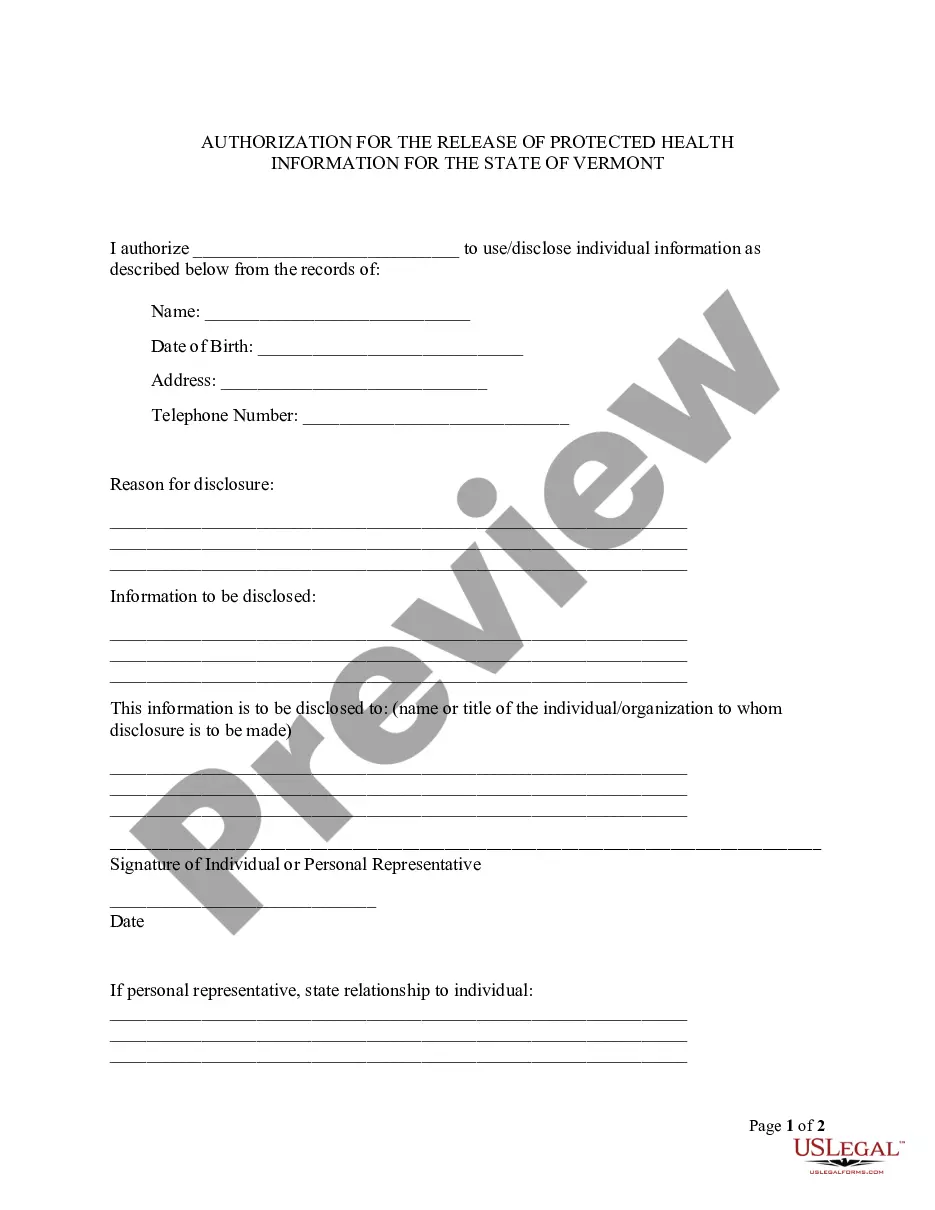
How to fill out Trust Agreement - Family Special Needs?
Acquiring legal documents that comply with federal and state regulations is essential, and the internet provides numerous alternatives to select from.
However, what is the use of expending time searching for the correct Special Needs Trust Information With Third Parties example online if the US Legal Forms digital library already compiles such documents in one location.
US Legal Forms is the largest virtual legal repository featuring over 85,000 fillable documents created by attorneys for any business and personal circumstance. They are user-friendly with all files organized by state and intended purpose. Our specialists stay abreast of legislative updates, ensuring you can always trust that your form is current and compliant when acquiring a Special Needs Trust Information With Third Parties from our site.
All documents you find through US Legal Forms can be reused. To re-download and complete forms you have saved earlier, access the My documents section in your account. Experience the most comprehensive and user-friendly legal document service!
- Access a Special Needs Trust Information With Third Parties effortlessly and swiftly for both existing and new clients.
- If you already possess an account with an active subscription, sign in and download the document sample you need in the appropriate format.
- If you are visiting our website for the first time, follow the guidelines below.
- Examine the template using the Preview function or through the text description to confirm it fulfills your requirements.
- Search for an alternative sample using the search feature at the top of the page if necessary.
- Press Buy Now once you've found the correct form and choose a subscription package.
- Create an account or Log In and complete the payment via PayPal or a credit card.
- Select the format for your Special Needs Trust Information With Third Parties and initiate the download.
Form popularity
FAQ
While first-party special needs trusts and pooled trusts hold funds that belong to the person with special needs, third-party special needs trusts, as the name implies, are funded with assets that never belonged to the trust beneficiary, and they provide several advantages over the other two types of trusts.
Third-Party Special Needs Trusts are established using assets from someone other than the individual living with disabilities. Typically established by a loved one while living or through specific language in a living will specifically designating funds to be placed into a Third-Party Trust.
What is a Third Party Trust? A Third Party Trust (also known as a Common Law Trust) is funded by the beneficiary's family and/or friends, rather than the beneficiary themselves. It can be funded either during their lifetime and/or through an estate plan.
There are two types of special needs trusts, first-party and third-party. First-party means the disabled individual uses their own assets to fund the trust. Third-party means someone else establishes the trust with the disabled person as the beneficiary.