Special Needs Trust Information For That Domain
Description
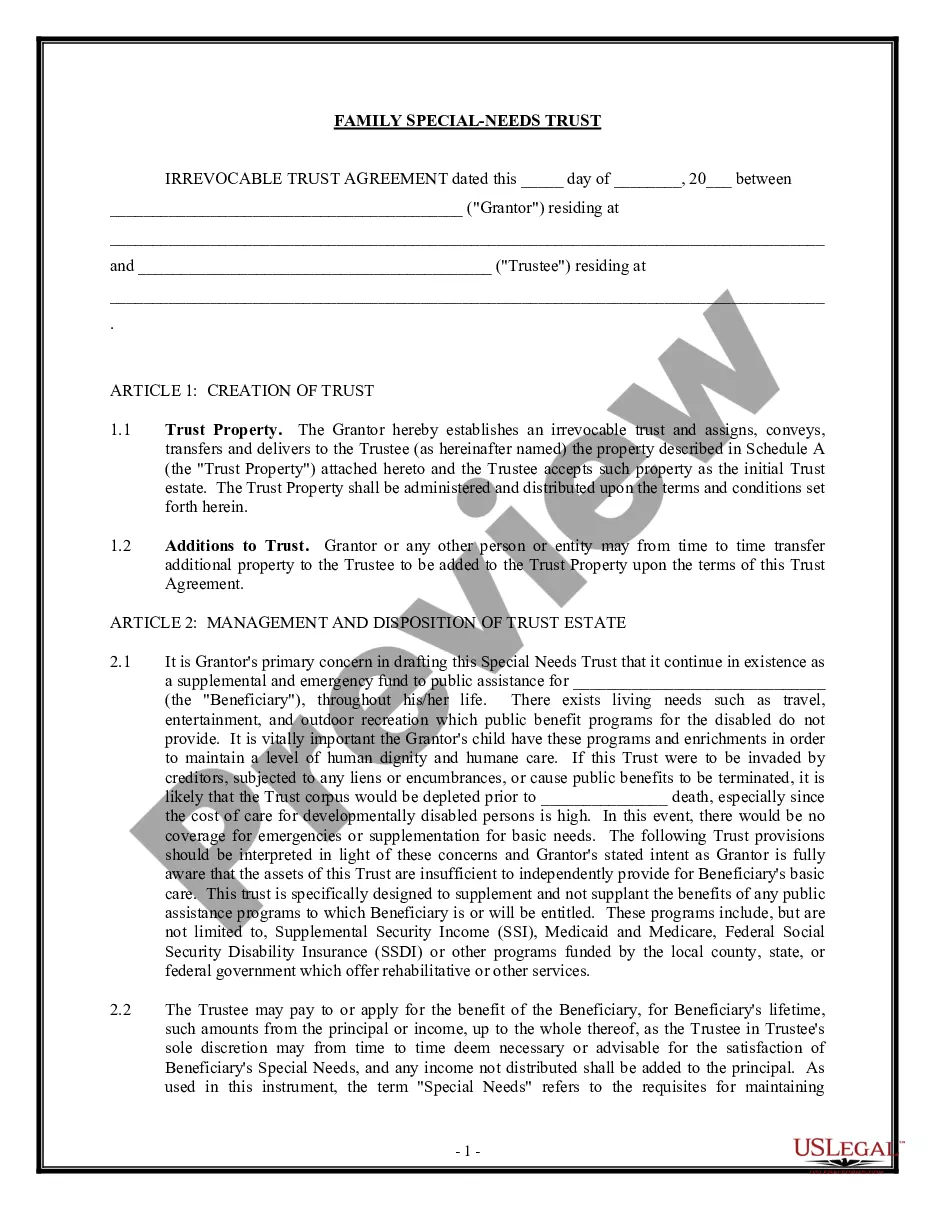
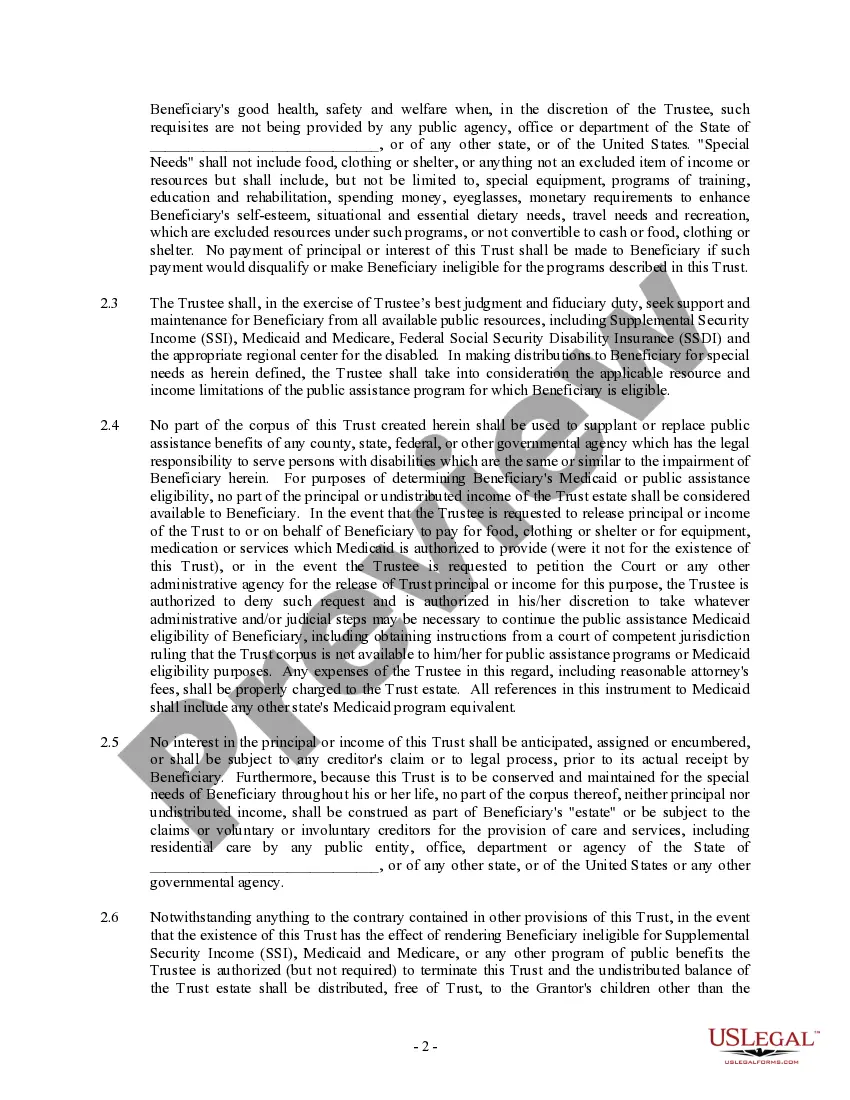
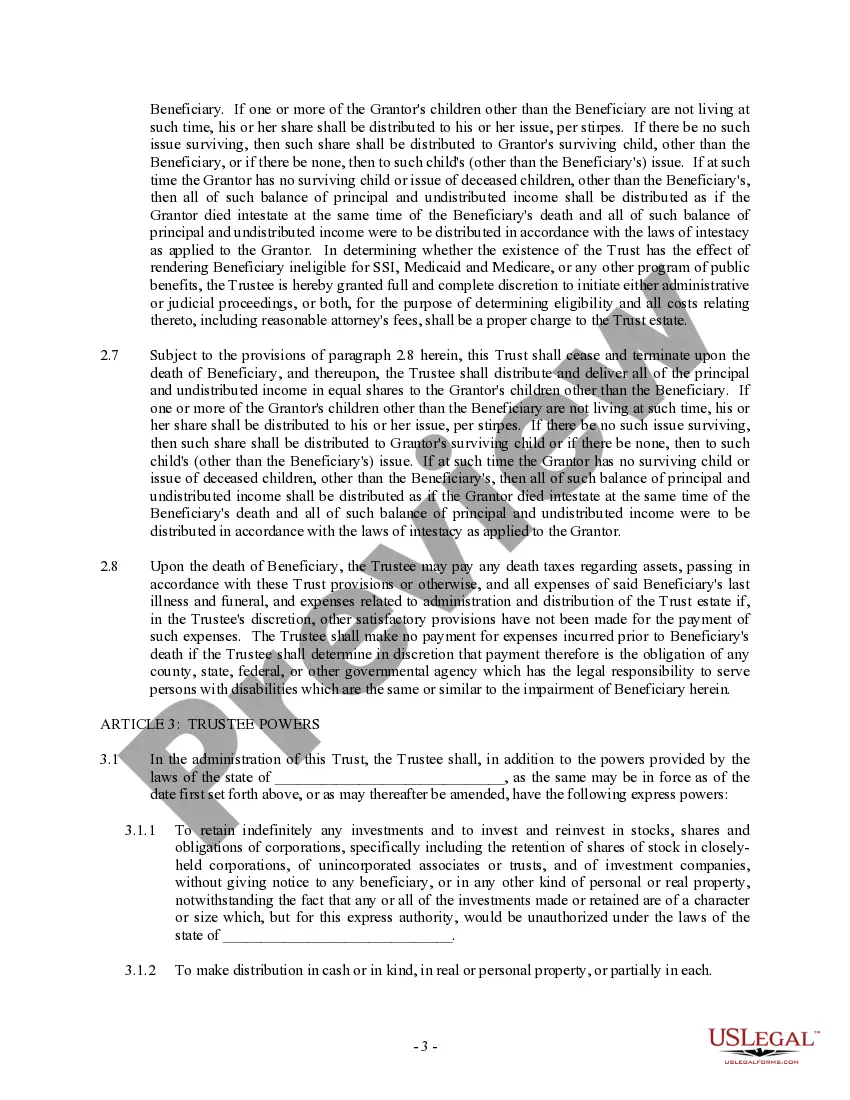
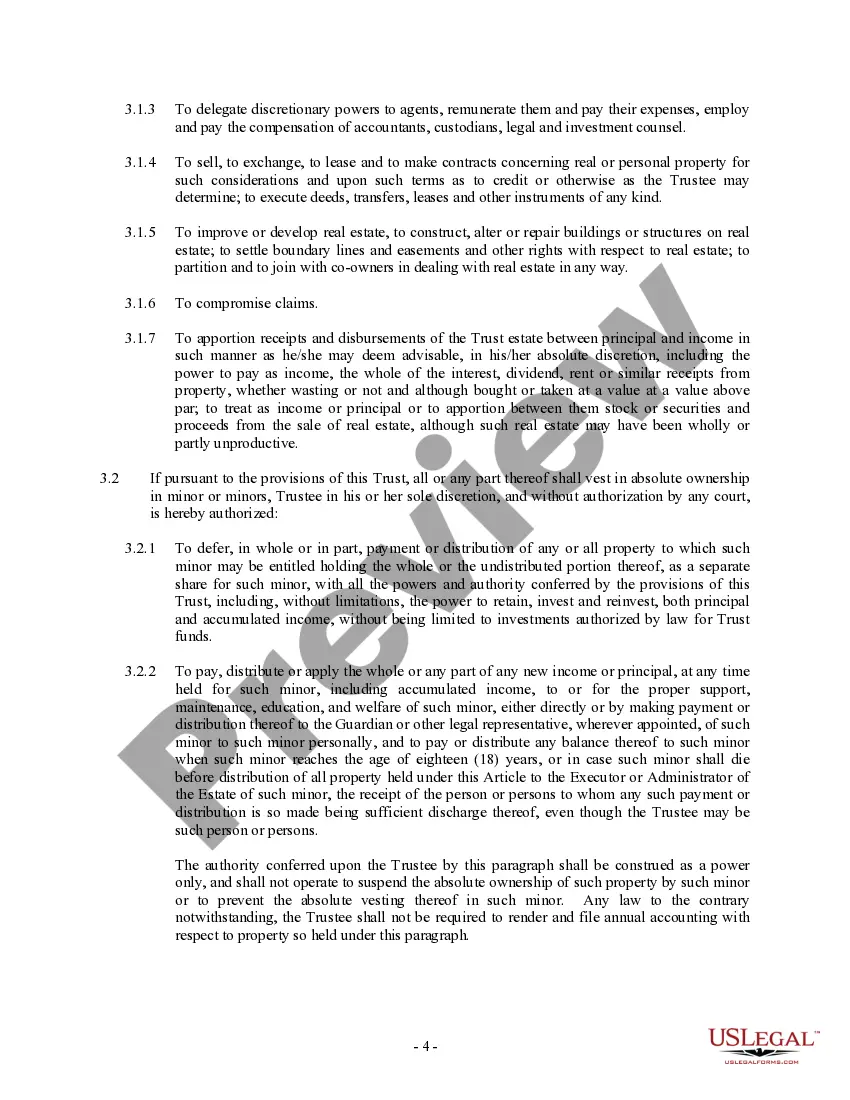
Get your form ready online
Our built-in tools help you complete, sign, share, and store your documents in one place.
Make edits, fill in missing information, and update formatting in US Legal Forms—just like you would in MS Word.
Download a copy, print it, send it by email, or mail it via USPS—whatever works best for your next step.
Sign and collect signatures with our SignNow integration. Send to multiple recipients, set reminders, and more. Go Premium to unlock E-Sign.
If this form requires notarization, complete it online through a secure video call—no need to meet a notary in person or wait for an appointment.
We protect your documents and personal data by following strict security and privacy standards.

Make edits, fill in missing information, and update formatting in US Legal Forms—just like you would in MS Word.

Download a copy, print it, send it by email, or mail it via USPS—whatever works best for your next step.

Sign and collect signatures with our SignNow integration. Send to multiple recipients, set reminders, and more. Go Premium to unlock E-Sign.

If this form requires notarization, complete it online through a secure video call—no need to meet a notary in person or wait for an appointment.

We protect your documents and personal data by following strict security and privacy standards.
Looking for another form?




How to fill out Trust Agreement - Family Special Needs?
Locating a reliable source for the latest and suitable legal templates constitutes a significant portion of navigating bureaucracy.
Acquiring the correct legal documents demands accuracy and carefulness, which is why it is essential to obtain samples of Special Needs Trust Information For That Domain solely from reputable providers, such as US Legal Forms. An incorrect template could squander your time and hinder your current situation.
After obtaining the form on your device, you can edit it using the editor or print it for manual completion. Remove the hassle associated with your legal documentation. Explore the extensive US Legal Forms collection where you can discover legal templates, assess their relevance to your scenario, and download them instantly.
- Utilize the library navigation or search feature to locate your sample.
- Examine the form’s description to determine if it aligns with the requirements of your state and locality.
- Check the form preview, if available, to confirm that it is indeed the form you are seeking.
- Return to the search to locate the suitable document if the Special Needs Trust Information For That Domain does not meet your specifications.
- Once you are certain regarding the form’s applicability, download it.
- If you are a registered member, click Log in to verify and access your selected templates in My documents.
- If you do not possess a profile yet, click Buy now to acquire the template.
- Choose the payment plan that aligns with your preferences.
- Proceed with the registration to finalize your purchase.
- Complete your transaction by selecting a payment method (credit card or PayPal).
- Select the document format for downloading Special Needs Trust Information For That Domain.
Form popularity
FAQ
You'll need to do a few things when setting up your special needs trust. First, you'll need to talk with an experienced estate planning attorney who fully understands how special needs trusts work. They can help you carefully draw up your trust documents ing to NC law. Next, you'll choose a trustee.
Typically, a third party special needs trust is set up by the family of the disabled person. The family then gifts money to the trust, rather than the disabled person, so the gifts do not interfere with the disabled persons Supplemental Security Income (SSI), Medicaid, vocational rehabilitation, and subsidized housing.
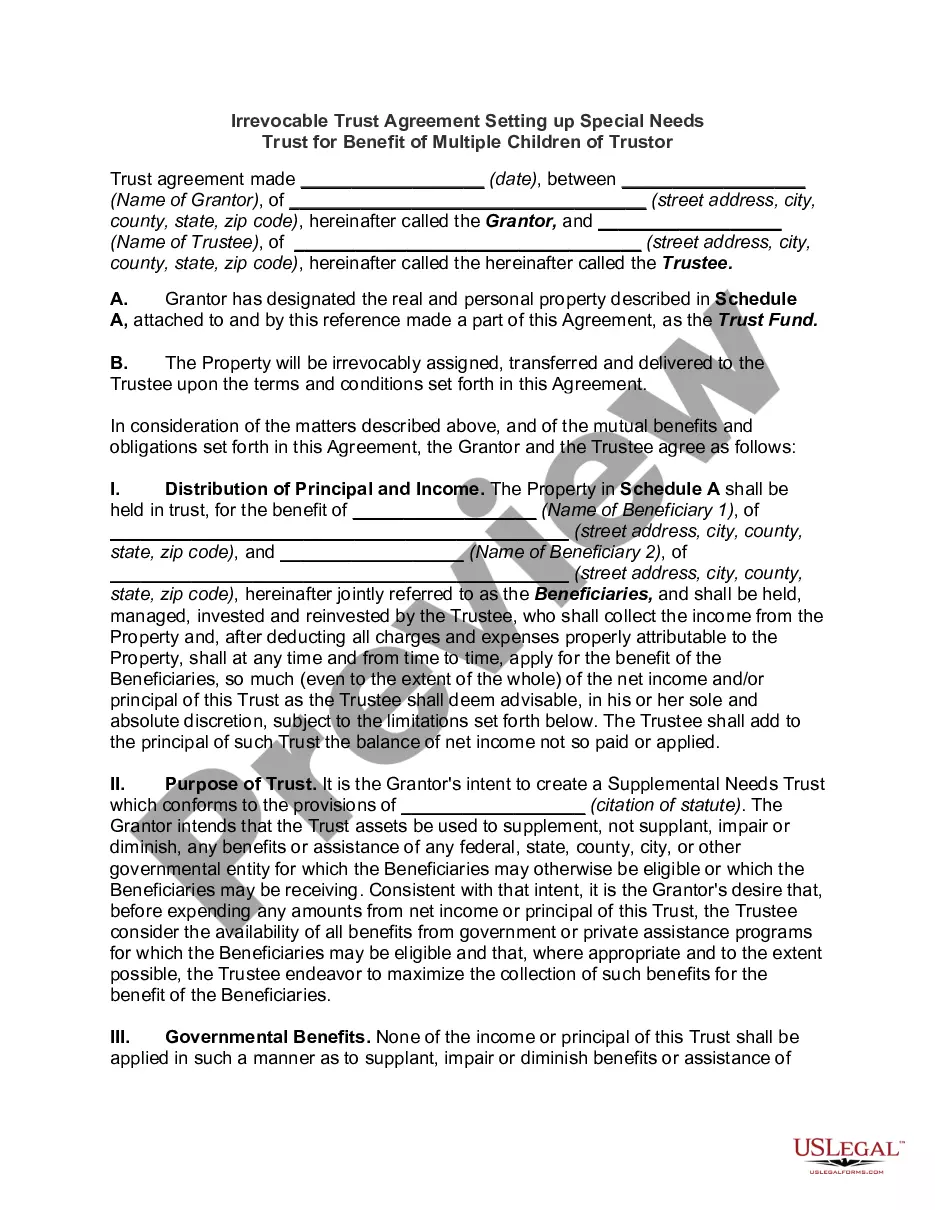
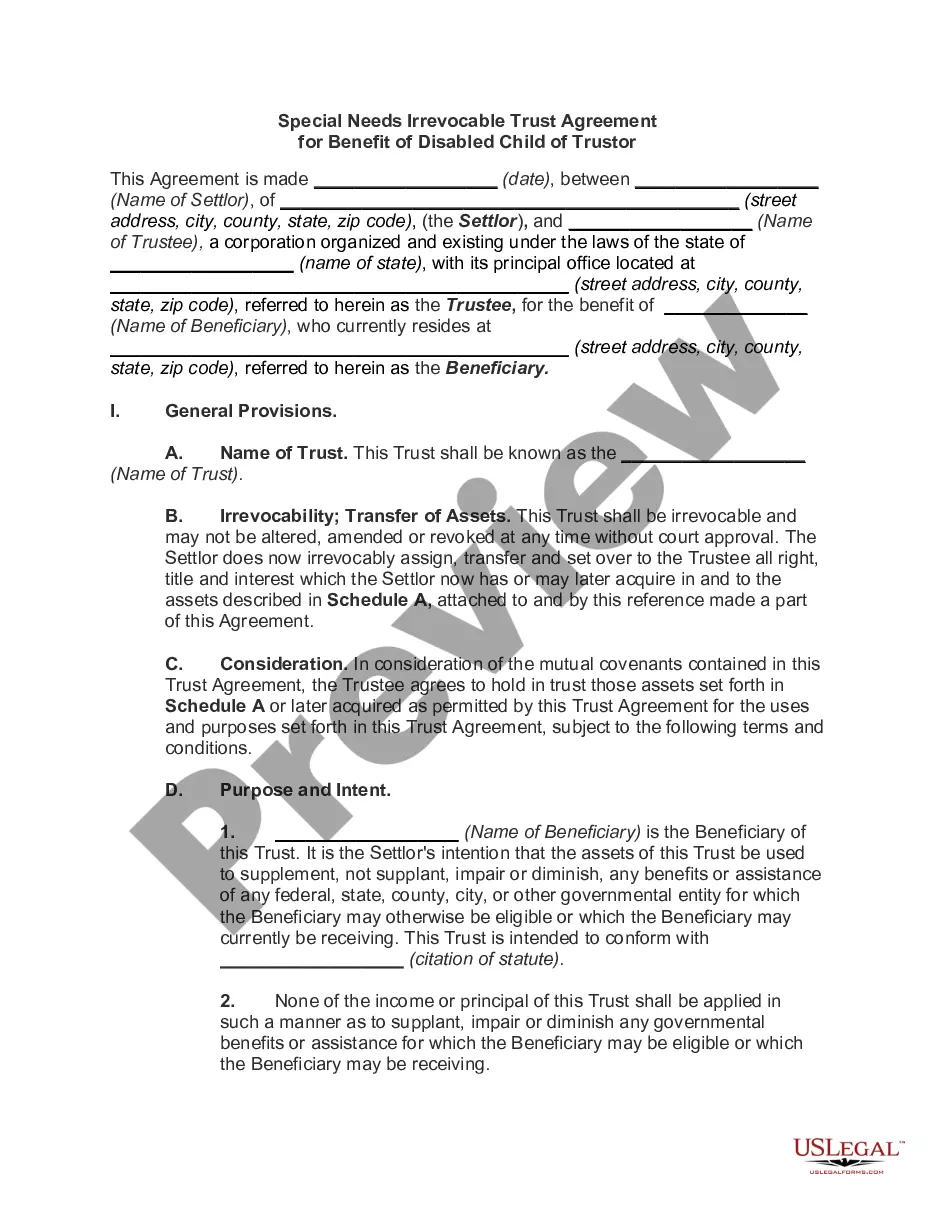
The central purpose of a Special Needs Trust ("SNT") is to hold assets for the "supplemental needs" of a disabled person, without disrupting his or her entitlement to certain public benefits. To accomplish this, the SNT must be carefully drafted to conform to Michigan (or other relevant state) and federal guidelines.
Special Needs Trust Typically, a guardian of the estate is first appointed for the minor or incompetent and then the guardian can apply for the approval of the creation of the Special Needs Trust. ... The Special Needs Trust will be administered and supervised as any other trust created through the Probate Court.
A special needs trust (SNT) is a trust that will preserve the beneficiary's eligibility for needs-based government benefits such as Medicaid and Supplemental Security Income (SSI). Because the beneficiary does not own the assets in the trust, he or she can remain eligible for benefit programs that have an asset limit.