Illinois Special Needs Trust Forms For Providers
Description
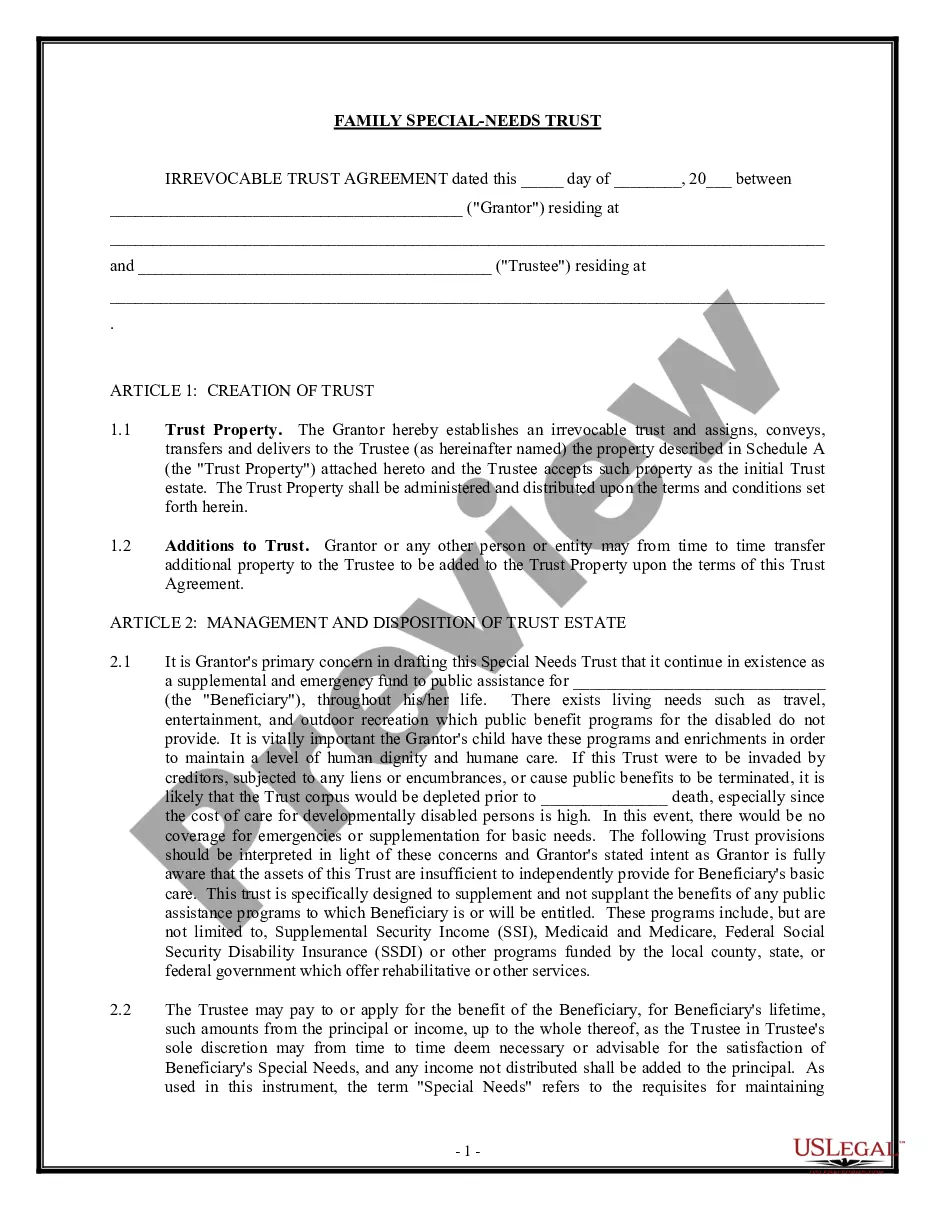
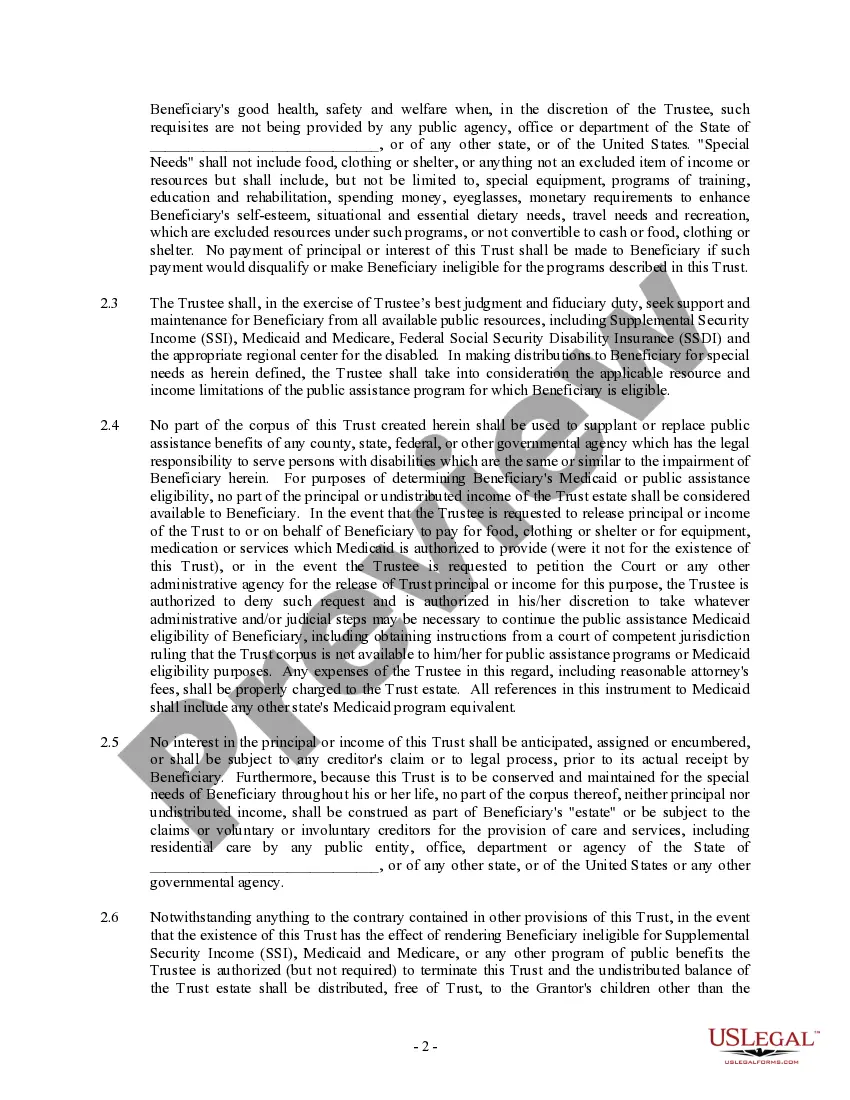
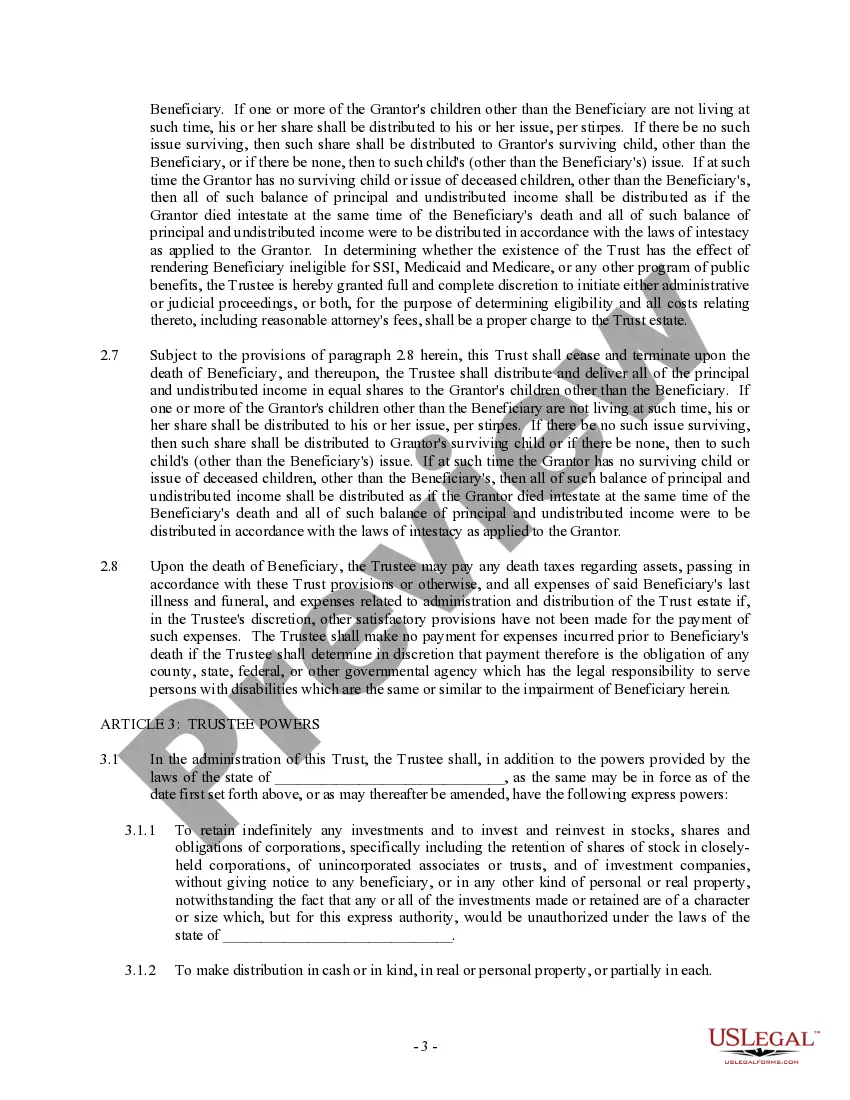
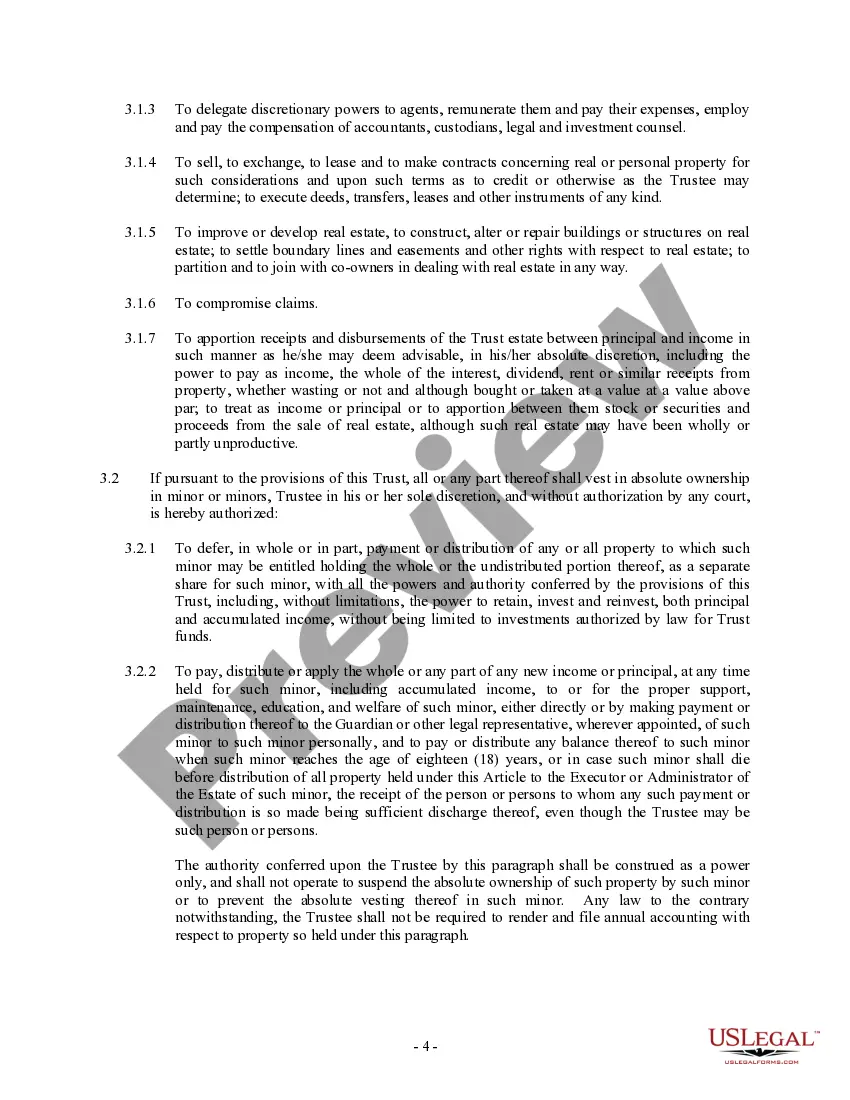
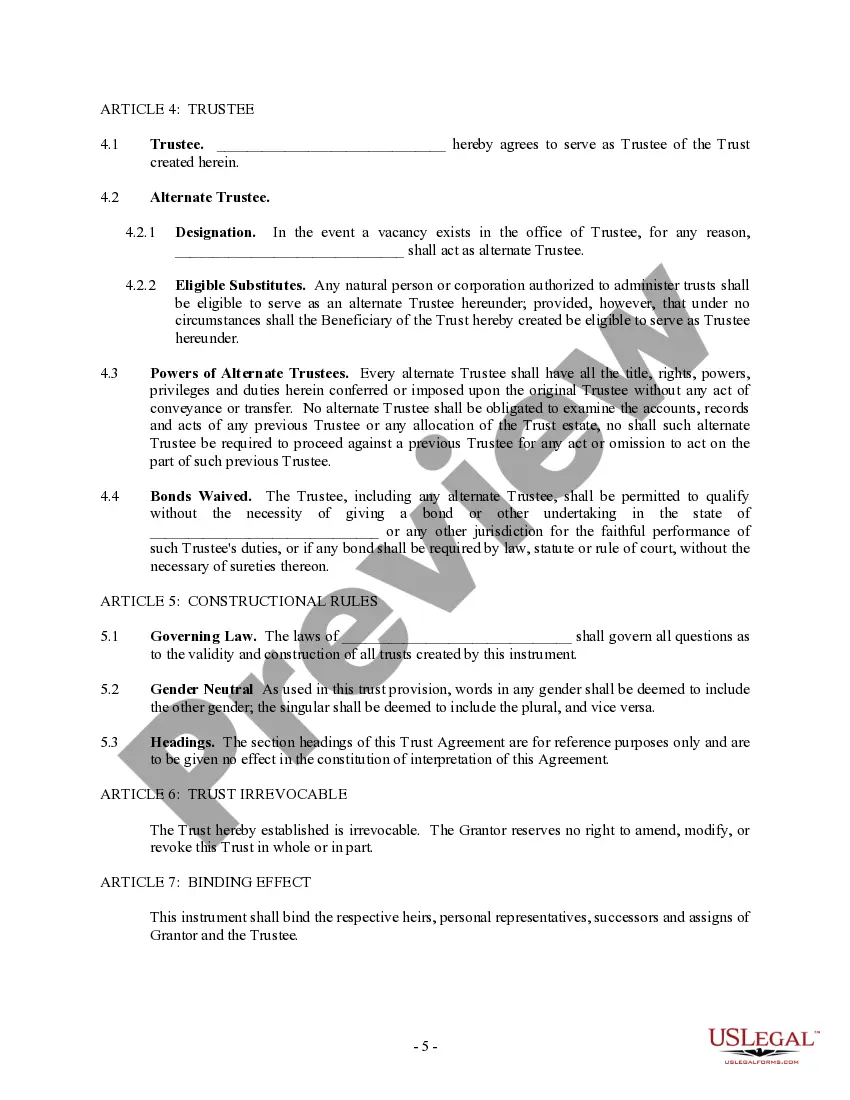

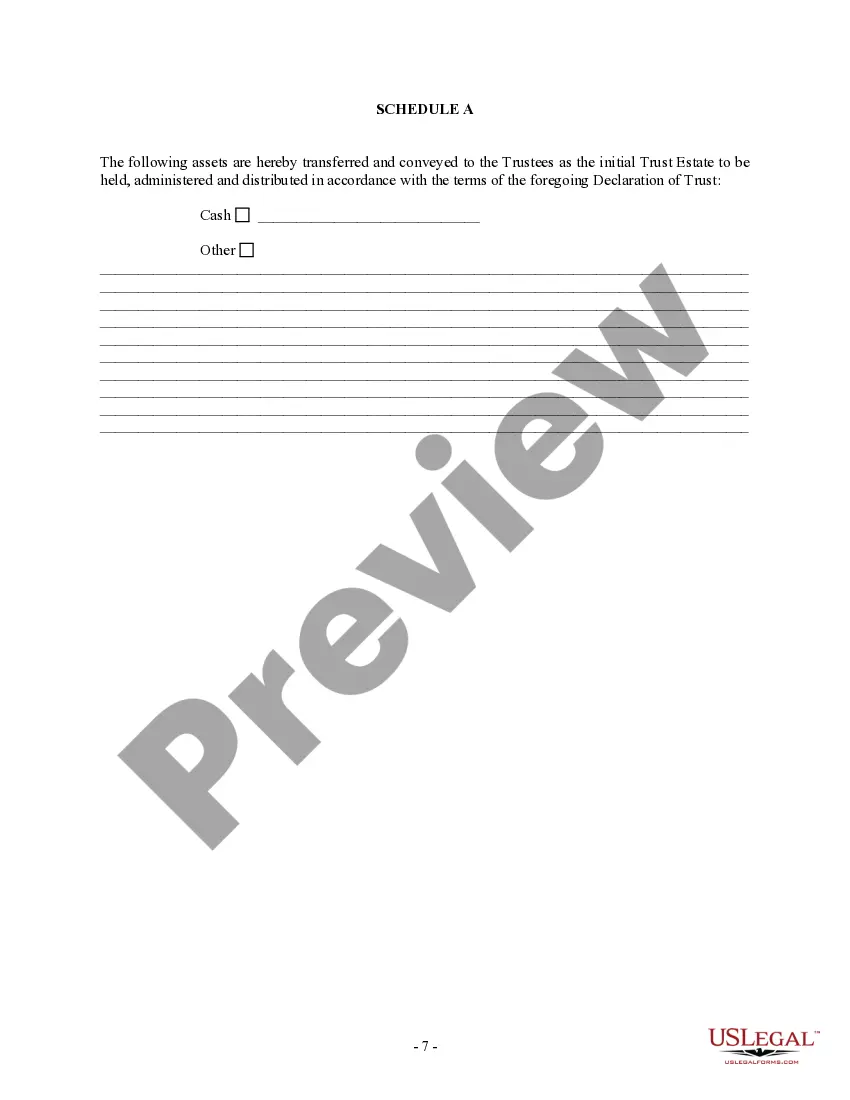
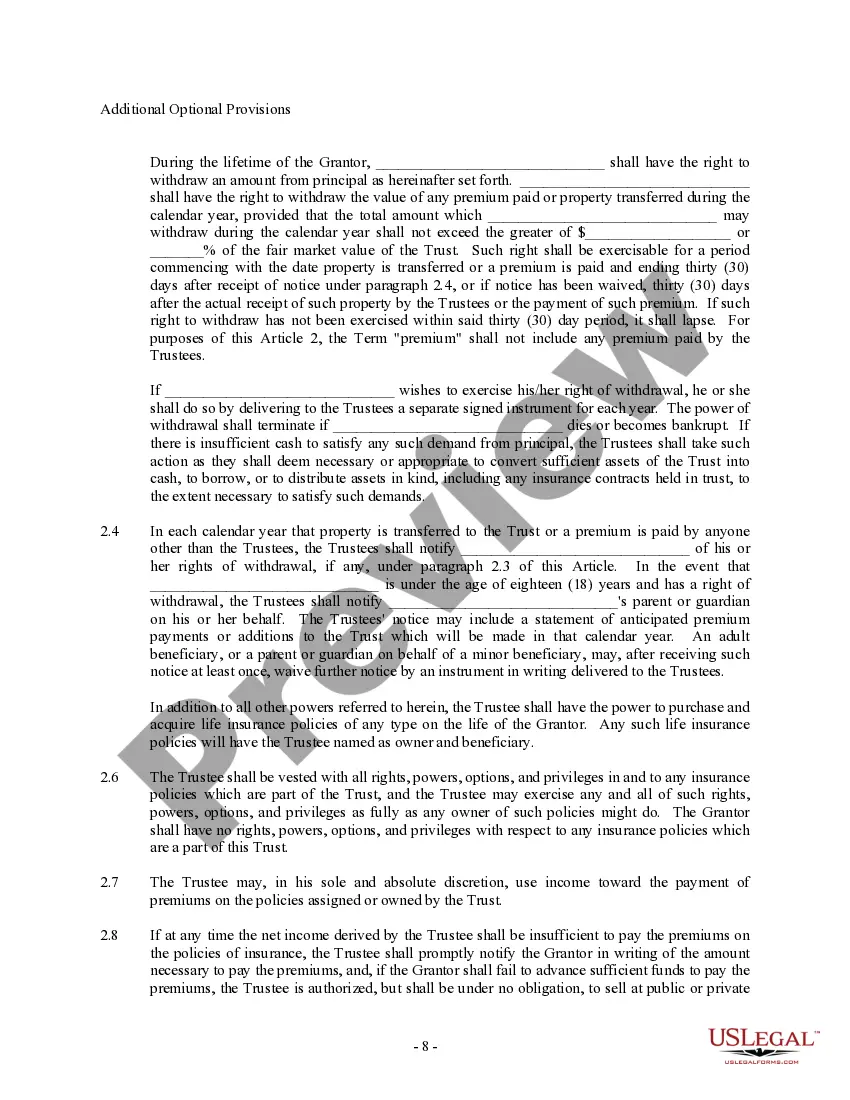
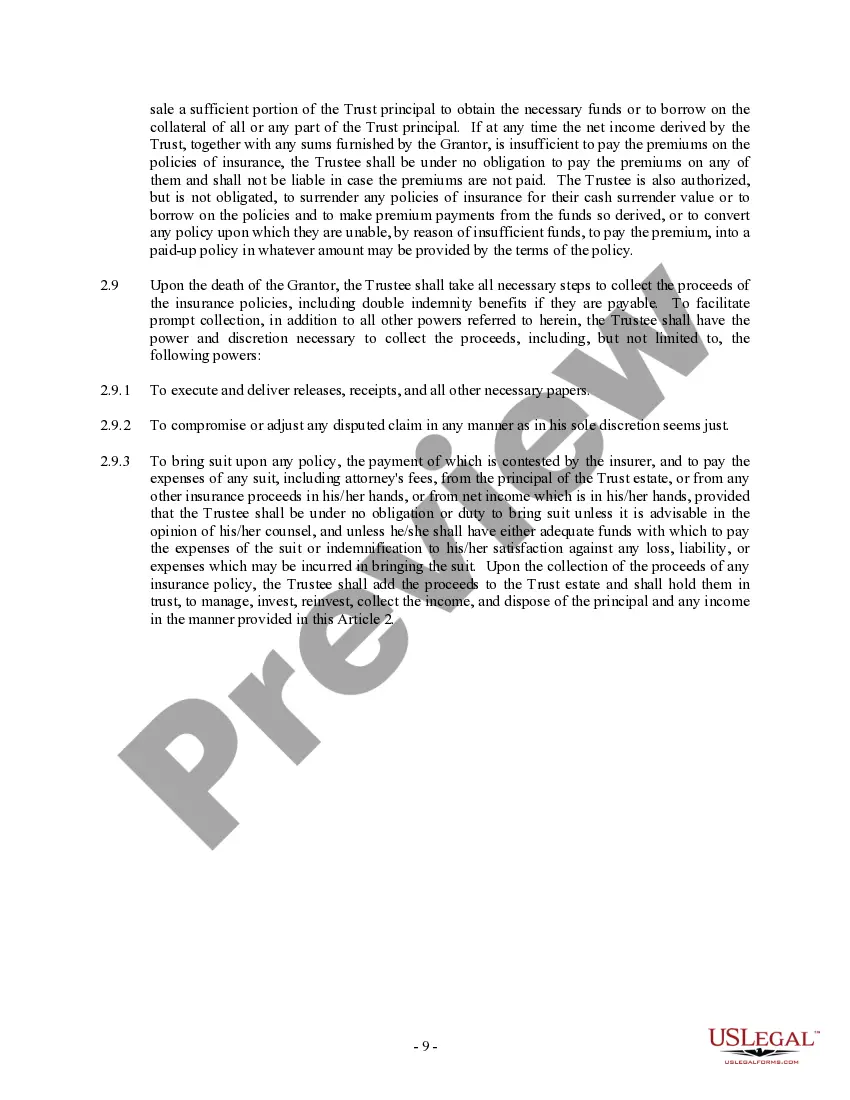
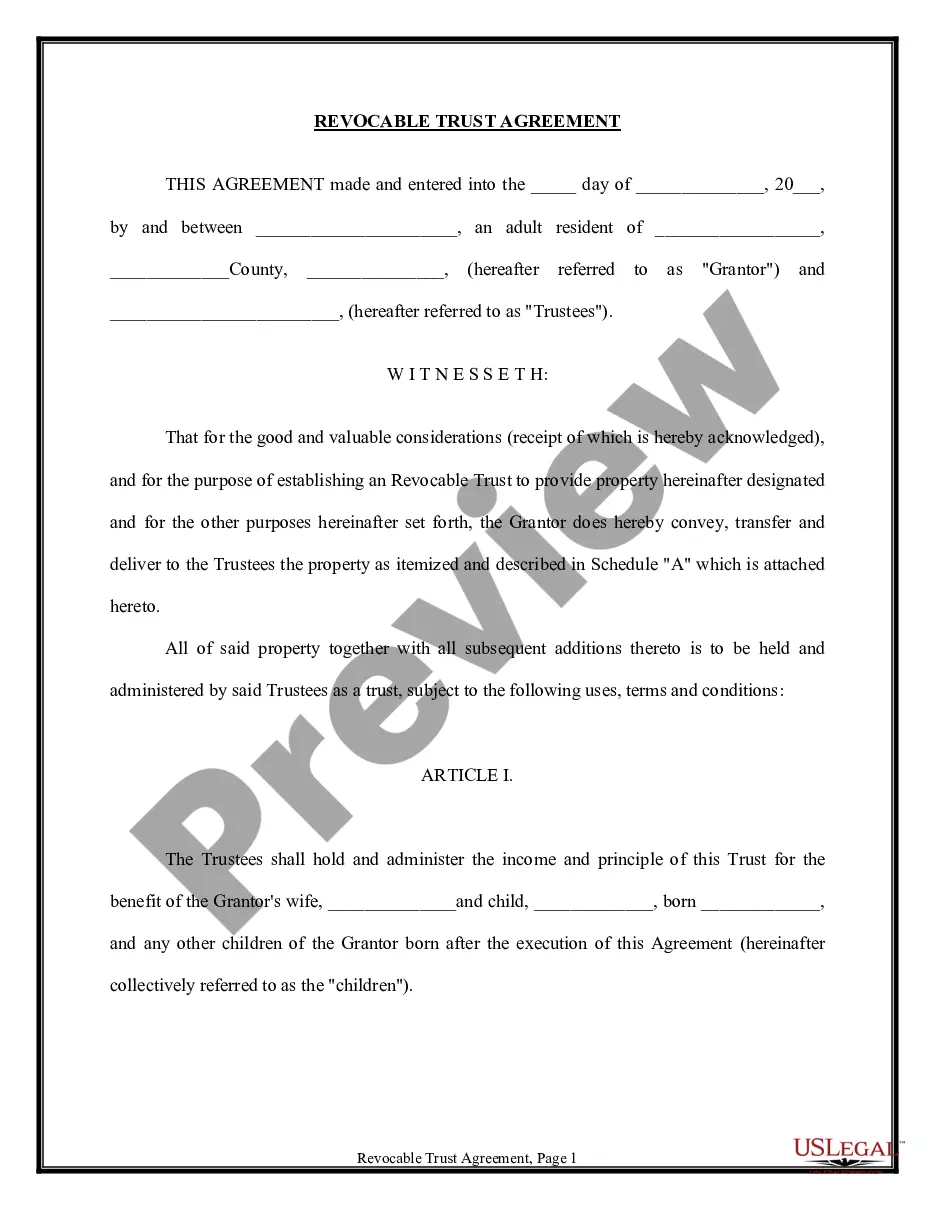
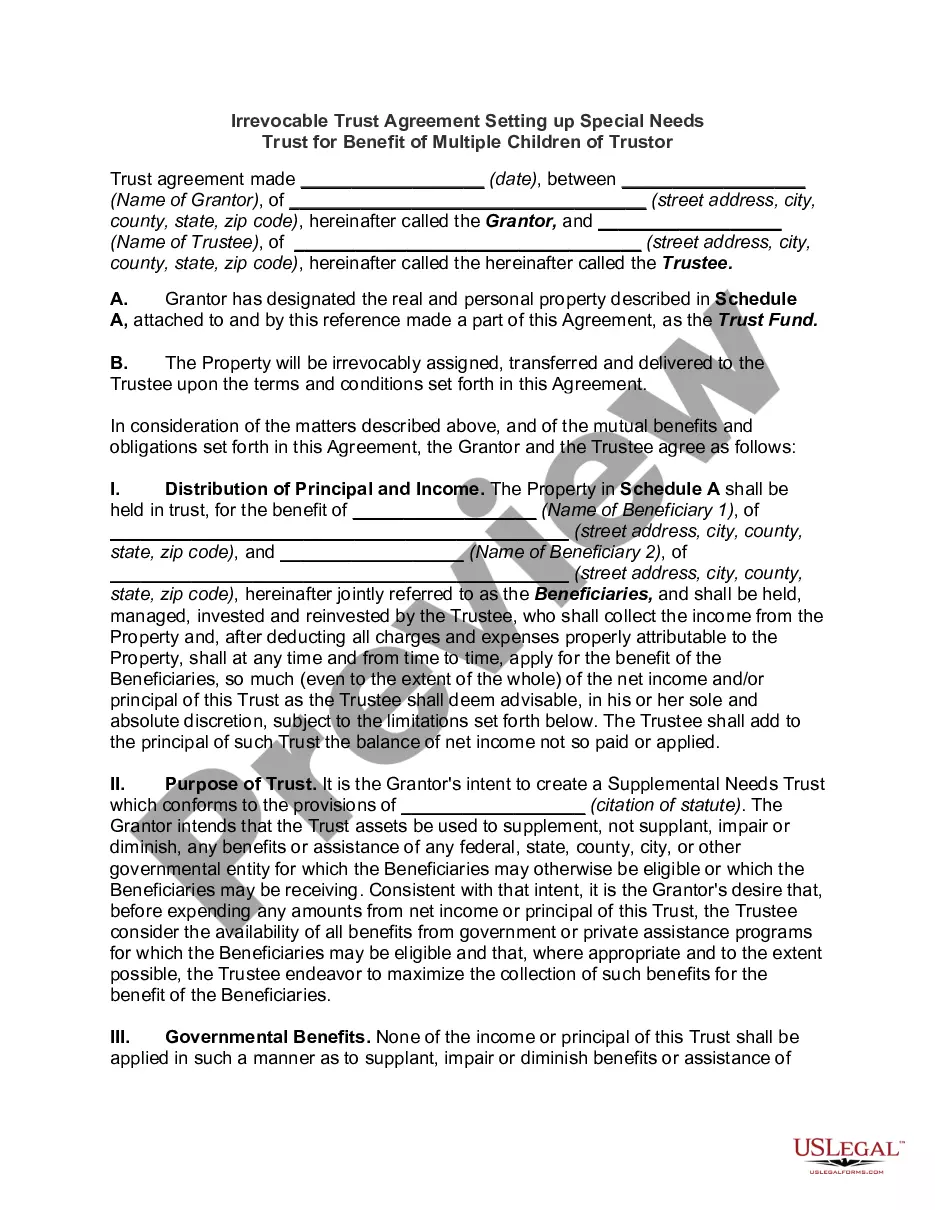
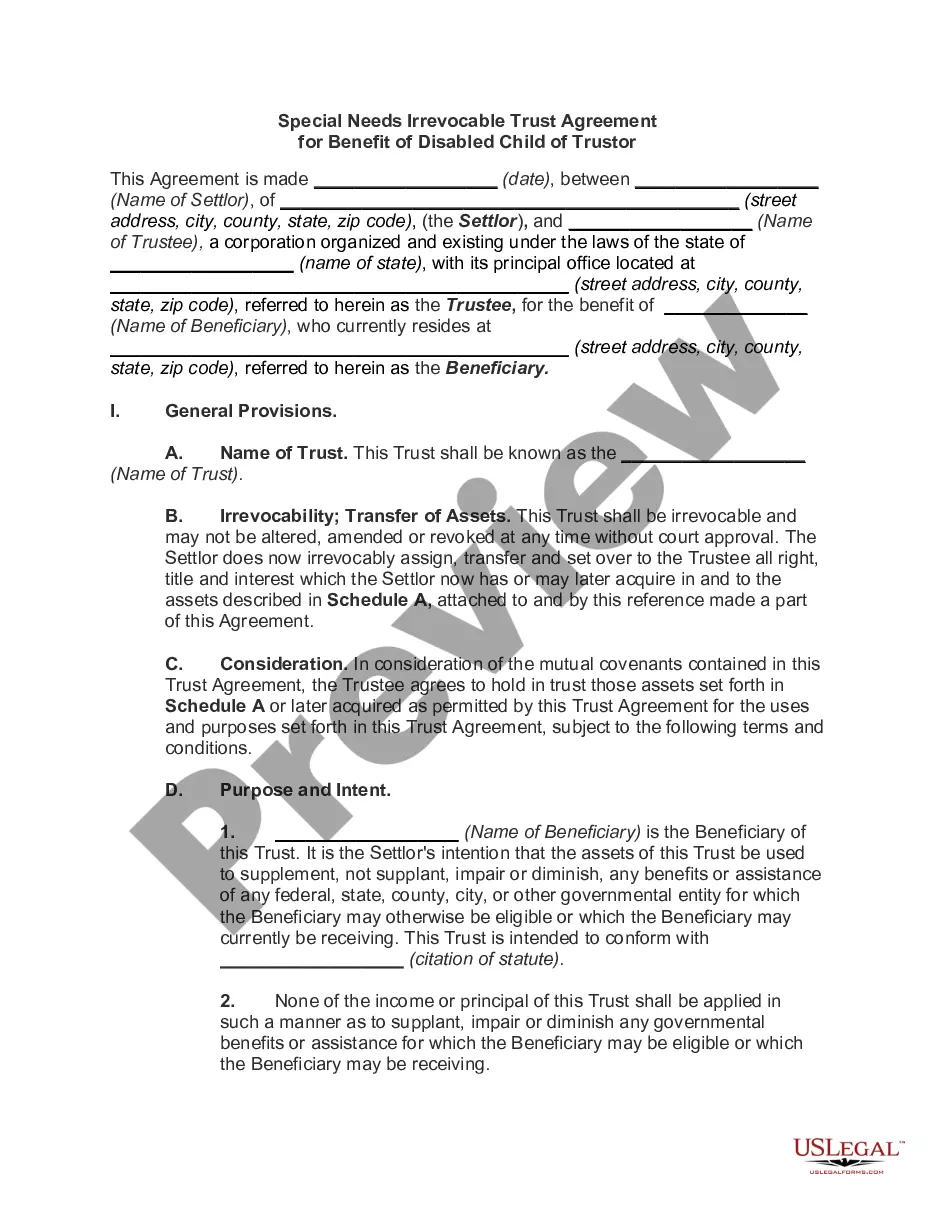
Get your form ready online
Our built-in tools help you complete, sign, share, and store your documents in one place.
Make edits, fill in missing information, and update formatting in US Legal Forms—just like you would in MS Word.
Download a copy, print it, send it by email, or mail it via USPS—whatever works best for your next step.
Sign and collect signatures with our SignNow integration. Send to multiple recipients, set reminders, and more. Go Premium to unlock E-Sign.
If this form requires notarization, complete it online through a secure video call—no need to meet a notary in person or wait for an appointment.
We protect your documents and personal data by following strict security and privacy standards.

Make edits, fill in missing information, and update formatting in US Legal Forms—just like you would in MS Word.

Download a copy, print it, send it by email, or mail it via USPS—whatever works best for your next step.

Sign and collect signatures with our SignNow integration. Send to multiple recipients, set reminders, and more. Go Premium to unlock E-Sign.

If this form requires notarization, complete it online through a secure video call—no need to meet a notary in person or wait for an appointment.

We protect your documents and personal data by following strict security and privacy standards.
Looking for another form?


How to fill out Trust Agreement - Family Special Needs?
Legal management can be perplexing, even for the most experienced experts.
If you are seeking Illinois Special Needs Trust Forms For Providers but lack the time to search for the accurate and updated version, the process can be overwhelming.
Access a repository of articles, guidelines, handbooks, and materials pertinent to your circumstances and requirements.
Conserve time and energy searching for the required documents, employing US Legal Forms’ advanced search and Review feature to locate Illinois Special Needs Trust Forms For Providers and obtain it.
Make sure the template is authorized in your state or county. Select Buy Now when you are ready, choose a subscription plan, select your desired format, and Download, complete, eSign, print, and submit your document. Take advantage of the US Legal Forms online catalog, supported by 25 years of expertise and reliability. Transform your daily document management into a seamless and user-friendly process today.
- If you possess a monthly subscription, Log In to your US Legal Forms account, search for the form, and retrieve it.
- Visit the My documents tab to view the documents you have previously downloaded and manage your folders as you see fit.
- If it’s your first time with US Legal Forms, establish an account and enjoy unrestricted access to all platform benefits.
- Here are the steps to follow after downloading your desired form.
- Verify it is the correct form by previewing it and reviewing its specifics.
- Utilize a robust online form repository that can be transformative for anyone aspiring to navigate these situations effectively.
- US Legal Forms stands at the forefront of online legal documentation, boasting over 85,000 state-specific legal forms accessible anytime.
- Leverage cutting-edge tools to complete and manage your Illinois Special Needs Trust Forms For Providers.
Form popularity
FAQ
Typically a loved one will create the trust and serve as trustee, with the disabled individual being the beneficiary. A bank account will then be opened in the name of the trust. ?The disabled individual's assets, or gifts from loved ones, will be transferred to the trust bank account.
There are two types of special needs trusts, first-party and third-party. First-party means the disabled individual uses their own assets to fund the trust. Third-party means someone else establishes the trust with the disabled person as the beneficiary.
Third Party Special Needs Trust It is established by someone other than the person with the disability and is funded by assets of the settlor of the trust. Upon the death of the disabled beneficiary, the remainder of the trust reverts back to the settlor, and the funds do not pay back the state.
party supplemental needs trust is funded with the assets of the person with special needs, such as an inheritance, settlement, or a personal injury award. This type of trust must be established before the beneficiary turns 65 years old and is subject to certain restrictions.
Cons of Special Needs Trusts The trust must be maintained, and yearly management costs can be high. Depending on who manages the fund, there may be a minimum amount required to set up the trust. It may be financially difficult for the settlor to actually establish the trust, depending upon their circumstances.