Family Trust Withdrawals
Description

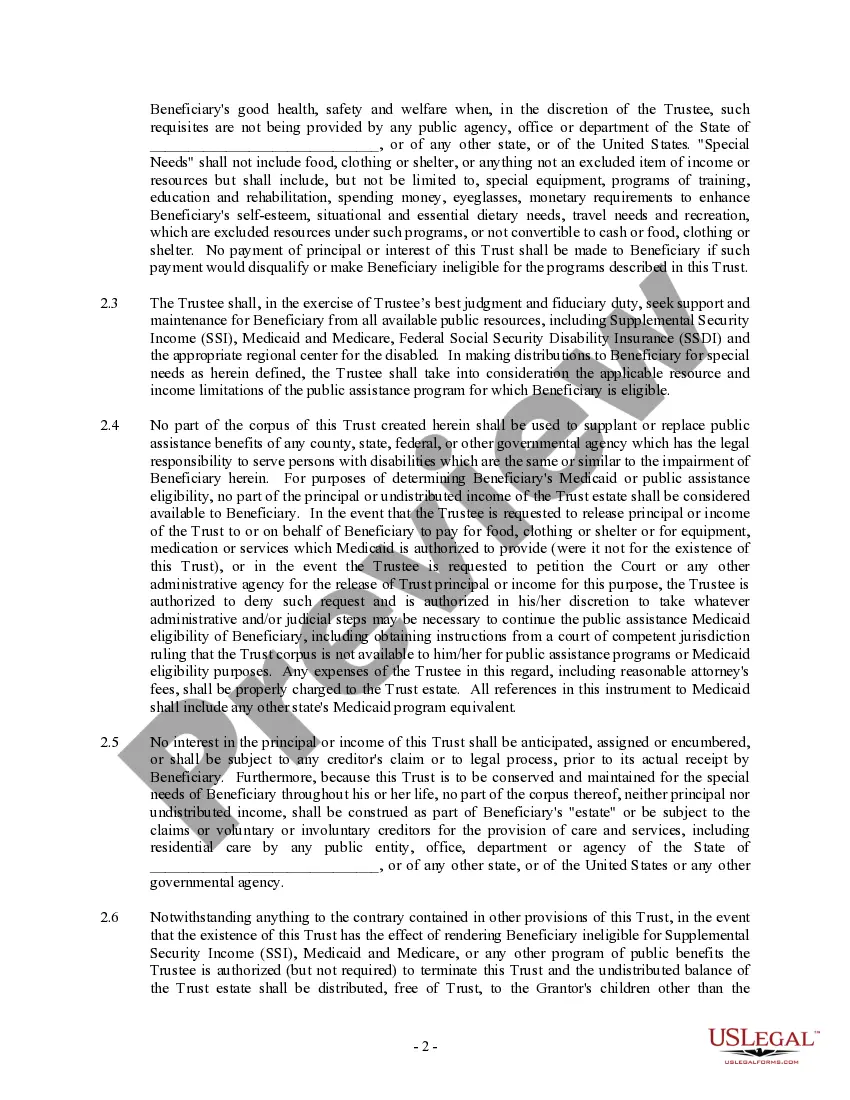
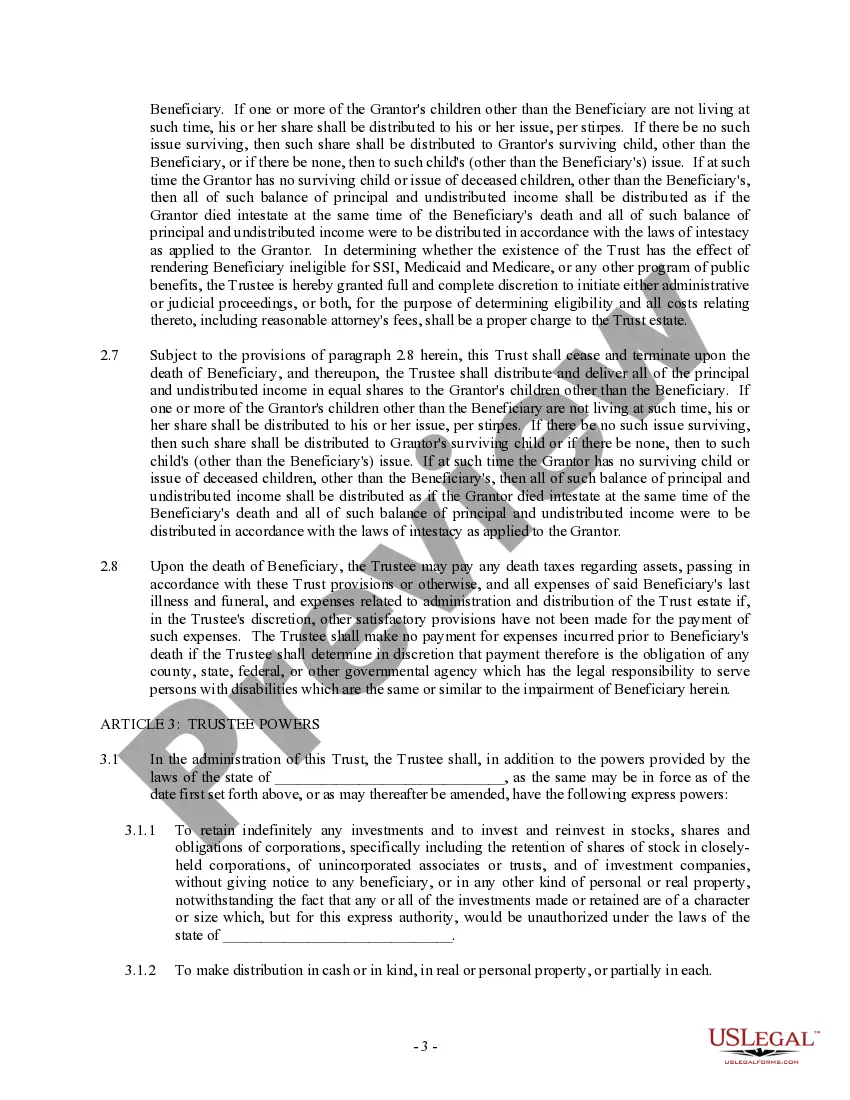
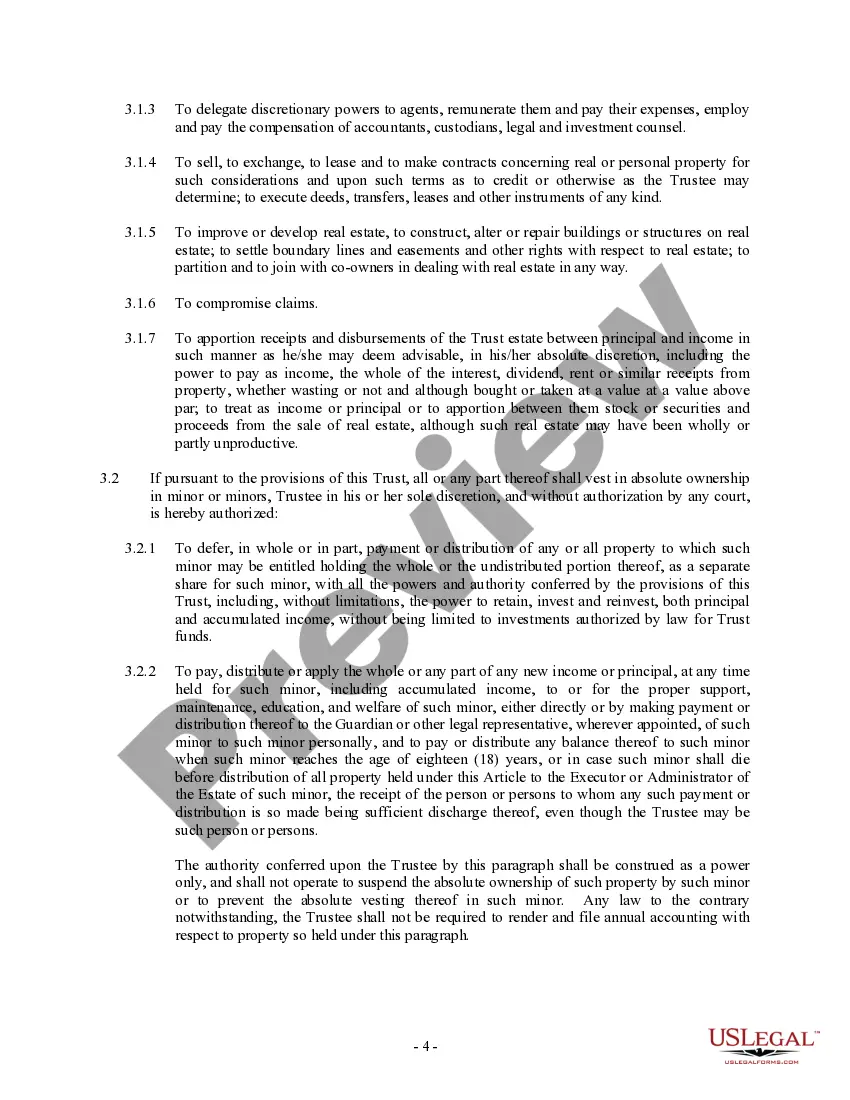
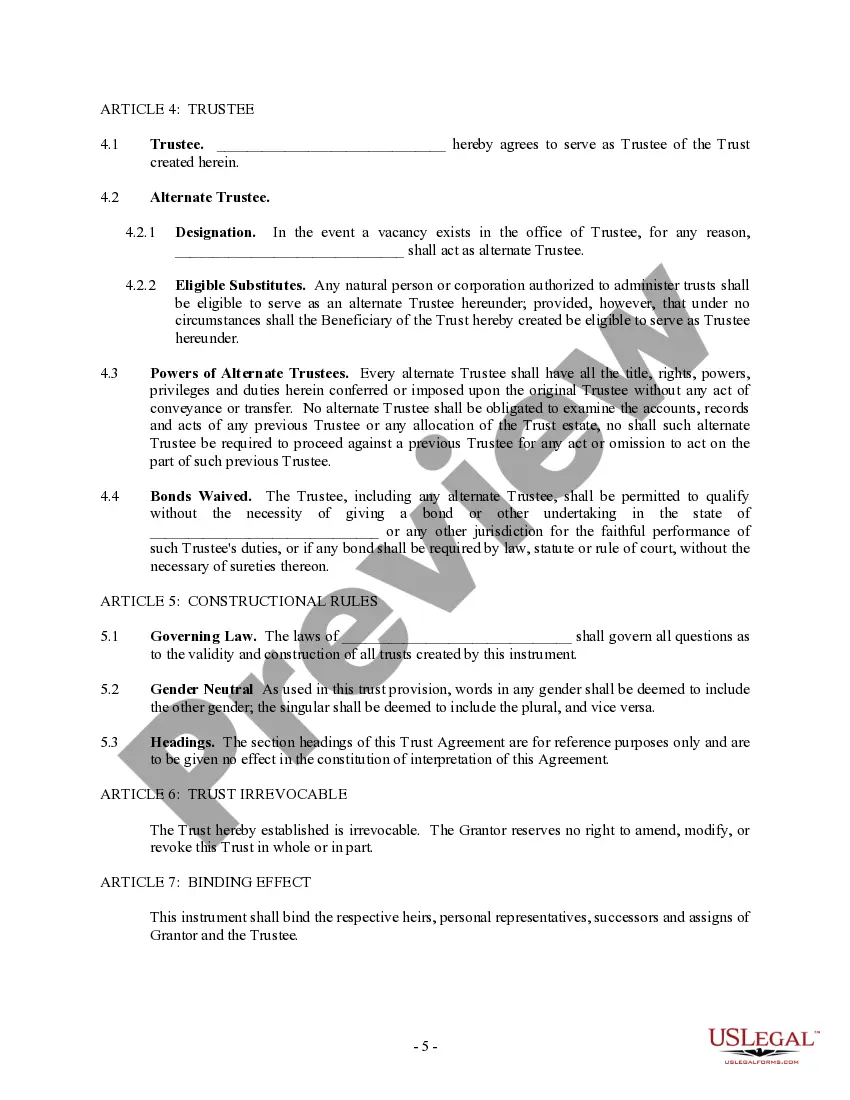
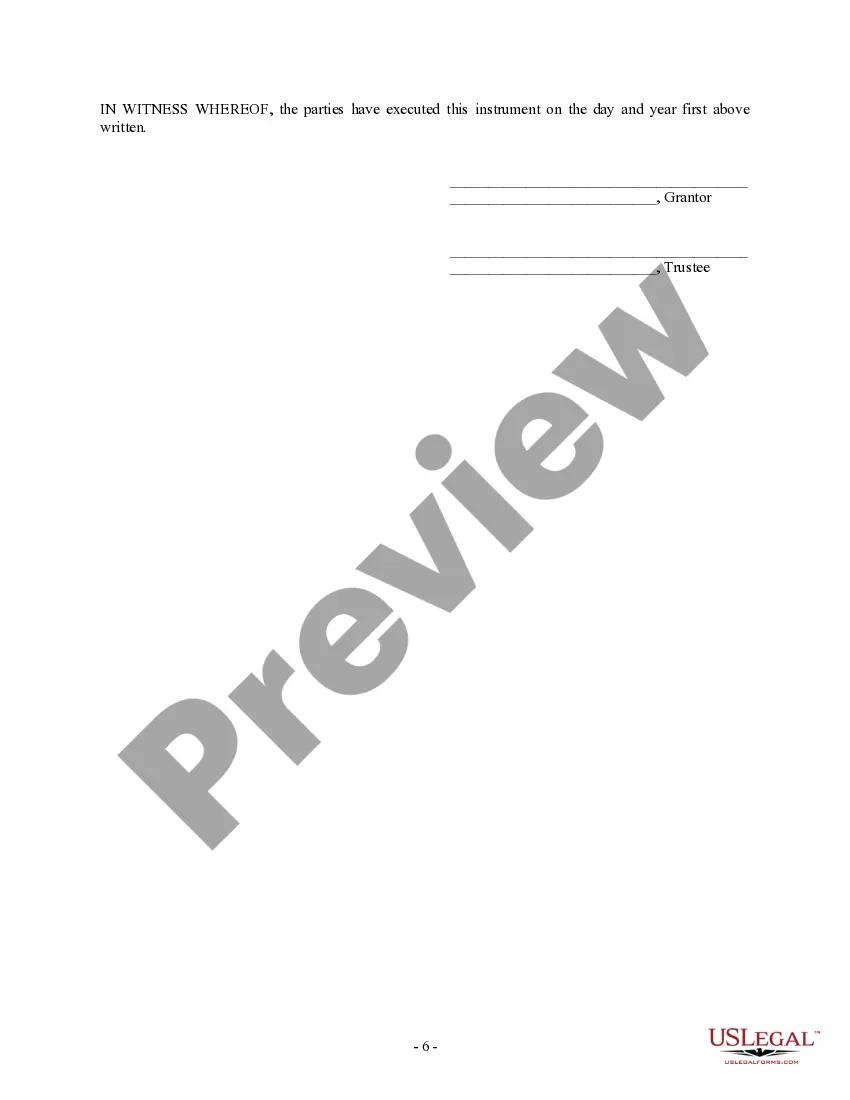
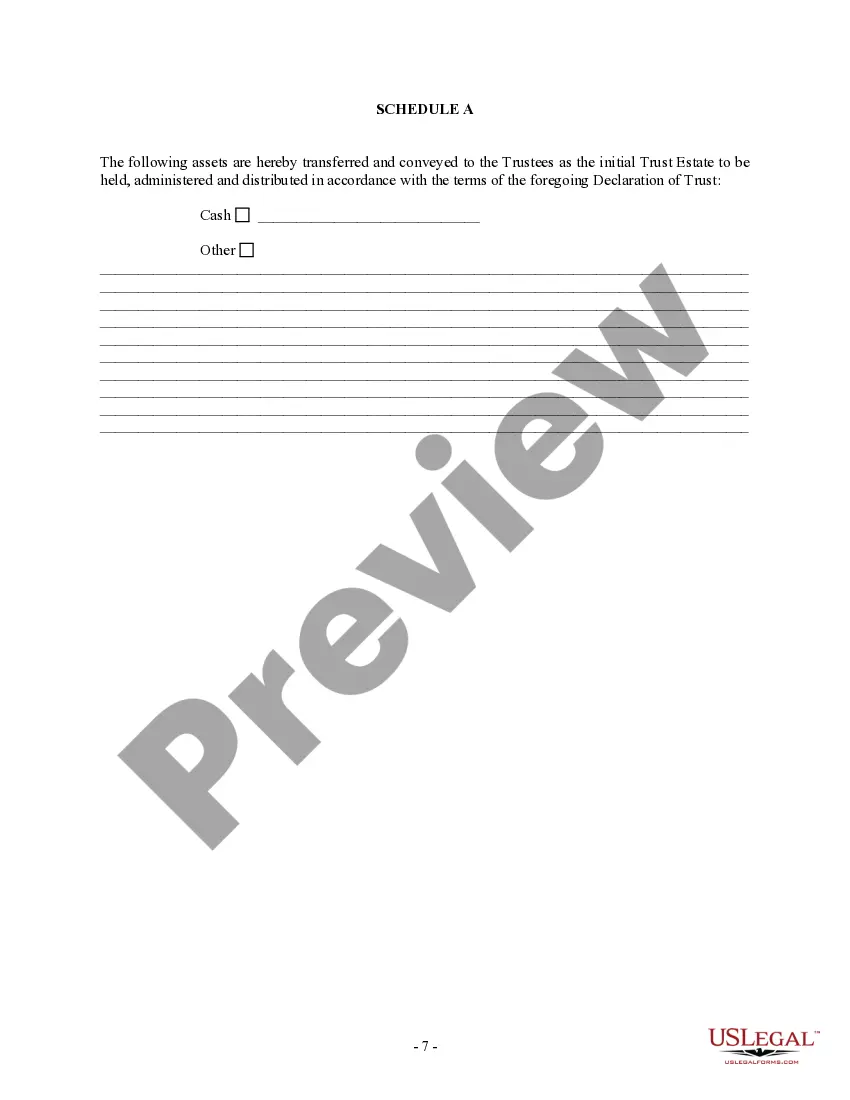
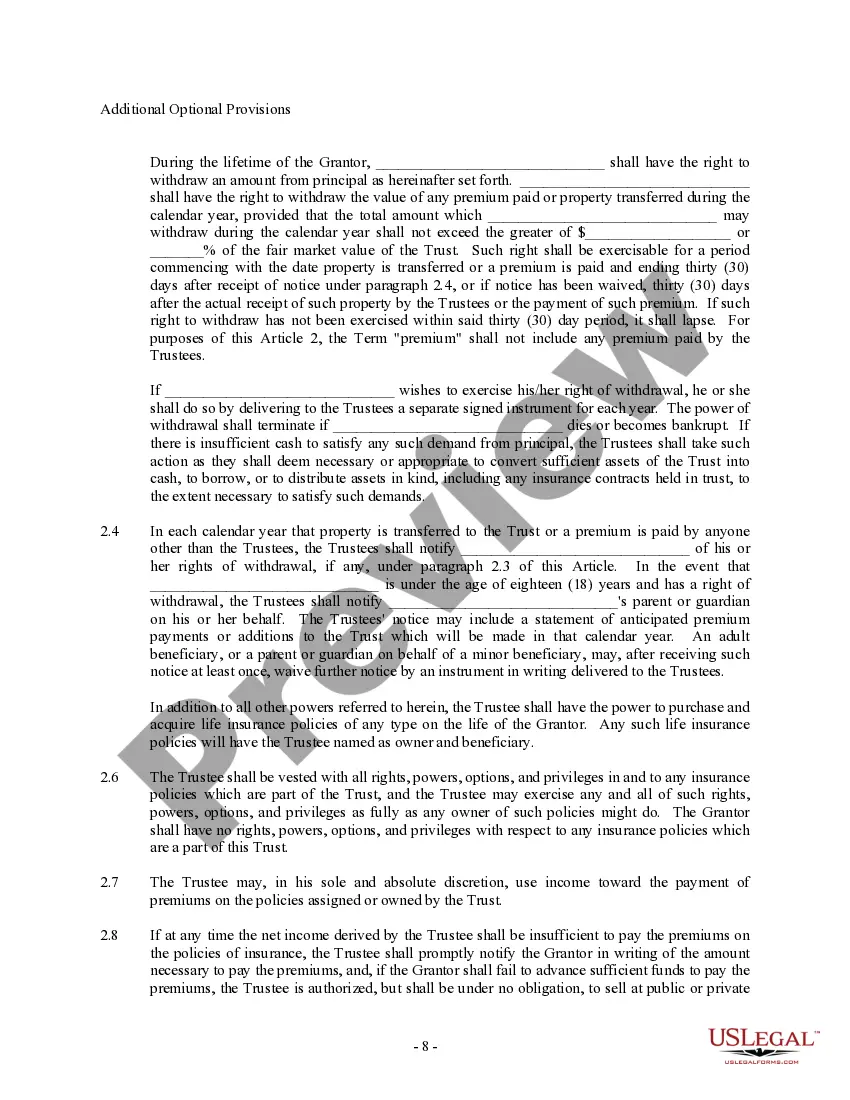
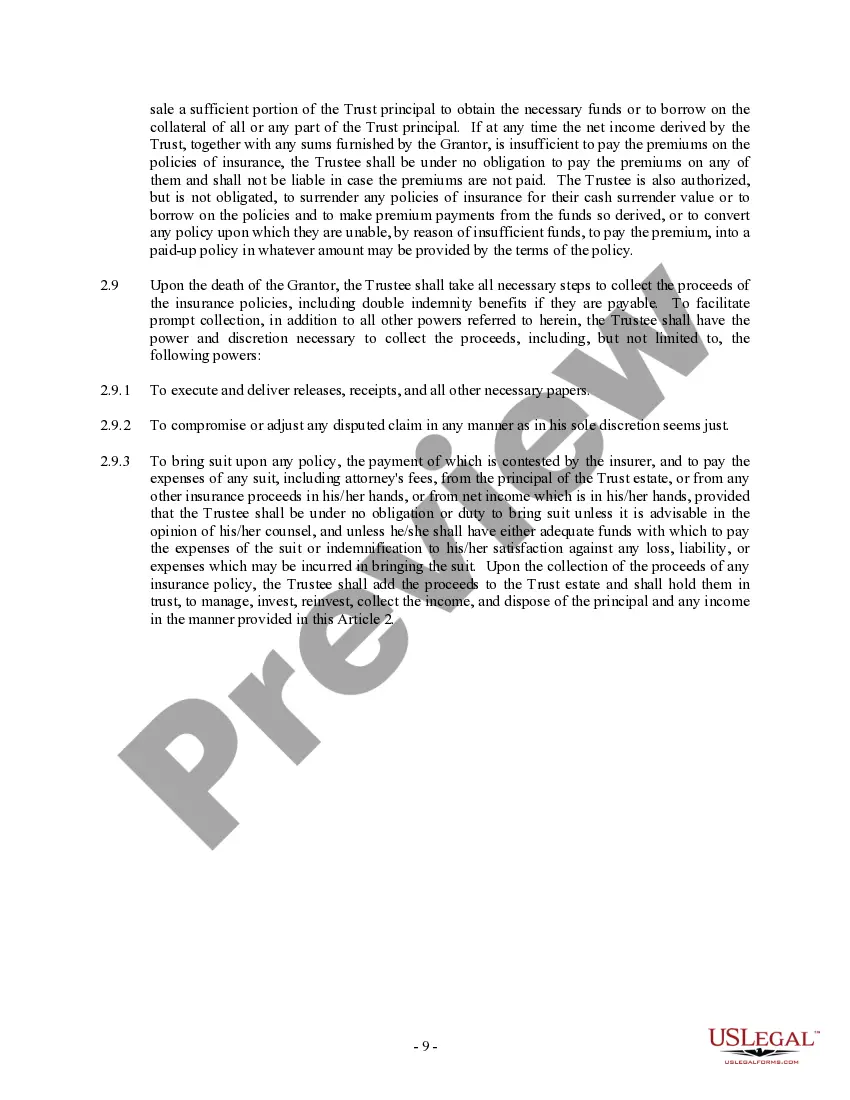

Get your form ready online
Our built-in tools help you complete, sign, share, and store your documents in one place.
Make edits, fill in missing information, and update formatting in US Legal Forms—just like you would in MS Word.
Download a copy, print it, send it by email, or mail it via USPS—whatever works best for your next step.
Sign and collect signatures with our SignNow integration. Send to multiple recipients, set reminders, and more. Go Premium to unlock E-Sign.
If this form requires notarization, complete it online through a secure video call—no need to meet a notary in person or wait for an appointment.
We protect your documents and personal data by following strict security and privacy standards.

Make edits, fill in missing information, and update formatting in US Legal Forms—just like you would in MS Word.

Download a copy, print it, send it by email, or mail it via USPS—whatever works best for your next step.

Sign and collect signatures with our SignNow integration. Send to multiple recipients, set reminders, and more. Go Premium to unlock E-Sign.

If this form requires notarization, complete it online through a secure video call—no need to meet a notary in person or wait for an appointment.

We protect your documents and personal data by following strict security and privacy standards.
Looking for another form?



How to fill out Trust Agreement - Family Special Needs?
Identifying a reliable location to obtain the most up-to-date and pertinent legal examples constitutes a significant part of managing red tape.
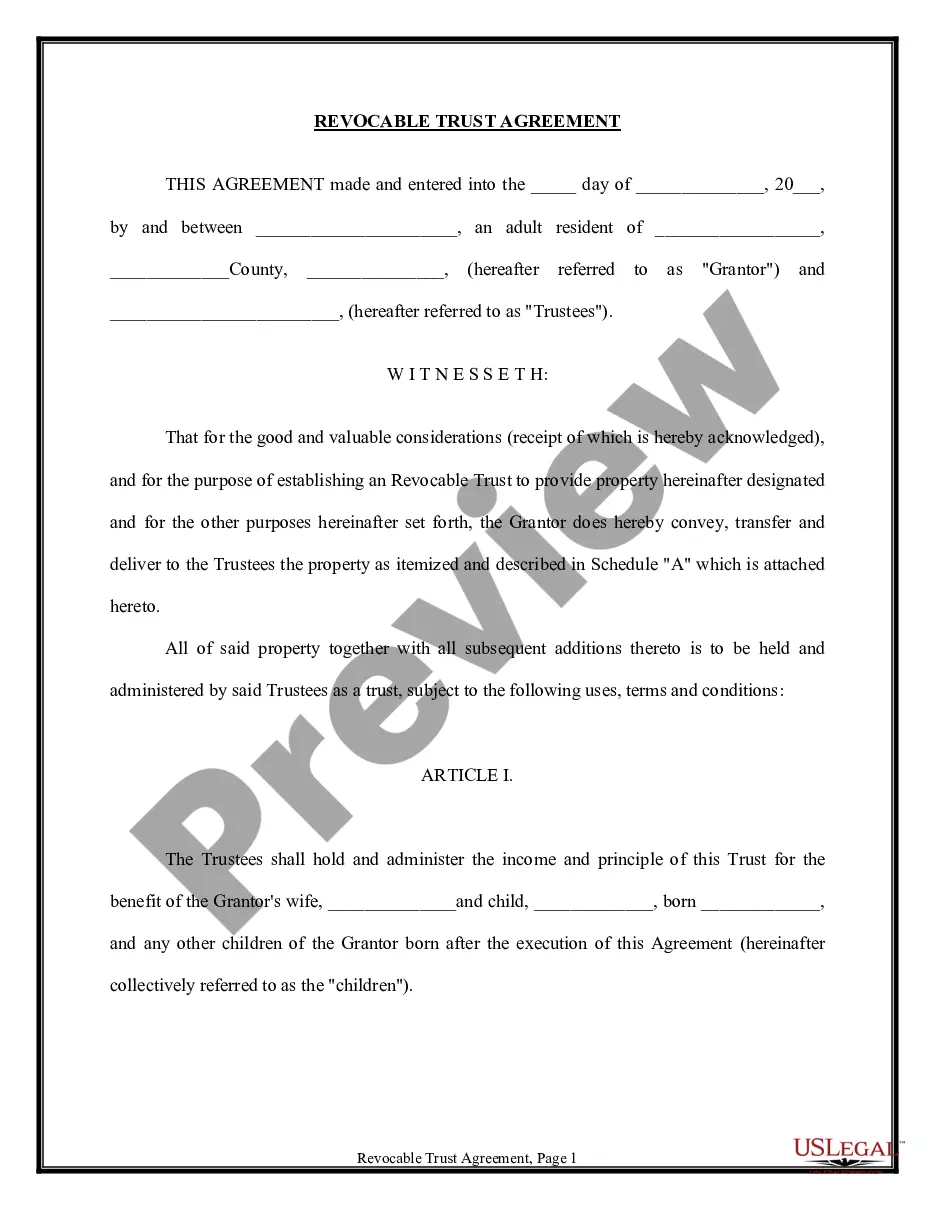
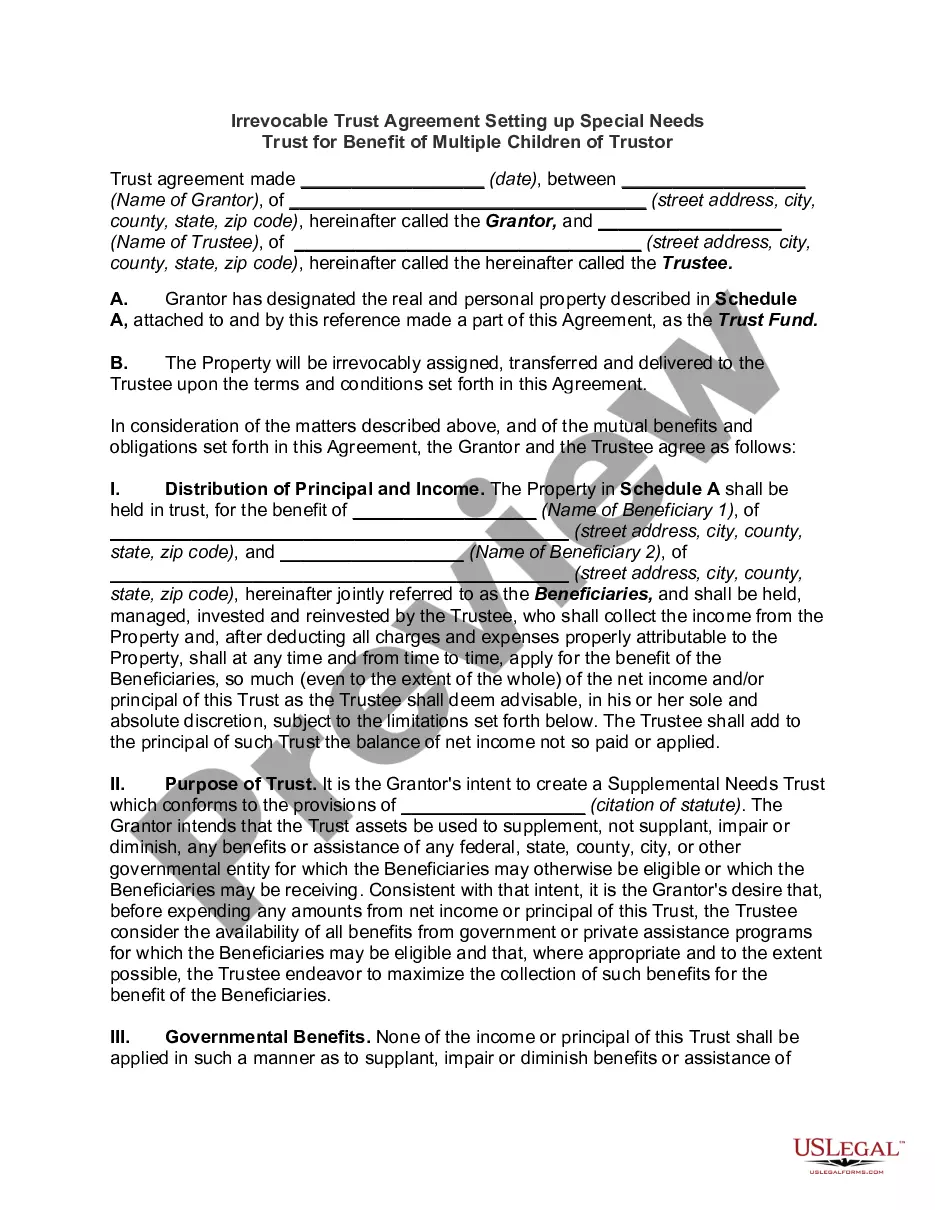
Selecting the appropriate legal documents necessitates precision and meticulousness, which underlines the importance of sourcing Family Trust Withdrawals exclusively from trustworthy providers, like US Legal Forms.
Eliminate the complications associated with your legal documentation. Explore the extensive US Legal Forms library to discover legal examples, evaluate their relevance to your situation, and download them instantly.
- Employ the library search or navigation feature to find your template.
- Read the form’s details to determine if it meets the needs of your jurisdiction and locality.
- View the form preview, if available, to confirm it is indeed the document you seek.
- If the Family Trust Withdrawals does not align with your requirements, continue searching for the suitable template.
- Once you are certain about the form’s pertinence, proceed to download it.
- If you’re a registered user, click Log in to verify and access your selected templates in My documents.
- If you do not yet have an account, click Buy now to purchase the template.
- Choose the pricing option that fits your needs.
- Complete the registration to finalize your purchase.
- Conclude your transaction by selecting a payment method (credit card or PayPal).
- Select the document format for downloading Family Trust Withdrawals.
- After obtaining the form on your device, you can edit it with the editor or print it out to fill in manually.
Form popularity
FAQ
You may file your will for safekeeping with the probate court in the county in which you reside. You may also file any amendments to the original will (codicils). There is a fee to file your will with the court.
Fees Fee typeAmountRule/statute that appliesAny postjudgment motion in civil, criminal, or environmental divisions, except small claims$90.0032 V.S.A. § 1431(e)Petition for Minor Settlements$90.0032 V.S.A. § 1431(e)Tax appeal$295.0032 V.S.A. § 4461(a) (2015)3 more rows
The Vermont Bar Association has a Committee for the Arbitration of Fee Complaints. For information on how to file a fee dispute complaint, contact the Vermont Bar Association at 802-223-2020. The Committee will not review a fee dispute if there is a complaint pending with Bar Counsel or Disciplinary Counsel.
A civil violation complaint includes traffic violations, municipal ordinance violations, and fish and wildlife violations. Responding to a Civil Violation Complaint. Before you answer a complaint, please read all the information the complaint ticket issued by the law enforcement officer.
You can contact the court by phone, in writing, in person, or by sending an email to JUD.VJB@vermont.gov. A motion is a request in writing asking the court to consider doing something specific in your case. All motions must identify the request and give specific reasons for the request.
The Public Portal is a web-based platform that offers court users and members of the general public customized role-based access to court records, hearing calendars and other data.
File your completed forms with the civil division of the Superior Court in the county where you live or where the defendant lives. You can file in person, by mail, email, or electronically (e-file). See the Filing Procedures web page for more information about filing.
You may also file a written complaint by emailing JUD.VermontGAL@vermont.gov. You will receive a response to any written complaint filed with the VT GAL Program once a review or investigation is complete.