Family Trust For Dummies
Description
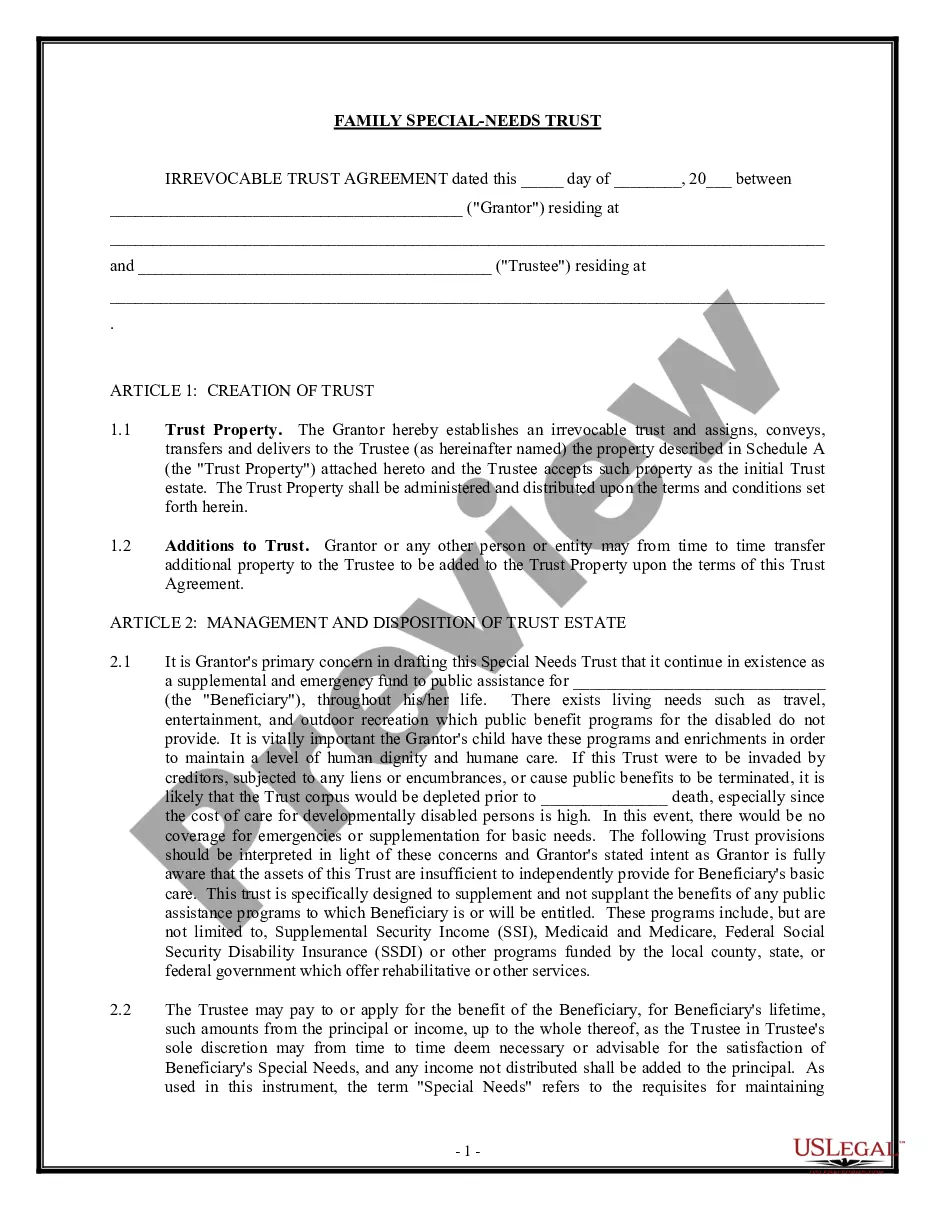
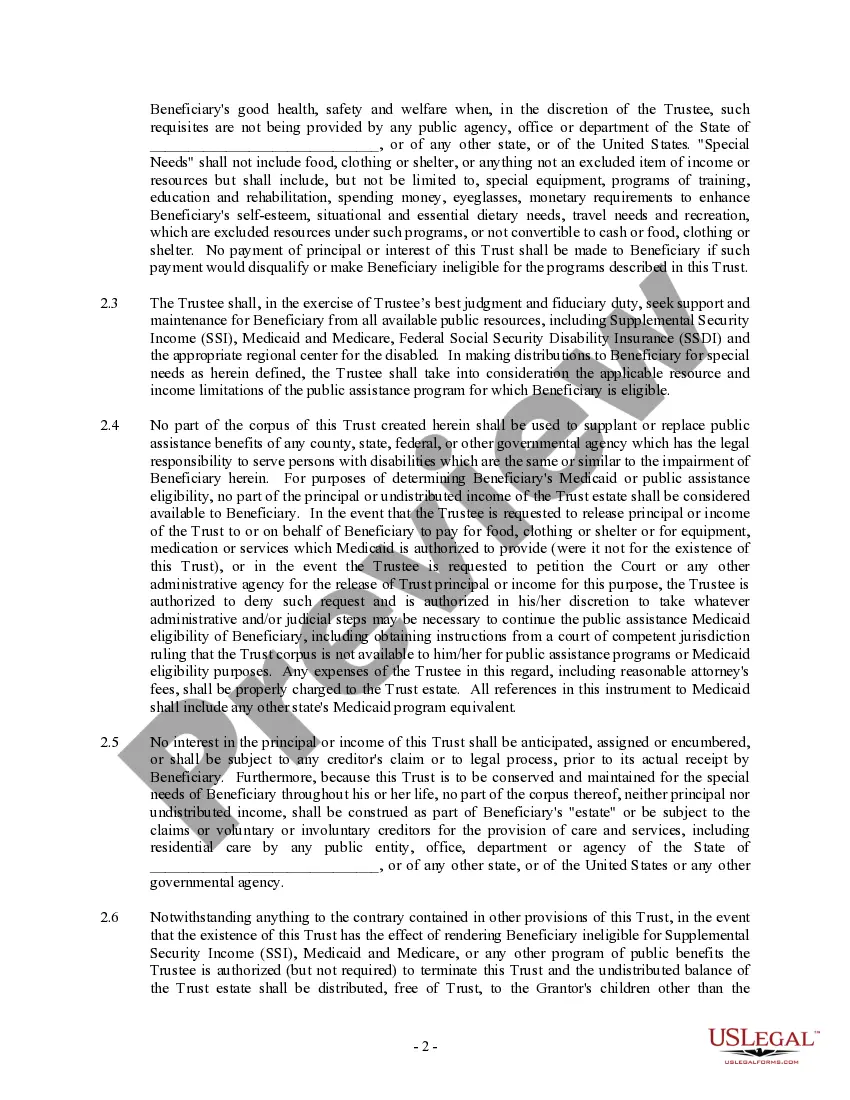
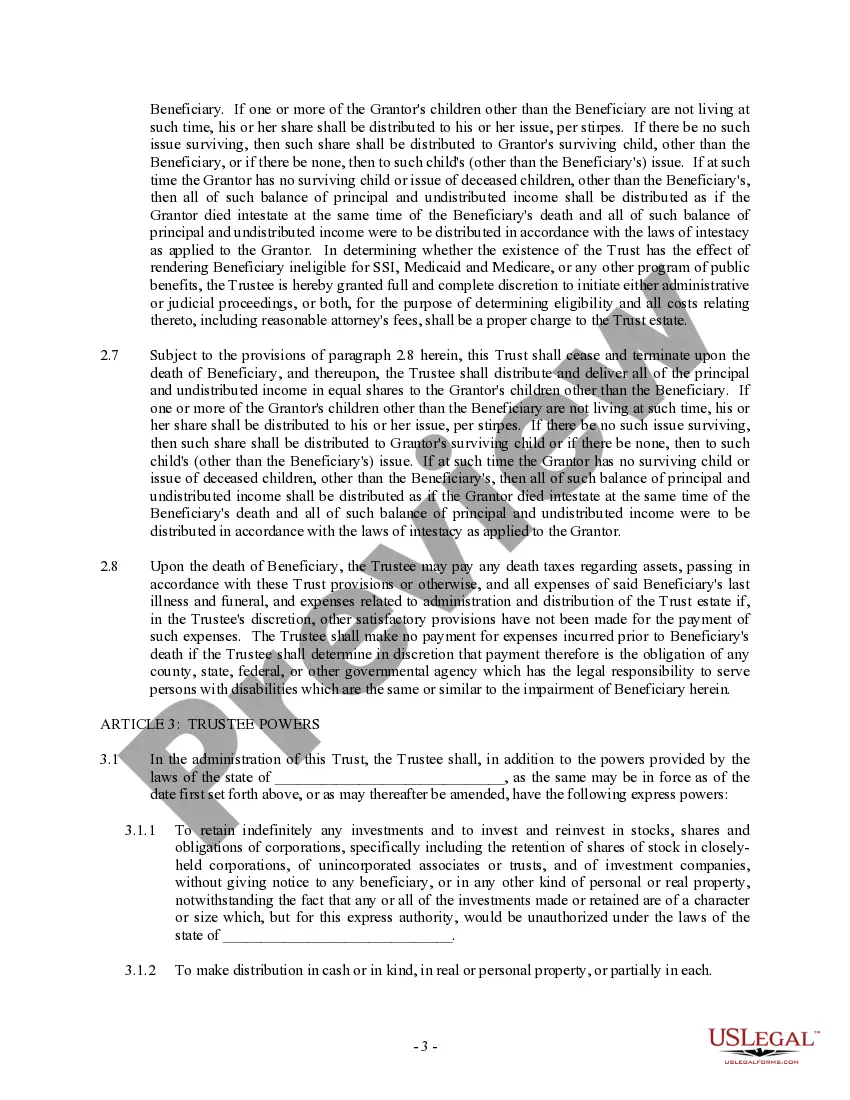
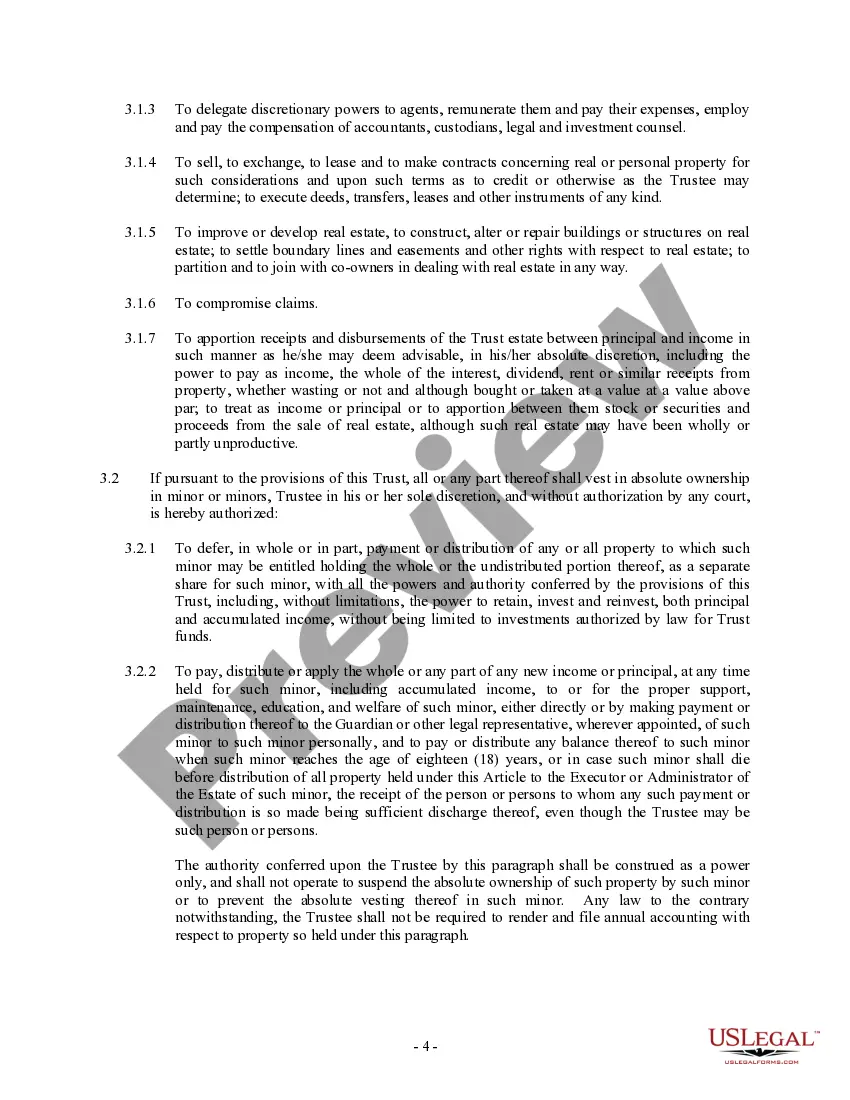


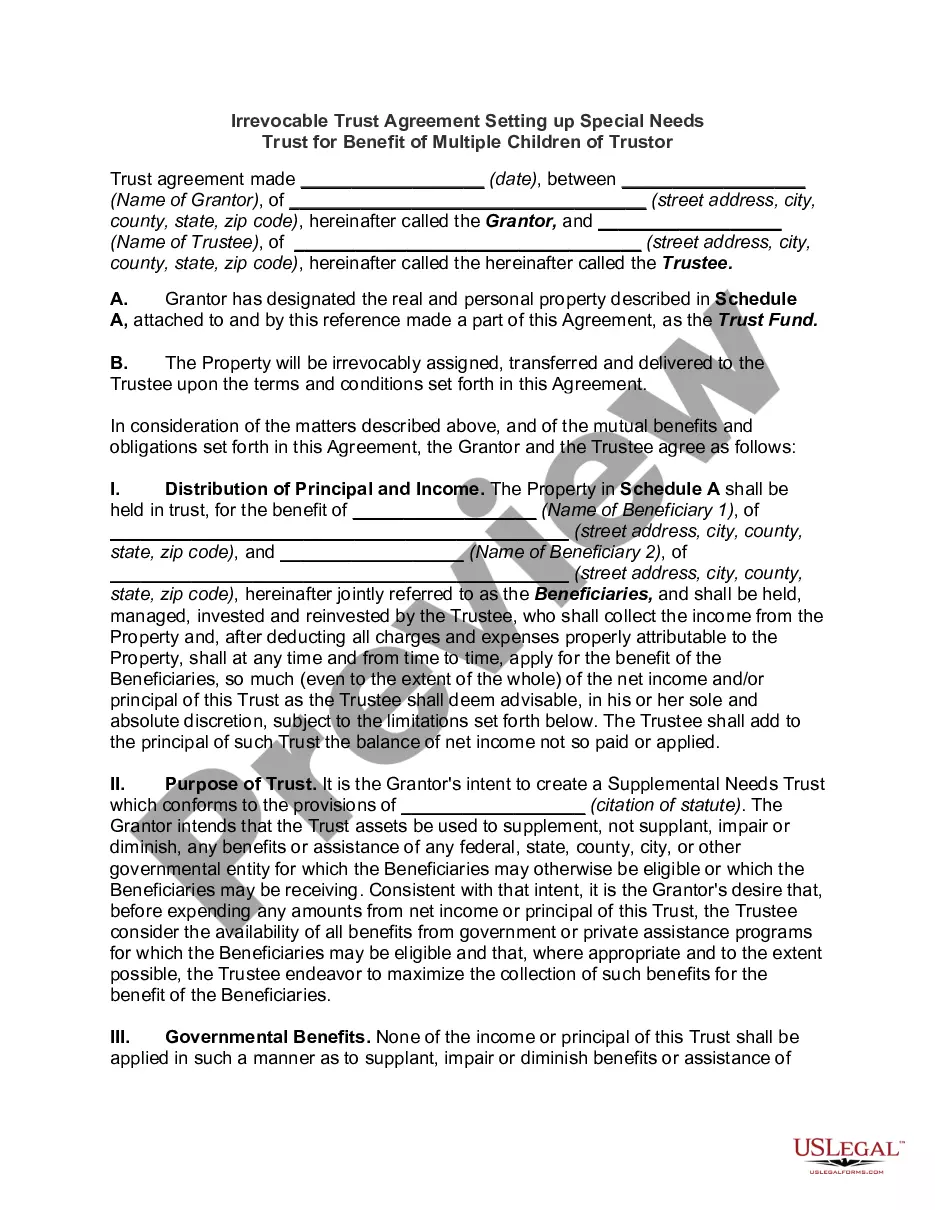
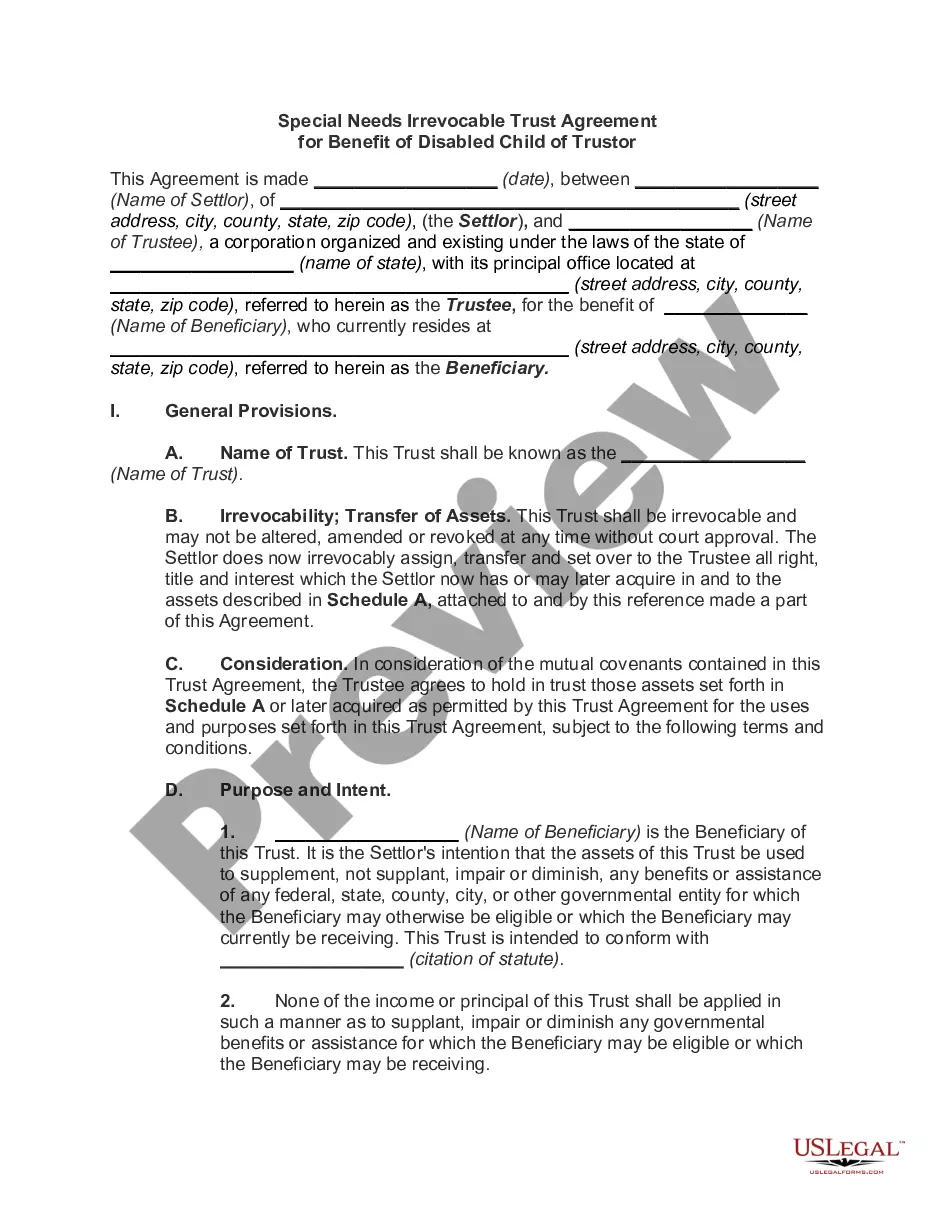
Get your form ready online
Our built-in tools help you complete, sign, share, and store your documents in one place.
Make edits, fill in missing information, and update formatting in US Legal Forms—just like you would in MS Word.
Download a copy, print it, send it by email, or mail it via USPS—whatever works best for your next step.
Sign and collect signatures with our SignNow integration. Send to multiple recipients, set reminders, and more. Go Premium to unlock E-Sign.
If this form requires notarization, complete it online through a secure video call—no need to meet a notary in person or wait for an appointment.
We protect your documents and personal data by following strict security and privacy standards.

Make edits, fill in missing information, and update formatting in US Legal Forms—just like you would in MS Word.

Download a copy, print it, send it by email, or mail it via USPS—whatever works best for your next step.

Sign and collect signatures with our SignNow integration. Send to multiple recipients, set reminders, and more. Go Premium to unlock E-Sign.

If this form requires notarization, complete it online through a secure video call—no need to meet a notary in person or wait for an appointment.

We protect your documents and personal data by following strict security and privacy standards.
Looking for another form?








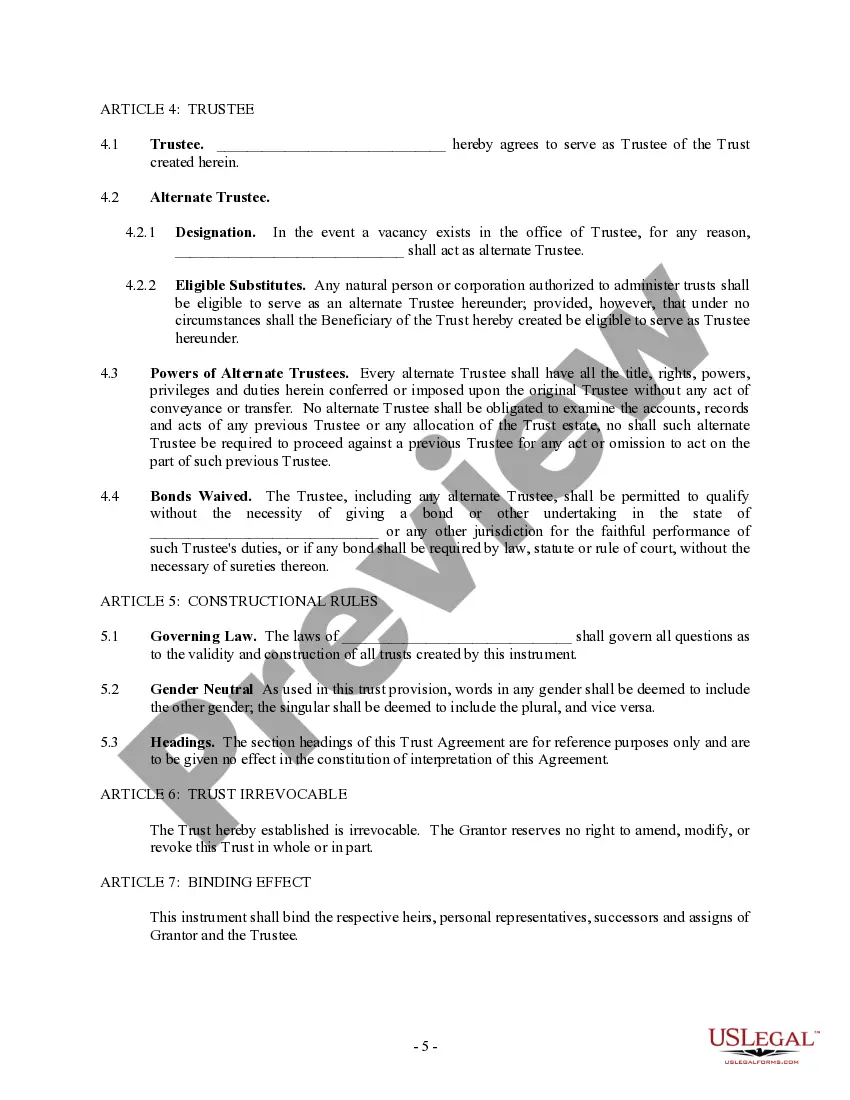
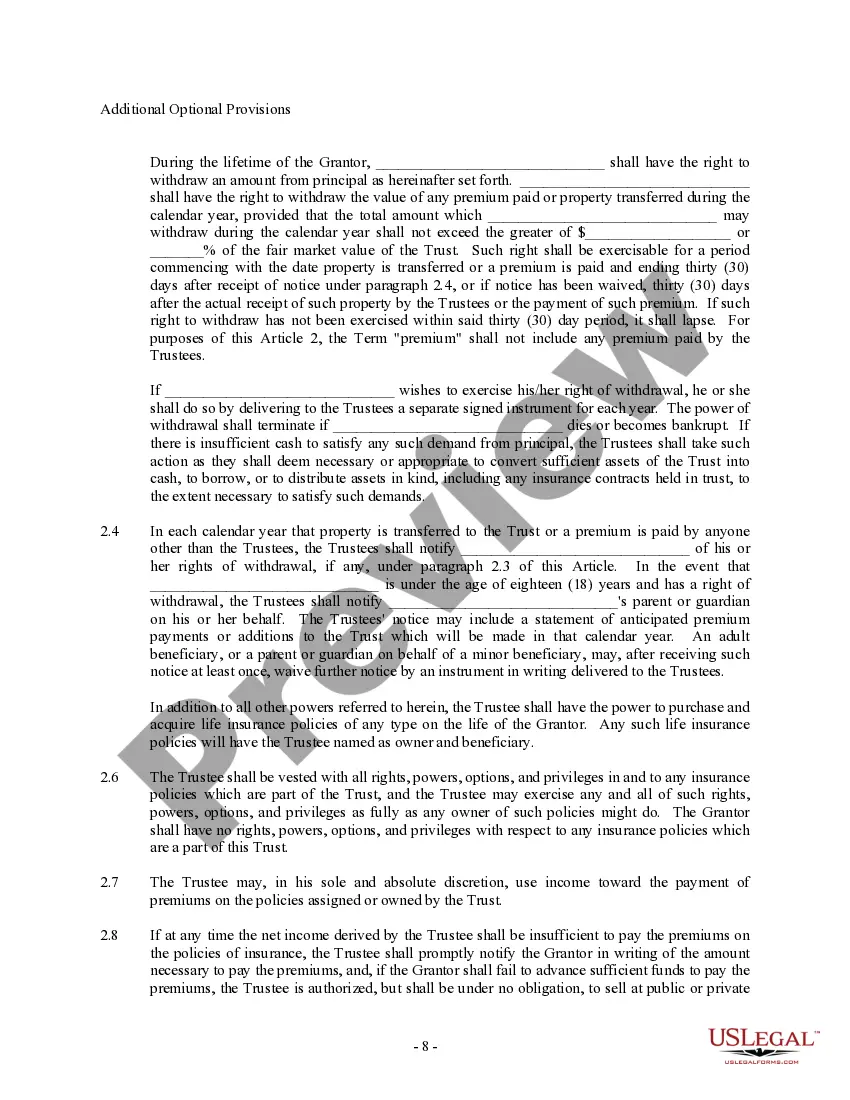
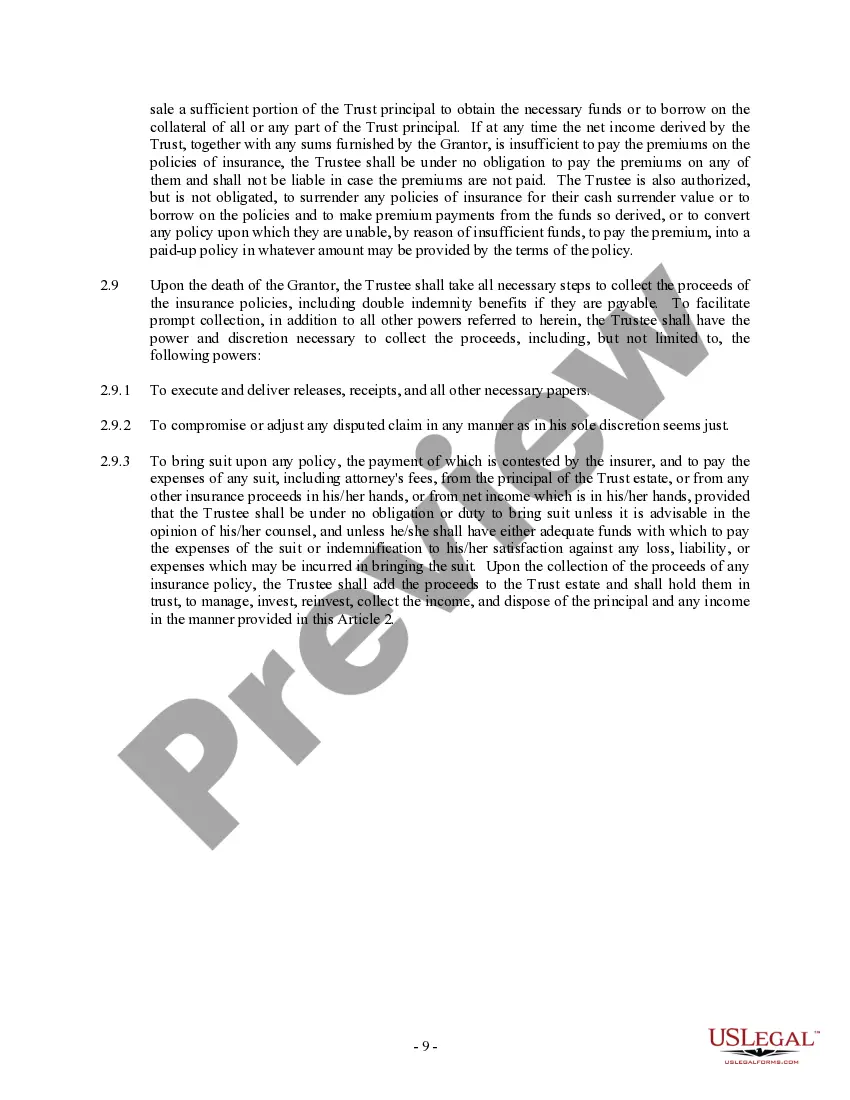
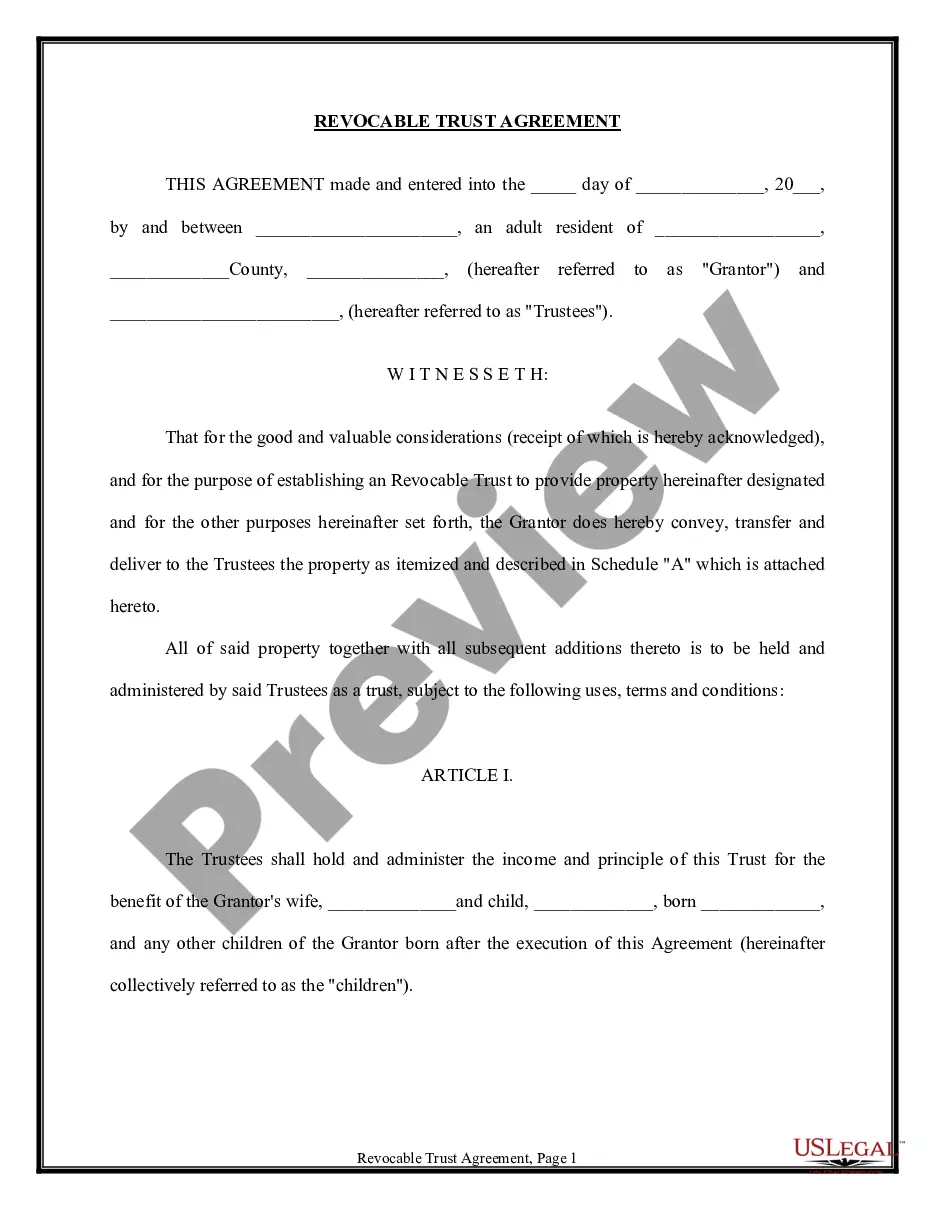
How to fill out Trust Agreement - Family Special Needs?
Creating legal documents from the ground up can occasionally be overwhelming.
Certain cases may require numerous hours of investigation and substantial expenses.
If you’re in search of a simpler and more economical method of generating Family Trust For Dummies or other forms without having to go through unnecessary processes, US Legal Forms is always available to assist.
Our online collection of over 85,000 current legal documents covers nearly every aspect of your financial, legal, and personal affairs. With merely a few clicks, you can promptly acquire state- and county-compliant forms carefully assembled for you by our legal experts.
US Legal Forms boasts a pristine reputation and over 25 years of experience. Join us today and make document completion something effortless and efficient!
- Utilize our platform whenever you require dependable and trustworthy services to swiftly discover and download the Family Trust For Dummies.
- If you’re already familiar with our website and have set up an account with us before, simply Log In to your account, find the template and download it immediately or retrieve it again anytime under the My documents section.
- Don't possess an account? No problem. Setting one up takes mere minutes and allows you to explore the library.
- Before diving directly into downloading Family Trust For Dummies, adhere to these suggestions.
- Examine the form preview and descriptions to confirm that you have located the form you need.
Form popularity
FAQ
The primary purpose of a family trust is to manage and protect your assets for future generations. This arrangement helps minimize estate taxes and avoid the lengthy probate process, which can be burdensome for your family. When thinking about family trust for dummies, realize it serves not just as a safety net, but also as a strategic tool to ensure your family’s financial stability. By using a family trust, you enhance the security of your loved ones and maintain your legacy.
A family trust is a legal arrangement where a designated person, known as the trustee, holds and manages assets for the benefit of family members. This setup ensures that your loved ones receive what you intend them to, without the complications of probate. When exploring the concept of family trust for dummies, it’s crucial to understand that you can set specific terms that dictate how and when the assets are distributed. Overall, a family trust provides clarity and control over your family's financial future.
Whether your parents should place their assets in a trust depends on their specific situation. A trust can help avoid probate and manage assets efficiently, benefiting heirs. However, it's vital to evaluate the associated costs and requirements. For further clarity on this topic, reviewing family trust for dummies can provide essential insights, and USLegalForms can assist in creating a trust that meets their needs.
One major downfall of having a trust can be the initial financial outlay required and the continued administration costs. Managing a trust requires time and effort, and any changes to the trust may demand professional assistance. Therefore, it is important to weigh these factors carefully. For straightforward information on the fundamentals, resources like family trust for dummies can make the process clearer.
Filing taxes for a family trust varies depending on the type of trust set up. Generally, the trust itself may need to file Form 1041 with the IRS if it generates income. Beneficiaries may also need to report distributed income on their personal tax returns. For easy-to-follow instructions on this topic, check out guides relating to family trust for dummies or consult USLegalForms for tailored tax advice.
A family trust can have several downsides, such as potential tax implications and upfront costs. Setting up a trust requires legal fees and administrative work, which can deter some families. Furthermore, if not managed correctly, it can complicate estate planning instead of simplifying it. For an easy approach to understanding family trust options, consider resources designed for family trust for dummies.
The biggest mistake often made by parents is not clearly defining the terms of the trust. Ambiguity can lead to confusion among beneficiaries regarding their rights and responsibilities. Additionally, parents may overlook involving legal assistance, which can simplify the process. To avoid these issues, parents can refer to guides on a family trust for dummies and use platforms like USLegalForms for accurate documentation.
One downside of putting assets in a trust is that it can lead to loss of control. Once assets are transferred, the trust becomes the legal owner, and you may not manage those assets directly. Additionally, some trusts may require ongoing maintenance and costs that can add up. For a comprehensive understanding of a family trust for dummies, legal resources can clarify your options, like USLegalForms.
The breakdown of a family trust includes the trustee, beneficiaries, assets, and the trust document itself. The trustee manages the trust, while beneficiaries receive the benefits from the trust assets. The trust document outlines the rules and guidelines for how the assets will be distributed. This straightforward explanation helps clarify what a family trust for dummies should encompass.
The 5 by 5 rule in trust refers to a provision that allows beneficiaries to withdraw up to $5,000 or 5% of the trust assets annually without penalties. This rule helps create flexibility in how beneficiaries access funds while maintaining the overall integrity of the trust. Understanding this concept can be beneficial for those learning about family trust for dummies.