Unit Trust Formula
Description
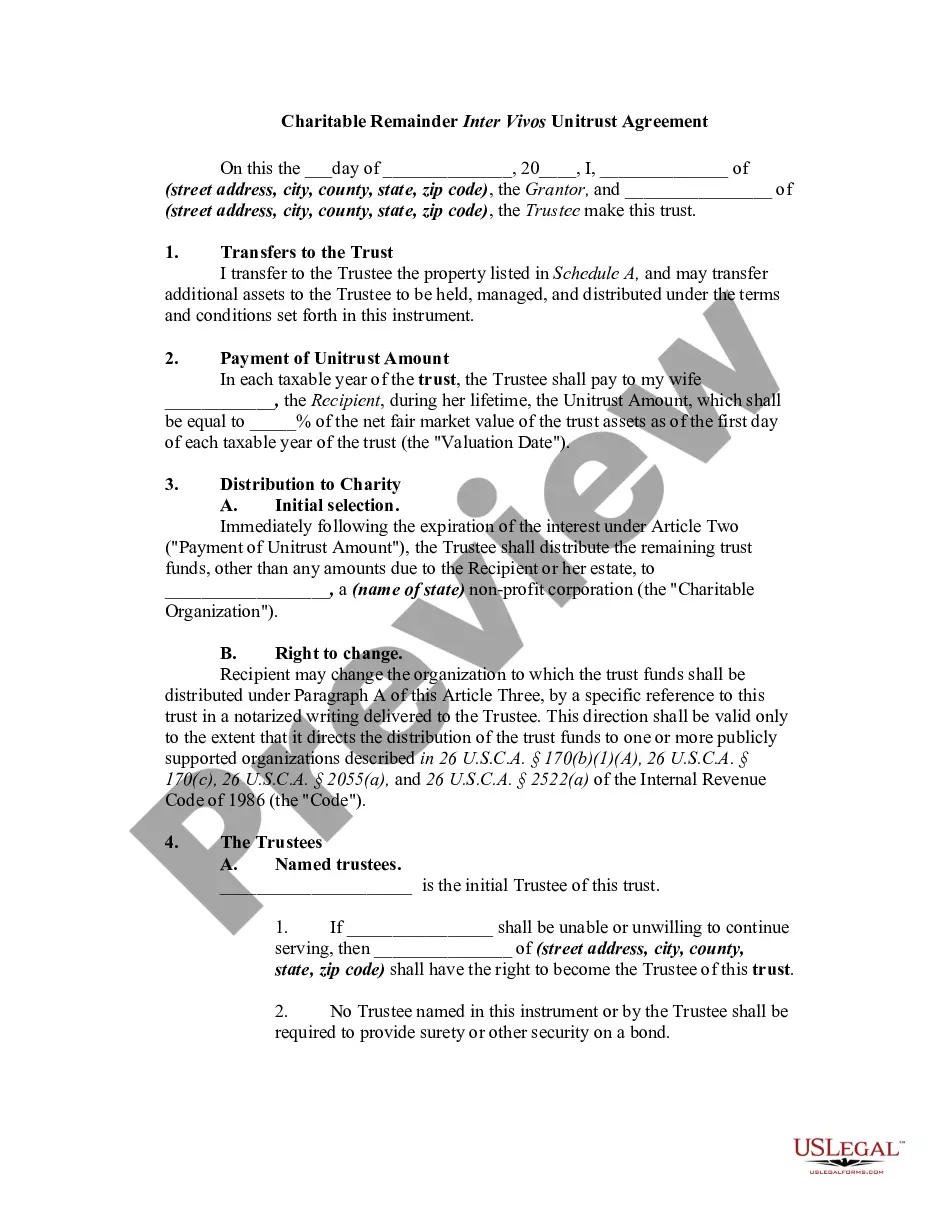
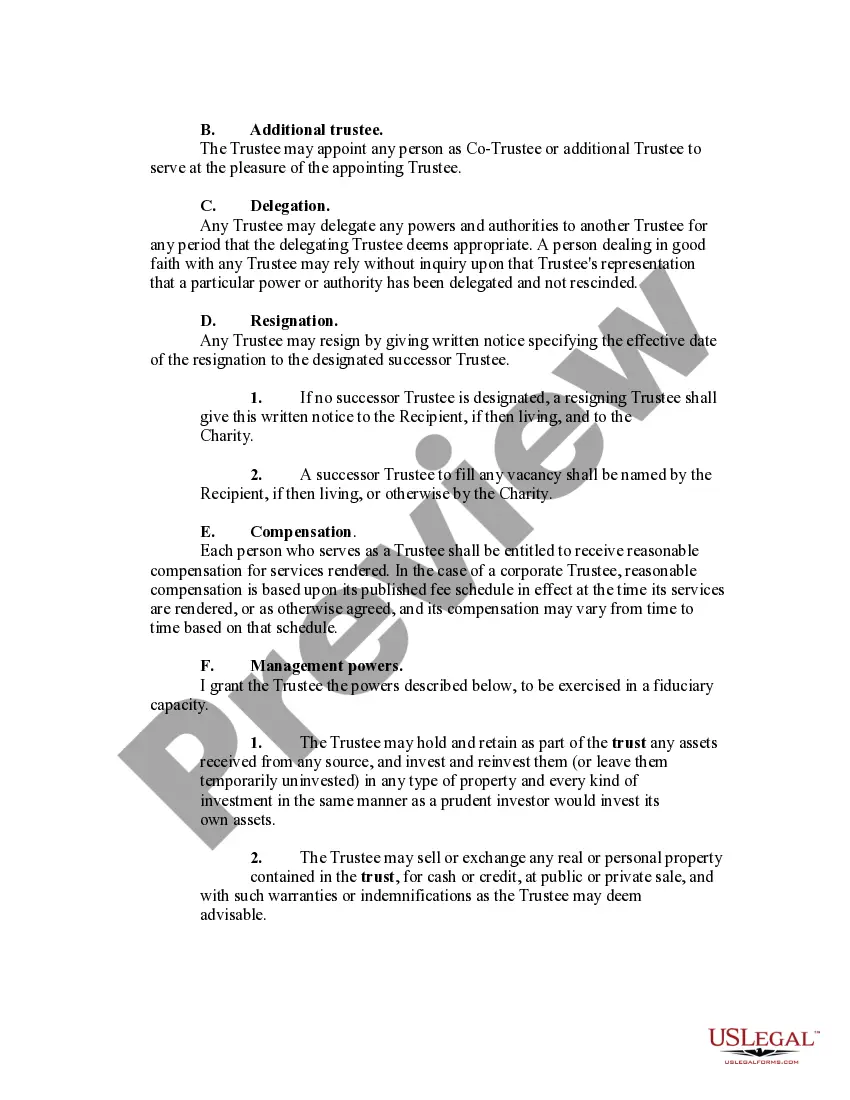
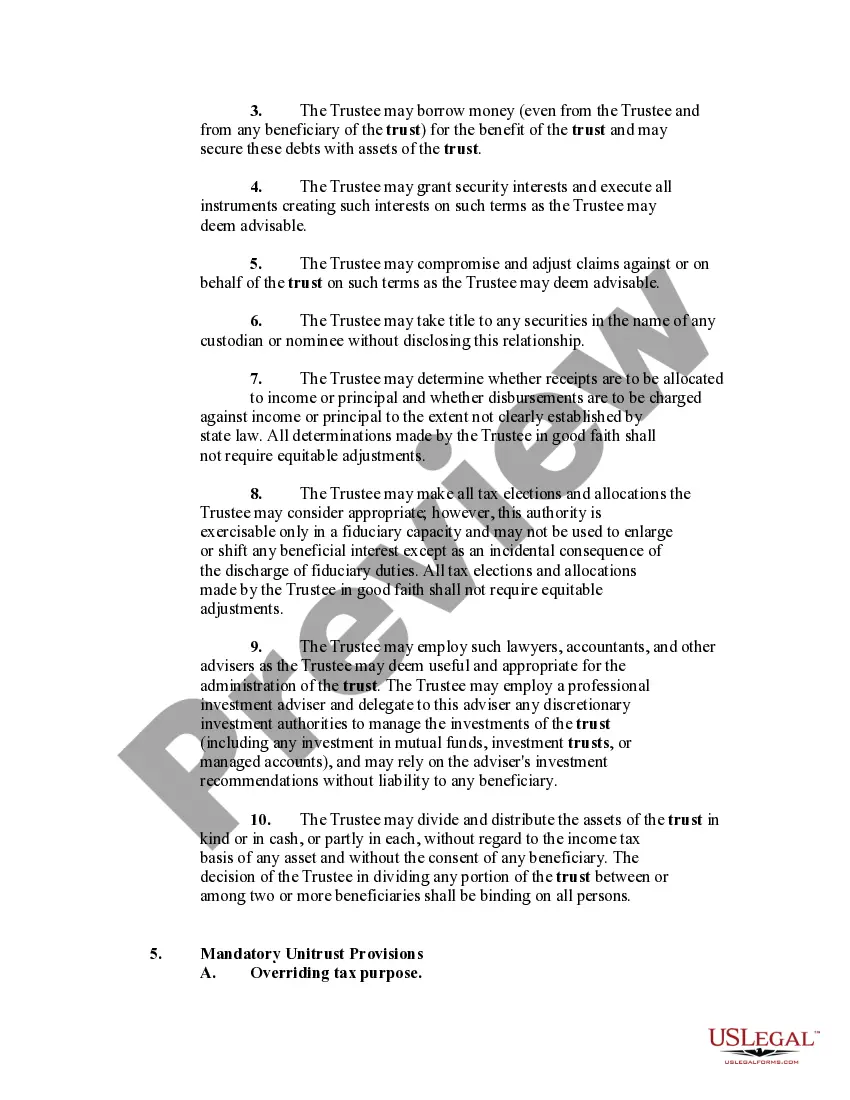
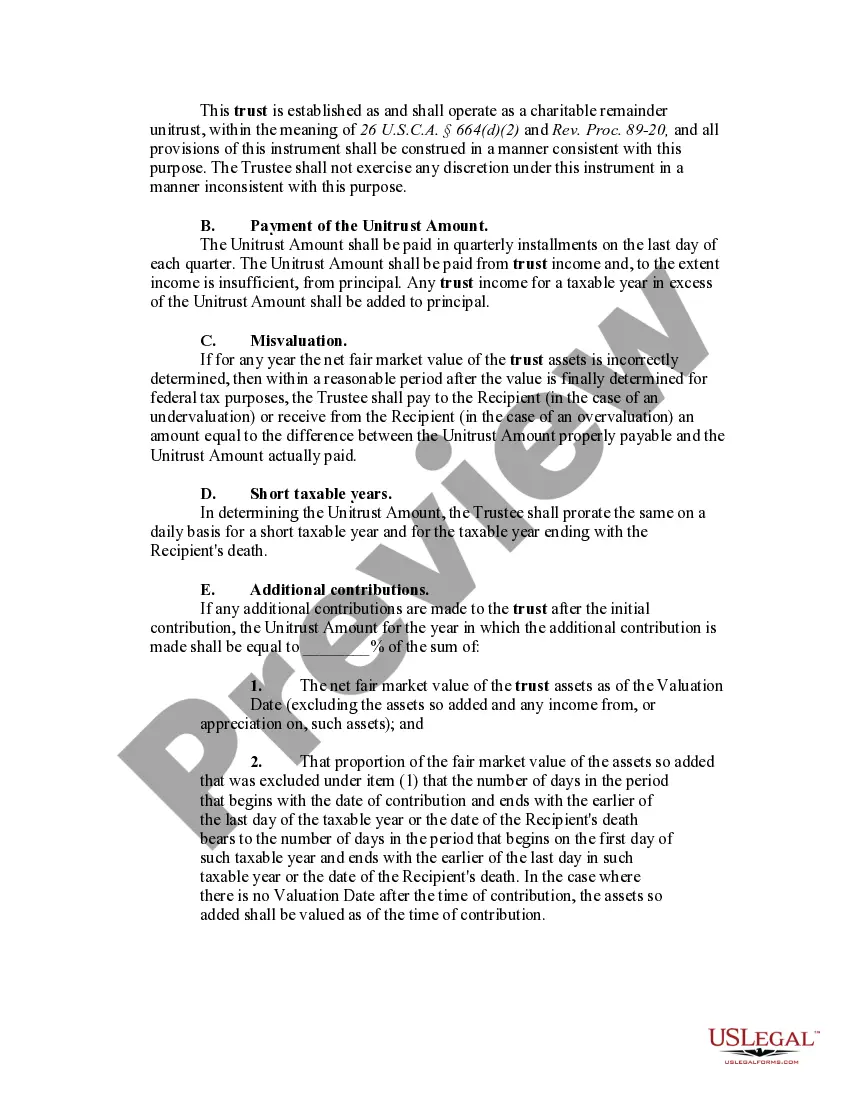
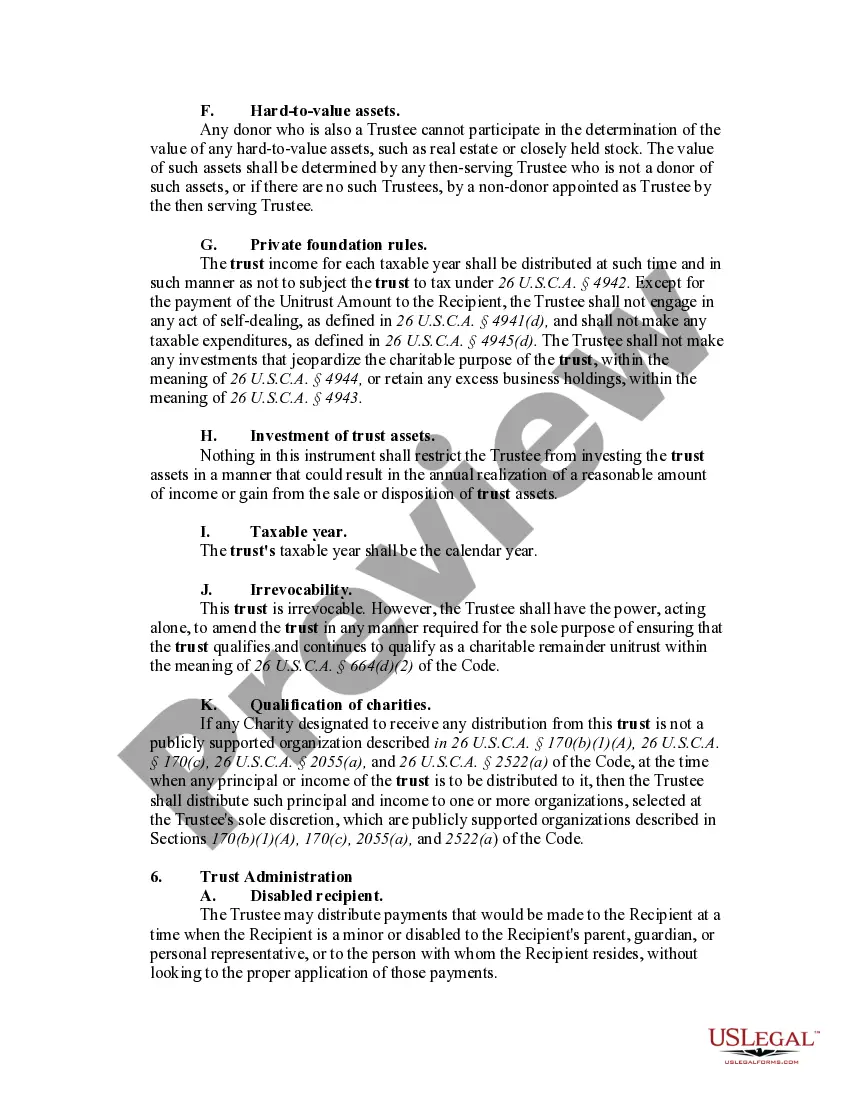
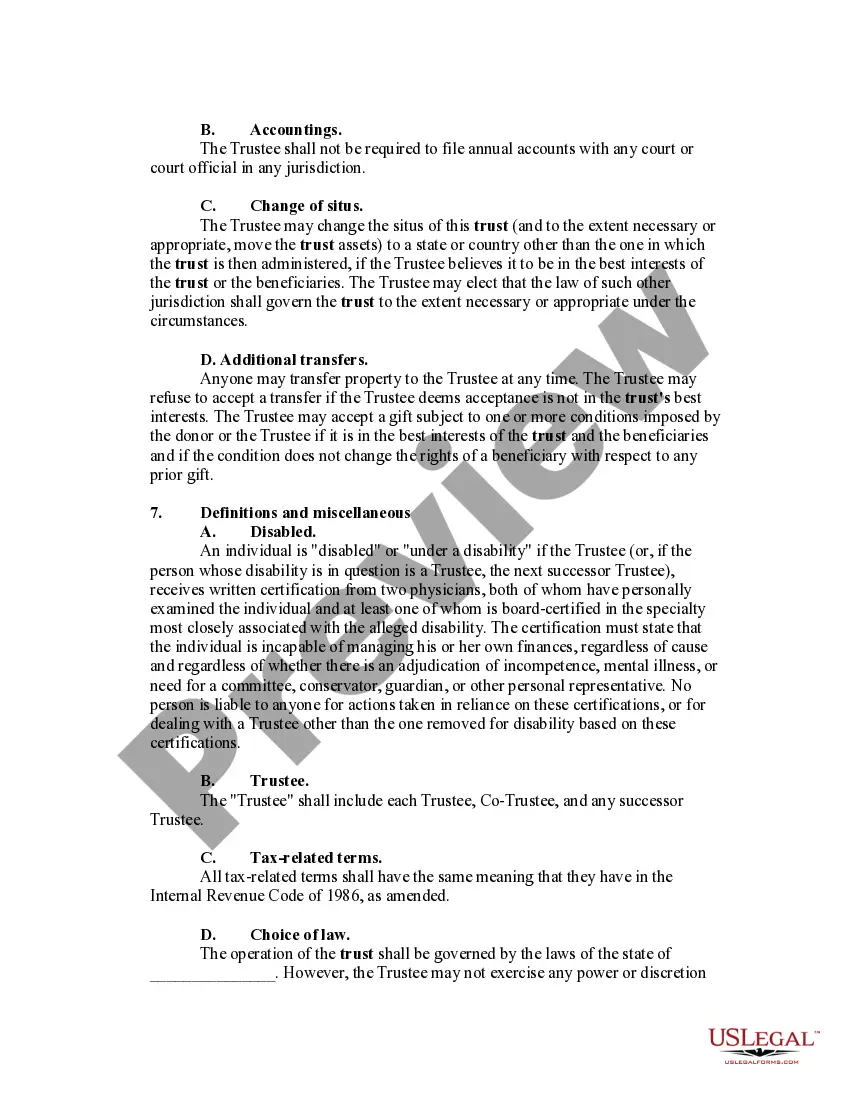
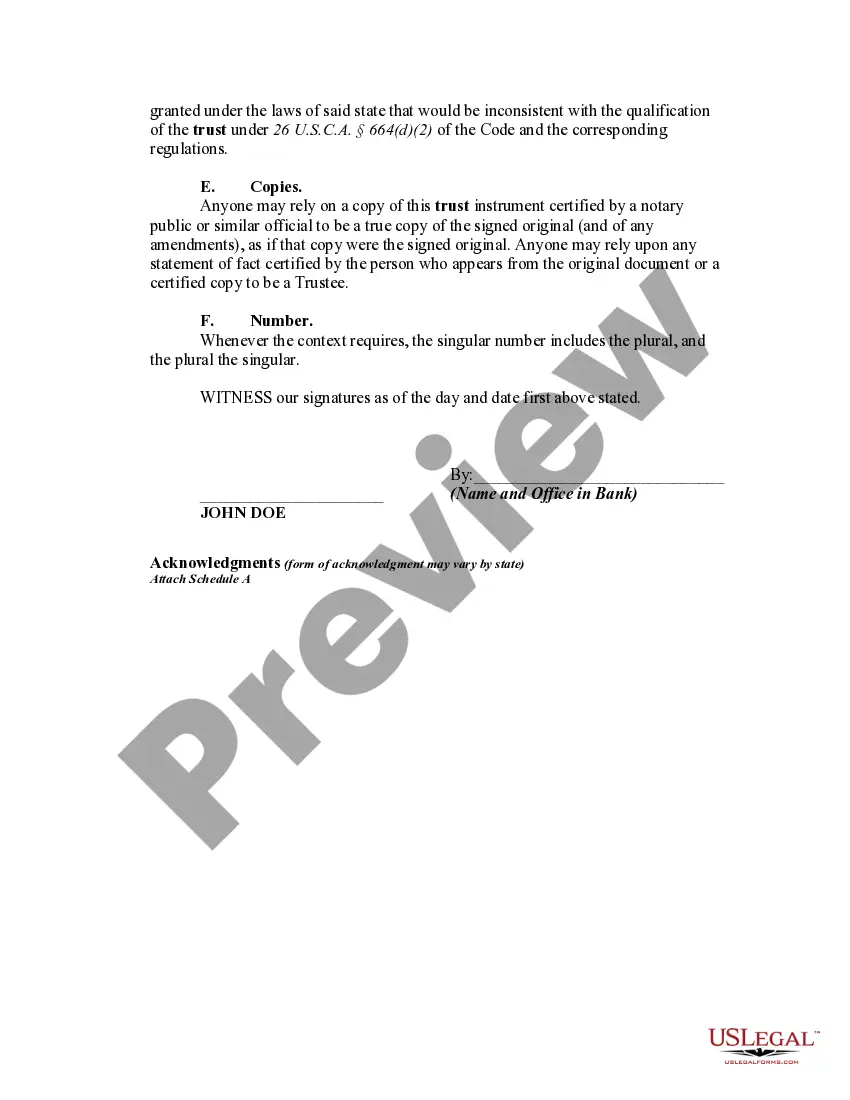
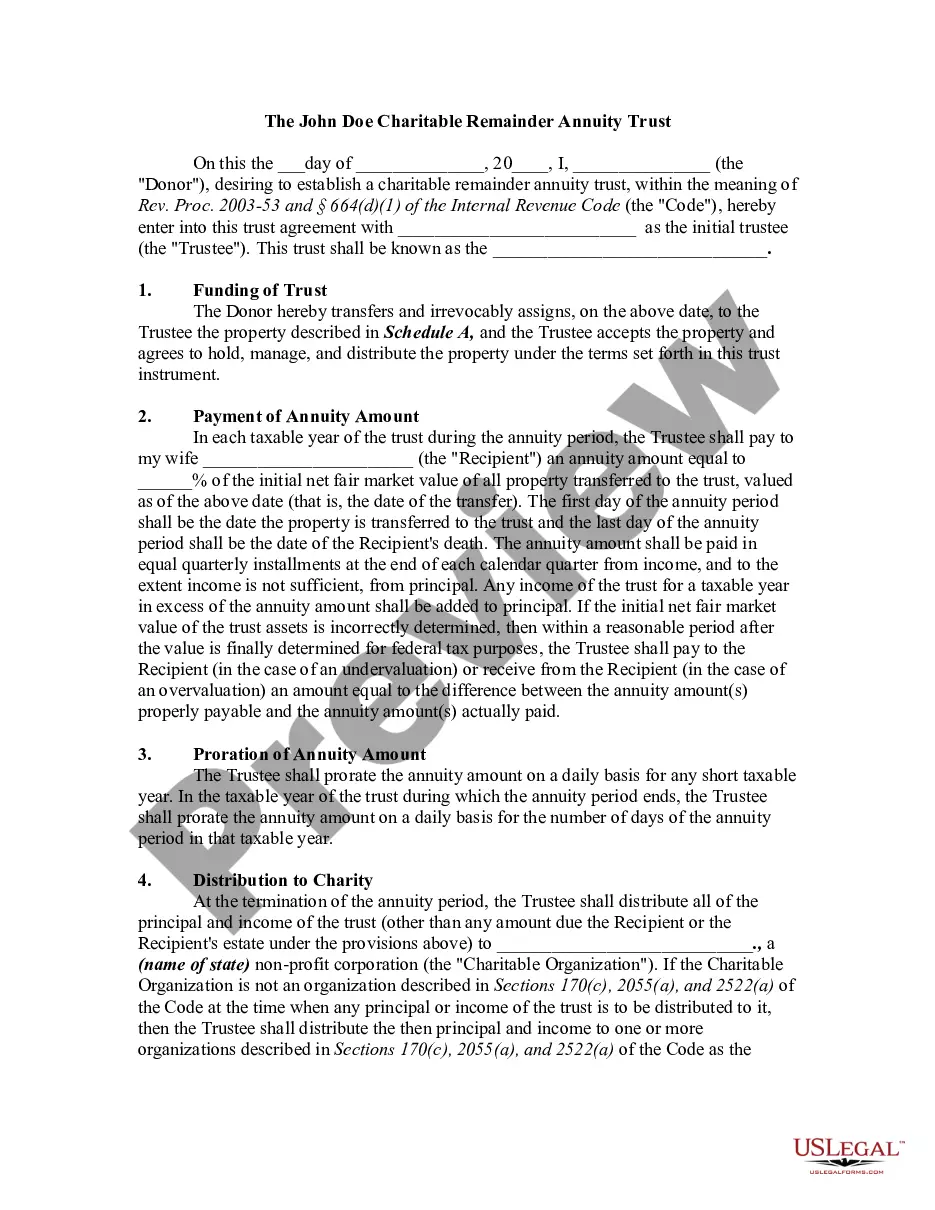
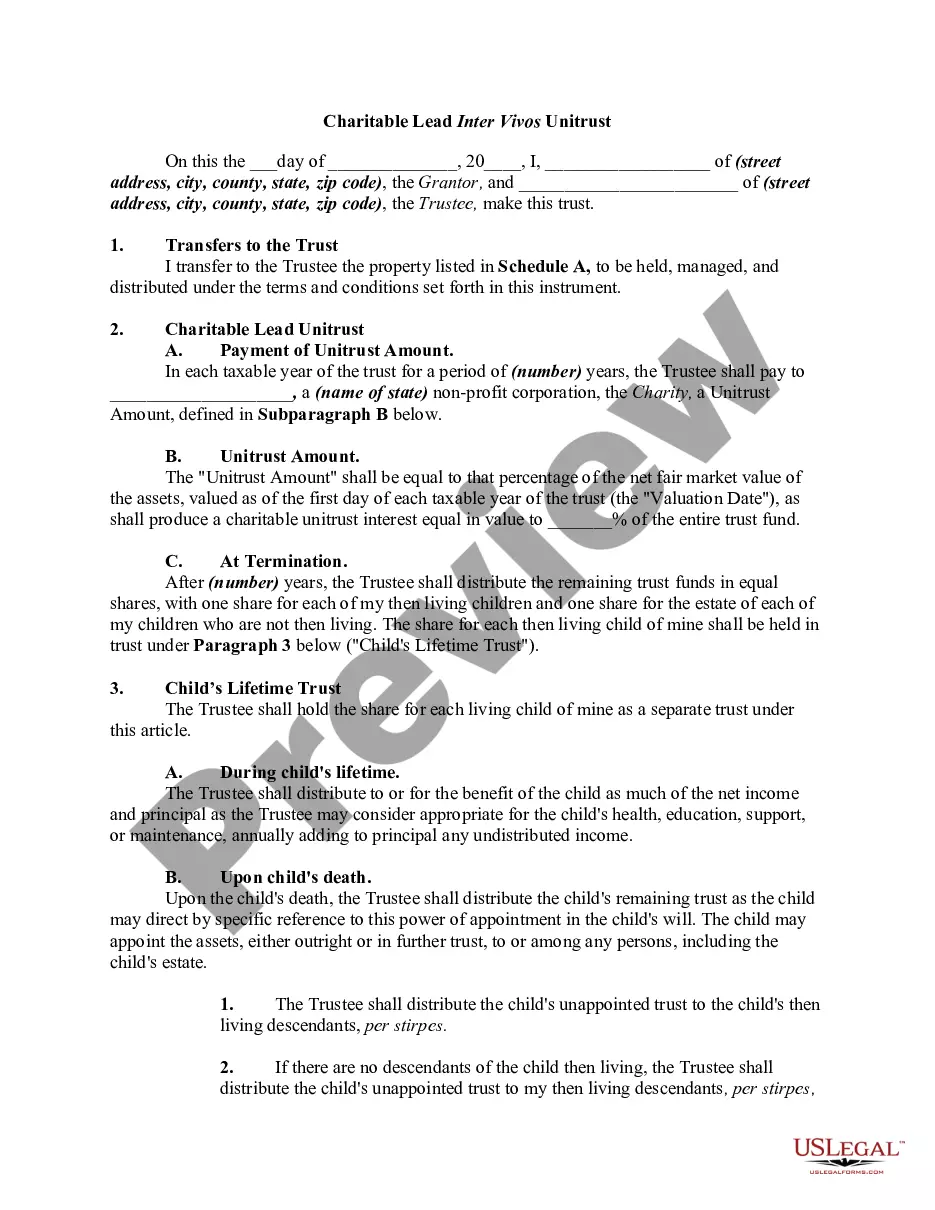
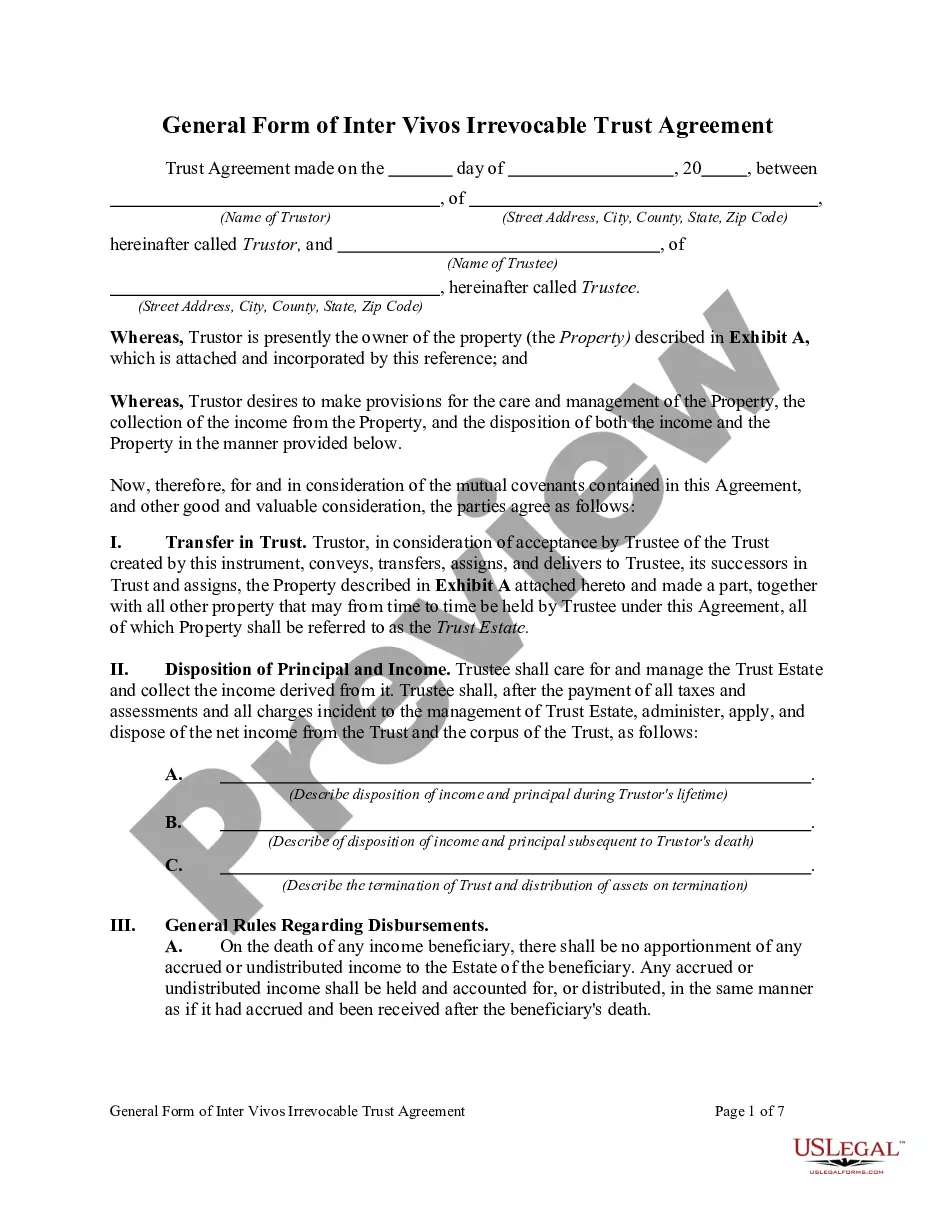
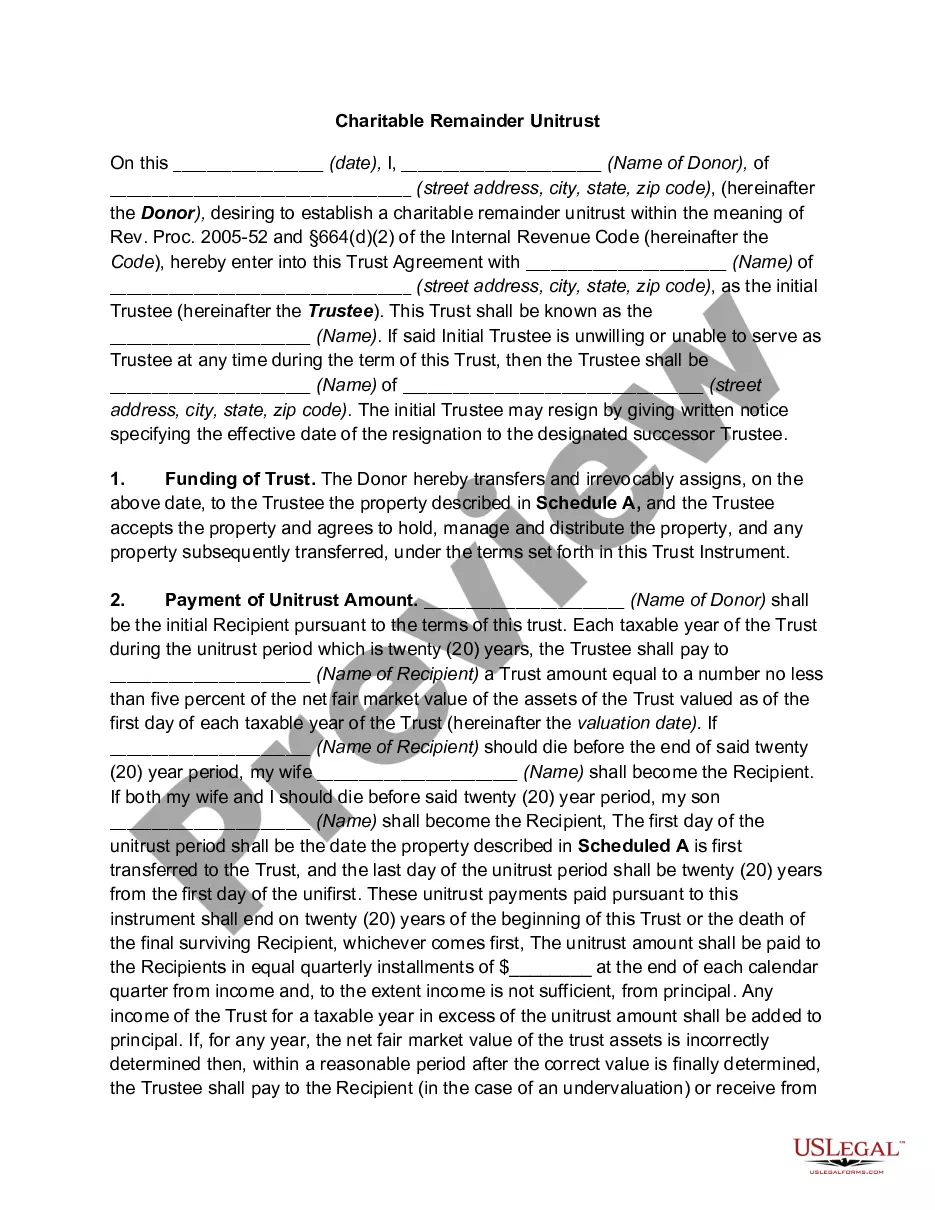
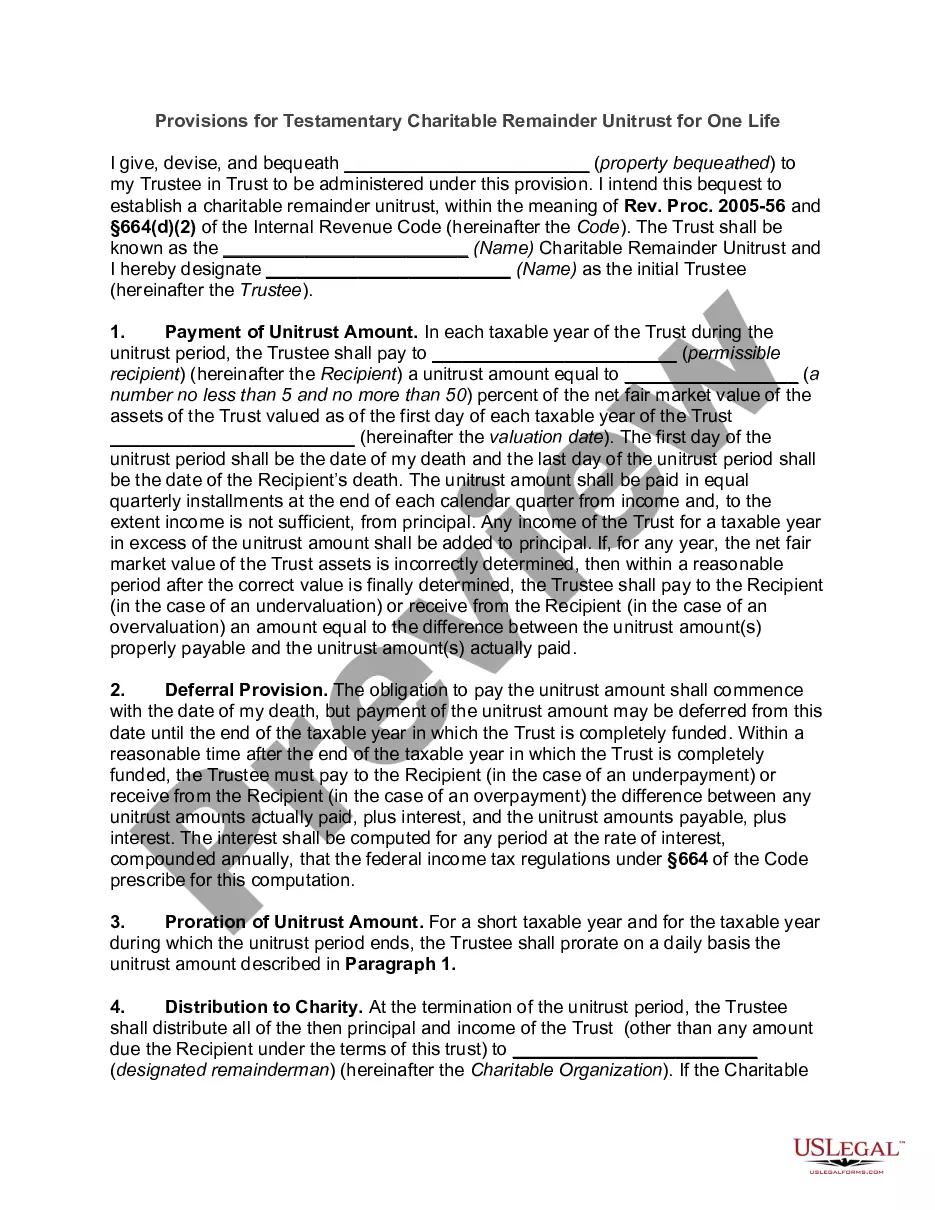
Get your form ready online
Our built-in tools help you complete, sign, share, and store your documents in one place.
Make edits, fill in missing information, and update formatting in US Legal Forms—just like you would in MS Word.
Download a copy, print it, send it by email, or mail it via USPS—whatever works best for your next step.
Sign and collect signatures with our SignNow integration. Send to multiple recipients, set reminders, and more. Go Premium to unlock E-Sign.
If this form requires notarization, complete it online through a secure video call—no need to meet a notary in person or wait for an appointment.
We protect your documents and personal data by following strict security and privacy standards.

Make edits, fill in missing information, and update formatting in US Legal Forms—just like you would in MS Word.

Download a copy, print it, send it by email, or mail it via USPS—whatever works best for your next step.

Sign and collect signatures with our SignNow integration. Send to multiple recipients, set reminders, and more. Go Premium to unlock E-Sign.

If this form requires notarization, complete it online through a secure video call—no need to meet a notary in person or wait for an appointment.

We protect your documents and personal data by following strict security and privacy standards.
Looking for another form?





How to fill out Charitable Remainder Inter Vivos Unitrust Agreement?
Whether for professional purposes or personal affairs, everyone has to tackle legal issues eventually in their life.
Completing legal documents requires meticulous attention, starting with choosing the correct form template.
With an extensive US Legal Forms collection available, you don’t have to waste time searching for the correct sample online. Utilize the library’s straightforward navigation to obtain the suitable template for any situation.
- Obtain the sample you require using the search box or catalog browsing.
- Review the form’s description to confirm it suits your circumstances, state, and county.
- Click on the form’s preview to inspect it.
- If it is not the correct document, return to the search feature to locate the Unit Trust Formula sample you need.
- Download the file if it meets your needs.
- If you possess a US Legal Forms account, simply click Log in to access previously saved templates in My documents.
- If you do not have an account yet, you can acquire the form by clicking Buy now.
- Select the appropriate pricing choice.
- Fill out the account registration form.
- Choose your payment method: you can utilize a credit card or PayPal account.
- Select the format of the document you desire and download the Unit Trust Formula.
- Once saved, you may fill in the form using editing software or print it and complete it manually.
Form popularity
FAQ
The value of a unit trust is determined through its net asset value, calculated by totaling the value of all underlying assets and then subtracting any liabilities. This amount is then divided by the total number of units issued, providing an accurate value per unit. By using the unit trust formula, investors can gain insights into their investments, making it easier to monitor performance and make informed decisions. For users, USLegalForms offers resources that simplify understanding these calculations.
A unit trust operates by pooling funds from multiple investors to create a single investment vehicle. Each investor holds units representing their share of the trust, allowing for diversification across various assets. This collective approach maximizes investment potential while minimizing individual risks. Understanding the unit trust formula helps investors grasp how their contributions help the fund grow, making it an appealing investment strategy.
To calculate the return on investment (ROI) for a unit trust, you start by determining the initial investment value and the current value of your units. Subtract the initial investment from the current value, then divide that figure by the initial investment, and finally multiply by 100 to get a percentage. This straightforward calculation gives you a clear view of how well your unit trust has performed over time. Leveraging the unit trust formula can also guide you in making more strategic investment choices.
While unit trusts offer several benefits, they also have disadvantages. One major downside is the management fees that come with professional fund management, which can reduce overall returns. Additionally, unit trusts may have less liquidity compared to direct investments, limiting your ability to sell quickly in certain market conditions. It's important to weigh these factors against the advantages as you consider the unit trust formula for your investment strategy.
Common examples of unit trusts include equity unit trusts, bond unit trusts, and mixed asset unit trusts. Each type focuses on different asset classes, allowing investors to choose based on their risk tolerance and investment goals. For instance, equity unit trusts primarily invest in stocks, while bond unit trusts focus on fixed-income securities. By exploring various unit trust formulas, you can make informed decisions that align with your financial objectives.
To get into unit trust, start by selecting a financial advisor or investment platform that suits your needs. They will guide you through the process of choosing the right unit trusts for your portfolio. Next, complete the necessary paperwork and funding steps to establish your account. As you invest, consider utilizing the unit trust formula to enhance your understanding of your investment’s performance.
The amount required to invest in a unit trust can vary, but many platforms set a low minimum investment threshold. Typically, you might need to invest at least $1,000 or less, depending on the specific trust. As you explore your options, ensure to review the unit trust formula to find an investment level that suits your budget and goals.
Getting into unit trust involves a few straightforward steps. First, research various unit trusts to find one that aligns with your financial goals. Then, open an investment account through a registered provider or platform that offers access to unit trusts. Finally, utilize the unit trust formula to gauge the potential returns and risks associated with your investment.
To calculate the return on investment (ROI) for a unit trust, subtract the initial investment amount from the final value, then divide by the initial investment and multiply by 100 for percentage. This straightforward calculation helps you assess the effectiveness of your investment strategy. Using the unit trust formula, you can evaluate potential returns effectively.
The formula for a unit trust typically involves the net asset value divided by the number of units issued. This formula provides clarity when assessing the value of your investment. By understanding this, you can better utilize the unit trust formula to optimize your investment strategy.