Trust Remainder
Description
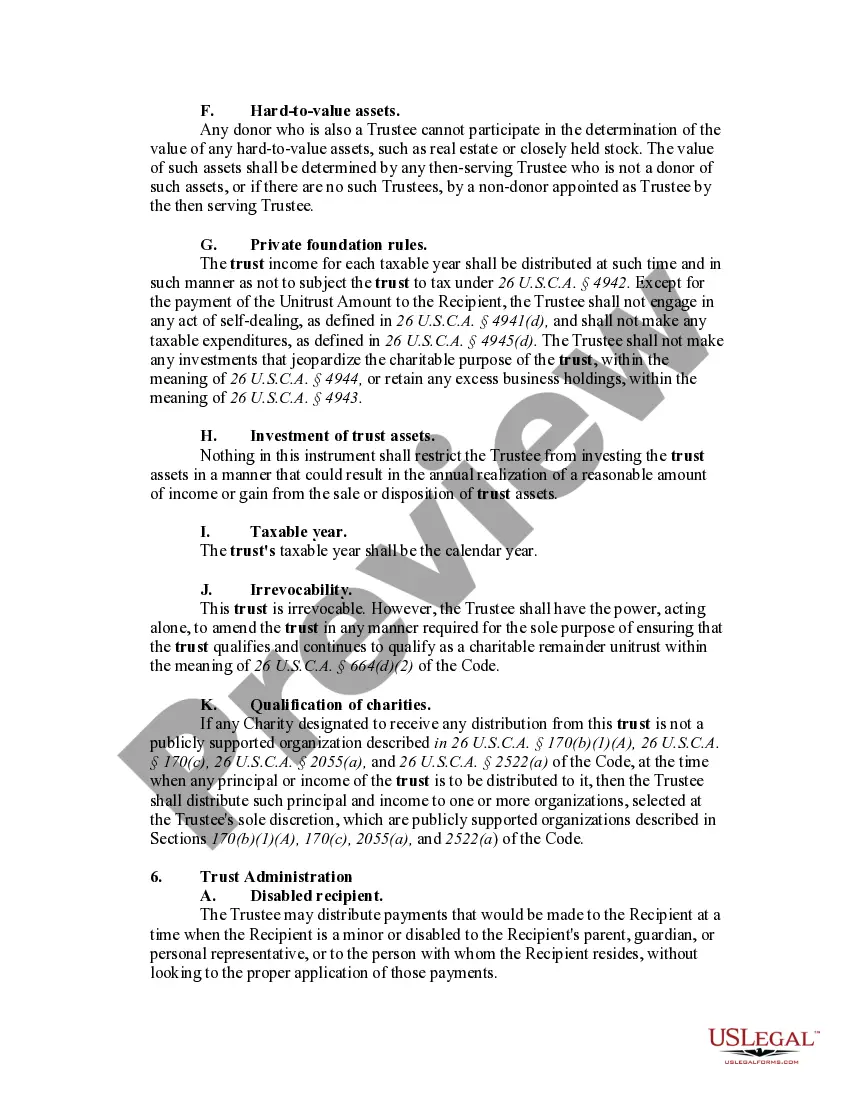
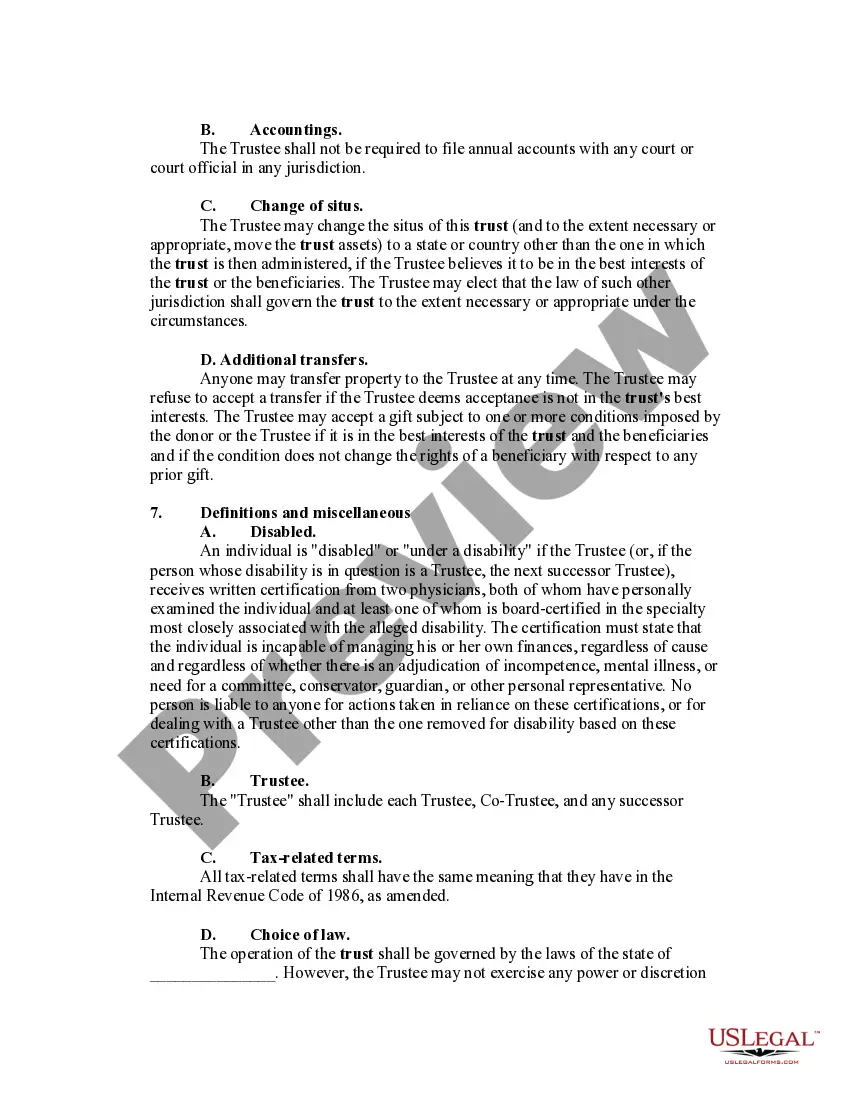
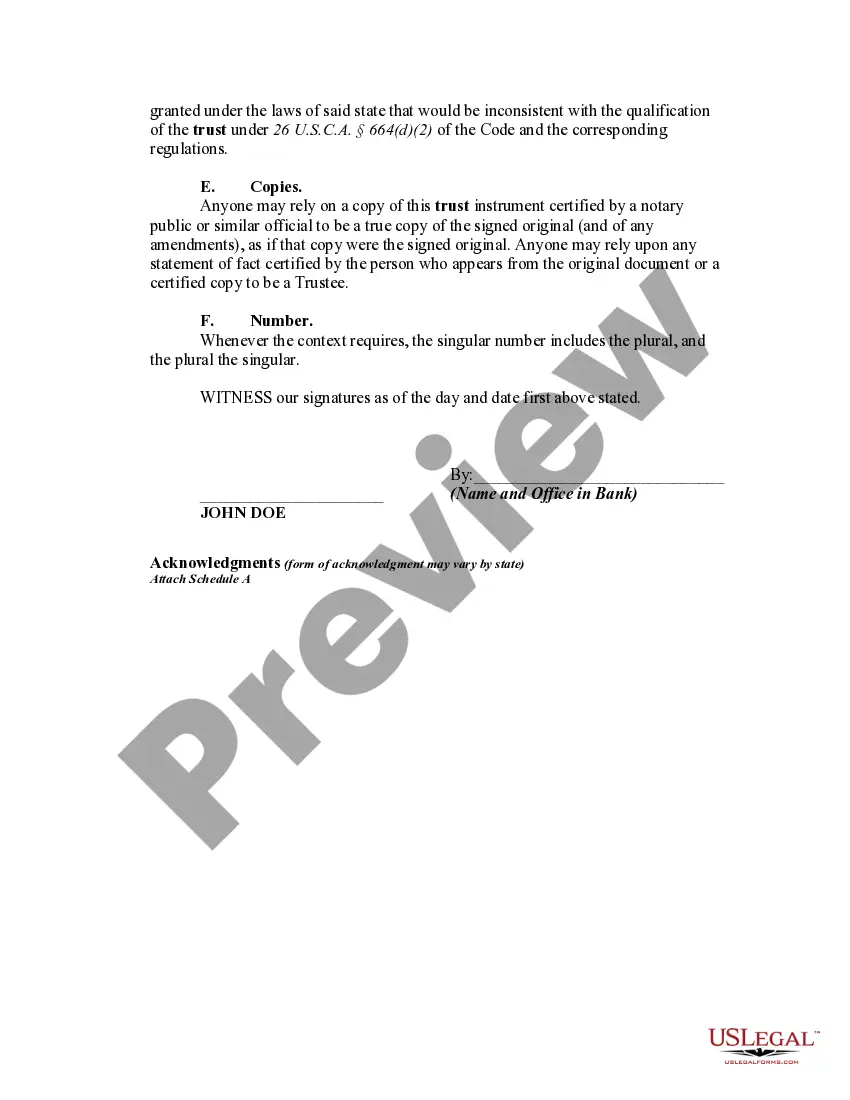
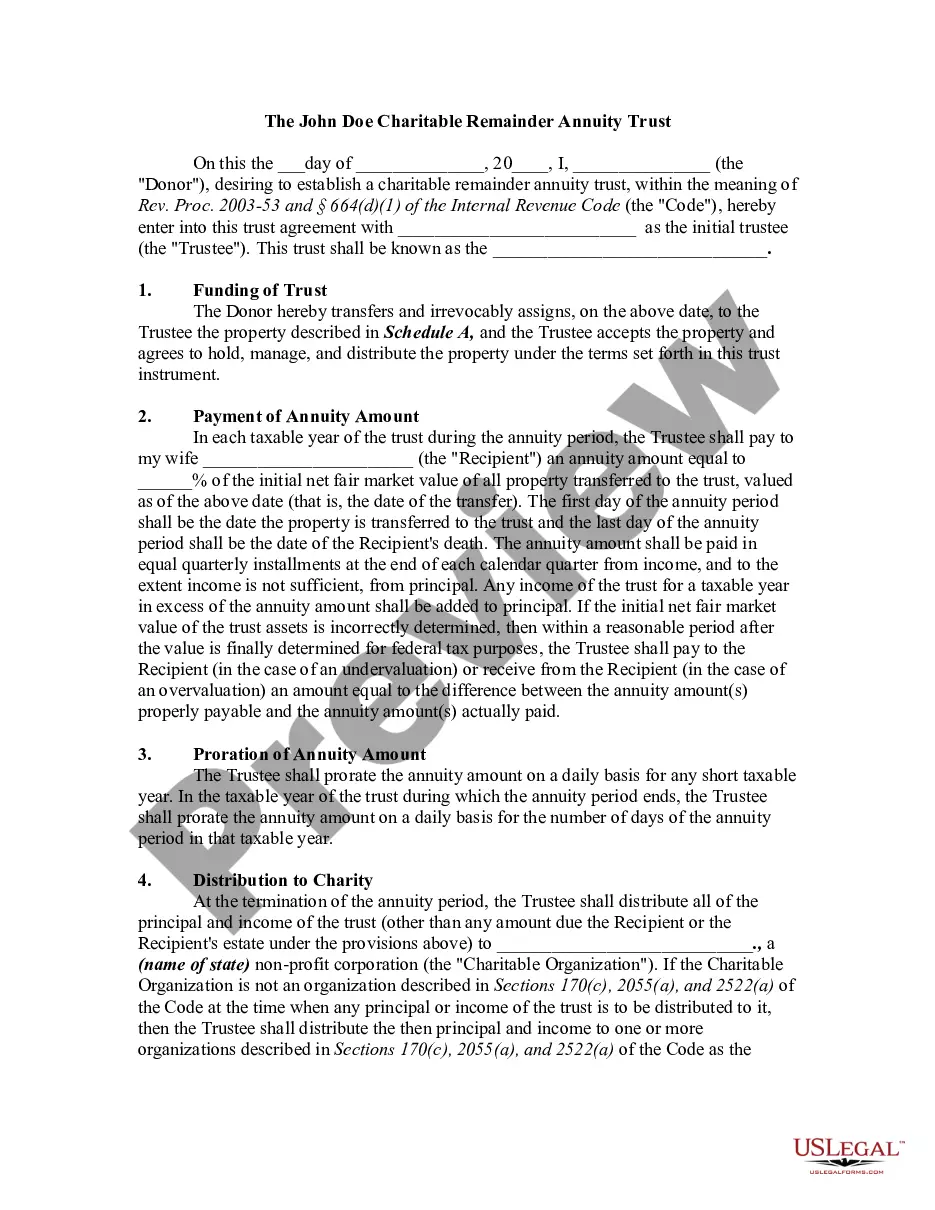
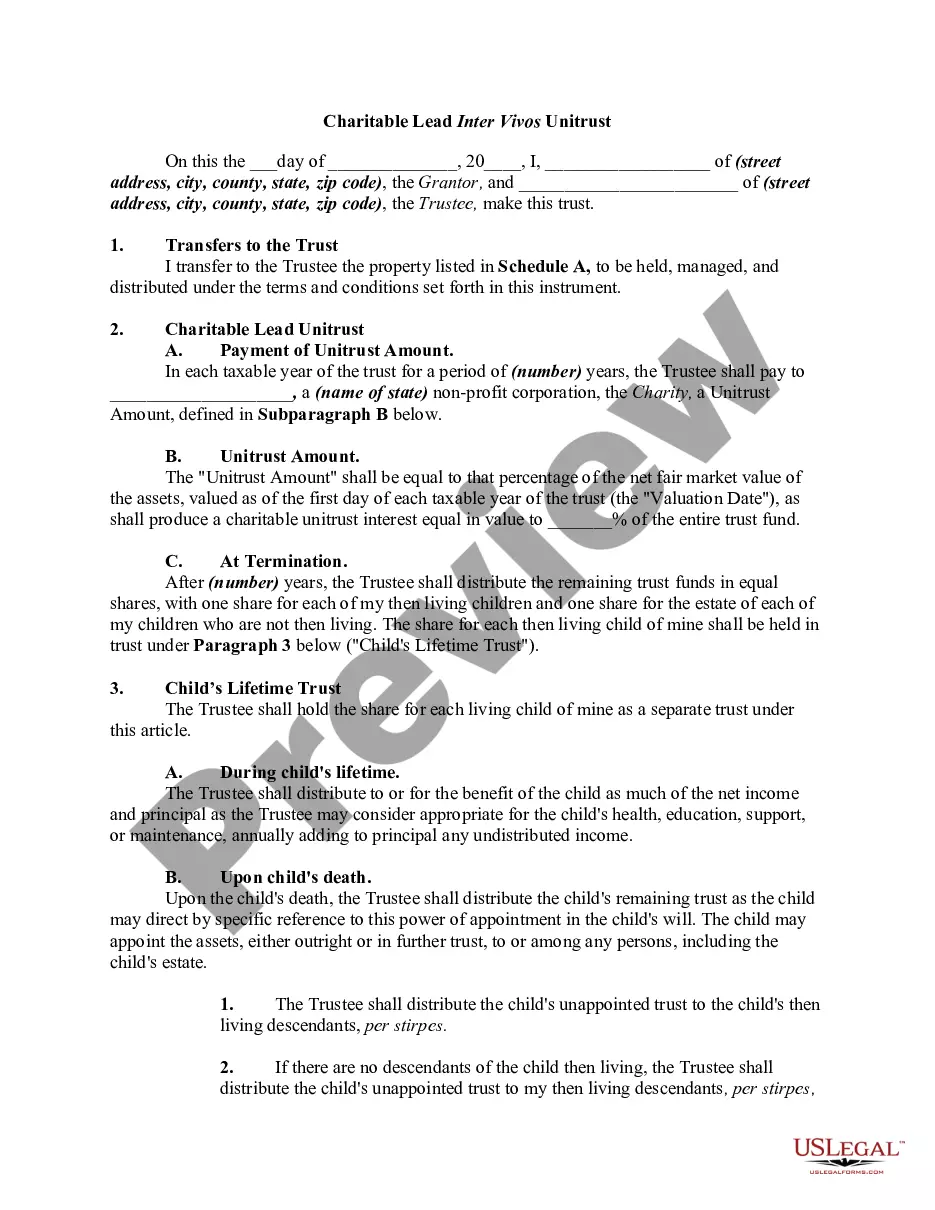
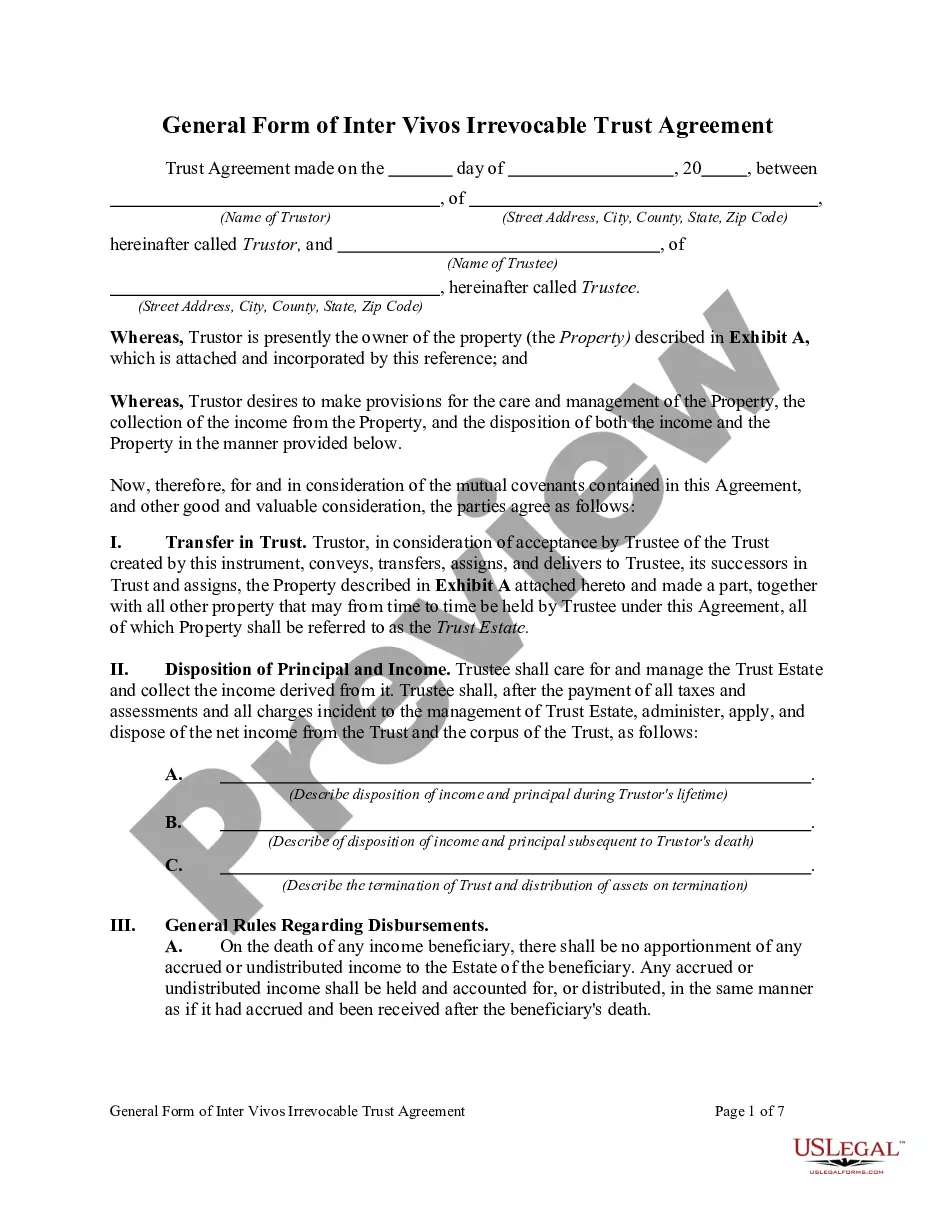
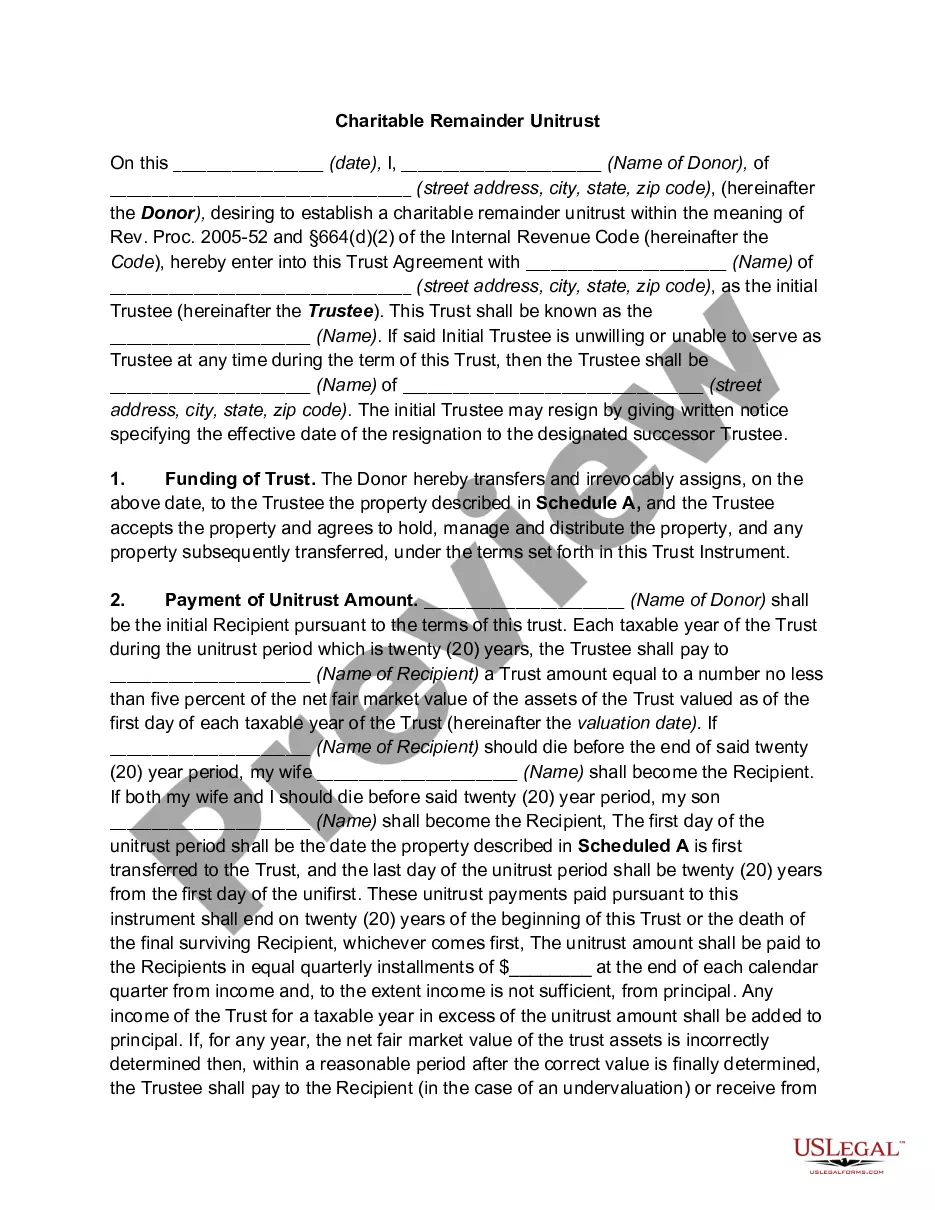
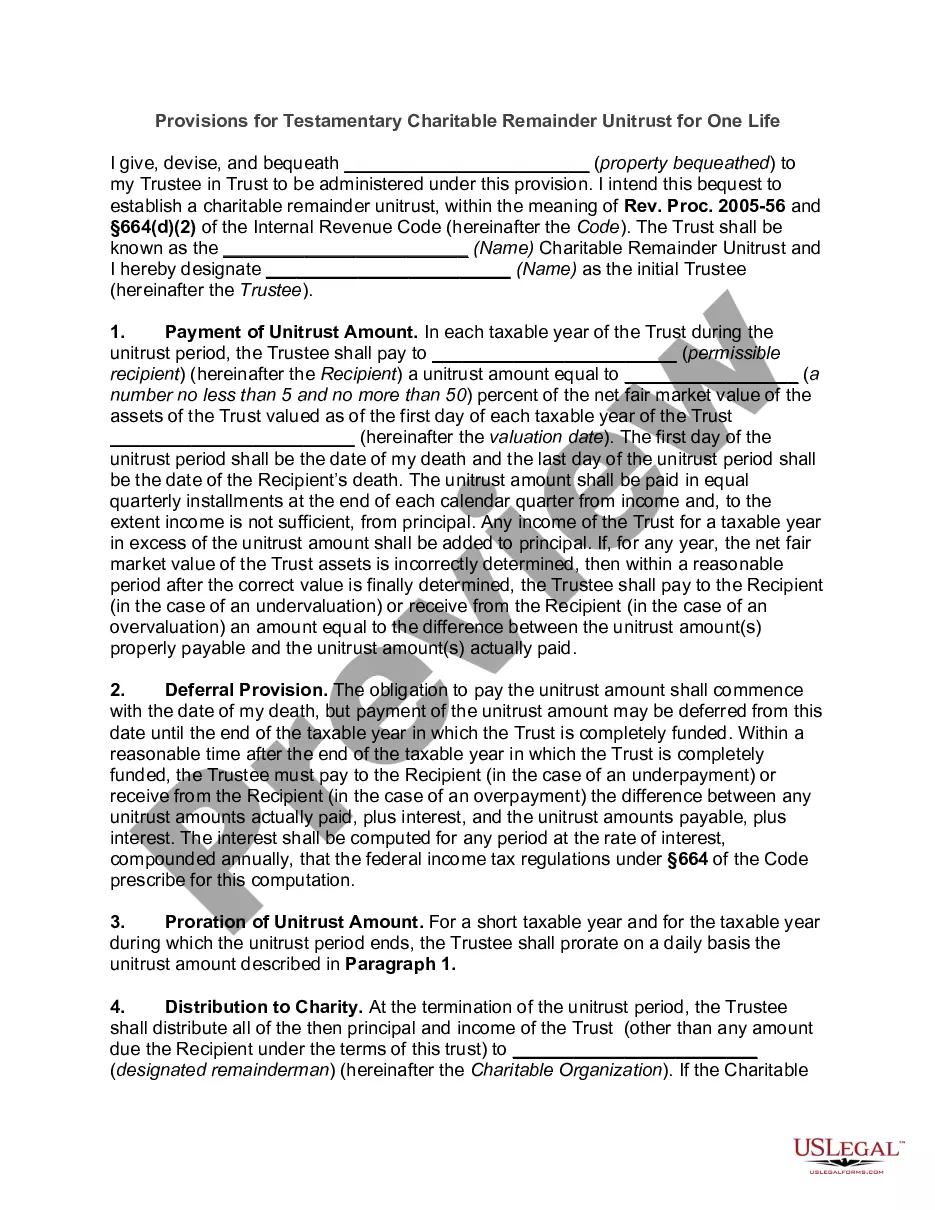
Get your form ready online
Our built-in tools help you complete, sign, share, and store your documents in one place.
Make edits, fill in missing information, and update formatting in US Legal Forms—just like you would in MS Word.
Download a copy, print it, send it by email, or mail it via USPS—whatever works best for your next step.
Sign and collect signatures with our SignNow integration. Send to multiple recipients, set reminders, and more. Go Premium to unlock E-Sign.
If this form requires notarization, complete it online through a secure video call—no need to meet a notary in person or wait for an appointment.
We protect your documents and personal data by following strict security and privacy standards.

Make edits, fill in missing information, and update formatting in US Legal Forms—just like you would in MS Word.

Download a copy, print it, send it by email, or mail it via USPS—whatever works best for your next step.

Sign and collect signatures with our SignNow integration. Send to multiple recipients, set reminders, and more. Go Premium to unlock E-Sign.

If this form requires notarization, complete it online through a secure video call—no need to meet a notary in person or wait for an appointment.

We protect your documents and personal data by following strict security and privacy standards.
Looking for another form?



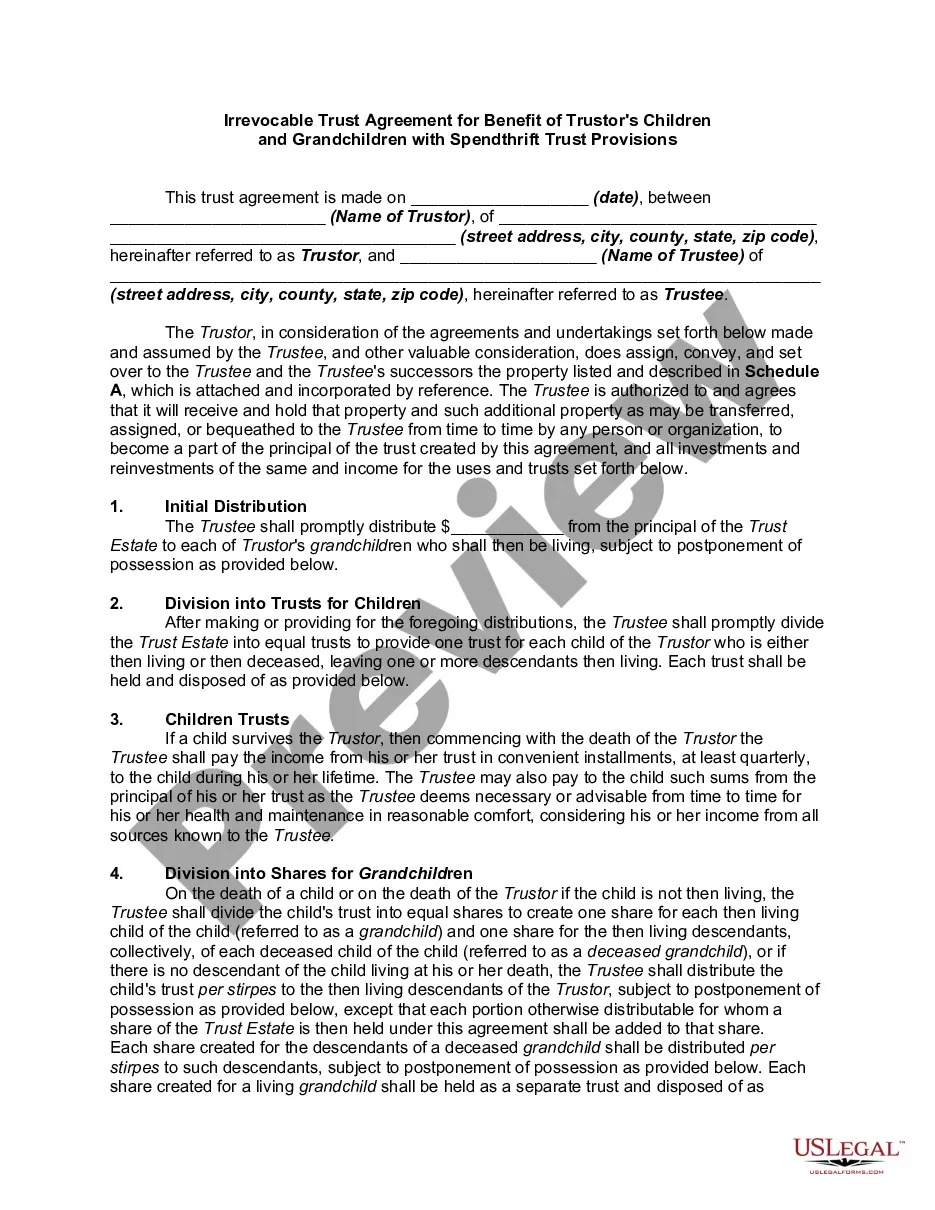




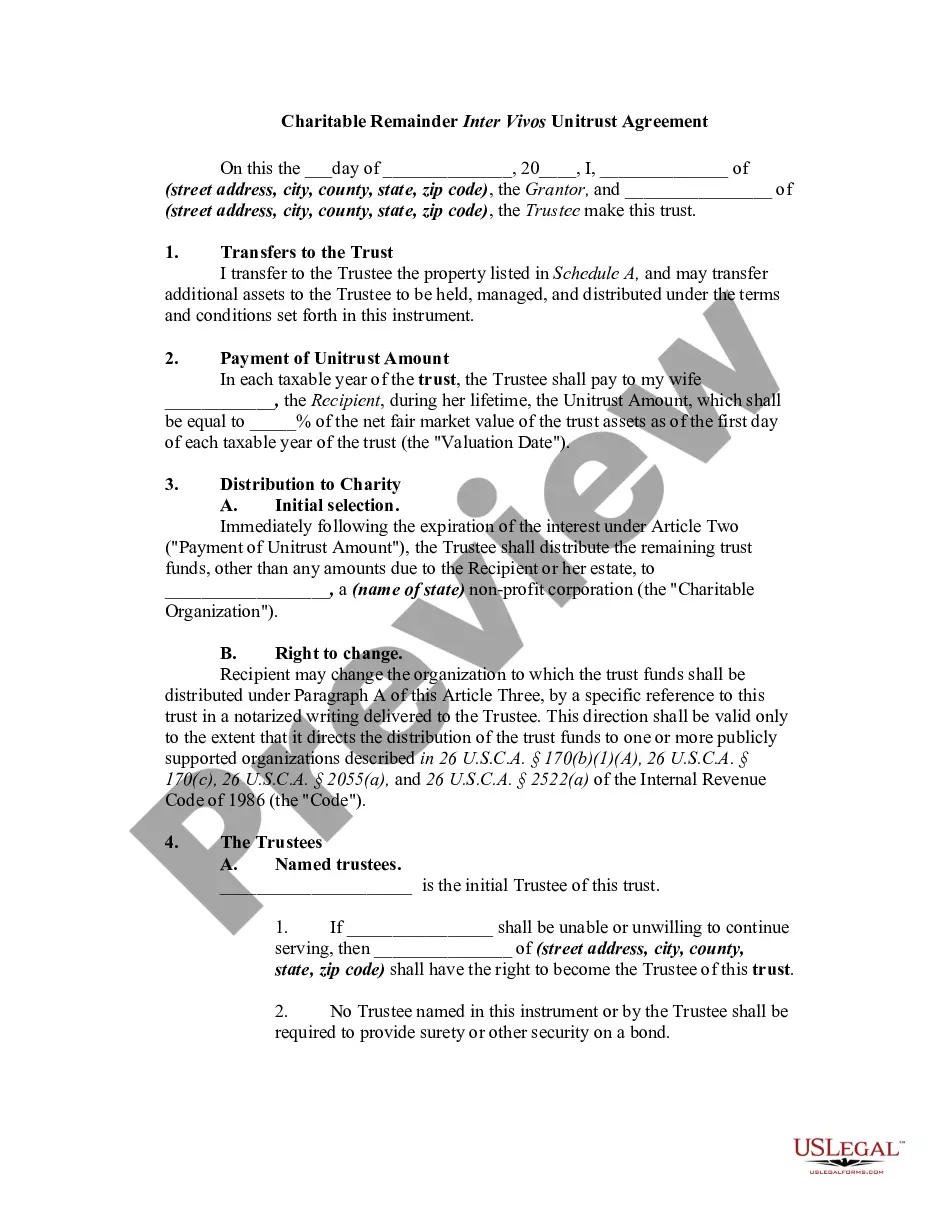
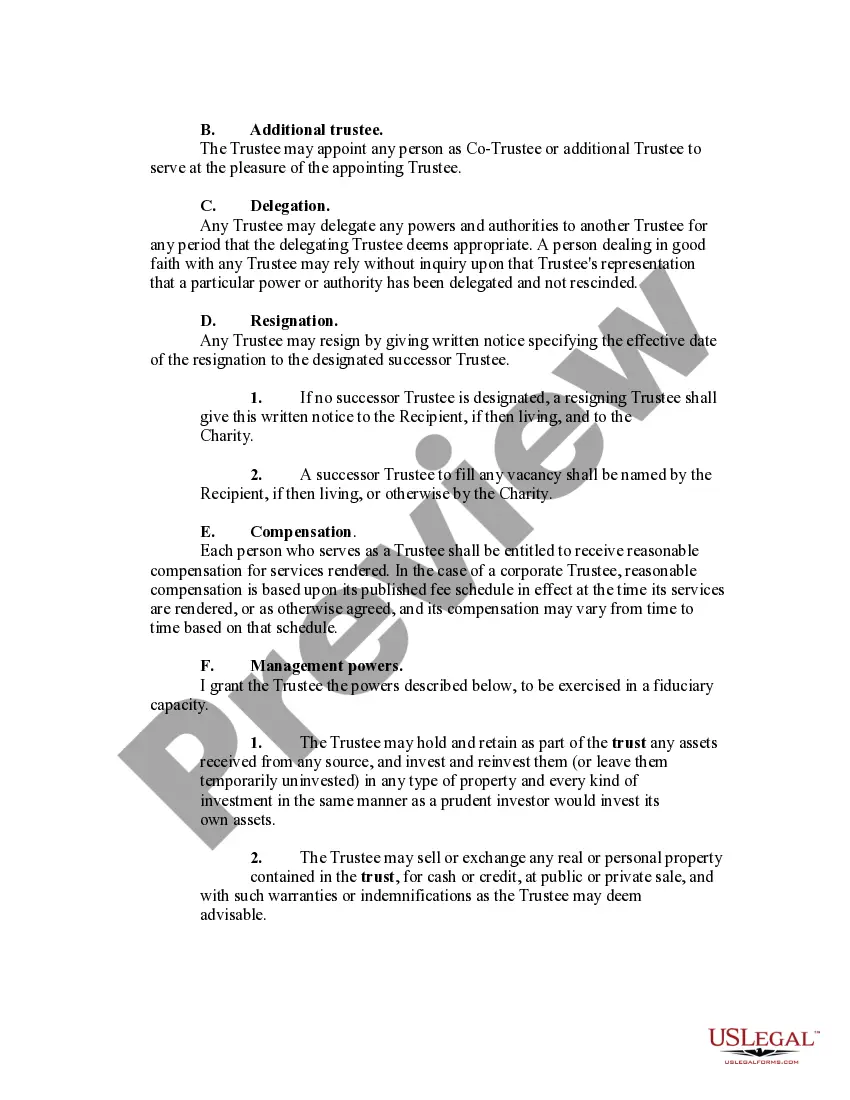
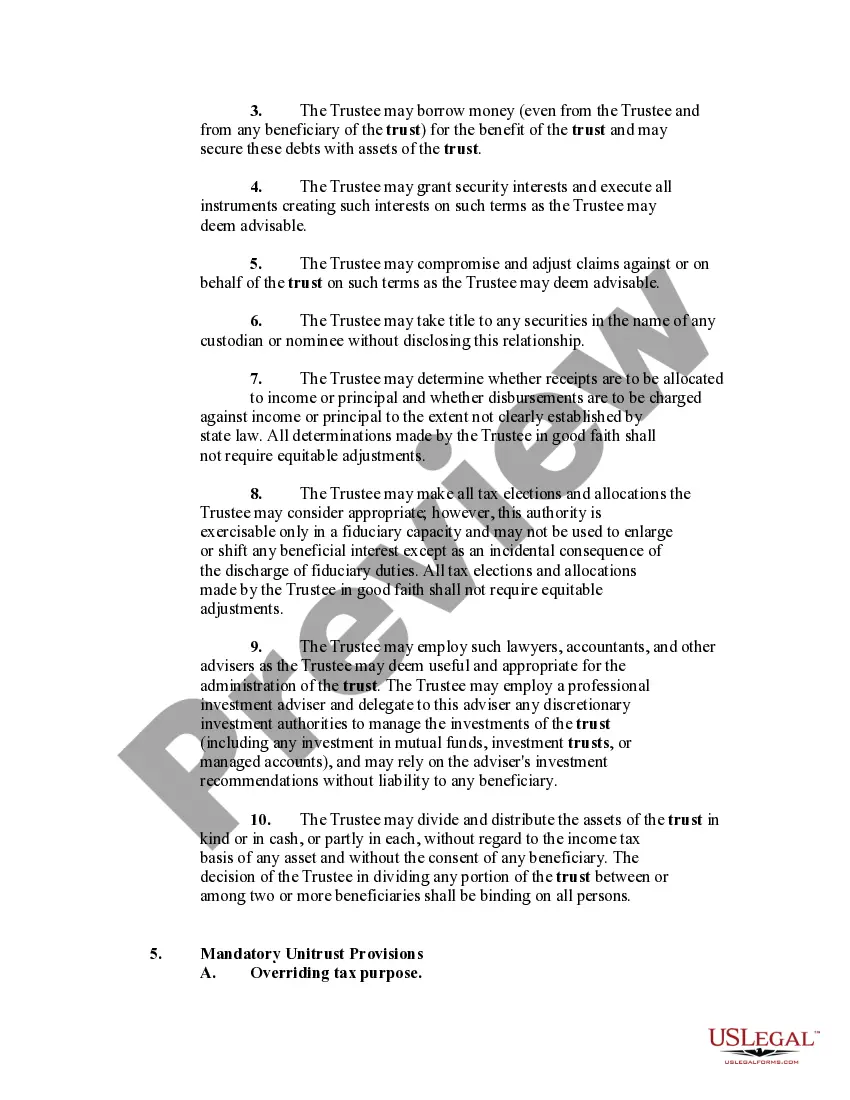
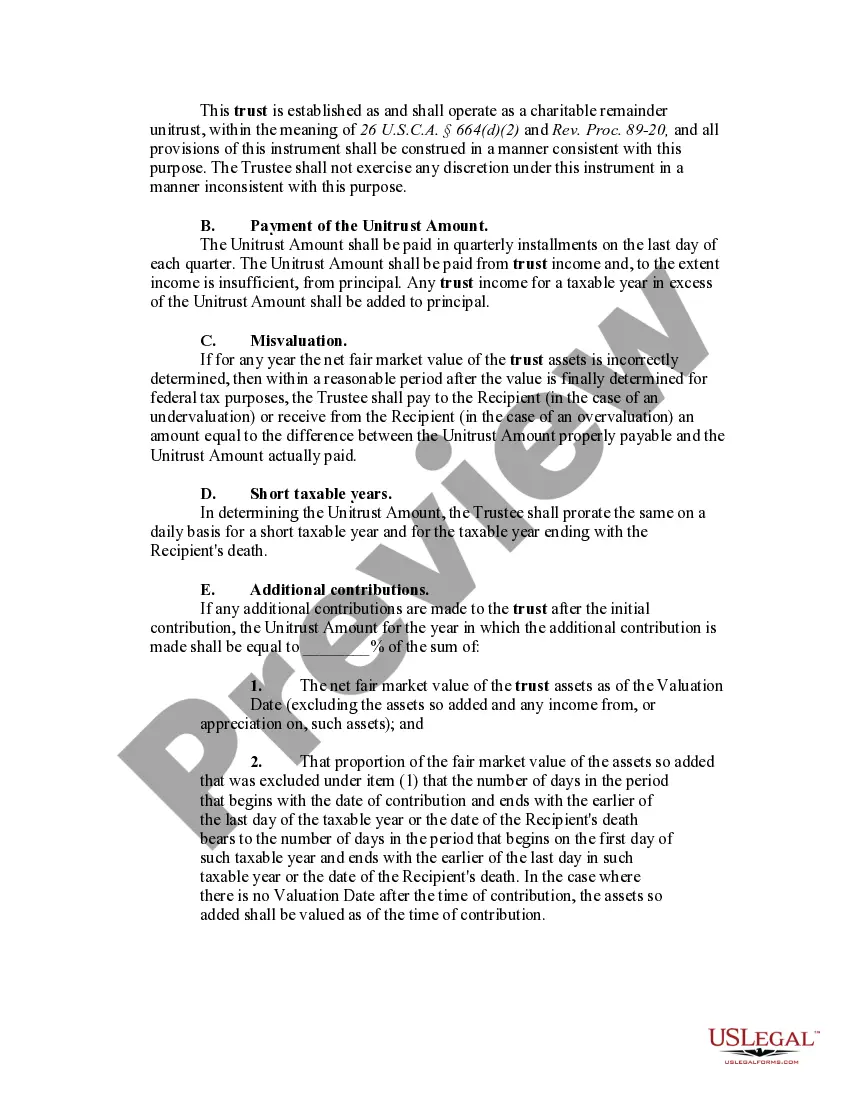
How to fill out Charitable Remainder Inter Vivos Unitrust Agreement?
- Log in to your account if you're an existing user, ensuring your subscription is active. If it's expired, renew it based on your plan.
- For new users, begin by browsing the preview mode and form descriptions to select the right document that meets your legal needs.
- If the chosen form doesn’t suit your requirements, utilize the Search tab to find a more appropriate template.
- Once you find the correct document, proceed to click the 'Buy Now' button and choose a suitable subscription plan, registering for an account if required.
- Complete your purchase by entering your payment details, either your credit card information or via PayPal.
- After your purchase is confirmed, download the document to your device for immediate use, and you can always access it later from the 'My Forms' section in your profile.
In conclusion, US Legal Forms enables fast and reliable access to necessary legal documents, empowering users with resources that ensure accuracy and compliance with local laws. Don't hesitate to explore your options today!
Get started with US Legal Forms and simplify your legal documentation process!
Form popularity
FAQ
An example of a charitable trust would be a living trust that donates funds annually to a local scholarship program. The donor establishes rules for distribution, ensuring that funds continue to support education in their community. Charitable trusts like this can provide lasting impacts while allowing for personal involvement in charitable giving.
An example of a charitable remainder trust involves a retiree who creates a trust with their real estate. They can live in or receive income from the property for a specific term. Once that term concludes, the property transfers to a charity, supporting a cause they care about, and enhancing their legacy.
To file a trust remainder, you need to prepare IRS Form 5227, which reports the income, deductions, and other tax-related details of the trust. Maintain proper records of all transactions and computations for accuracy. Consulting with a tax professional can ensure that you meet all regulatory requirements and deadlines.
An example of a trust remainder would be an individual who donates appreciated stock to a charitable remainder trust. They receive income from the trust for a set period, typically their lifetime. Once the term ends, the remaining assets in the trust go to a specified charity, effectively benefiting both the donor and the charity.
To calculate the deduction for a trust remainder, you first need to determine the present value of the charitable gift. This involves assessing the income payments you will receive and the expected return on the remaining trust assets. Using IRS guidelines and applicable interest rates will ensure compliance and accuracy in your calculations.
While a trust remainder can offer tax benefits and income for life, it also has some downsides. Donors can't access the assets once placed in the trust, and there may be complex regulations and fees involved. Additionally, the charitable organizations receive the remainder only after the trust ends, which might delay your philanthropic goals.
A remainder in a trust refers to the portion of the trust assets that are designated to be distributed to beneficiaries after the income beneficiaries' rights have been fulfilled. This distribution occurs once the stipulated events, like the passing of the income beneficiaries, take place. Understanding the concept of trust remainder is crucial for effective estate planning, enabling you to structure your plans according to your and your beneficiaries' needs.
Remainder beneficiaries do hold certain rights regarding the assets in a charitable remainder trust. Once the income beneficiaries have received their distributions, the remainder beneficiaries can expect to receive the remaining trust assets as outlined in the trust agreement. It's important to understand your rights and responsibilities, ensuring that you have a clear agreement in place when planning your trust remainder.
The primary benefit of a charitable remainder trust lies in its ability to provide income to you while seamlessly supporting your chosen charity. By transferring assets into this trust, you can enjoy significant tax deductions and the potential for increased income. Ultimately, this trust remainder allows you to support charitable causes and secure your financial future.
While a charitable remainder trust offers many benefits, there are some disadvantages to consider. The trust remains irrevocable, meaning once you fund it, you cannot change the distribution structure easily. Additionally, there may be upfront costs and ongoing administrative fees that could impact your returns, along with potential changes in tax laws affecting your trust remainder.