Trust Contrato
Description
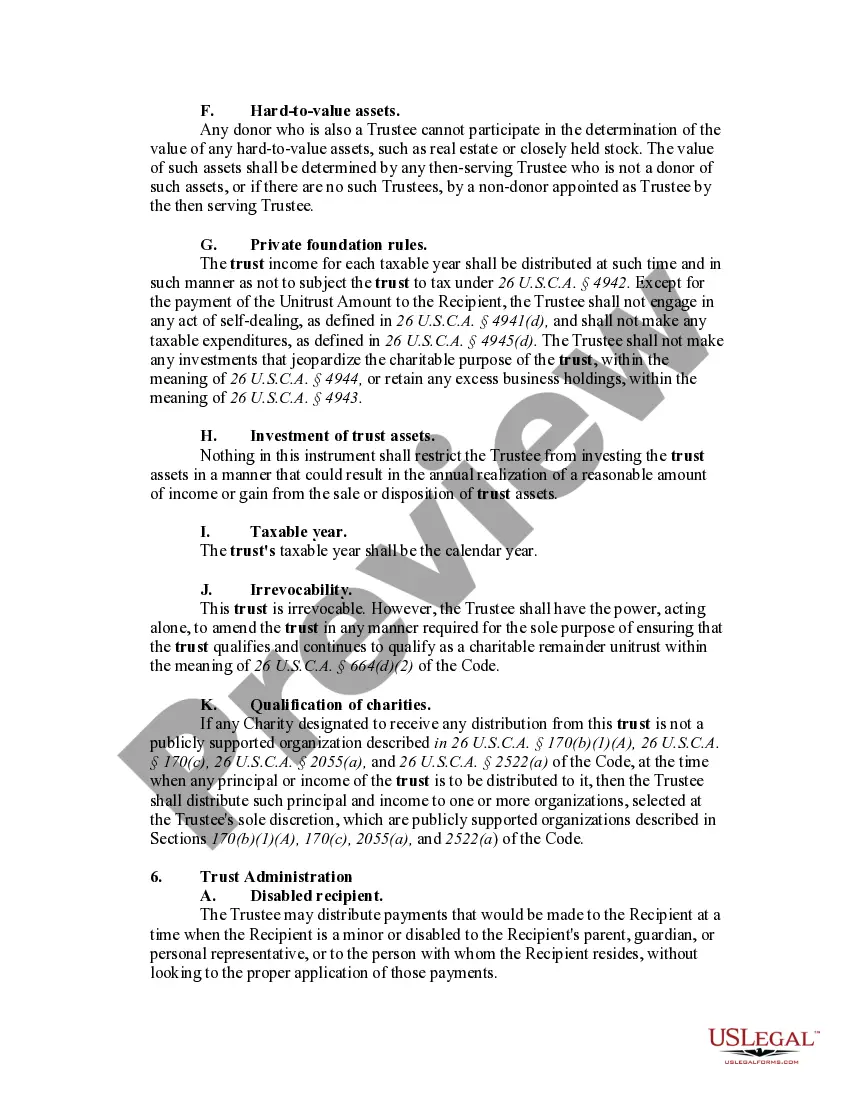
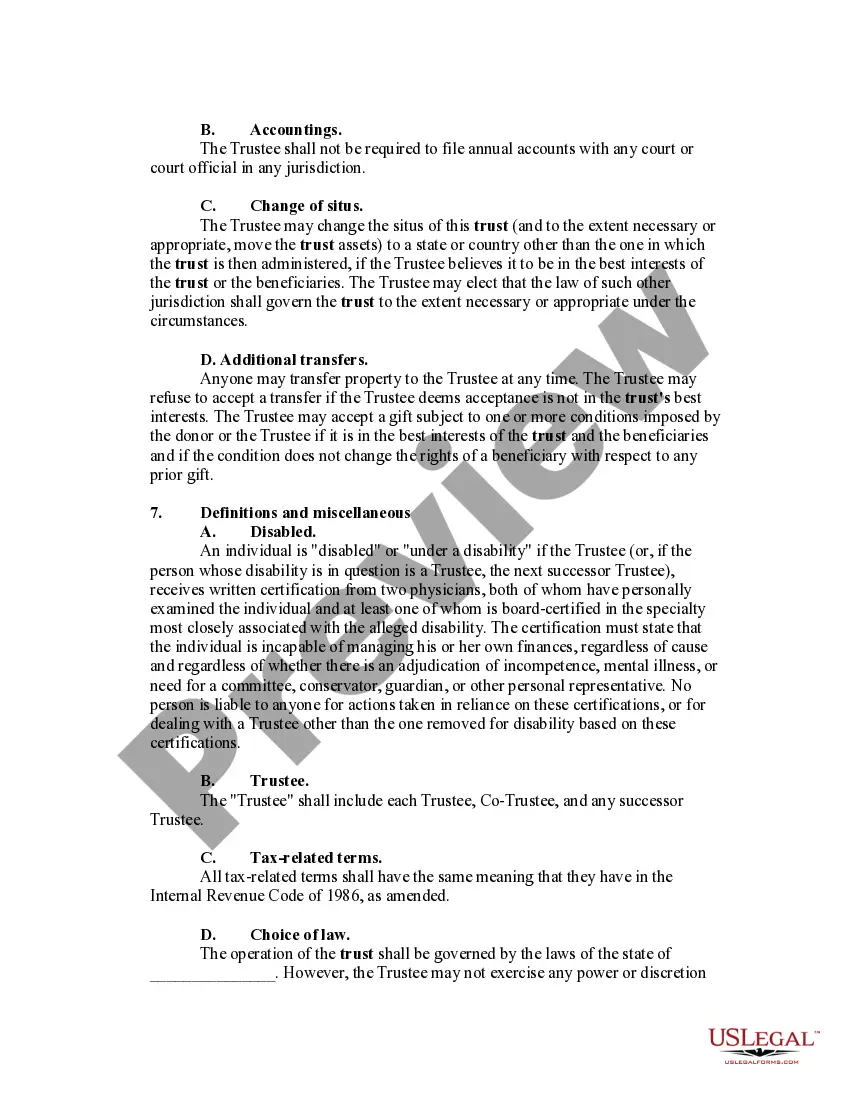
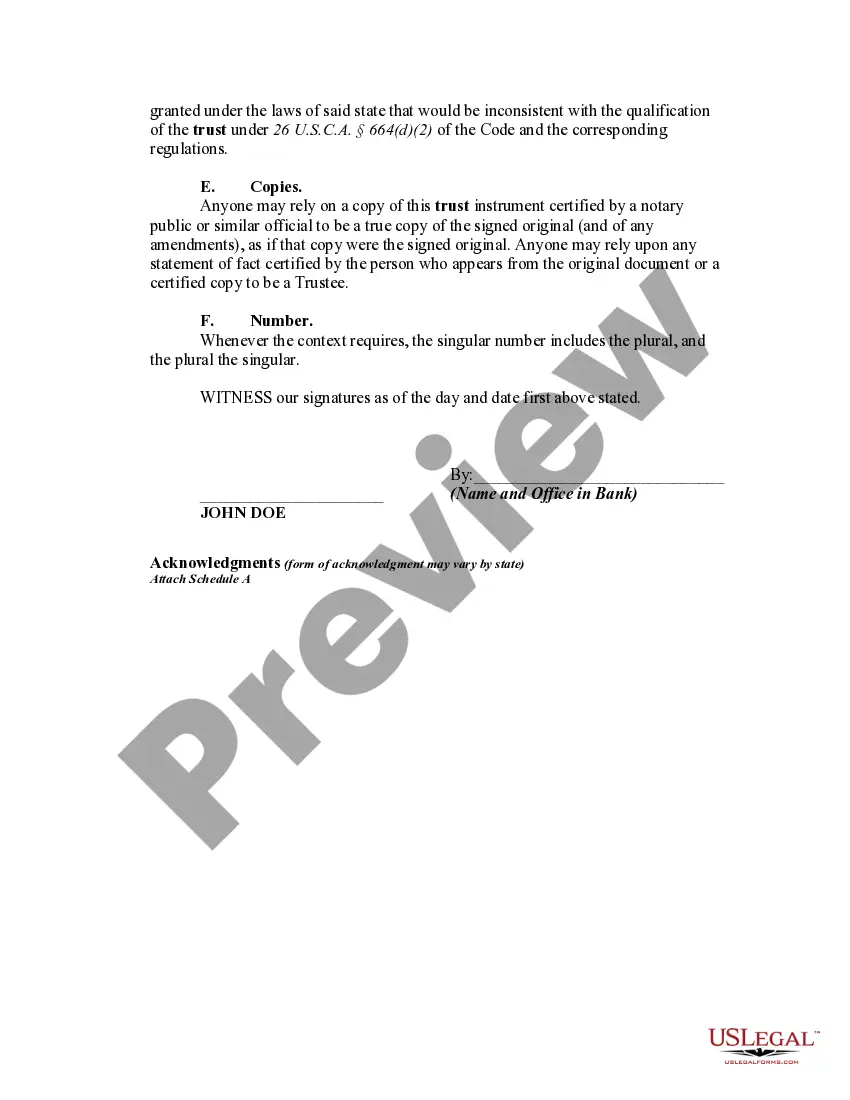
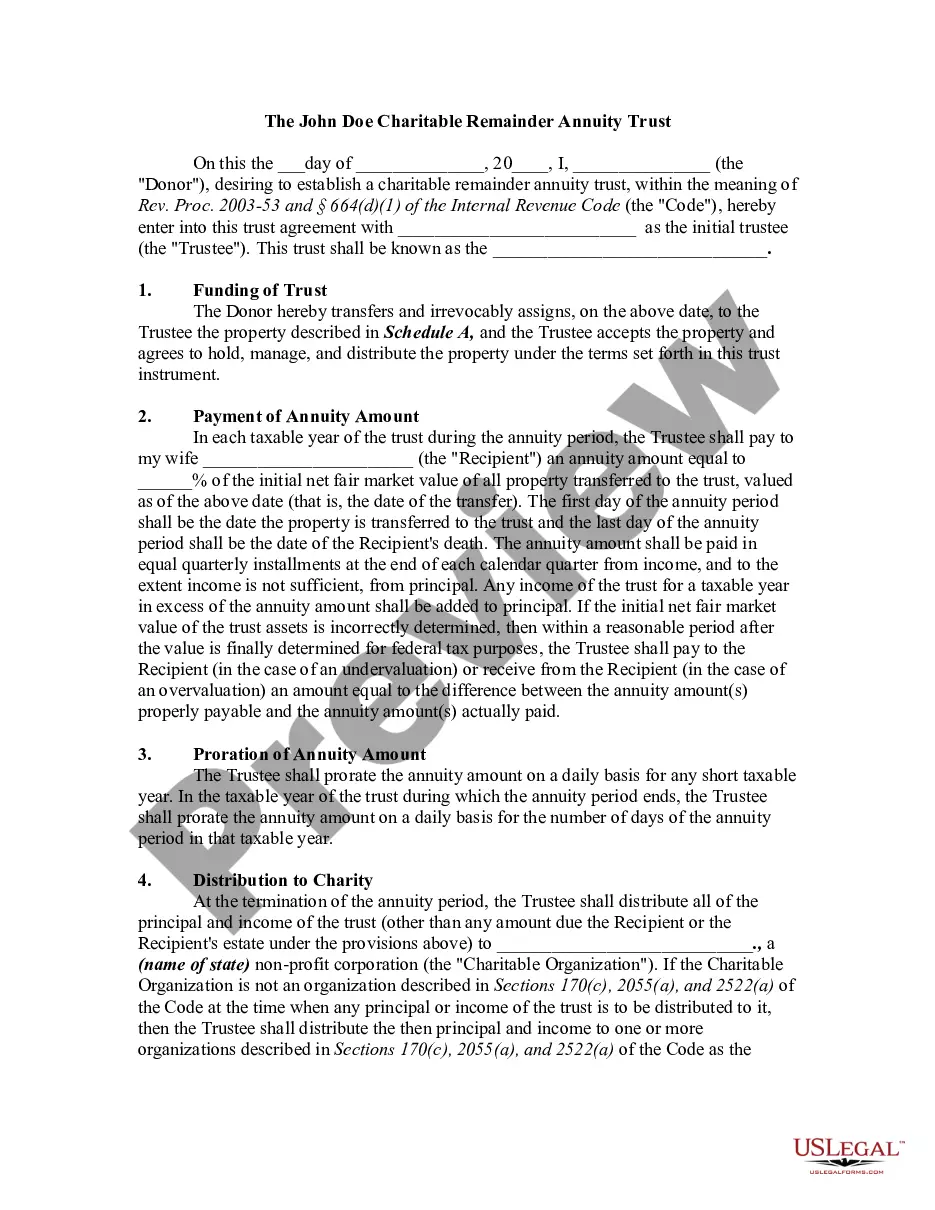
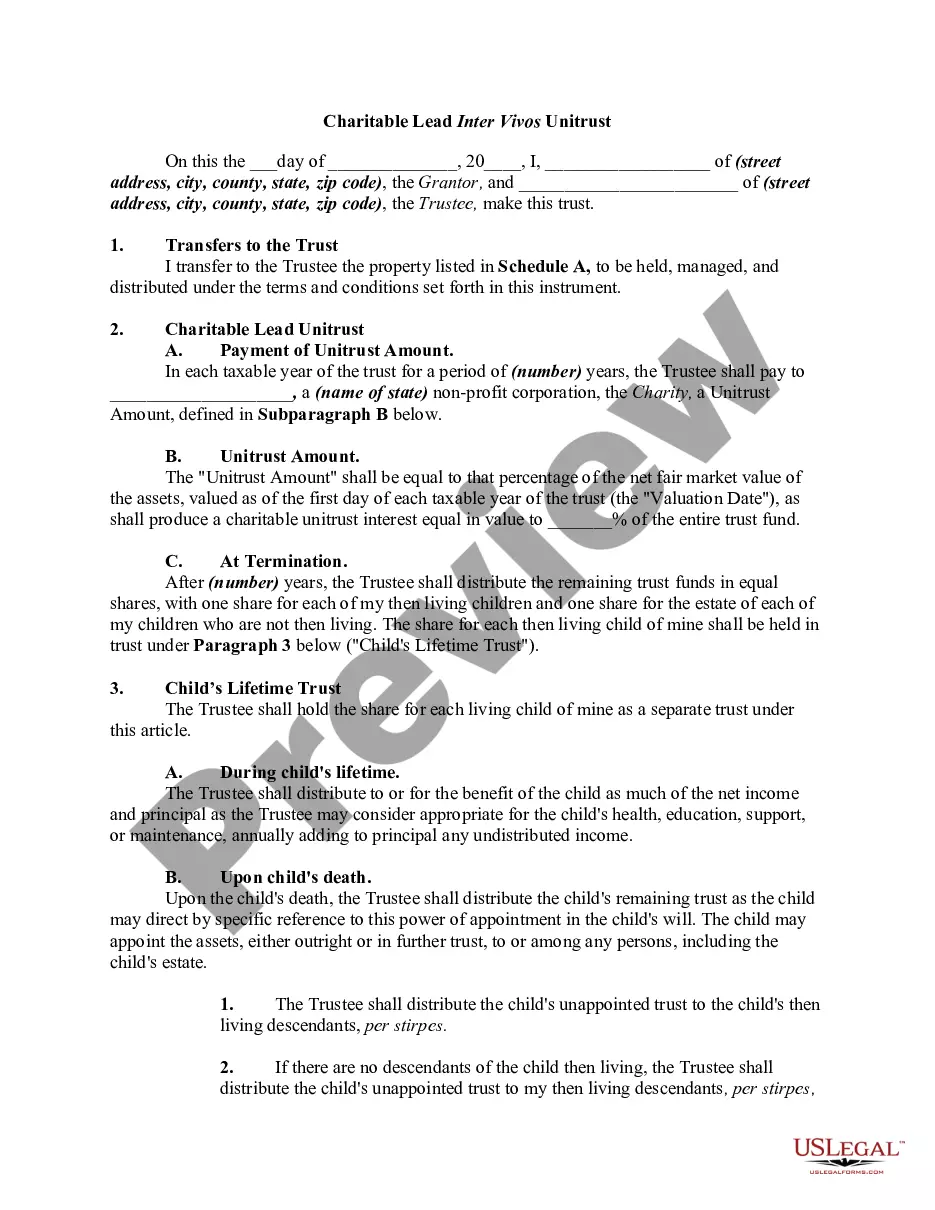
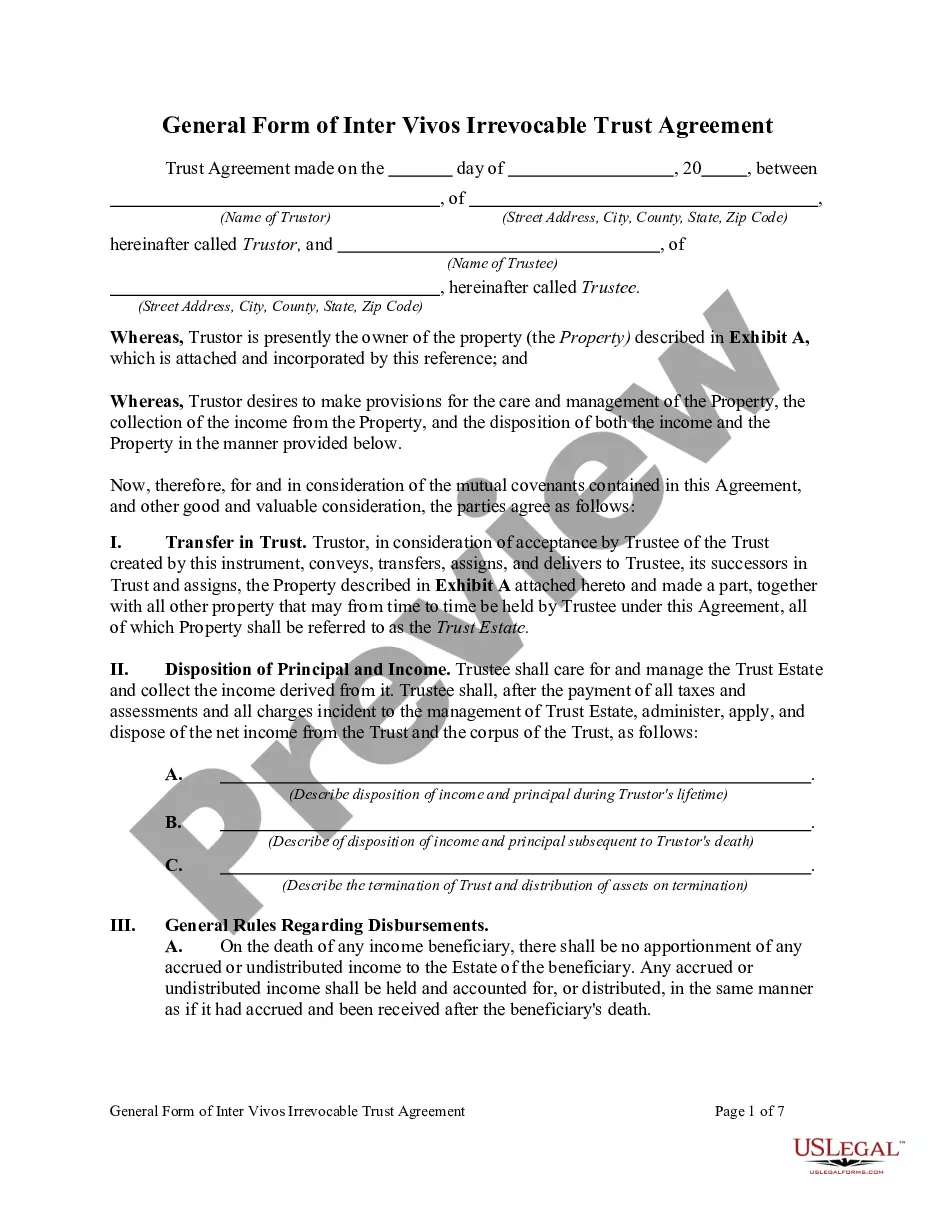
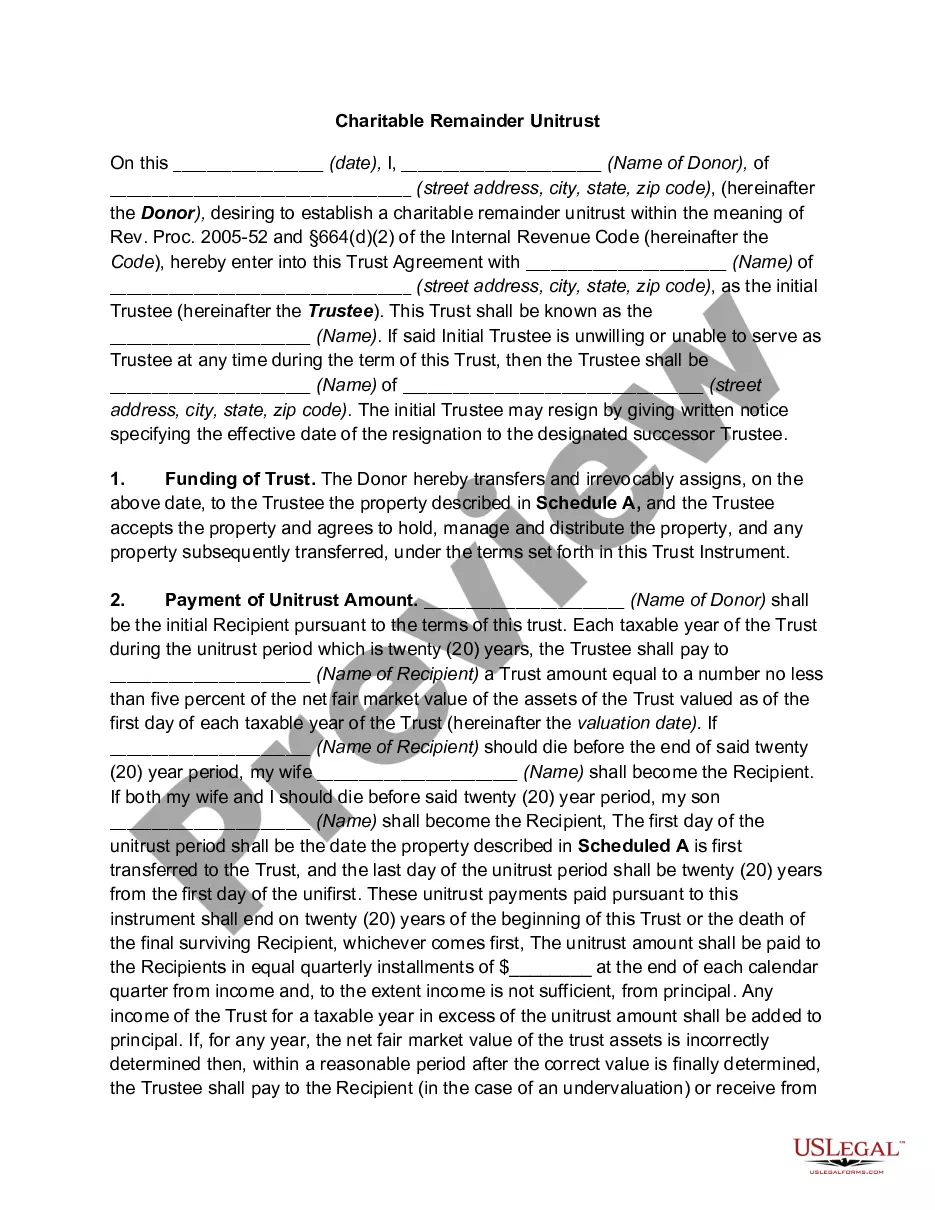
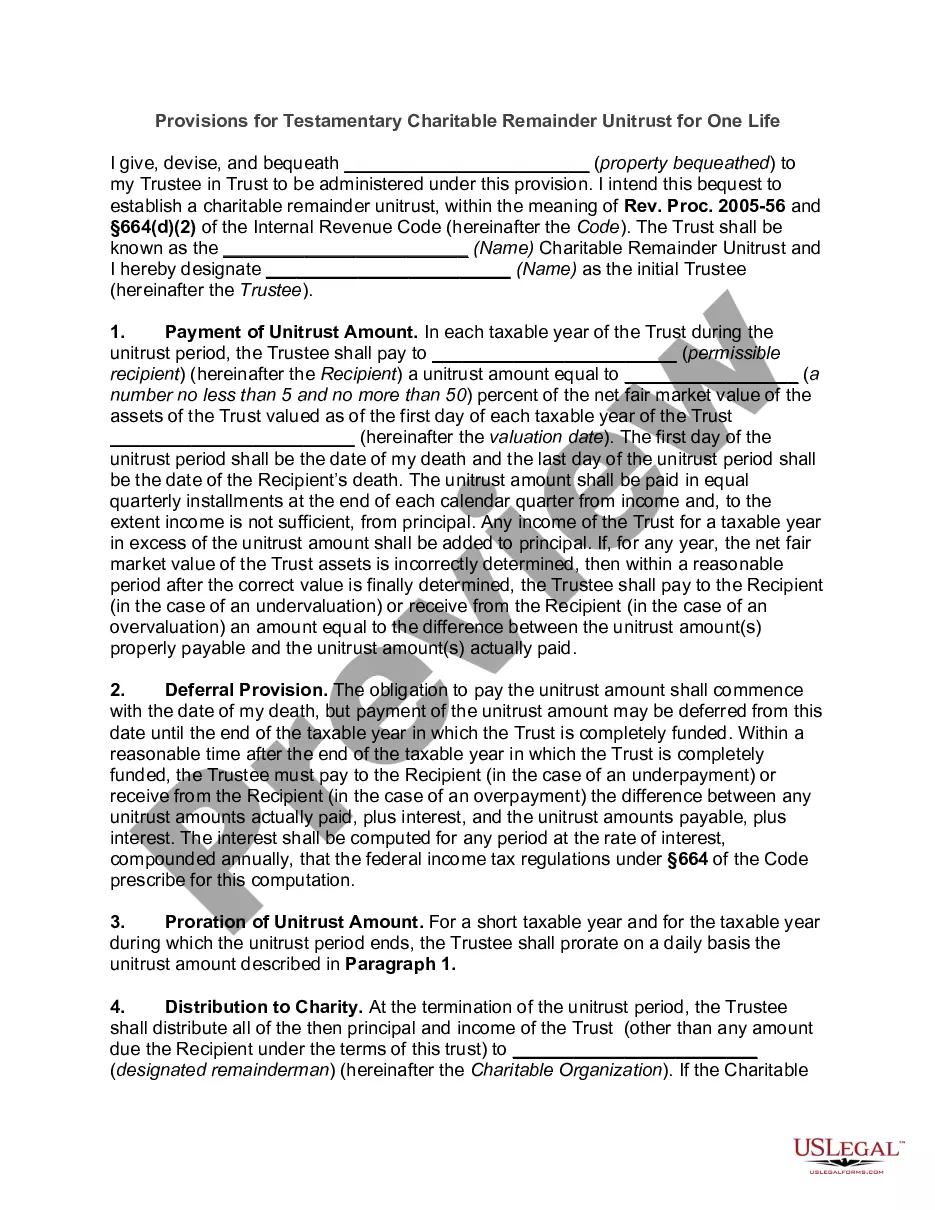
Get your form ready online
Our built-in tools help you complete, sign, share, and store your documents in one place.
Make edits, fill in missing information, and update formatting in US Legal Forms—just like you would in MS Word.
Download a copy, print it, send it by email, or mail it via USPS—whatever works best for your next step.
Sign and collect signatures with our SignNow integration. Send to multiple recipients, set reminders, and more. Go Premium to unlock E-Sign.
If this form requires notarization, complete it online through a secure video call—no need to meet a notary in person or wait for an appointment.
We protect your documents and personal data by following strict security and privacy standards.

Make edits, fill in missing information, and update formatting in US Legal Forms—just like you would in MS Word.

Download a copy, print it, send it by email, or mail it via USPS—whatever works best for your next step.

Sign and collect signatures with our SignNow integration. Send to multiple recipients, set reminders, and more. Go Premium to unlock E-Sign.

If this form requires notarization, complete it online through a secure video call—no need to meet a notary in person or wait for an appointment.

We protect your documents and personal data by following strict security and privacy standards.
Looking for another form?









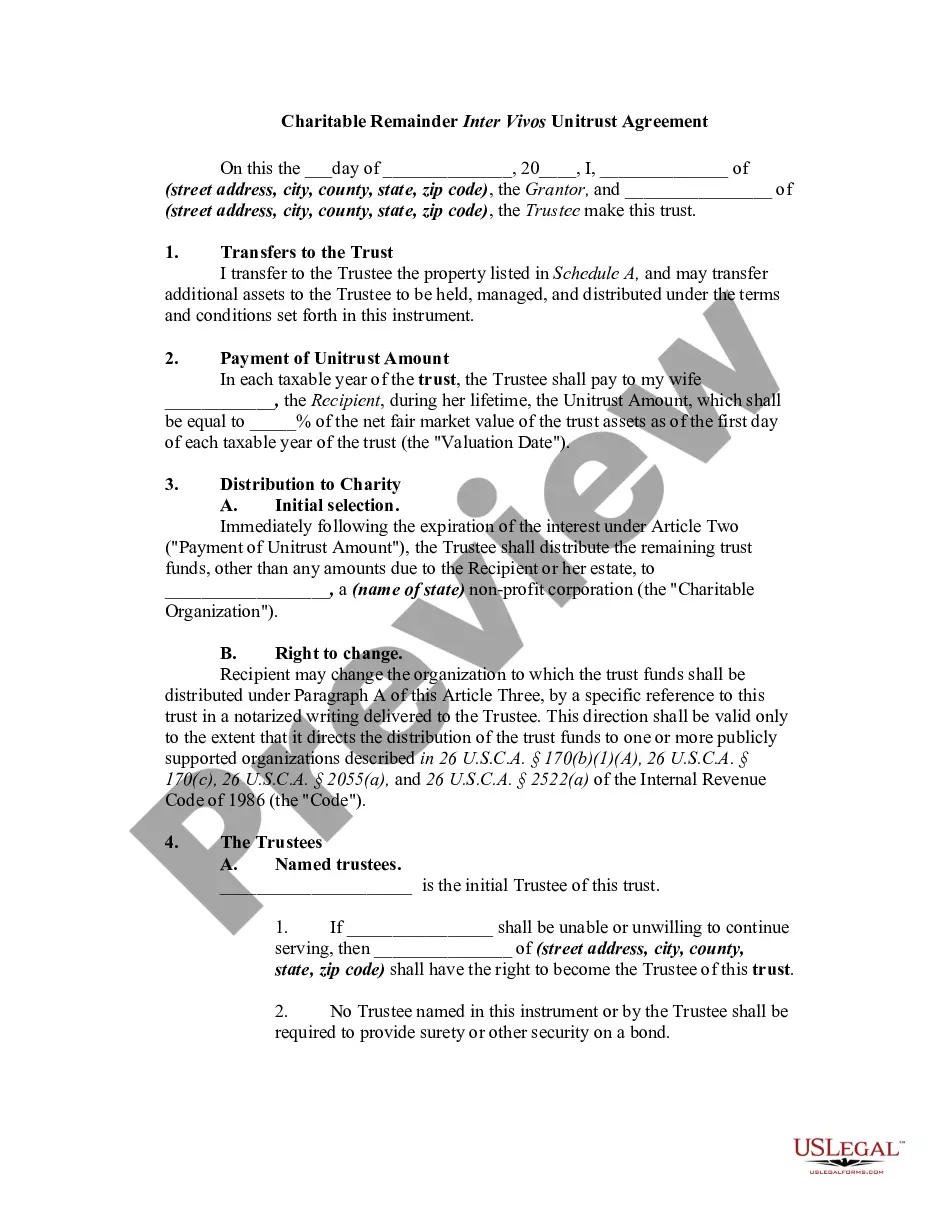
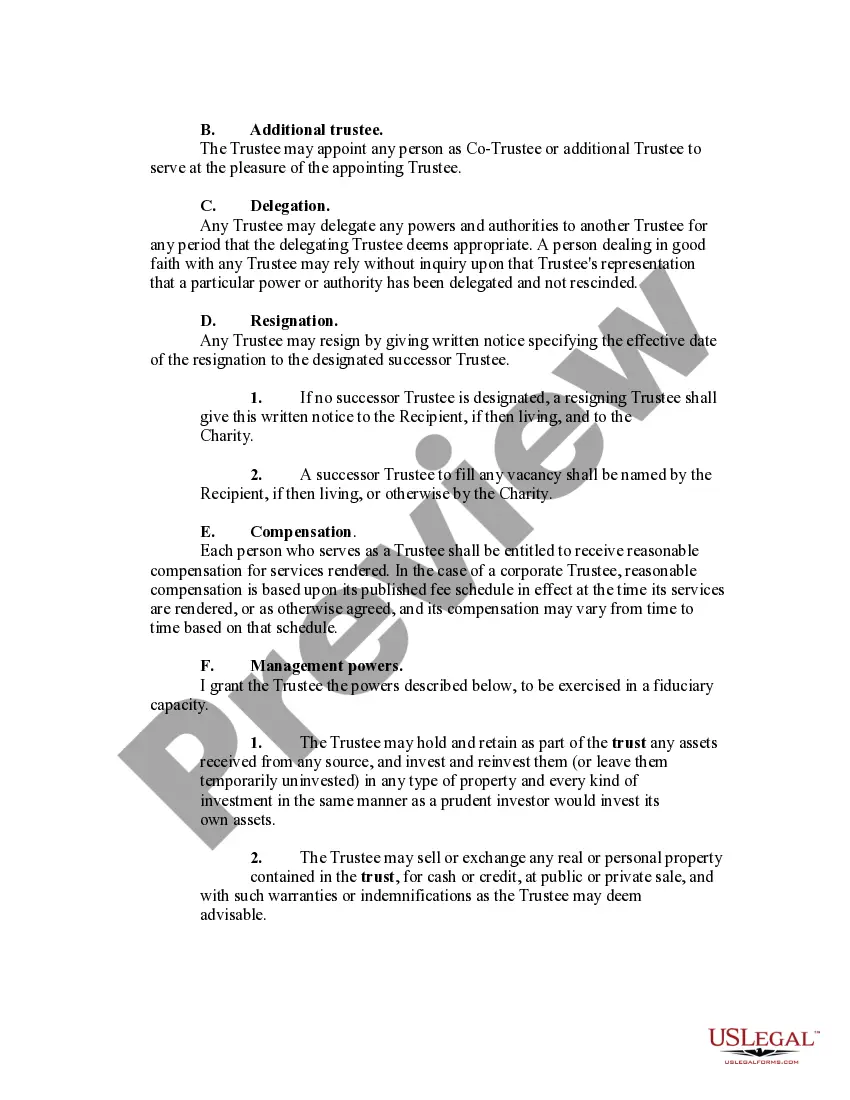
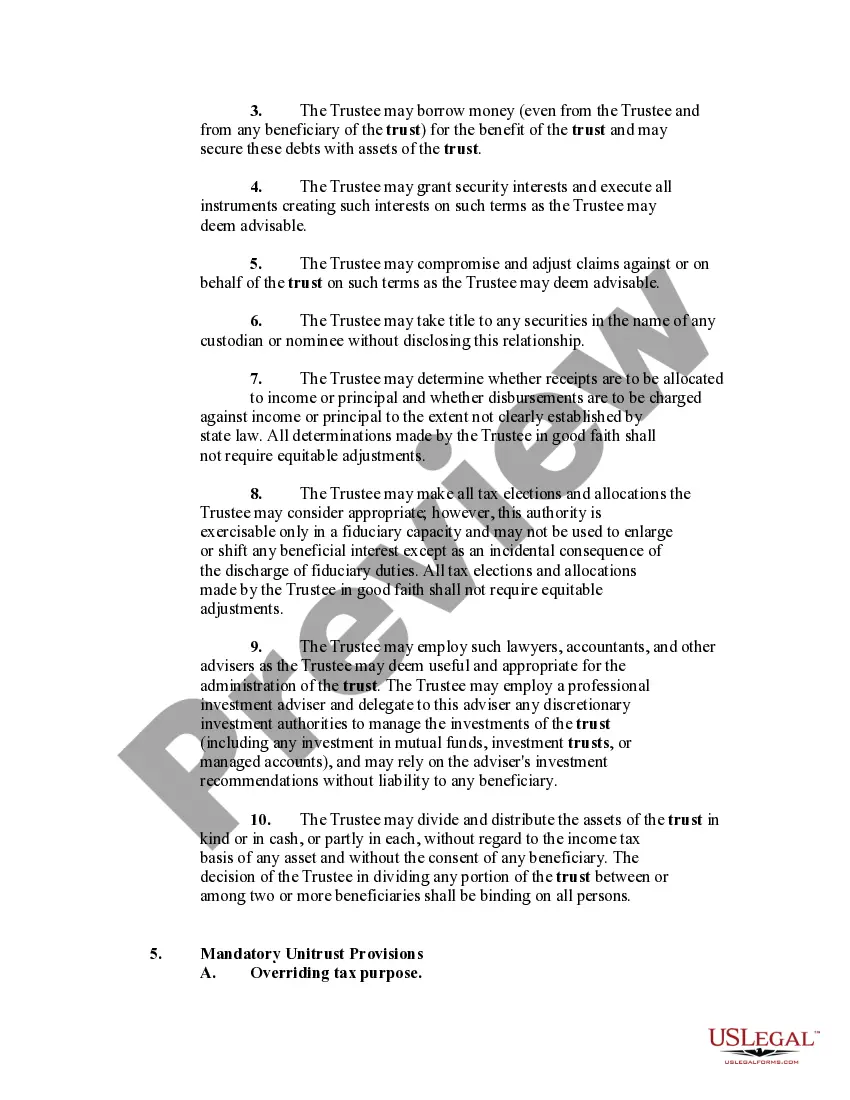
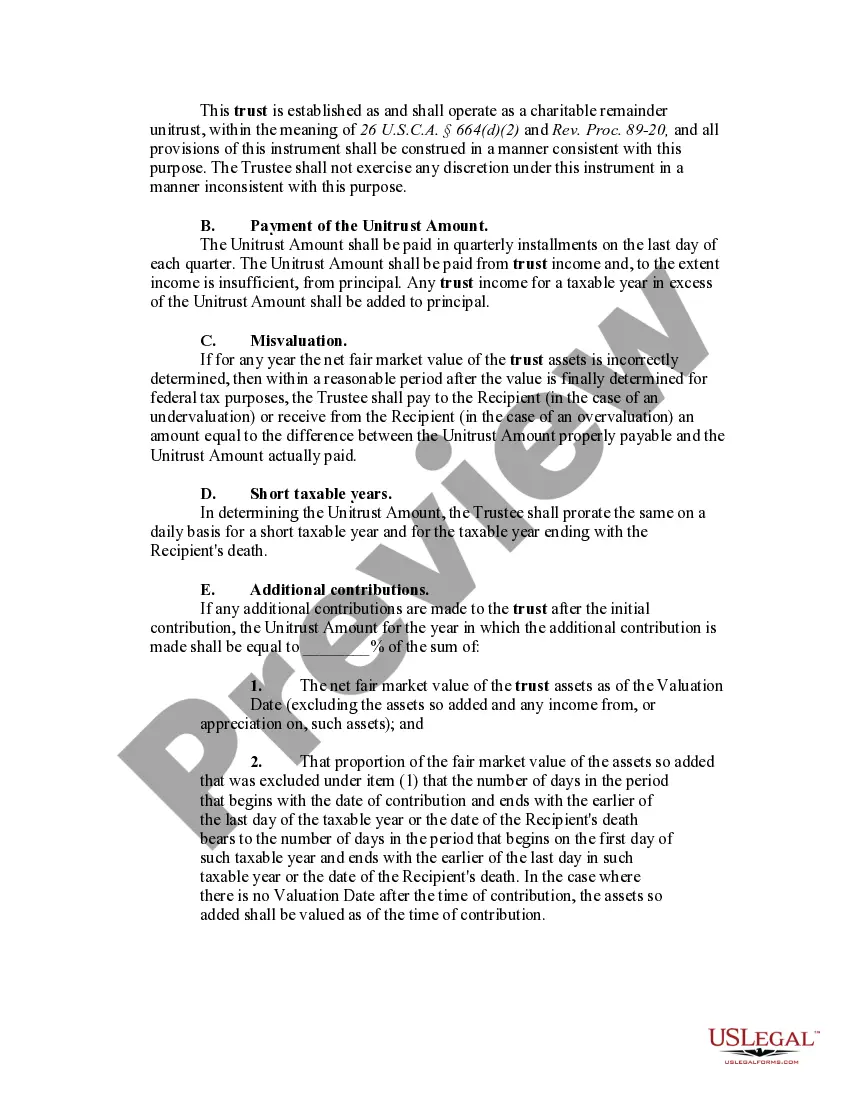
How to fill out Charitable Remainder Inter Vivos Unitrust Agreement?
- If you're a returning user, log into your account and check your subscription status before downloading the form.
- For first-time users, start by using the Preview feature to examine the form description, ensuring it aligns with your needs and local jurisdiction.
- If the selected template doesn’t suit your requirements, utilize the Search tab to explore other options that may be more appropriate.
- Once you find the right document, click on the Buy Now button and choose your preferred subscription plan.
- Complete your purchase by providing either credit card information or using your PayPal account.
- After purchasing, download the template to your device for filling out and keep it accessible in the My Forms section of your profile.
Using US Legal Forms not only ensures you have a diverse collection of forms but provides access to premium experts who can assist you in completing your documents accurately.
Start your seamless legal journey today and experience the benefits of Trust contrato with US Legal Forms!
Form popularity
FAQ
To dissolve a trust with the IRS, you must file a final Form 1041 and close all financial activities associated with the trust. Ensure that all assets are distributed according to the terms defined in the trust contrato. Keeping thorough records and documentation will facilitate a smoother dissolution process.
To file a final tax return for a trust, complete Form 1041 and mark it to indicate that it's the final return. Ensure all income, expenses, and distributions have been accurately reported. Consulting resources like US Legal Forms can provide guidance on completing this process within the framework of the trust contrato.
Trust income is reported to the IRS using Form 1041, which captures the income generated during the trust's operation. The income can include interest, dividends, and capital gains. Following the provisions in the trust contrato helps ensure accurate reporting and compliance with tax regulations.
The tax consequences of terminating a trust can vary based on how the distributions are made and the overall value of the trust's assets. Beneficiaries might face tax liabilities if the trust income is passed on, based on their individual tax brackets. It is essential to adhere to the terms laid out in the trust contrato to avoid unwanted tax issues.
You need to file Form 1041, the U.S. Income Tax Return for Estates and Trusts, to report income from the trust. If the trust is closing, make sure to indicate that it is a final return. Depending on the specifics of your trust contrato, additional forms or schedules might be needed for comprehensive reporting.
To perform an accounting for a trust, gather financial records including income, expenses, and distributions made during the trust's life. Create a detailed report that summarizes all transactions, ensuring transparency for beneficiaries. Using a trust contrato can help clarify the financial responsibilities and obligations that guide this accounting process.
To close a trust with the IRS, you typically need to file a final tax return using Form 1041, marking it as the last return for the trust. Additionally, you should ensure all income and deductions for the tax year are properly reported. It's crucial to maintain thorough records of the trust's activities and be compliant with IRS regulations regarding the trust contrato.
When you close a trust, you finalize its financial activities and distribute its assets according to the terms of the trust contrato. This process often requires settling any outstanding debts or obligations, followed by distributing the remaining property to beneficiaries. Closing a trust also involves proper documentation to ensure compliance with legal requirements.
An amendment trust is a specific type of trust that allows for changes to be made to its terms during the grantor's lifetime. This flexibility is crucial in adapting to changing circumstances or intentions. By setting up a trust contrato that includes amendment provisions, you ensure that your trust can evolve with your needs.
When a property is held in a trust, it means that the ownership and management are under the control of a trustee, who acts on behalf of the beneficiaries. This setup ensures protection and specific handling of the property. Utilizing a trust contrato for property holds not only simplifies the transfer process but also provides ongoing management.