Remainder Vivos Unitrust Living Buy For $
Description
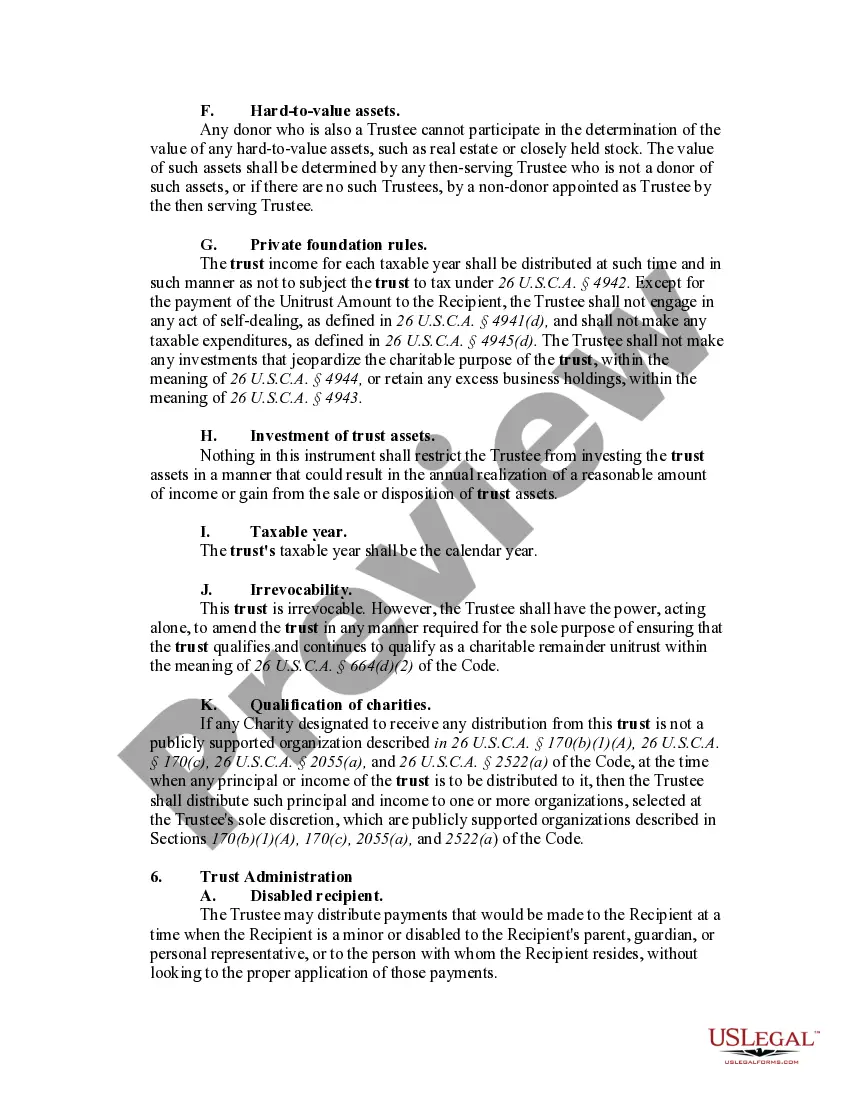
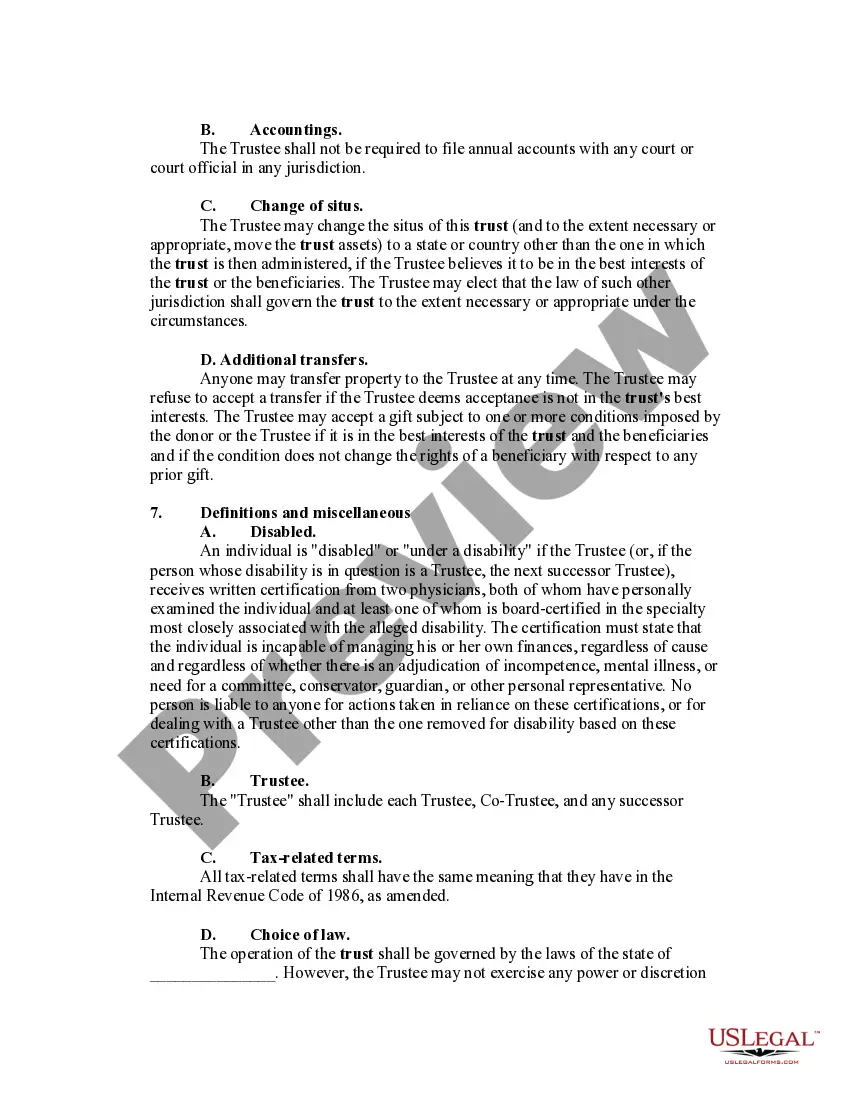
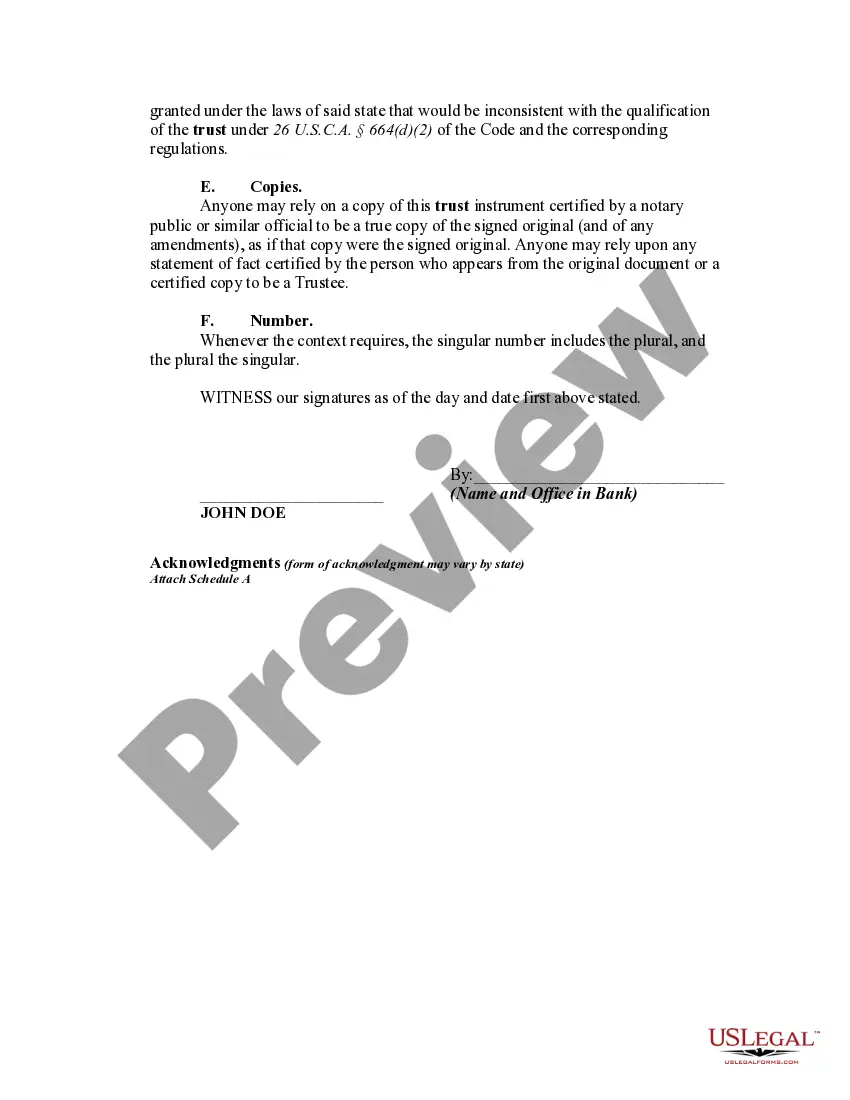
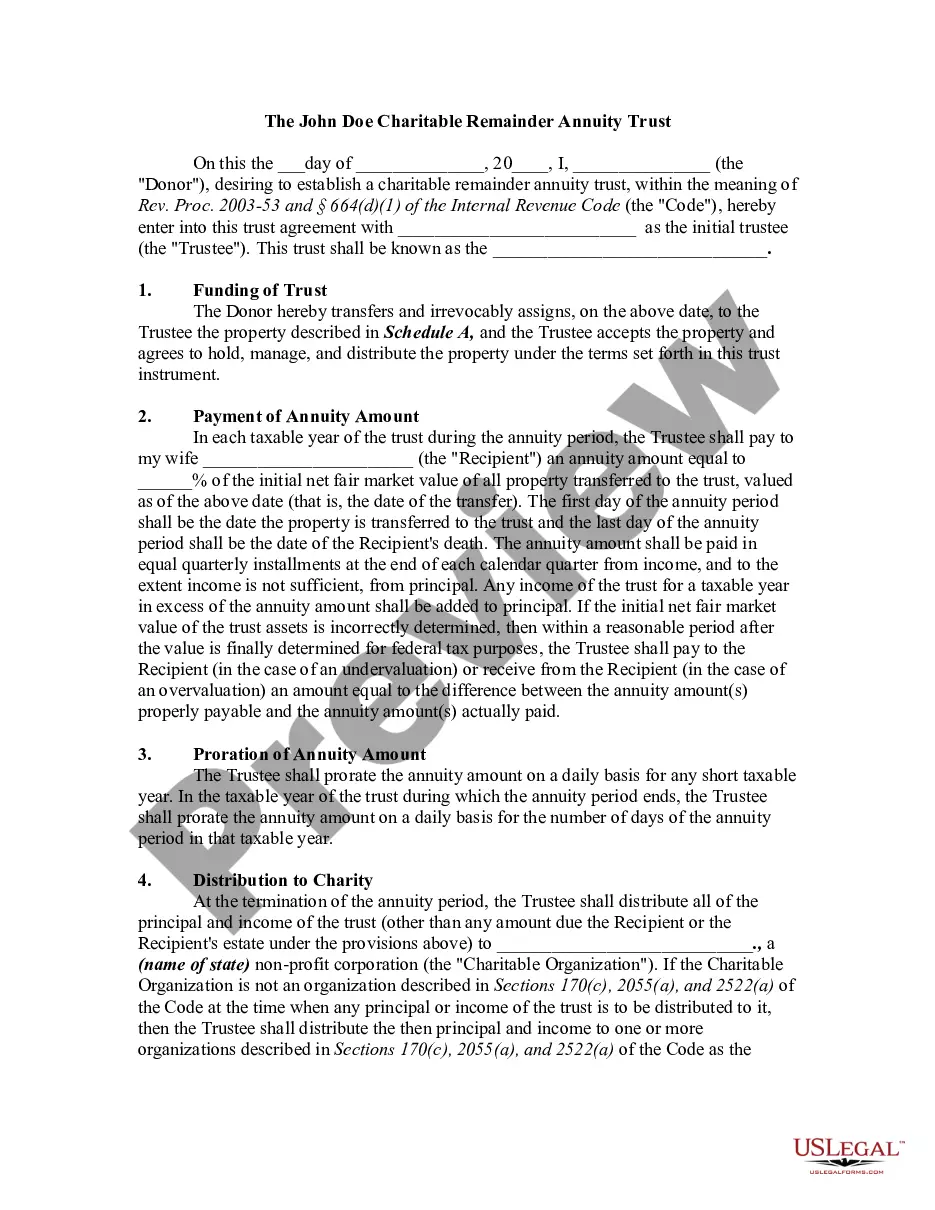
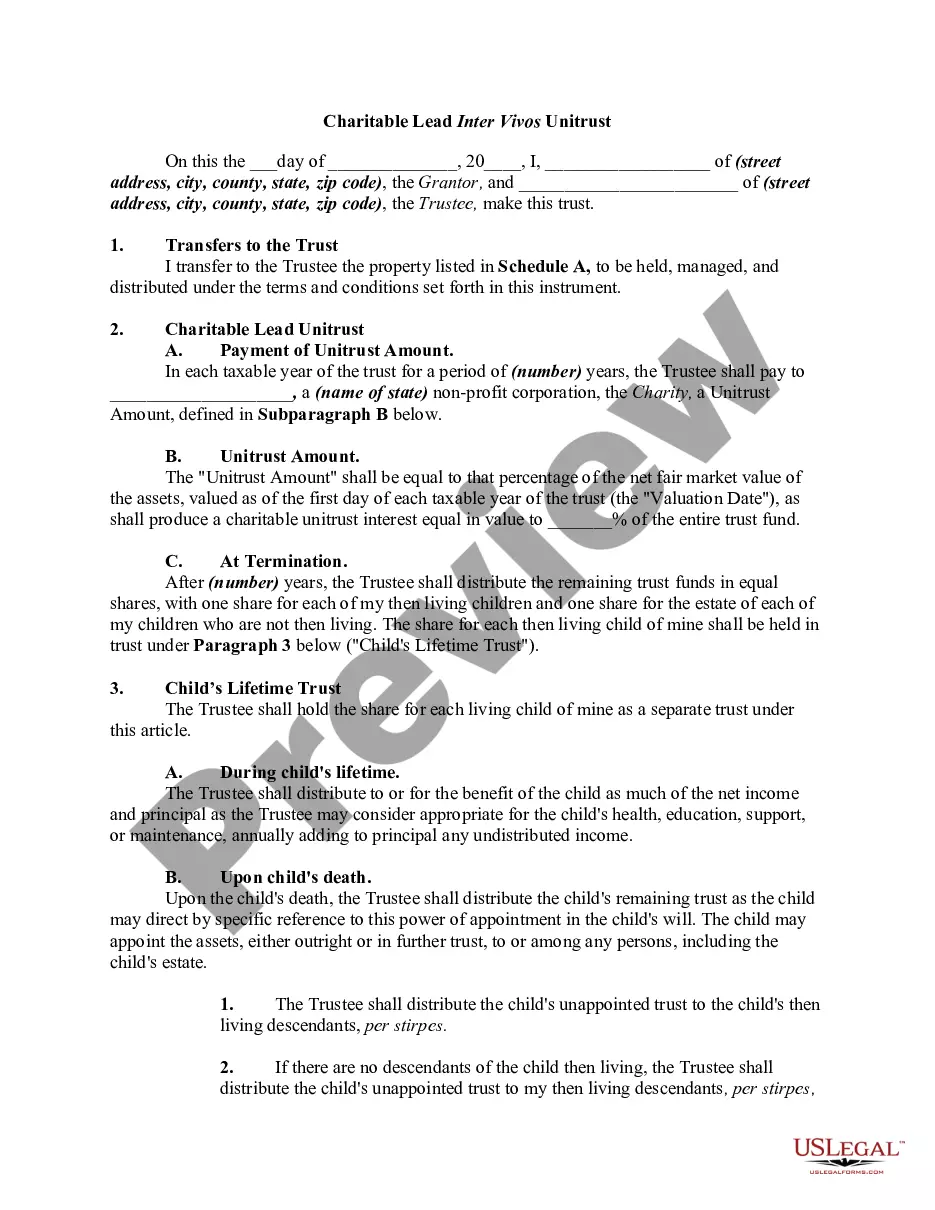
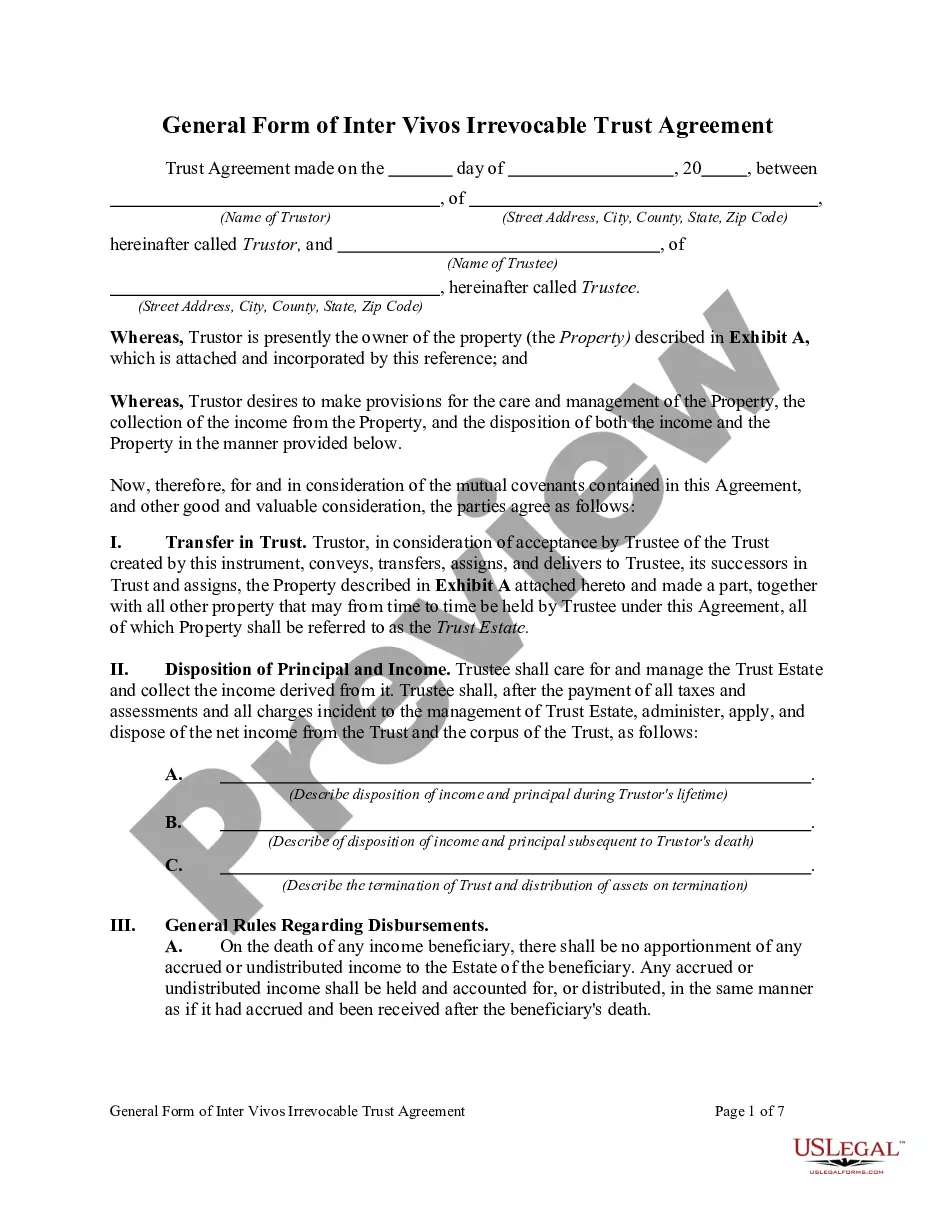
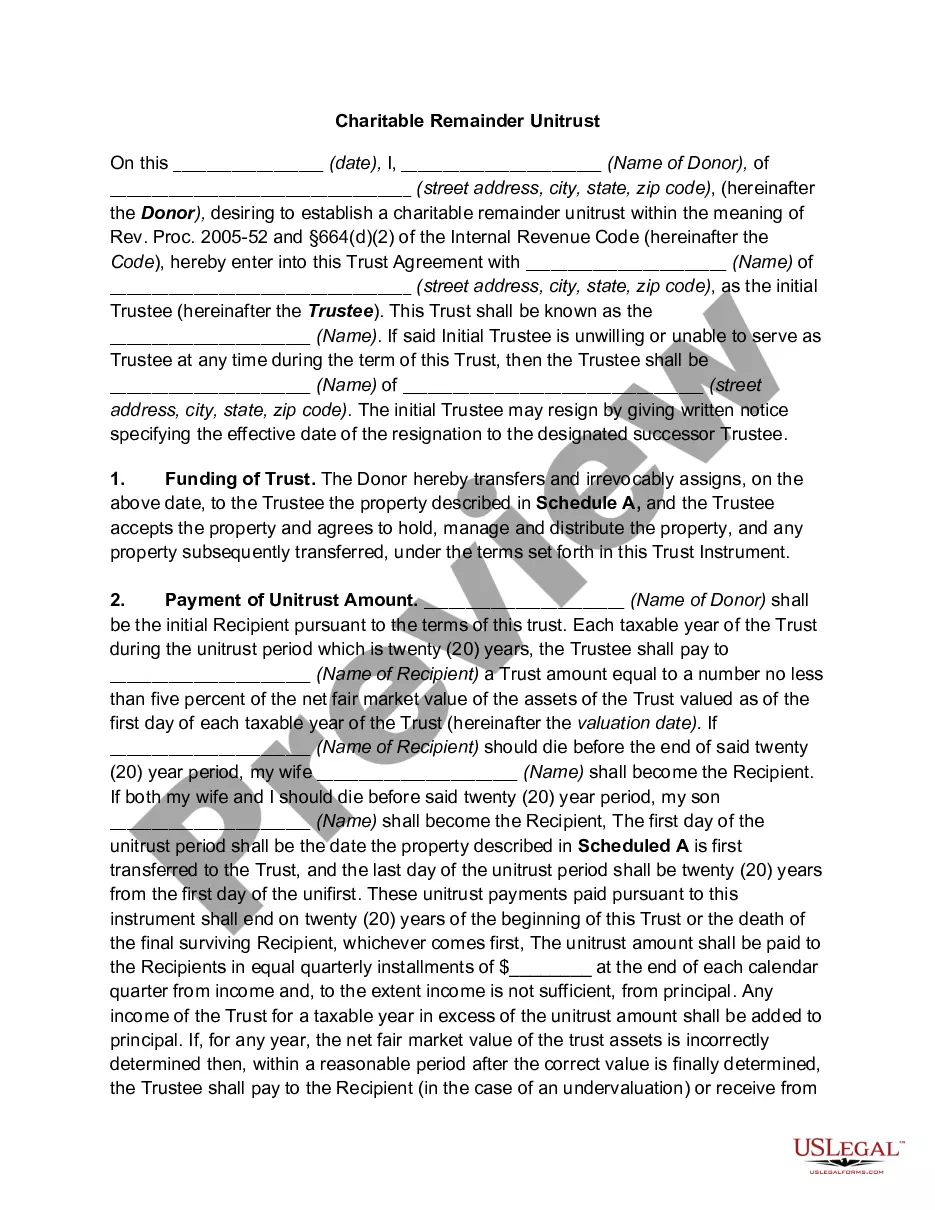
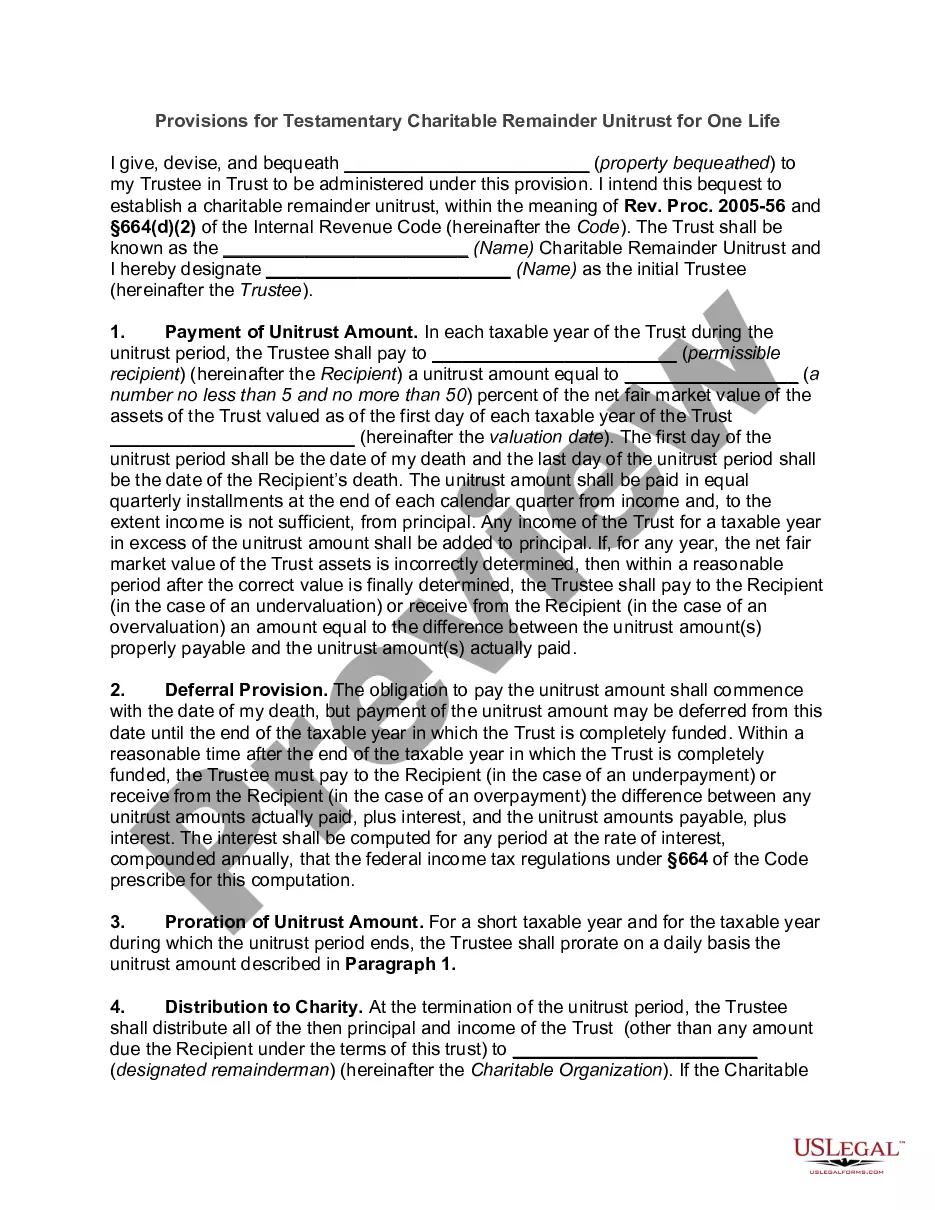
Get your form ready online
Our built-in tools help you complete, sign, share, and store your documents in one place.
Make edits, fill in missing information, and update formatting in US Legal Forms—just like you would in MS Word.
Download a copy, print it, send it by email, or mail it via USPS—whatever works best for your next step.
Sign and collect signatures with our SignNow integration. Send to multiple recipients, set reminders, and more. Go Premium to unlock E-Sign.
If this form requires notarization, complete it online through a secure video call—no need to meet a notary in person or wait for an appointment.
We protect your documents and personal data by following strict security and privacy standards.

Make edits, fill in missing information, and update formatting in US Legal Forms—just like you would in MS Word.

Download a copy, print it, send it by email, or mail it via USPS—whatever works best for your next step.

Sign and collect signatures with our SignNow integration. Send to multiple recipients, set reminders, and more. Go Premium to unlock E-Sign.

If this form requires notarization, complete it online through a secure video call—no need to meet a notary in person or wait for an appointment.

We protect your documents and personal data by following strict security and privacy standards.
Looking for another form?





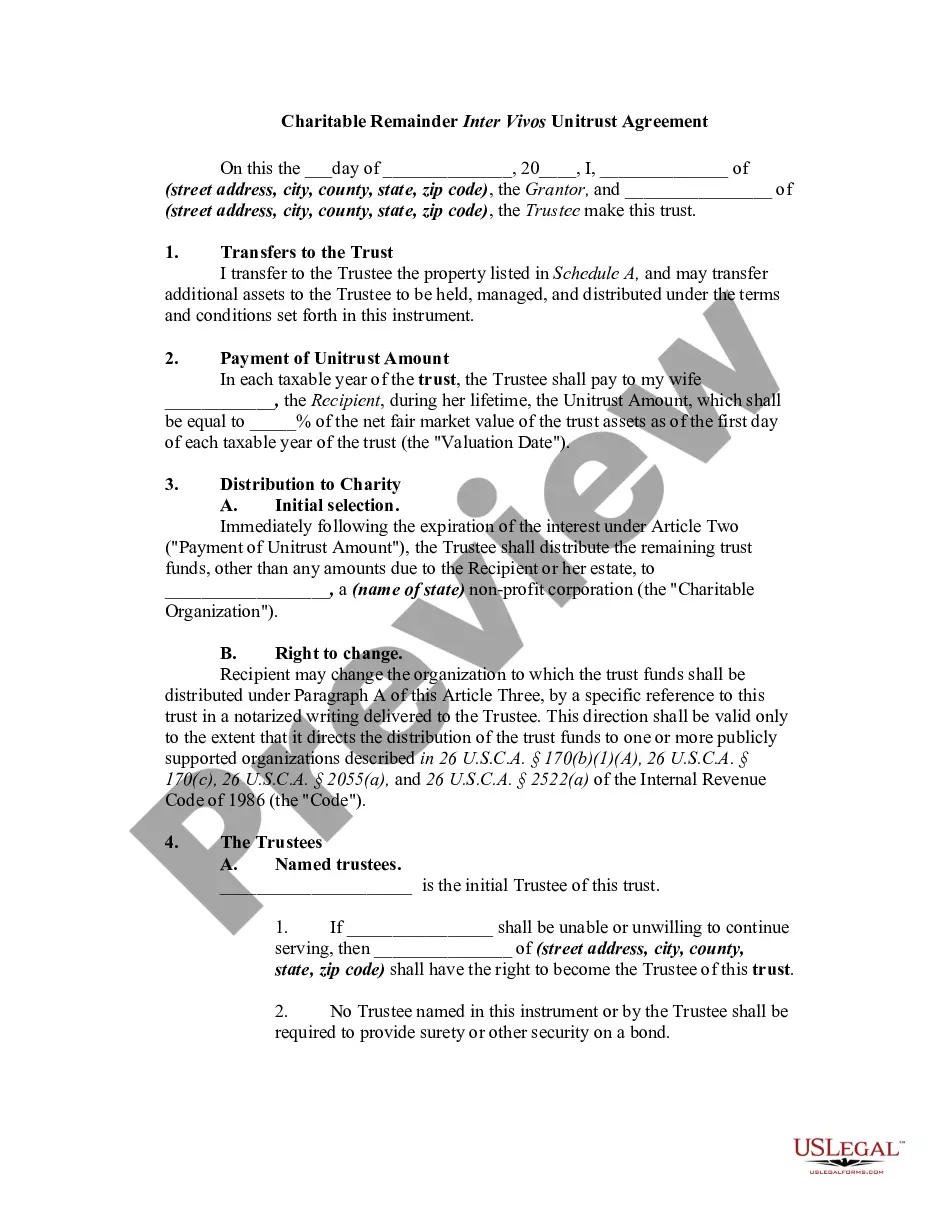
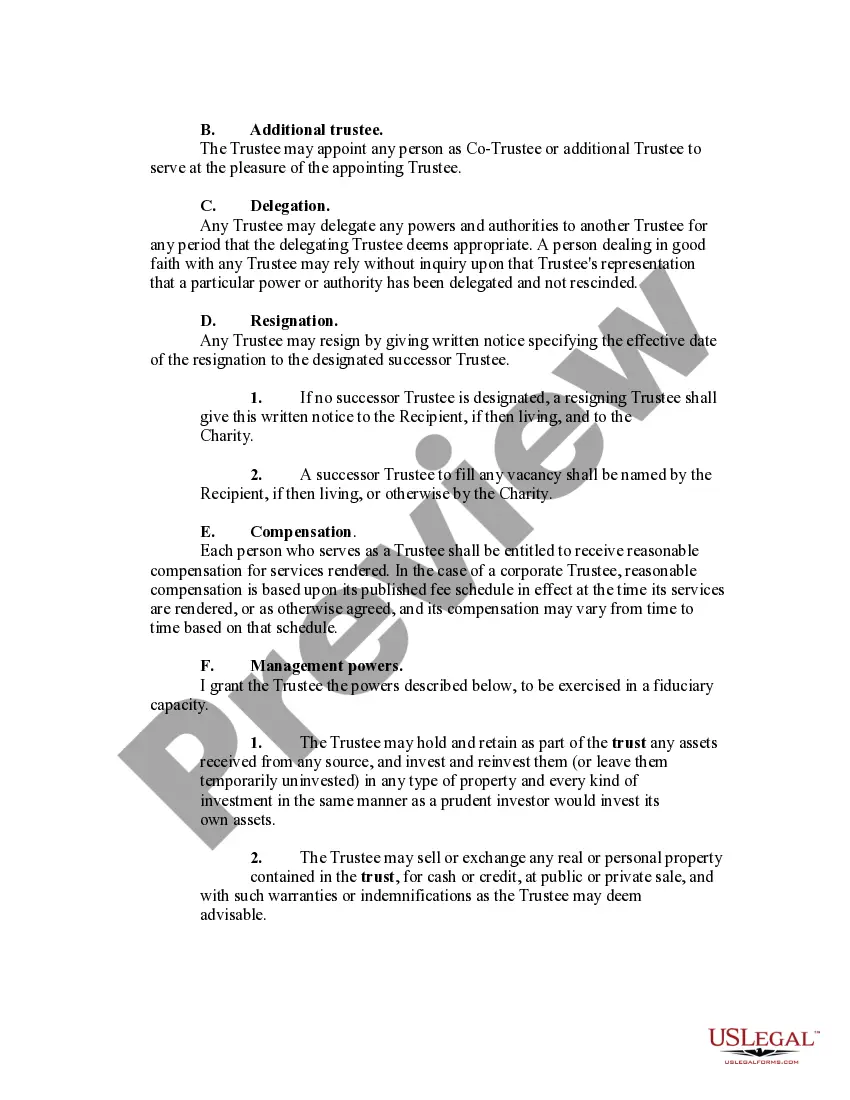
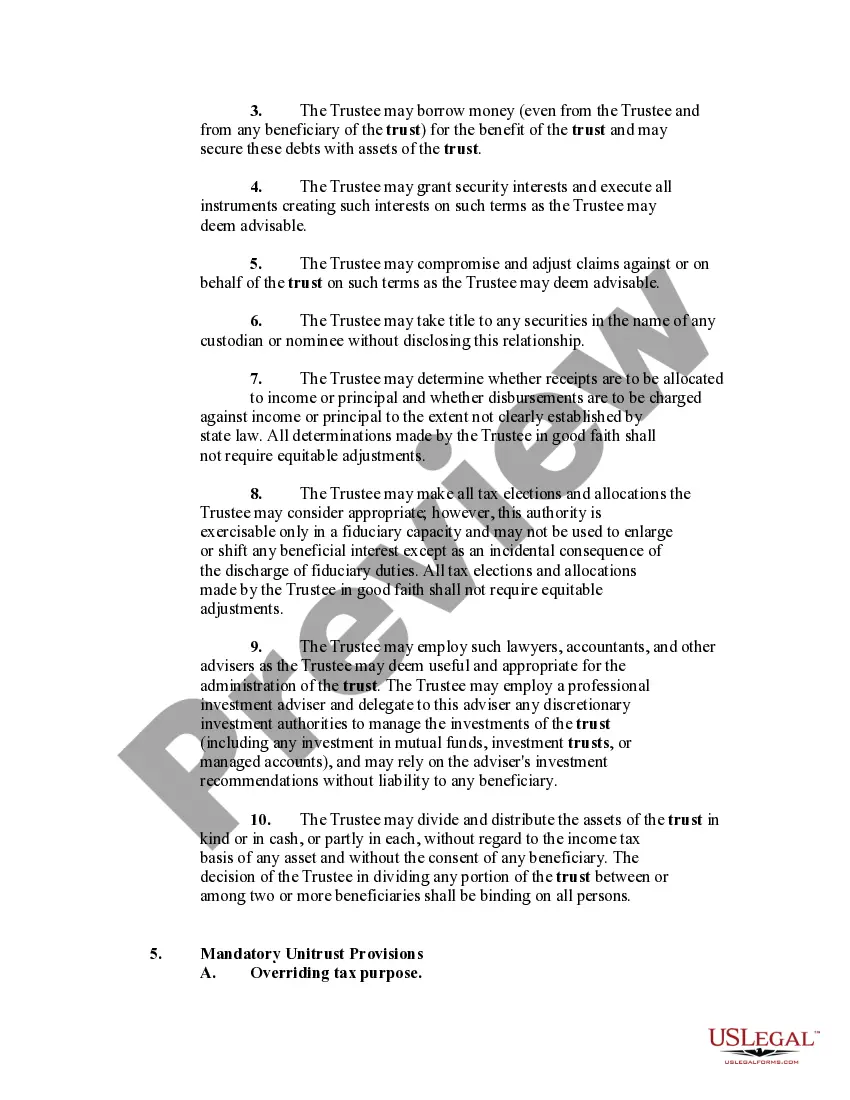
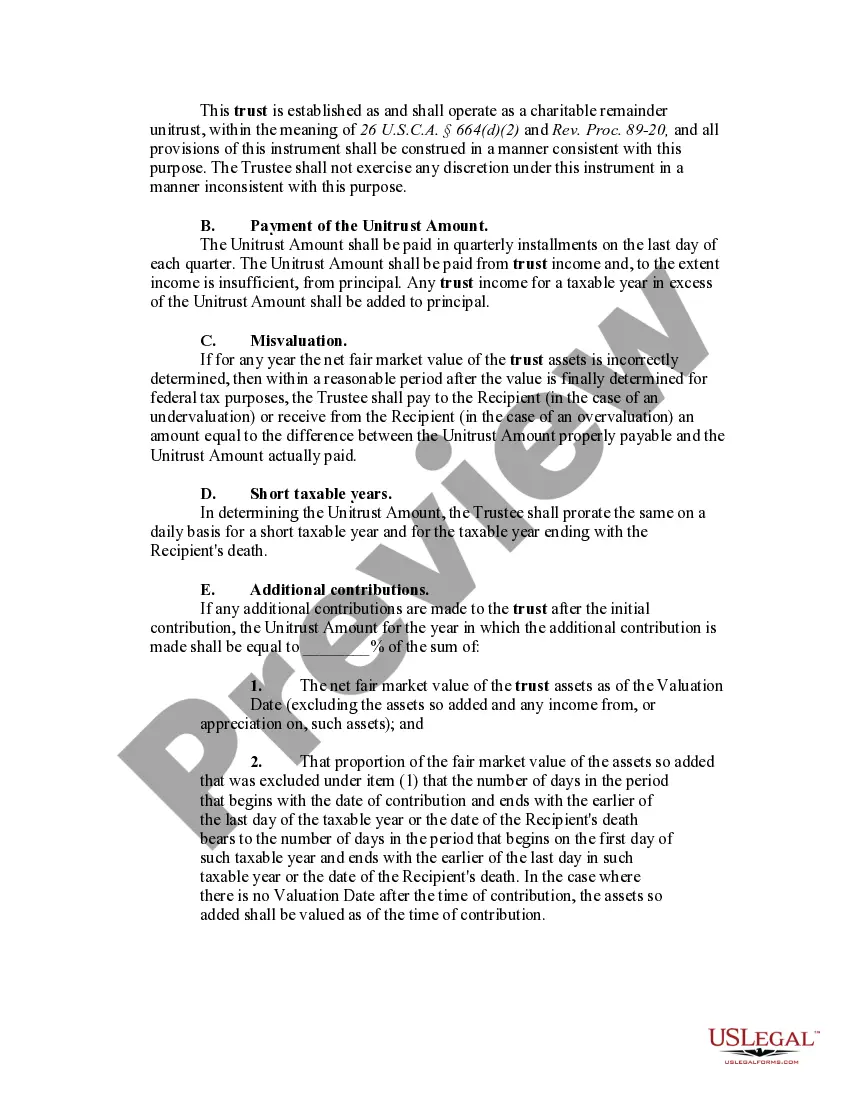
How to fill out Charitable Remainder Inter Vivos Unitrust Agreement?
- If you're a returning user, simply log in to your account and download the specific template by clicking the Download button. Before proceeding, verify your subscription status and renew if necessary.
- For new users, start by checking the Preview mode and description of the form. Confirm that you have selected the correct document that complies with your local jurisdiction.
- If the preferred template isn’t suitable, utilize the Search tab to locate a better option that matches your requirements.
- Once you've identified a suitable form, click on 'Buy Now' and choose your desired subscription plan. You will need to register an account to gain full access to the library.
- Complete your purchase by entering your credit card details or selecting your PayPal account for payment.
- After the transaction, download your form to your device. You can access it later in your profile under the My Forms menu.
US Legal Forms empowers you to efficiently execute legal documents through its comprehensive library, boasting over 85,000 fillable and editable forms. Benefit from the largest selection available, all for a competitive cost.
Don't delay your legal matters; start using US Legal Forms today and ensure you have all the documents you need at your fingertips!
Form popularity
FAQ
Yes, a charitable remainder unitrust (CRUT) is required to file Form 1041, which is the U.S. Income Tax Return for Estates and Trusts. This requirement ensures that the trust reports income generated and distributions made to beneficiaries. Timely and accurate filing is essential to maintain compliance with tax regulations. If you seek guidance, consider utilizing US Legal Forms for comprehensive assistance in managing your CRUT obligations.
CRUT distribution requirements include adhering to the specified payout rate, which must be at least 5% of the trust’s fair market value. Additionally, distributions must be made annually to the beneficiaries for a minimum term of years or until their death. Complying with these guidelines ensures your charitable remainder unitrust functions as intended and meets IRS standards.
A unitrust is a type of charitable remainder trust that pays a fixed percentage of the trust's value to the beneficiaries each year, while a charitable remainder trust can offer different payout methods. The key distinction lies in how distributions are calculated, impacting your financial planning. Choosing between these options often depends on your financial goals and charitable intentions.
Disqualified persons for a charitable remainder trust typically include any individuals who have a direct interest in the trust, such as the grantor, their spouse, or descendants. Such relationships can lead to conflicts of interest or potential misuse of trust assets. Awareness of these disqualified relationships is crucial to maintaining the integrity and tax exemptions of your charitable remainder trust.
To establish a charitable remainder unitrust (CRUT), you must specify the trust's beneficiaries, determine the payout rate, and select a qualified charity. Additionally, the trust must comply with IRS regulations that set limits on valuation and distribution. Ultimately, setting up a CRUT can provide you with both charitable benefits and financial advantages.