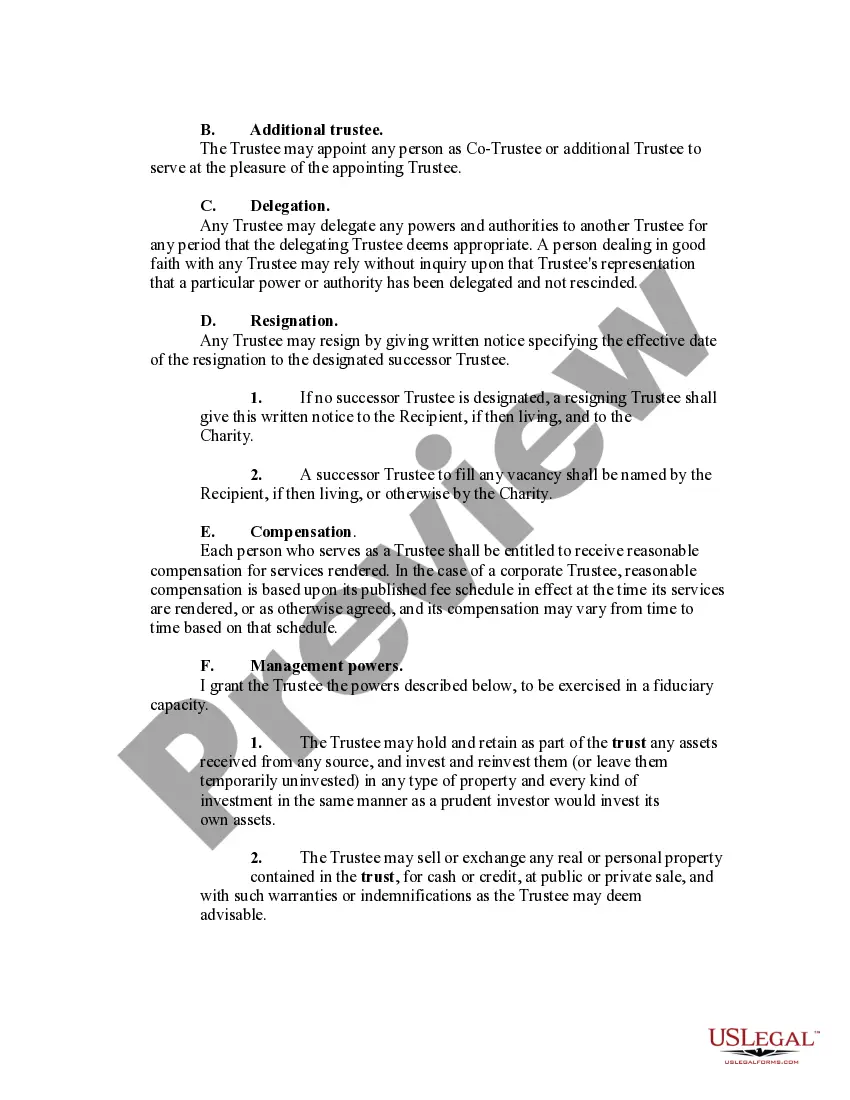
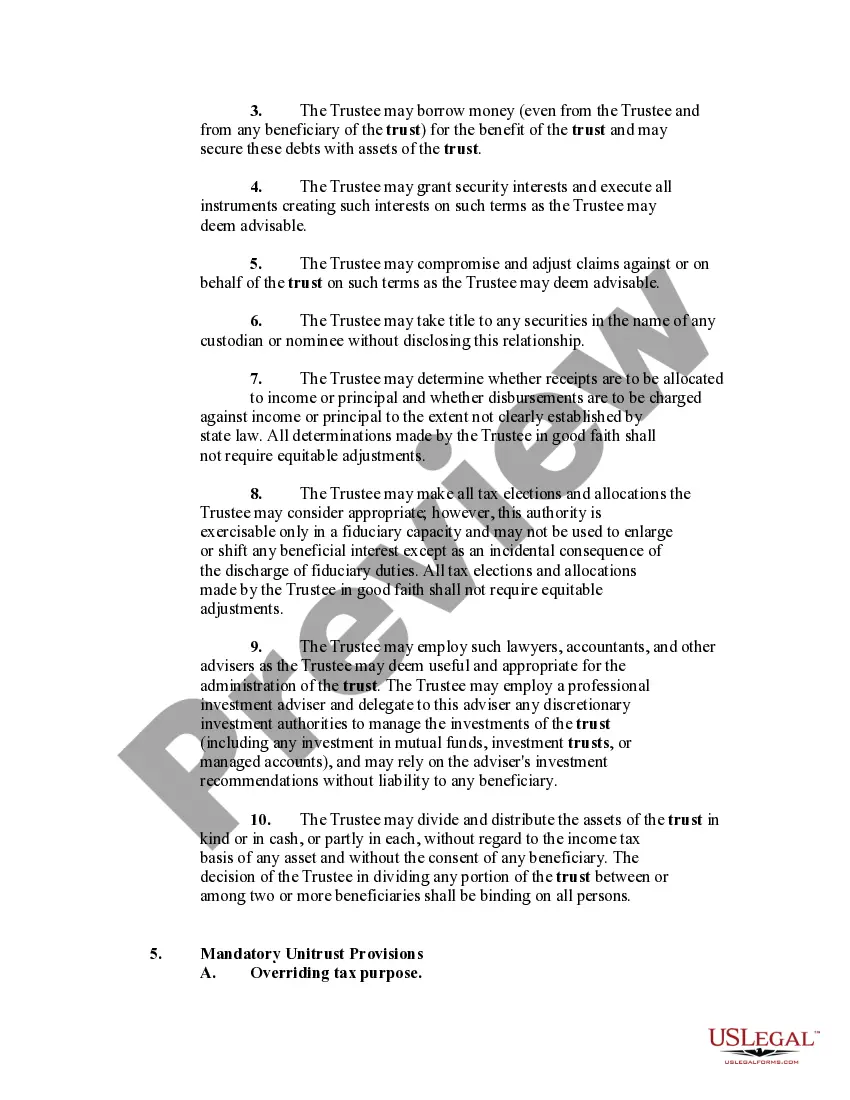
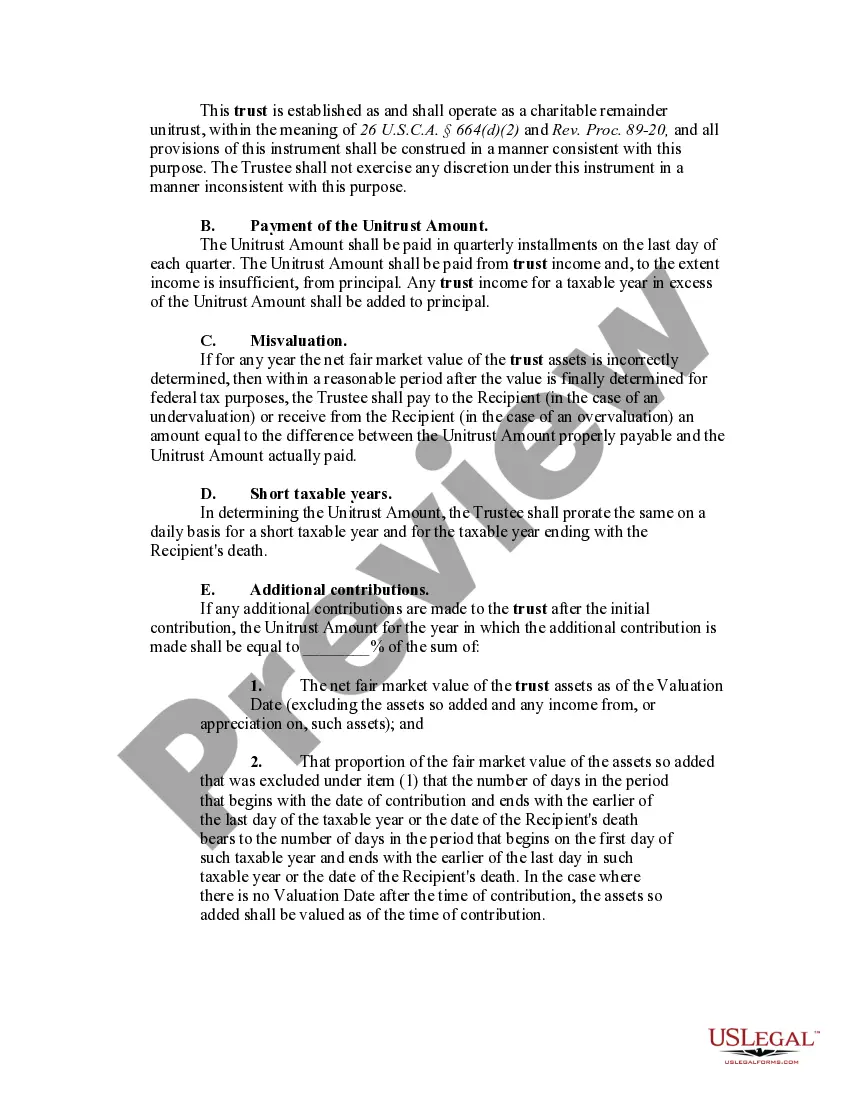
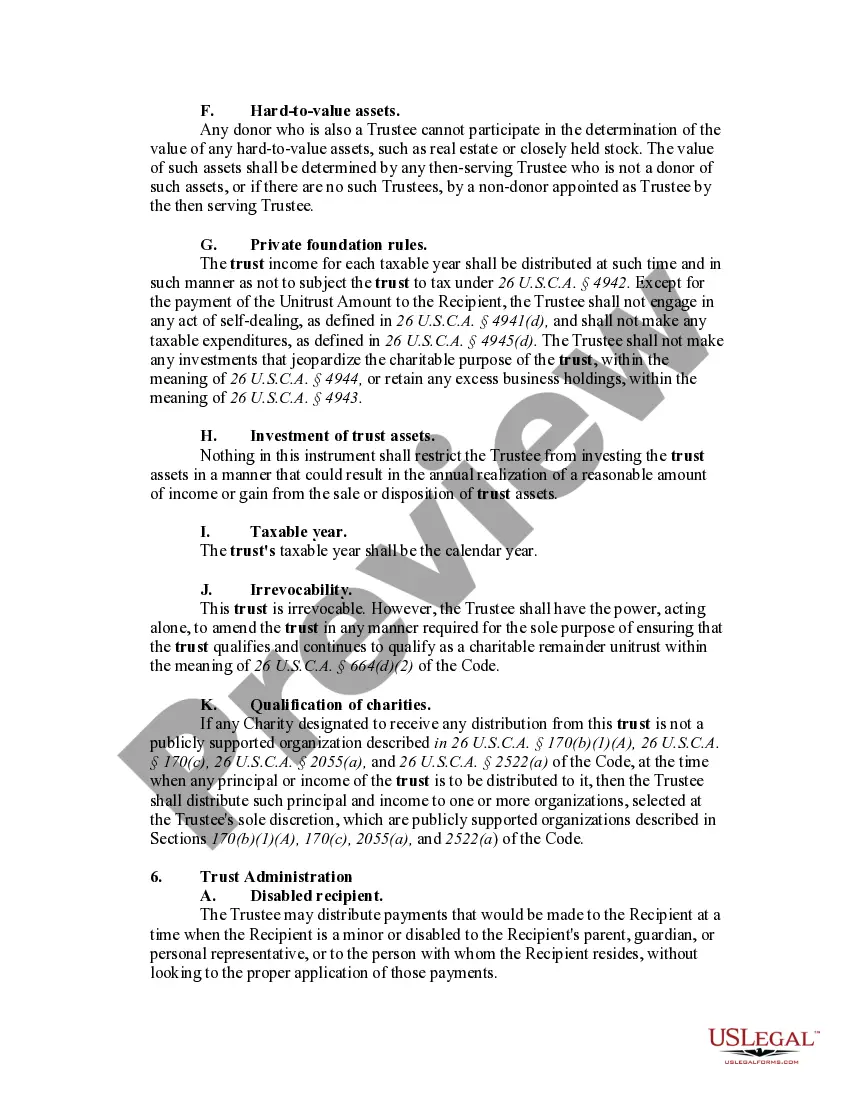
Remainder Vivos Trust Application For The Future
Description

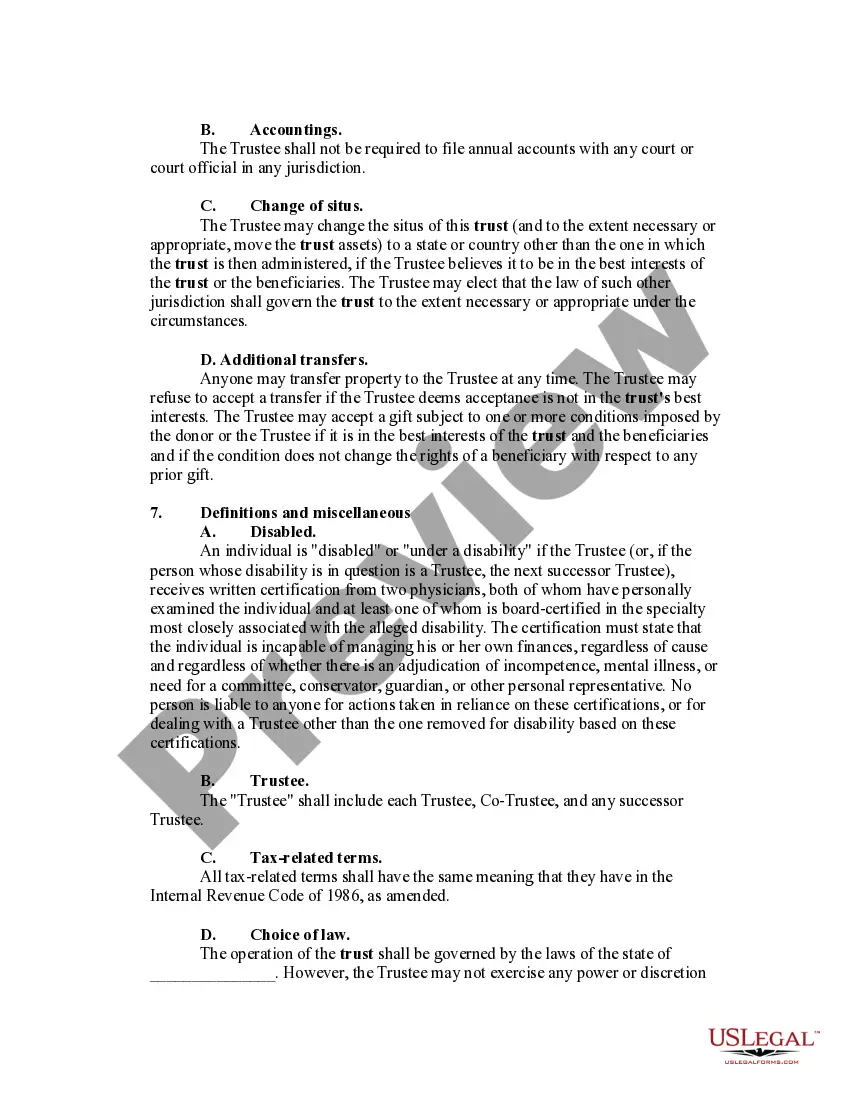
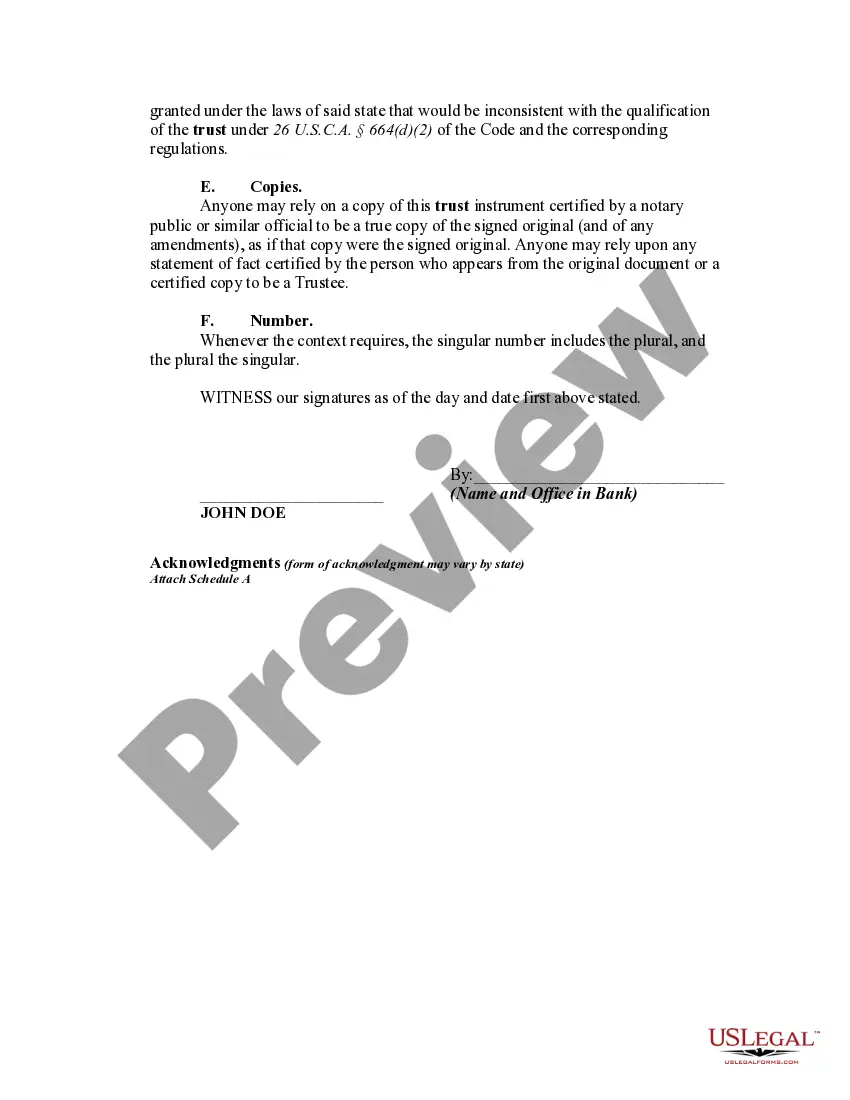
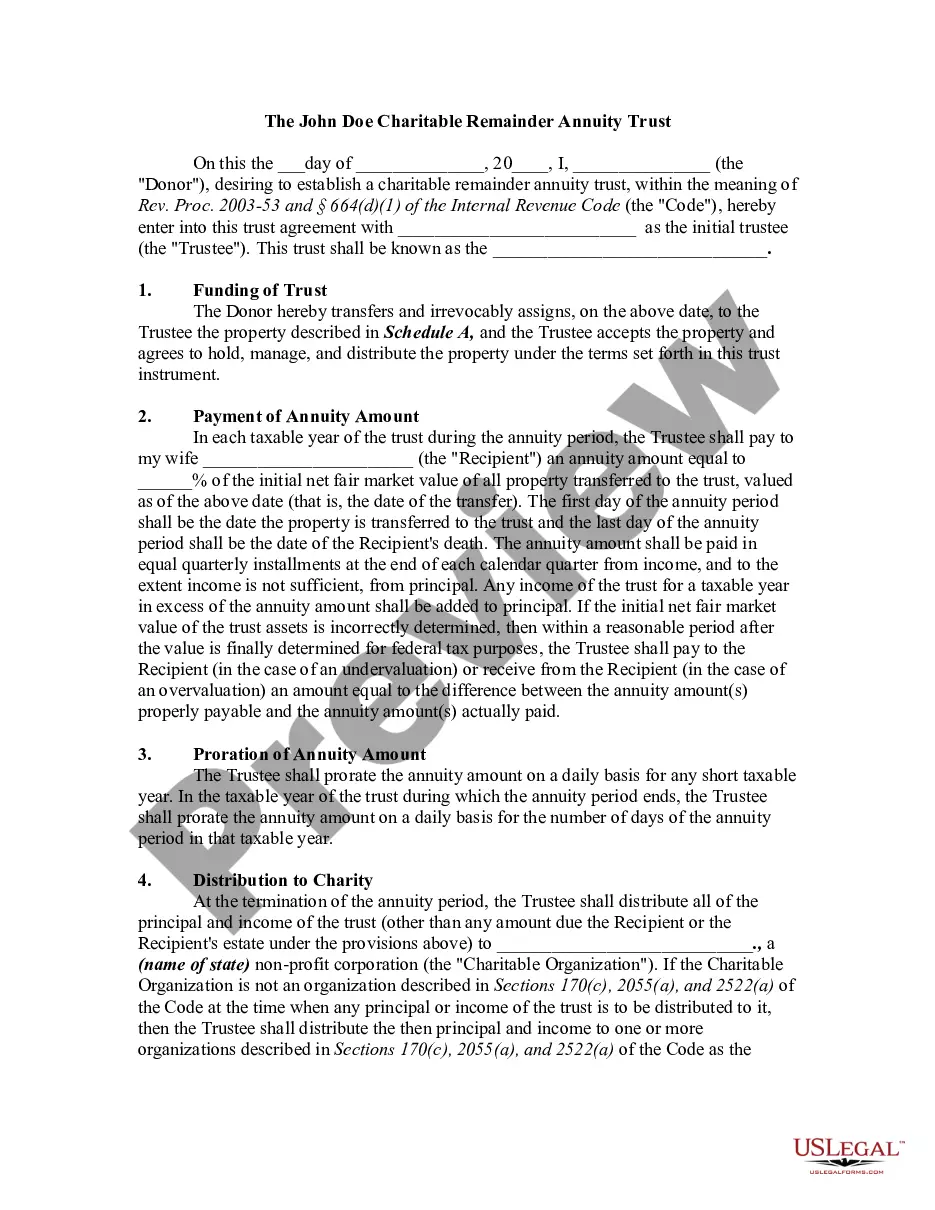
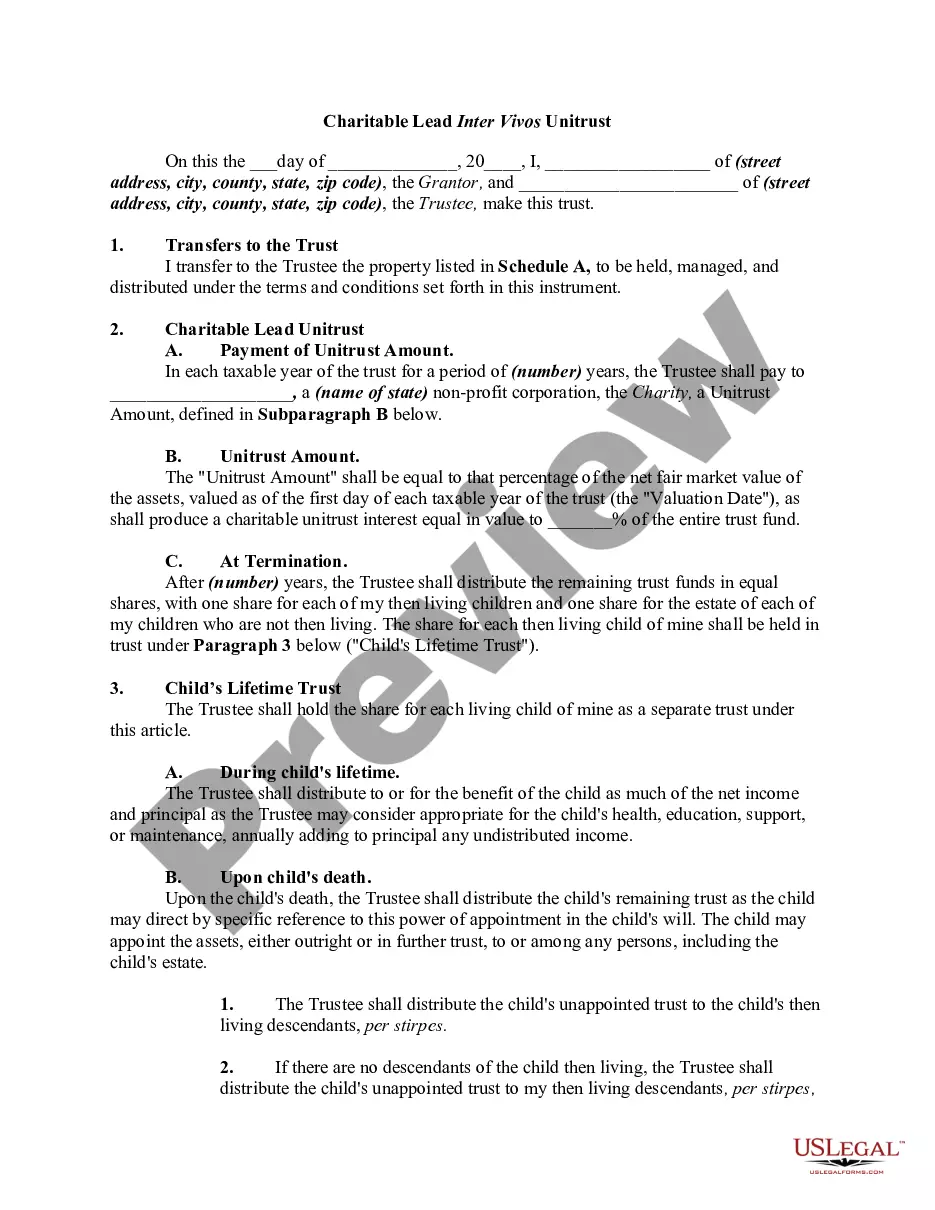
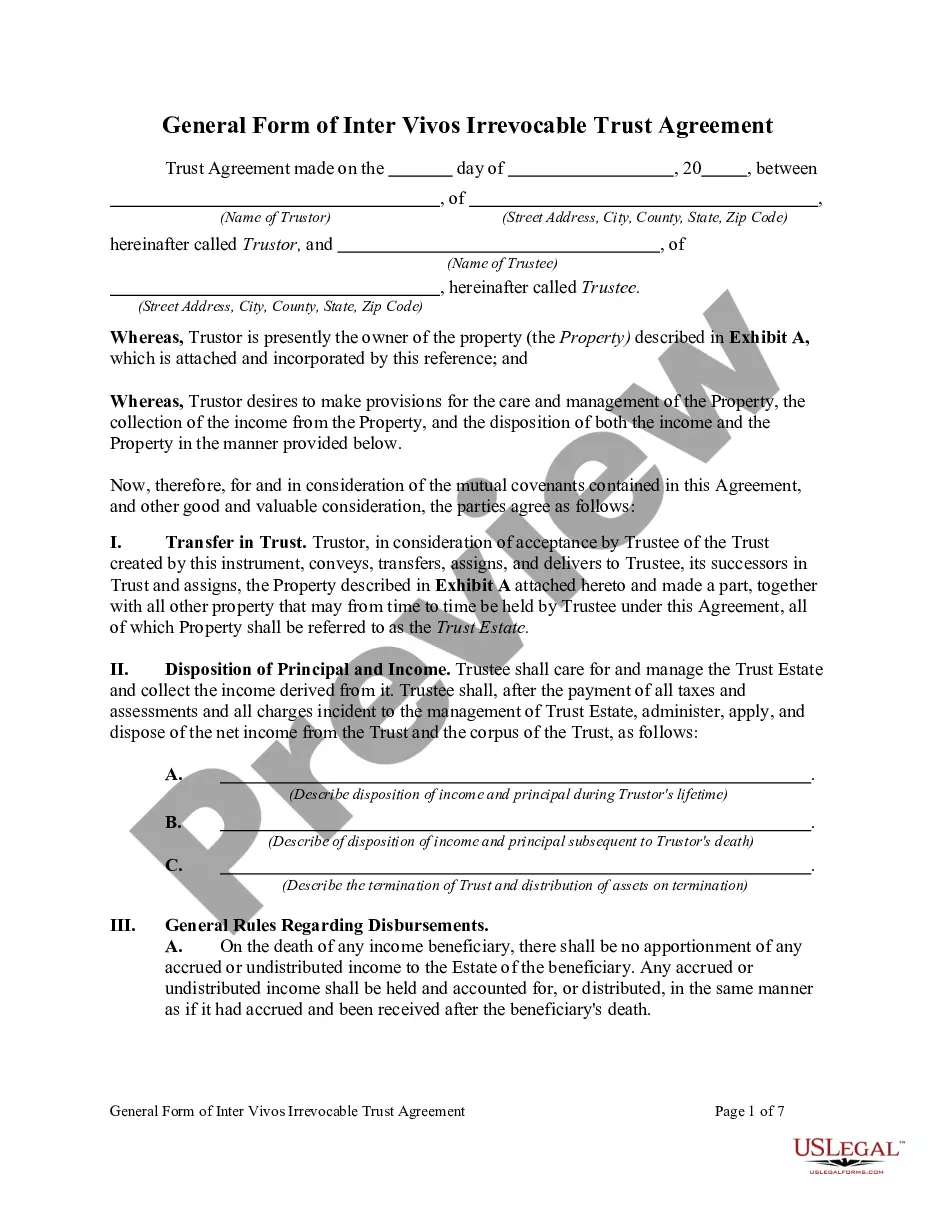
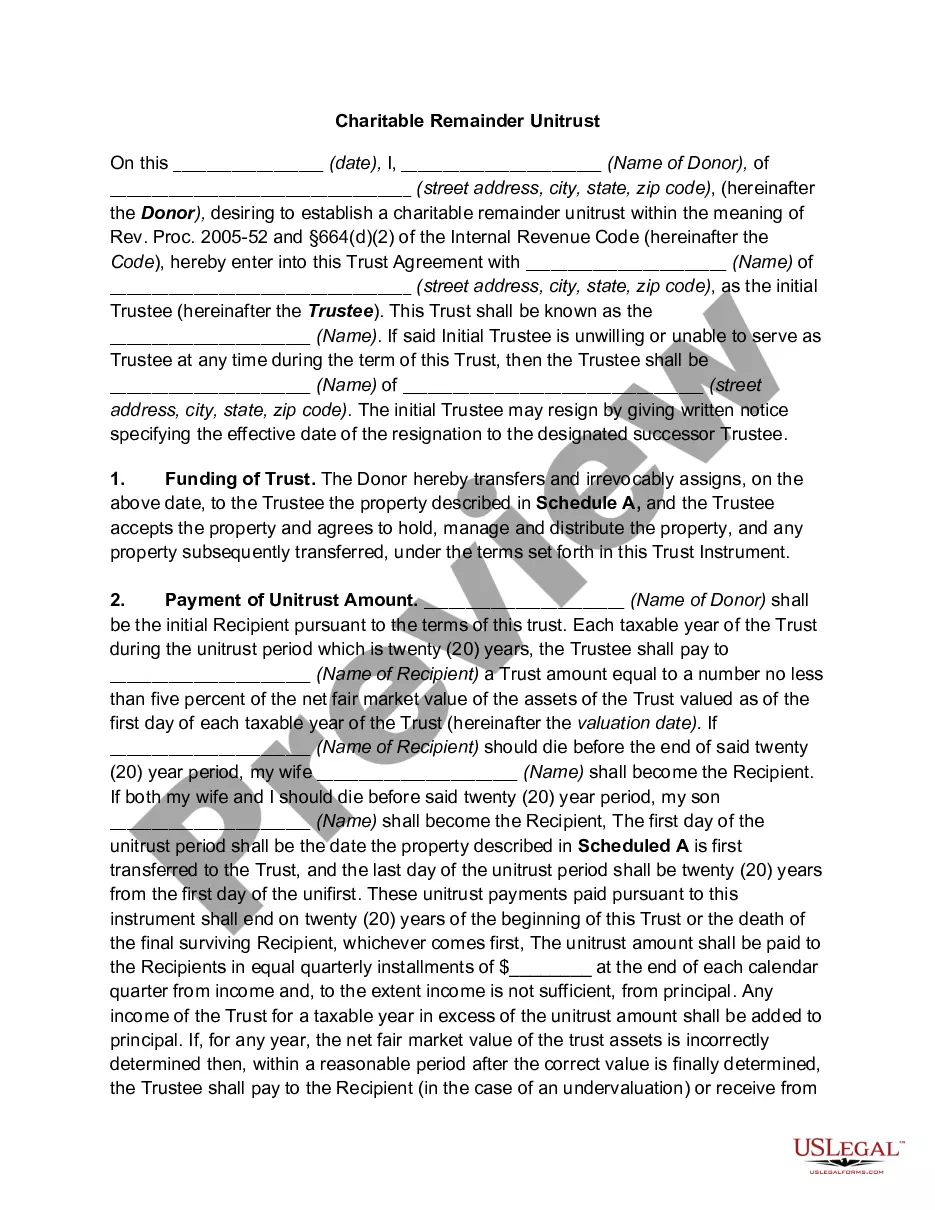
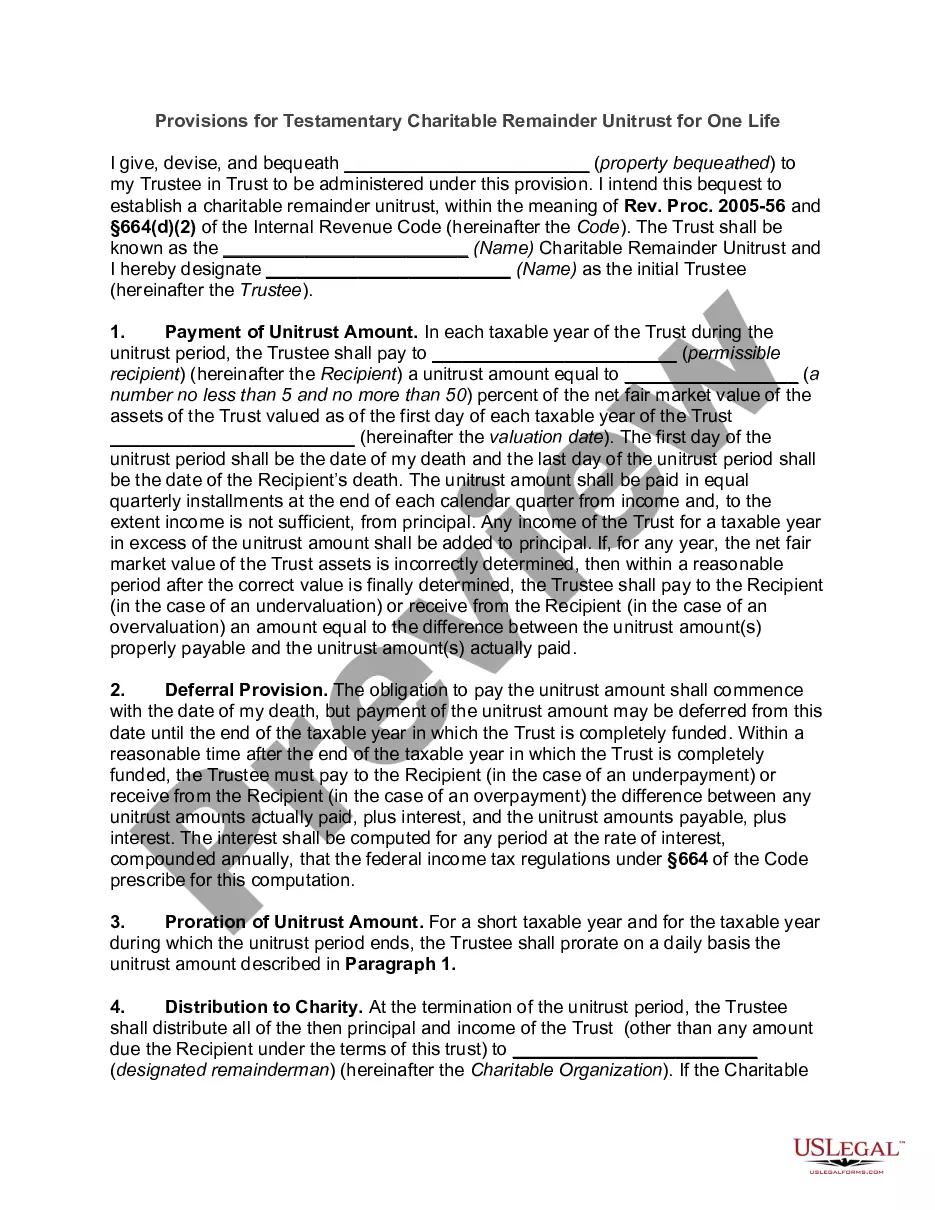
Get your form ready online
Our built-in tools help you complete, sign, share, and store your documents in one place.
Make edits, fill in missing information, and update formatting in US Legal Forms—just like you would in MS Word.
Download a copy, print it, send it by email, or mail it via USPS—whatever works best for your next step.
Sign and collect signatures with our SignNow integration. Send to multiple recipients, set reminders, and more. Go Premium to unlock E-Sign.
If this form requires notarization, complete it online through a secure video call—no need to meet a notary in person or wait for an appointment.
We protect your documents and personal data by following strict security and privacy standards.

Make edits, fill in missing information, and update formatting in US Legal Forms—just like you would in MS Word.

Download a copy, print it, send it by email, or mail it via USPS—whatever works best for your next step.

Sign and collect signatures with our SignNow integration. Send to multiple recipients, set reminders, and more. Go Premium to unlock E-Sign.

If this form requires notarization, complete it online through a secure video call—no need to meet a notary in person or wait for an appointment.

We protect your documents and personal data by following strict security and privacy standards.
Looking for another form?
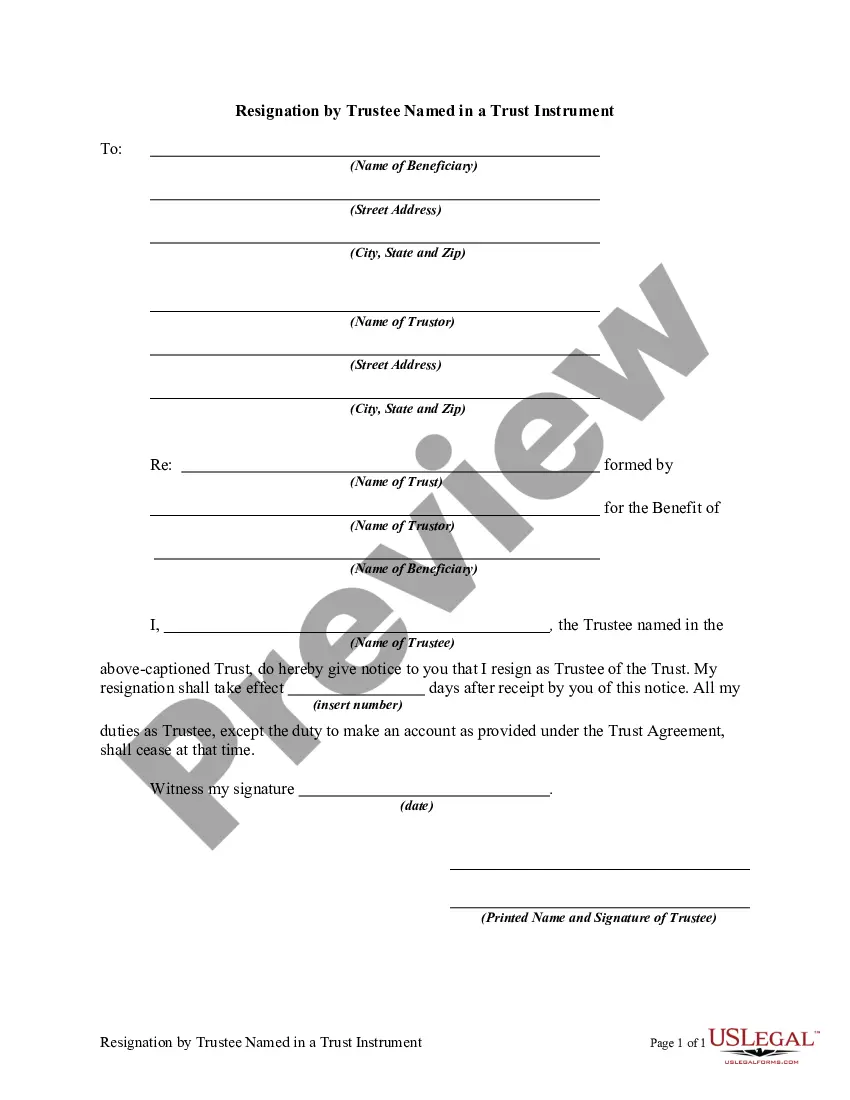





How to fill out Charitable Remainder Inter Vivos Unitrust Agreement?
- Access the US Legal Forms website and log in to your account if you are a returning user. If not, create a new account to get started.
- Use the search bar to locate the Remainder vivos trust application form by entering the relevant keywords. Take a moment to read through the form description and preview to ensure it meets your local jurisdiction requirements.
- In case you find inaccuracies, refine your search by utilizing the Search tab to find a suitable form. Once you confirm it meets your needs, proceed to purchase.
- Click the Buy Now button and select a subscription plan that fits your needs. You will need to register for an account if you haven’t already done so.
- Enter your payment details with a credit card or via PayPal to complete the transaction.
- Upon successful payment, download the form to your device. You can also access your documents anytime through the My Forms section of your profile.
In conclusion, US Legal Forms provides users with unparalleled access to a robust collection of legal forms and expert guidance. Whether you're completing a trust application or any other legal document, you can trust that our resources will help you execute your legal needs accurately and efficiently.
Start your journey with US Legal Forms today and secure your future with the right legal documentation!
Form popularity
FAQ
Anyone can set up a charitable remainder trust, but it often involves individuals with significant assets who wish to incorporate charitable giving into their estate plan. The Remainder vivos trust application for the future offers a straightforward pathway to establish this type of trust. Working with professionals can help clarify the requirements and ensure that your charitable intentions are met. Uslegalforms provides valuable resources to guide you through the setup process.
The 5% rule for a Charitable Remainder Unitrust (CRUT) refers to the minimum payout percentage you must distribute to beneficiaries annually. This payout directly impacts the Remainder vivos trust application for the future by ensuring that your trust meets IRS standards for distributions. It allows flexibility in how you manage your trust's assets while contributing to charitable endeavors. Understanding this rule helps maximize your trust's benefits.
Yes, you can file form 5227 electronically. The Remainder vivos trust application for the future simplifies this process by providing an efficient platform for electronic submissions. Using online resources enhances accuracy and speed, ensuring your trust-related documents are processed swiftly. With uslegalforms, you can easily navigate these requirements.
Creating an inter vivos trust involves choosing your assets and determining the beneficiaries. You will need to draft a trust document, specifying terms and conditions, and select a trustee to manage the trust. Utilizing platforms like US Legal Forms can simplify this process, providing templates and guidance tailored for your remainder vivos trust application for the future. This ensures your trust aligns with your goals and legal requirements.
To set up a Charitable Remainder Trust (CRT), you will start by defining the assets you wish to contribute and selecting a reliable trustee. Next, you will need to specify the beneficiaries and the terms of the trust, including the payout rate. Consulting with a financial advisor or legal expert can guide you through the process, ensuring compliance with regulations. This trust can be part of your remainder vivos trust application for the future, helping achieve both personal and charitable goals.
Yes, a charitable remainder trust can be e-filed, which makes the process more convenient. Utilizing appropriate tax software will help you in filing your return accurately, especially when it relates to your remainder vivos trust application for the future. E-filing provides a quicker way to meet your tax obligations and receive confirmations.
Certain IRS forms, including Form 5227, cannot be filed electronically. This limitation may affect how you manage documentation for your remainder vivos trust application for the future. It's crucial to check current IRS guidelines for the latest updates on e-filing capabilities.
No, currently, Form 5227 cannot be filed electronically. This includes instances where you may be reporting details connected to your remainder vivos trust application for the future. You will need to print and mail this form, so ensure that you manage your timelines accordingly.
Yes, Form 1041 includes a Schedule B, which is necessary for reporting interest and dividends. If you are managing a trust and handling assets related to your remainder vivos trust application for the future, completing Schedule B correctly is important for accurate reporting. This ensures transparency in your financial dealings.
To extend Form 5227, you can file Form 7004, which serves as an automatic extension request. This will provide you additional time to prepare your return associated with your remainder vivos trust application for the future. It’s essential to submit the extension request before the original due date to avoid penalties.