Remainder Inter Vivos Trust With Mortgage
Description
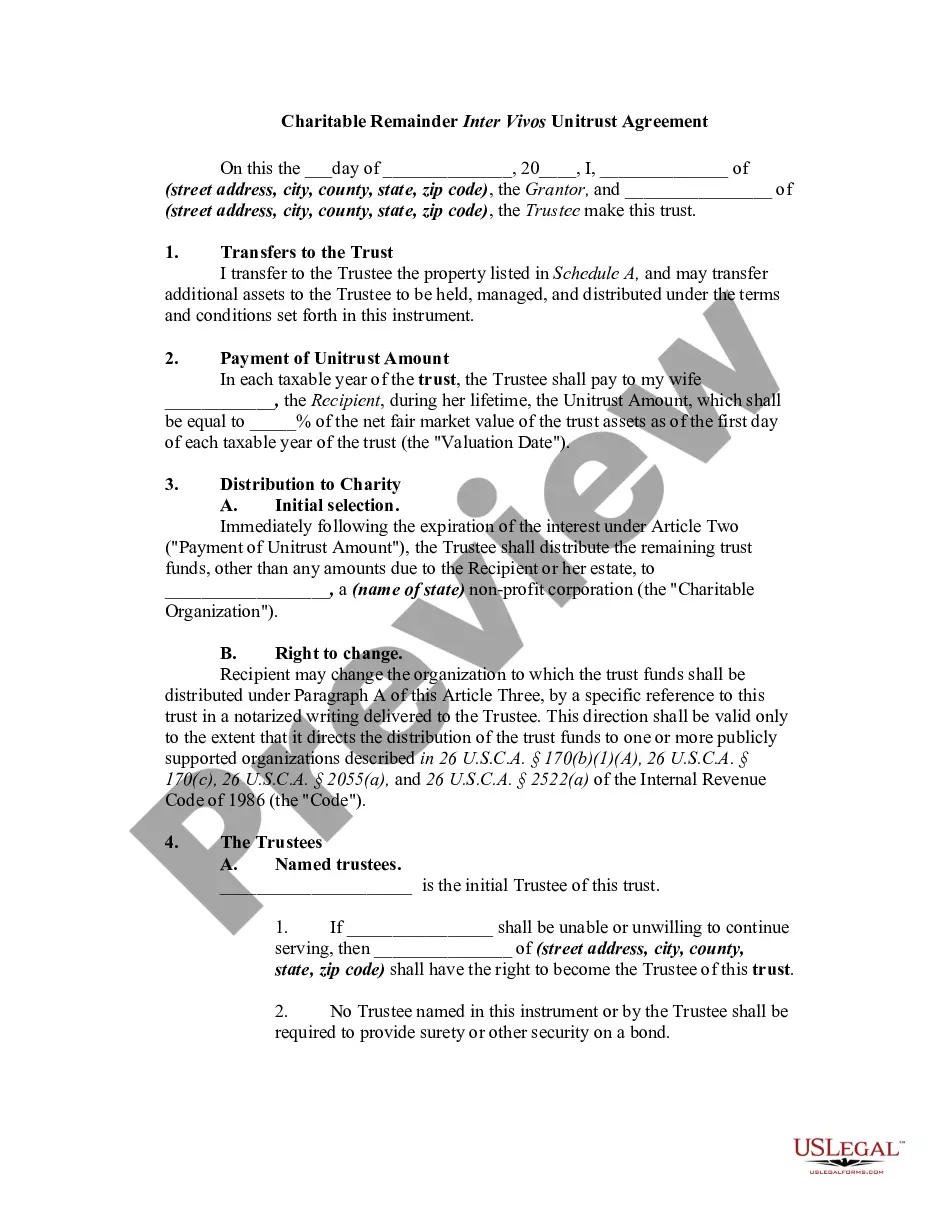
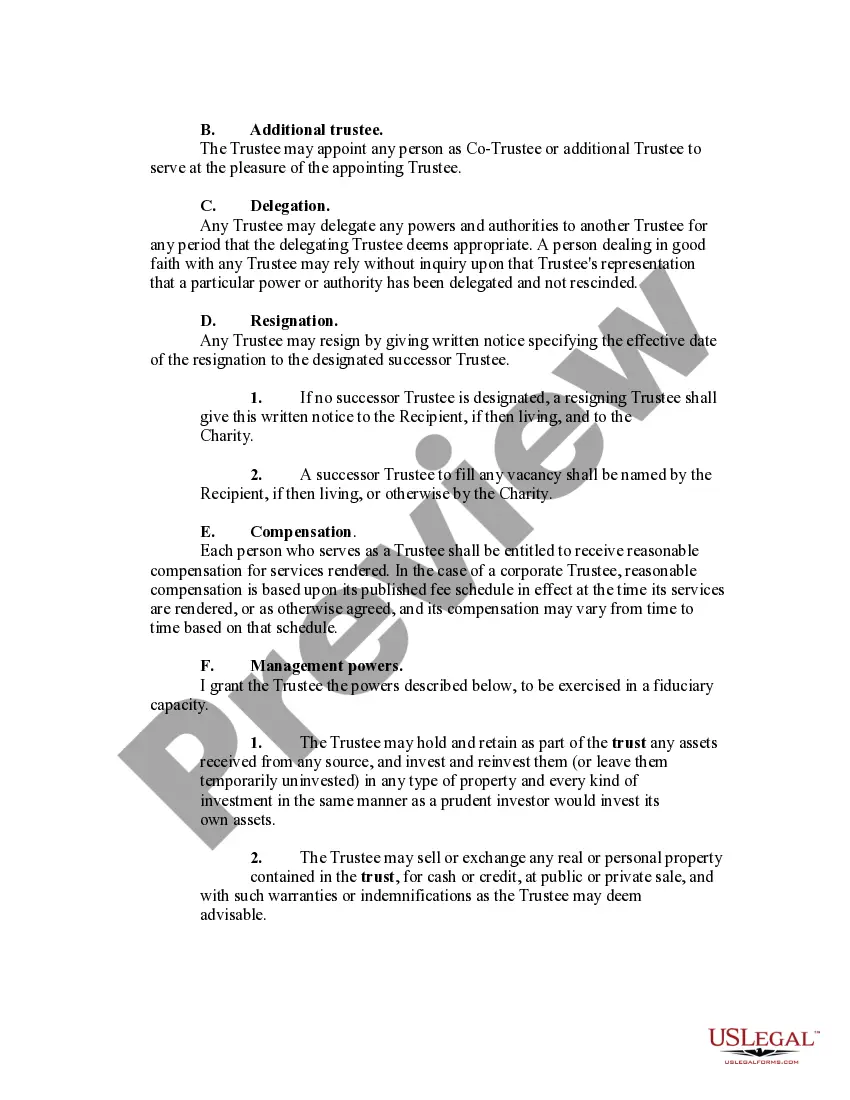
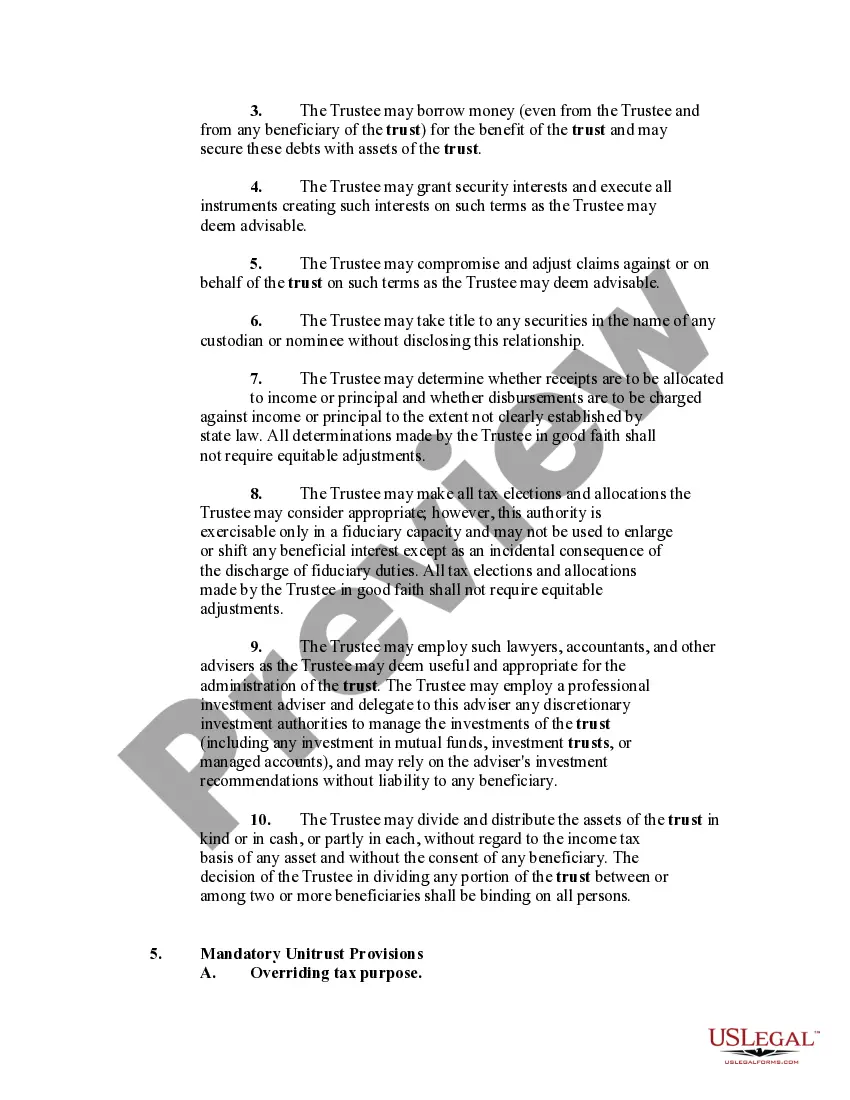
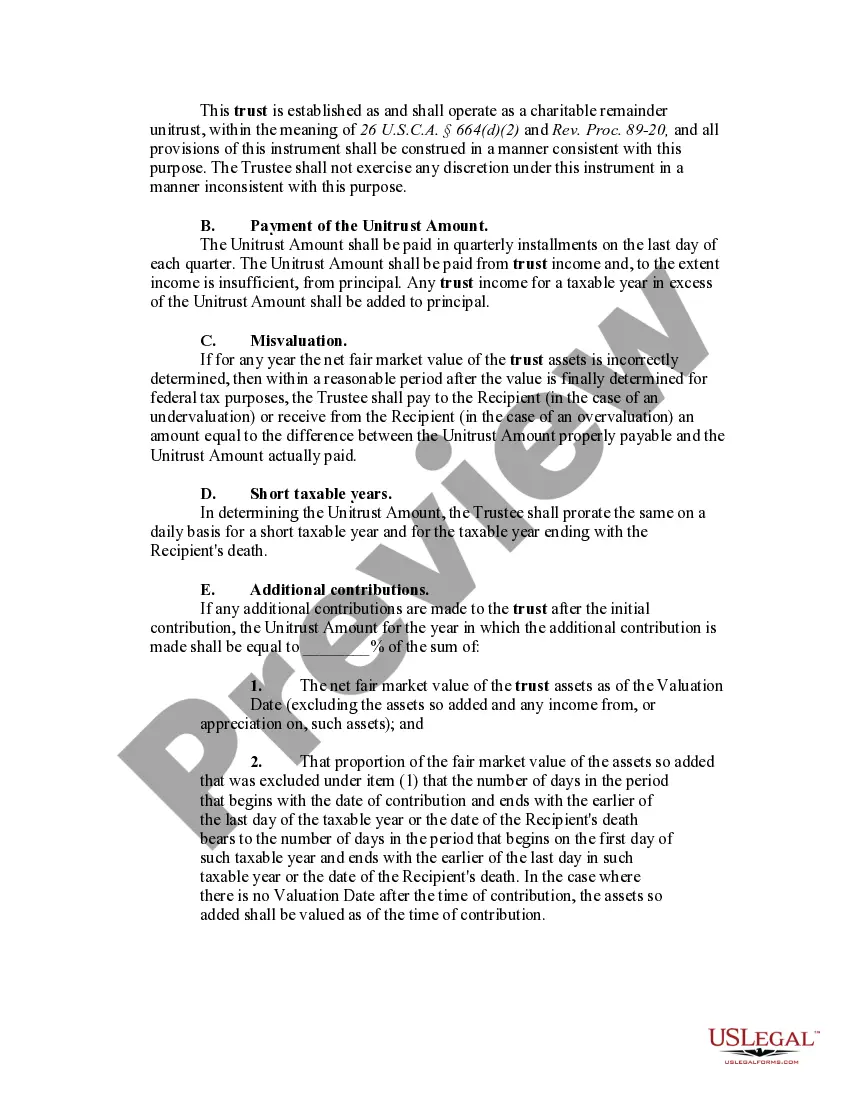
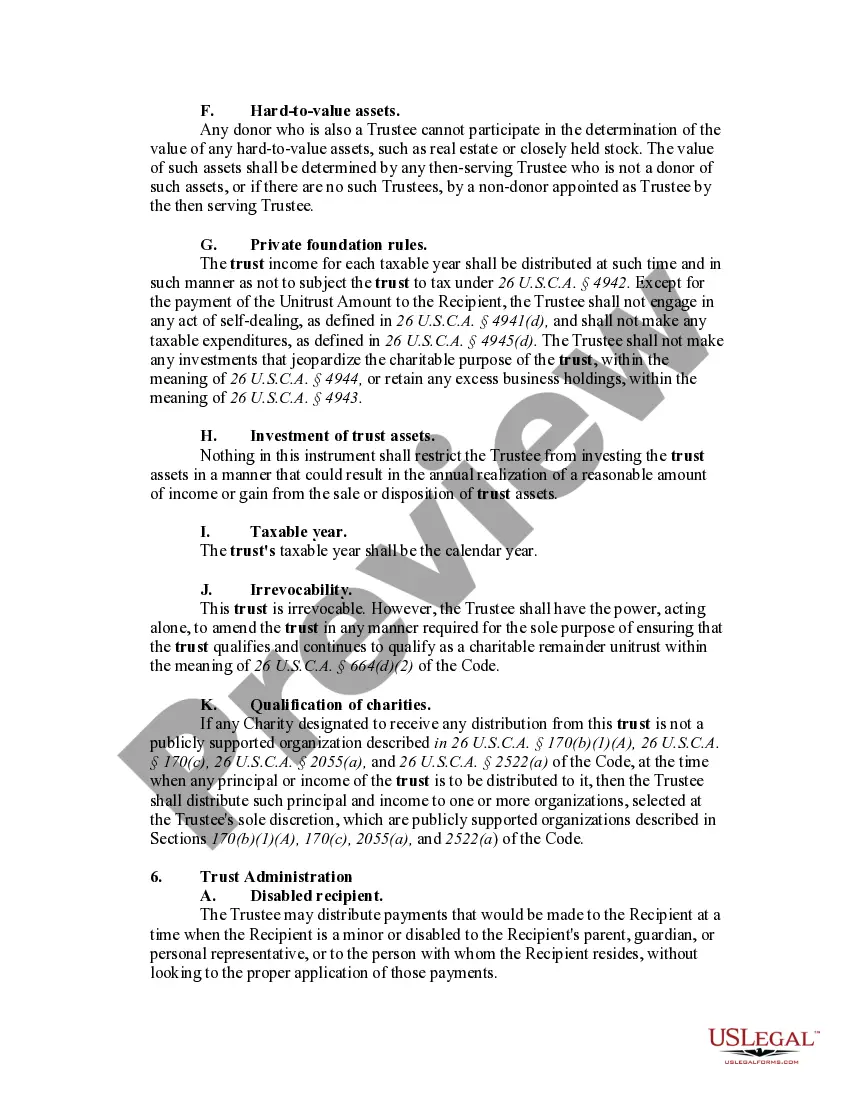
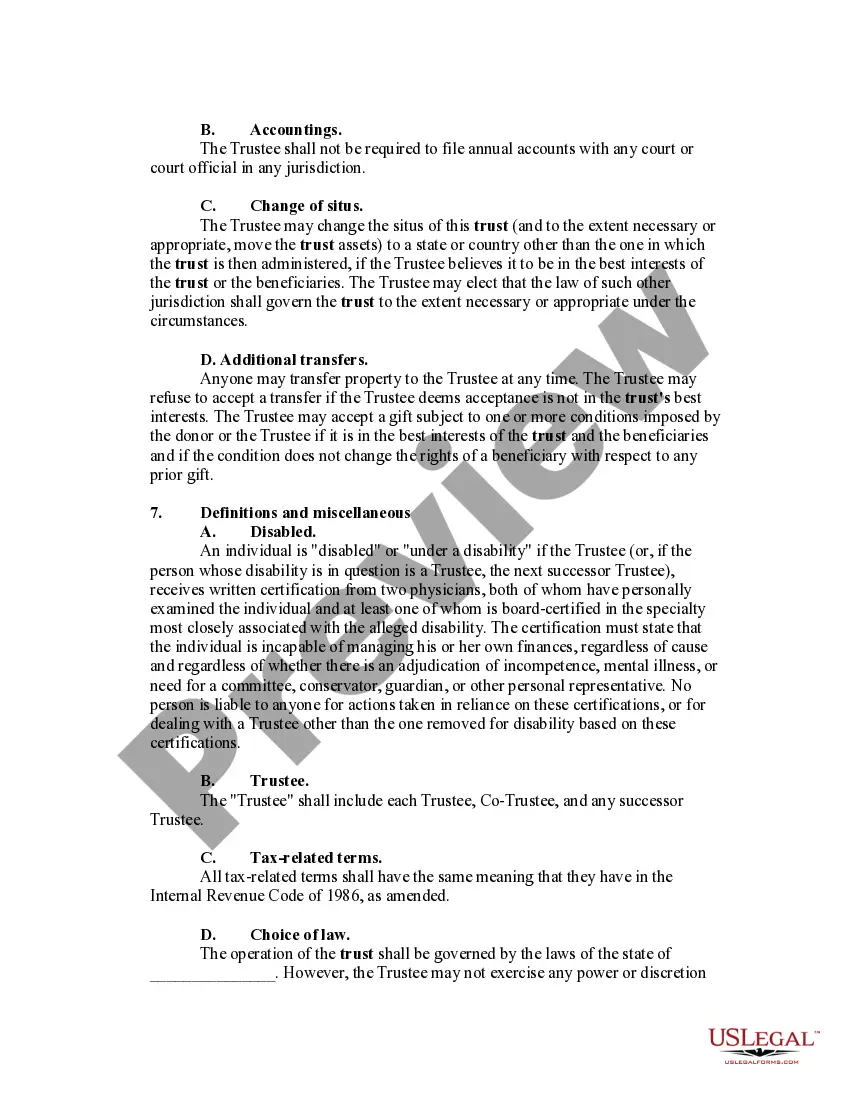
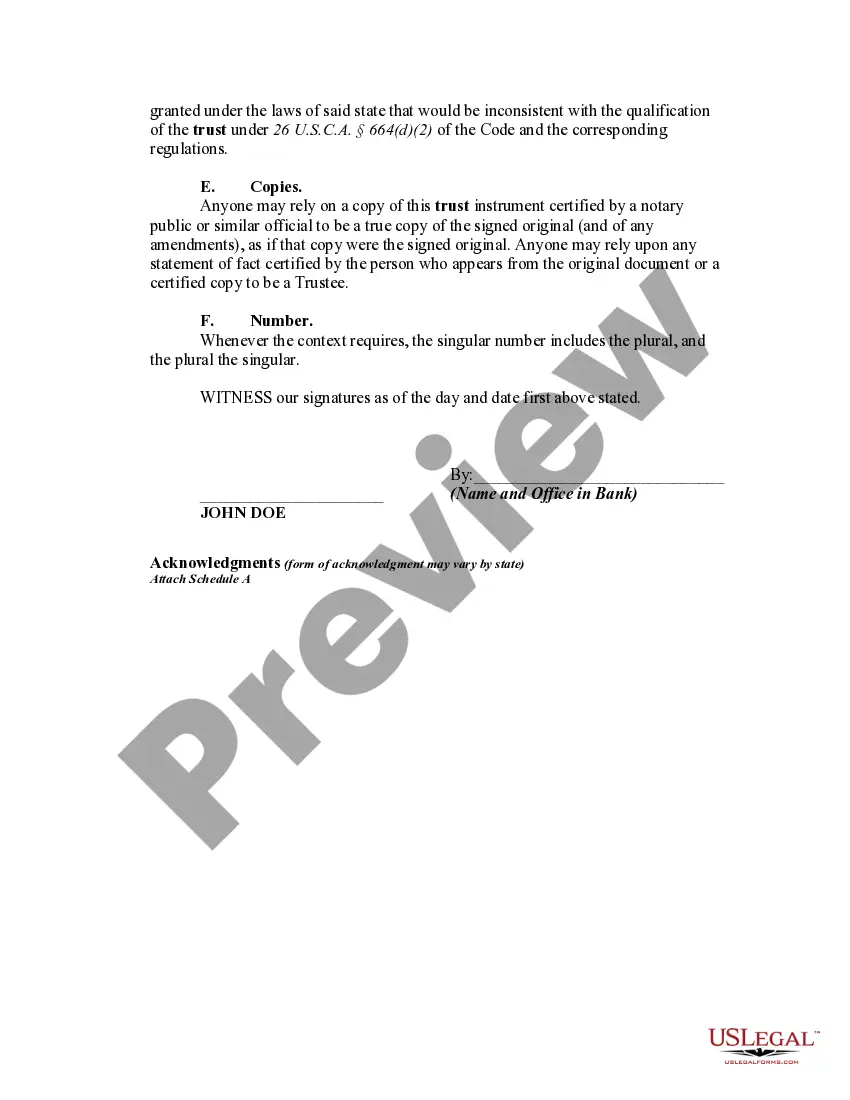
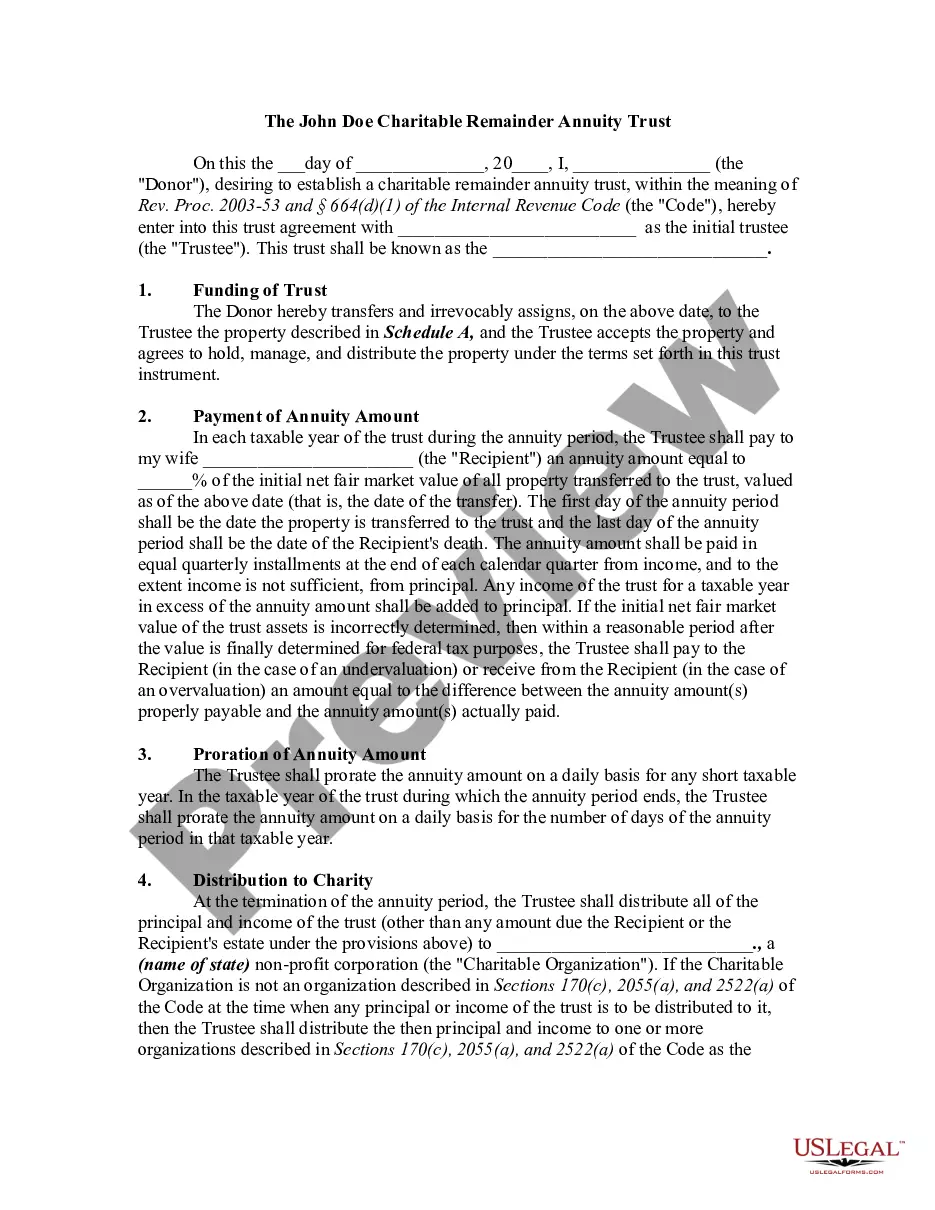
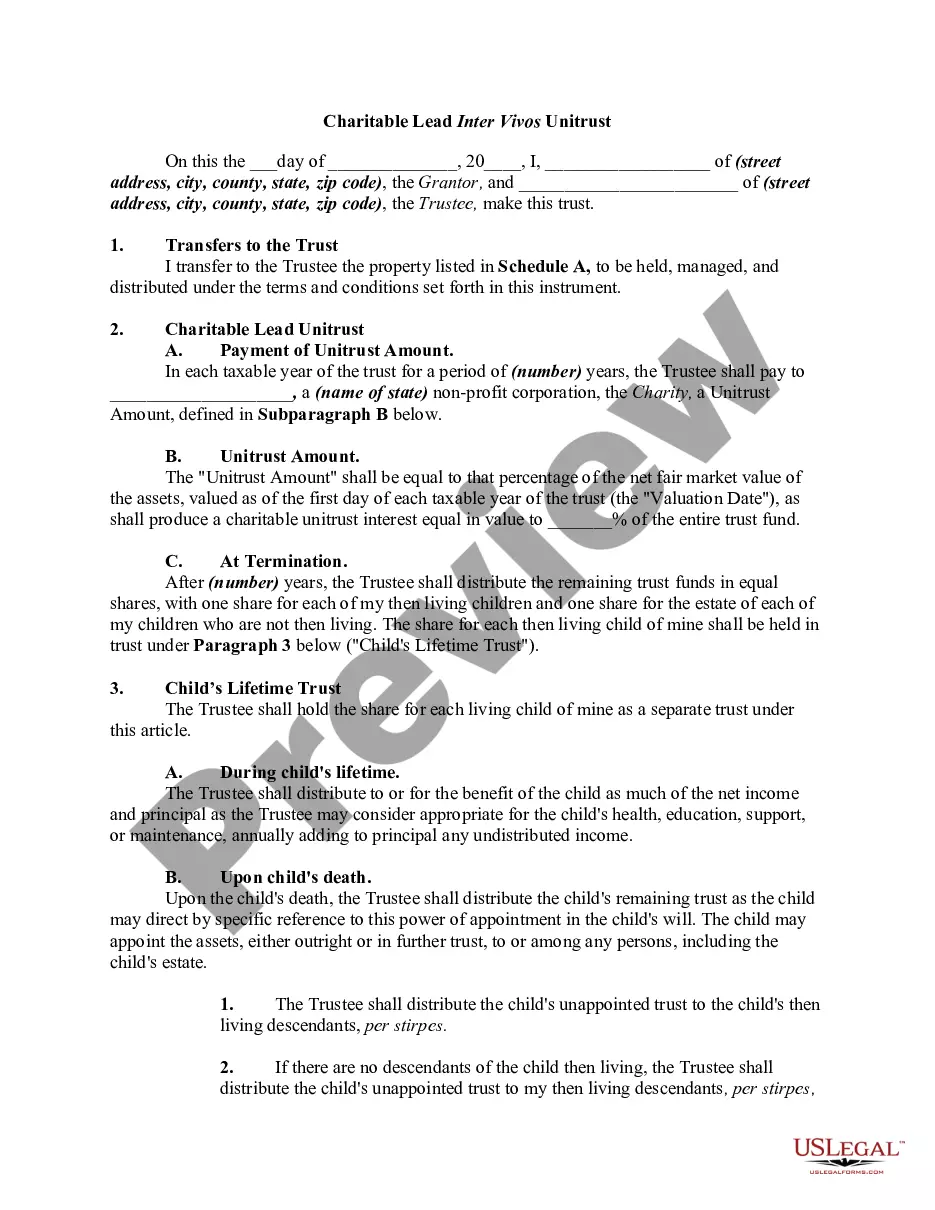
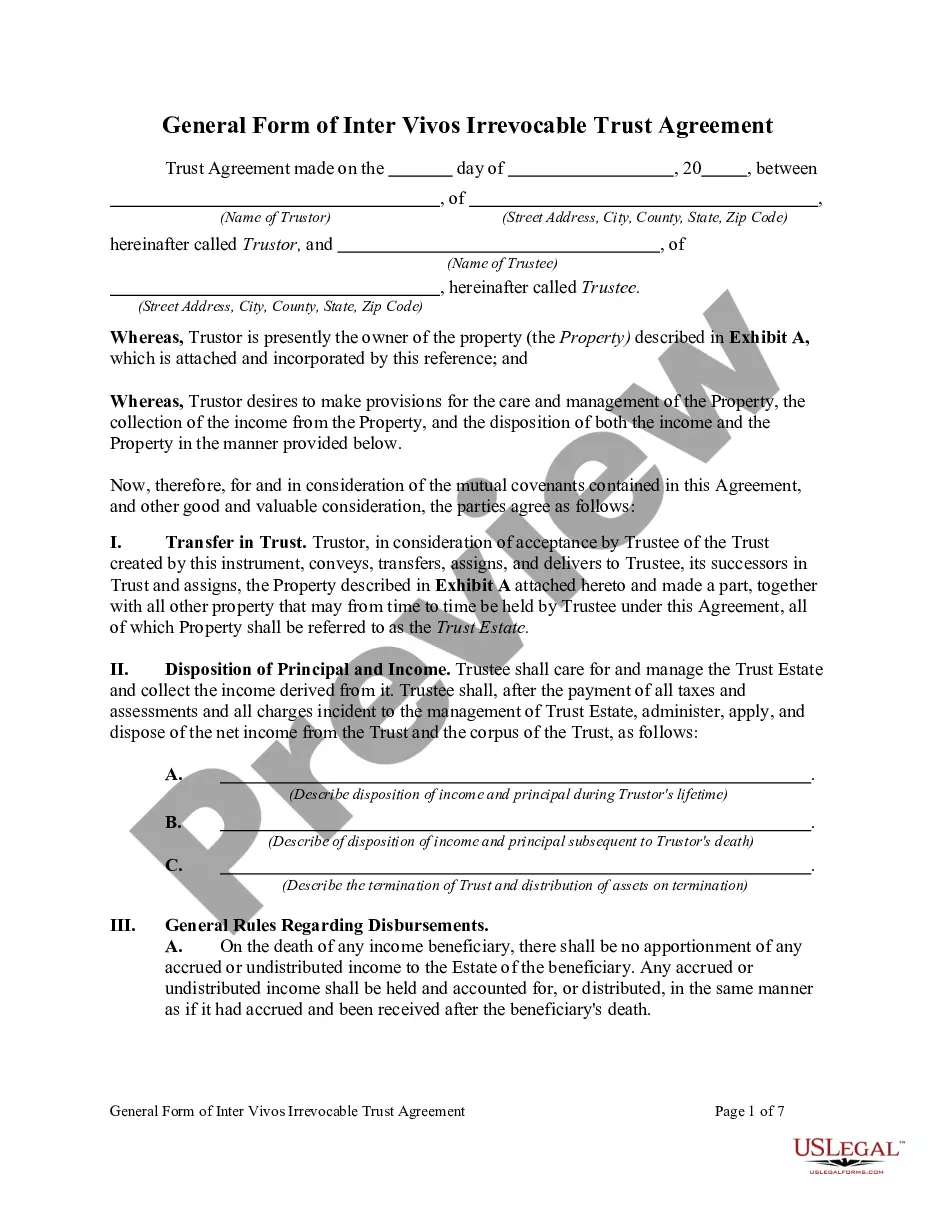
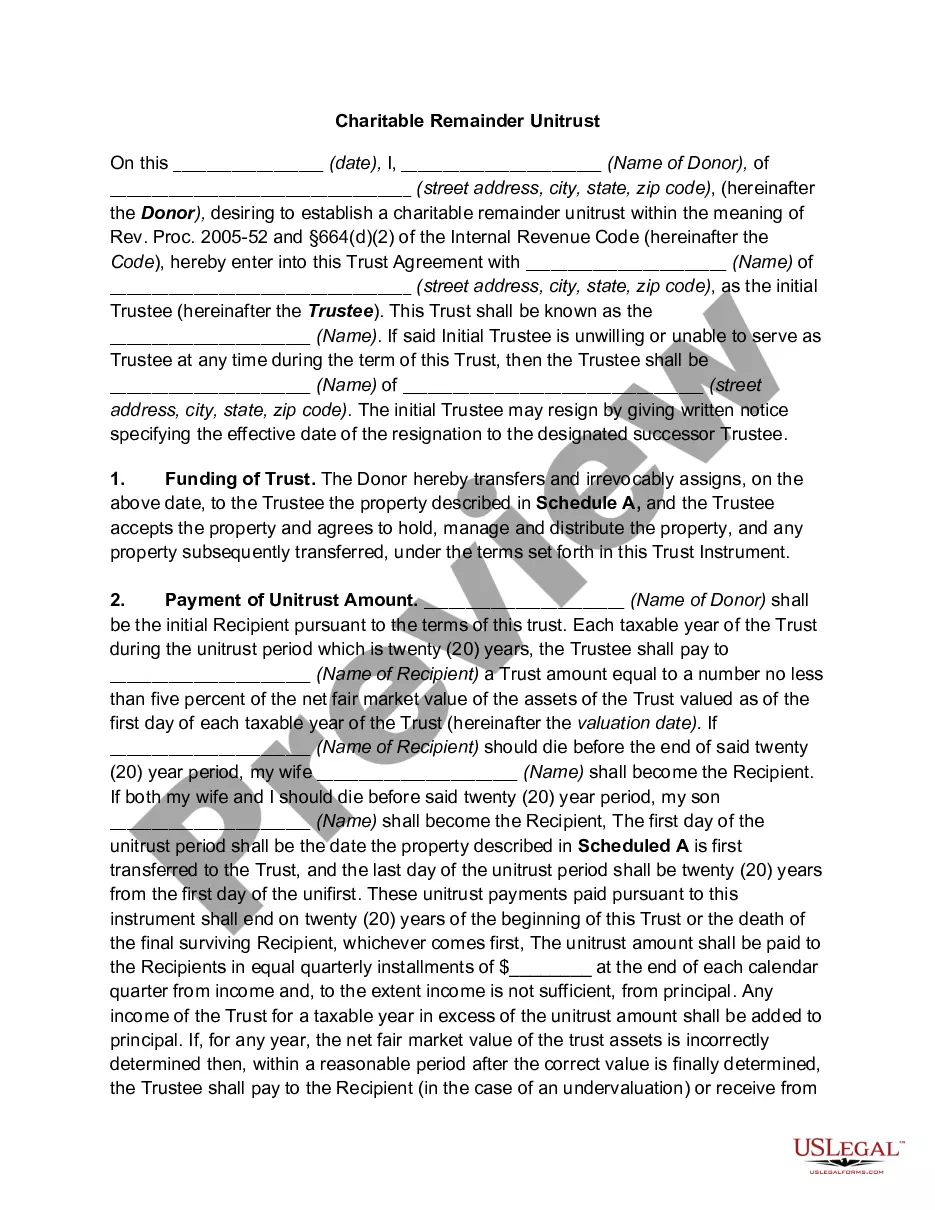
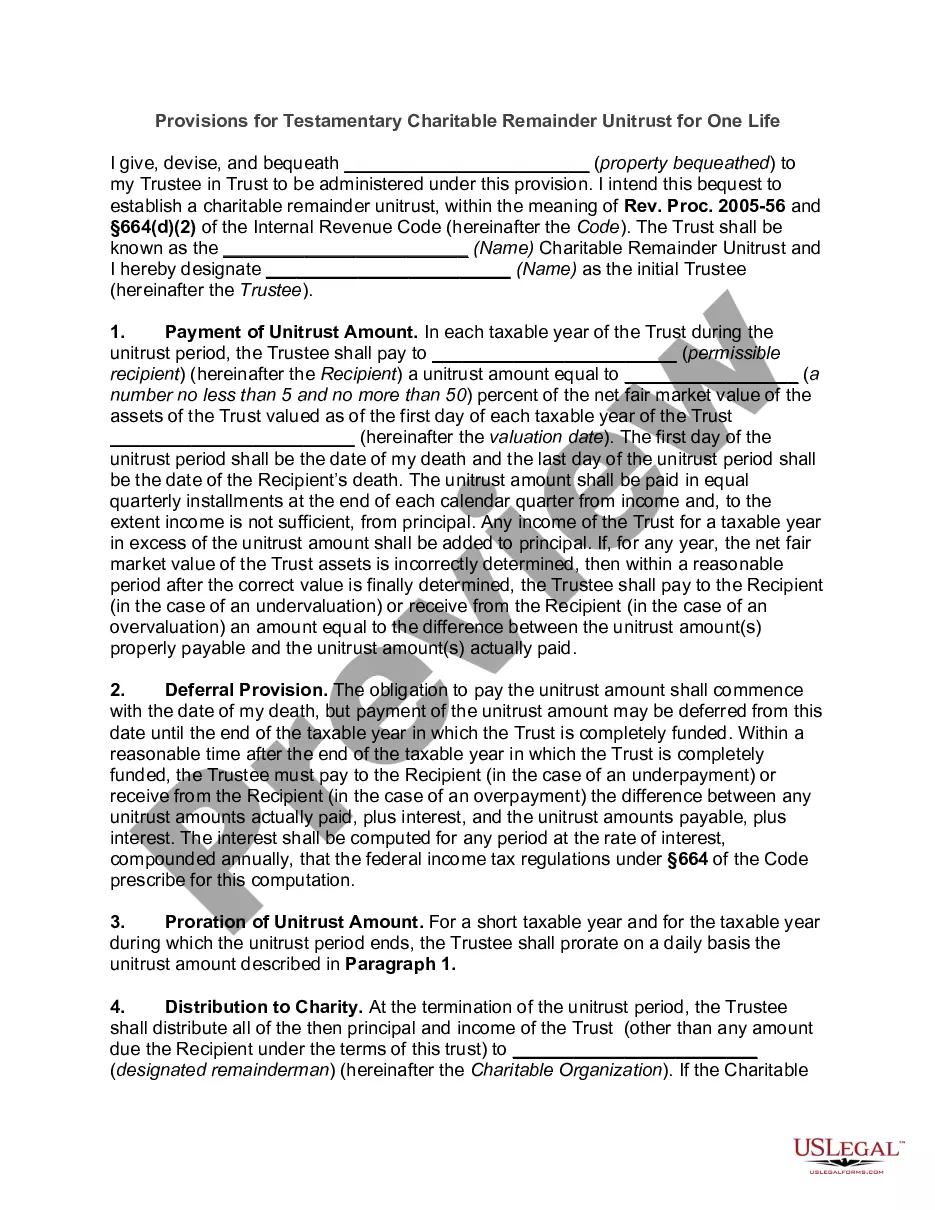
Get your form ready online
Our built-in tools help you complete, sign, share, and store your documents in one place.
Make edits, fill in missing information, and update formatting in US Legal Forms—just like you would in MS Word.
Download a copy, print it, send it by email, or mail it via USPS—whatever works best for your next step.
Sign and collect signatures with our SignNow integration. Send to multiple recipients, set reminders, and more. Go Premium to unlock E-Sign.
If this form requires notarization, complete it online through a secure video call—no need to meet a notary in person or wait for an appointment.
We protect your documents and personal data by following strict security and privacy standards.

Make edits, fill in missing information, and update formatting in US Legal Forms—just like you would in MS Word.

Download a copy, print it, send it by email, or mail it via USPS—whatever works best for your next step.

Sign and collect signatures with our SignNow integration. Send to multiple recipients, set reminders, and more. Go Premium to unlock E-Sign.

If this form requires notarization, complete it online through a secure video call—no need to meet a notary in person or wait for an appointment.

We protect your documents and personal data by following strict security and privacy standards.
Looking for another form?







How to fill out Charitable Remainder Inter Vivos Unitrust Agreement?
Legal managing may be mind-boggling, even for skilled experts. When you are searching for a Remainder Inter Vivos Trust With Mortgage and don’t get the a chance to spend searching for the appropriate and up-to-date version, the procedures might be stress filled. A strong web form library can be a gamechanger for everyone who wants to handle these situations effectively. US Legal Forms is a market leader in web legal forms, with more than 85,000 state-specific legal forms accessible to you at any time.
With US Legal Forms, it is possible to:
- Access state- or county-specific legal and business forms. US Legal Forms covers any demands you could have, from individual to enterprise documents, all in one location.
- Make use of innovative tools to finish and manage your Remainder Inter Vivos Trust With Mortgage
- Access a useful resource base of articles, instructions and handbooks and materials related to your situation and needs
Save effort and time searching for the documents you need, and employ US Legal Forms’ advanced search and Review feature to discover Remainder Inter Vivos Trust With Mortgage and download it. For those who have a subscription, log in for your US Legal Forms account, search for the form, and download it. Review your My Forms tab to view the documents you previously saved and also to manage your folders as you see fit.
If it is your first time with US Legal Forms, make an account and have unrestricted use of all benefits of the library. Listed below are the steps to take after downloading the form you want:
- Validate it is the proper form by previewing it and reading through its description.
- Ensure that the sample is approved in your state or county.
- Choose Buy Now once you are ready.
- Select a subscription plan.
- Pick the formatting you want, and Download, complete, eSign, print out and send your papers.
Benefit from the US Legal Forms web library, supported with 25 years of expertise and reliability. Change your day-to-day papers management in a easy and easy-to-use process today.
Form popularity
FAQ
A transfer of mortgage is the reassignment of an existing mortgage, usually on a home, from the current holder to another person or entity. Not all mortgages can be transferred; if they are, the lender has the right to approve the person assuming the loan.
A remainder beneficiary is a beneficiary of a trust whose benefit vests at a later time. As an example, I may receive income for life and only upon my death what is left of the corpus of the trust goes to my son. I am the income beneficiary and my son is the remainder beneficiary.
While it is possible to place the equity of a mortgaged property into trust, should the Settlor later wish to remortgage the property they would need to declare the existence of the trust to the lender at that time.
If you put things into a trust, provided certain conditions are met, they no longer belong to you. This means that when you die their value normally won't be counted when your Inheritance Tax bill is worked out. Instead, the cash, investments or property belong to the trust.
The three certainties refer to a rule within English trusts law on the creation of express trusts that, to be valid, the trust instrument must show certainty of intention, subject matter and object.