Remainder Inter Unitrust Living With You
Description
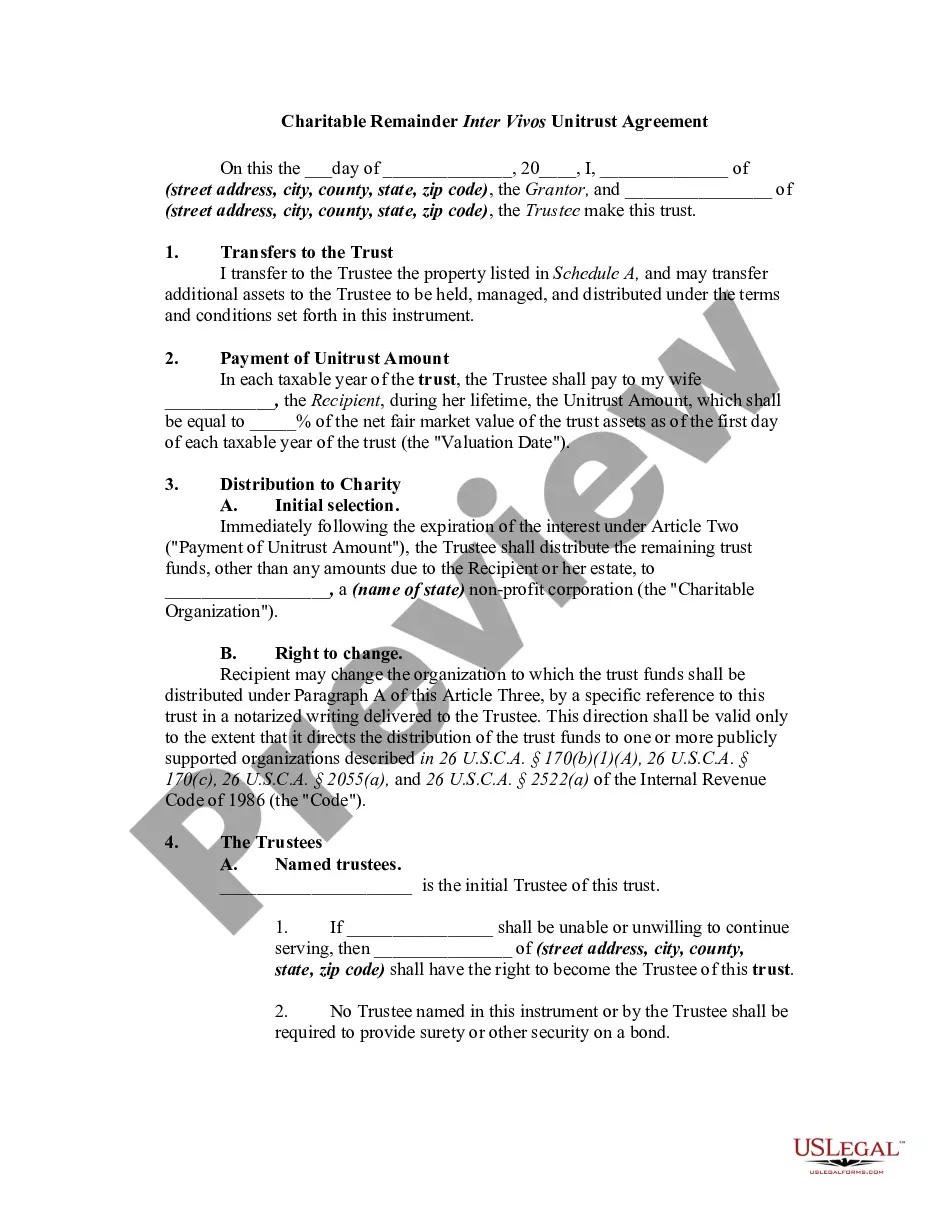
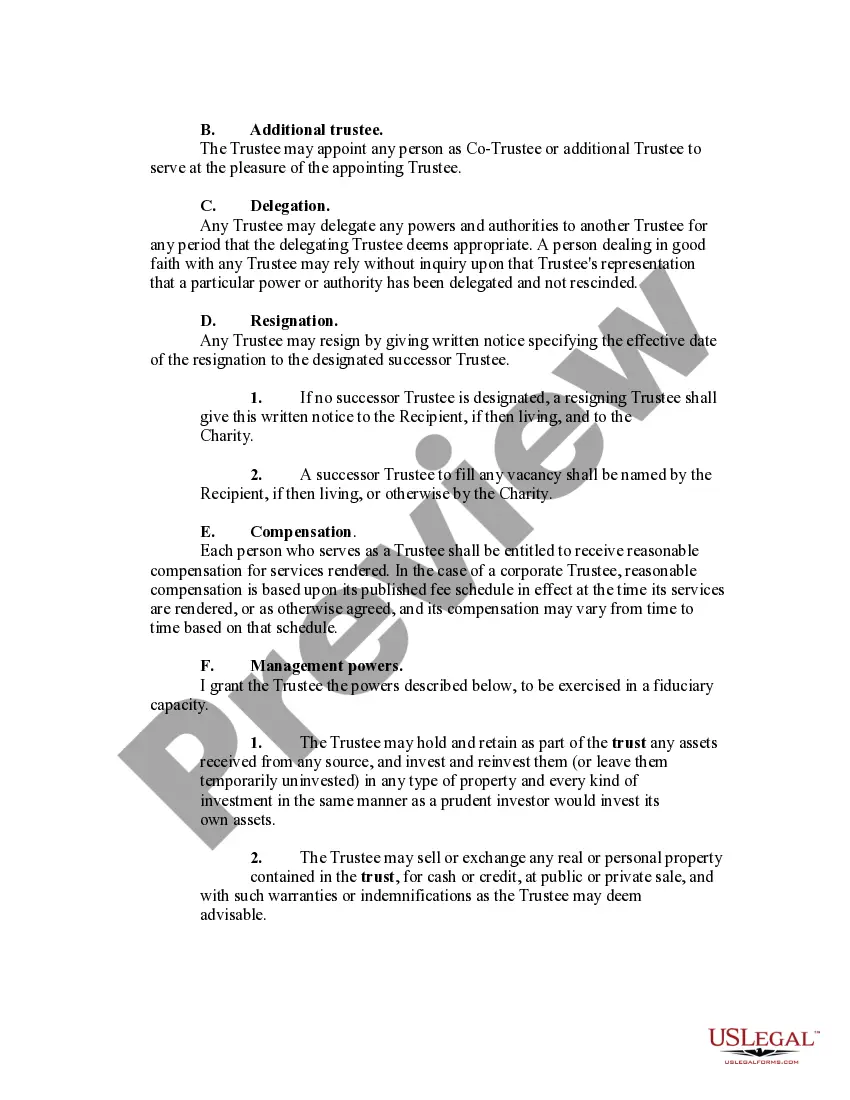
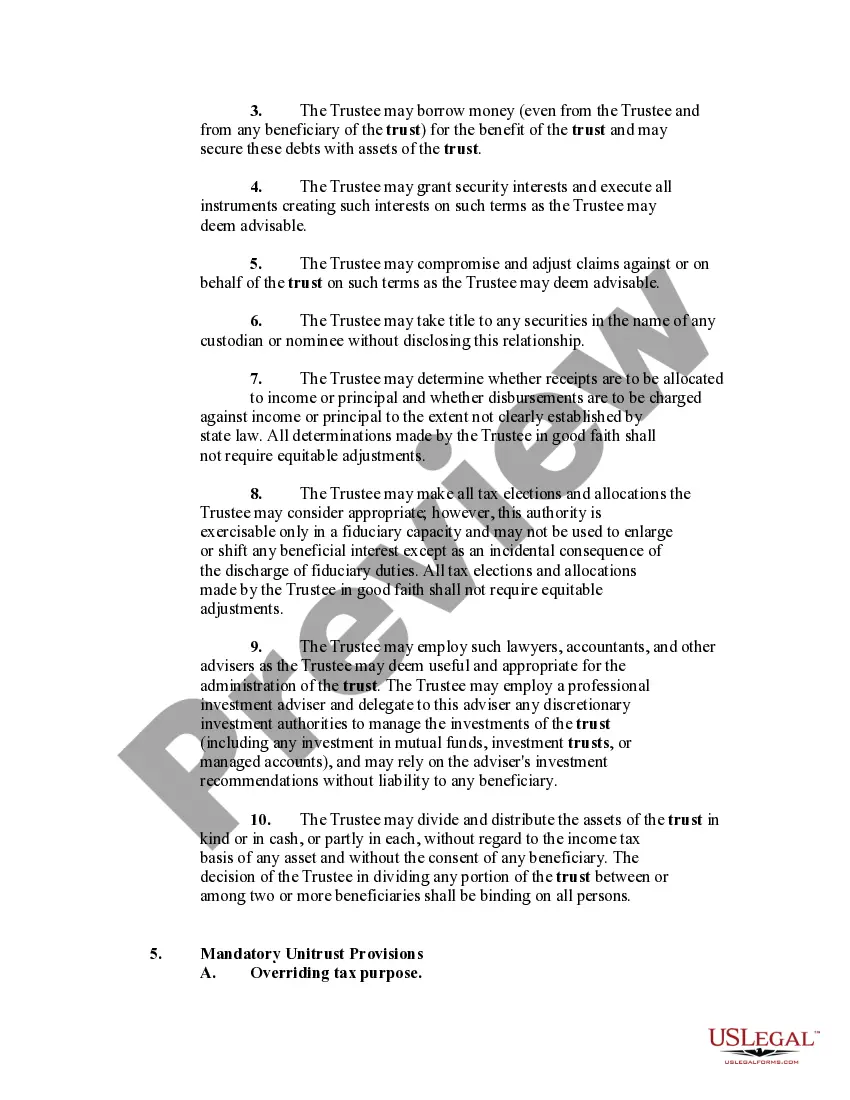
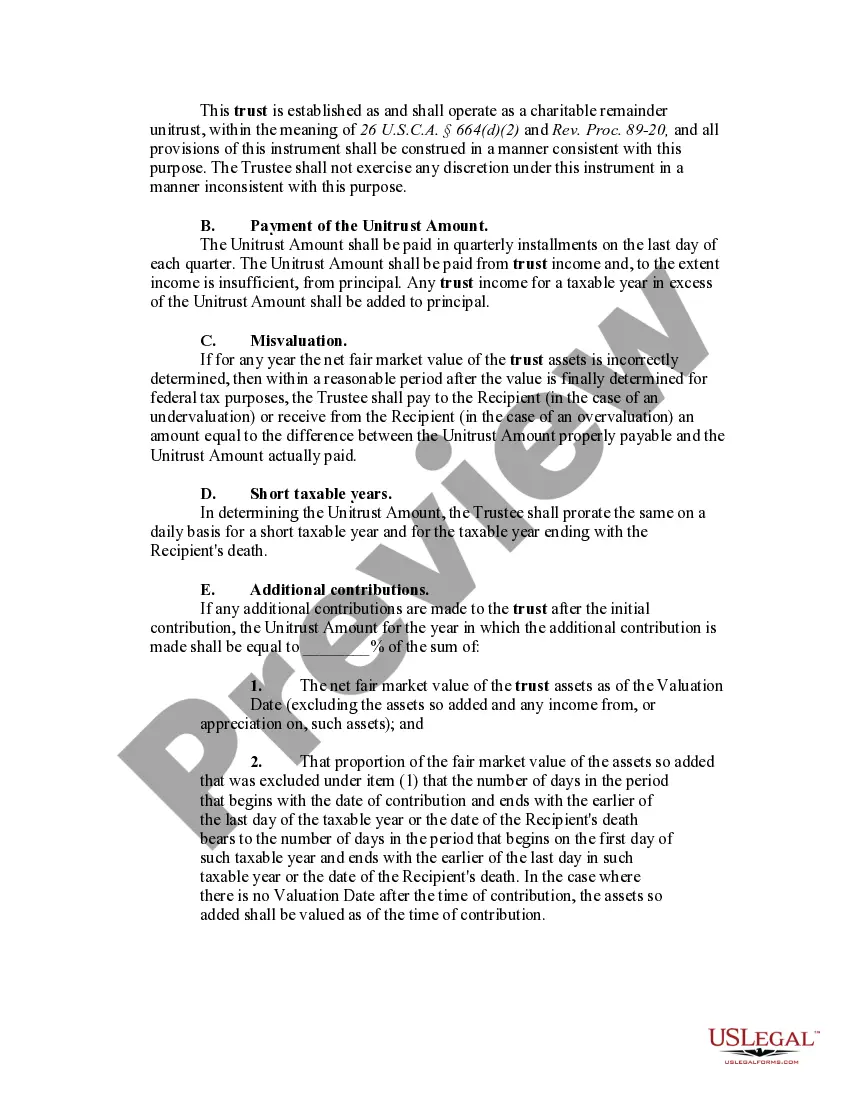
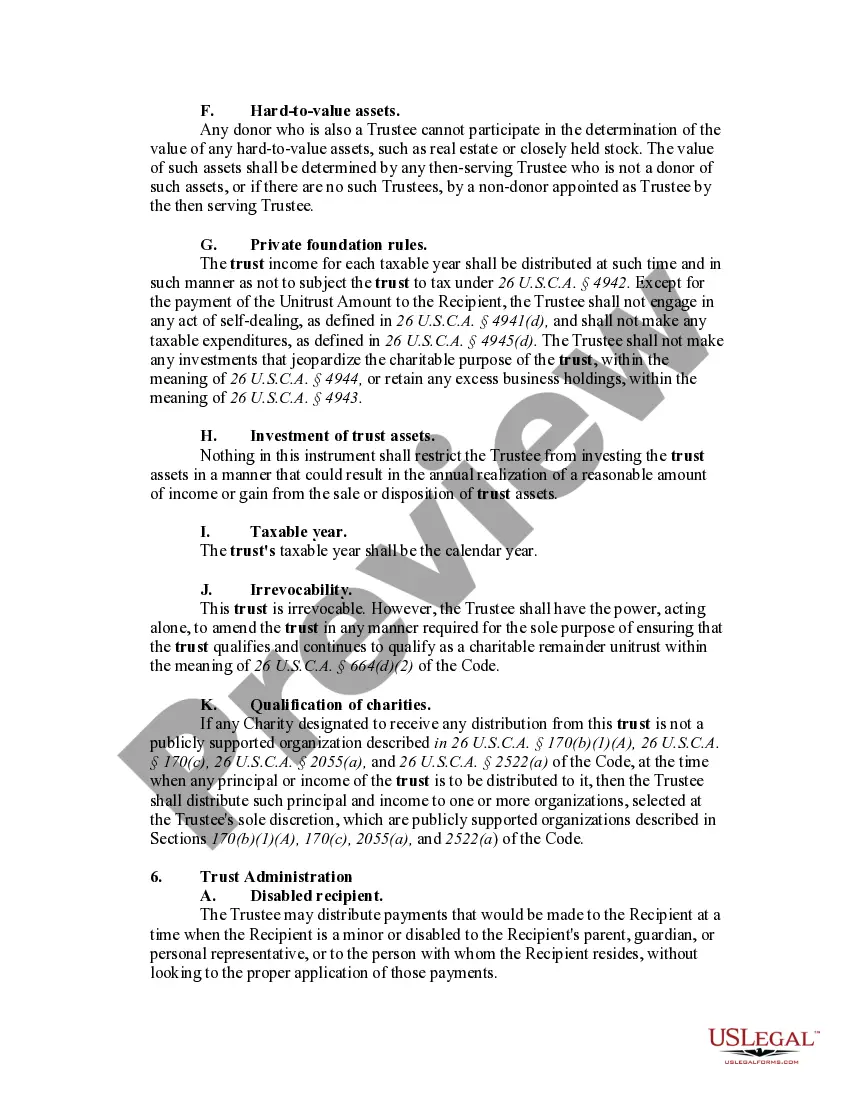
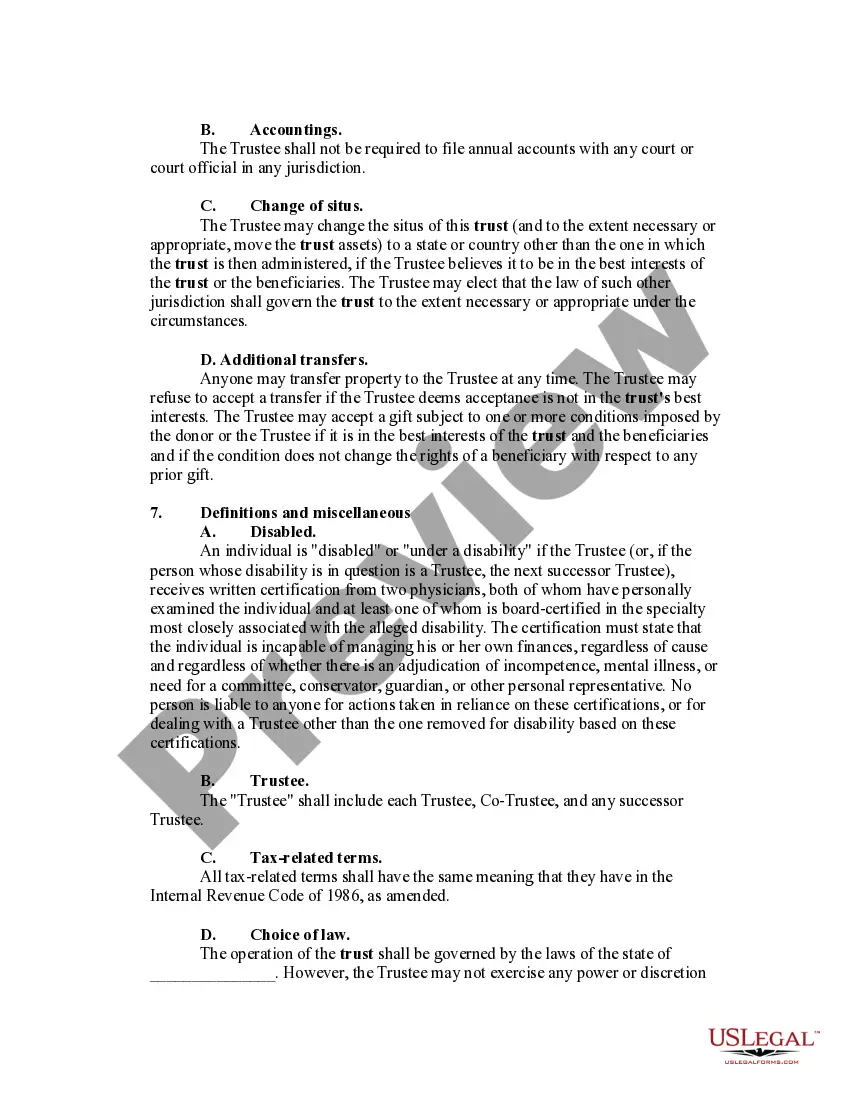
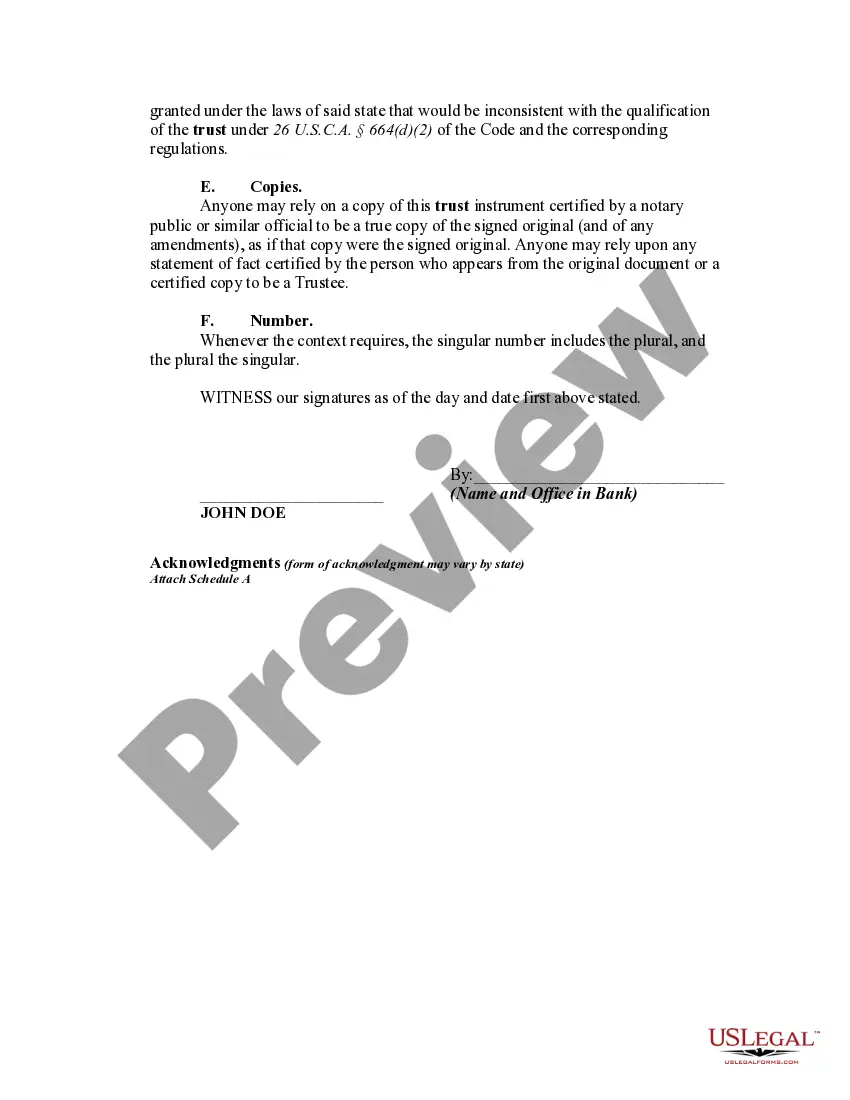
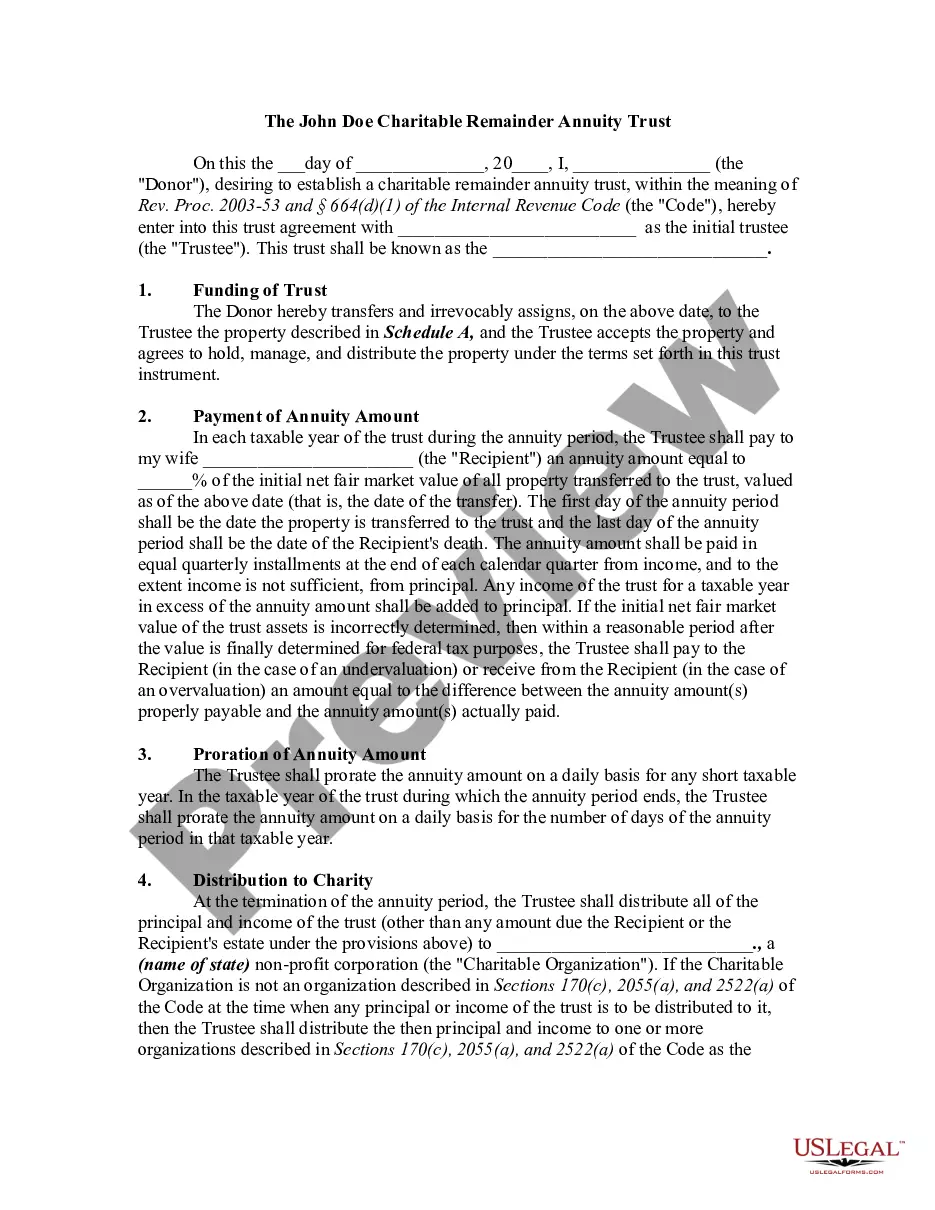
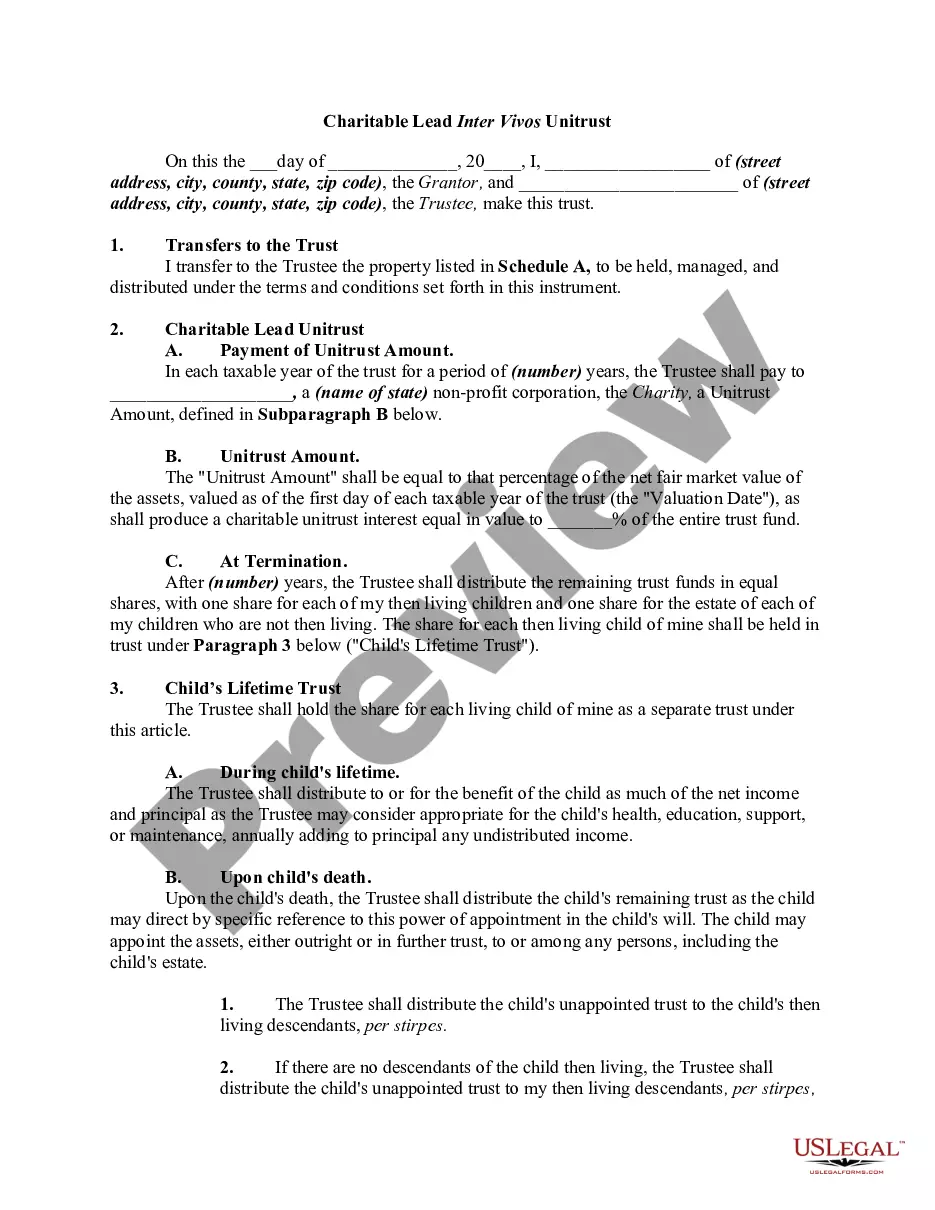
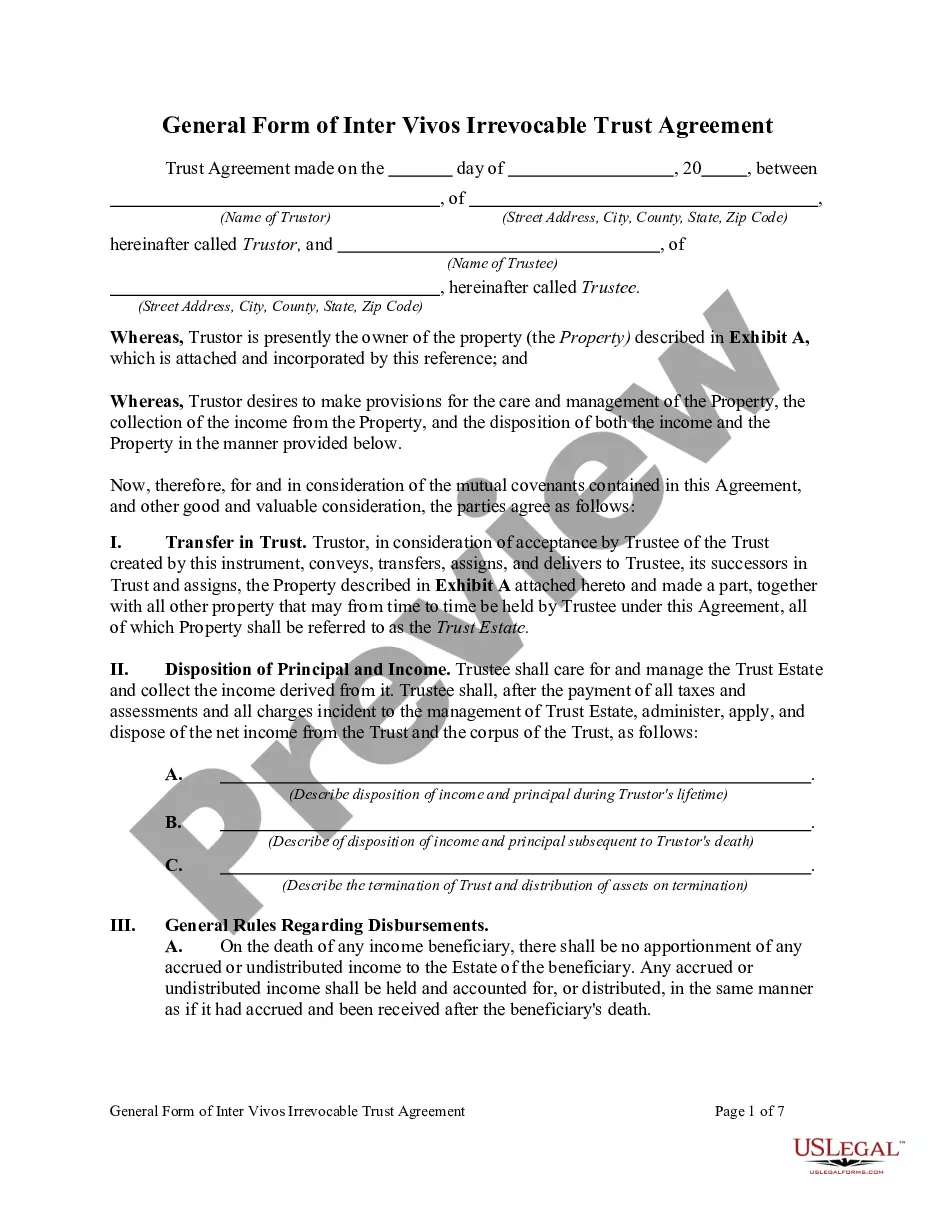
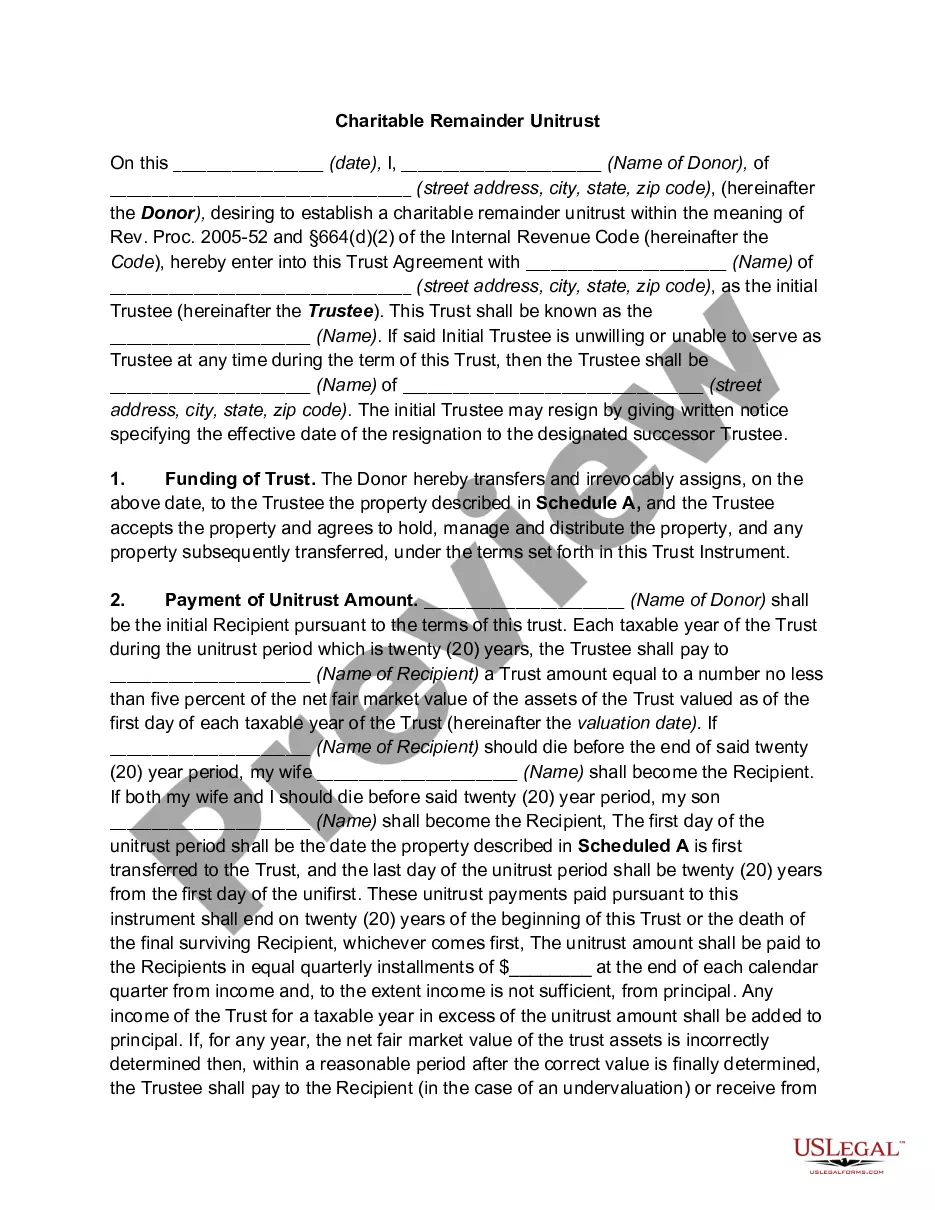
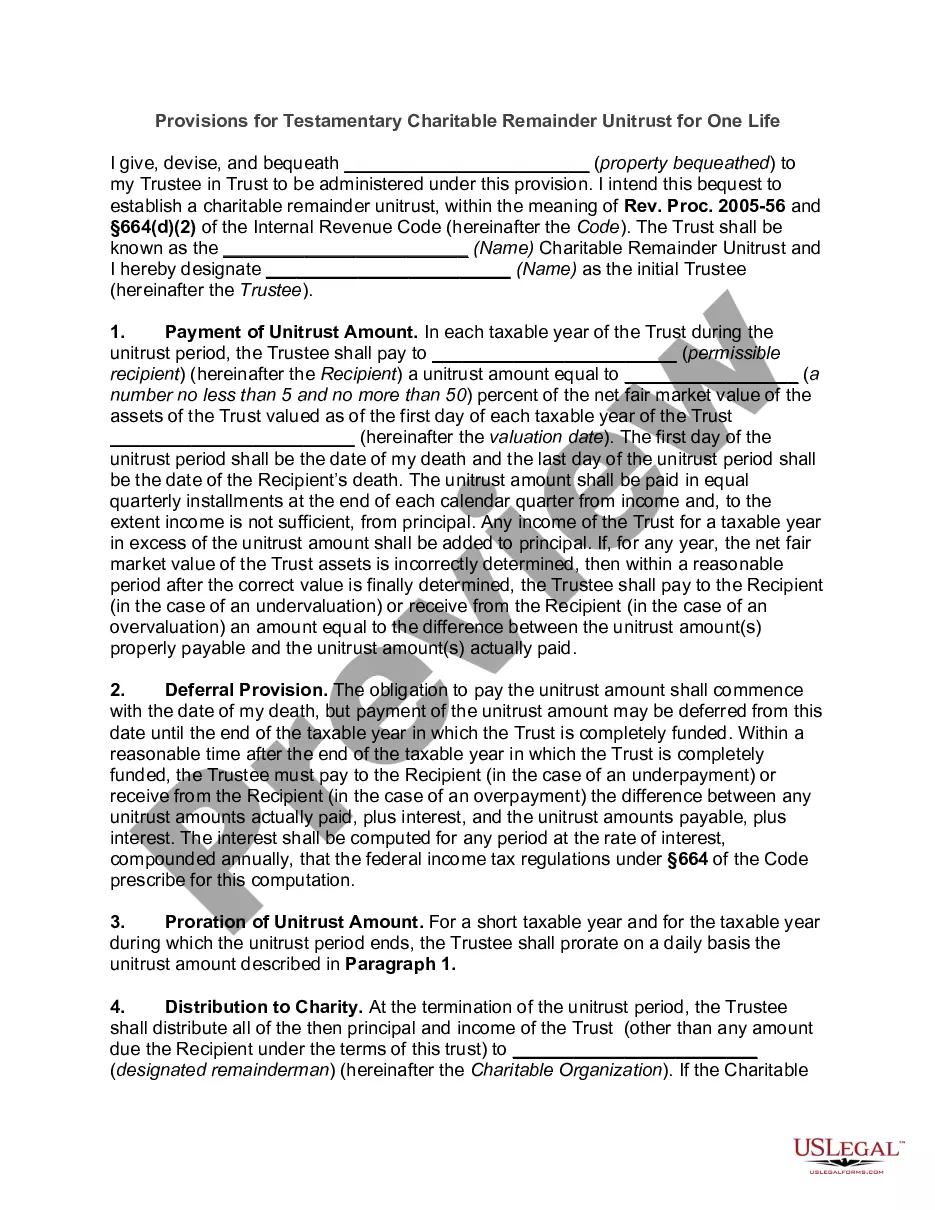
Get your form ready online
Our built-in tools help you complete, sign, share, and store your documents in one place.
Make edits, fill in missing information, and update formatting in US Legal Forms—just like you would in MS Word.
Download a copy, print it, send it by email, or mail it via USPS—whatever works best for your next step.
Sign and collect signatures with our SignNow integration. Send to multiple recipients, set reminders, and more. Go Premium to unlock E-Sign.
If this form requires notarization, complete it online through a secure video call—no need to meet a notary in person or wait for an appointment.
We protect your documents and personal data by following strict security and privacy standards.

Make edits, fill in missing information, and update formatting in US Legal Forms—just like you would in MS Word.

Download a copy, print it, send it by email, or mail it via USPS—whatever works best for your next step.

Sign and collect signatures with our SignNow integration. Send to multiple recipients, set reminders, and more. Go Premium to unlock E-Sign.

If this form requires notarization, complete it online through a secure video call—no need to meet a notary in person or wait for an appointment.

We protect your documents and personal data by following strict security and privacy standards.
Looking for another form?







How to fill out Charitable Remainder Inter Vivos Unitrust Agreement?
- If you are a returning user, log in to your account and download the desired form template by clicking the Download button. Ensure your subscription is current; renew it if necessary.
- For first-time users, begin by browsing the available templates. Check the preview mode and form descriptions to confirm that the selected document meets your needs and adheres to local requirements.
- Use the search feature to locate alternatives if your chosen form does not meet your criteria. Ensure that any new template is suitable before proceeding.
- After finding the appropriate document, click the Buy Now button and select the subscription plan that fits you best. Registration is required to access the full library.
- Complete your purchase by entering your payment information through credit card or PayPal. Once confirmed, you will gain access to a wealth of resources.
- Finally, download the form to your device. You can find it later in the My Forms section of your profile.
In conclusion, US Legal Forms offers a robust collection of over 85,000 legal documents, making it easier for individuals and legal professionals to manage their needs. By following these simple steps, you ensure that you are well-equipped with the necessary forms.
Start simplifying your legal documentation today with US Legal Forms and see how seamless the process can be!
Form popularity
FAQ
A charitable remainder trust can be an excellent way to support a cause while also receiving income during your lifetime. It offers tax benefits and can help with estate planning, making it potentially worthwhile for many people. If you're contemplating a remainder inter unitrust living with you, it’s advisable to explore how platforms like uslegalforms can streamline the setup process, ensuring you make an informed choice.
To calculate a charitable remainder trust deduction, you need to determine the present value of the charitable interest. This calculation involves IRS regulations and the terms specified in your trust agreement. For further assistance, you can utilize resources like US Legal Forms to simplify understanding remainder inter unitrust living with you.
The 5% rule states that the annual payout from a charitable remainder trust should be at least 5% of the trust's value, calculated annually. This rule helps ensure the trust can meet its obligations while also providing for charitable causes effectively. This concept is central to managing your remainder inter unitrust living with you.
The requirements for a charitable remainder unitrust include having an eligible charitable organization as a beneficiary and establishing a minimum payout rate. The trust must distribute a fixed percentage of its value to beneficiaries at least annually. Understanding these criteria can help ensure your goals align with remainder inter unitrust living with you.
Yes, you can leave your IRA to a charitable remainder trust, which can offer significant tax advantages. By funding a charitable remainder trust with your IRA, you can bypass potential taxes while also fulfilling your charitable intentions. Explore how this links with the remainder inter unitrust living with you to optimize your legacy.
To set up a charitable remainder Unitrust, begin by establishing the trust document that specifies the terms of distribution and beneficiaries. It’s essential to decide how the trust will be funded. This trust can be beneficial both for your financial goals and for supporting charities, enhancing your remainder inter unitrust living with you.
Yes, you can create your own charitable remainder trust, but it requires careful planning and legal understanding. You will need to define the payout terms for beneficiaries and the charitable remainder. Consider using platforms like US Legal Forms for templates and guidance on remainder inter unitrust living with you.
Setting up a Charitable Remainder Unitrust (CRUT) involves drafting a trust agreement that outlines the terms and beneficiaries. You will also need to select a reliable trustee who can manage the trust assets. This setup can provide tax benefits while supporting charitable causes related to remainder inter unitrust living with you.
Yes, managing your own charitable remainder trust is possible, especially if you serve as the trustee. However, the management must comply with legal requirements and best practices, including prudent investment strategies. Many people prefer this hands-on approach when considering a remainder inter unitrust living with you, but utilizing a platform like uslegalforms can simplify the management and ensure compliance.
Investments in a charitable remainder unitrust must adhere to certain restrictions to ensure the trust remains compliant with IRS regulations. Commonly disallowed investments include those that generate excessive unrelated business taxable income (UBTI) or involve significant self-dealing. Understanding these restrictions is crucial, particularly when considering a remainder inter unitrust living with you, as improper investments can undermine the trust's goals.