Remainder Inter Unitrust Living For The Future
Description
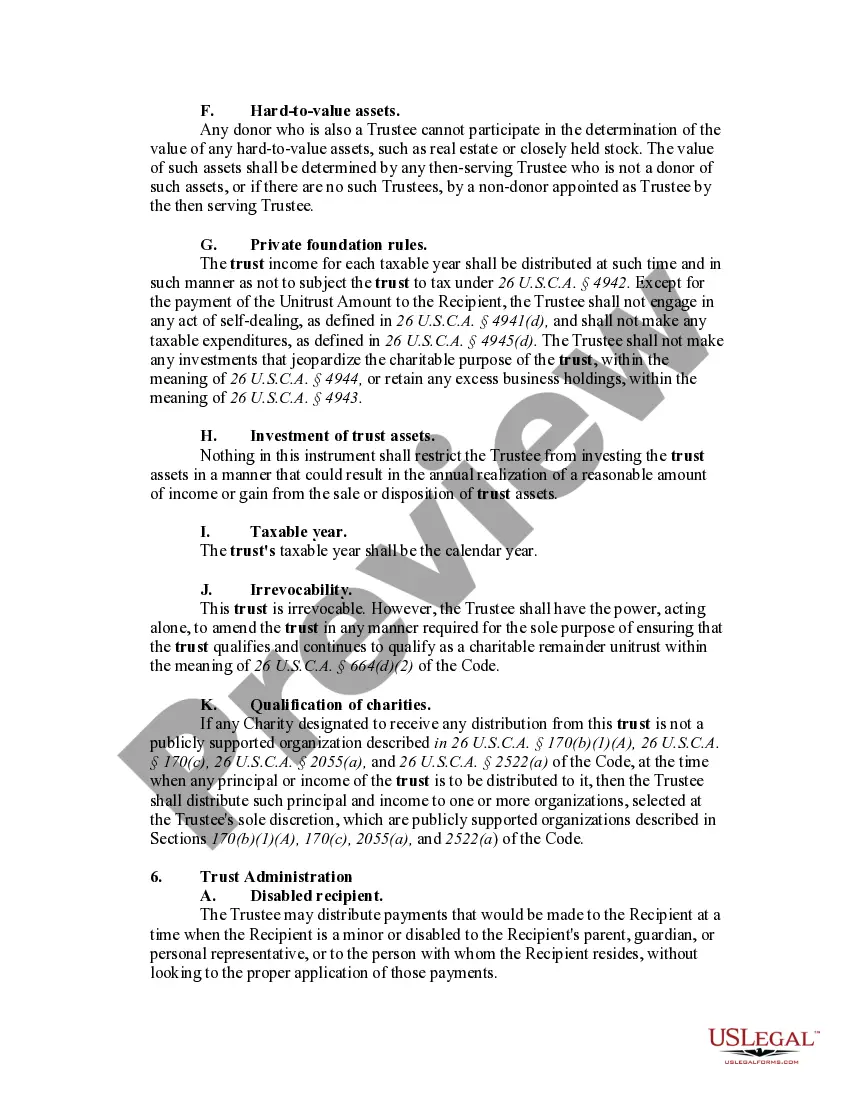
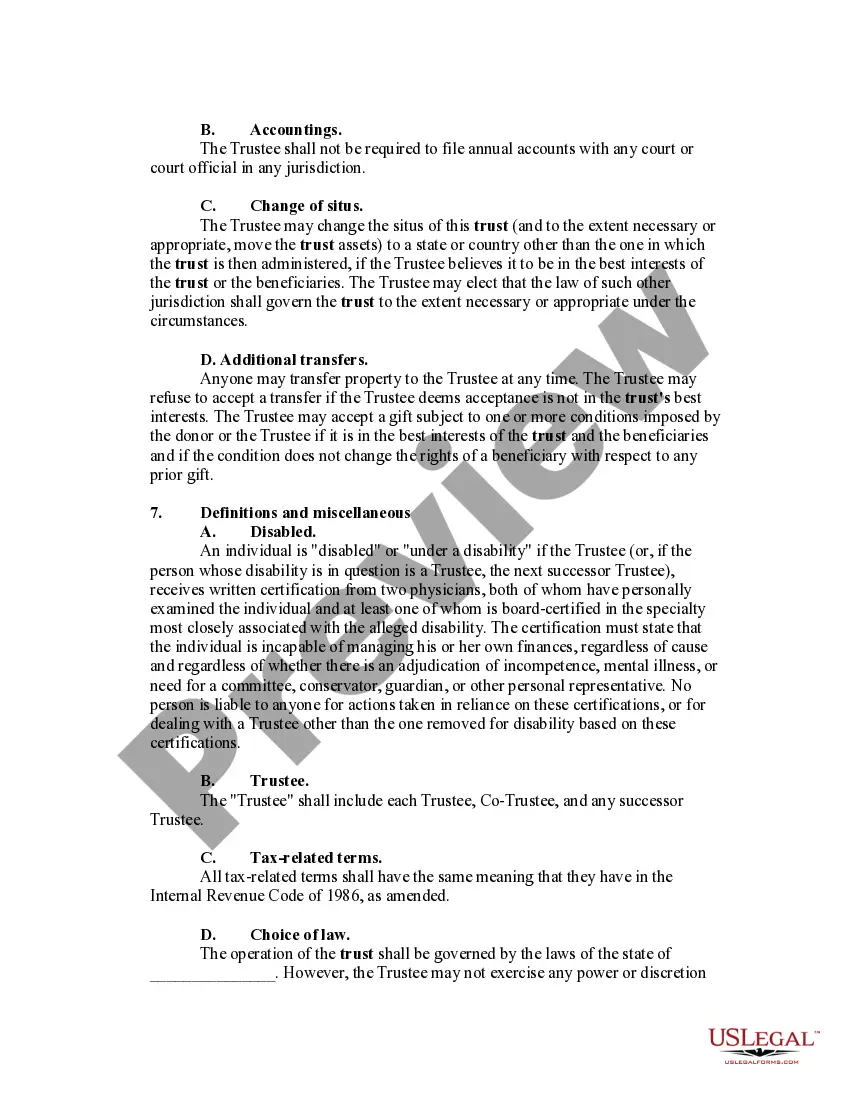
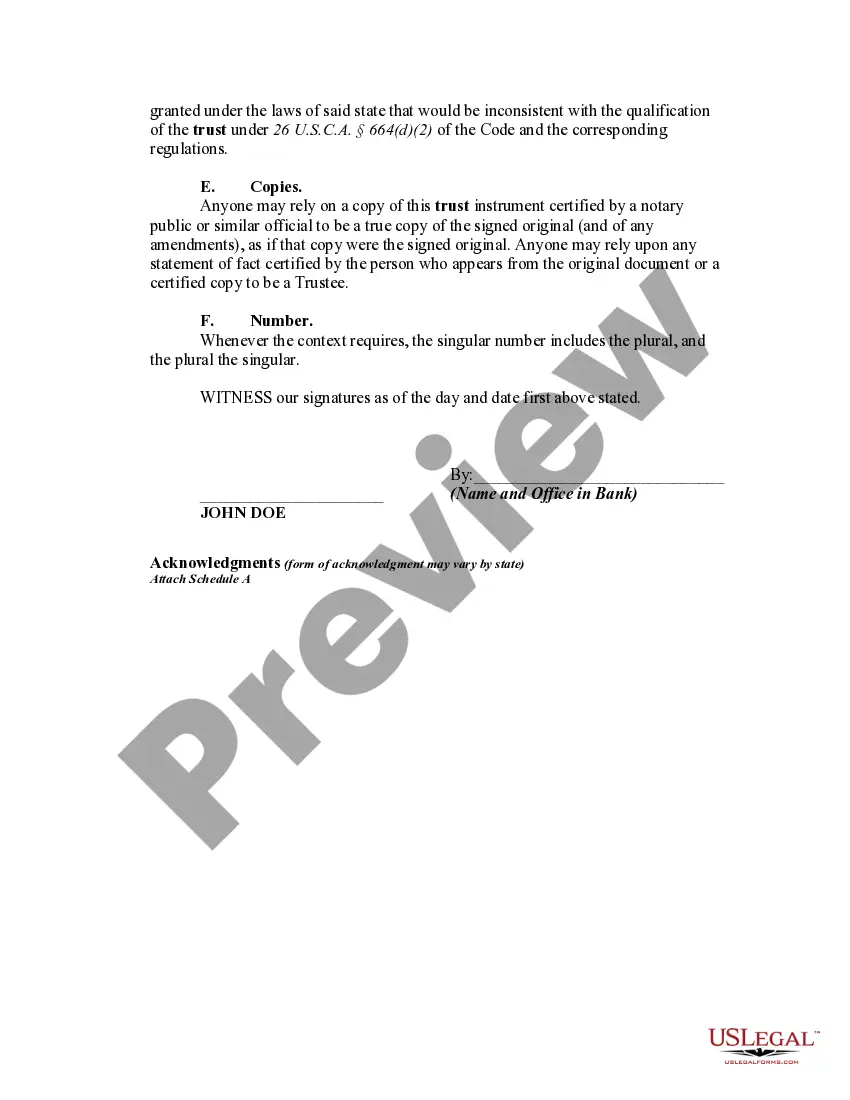
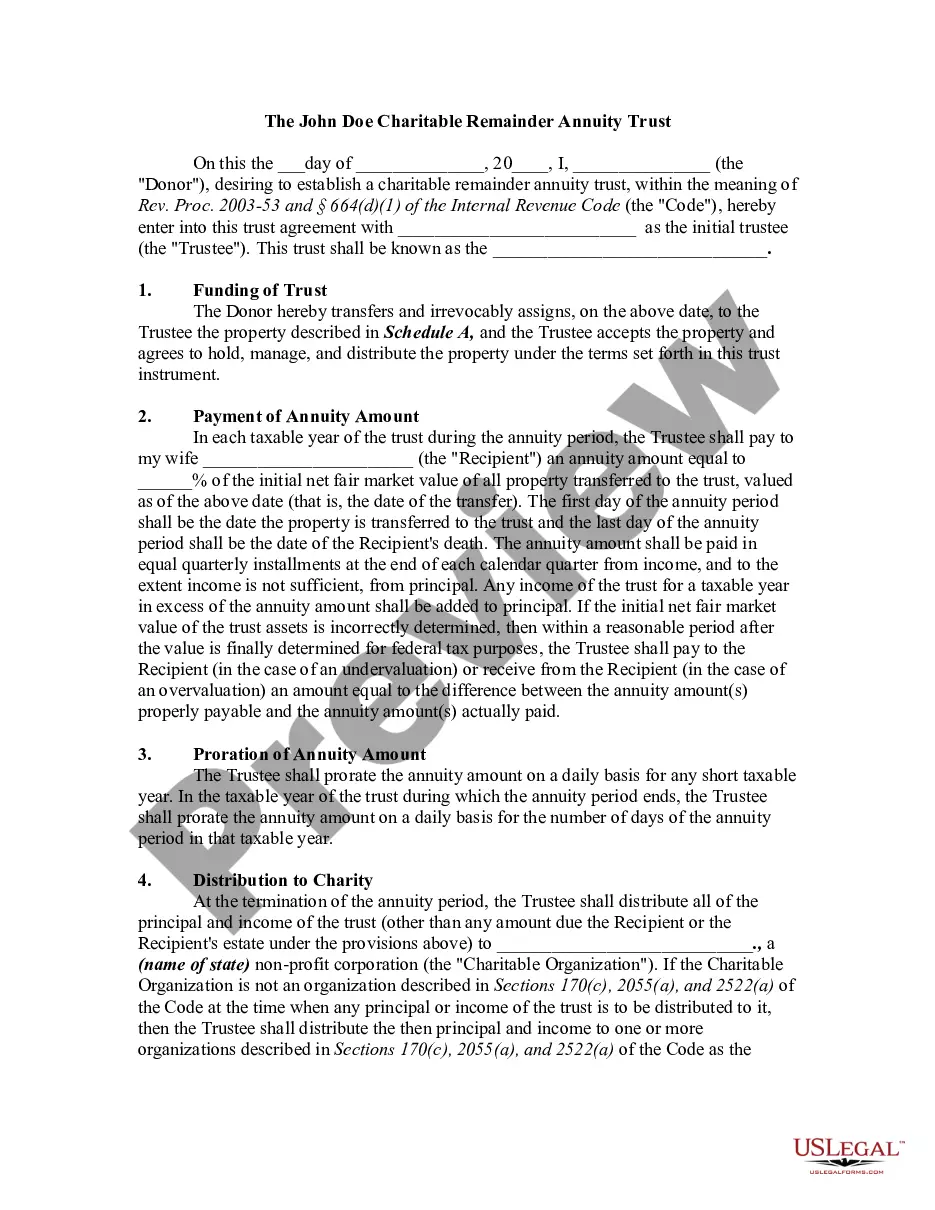
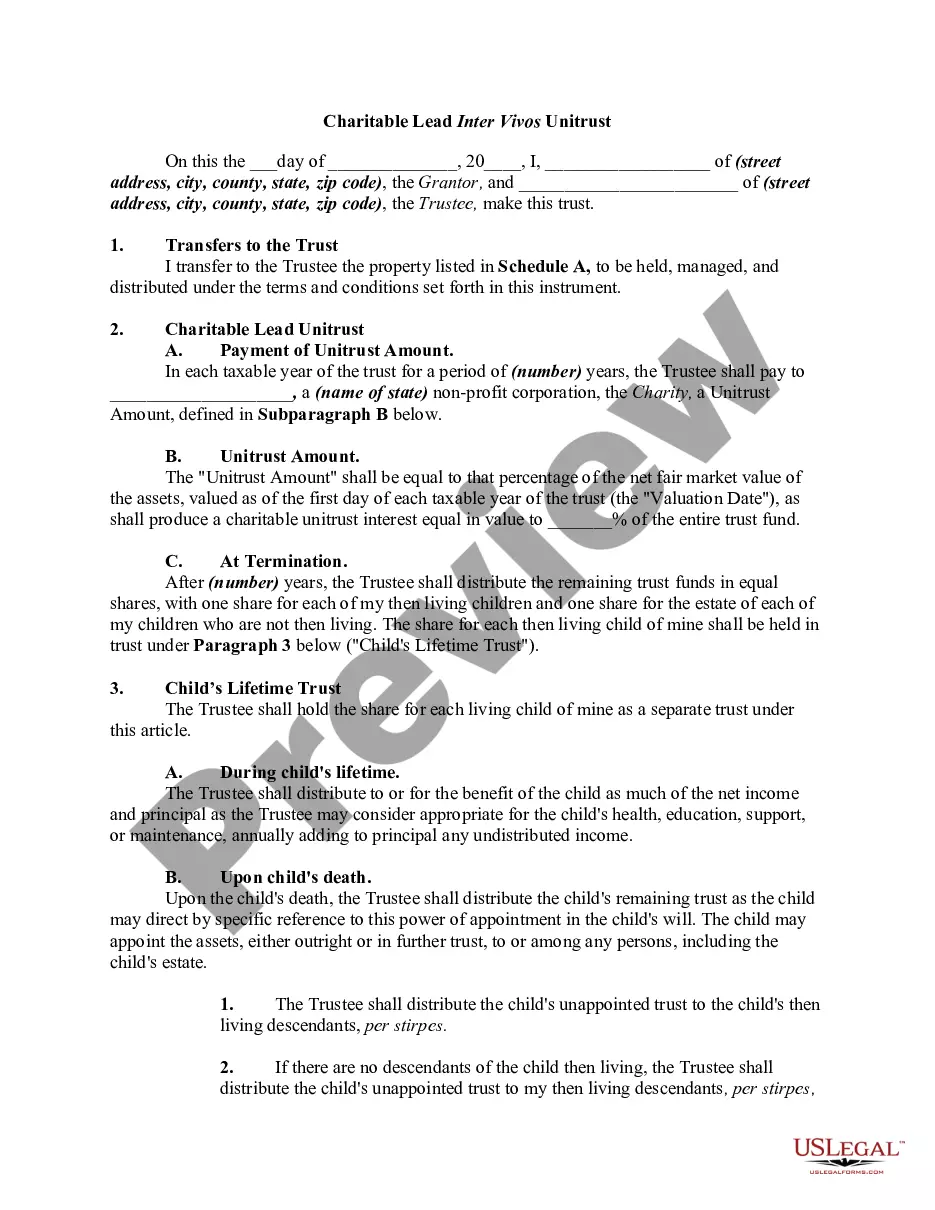
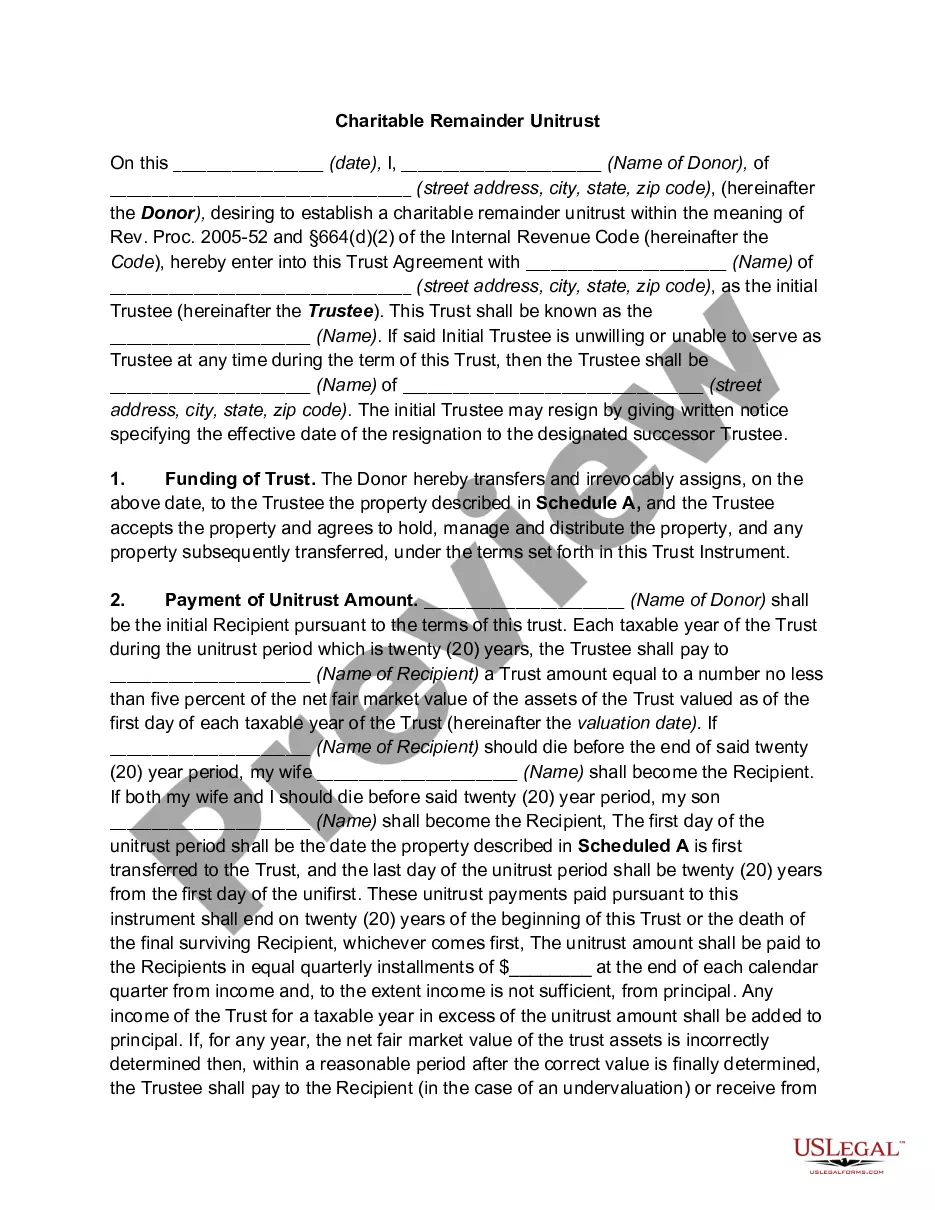
Get your form ready online
Our built-in tools help you complete, sign, share, and store your documents in one place.
Make edits, fill in missing information, and update formatting in US Legal Forms—just like you would in MS Word.
Download a copy, print it, send it by email, or mail it via USPS—whatever works best for your next step.
Sign and collect signatures with our SignNow integration. Send to multiple recipients, set reminders, and more. Go Premium to unlock E-Sign.
If this form requires notarization, complete it online through a secure video call—no need to meet a notary in person or wait for an appointment.
We protect your documents and personal data by following strict security and privacy standards.

Make edits, fill in missing information, and update formatting in US Legal Forms—just like you would in MS Word.

Download a copy, print it, send it by email, or mail it via USPS—whatever works best for your next step.

Sign and collect signatures with our SignNow integration. Send to multiple recipients, set reminders, and more. Go Premium to unlock E-Sign.

If this form requires notarization, complete it online through a secure video call—no need to meet a notary in person or wait for an appointment.

We protect your documents and personal data by following strict security and privacy standards.
Looking for another form?






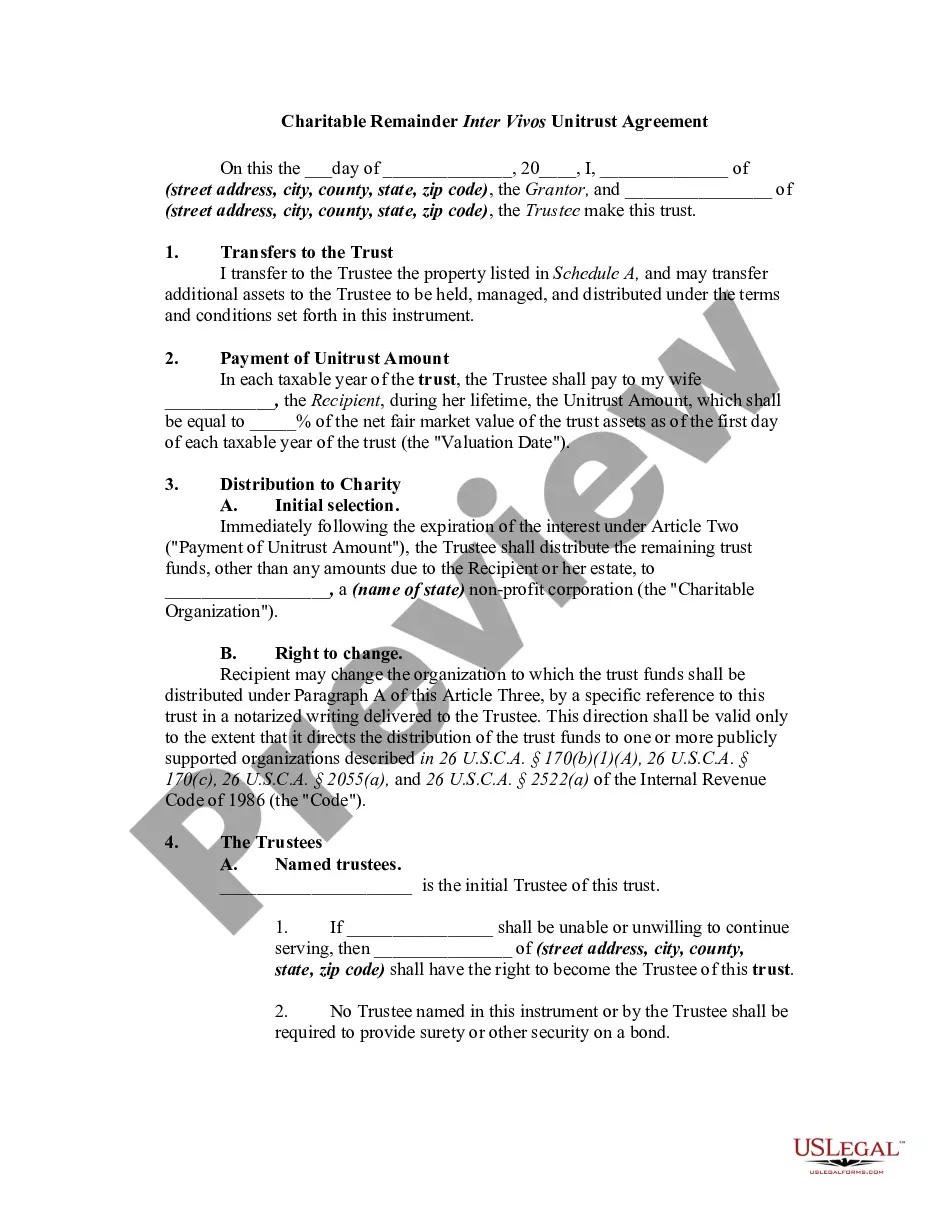
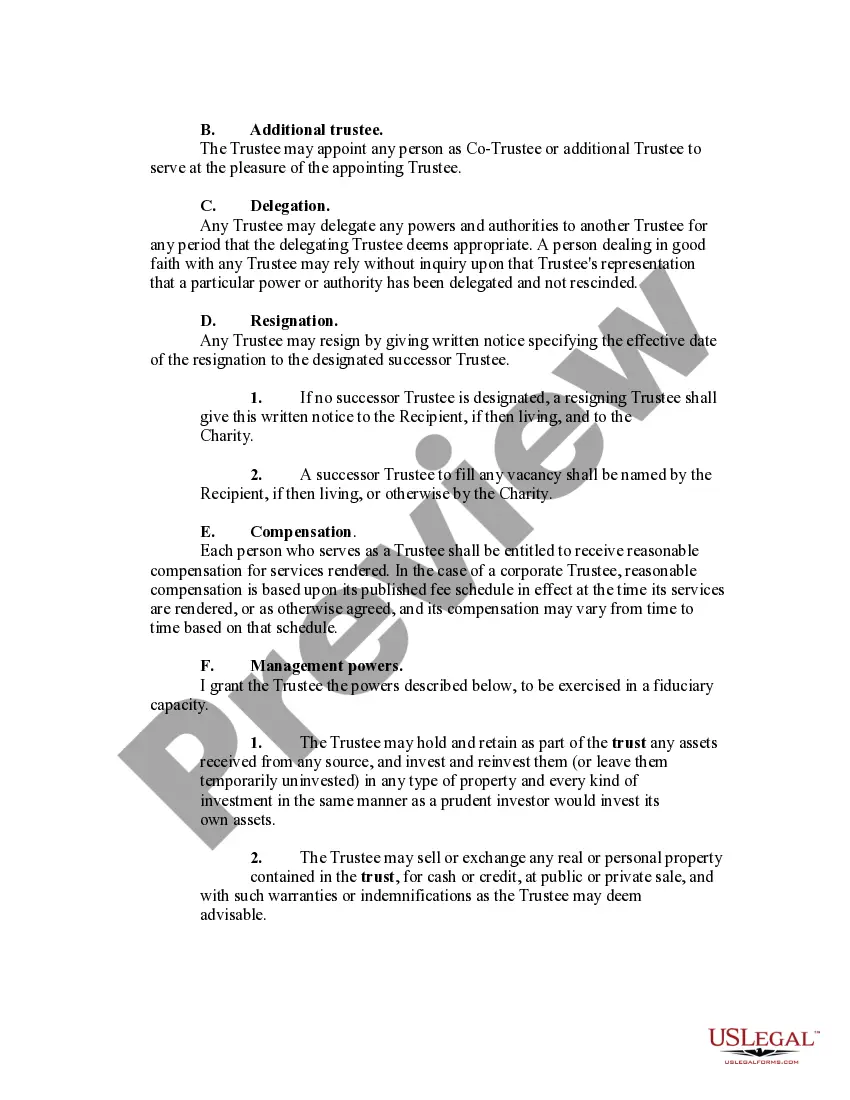
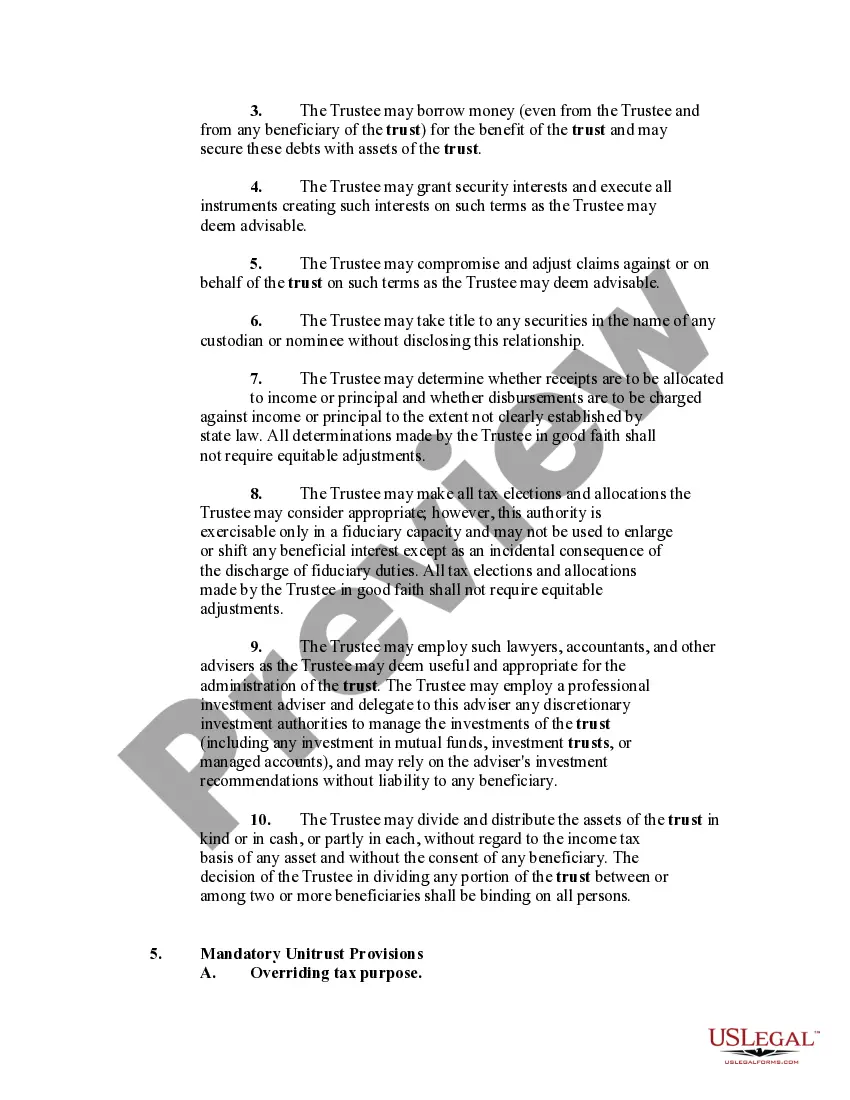
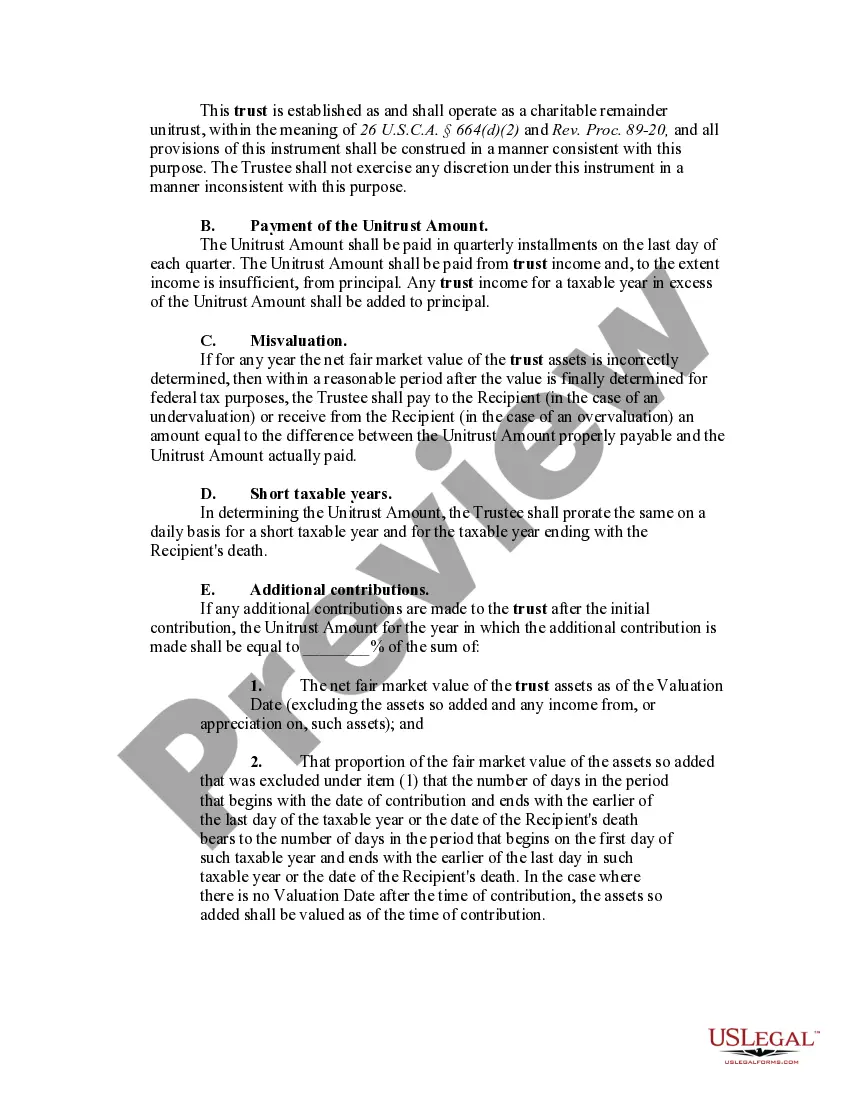
How to fill out Charitable Remainder Inter Vivos Unitrust Agreement?
- If you're a returning user, log in to your account and locate the document template you require. Click the Download button to save it on your device, ensuring your subscription is active. If it’s not, renew as per your payment plan.
- For new users, start by examining the Preview mode and description of the forms. Ensure the one you select aligns with your needs and local legal requirements.
- Should you need a different template, utilize the search bar to find the correct document. Move forward once you confirm it meets your expectations.
- Proceed to purchase the document by clicking 'Buy Now.' Choose the subscription plan that fits your requirements and create an account to unlock access to our resources.
- Finalize your order by entering your credit card information or utilizing a PayPal account to complete the payment.
- Download your template and save it directly to your device. You can revisit it anytime via the 'My Forms' section of your profile.
In conclusion, US Legal Forms not only offers a robust range of documents but also provides expert assistance to ensure accuracy and compliance. Embrace the power of effective legal documentation and safeguard your future today.
Explore our library and start creating your documents with ease—your legal needs are just a click away!
Form popularity
FAQ
Charitable remainder unitrusts can last until the death of the last beneficiary, which can span several decades depending on individual circumstances. This duration allows for a long-term impact on both the beneficiaries and the chosen charities. By utilizing a remainder inter unitrust living for the future, you can create a sustainable plan that supports your financial goals and charitable aspirations for years to come.
One potential disadvantage of charitable trusts is the complexity involved in setting them up and managing them over time. Additionally, you may not have immediate access to the assets placed in the trust, as they are intended for long-term charitable purposes. Nevertheless, understanding the nuances of a remainder inter unitrust living for the future can help you navigate these challenges effectively.
Charitable remainder trusts are often a beneficial option for individuals seeking to balance philanthropy with income needs. They offer tax advantages and the potential for increased financial security through income generation. Using a remainder inter unitrust living for the future enables you to fulfill your charitable goals while securing a financial cushion for yourself.
A charitable remainder unitrust is commonly used to provide income to the trust's beneficiary while also supporting charitable causes. This arrangement allows you to receive a steady income stream while contributing to charities important to you. By utilizing a remainder inter unitrust living for the future, you can ensure your financial needs are met, while also leaving a lasting legacy.
The 5% rule for a charitable remainder trust mandates that the trust must distribute at least 5% of its fair market value each year to qualify for tax-exempt status. This rule is vital for maintaining compliance and ensuring the longevity of the trust. Investing in a charitable remainder unitrust living for the future can help fulfill this requirement while serving charitable missions.
A CRUT can last for a maximum term of 20 years or the lifetime of the income beneficiary. Choosing the term impacts the income distributions, so careful planning is essential. Embracing a charitable remainder unitrust living for the future ensures that your charitable goals are met over time.
Form 5227 must be filed in accordance with IRS requirements, and it is not explicitly mandated to be filed electronically. Nevertheless, electronic filing may streamline the process and improve accuracy. Understanding these requirements helps ensure your charitable remainder unitrust living for the future is compliant and beneficial.
The maximum term for a charitable remainder unitrust is typically 20 years; however, it can last for the lifetime of one or more income beneficiaries. The structure allows for flexible planning, aligning with your financial goals and charitable intentions. By considering a charitable remainder unitrust living for the future, you can make a significant difference.
A charitable remainder trust (CRT) can be either a unitrust or an annuity trust. With a unitrust, the payout fluctuates based on the value of the trust assets, while an annuity trust provides fixed annual payments. Both options support your charitable goals and create a charitable remainder unitrust living for the future.
Setting up a charitable remainder unitrust involves creating a trust document that outlines the terms of the trust. You will need to decide the distribution percentage for your beneficiaries and designate a qualified charity. Our platform, US Legal Forms, offers templates and guidance for smoothly establishing a charitable remainder unitrust living for the future.