Remainder Inter Unitrust Living Buy For You
Description
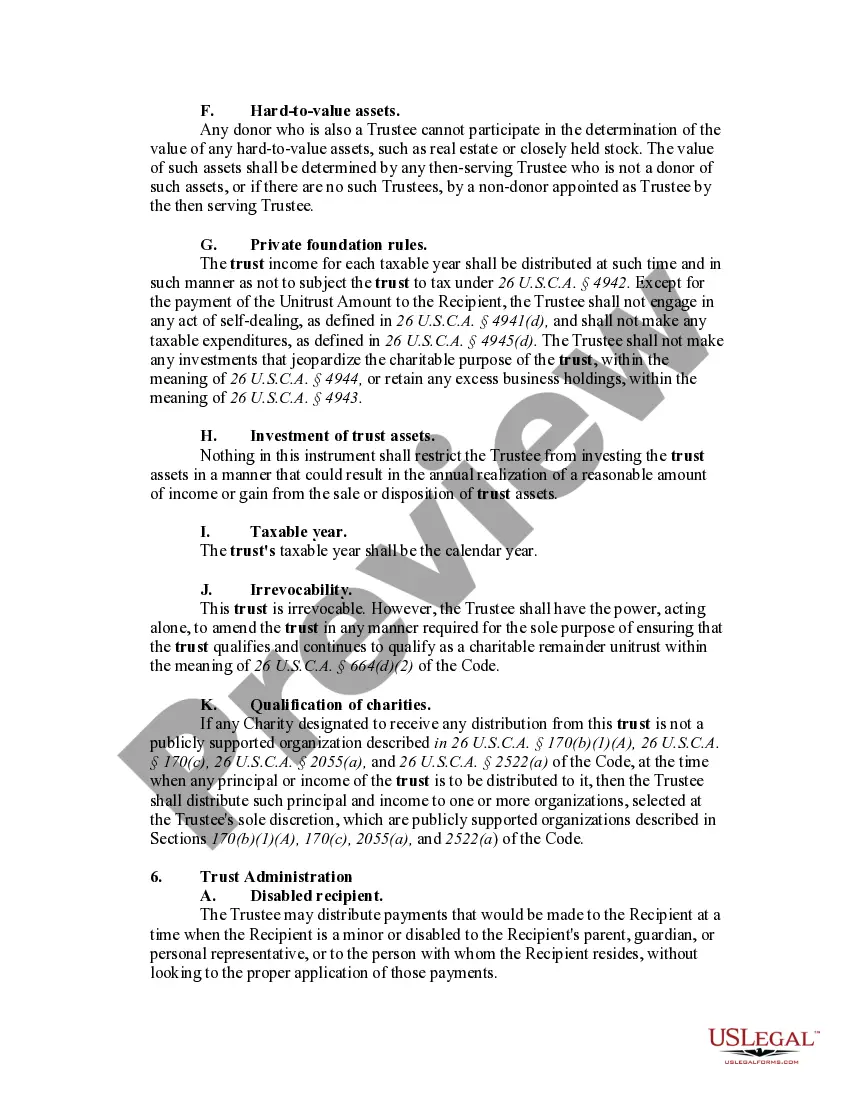
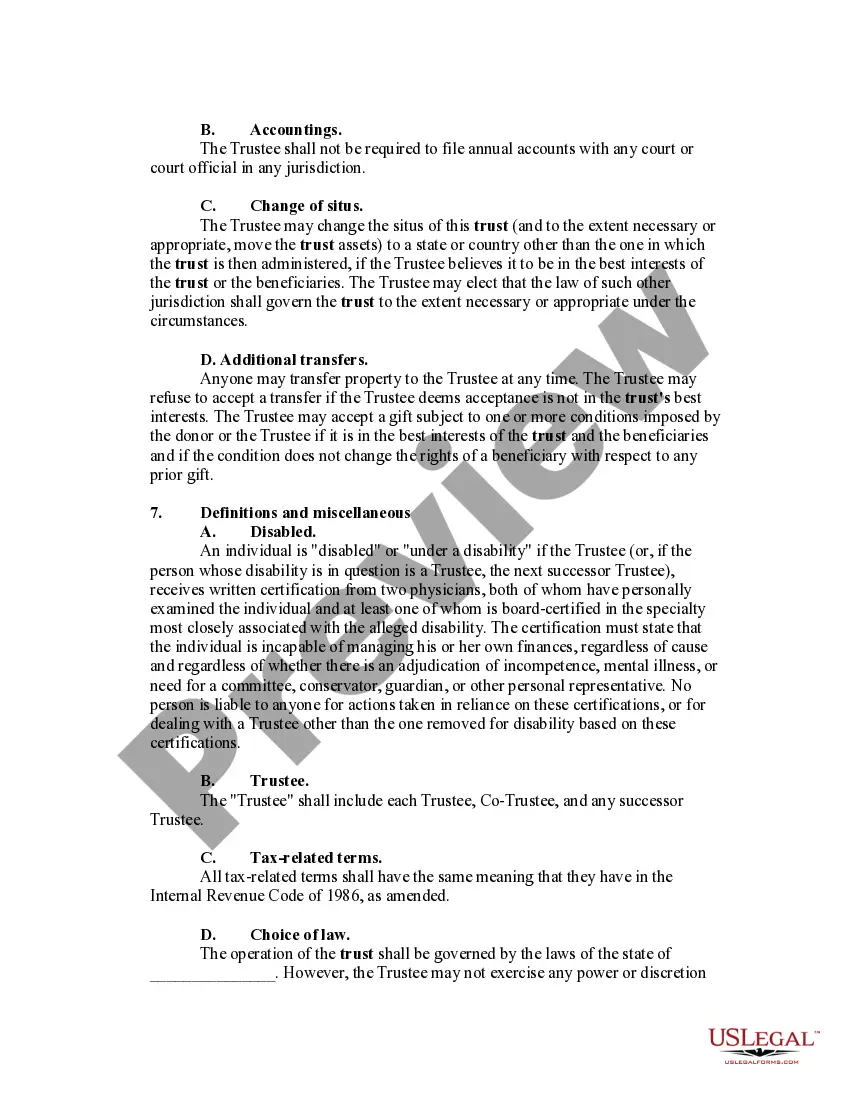
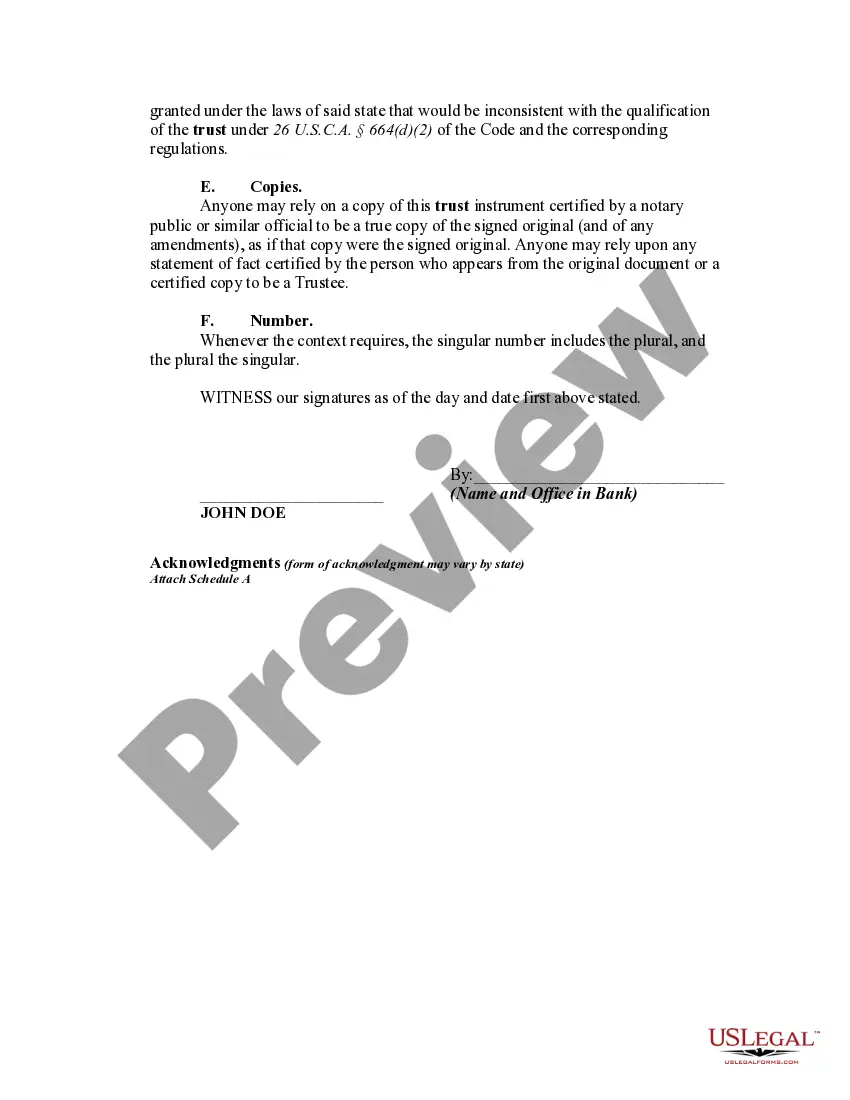
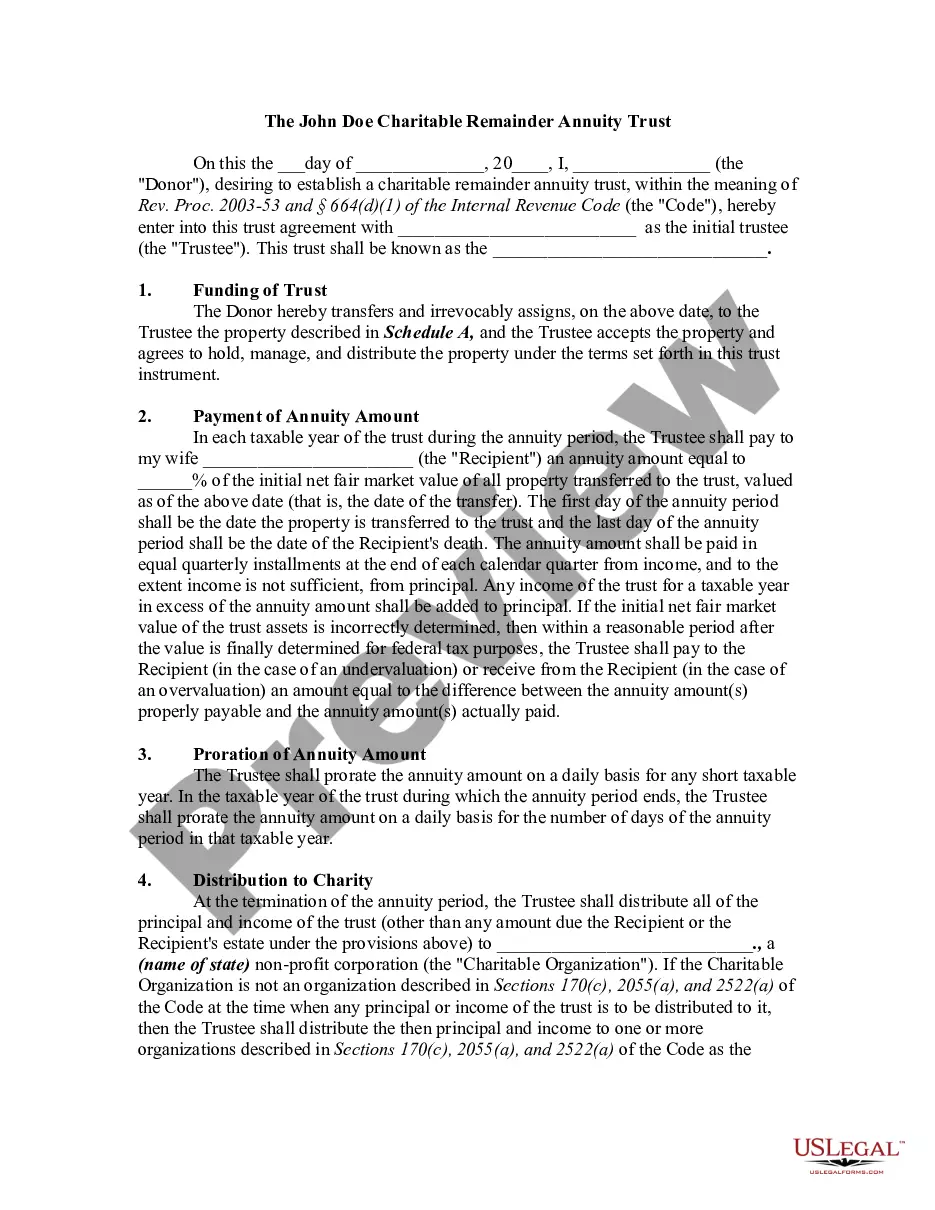
Get your form ready online
Our built-in tools help you complete, sign, share, and store your documents in one place.
Make edits, fill in missing information, and update formatting in US Legal Forms—just like you would in MS Word.
Download a copy, print it, send it by email, or mail it via USPS—whatever works best for your next step.
Sign and collect signatures with our SignNow integration. Send to multiple recipients, set reminders, and more. Go Premium to unlock E-Sign.
If this form requires notarization, complete it online through a secure video call—no need to meet a notary in person or wait for an appointment.
We protect your documents and personal data by following strict security and privacy standards.

Make edits, fill in missing information, and update formatting in US Legal Forms—just like you would in MS Word.

Download a copy, print it, send it by email, or mail it via USPS—whatever works best for your next step.

Sign and collect signatures with our SignNow integration. Send to multiple recipients, set reminders, and more. Go Premium to unlock E-Sign.

If this form requires notarization, complete it online through a secure video call—no need to meet a notary in person or wait for an appointment.

We protect your documents and personal data by following strict security and privacy standards.
Looking for another form?







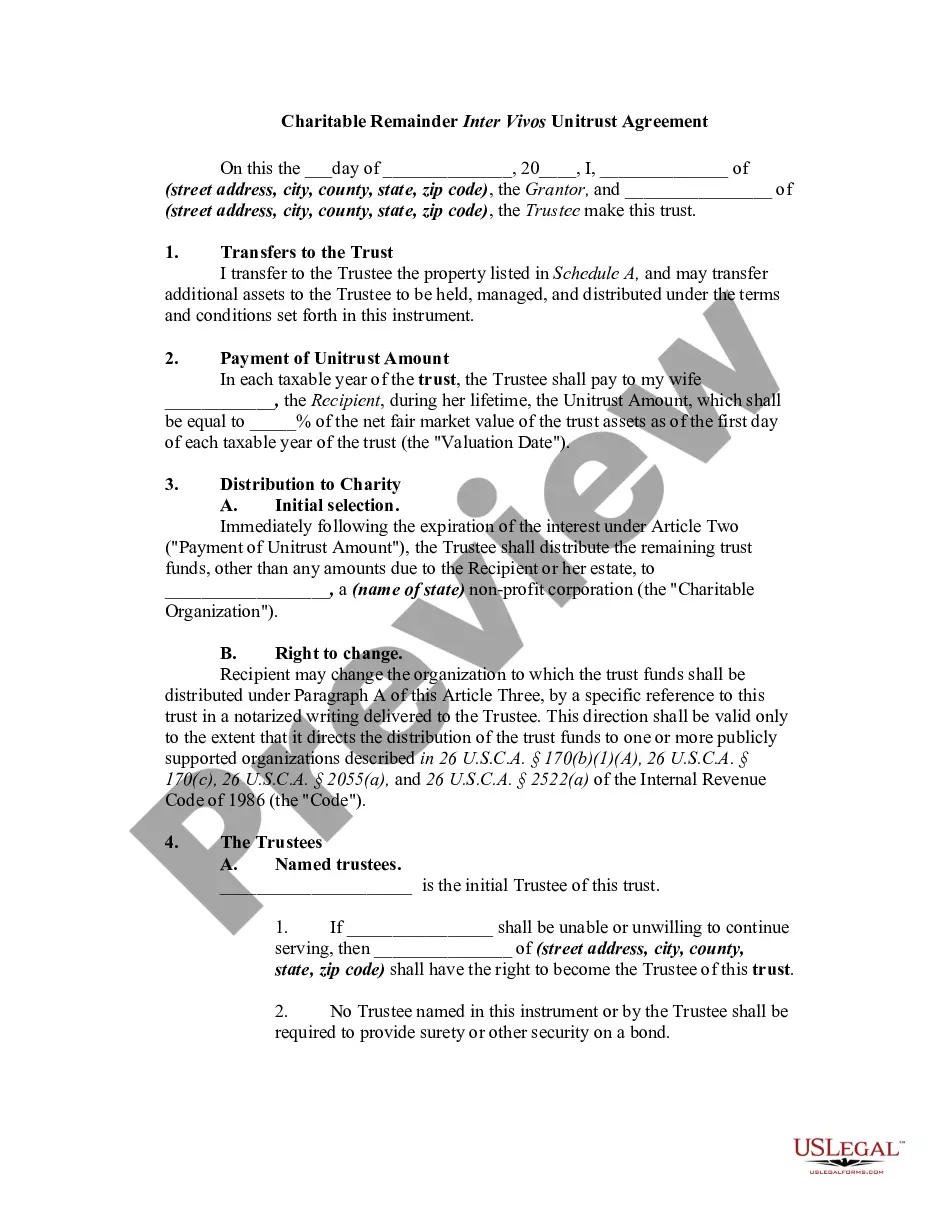
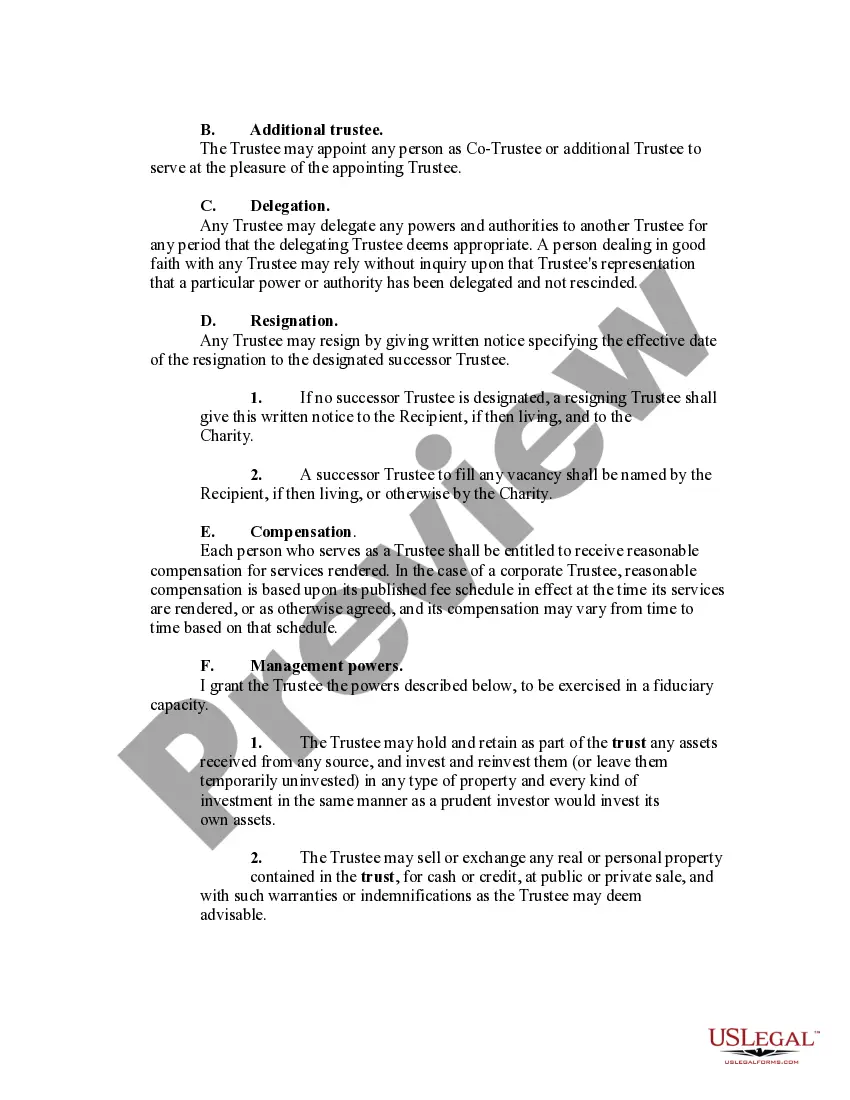
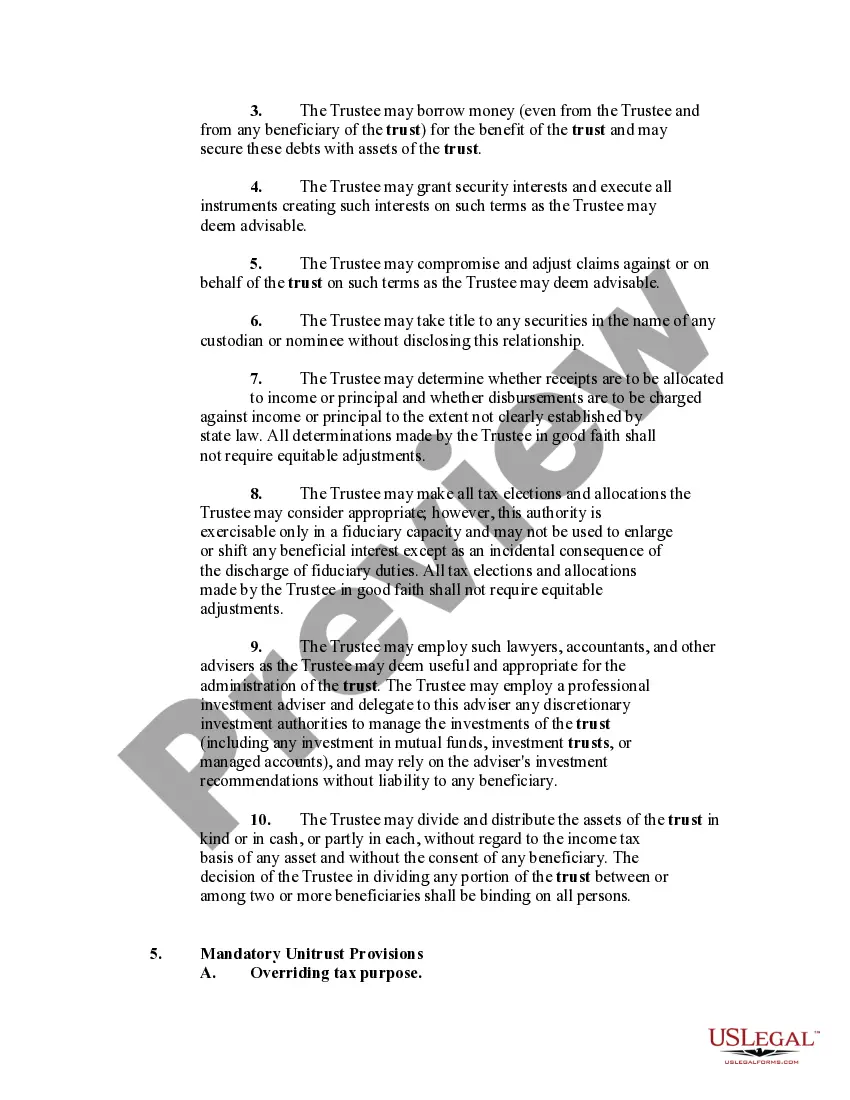
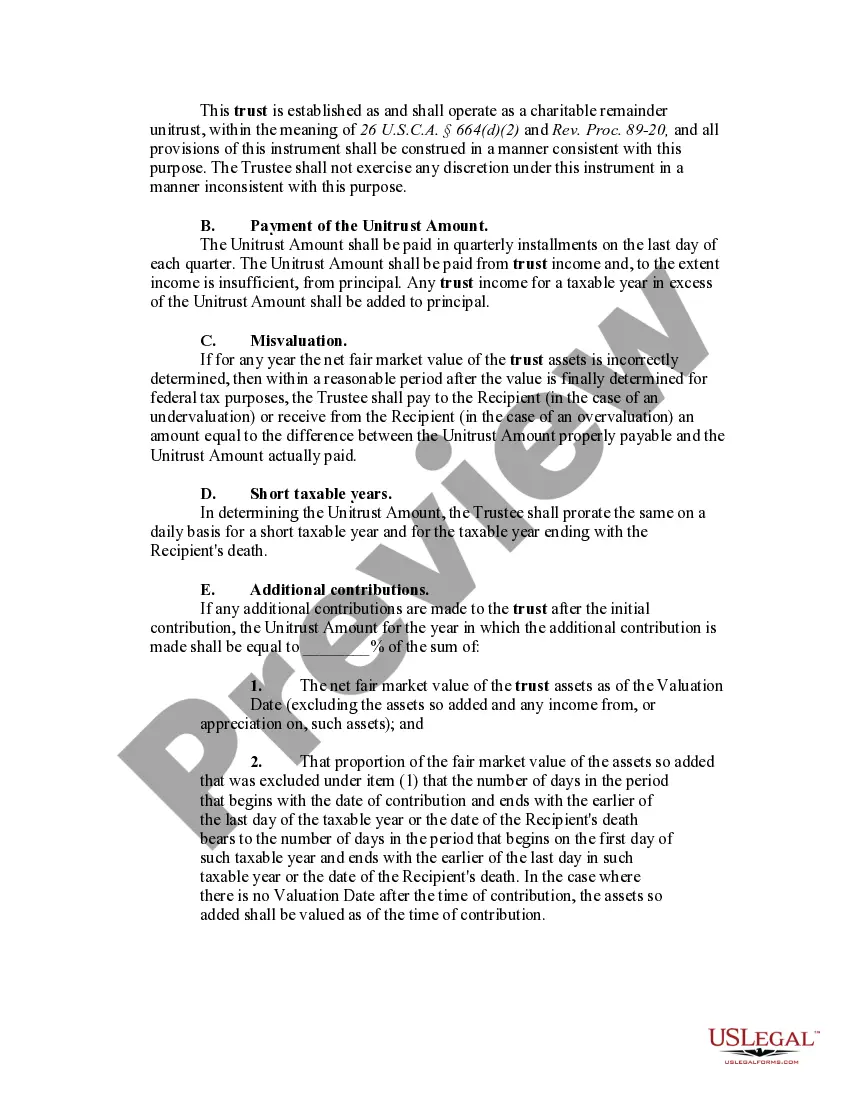
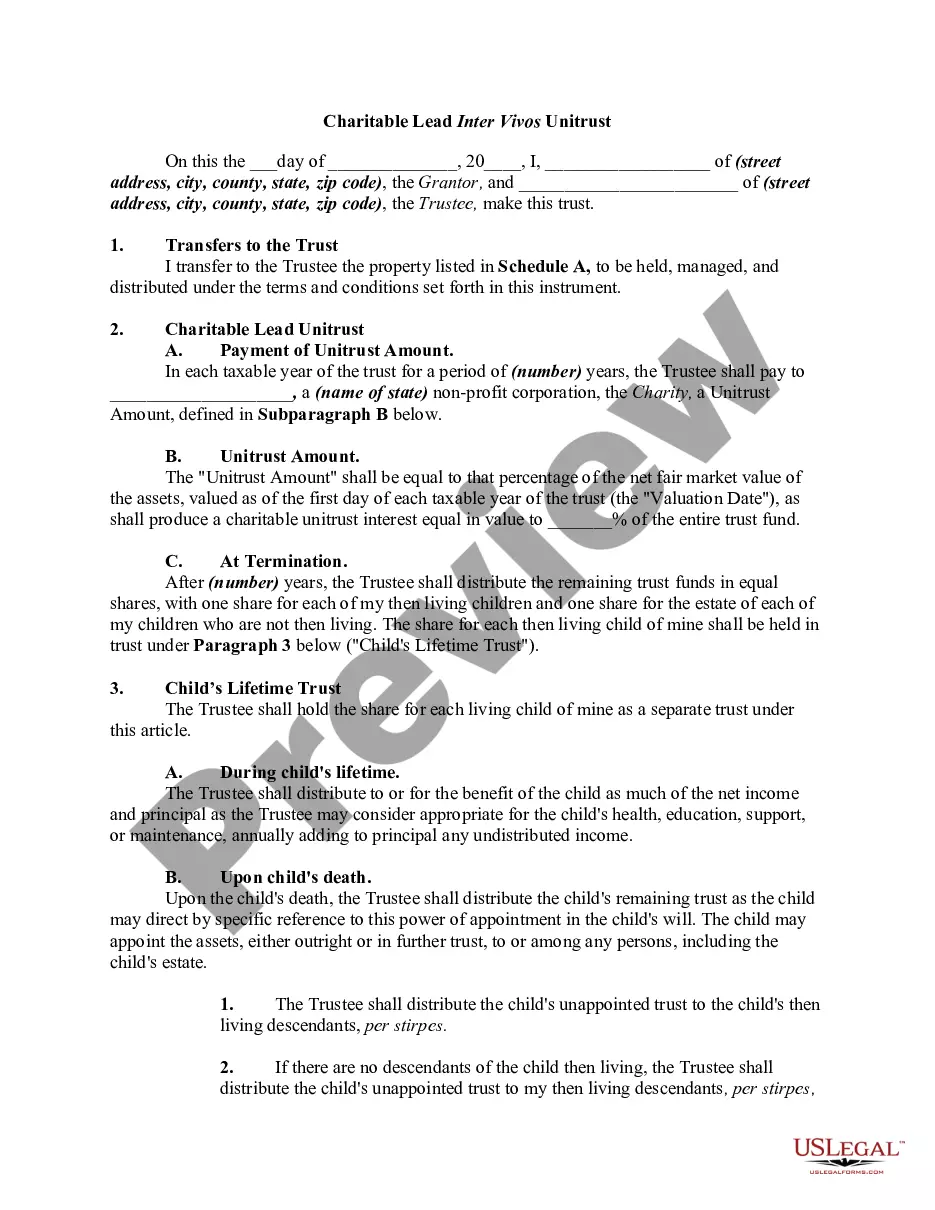
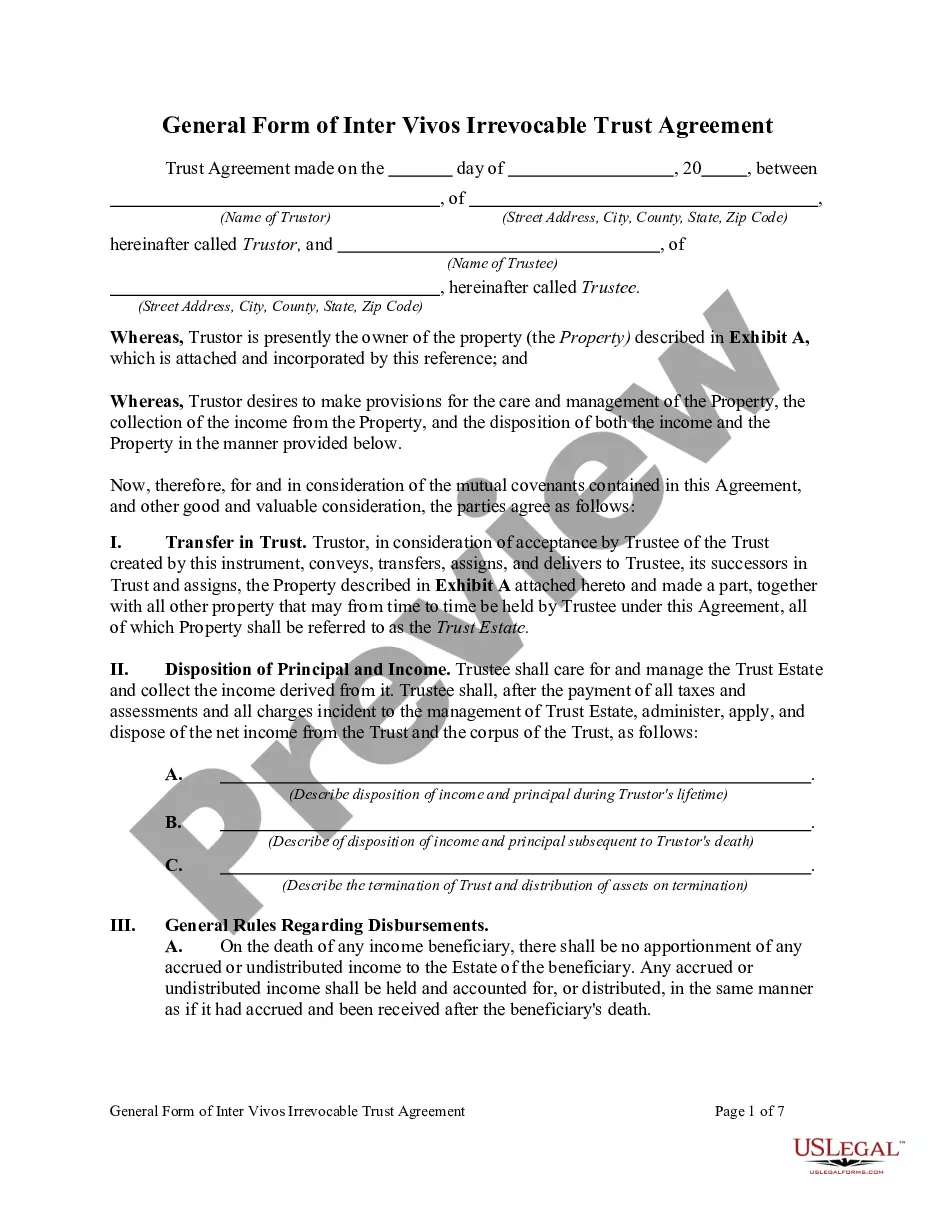
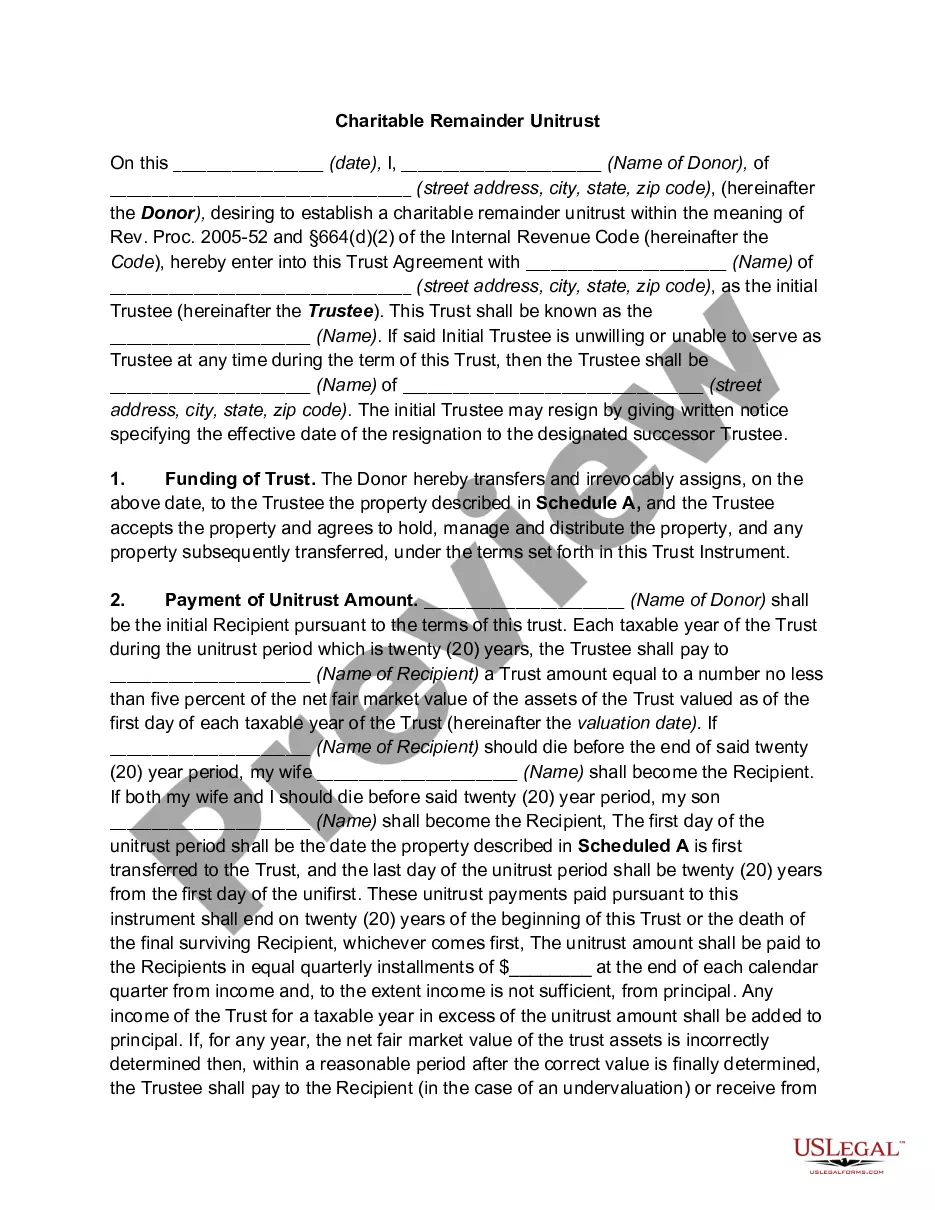
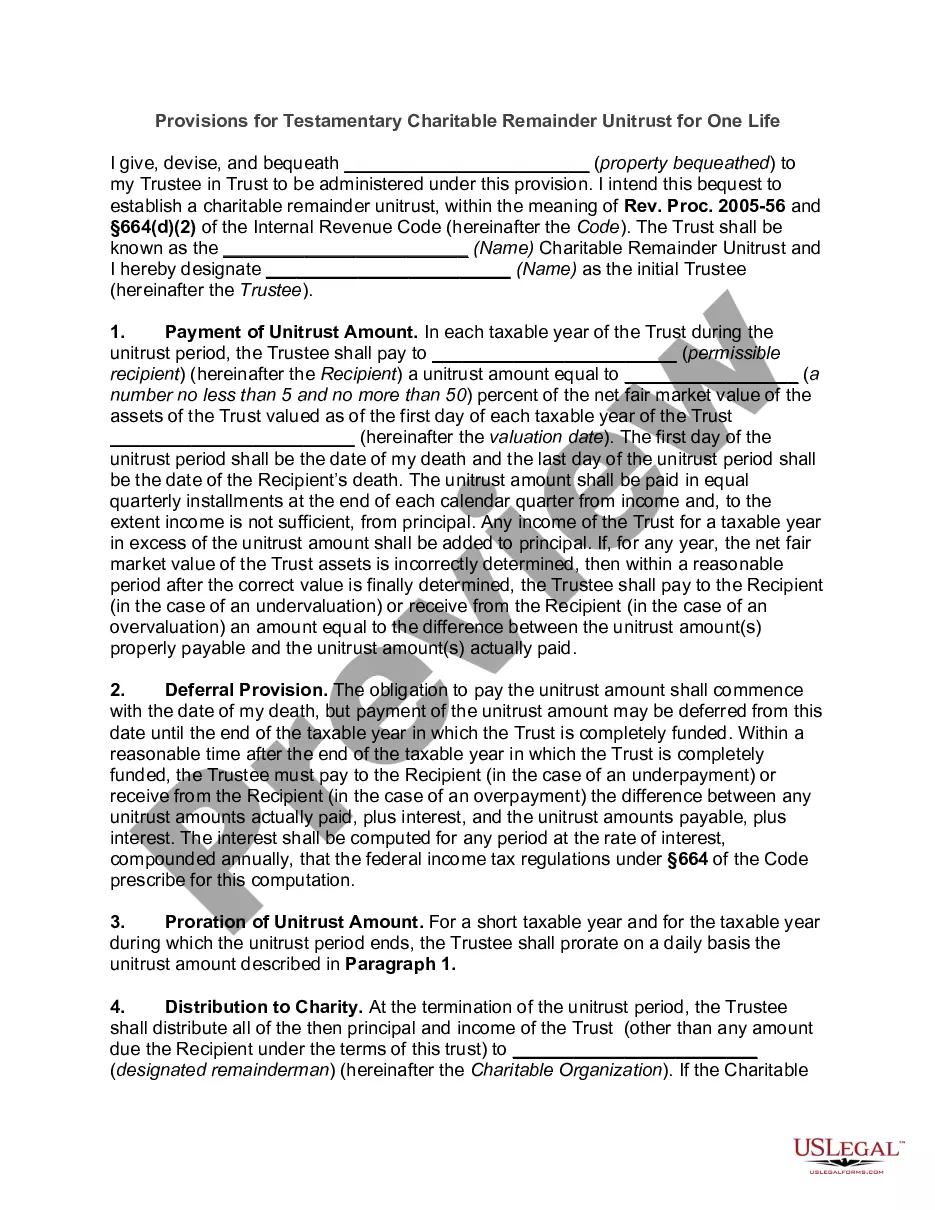
How to fill out Charitable Remainder Inter Vivos Unitrust Agreement?
- Visit the US Legal Forms website and log into your account if you're a returning user. Ensure your subscription is active to access the various templates.
- If this is your first time, begin by reviewing the library for the Remainder inter unitrust living form. Utilize the preview mode to confirm it meets your requirements and is applicable to your jurisdiction.
- If the form isn't suitable, use the search feature to find a more appropriate template. Keep exploring until you find what fits your needs perfectly.
- Once you've identified the correct document, click the 'Buy Now' button. Choose a subscription plan that aligns with your needs.
- Proceed to payment by entering your credit card details or using your PayPal account to complete the purchase.
- After your payment is processed, download the form to your device. You can always access it later from your profile under the 'My Forms' section.
By following these straightforward steps, you can ensure you have the necessary legal documents at your fingertips.
US Legal Forms makes it easy for individuals and attorneys alike to access a vast library of over 85,000 legal forms. Start your journey today by visiting US Legal Forms to make your legal tasks effortless!
Form popularity
FAQ
A charitable remainder unitrust, particularly the remainder inter unitrust living buy for you, is often used to provide income during your lifetime while ultimately supporting a charitable organization. It serves as an effective estate planning tool, allowing you to enjoy financial benefits while making a lasting impact. Many individuals leverage this trust to achieve charitable goals and enhance their overall financial strategy. Using platforms like USLegalForms can simplify the creation and management of such trusts.
The primary distinction between a charitable remainder trust and a charitable remainder unitrust lies in the way payouts are determined. A charitable remainder trust generally offers a fixed amount, while a charitable remainder unitrust, including the remainder inter unitrust living buy for you, provides a percentage of the trust's value. This means unitrust payouts can vary based on the trust's performance, potentially benefiting you more over time. Understanding these differences can help you choose the right structure for your needs.
Charitable remainder trusts, including the remainder inter unitrust living buy for you, can be a beneficial financial strategy. They offer tax advantages, such as income tax deductions and estate tax savings, while also supporting a charitable cause. It's essential to evaluate your financial goals and charitable intentions before establishing one. Consulting with a financial advisor can help you decide if this option aligns with your objectives.
Yes, a charitable remainder unitrust, including the remainder inter unitrust living buy for you, is required to file IRS Form 1041. This form is necessary to report income, deductions, and credits of the trust. It helps ensure the trust is compliant with tax regulations while providing transparency for beneficiaries. Be sure to consult a tax professional to navigate this process effectively.
A disqualified person in a charitable remainder trust includes individuals who have significant control, ownership, or substantial interest in the trust. This may encompass the donor, their family members, or any entity affiliated with them. Understanding these definitions is crucial to avoid complications that could jeopardize the trust's tax status. You can utilize the US Legal platform for more insights to ensure your trust operates smoothly.
The requirements for a charitable remainder in a unitrust include ensuring the trust pays a minimum of 5% and a maximum of 50% of the trust’s assets. Additionally, at least 10% of the trust's initial value must go to a charitable organization upon the trust's termination. Proper documentation and compliance with IRS regulations are critical for maintaining the tax-exempt status of the unitrust. The US Legal forms platform provides resources to help you ensure these requirements are met.
A unitrust and a charitable remainder trust are closely related, yet distinct in their operation. A unitrust pays a fixed percentage of its value to beneficiaries annually, whereas a charitable remainder trust may have varied distribution methods. Importantly, both aim to benefit charities after the lifespan of the donors or beneficiaries. Understanding these nuances can help you choose the right option through platforms like US Legal forms.
Setting up a charitable remainder trust is a straightforward process that starts with determining your goals. You will need to select the assets you wish to transfer into the trust and decide on the charitable beneficiary. Additionally, you should draft the trust document and obtain legal advice to ensure compliance with the law. The US Legal forms platform simplifies this setup, guiding you through each step efficiently.
To receive distributions from a Charitable Remainder Unitrust (CRUT), beneficiaries must meet several requirements. The CRUT must provide a payout that is a fixed percentage of the trust's value, recalculated annually. It's essential that the payouts align with the IRS rules, ensuring that at least 10% of the trust's value is left to charity upon termination. Using the US Legal platform can help you navigate these requirements effectively.
Yes, you can create your charitable remainder trust, but it is essential to follow legal guidelines. You will need to draft a trust document and fund it with assets you wish to donate. Tools available from platforms like US Legal Forms can facilitate this process, making it manageable for you to establish a Remainder inter unitrust living buy for you in a compliant manner.