Remainder Inter Unitrust Living Buy For The Future
Description
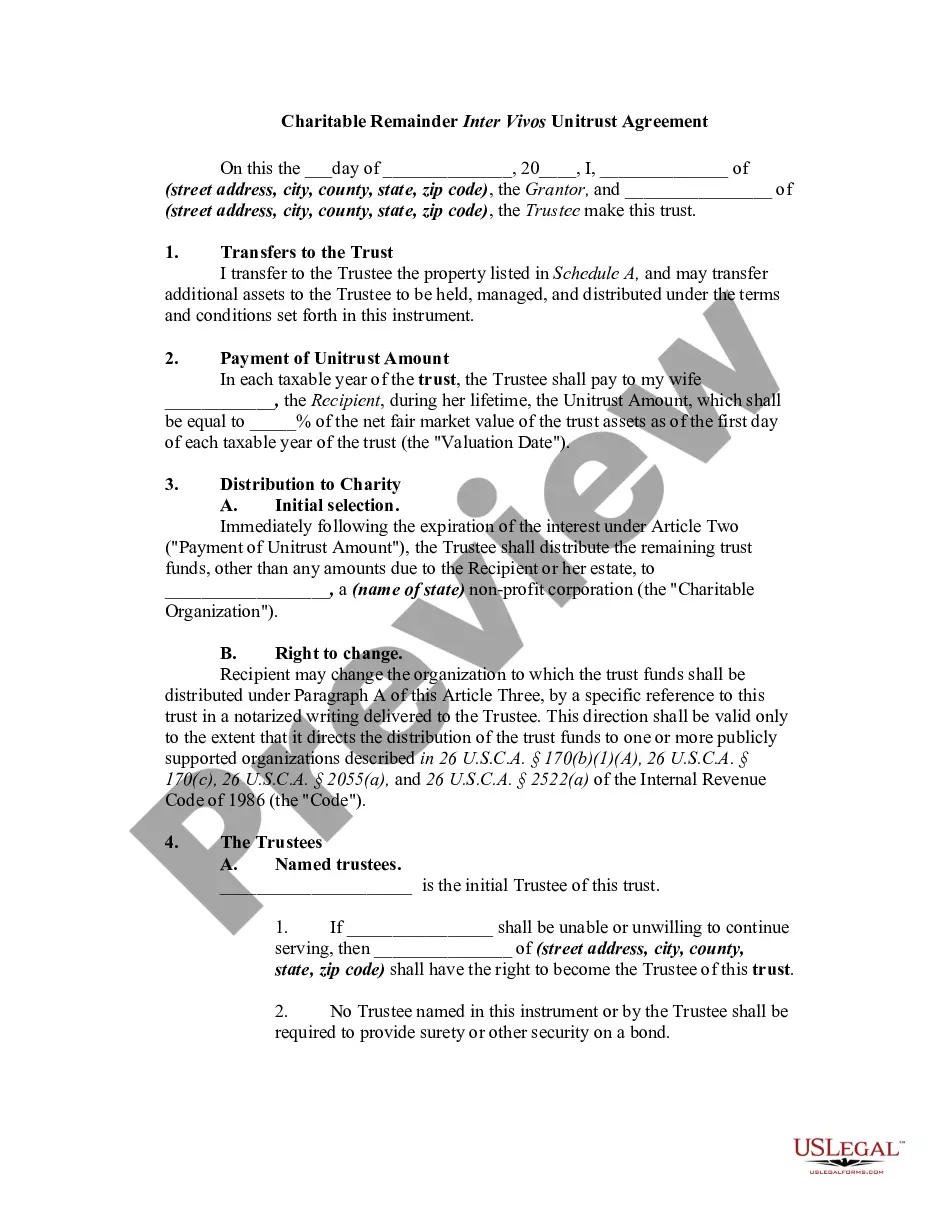
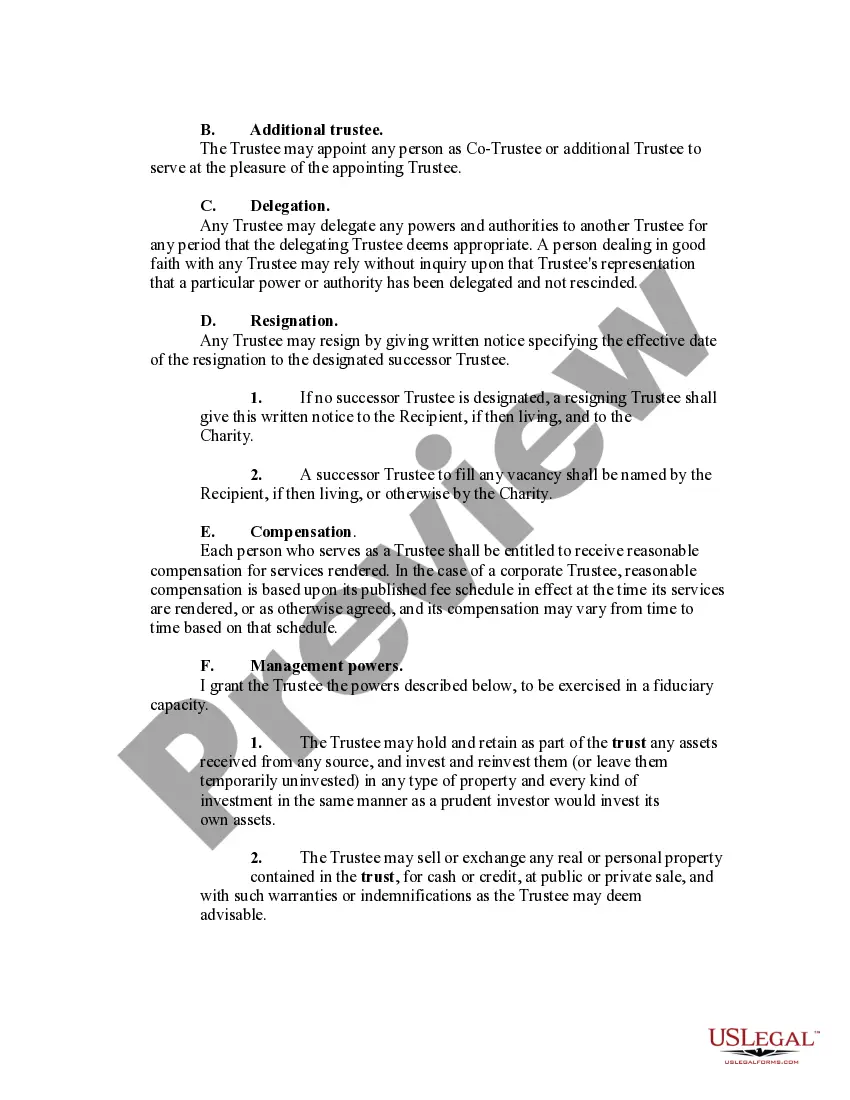
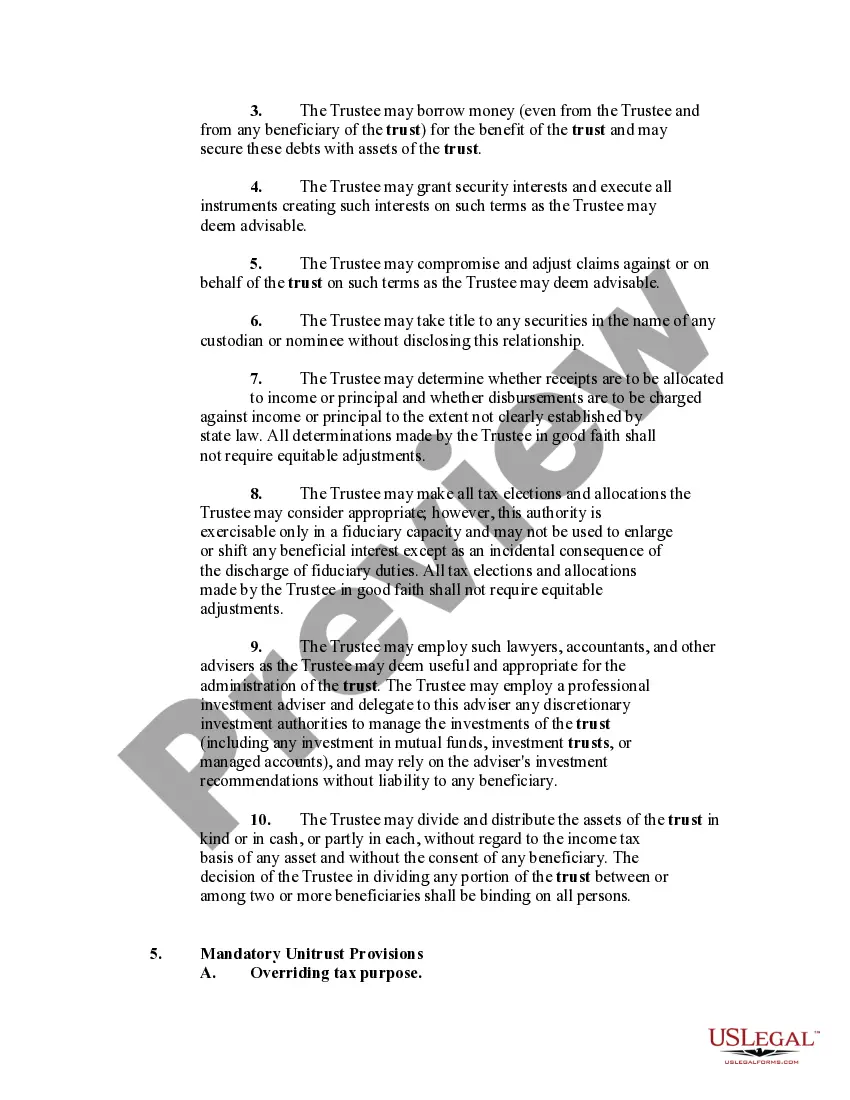
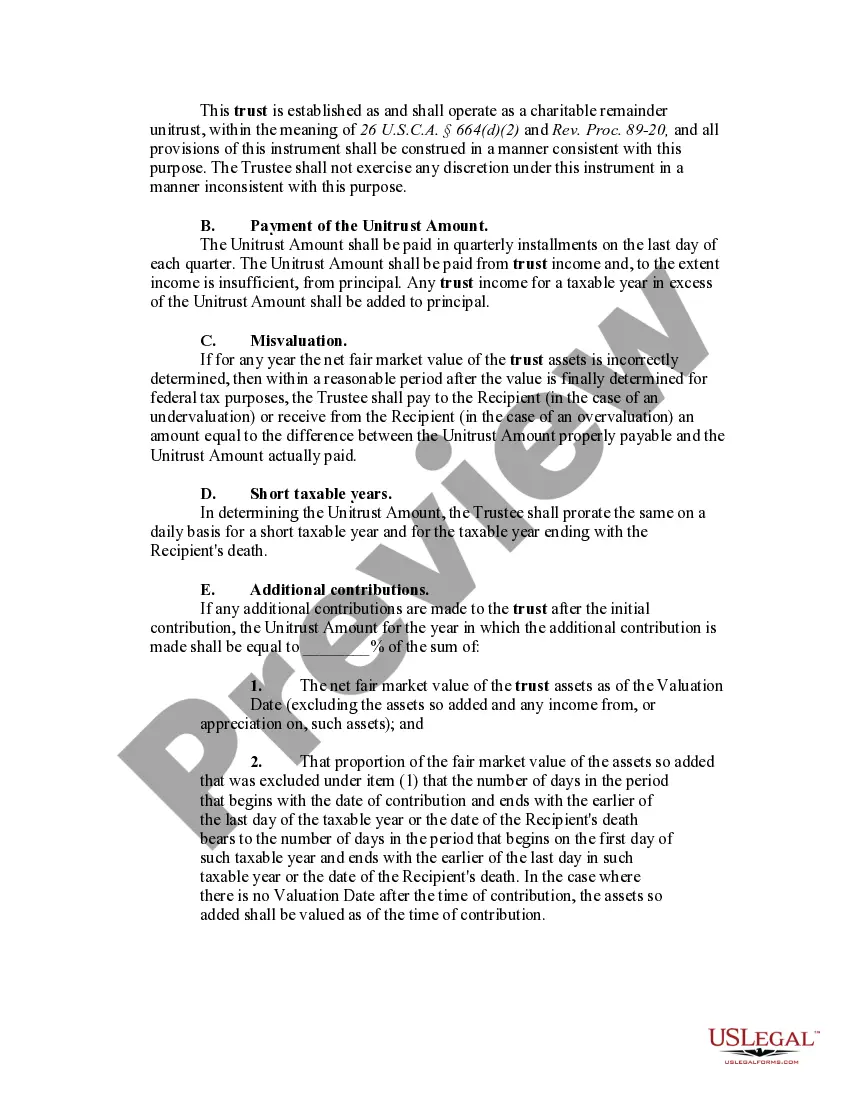
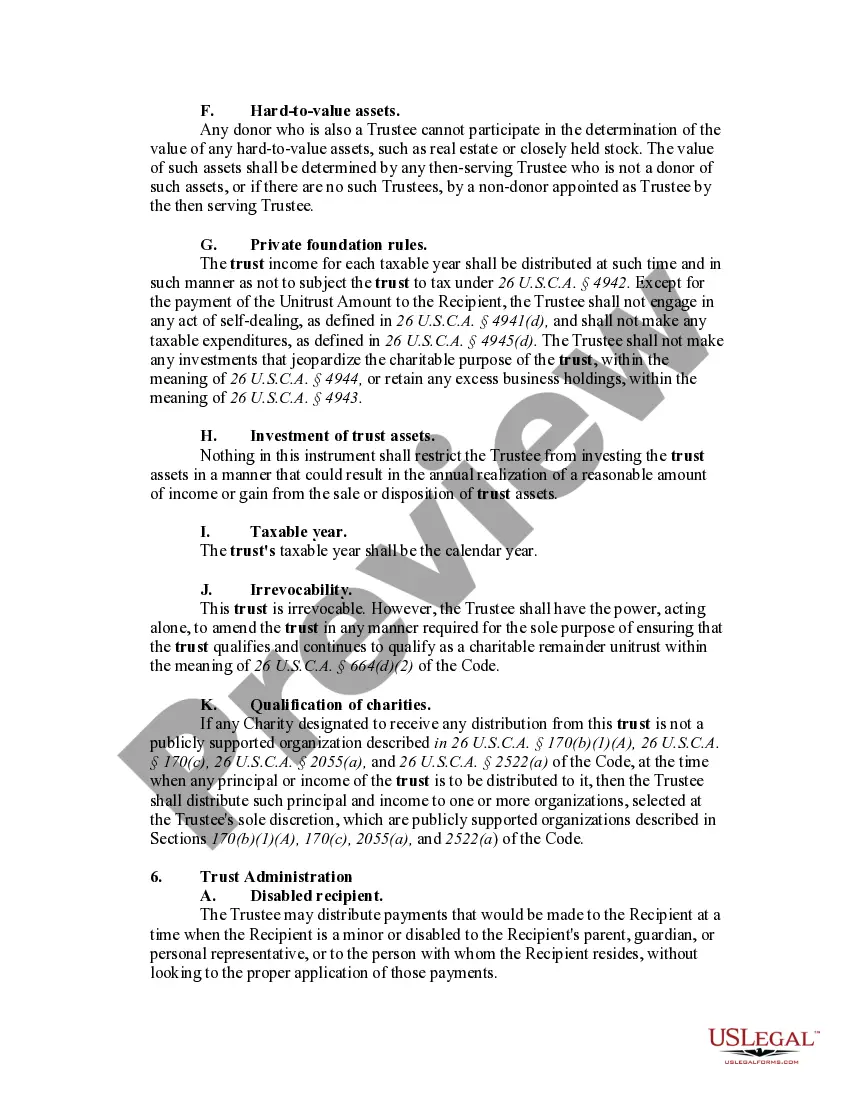
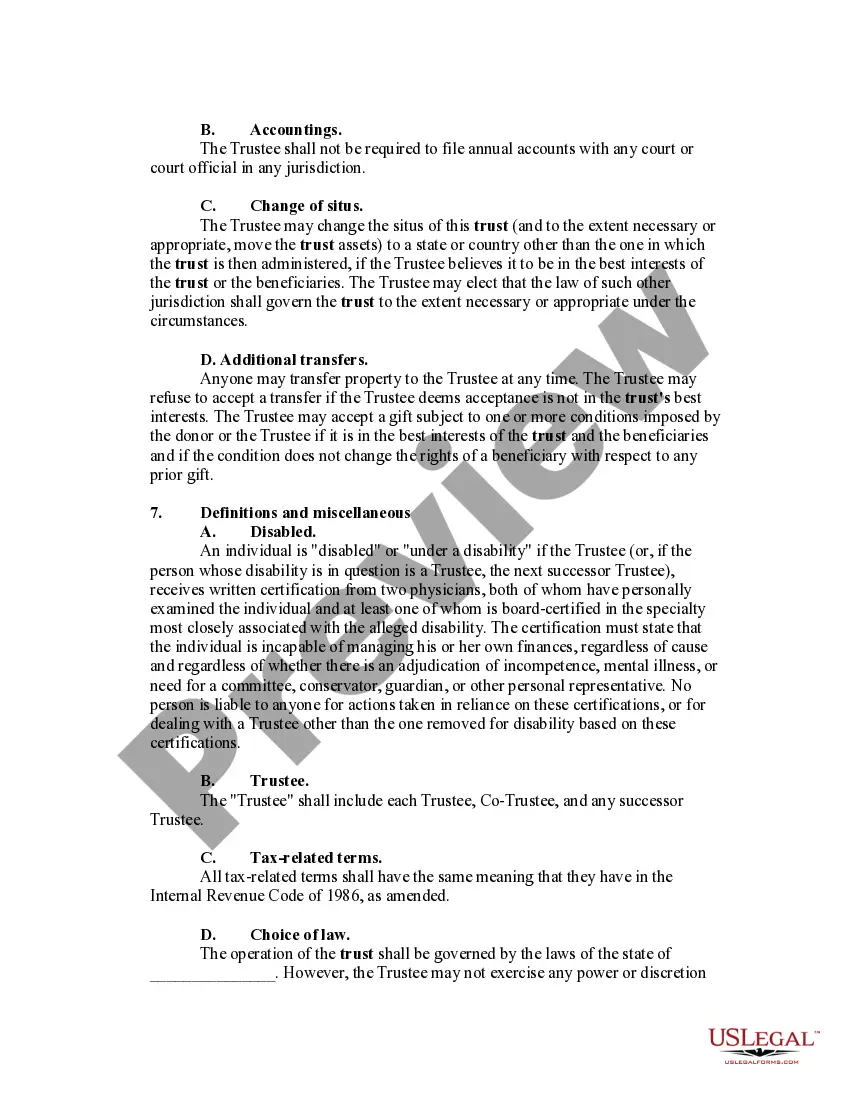
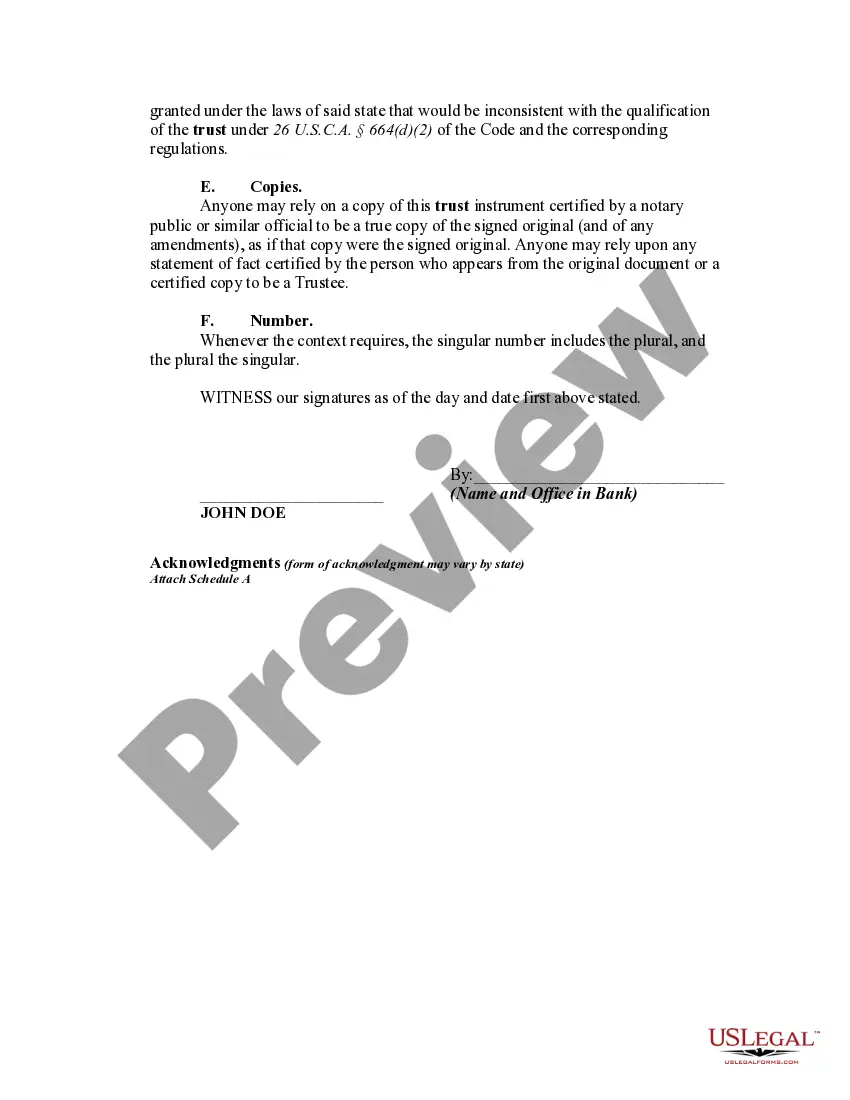
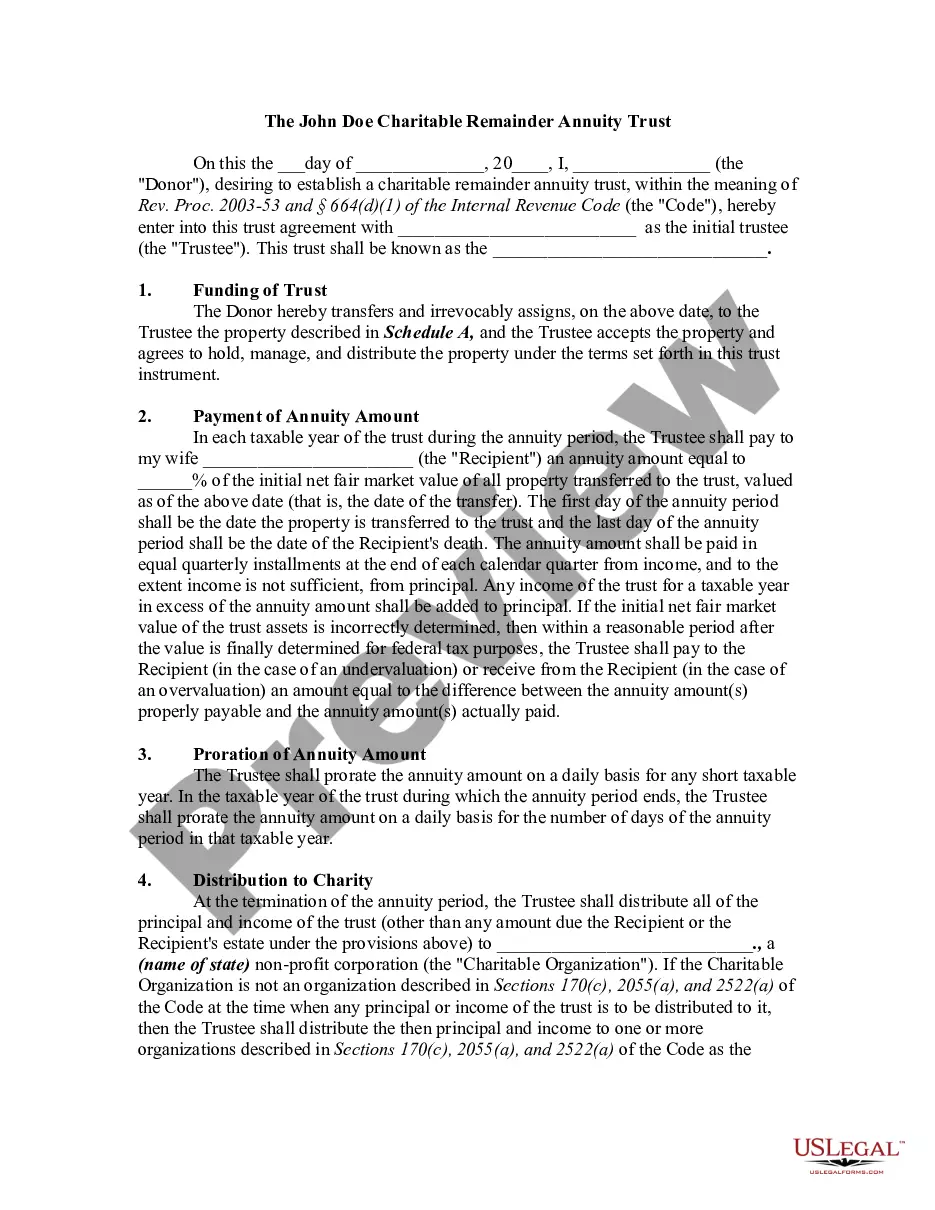
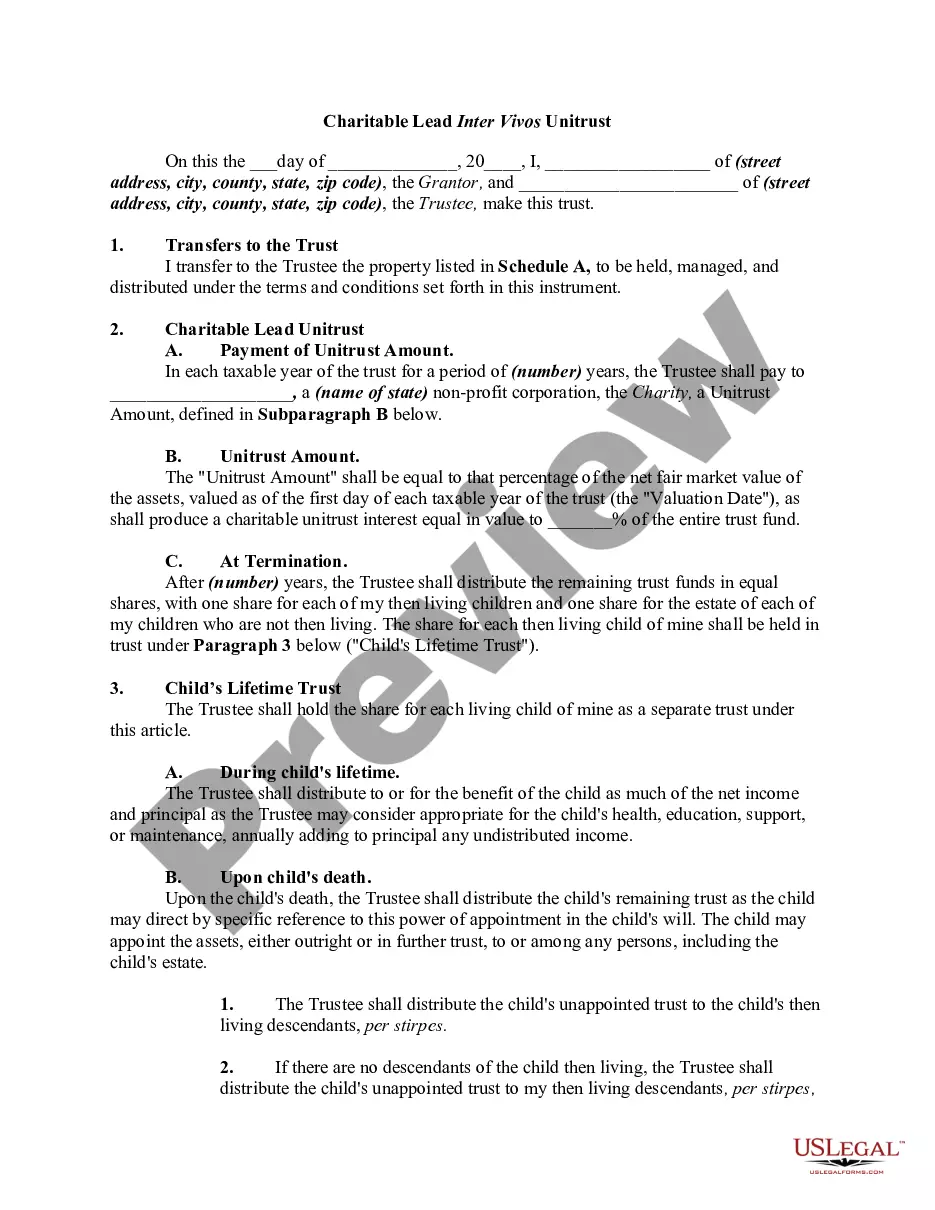
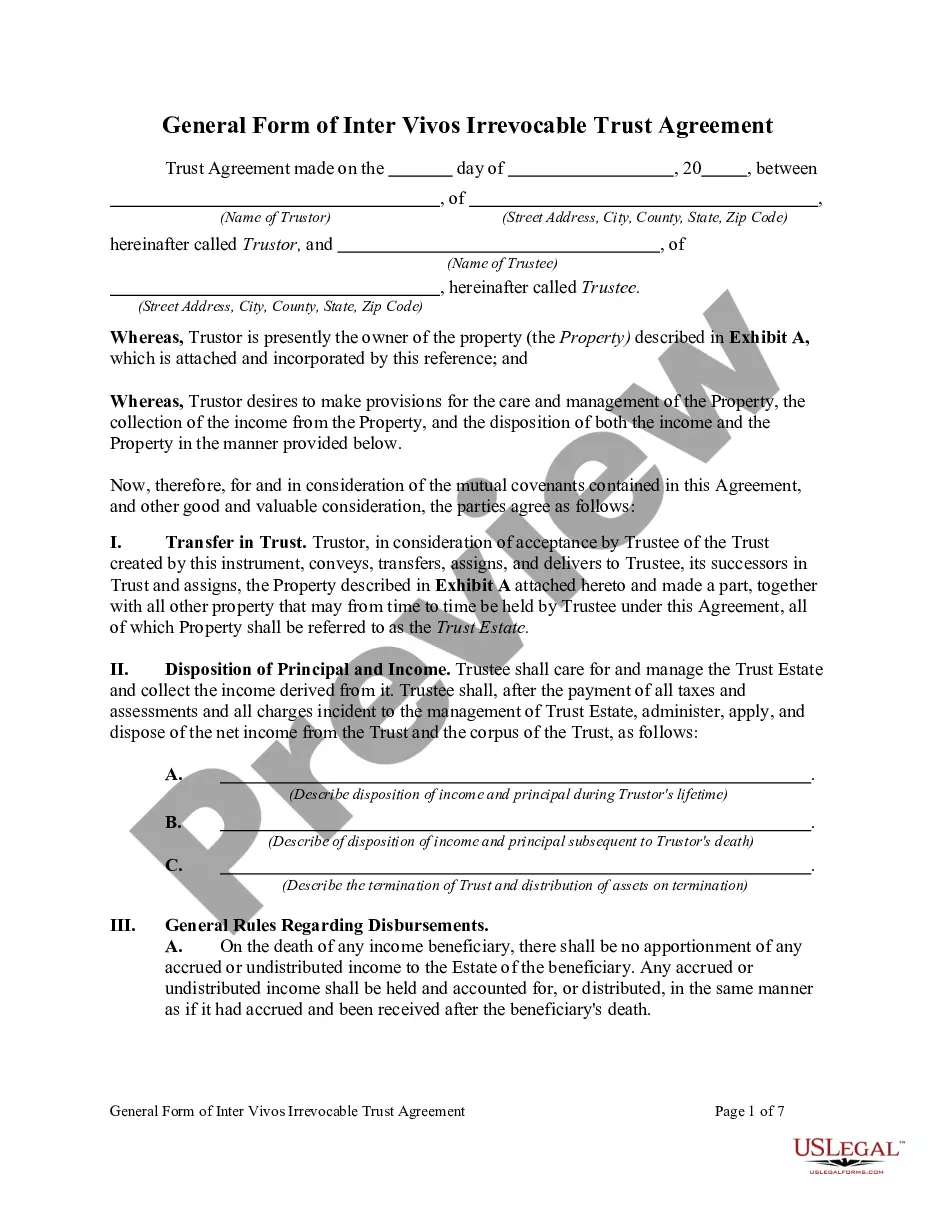
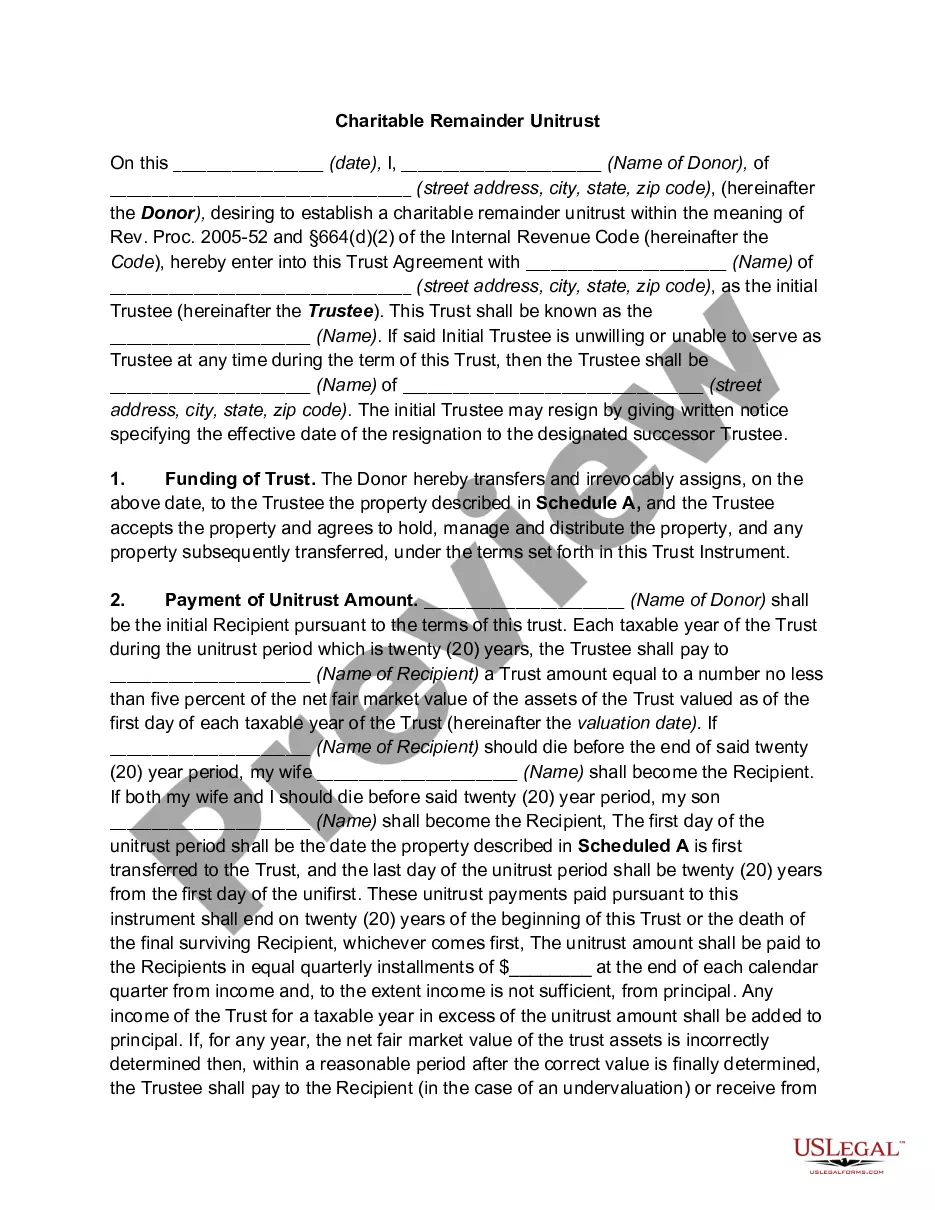
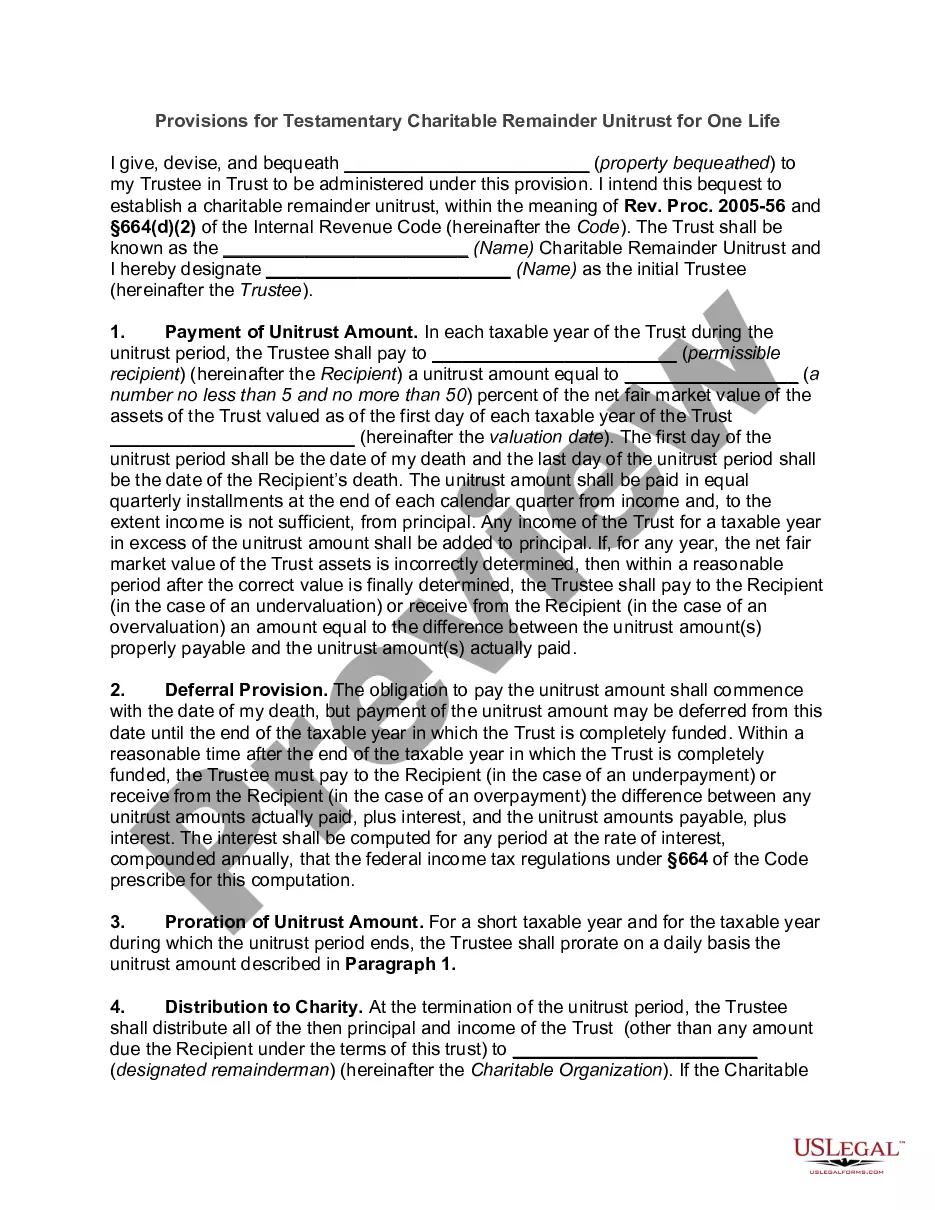
Get your form ready online
Our built-in tools help you complete, sign, share, and store your documents in one place.
Make edits, fill in missing information, and update formatting in US Legal Forms—just like you would in MS Word.
Download a copy, print it, send it by email, or mail it via USPS—whatever works best for your next step.
Sign and collect signatures with our SignNow integration. Send to multiple recipients, set reminders, and more. Go Premium to unlock E-Sign.
If this form requires notarization, complete it online through a secure video call—no need to meet a notary in person or wait for an appointment.
We protect your documents and personal data by following strict security and privacy standards.

Make edits, fill in missing information, and update formatting in US Legal Forms—just like you would in MS Word.

Download a copy, print it, send it by email, or mail it via USPS—whatever works best for your next step.

Sign and collect signatures with our SignNow integration. Send to multiple recipients, set reminders, and more. Go Premium to unlock E-Sign.

If this form requires notarization, complete it online through a secure video call—no need to meet a notary in person or wait for an appointment.

We protect your documents and personal data by following strict security and privacy standards.
Looking for another form?






How to fill out Charitable Remainder Inter Vivos Unitrust Agreement?
- If you are a returning user, simply log in to your account and download the necessary form template by clicking the Download button, ensuring your subscription is active. If not, renew it to keep your access.
- For first-time users, start by browsing the Preview mode and reading the form description. Confirm that it aligns with your needs and meets local jurisdiction requirements.
- If the current template doesn’t suffice, utilize the Search feature at the top to find another appropriate form.
- Once you find the right document, click on the Buy Now button and select your preferred subscription plan. Creating an account is essential to access the legal library.
- Proceed with your purchase by entering your credit card information or using your PayPal account.
- Download the completed form and save it for later use. You can always access it again in the My Forms section of your account.
In conclusion, US Legal Forms provides a valuable resource for individuals and attorneys seeking legal documentation. With a vast library of over 85,000 forms and expert assistance available, you can confidently manage your legal needs.
Don't wait any longer—start securing your future today with US Legal Forms.
Form popularity
FAQ
To establish a charitable remainder unitrust, several key requirements must be met, including having a qualified charity as the remainderman and ensuring that the trust pays out a fixed percentage of its value annually. Additionally, it should meet both legal and IRS guidelines to maximize tax benefits. As you navigate these requirements, uslegalforms can provide valuable resources to support your goal of a remainder inter unitrust living buy for the future.
The 10% rule for charitable remainder trusts, which is synonymous with the rule mentioned earlier, reinforces that the charitable distribution must be at least 10% of the total assets contributed to the trust. For those looking into effective estate planning, adhering to this rule enhances your charitable legacy while allowing you to enjoy income. Keep this in mind as you consider a remainder inter unitrust living buy for the future.
The income you can receive from a charitable remainder trust varies based on the trust's terms and the payout rate, which typically ranges from 5% to 50%. This flexibility allows you to structure your income stream according to your needs while ensuring your charitable goals are satisfied. If you are exploring a remainder inter unitrust living buy for the future, this option can provide substantial benefits.
The 10 percent rule for charitable remainder trusts states that the present value of the charitable remainder must be at least 10% of the value of the assets transferred to the trust. This rule ensures that your charitable intentions are met while you also benefit from income during your lifetime. Understanding this rule helps you effectively plan your financial future, especially if you are considering a remainder inter unitrust living buy for the future.
To set up a charitable remainder unitrust (CRUT), start by choosing a qualified trustee to manage the trust. Next, draft the trust agreement with precise terms for income distribution and beneficiary designations, which can be facilitated through platforms like US Legal Forms. Fund your CRUT with assets, and you’ll create a steady income for yourself while ensuring a significant charitable contribution in the future.
You can create your own charitable remainder trust, but it requires careful drafting of legal documents to conform to IRS rules. It’s advisable to seek assistance from a legal expert or a resource like US Legal Forms to ensure everything meets legal standards. This proactive approach allows you to personalize the trust to fit your specific objectives and charitable intentions.
Yes, you can make additional contributions to a charitable remainder unitrust, enhancing the trust's value and changing potential payout amounts. However, any new assets must align with the trust's original terms and conditions. It's essential to review the trust document and possibly amend it if you plan to add additional funds for future benefits.
Calculating the charitable tax deduction for a charitable remainder trust involves determining the present value of the remainder interest that will go to charity at the end of the trust's term. A formula takes into account factors like the payout rate, the trust’s term length, and the applicable IRS rate. Consulting a tax advisor or using resources from platforms like US Legal Forms can help ensure accuracy in this calculation.
The payout from a charitable remainder unitrust depends on the terms you set, but it typically ranges from 5% to 7% of the trust’s fair market value. You can adjust this rate based on your financial needs and the intended charitable goal. Remember, this payout is designed to provide income during your lifetime or a specified term, while still benefiting a charity ultimately.
To set up a charitable remainder unitrust, you need to draft a trust document outlining its terms, including the beneficiaries and the payout schedule. Consulting with a legal advisor or using a platform like US Legal Forms can simplify this process. Once the document is prepared, you fund the trust with assets, allowing those assets to generate income while benefiting a charity in the future.