Remainder Inter Form Sample With 1
Description
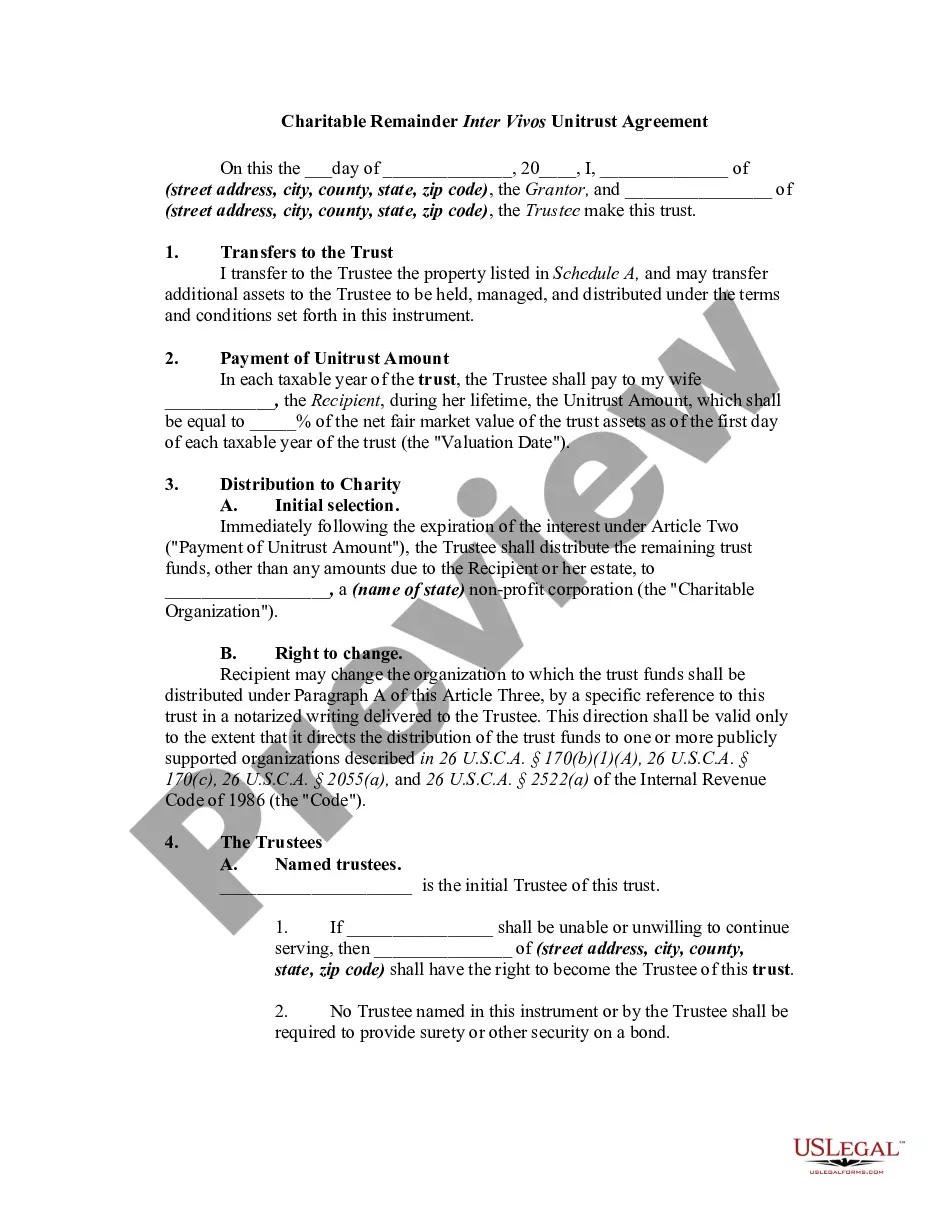
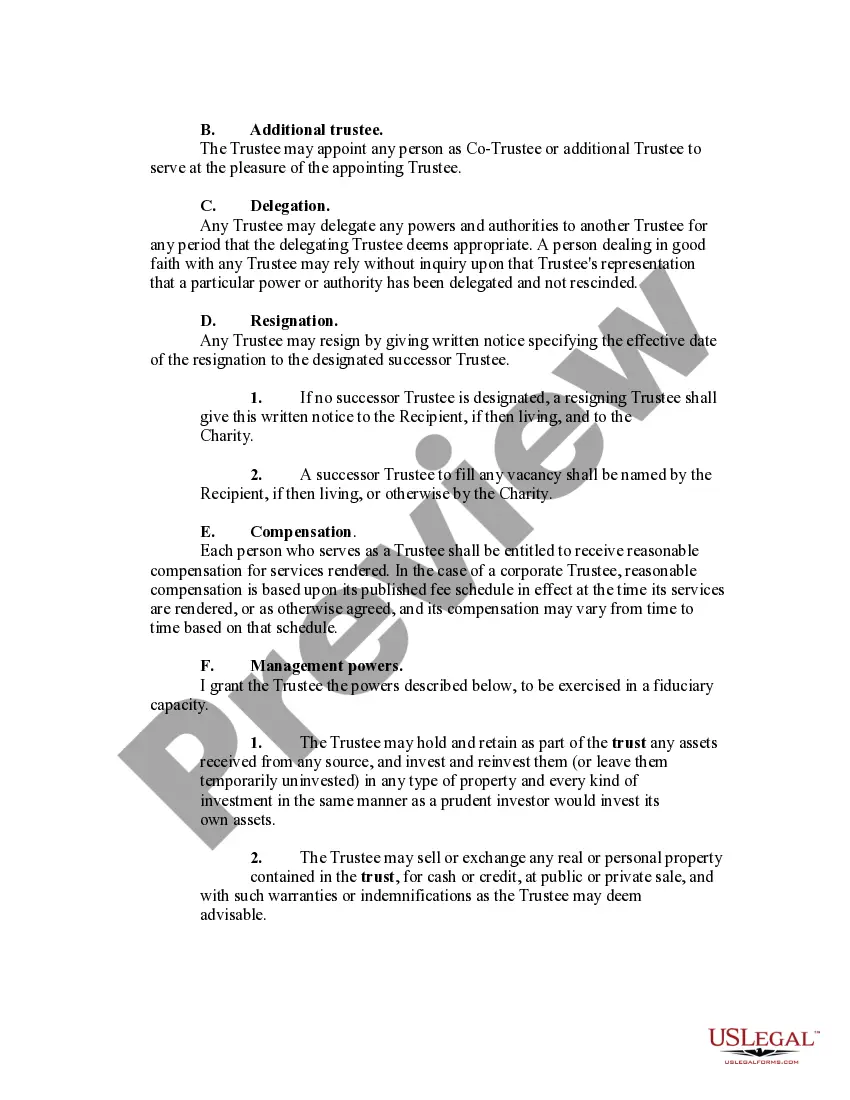
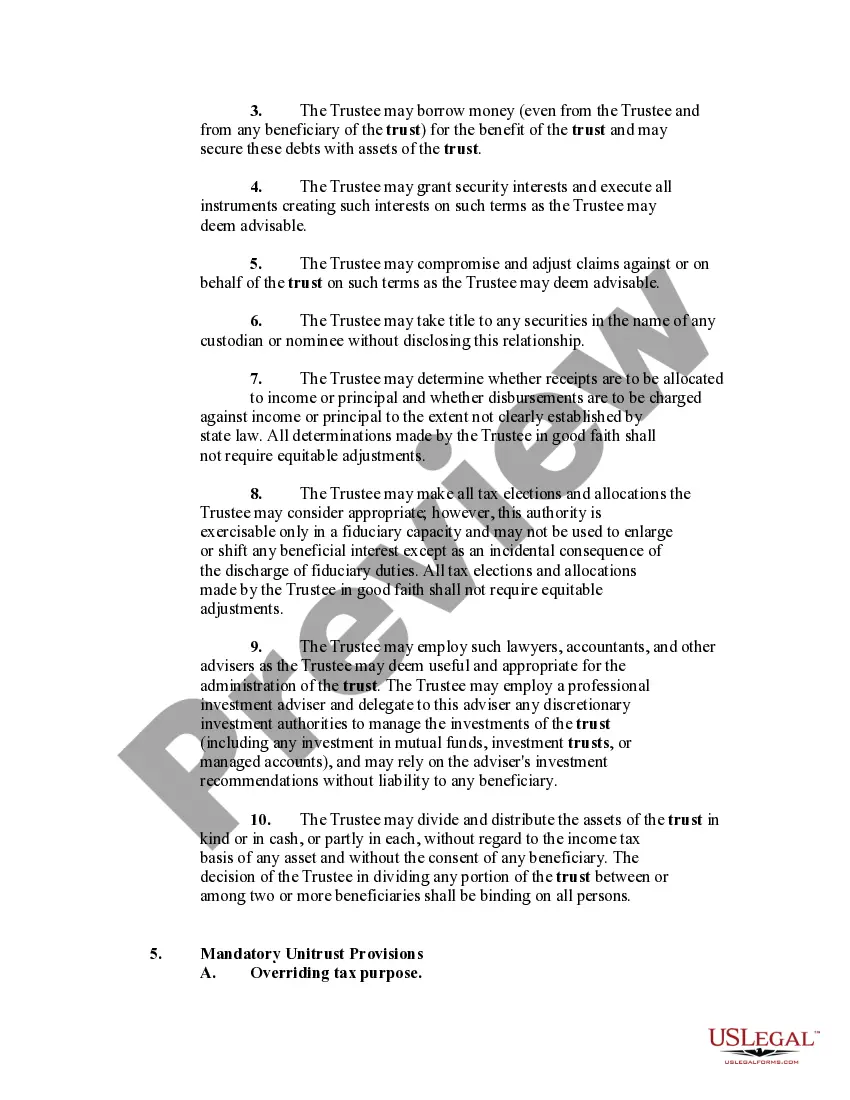
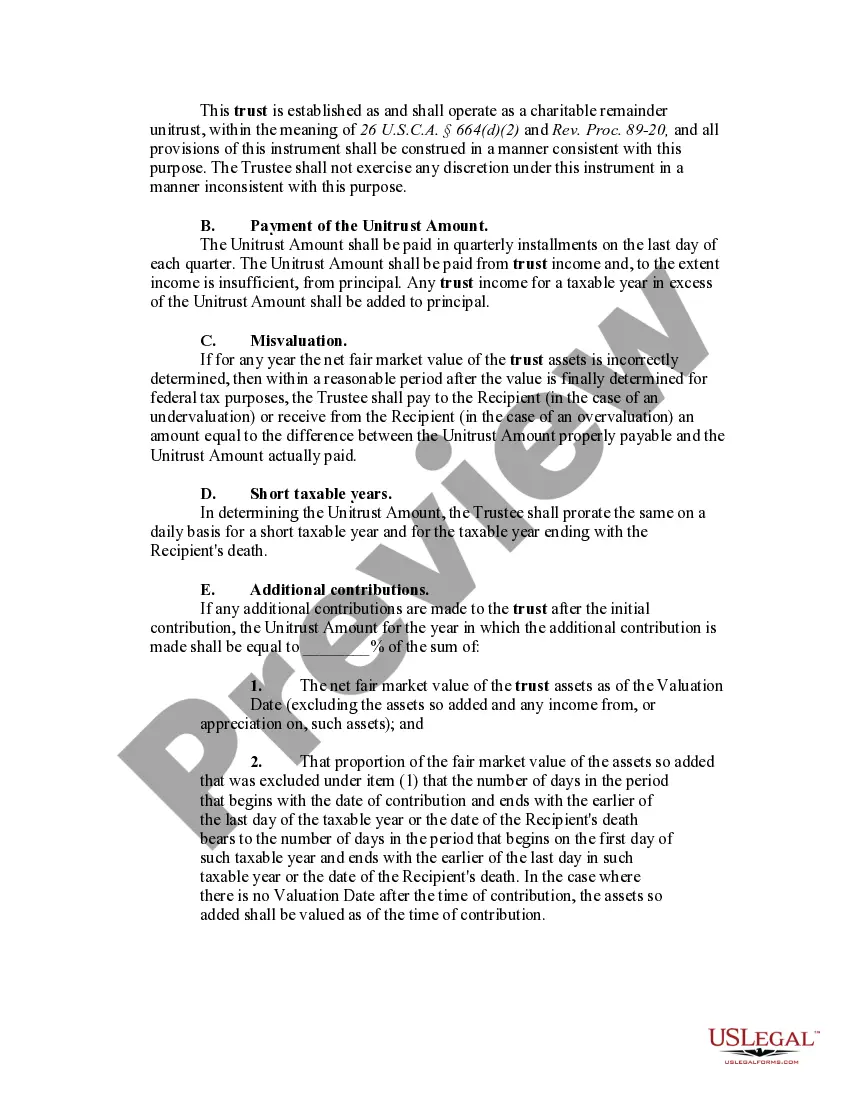
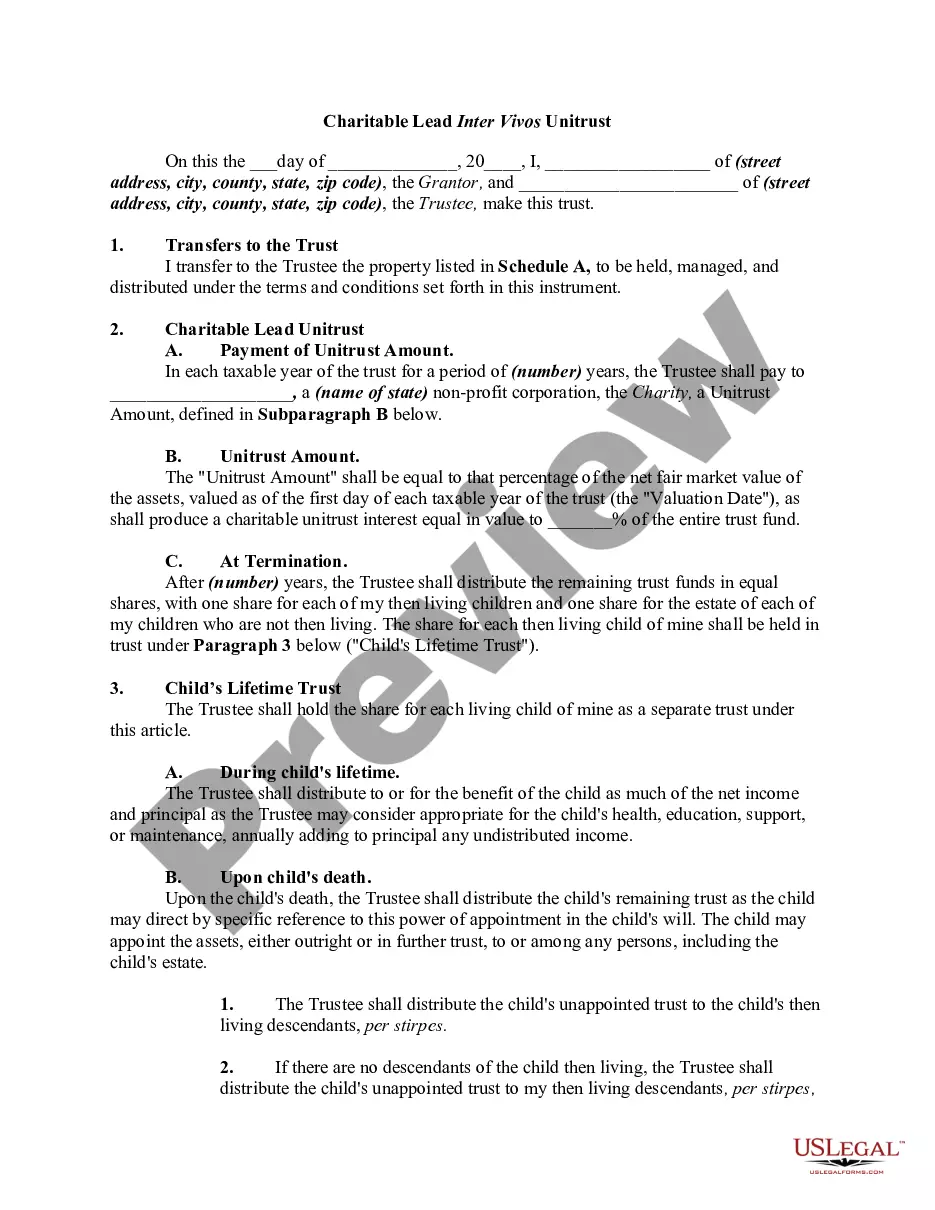
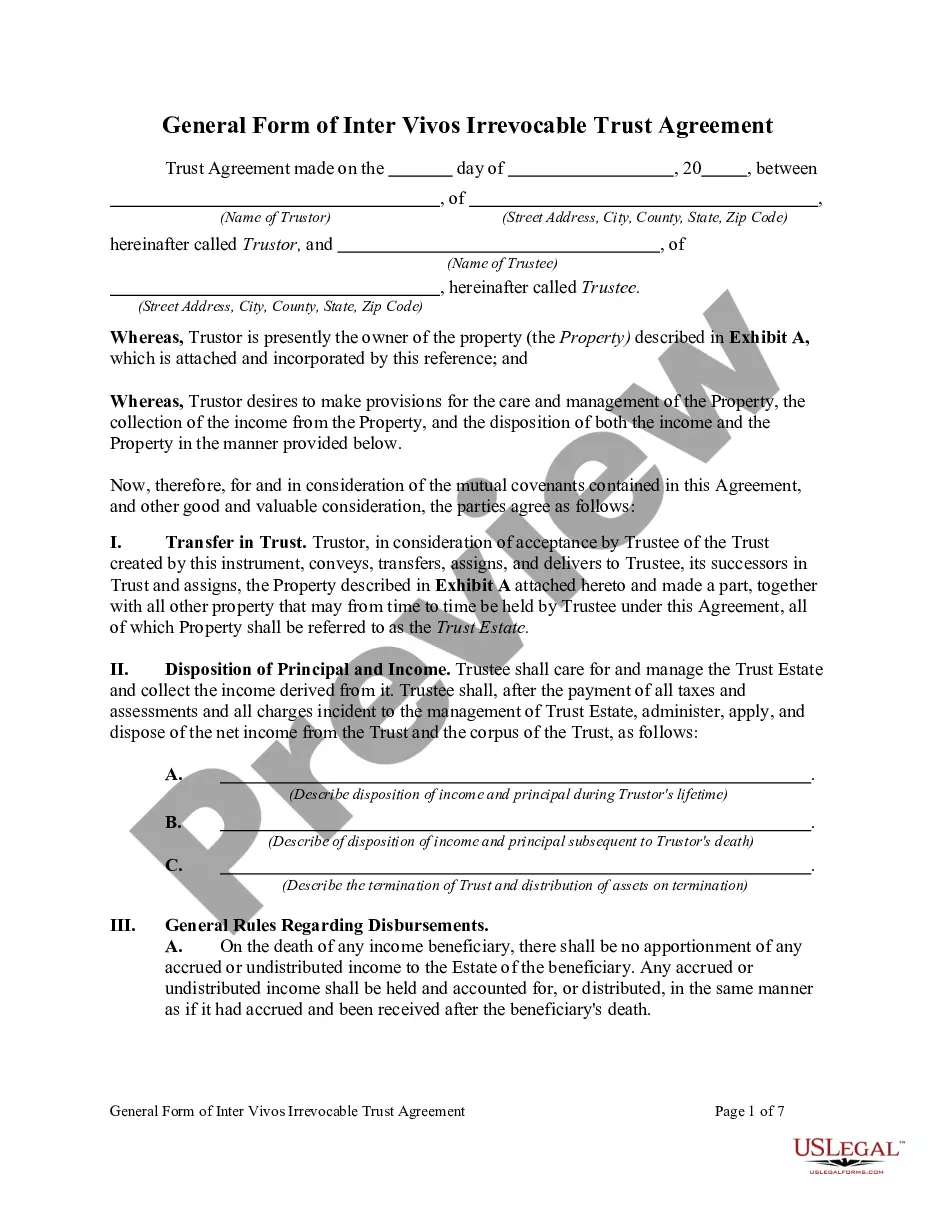
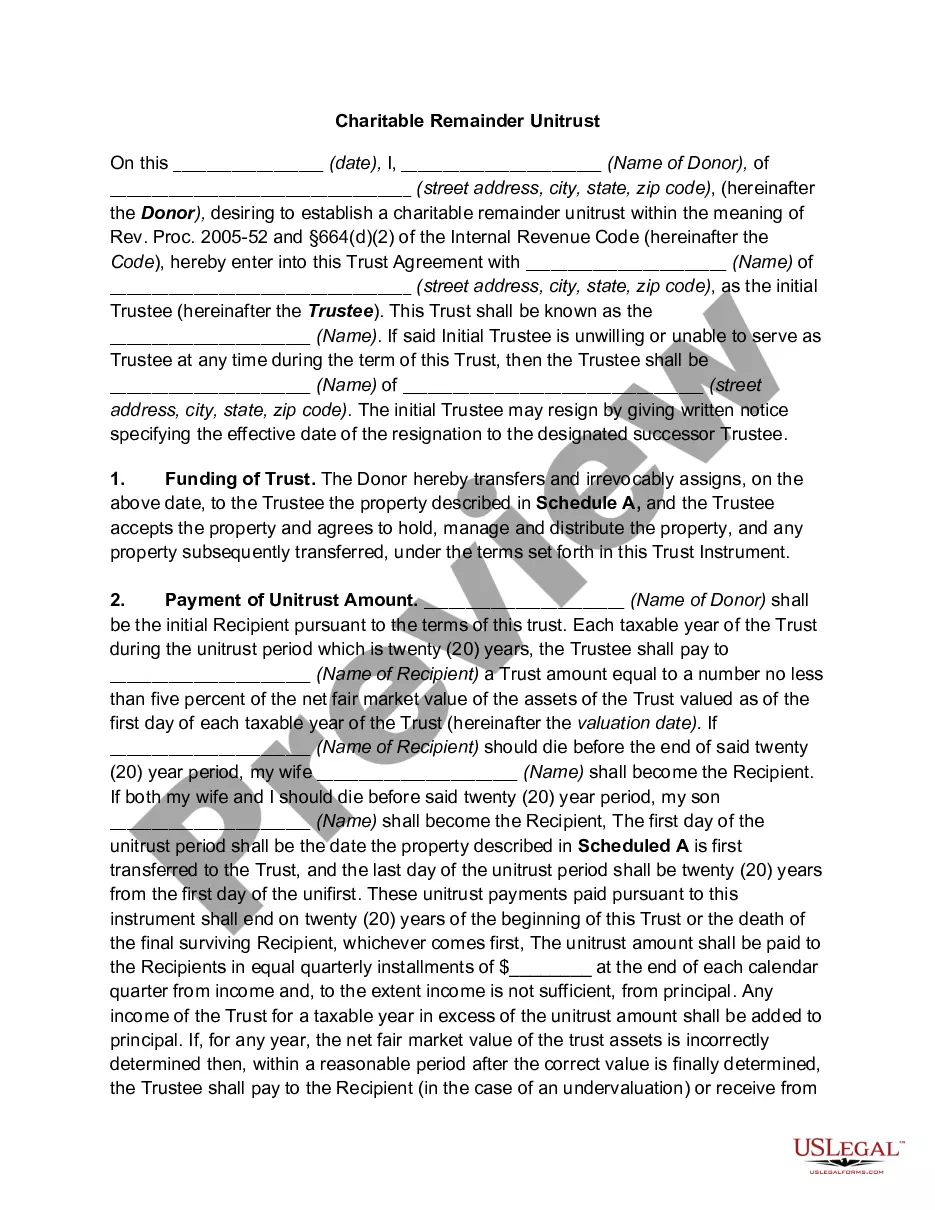
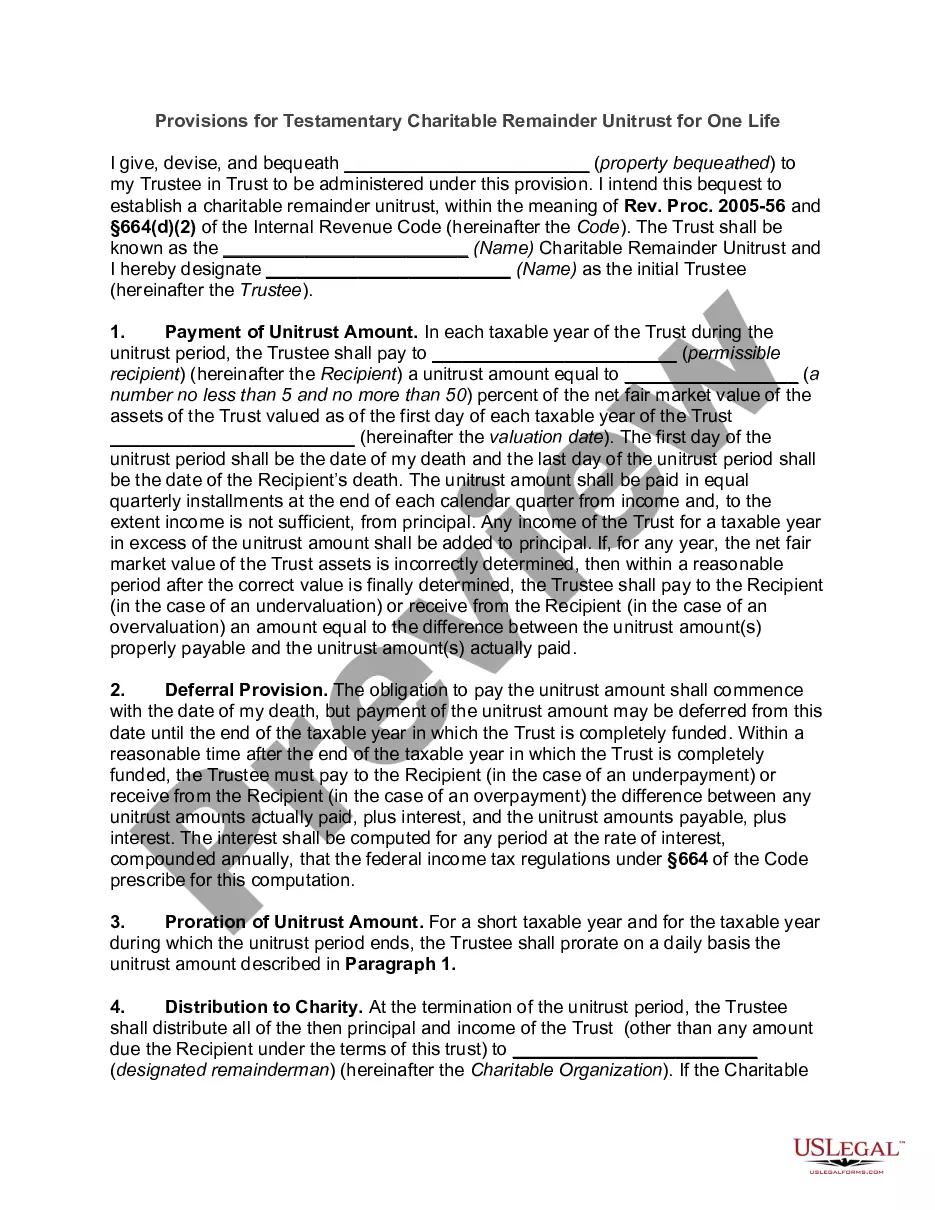
Get your form ready online
Our built-in tools help you complete, sign, share, and store your documents in one place.
Make edits, fill in missing information, and update formatting in US Legal Forms—just like you would in MS Word.
Download a copy, print it, send it by email, or mail it via USPS—whatever works best for your next step.
Sign and collect signatures with our SignNow integration. Send to multiple recipients, set reminders, and more. Go Premium to unlock E-Sign.
If this form requires notarization, complete it online through a secure video call—no need to meet a notary in person or wait for an appointment.
We protect your documents and personal data by following strict security and privacy standards.

Make edits, fill in missing information, and update formatting in US Legal Forms—just like you would in MS Word.

Download a copy, print it, send it by email, or mail it via USPS—whatever works best for your next step.

Sign and collect signatures with our SignNow integration. Send to multiple recipients, set reminders, and more. Go Premium to unlock E-Sign.

If this form requires notarization, complete it online through a secure video call—no need to meet a notary in person or wait for an appointment.

We protect your documents and personal data by following strict security and privacy standards.
Looking for another form?
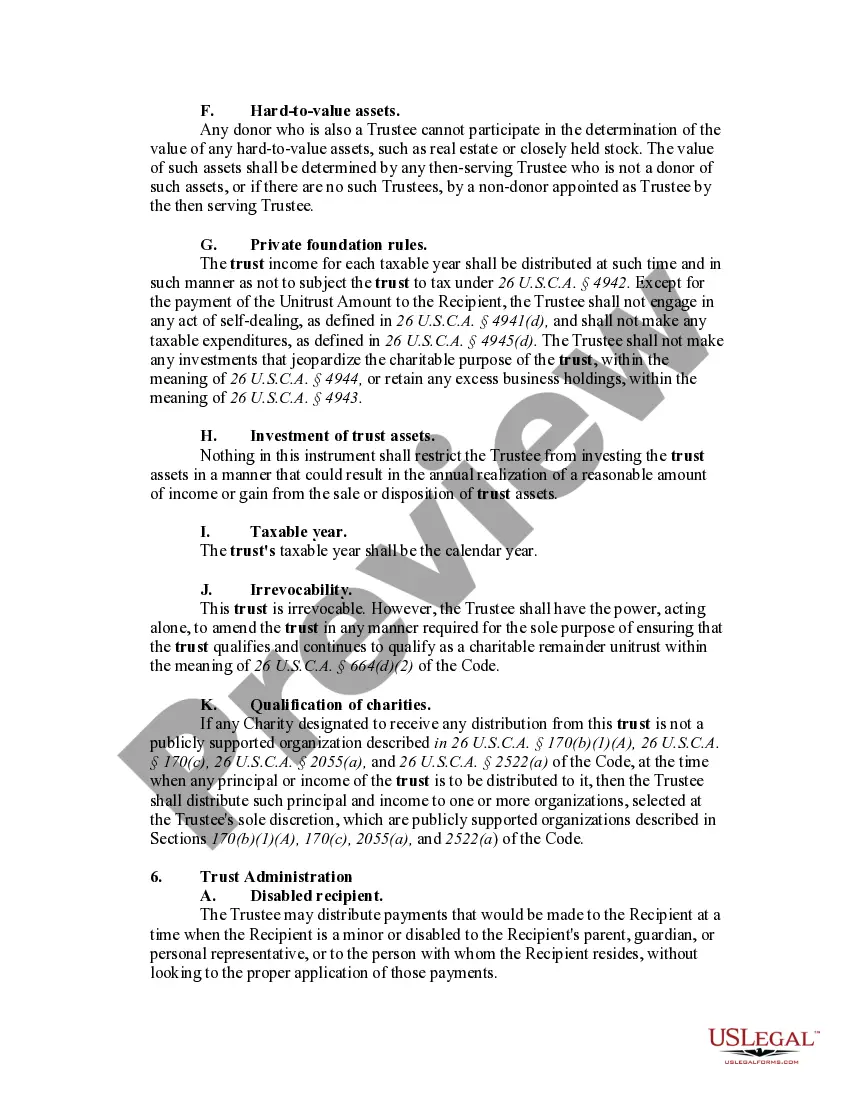
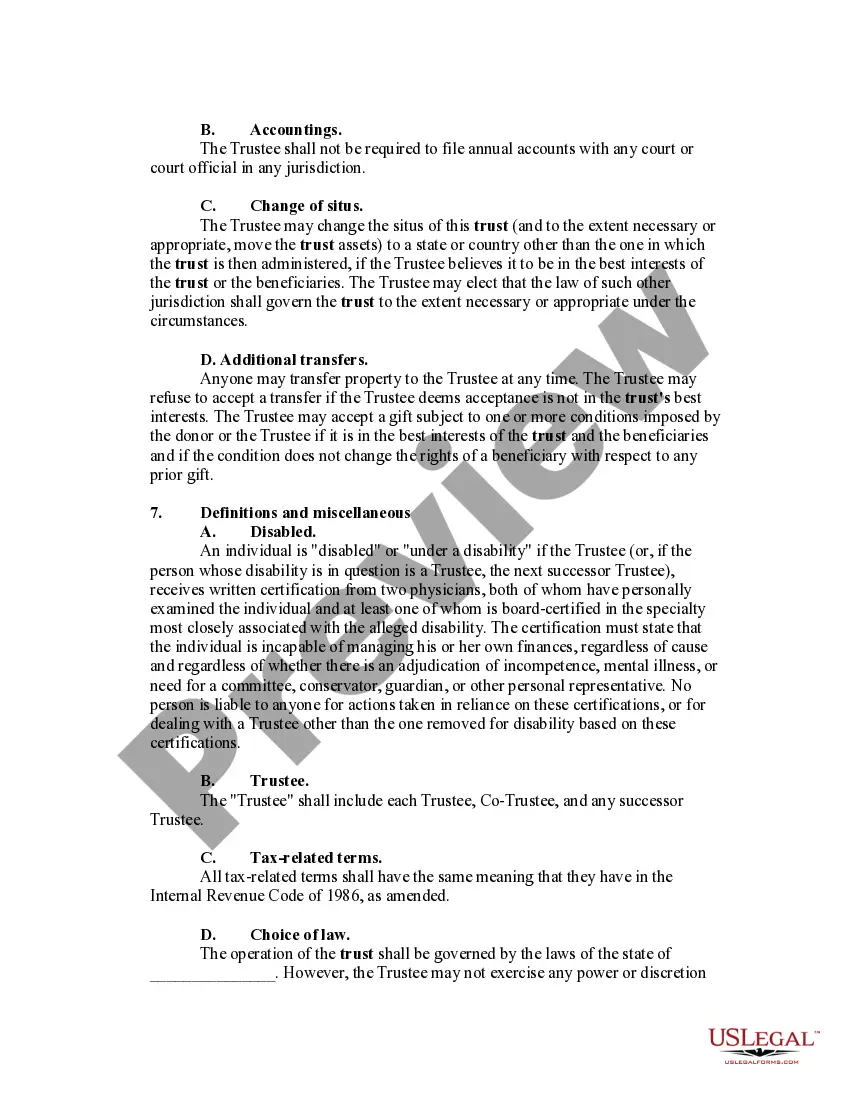
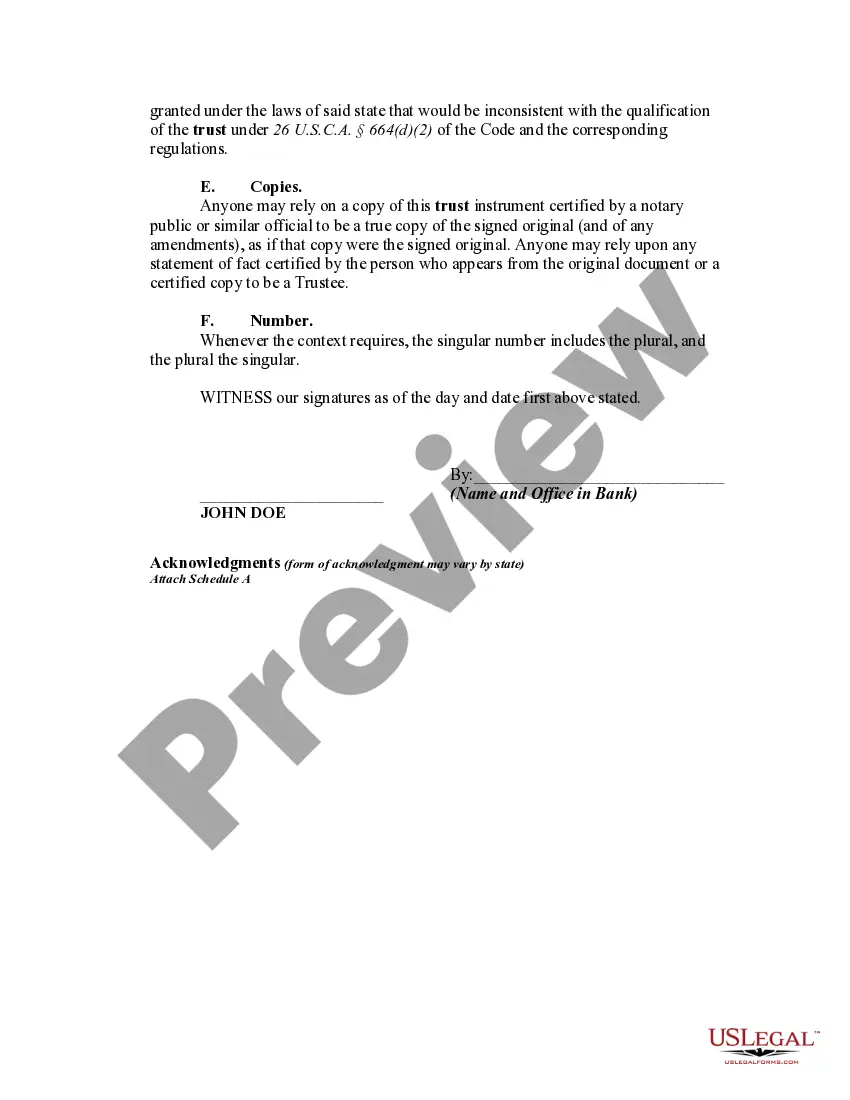
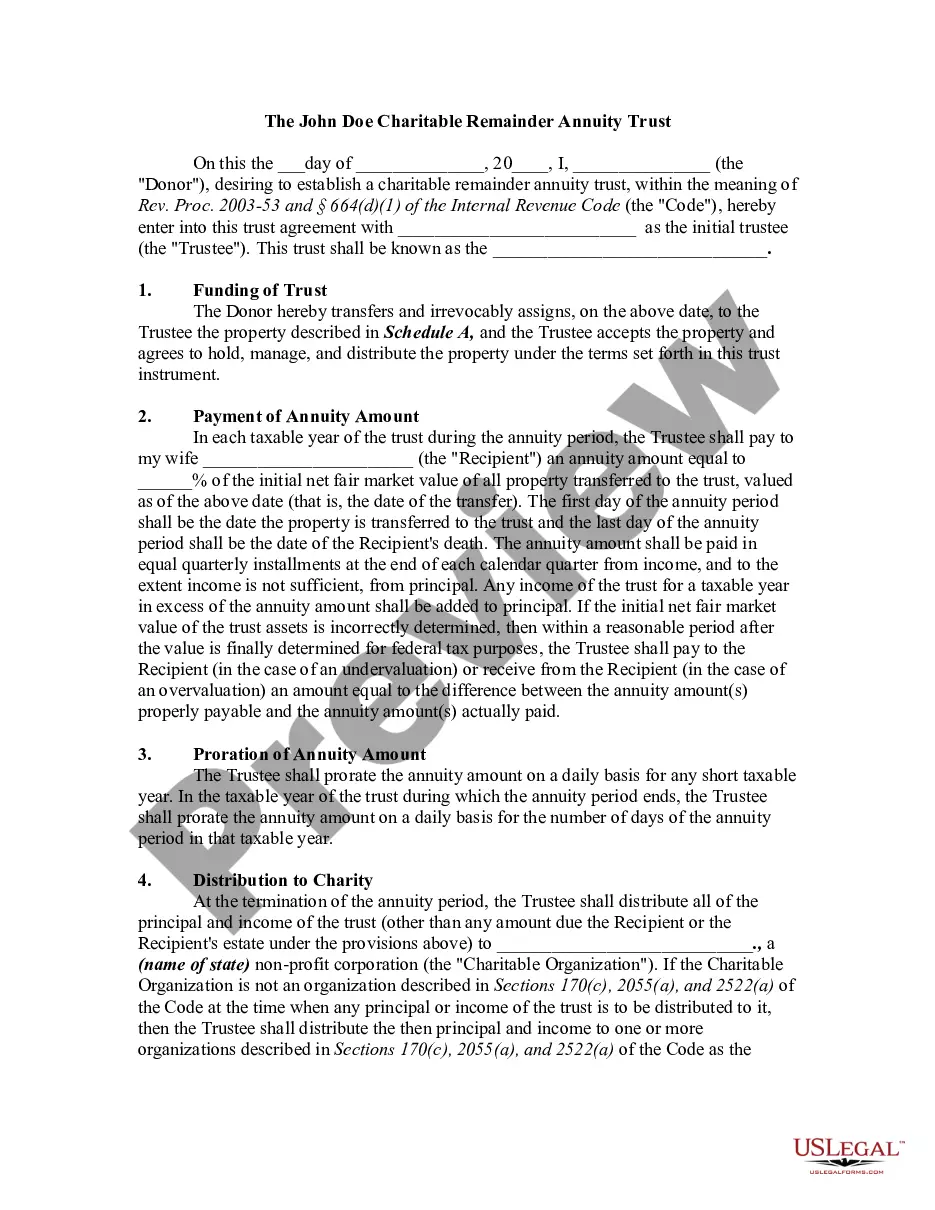
How to fill out Charitable Remainder Inter Vivos Unitrust Agreement?
- If you are a returning user, log in to your account and verify your subscription status to proceed with downloading your form template.
- For new users, explore the Preview mode to review form descriptions to ensure the selected template fits your needs and complies with local jurisdiction requirements.
- If the initial choice isn’t suitable, utilize the Search tab at the top to find another correct template.
- Once you find the perfect document, click the Buy Now button and select your preferred subscription plan. You will need to create an account to access their extensive library.
- Complete your purchase by entering your credit card information or using your PayPal account.
- Save your newly acquired form on your device and access it anytime under the My Forms section of your profile.
US Legal Forms empowers users with a user-friendly interface and expert assistance, ensuring that all legal documents are precise and compliant.
Start your journey towards hassle-free legal documentation today!
Form popularity
FAQ
In mathematical terms, a remainder refers to the amount that is left over after division. When one number cannot be evenly divided by another, the remainder is what remains after finding the largest possible multiple of the divisor. This fundamental principle is vital when utilizing the remainder inter form sample with 1 for various calculations and data interpretations.
The expression 1 3 indicates a division where 1 is the quotient and 3 is the divisor. If you apply this division, you find that 3 does not divide into 1, so the remainder is simply 1. This concept is important in calculations and transitions into practical applications, particularly when using a remainder inter form sample with 1 in legal formats.
To write remainder form, you express the result of a division along with the remainder itself. For example, when dividing 10 by 3, you can write it as 3 R1, indicating that 3 is the quotient and 1 is the remainder. This format is beneficial for simplifying calculations and clarifying results, especially when using the remainder inter form sample with 1 in legal documentation.
A remainder of 2 occurs when a number is divided, and the division does not result in a whole number. For instance, if you divide 8 by 3, the result is 2 with a remainder of 2. This means that after dividing, there are 2 left over from the division process. Understanding this concept is essential in many mathematical operations, especially when using the remainder inter form sample with 1.
No, 60 cannot go into 1, since 60 is significantly larger than 1. When you perform division, any number greater than the dividend cannot divide into it without exceeding the limit. Exploring this concept with a remainder inter form sample with 1 allows for a better grasp of division relationships.
A remainder of 1 means that when a number is divided, it leaves behind exactly one unit after performing the division. This result can have implications in multiple areas, including modular arithmetic and number patterns. Using a remainder inter form sample with 1 clarifies how this outcome is realized in different scenarios.
Yes, a remainder can indeed be 2, but it depends on the numbers involved in the division. When the dividend exceeds the divisor, any leftover value after the division can be expressed as a remainder. By referring to a remainder inter form sample with 1, you can see how different dividends yield various remainders in practical examples.
To find the remainder when 85-87-89-91-95-96 is divided by 100, first, you calculate the sum of these numbers. Upon simplifying, you'll find the overall result leads to a remainder of 92. Analyzing this through a remainder inter form sample with 1 can help solidify your mathematical understanding.
The remainder theorem states that when a polynomial is divided by a linear binomial, the remainder can be directly evaluated by substituting the root of the binomial into the polynomial. This concept is crucial for simplifying polynomial equations. Using a remainder inter form sample with 1 can enhance your understanding of how this theorem works in practice.
Remainder class 1 refers to a specific type of result when performing division. In this context, it represents the smallest possible value obtained when dividing a number, which helps in understanding the structure of numbers. By utilizing a remainder inter form sample with 1, you can clearly see how division operations affect various numerical inputs.