Remainder 2015
Description
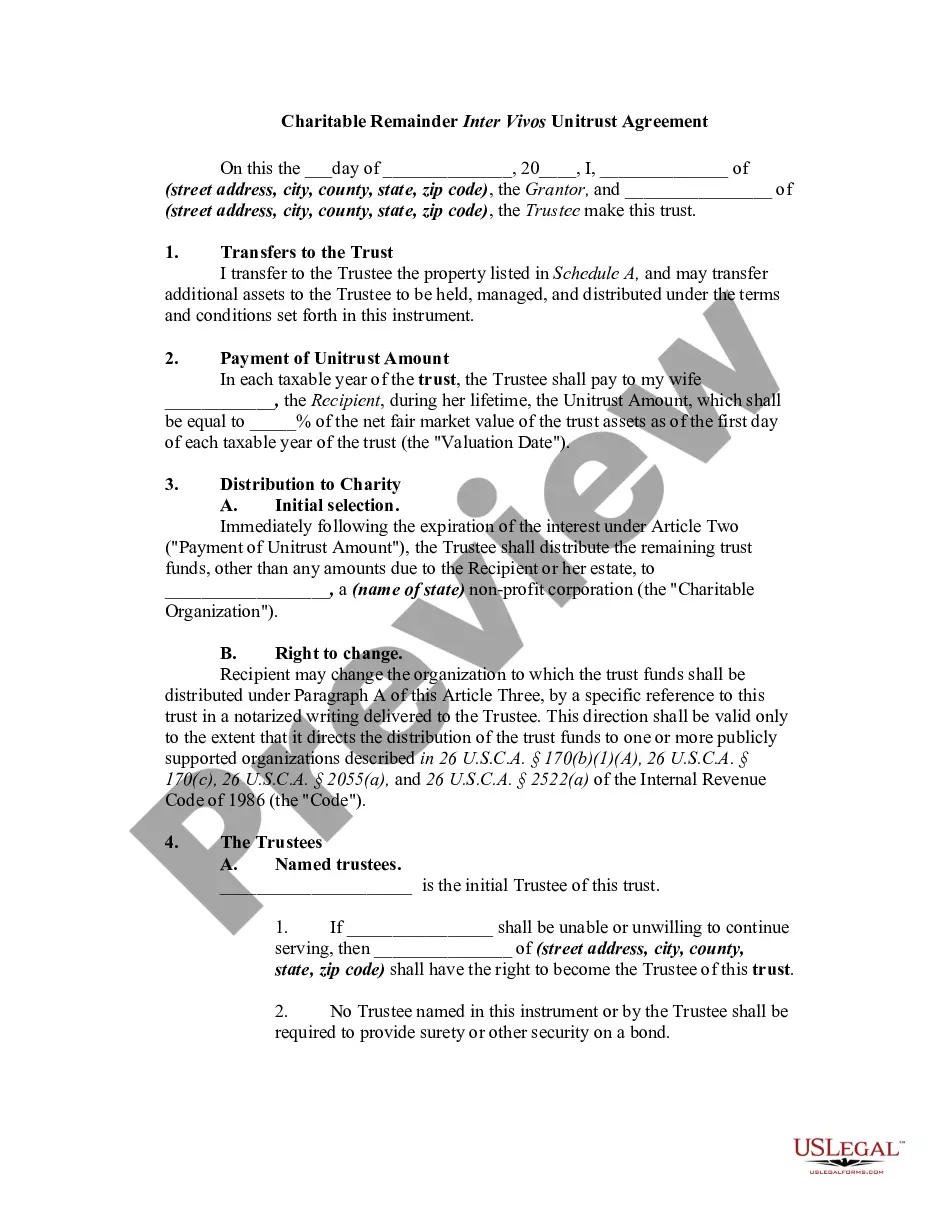
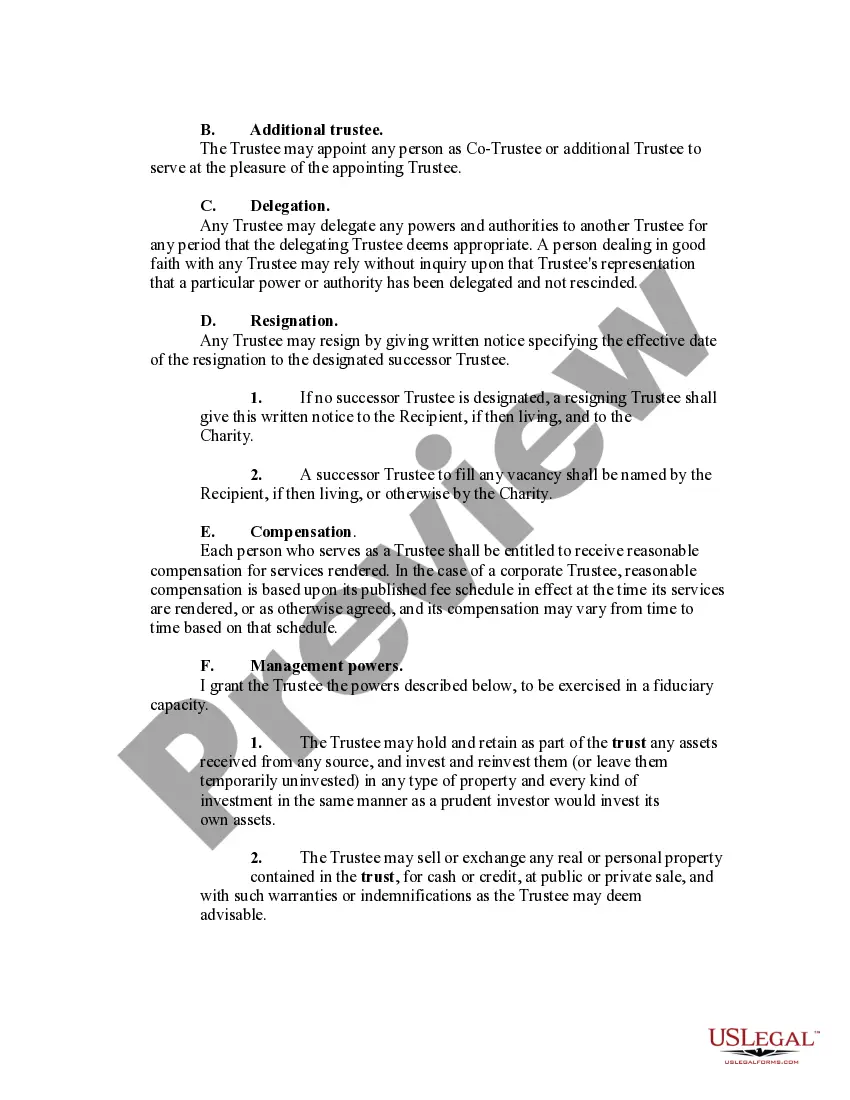
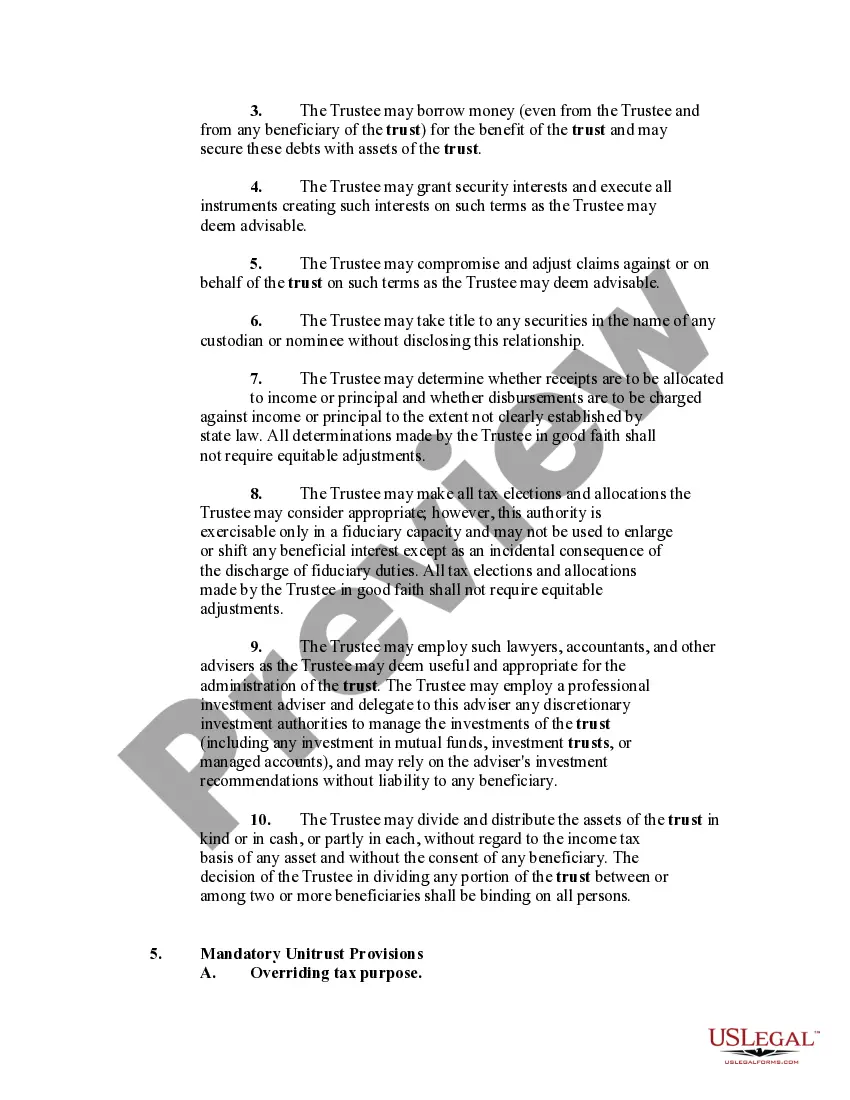
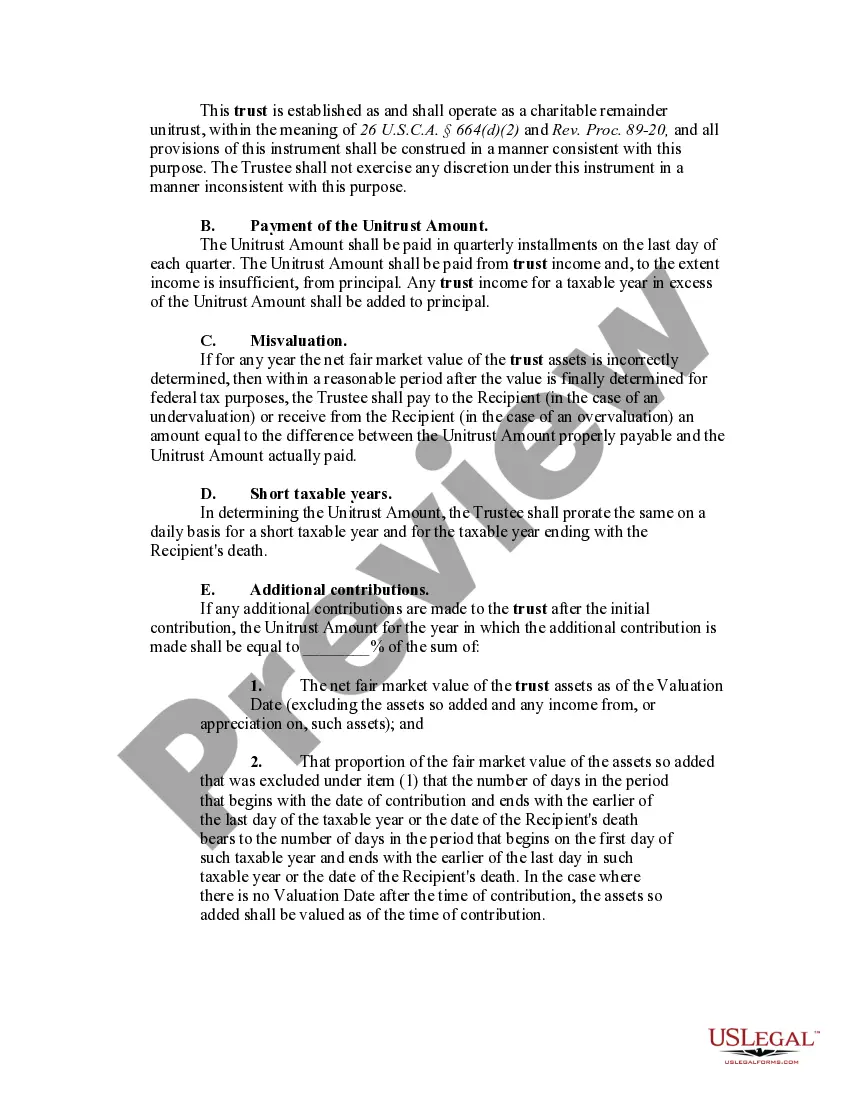
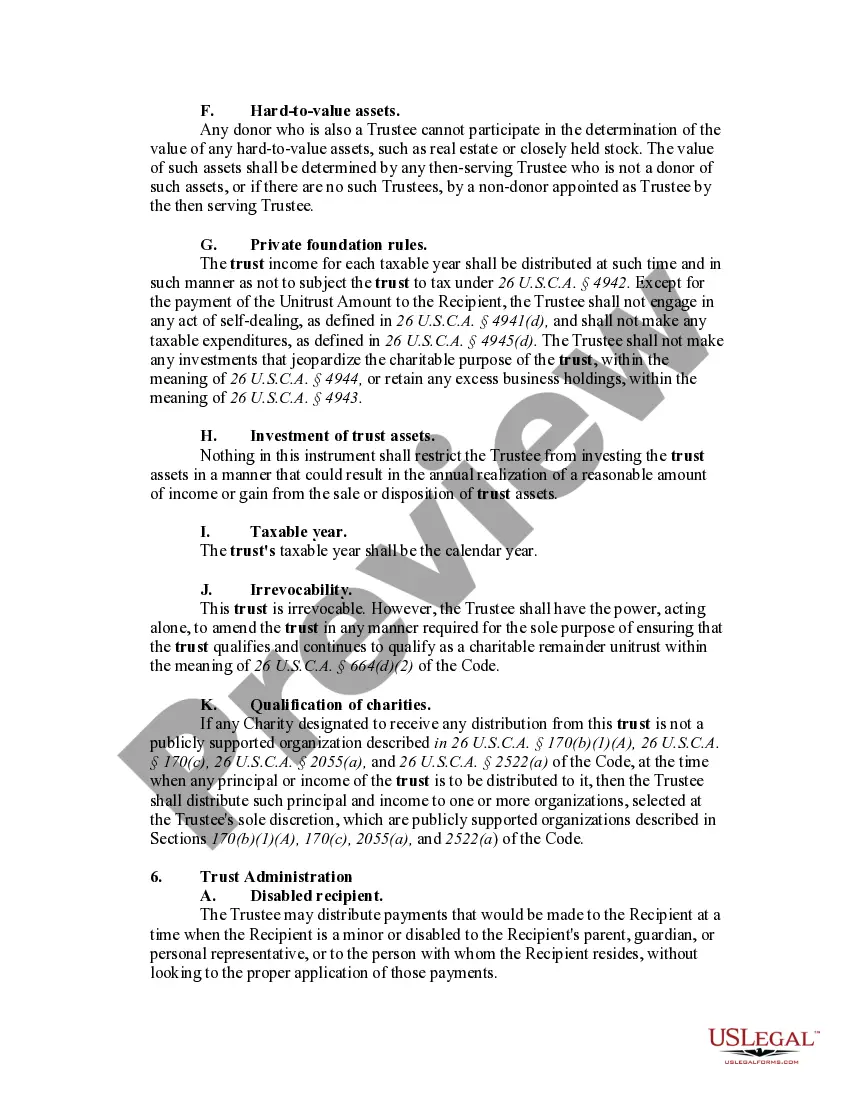
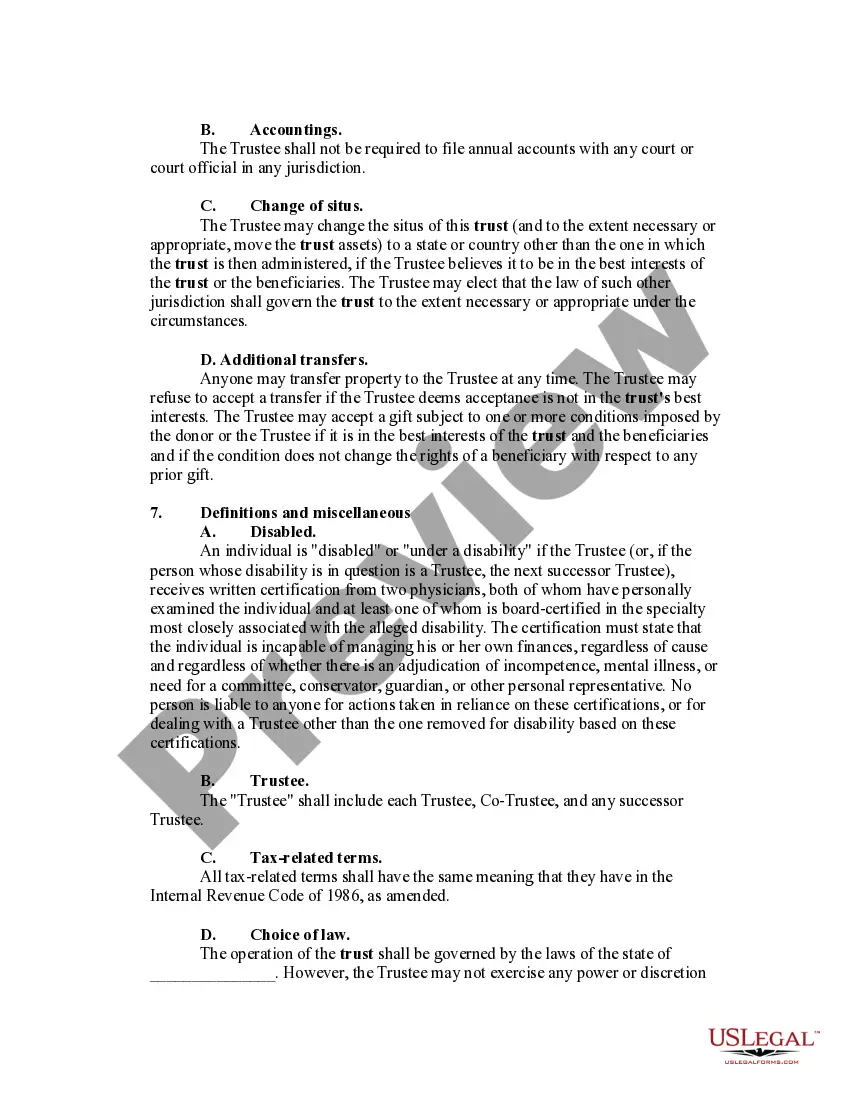
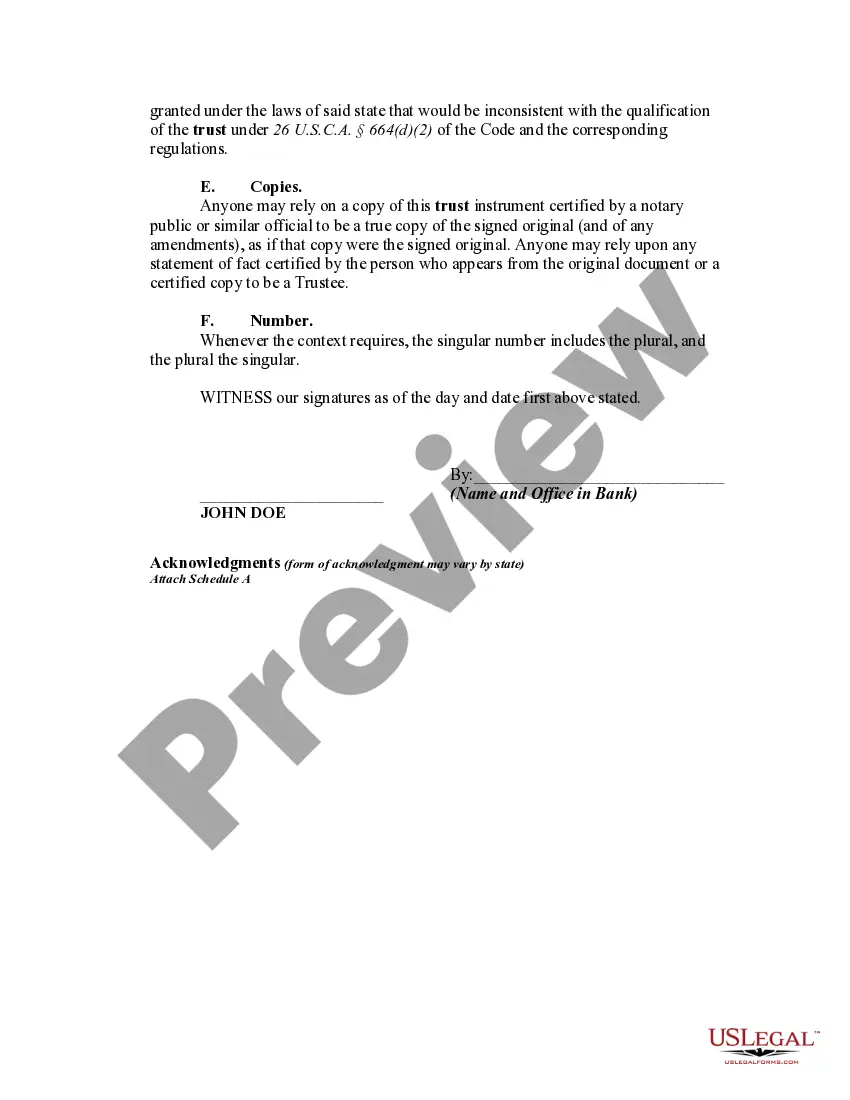
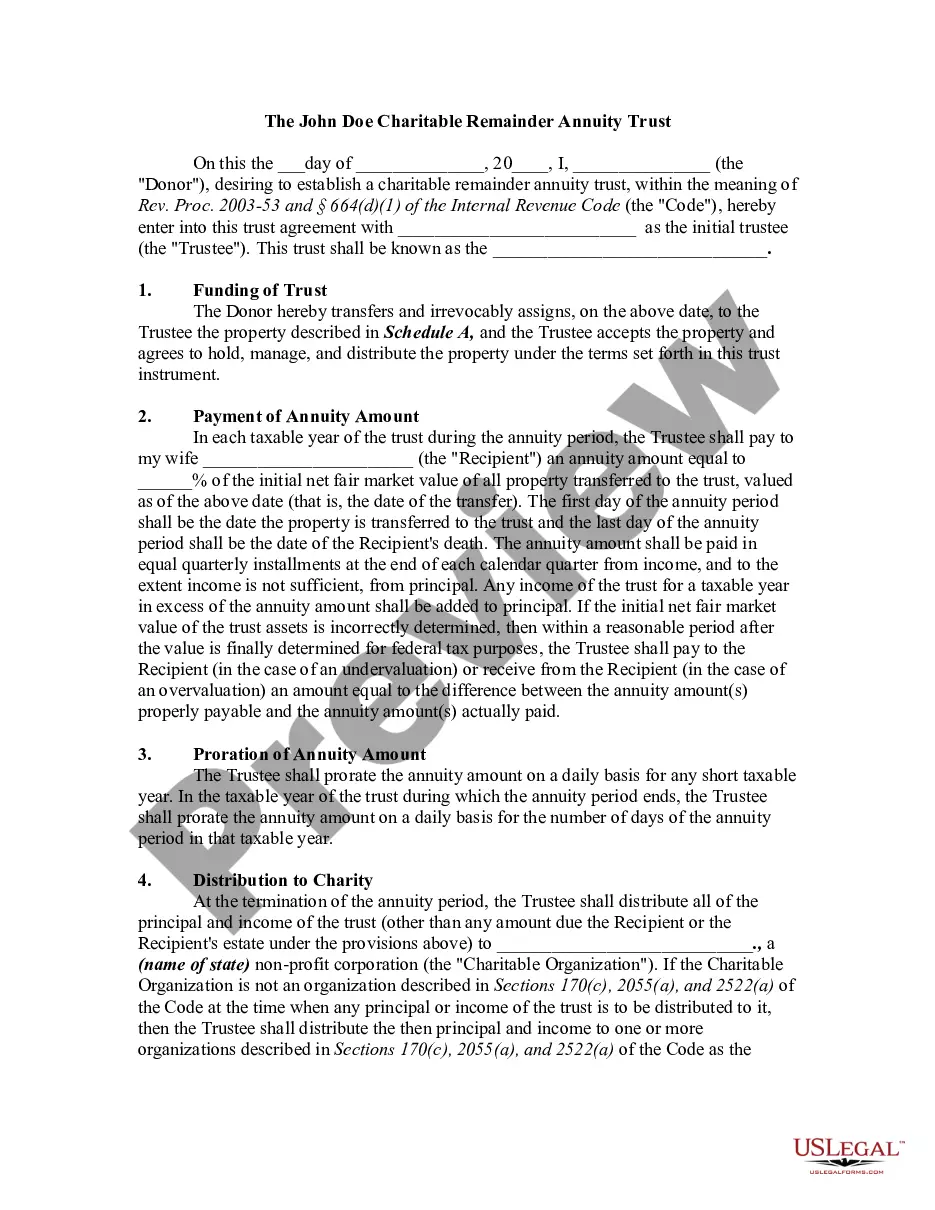
Get your form ready online
Our built-in tools help you complete, sign, share, and store your documents in one place.
Make edits, fill in missing information, and update formatting in US Legal Forms—just like you would in MS Word.
Download a copy, print it, send it by email, or mail it via USPS—whatever works best for your next step.
Sign and collect signatures with our SignNow integration. Send to multiple recipients, set reminders, and more. Go Premium to unlock E-Sign.
If this form requires notarization, complete it online through a secure video call—no need to meet a notary in person or wait for an appointment.
We protect your documents and personal data by following strict security and privacy standards.

Make edits, fill in missing information, and update formatting in US Legal Forms—just like you would in MS Word.

Download a copy, print it, send it by email, or mail it via USPS—whatever works best for your next step.

Sign and collect signatures with our SignNow integration. Send to multiple recipients, set reminders, and more. Go Premium to unlock E-Sign.

If this form requires notarization, complete it online through a secure video call—no need to meet a notary in person or wait for an appointment.

We protect your documents and personal data by following strict security and privacy standards.
Looking for another form?






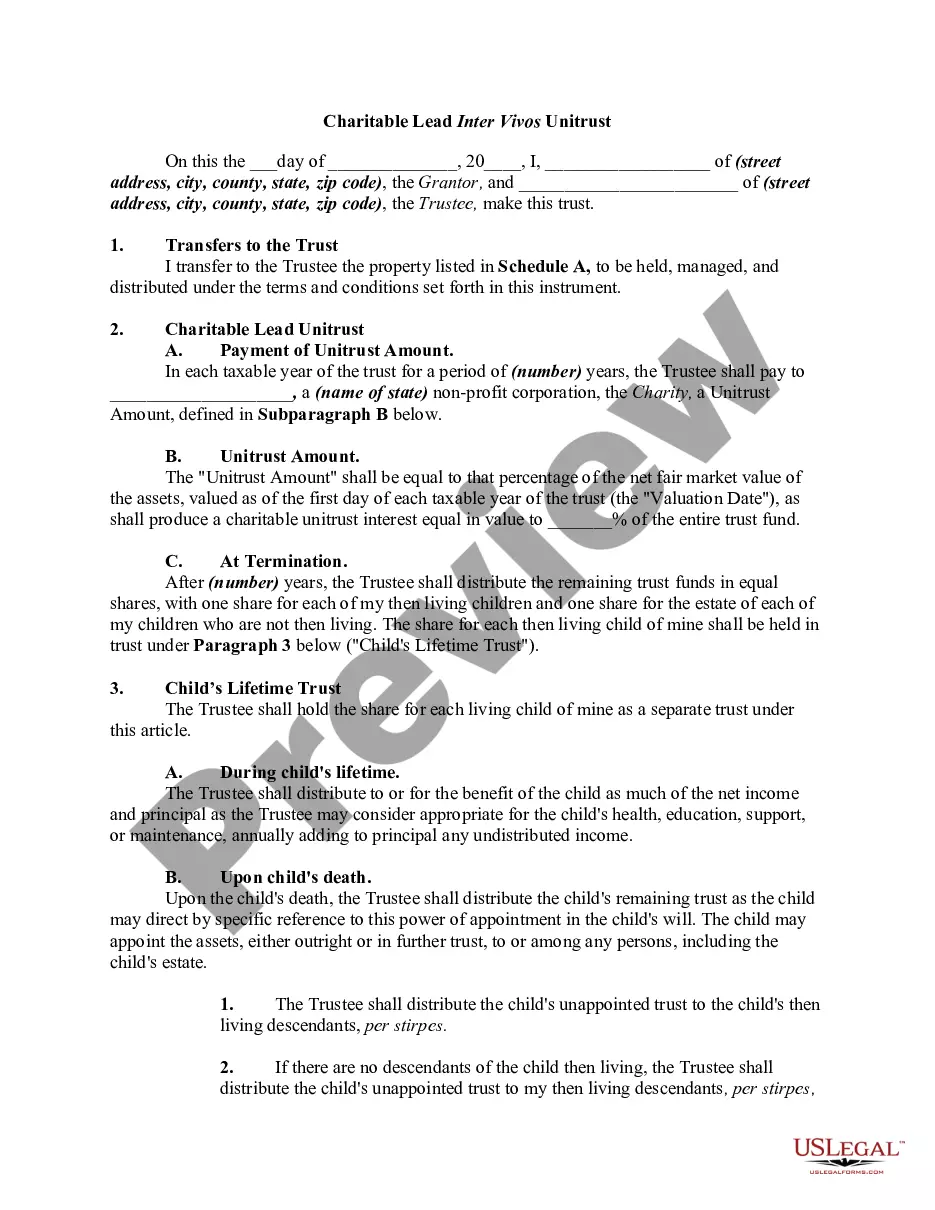
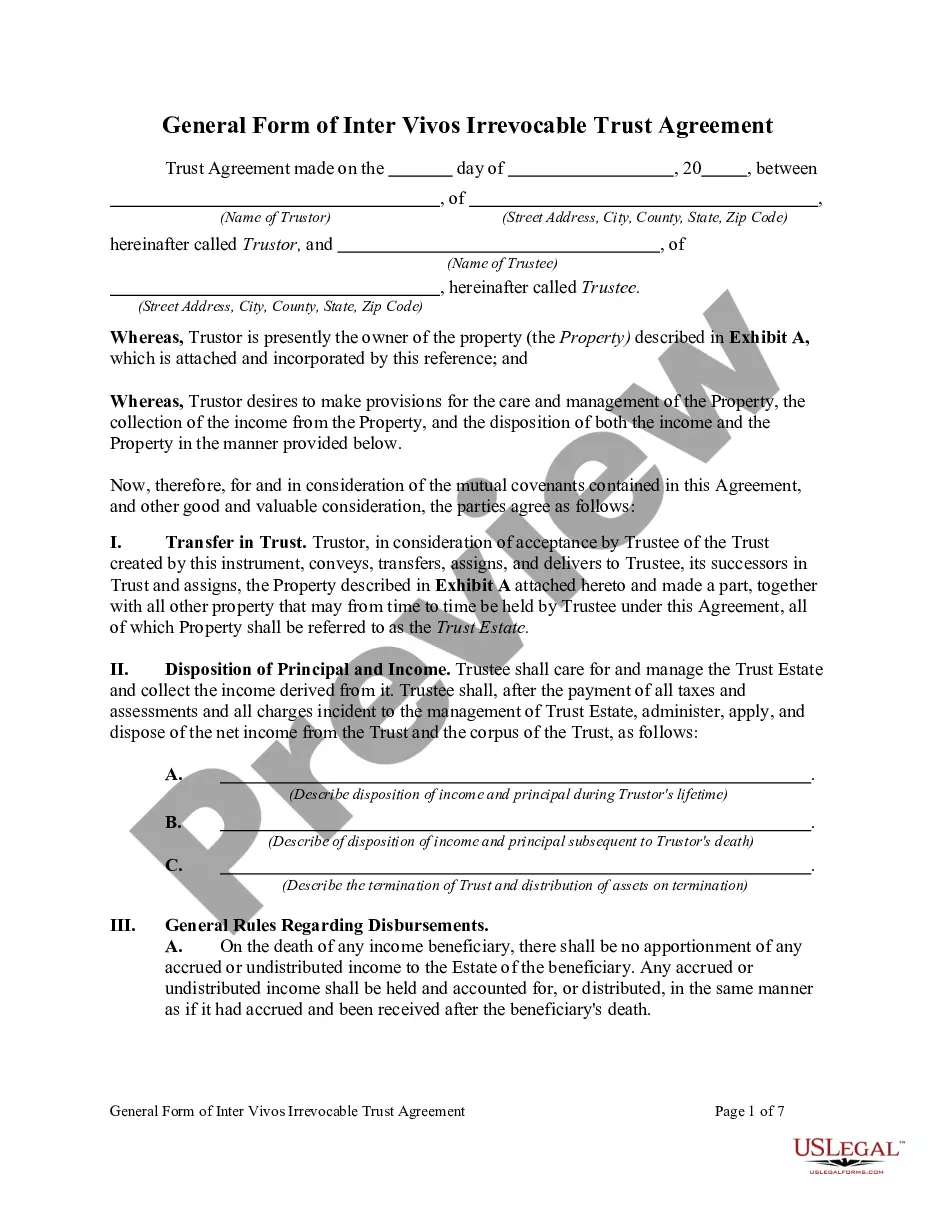
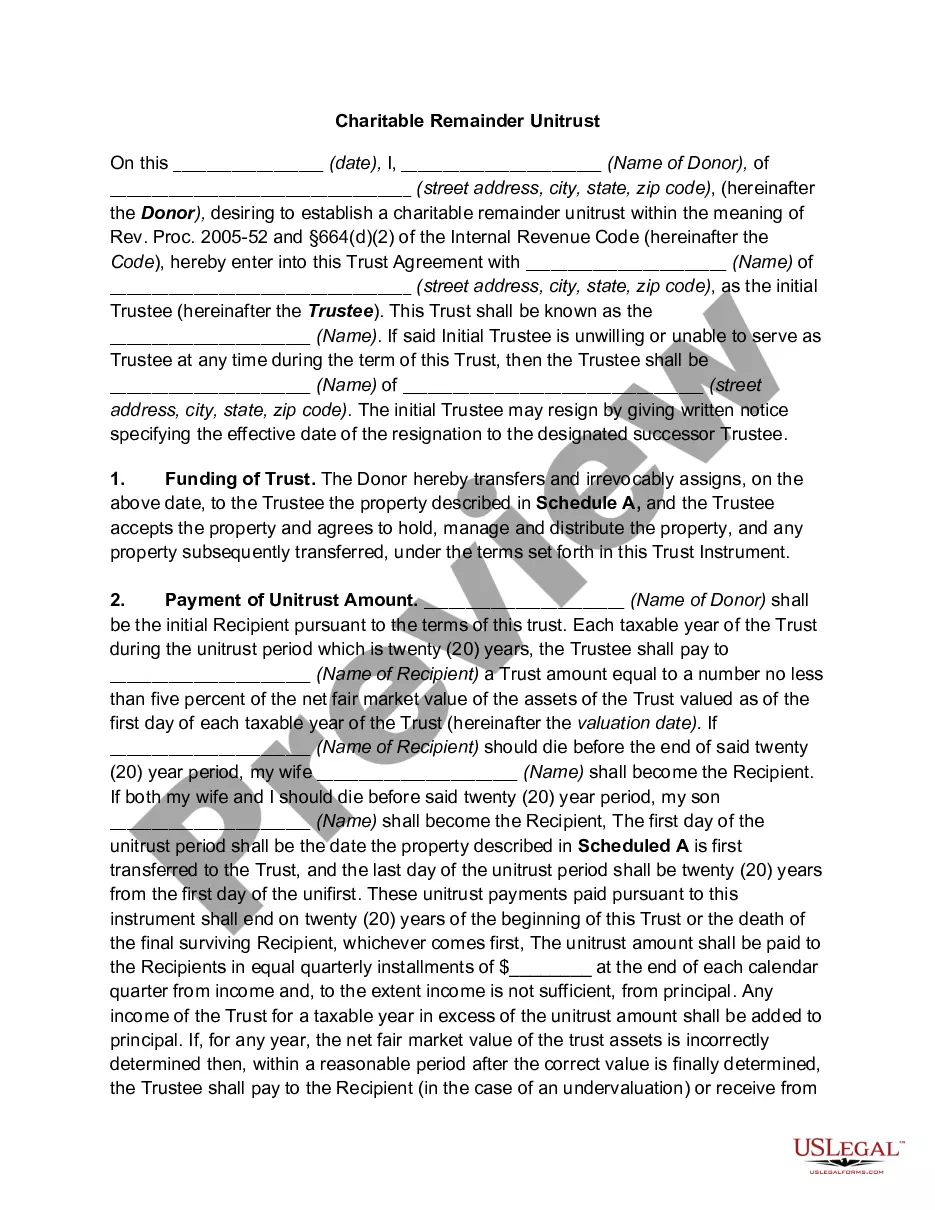
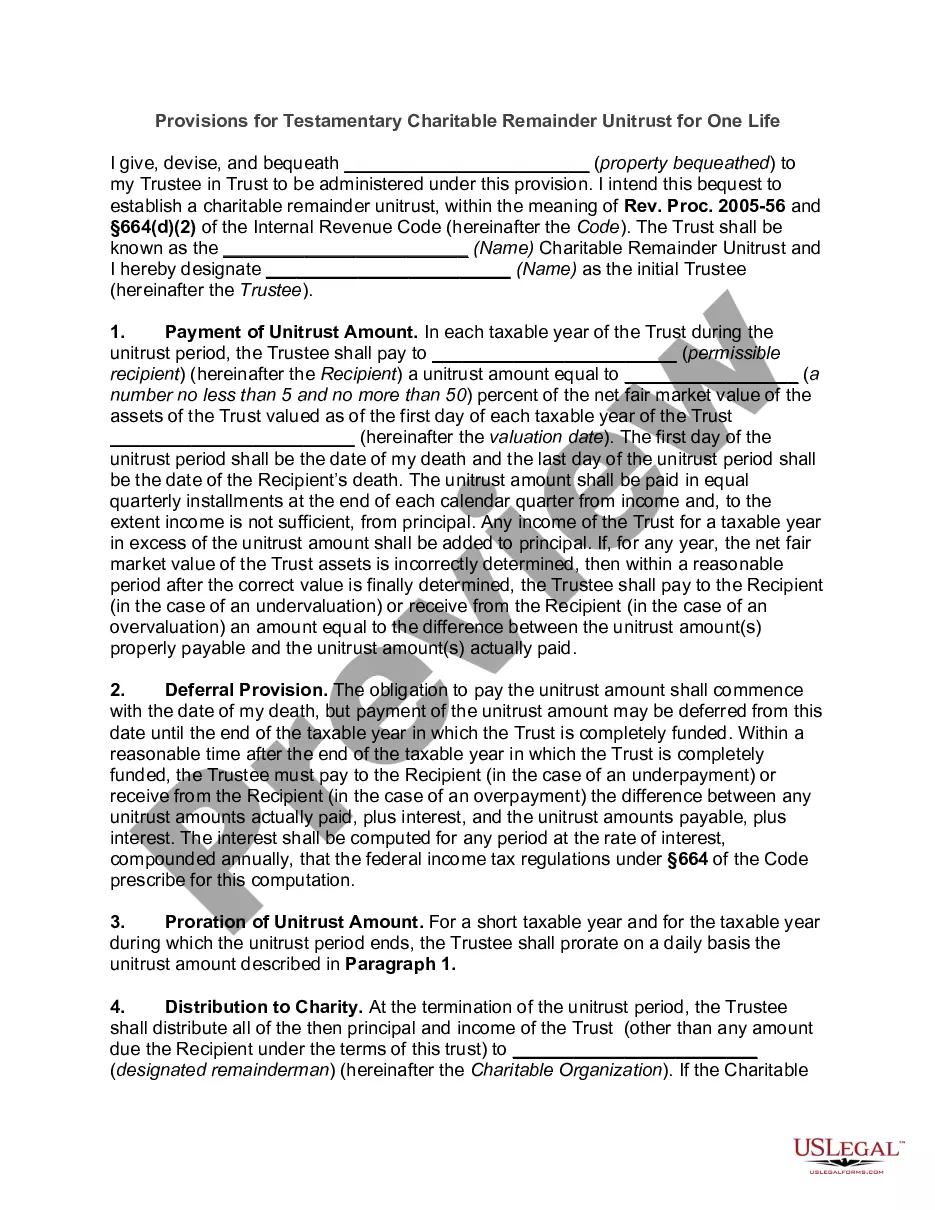
How to fill out Charitable Remainder Inter Vivos Unitrust Agreement?
- Sign in to your US Legal Forms account if you're an existing user. Ensure your subscription remains active for a hassle-free experience.
- If it's your first visit, begin by exploring the Preview mode. Carefully examine the form descriptions to verify they fit your specific needs per your local jurisdiction.
- Conduct a search for additional templates if necessary. Should you find any inconsistencies, utilize the Search tab to locate the correct form.
- Once you identify the appropriate form, click on the Buy Now button and choose your preferred subscription plan. Be sure to create an account to unlock the full resources of the library.
- Complete your purchase by entering your payment information, either through credit card or PayPal.
- After payment, download your desired form directly to your device. You can access this document anytime through the My Forms section of your profile.
In conclusion, leveraging US Legal Forms via remainder 2015 allows you to efficiently obtain and manage crucial legal documents. With a secure and supportive platform, you ensure your documents are precise and legally compliant.
Start your journey today with US Legal Forms and take control of your legal needs!
Form popularity
FAQ
Remainder 2015 tells the story of an unnamed protagonist who, after an accident, finds himself unable to recall key aspects of his life. Determined to recover his memories, he employs an unusual method of hiring actors to recreate his past experiences. Through this intriguing narrative, the film explores themes of memory and existence, raising questions about how we perceive reality. Overall, Remainder captivates with its unique storytelling and thought-provoking concepts.
The movie Remainder 2015 revolves around a man who suffers a traumatic experience and faces memory loss. As he tries to piece together his past, he becomes obsessed with recreating moments of his life. This gripping thriller takes viewers on a journey through memory, identity, and the nature of reality. If you're intrigued by psychological twists, Remainder will keep you engaged from start to finish.
Calculating the remainder requires you to take a dividend and divide it by a divisor, noting the leftover value. This can be approached through basic arithmetic or calculators that allow for remainder functions. The Remainder 2015 method enhances your ability to perform these calculations quickly and accurately.
To do remainder calculations, take a number and divide it by another number while observing what remains after the division. Approach this by using arithmetic techniques or online tools that specialize in remainders. Our platform, through the Remainder 2015 method, provides an easy solution for performing these calculations effortlessly.
Finding the remainder of an equation involves setting up the equation for division and determining the residual value. This could require the use of polynomial long division techniques or synthetic division. Utilizing the Remainder 2015 features makes this process simpler and more accessible.
To find the remainder using a calculator, you can use the modulus function if available. Input your numbers into the function to retrieve the remainder directly. Our Remainder 2015 tool simplifies this further, providing you with quick and accurate results.
A remainder calculation determines what is left after division of one number by another. It finds applications in various mathematical problems and can be crucial in algebra and number theory. The Remainder 2015 concept provides a clear framework for executing these calculations efficiently.
Calculating the remainder involves dividing a number by another number and finding what is left over. You can perform simple arithmetic or utilize functions that specifically calculate remainders. Using the Remainder 2015 feature on our platform can help simplify and automate this process.
The fastest way to find the remainder is to use synthetic division when dealing with polynomials. This method is quicker than traditional long division, allowing you to focus on key coefficients. Try using tools like the Remainder 2015 feature on our platform to expedite your calculations without confusion.
To find the remainder of a function, you start by performing polynomial long division. Divide the polynomial by a divisor and keep track of the constant terms. The remainder will be the value left after division concludes. Utilizing the Remainder 2015 method helps streamline this process, making calculations more intuitive.