Inter Vivos Living Trust With Trust
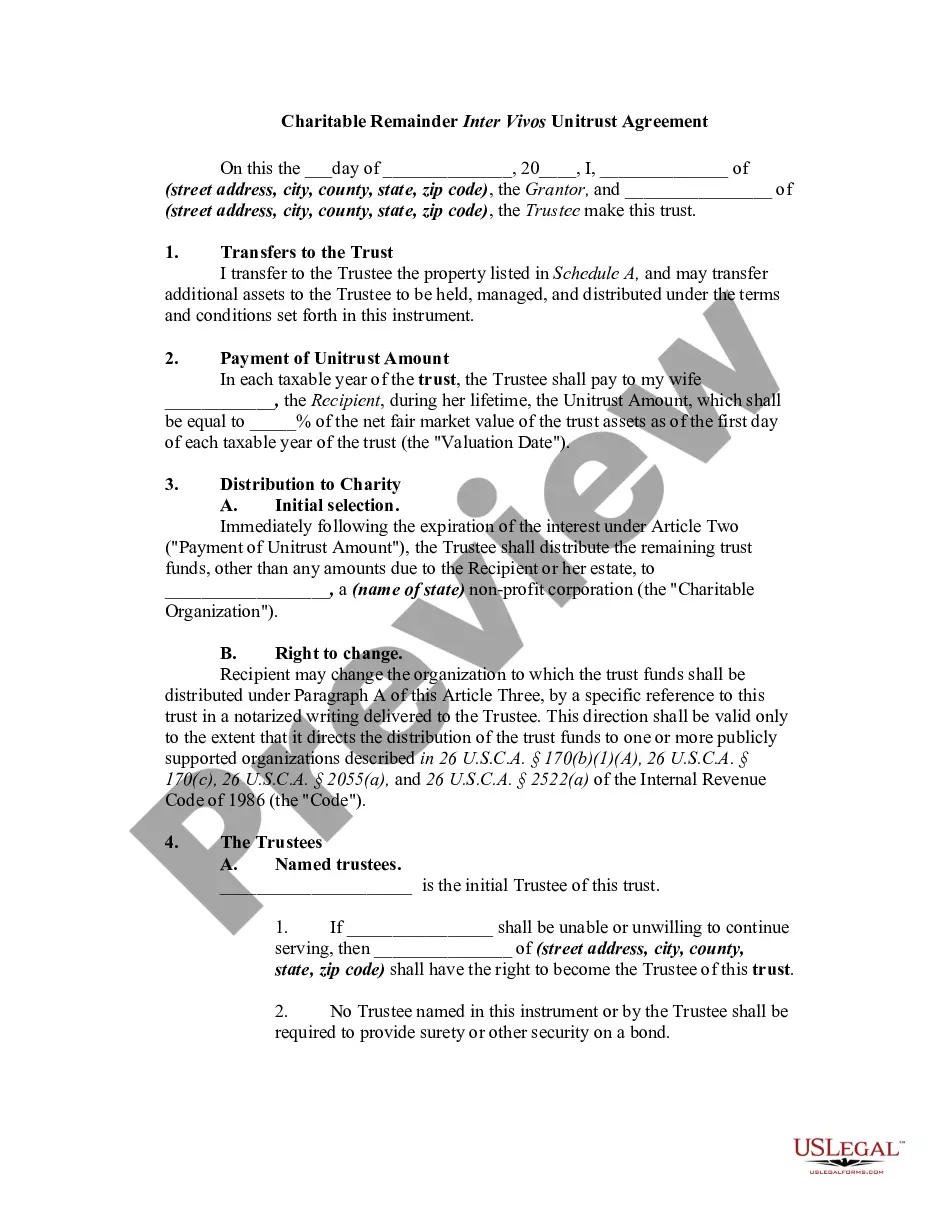
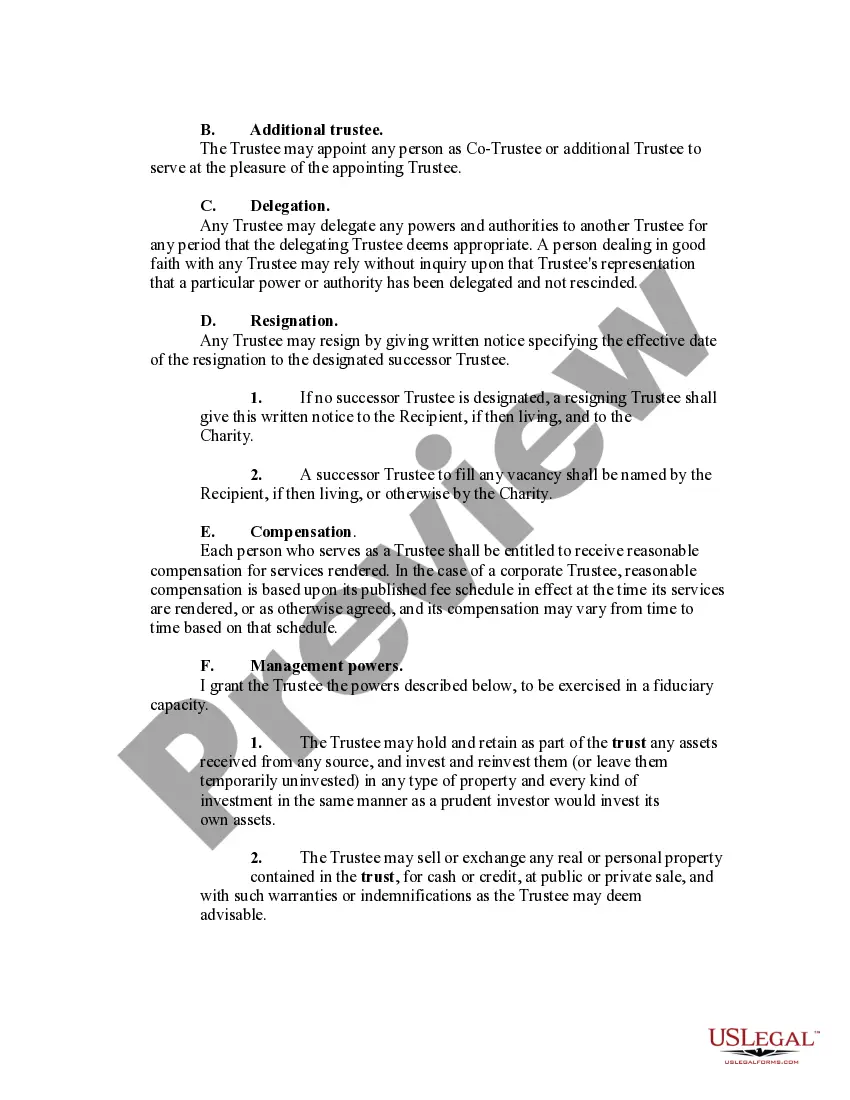
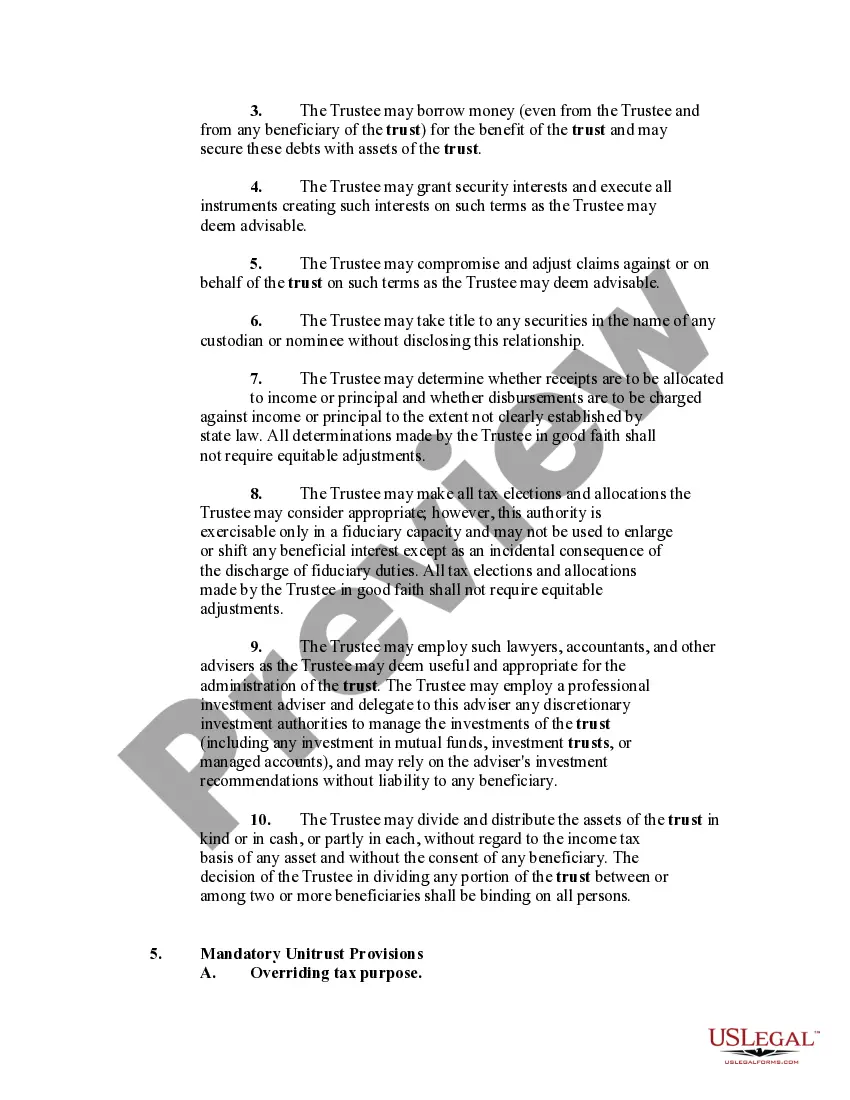
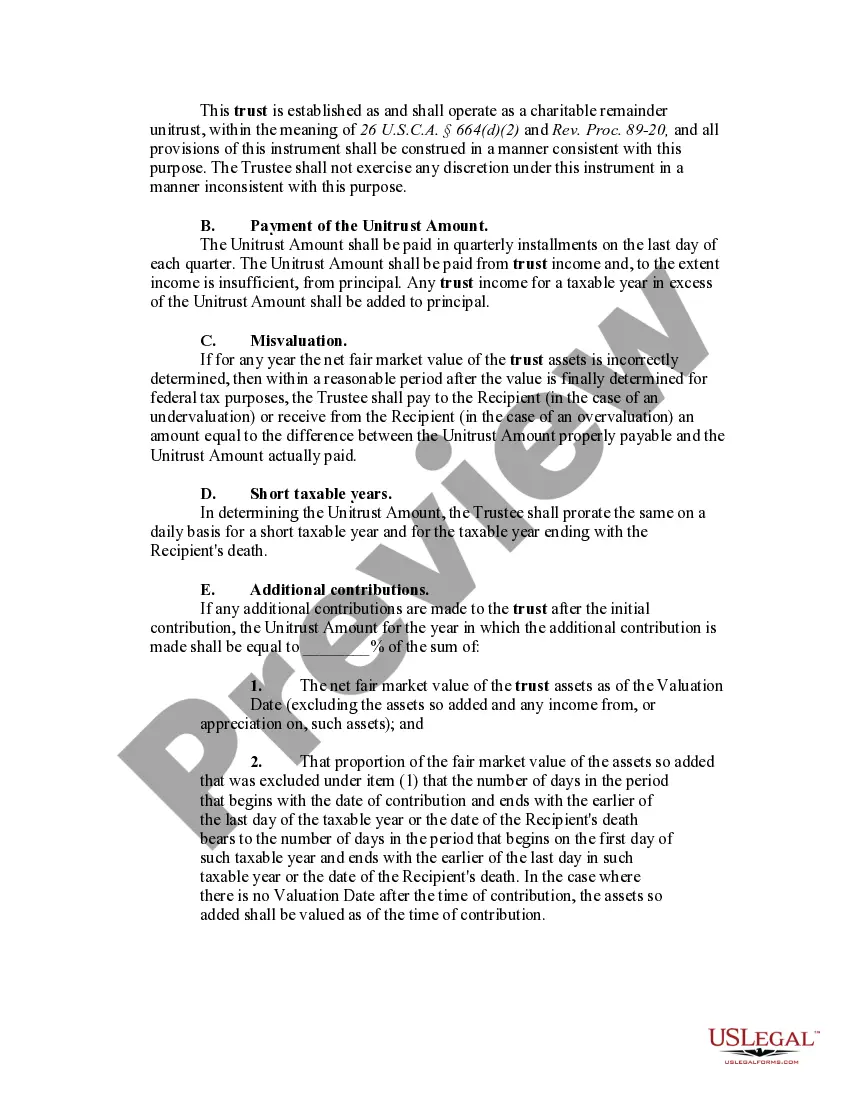
Description

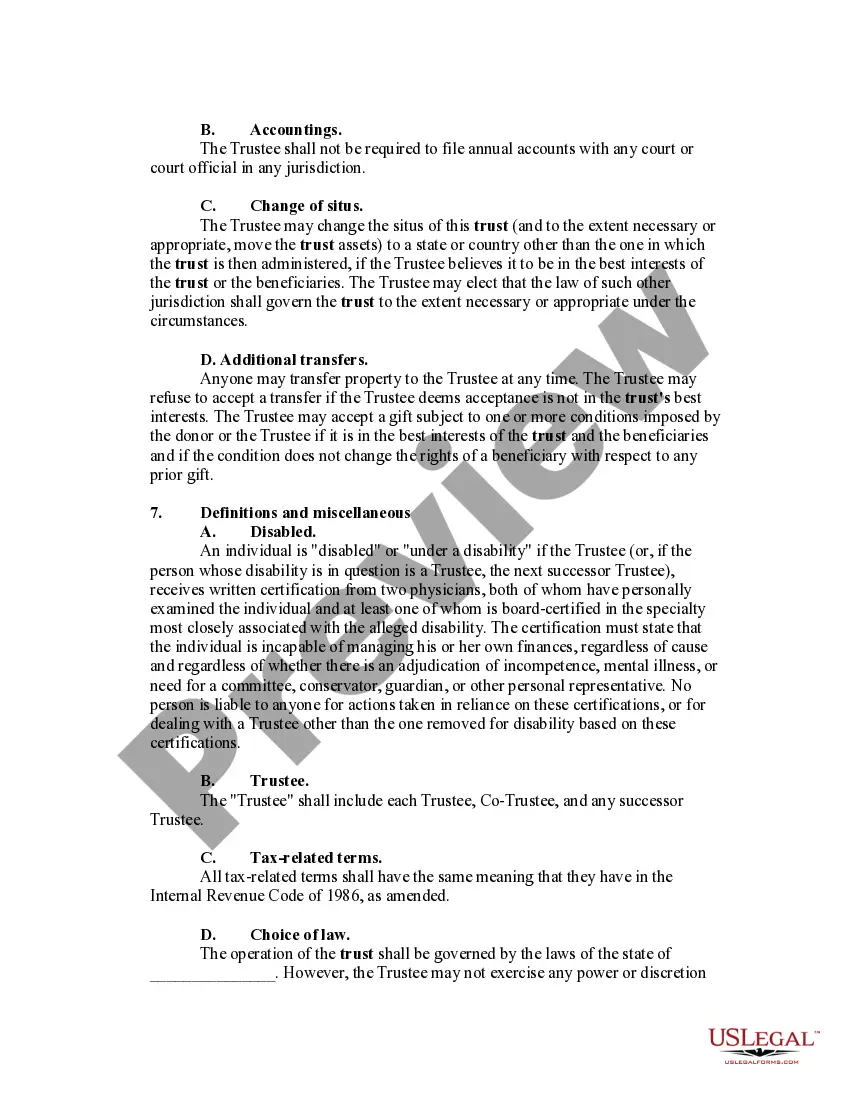
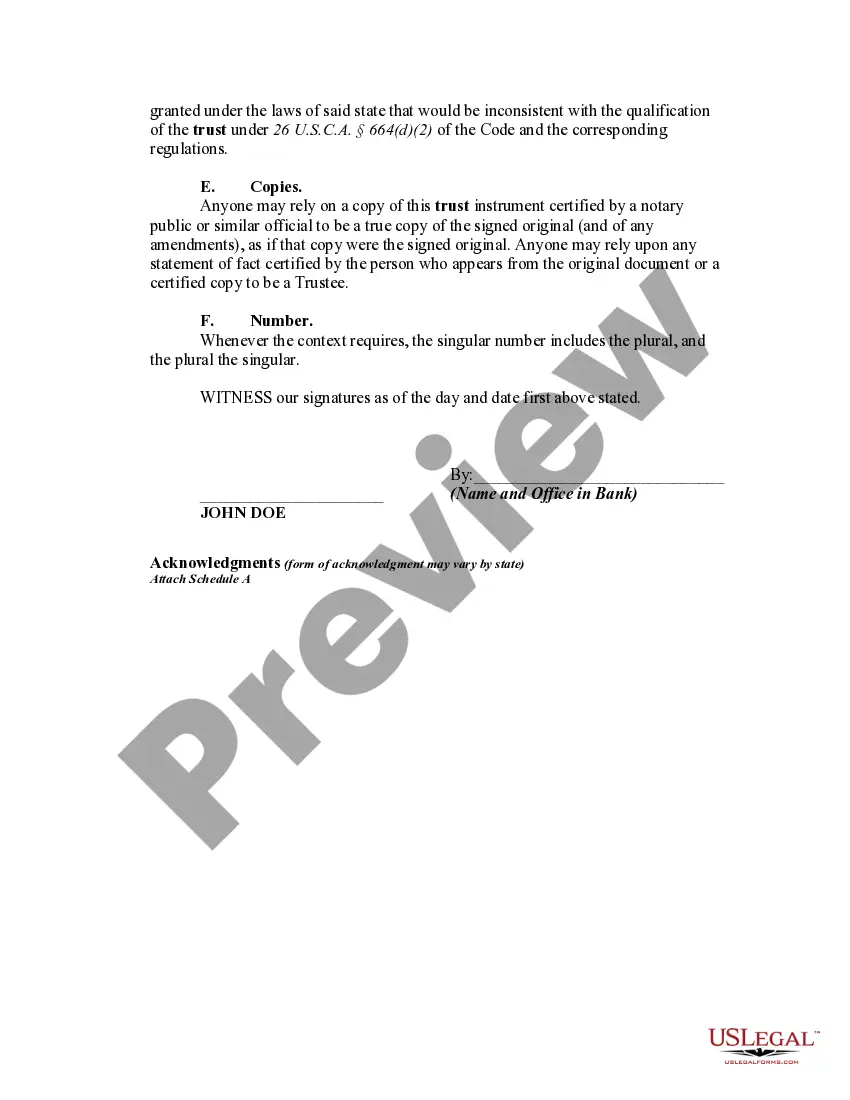
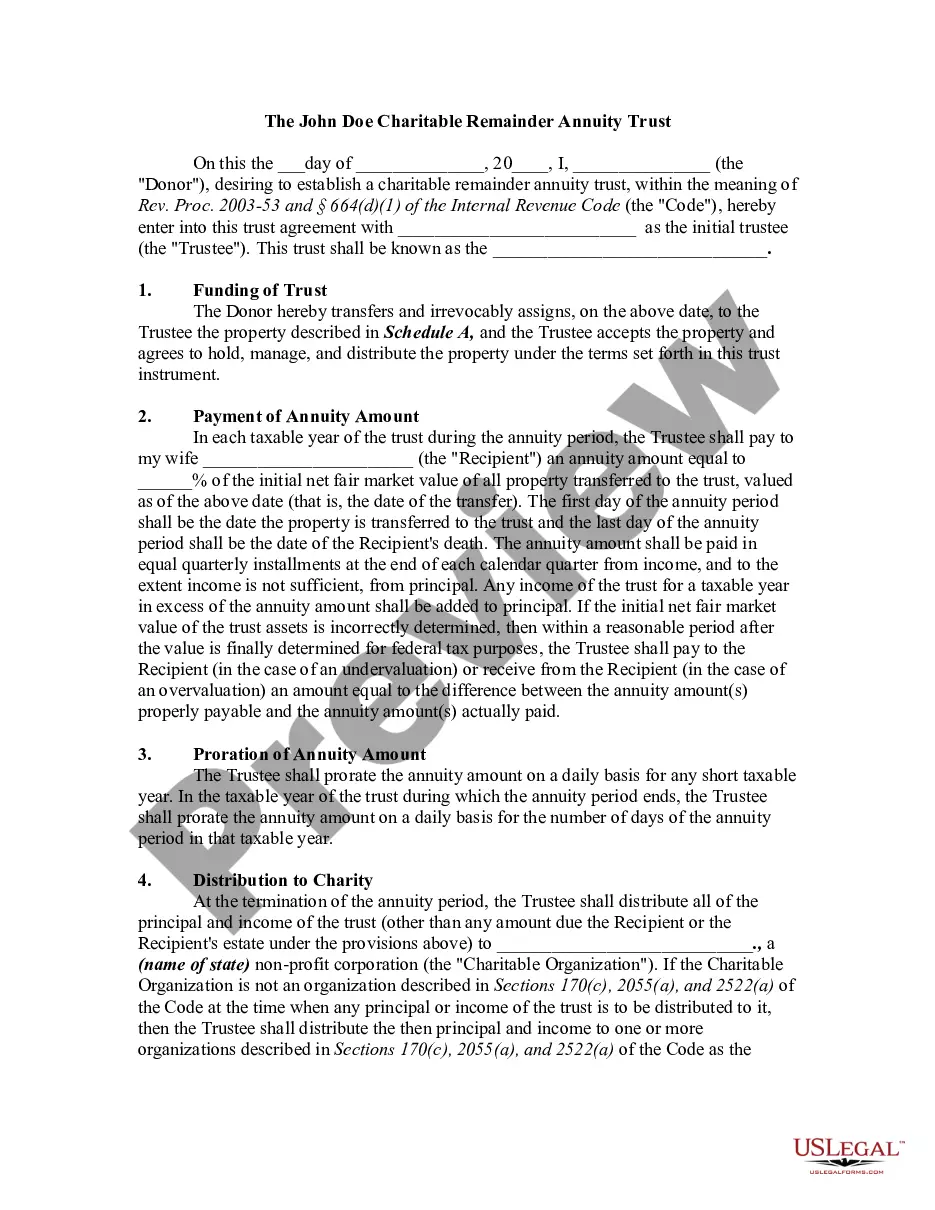
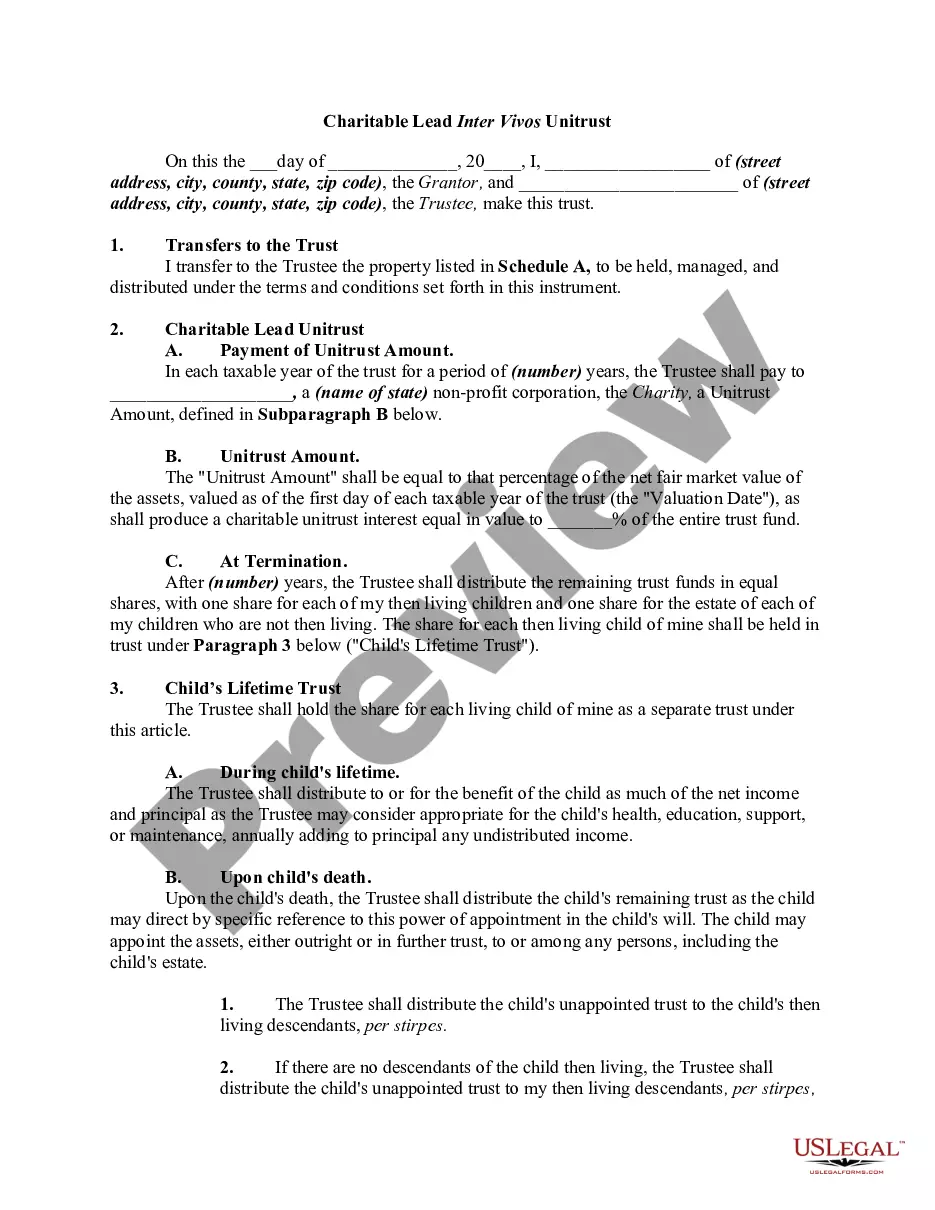
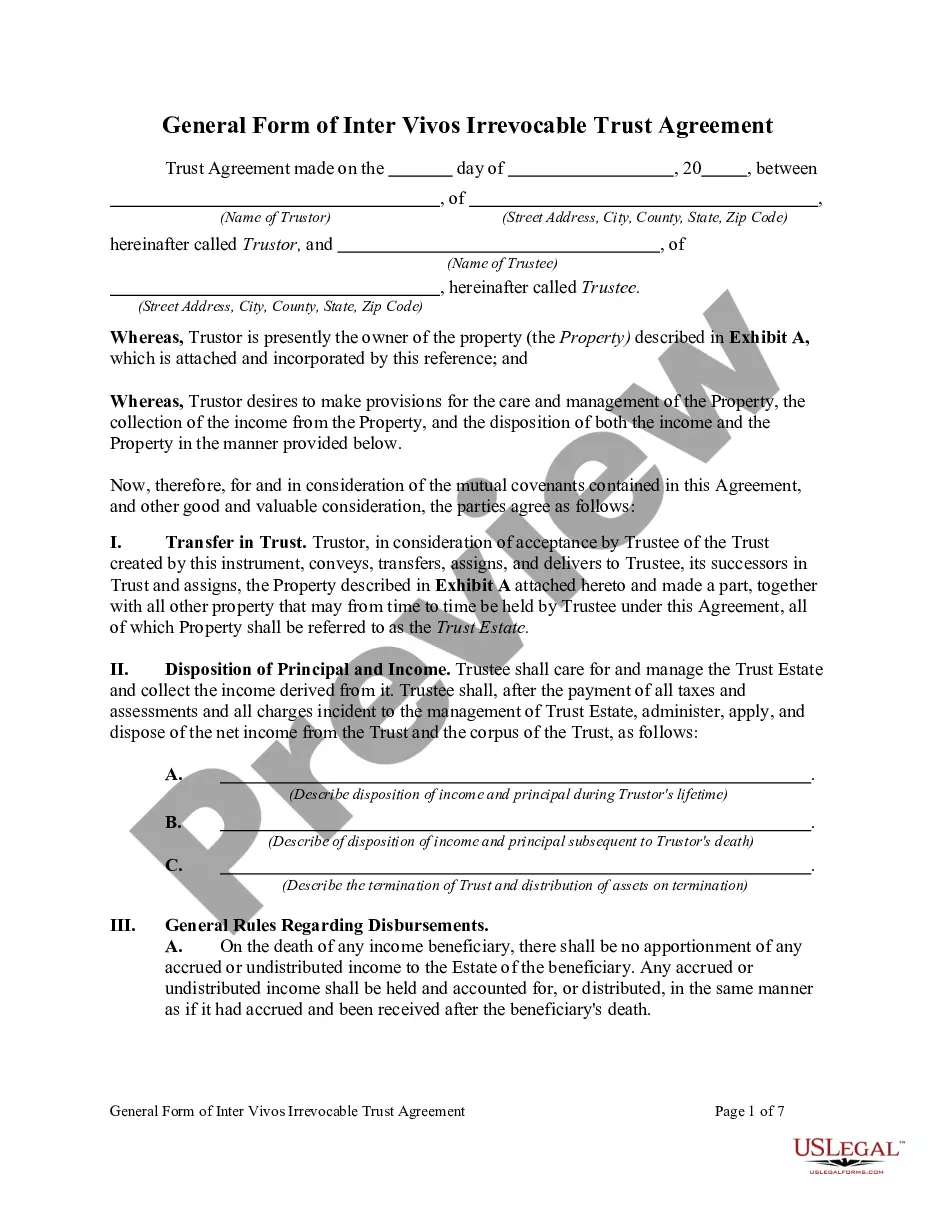
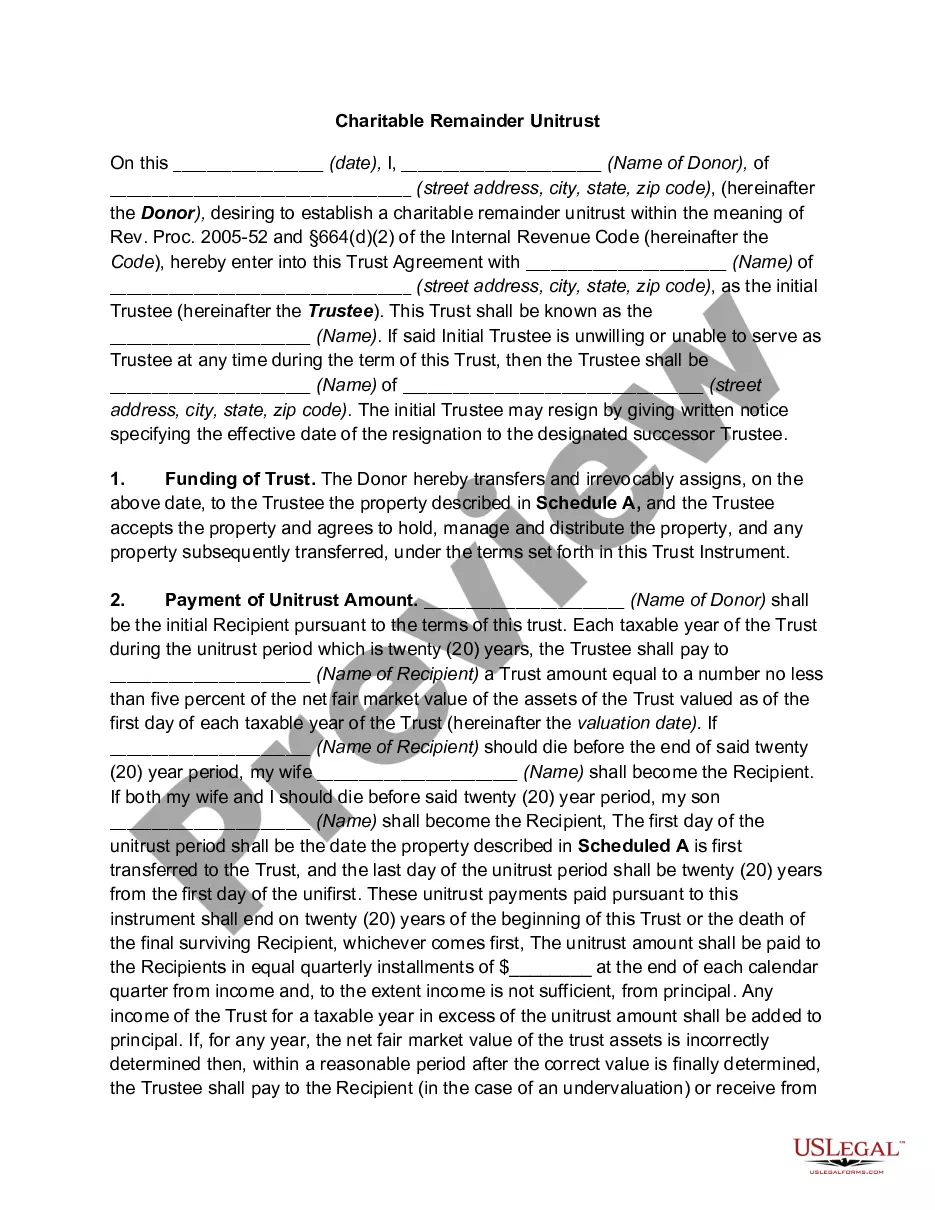
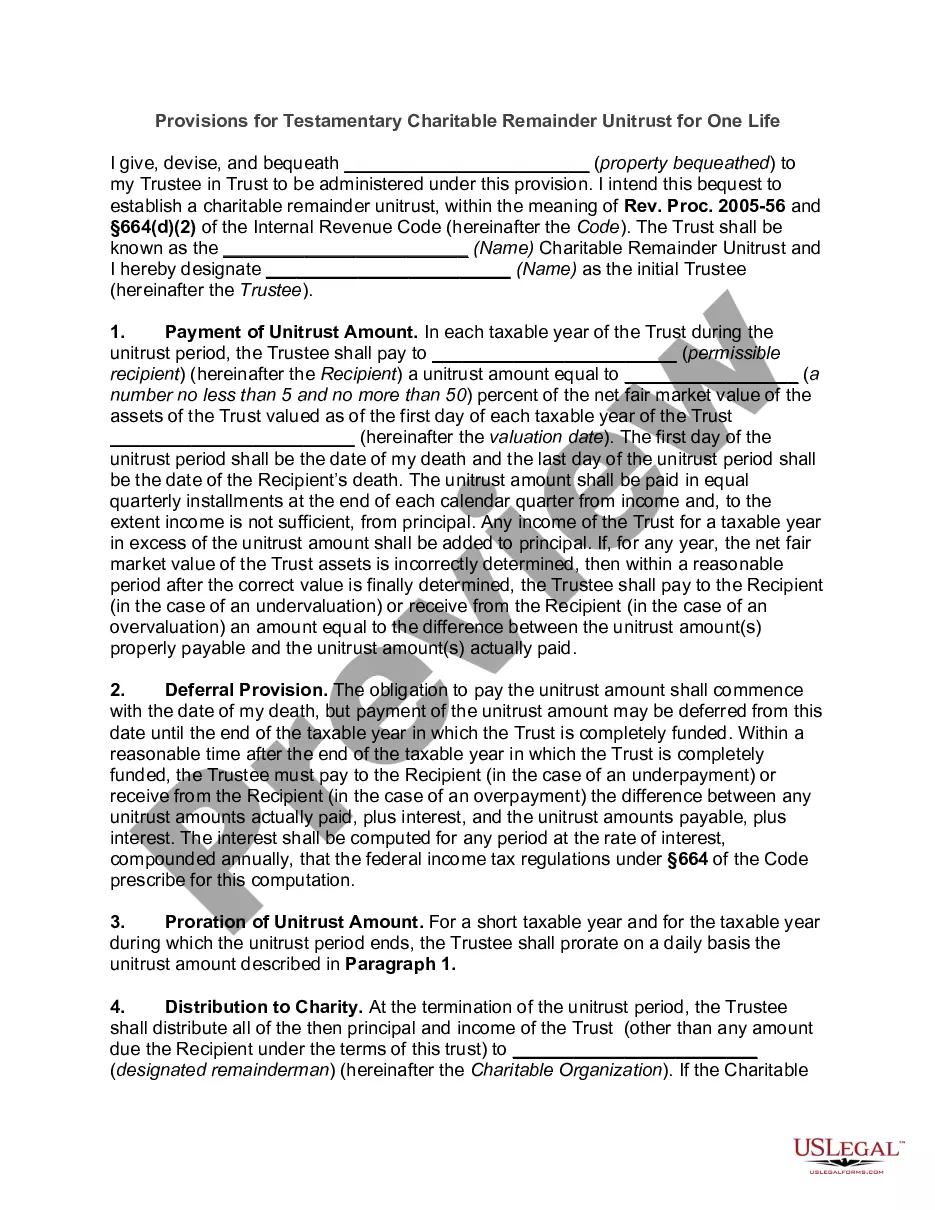
Get your form ready online
Our built-in tools help you complete, sign, share, and store your documents in one place.
Make edits, fill in missing information, and update formatting in US Legal Forms—just like you would in MS Word.
Download a copy, print it, send it by email, or mail it via USPS—whatever works best for your next step.
Sign and collect signatures with our SignNow integration. Send to multiple recipients, set reminders, and more. Go Premium to unlock E-Sign.
If this form requires notarization, complete it online through a secure video call—no need to meet a notary in person or wait for an appointment.
We protect your documents and personal data by following strict security and privacy standards.

Make edits, fill in missing information, and update formatting in US Legal Forms—just like you would in MS Word.

Download a copy, print it, send it by email, or mail it via USPS—whatever works best for your next step.

Sign and collect signatures with our SignNow integration. Send to multiple recipients, set reminders, and more. Go Premium to unlock E-Sign.

If this form requires notarization, complete it online through a secure video call—no need to meet a notary in person or wait for an appointment.

We protect your documents and personal data by following strict security and privacy standards.
Looking for another form?










How to fill out Charitable Remainder Inter Vivos Unitrust Agreement?
Managing legal documents can be overwhelming, even for the most proficient experts.
When you're interested in an Inter Vivos Living Trust With Trust and lack the time to search for the correct and current version, the procedures can be stressful.
US Legal Forms meets any needs you may have, from personal to business documentation, all in one place.
Leverage advanced tools to create and manage your Inter Vivos Living Trust With Trust.
Here are the steps to follow after finding the form you need: Ensure it is the correct form by previewing it and reviewing its description. Verify that the template is accepted in your state or county. Click Buy Now when you're ready. Choose a subscription plan. Select the format you need, and Download, complete, eSign, print, and send your documents. Take advantage of the US Legal Forms online catalog, backed by 25 years of experience and reliability. Transform your daily document management into a seamless and user-friendly process today.
- Access a collection of articles, guides, and resources related to your situation and needs.
- Save time and effort in finding the documents you require, and use US Legal Forms’ sophisticated search and Preview tool to locate Inter Vivos Living Trust With Trust and obtain it.
- If you have a monthly subscription, Log In to your US Legal Forms account, search for the form, and retrieve it.
- Check your My documents tab to view the documents you have previously saved and organize your folders as needed.
- If it's your first time using US Legal Forms, create an account and gain unlimited access to all the benefits of the library.
- A comprehensive online form directory could be transformative for anyone looking to handle these matters efficiently.
- US Legal Forms stands as a frontrunner in digital legal documents, offering over 85,000 state-specific forms available to you at any time.
- With US Legal Forms, you can access legal and business documents specific to your state or county.
Form popularity
FAQ
This is often referred to as ?rolling? the property out of the trust to the beneficiaries at the tax cost. Inter vivos trusts and most testamentary trusts pay tax at the top personal marginal tax rate; however, there are exceptions.
A living trust (sometimes called an inter vivos trust) is one created by the grantor during his or her lifetime, while a testamentary trust is a trust created by the grantor's will.
One example to help you imagine how an Inter Vivos Trust can be used is a college education fund. Let's say you have two young children, and you and your spouse became motivated to establish an estate plan. You set up two Trusts and name your children as the beneficiaries, one Trust per child.
The intervivos trust may be either revocable or irrevocable, and either funded or unfunded. An intervivos trust is often referred to as a ?living trust?. The creation and administration of the intervivos trust occurs outside the general supervision of the Probate Court.
In establishing a trust, the grantor names the trust parties, which include the grantors, typically the spouse; the beneficiaries; and the trustee. Sometimes, the spouses are named as trustees. However, a contingent trustee should be named in the event both spouses die.