Charitable Remainder Unitrust Living With The Future
Description
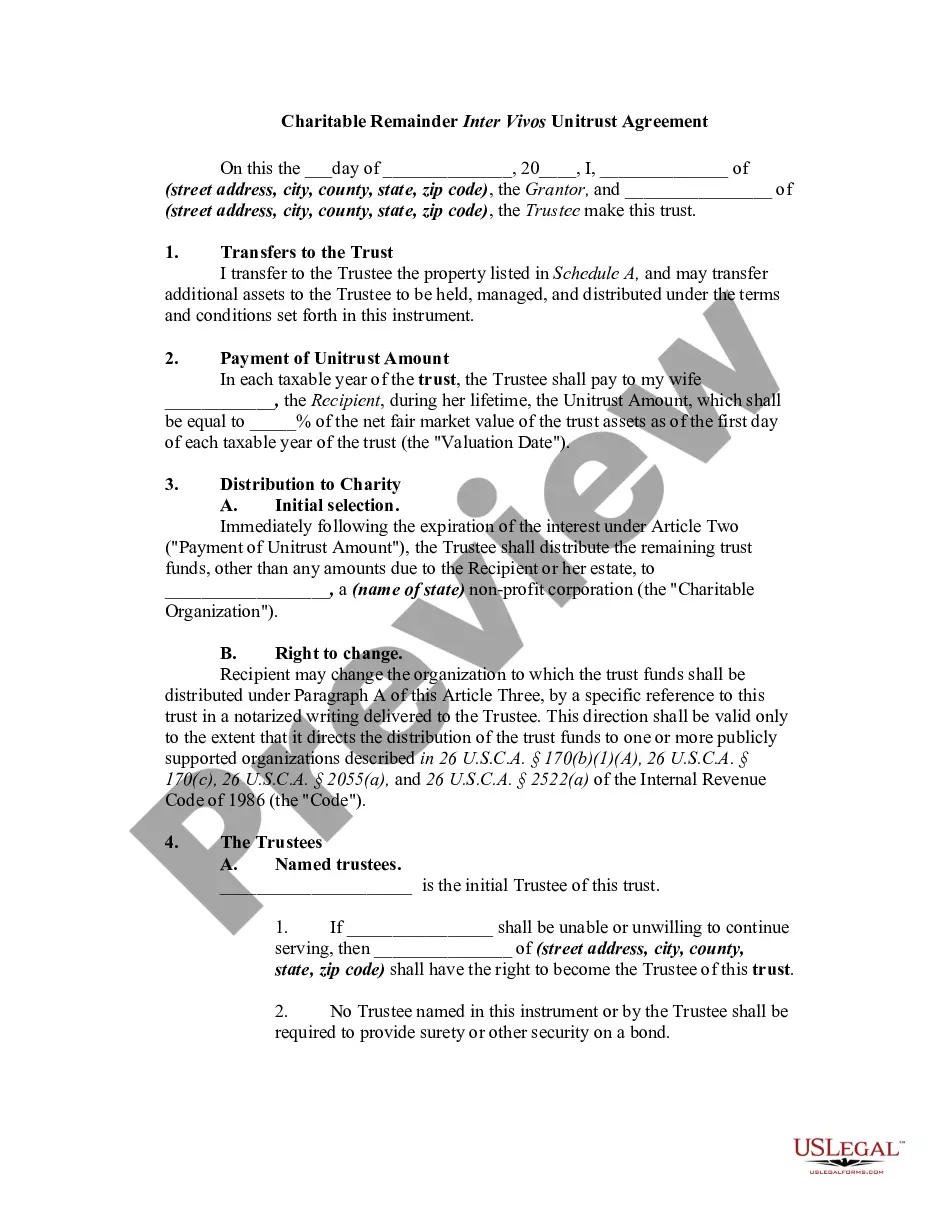
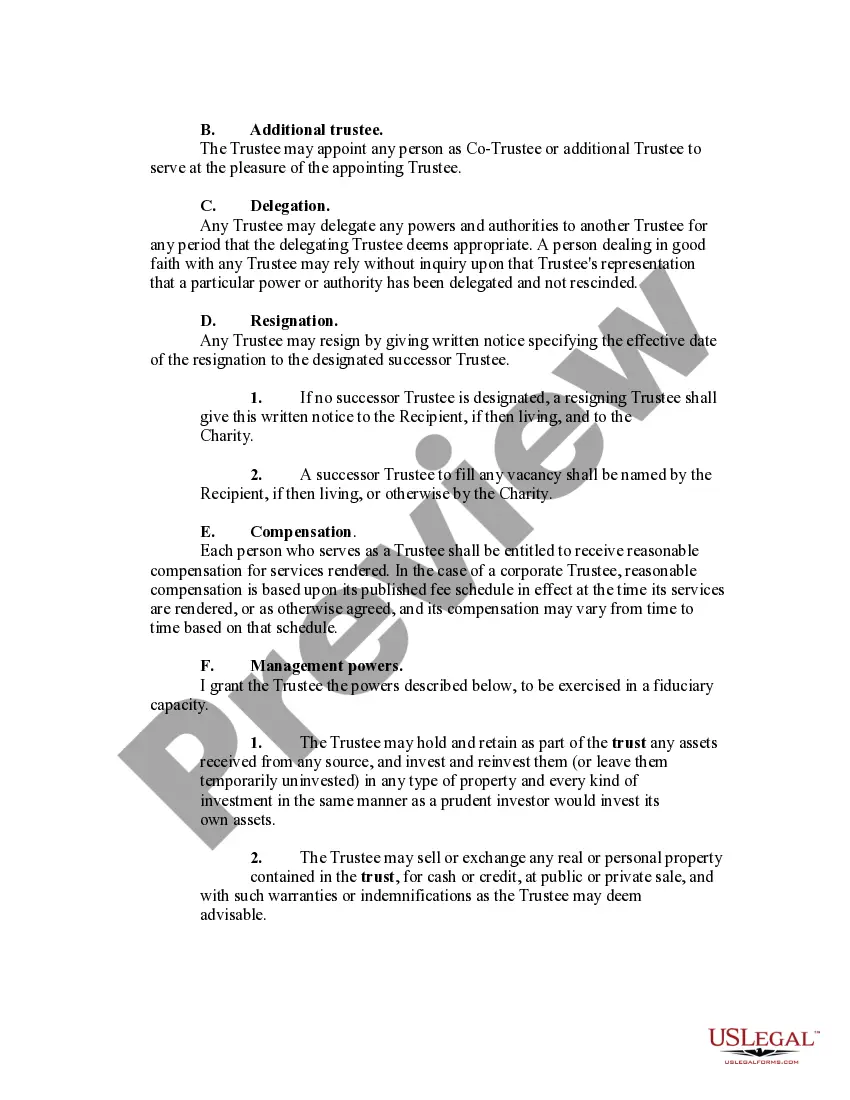
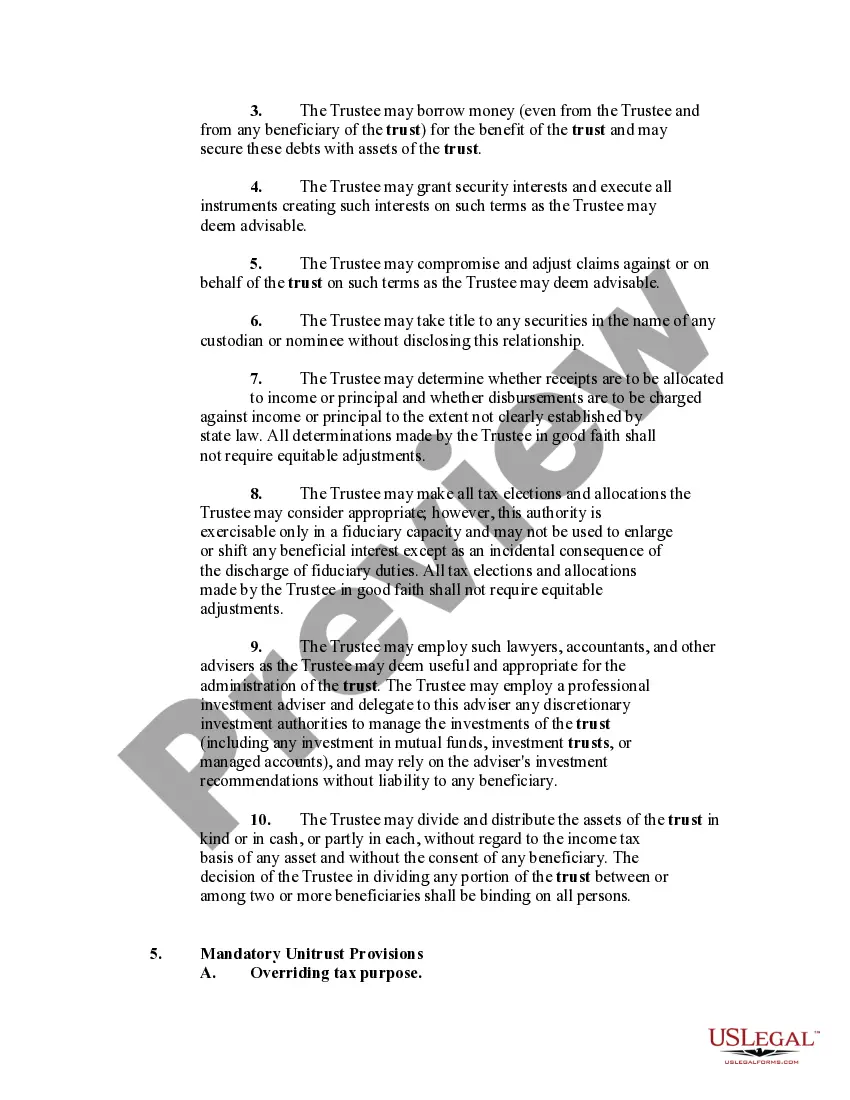
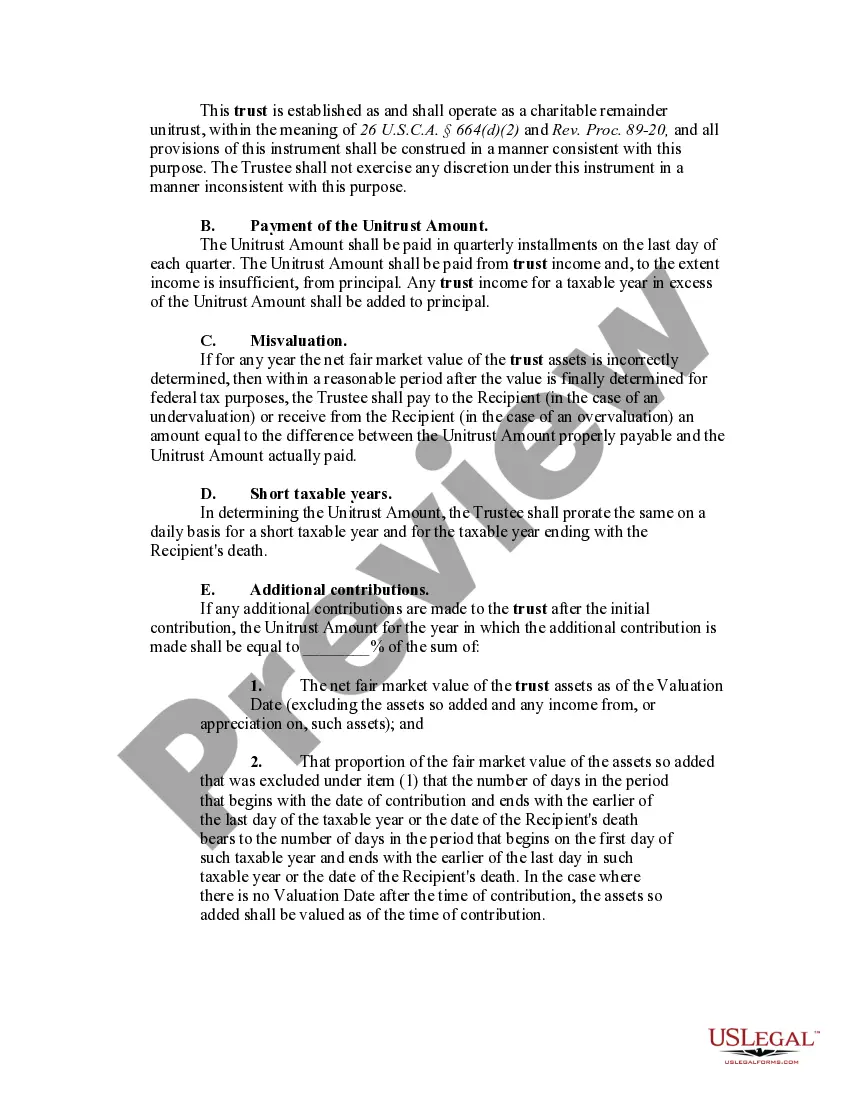
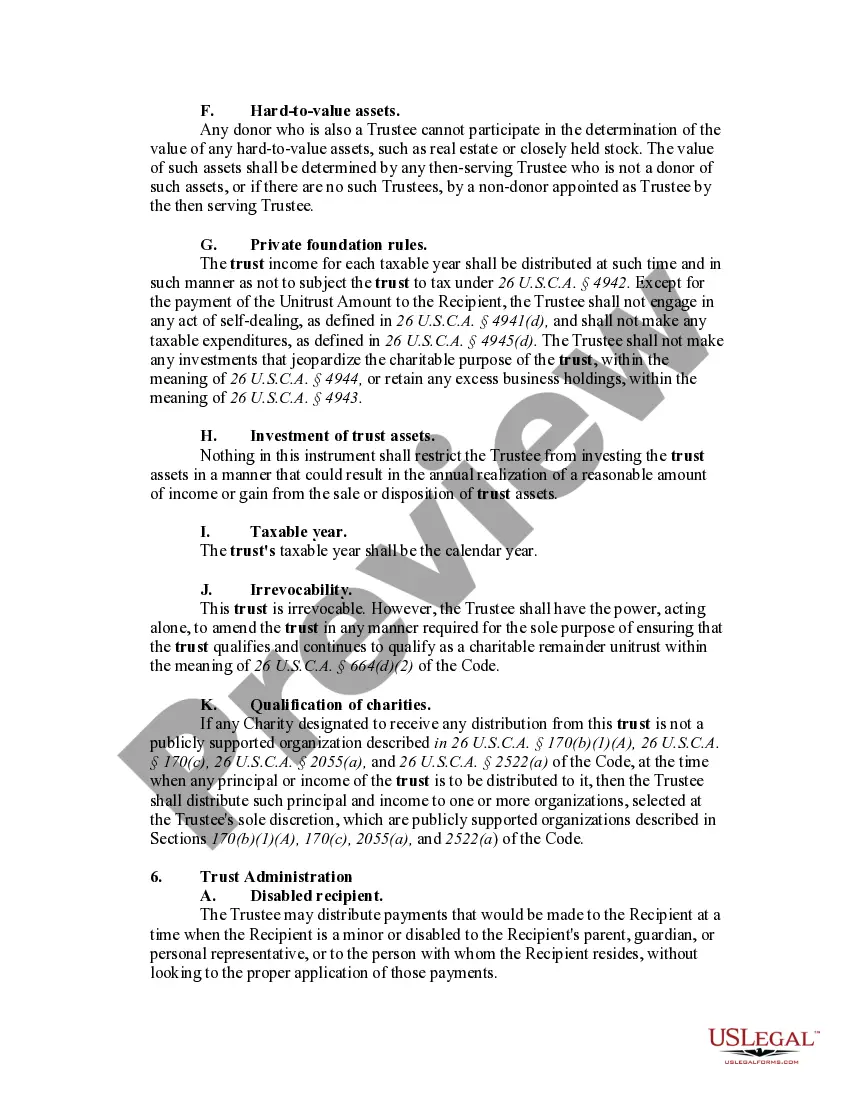
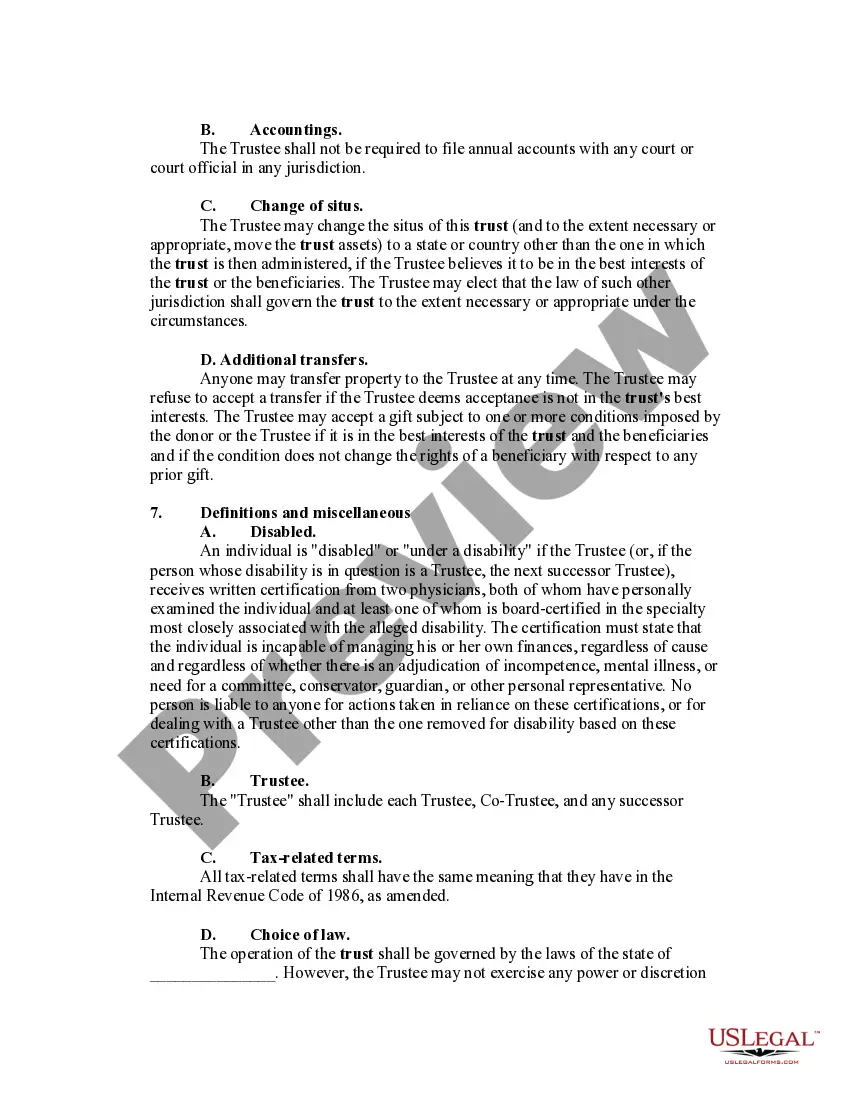
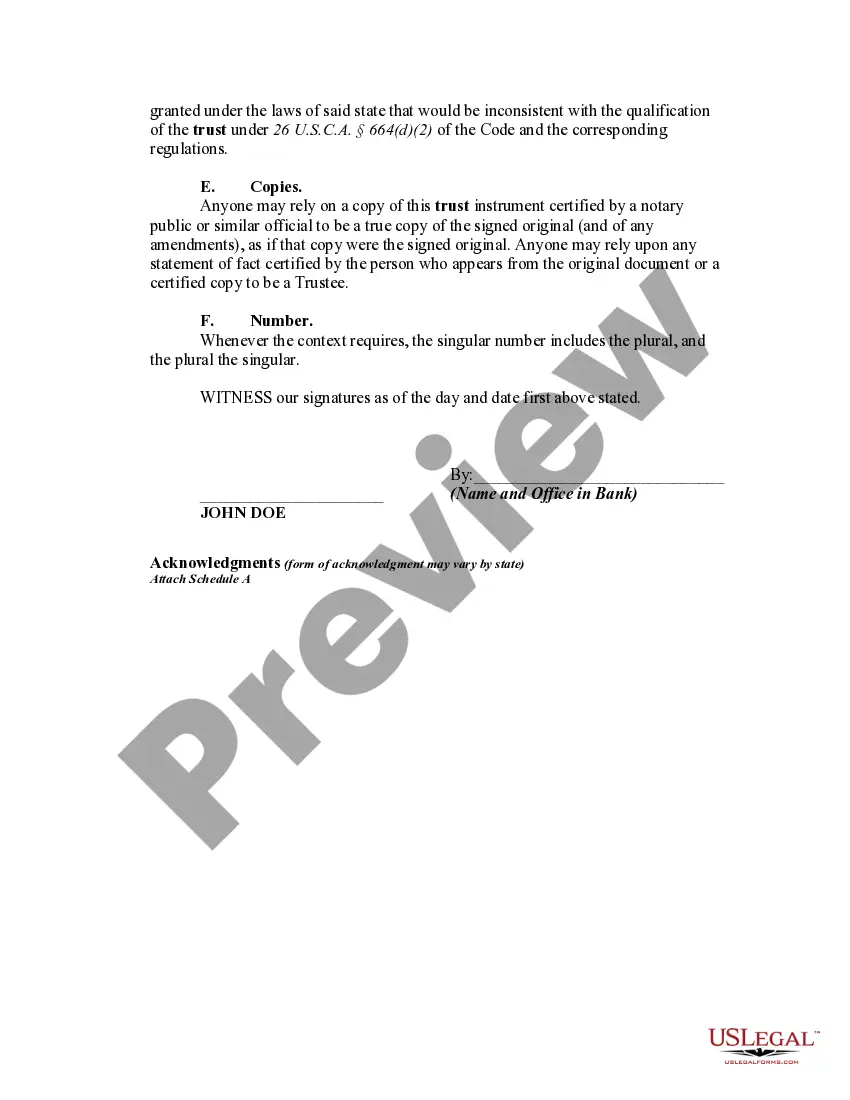
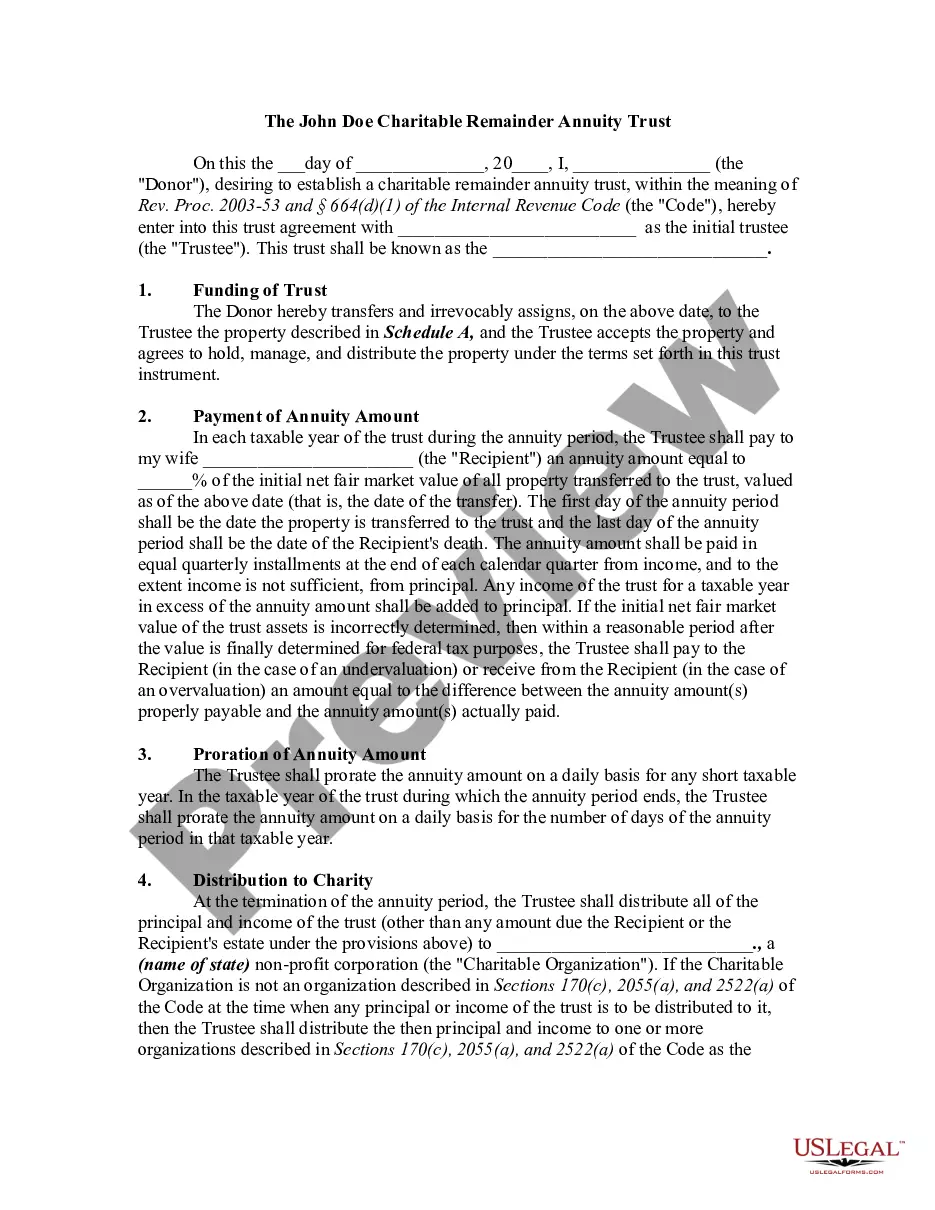
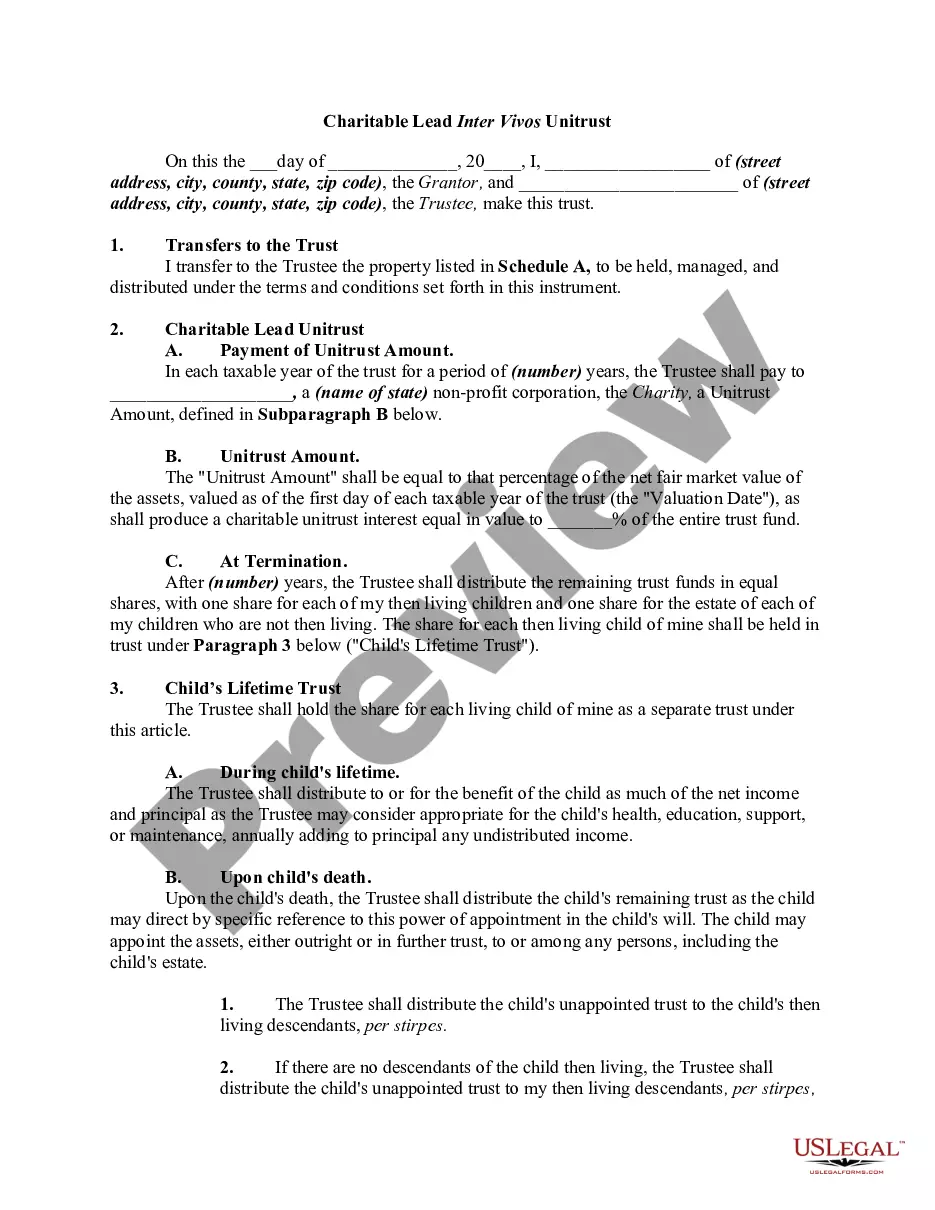
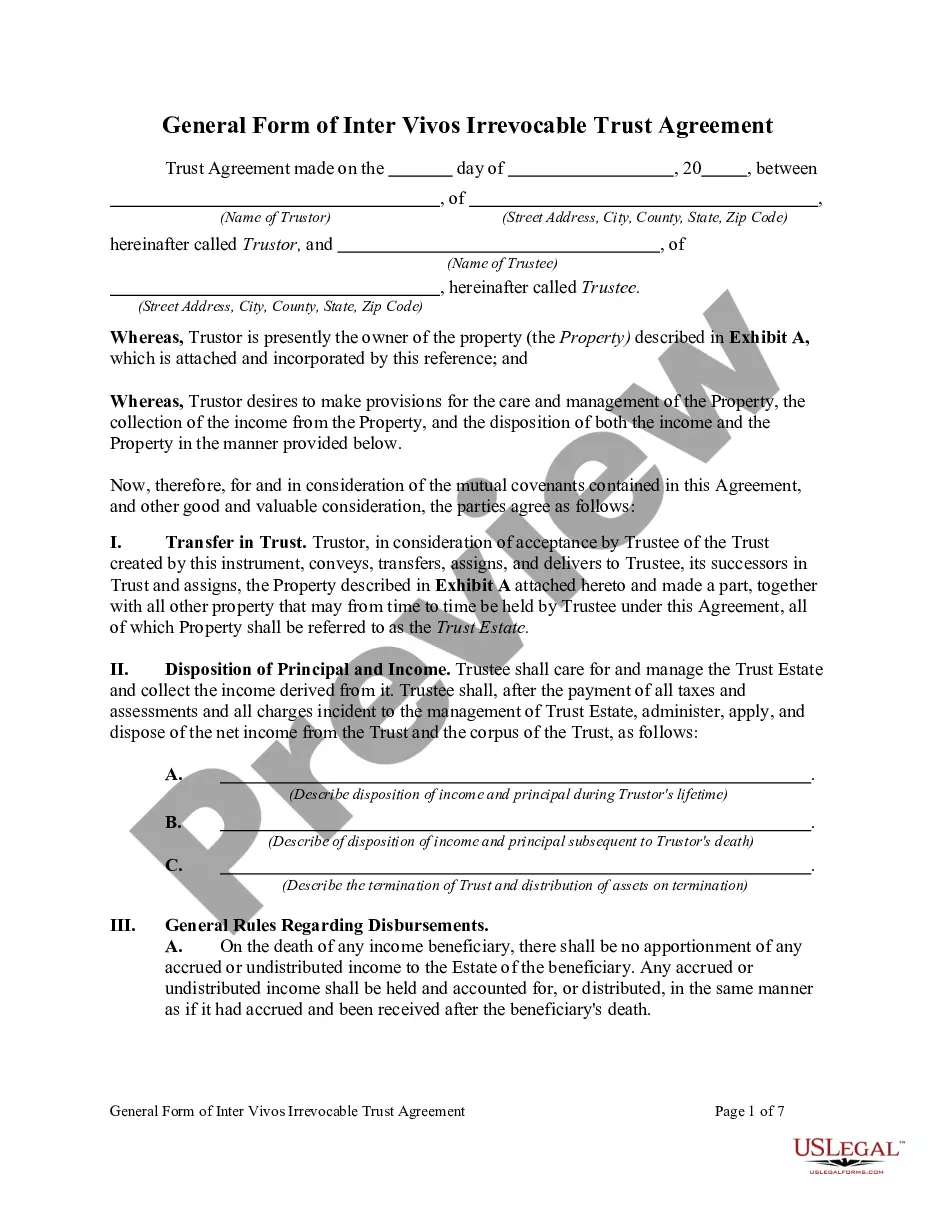
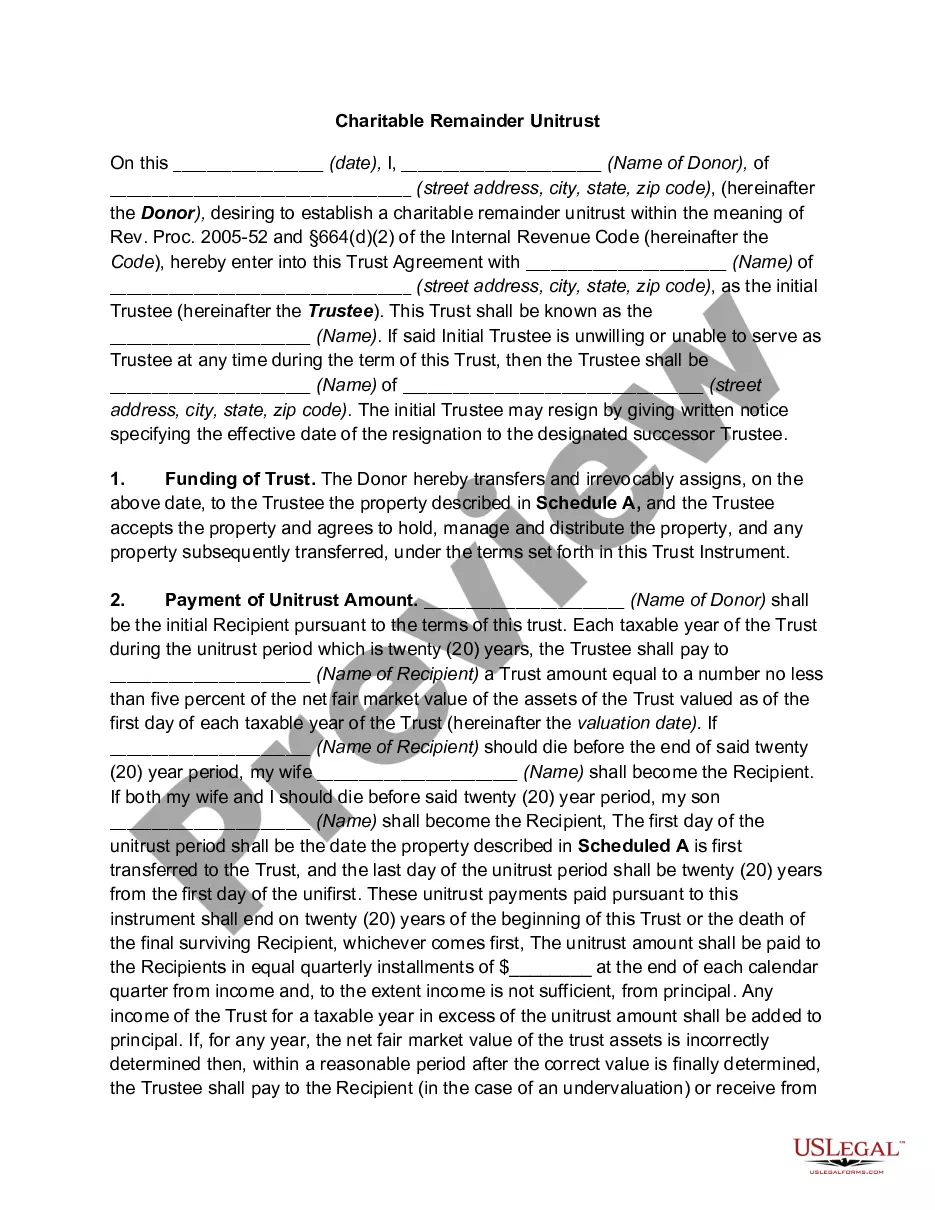
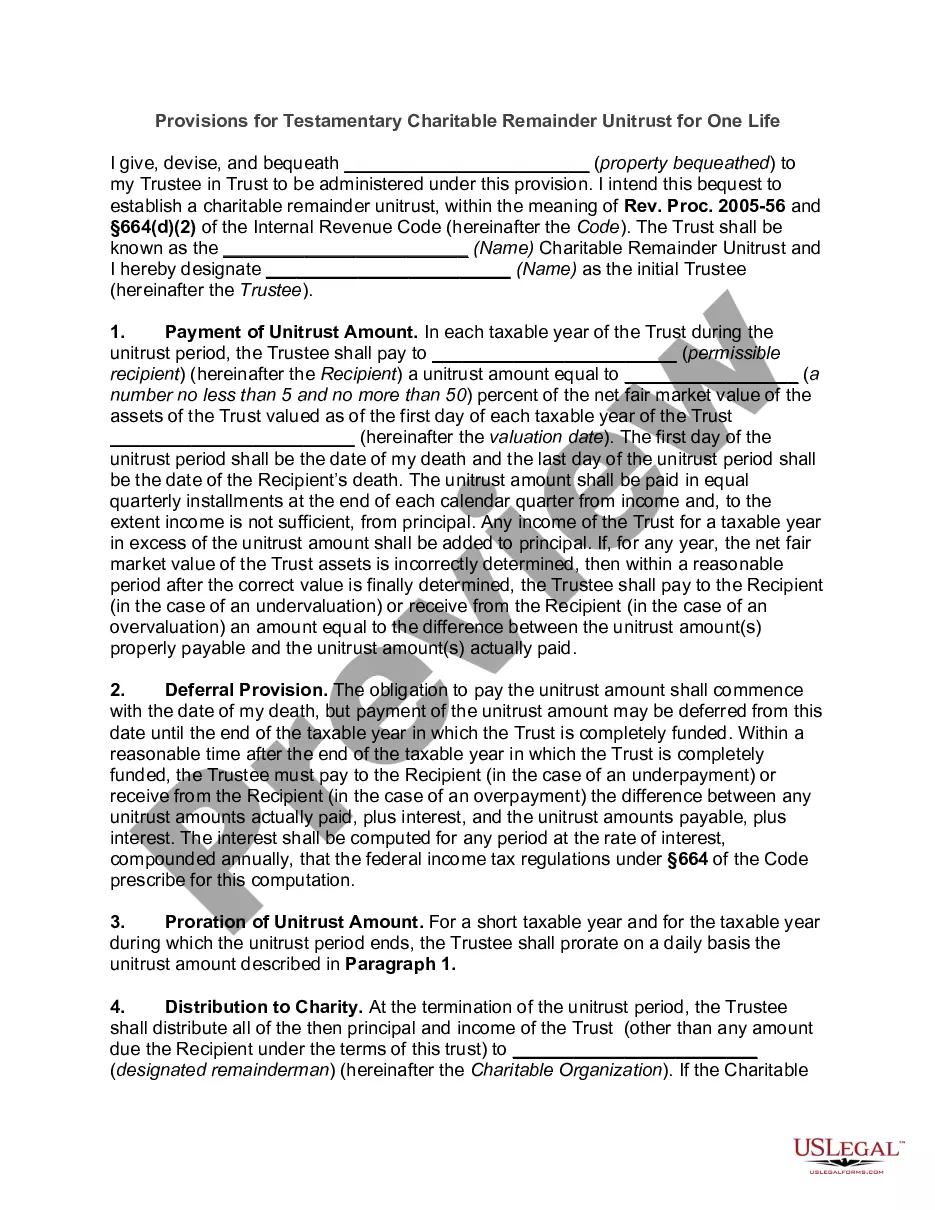
Get your form ready online
Our built-in tools help you complete, sign, share, and store your documents in one place.
Make edits, fill in missing information, and update formatting in US Legal Forms—just like you would in MS Word.
Download a copy, print it, send it by email, or mail it via USPS—whatever works best for your next step.
Sign and collect signatures with our SignNow integration. Send to multiple recipients, set reminders, and more. Go Premium to unlock E-Sign.
If this form requires notarization, complete it online through a secure video call—no need to meet a notary in person or wait for an appointment.
We protect your documents and personal data by following strict security and privacy standards.

Make edits, fill in missing information, and update formatting in US Legal Forms—just like you would in MS Word.

Download a copy, print it, send it by email, or mail it via USPS—whatever works best for your next step.

Sign and collect signatures with our SignNow integration. Send to multiple recipients, set reminders, and more. Go Premium to unlock E-Sign.

If this form requires notarization, complete it online through a secure video call—no need to meet a notary in person or wait for an appointment.

We protect your documents and personal data by following strict security and privacy standards.
Looking for another form?
How to fill out Charitable Remainder Inter Vivos Unitrust Agreement?
- Log in to your US Legal Forms account or create one if you're new to the service.
- Review the description and Preview mode of the desired form to ensure it meets your requirements.
- Utilize the Search feature to explore additional templates if necessary.
- Select the template that fits your needs and click on the Buy Now button.
- Choose a subscription plan that suits you and register for an account if you haven't already.
- Proceed to purchase by entering your credit card or PayPal details.
- Download the form to your device, and you'll find it later in the My Forms section of your profile.
US Legal Forms stands out with its robust collection of over 85,000 forms, often more than competitors. This extensive selection provides users with a powerful resource to ensure that they can find the right document for their needs.
In conclusion, with US Legal Forms, you can confidently navigate your legal needs while ensuring compliance with local regulations. Don't hesitate to explore the library and get started on securing your future today!
Form popularity
FAQ
A unitrust lasts for the lifetime of the income beneficiaries or for a specified term of years. In the case of a charitable remainder unitrust living with the future, the trust typically continues to generate income until all designated beneficiaries have passed. After that, the remaining assets go to the chosen charity. Our platform provides tools to help you understand and manage the duration and terms of your unitrust effectively.
Yes, you can create your own charitable remainder trust. This allows you to support charitable causes while securing income for yourself during your lifetime. Using a charitable remainder unitrust living with the future enables you to benefit from potential growth of the trust assets. Through our platform, you can easily establish this type of trust to ensure your philanthropic goals are met.
The 10 percent test for charitable remainder unitrusts (CRUTs) ensures that the present value of the remainder interest is at least 10% of the initial contribution to the trust. This measure secures that a significant portion supports your chosen charity in the long run. Engaging with platforms like USLegalForms can provide clarity in administering these requirements, while enhancing the essence of your charitable remainder unitrust living with the future.
The tax deduction amount for a charitable remainder trust is not fixed and depends on various factors, such as the payout rate, the age of the beneficiaries, and the amount contributed to the trust. The deduction reflects the present value of the charity’s rest interest. By creating a charitable remainder unitrust living with the future, you may unlock substantial tax benefits that could impact your financial strategy positively.
The 5% rule for a charitable remainder trust requires that the annual distributions to income beneficiaries are no less than 5% of the trust's net fair market value. This minimum payout guarantees a consistent income stream for the beneficiaries while supporting the trust's charitable intent. It aligns well with the principles of the charitable remainder unitrust living with the future, ensuring both immediate benefits and long-term charitable impact.
The 10 percent rule for a charitable remainder trust (CRT) stipulates that the present value of the charitable remainder must be at least 10% of the total assets placed into the trust. This ensures that a meaningful portion of the trust assets will benefit the charitable organization. By adhering to this rule, you ensure the efficacy and legality of your charitable remainder unitrust living with the future while maximizing the benefits for both you and the charity.
Calculating the charitable tax deduction for a charitable remainder trust involves determining the present value of the charity's remainder interest. This calculation takes into account the trust's payout rate and the beneficiaries' life expectancy. Typically, tools such as IRS tables help in these calculations, ensuring compliance with tax regulations. For specific guidance, consider utilizing resources like USLegalForms to accurately navigate the charitable remainder unitrust living with the future.
While a charitable remainder trust offers many advantages, it also has some downsides. One key issue is that once you place assets into the trust, you generally cannot change your mind about the donation aspect or get the assets back. Additionally, trust management may incur ongoing costs and administrative responsibilities. It’s important to weigh these factors when considering a charitable remainder unitrust living with the future, and platforms like uslegalforms can help clarify these complexities.
A charitable remainder unitrust is often used to support charitable causes while providing financial benefits to the donor. This type of trust allows individuals to receive income from their assets during their lifetime, while ultimately donating to a charity. It serves as a strategic option for those desiring to balance philanthropy and financial planning. By leveraging a charitable remainder unitrust living with the future, you can enhance your legacy while benefiting in the present.
The 10% rule for charitable remainder trusts stipulates that the present value of the charitable remainder interest must be at least 10% of the total value of the trust's assets. This requirement aims to ensure that a significant portion of the trust benefits charitable organizations. Keeping the 10% rule in mind can be vital when establishing a charitable remainder unitrust living with the future.