Charitable Remainder Unitrust Living Draft For The Country
Description
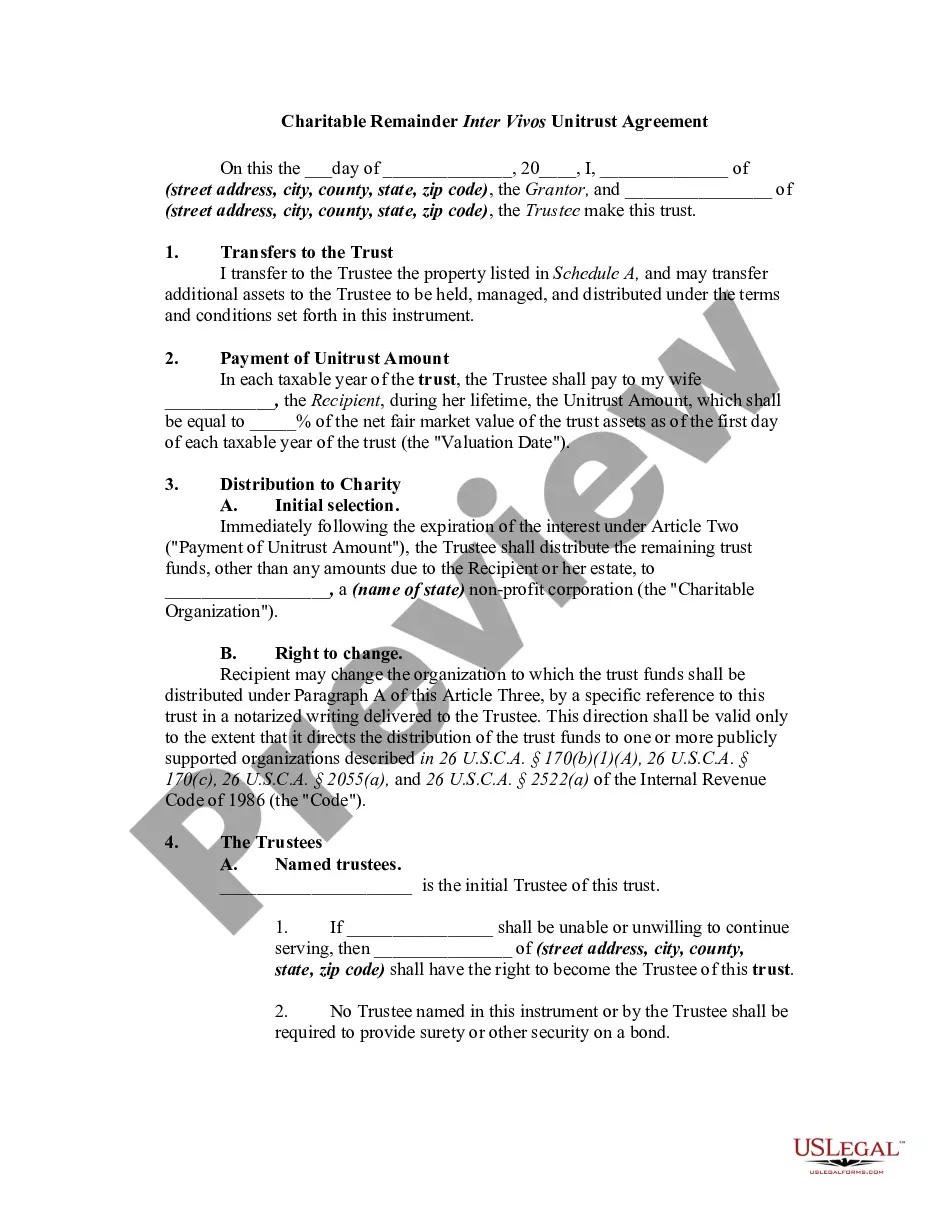
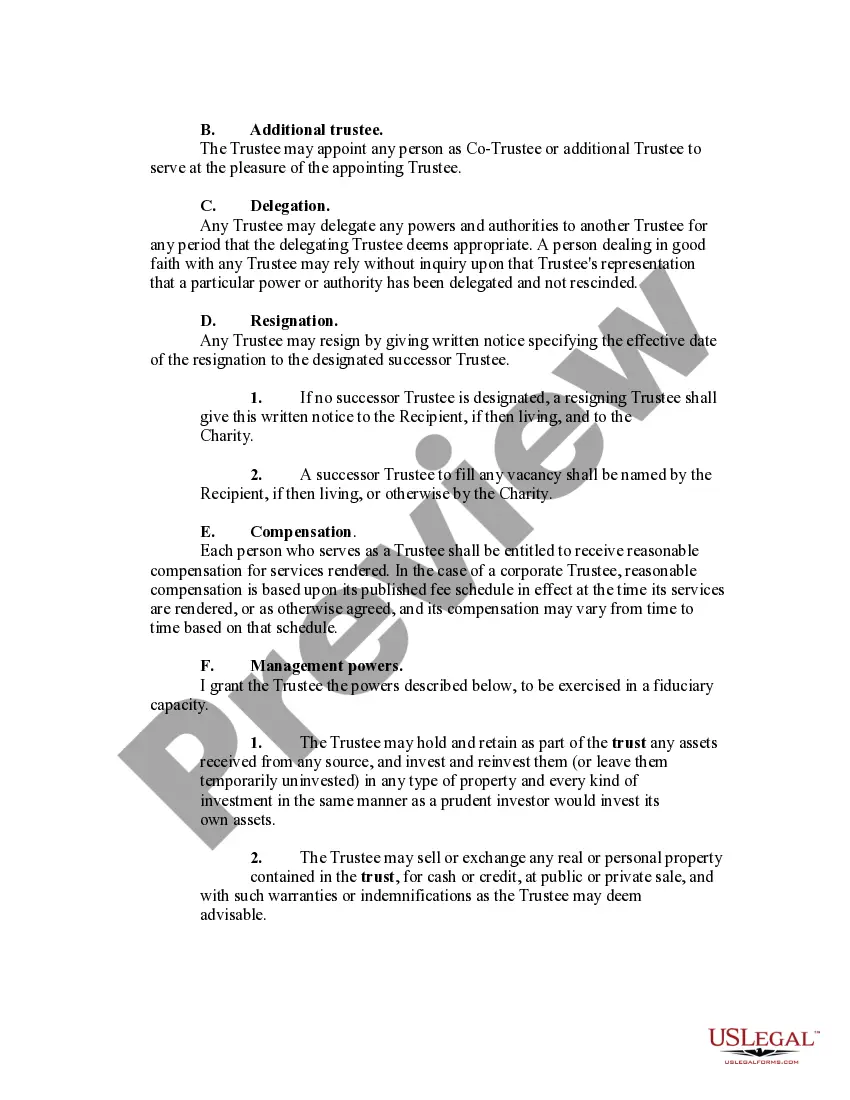
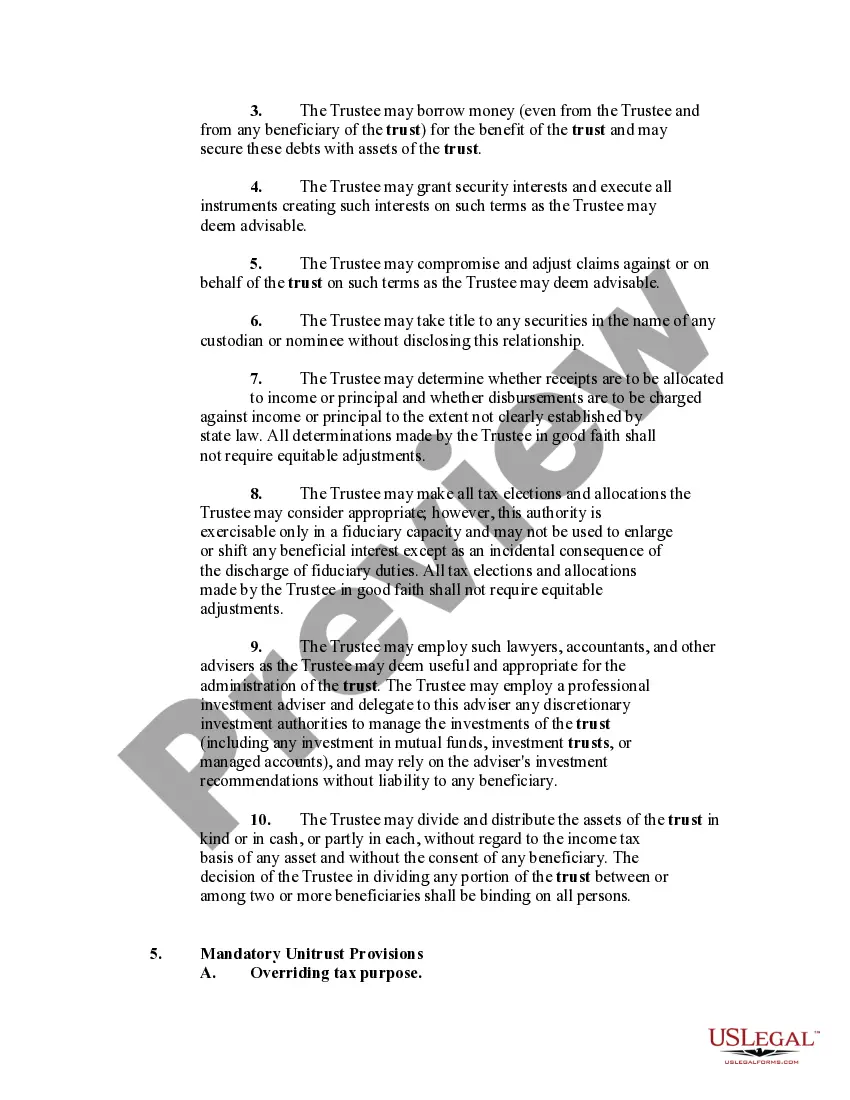
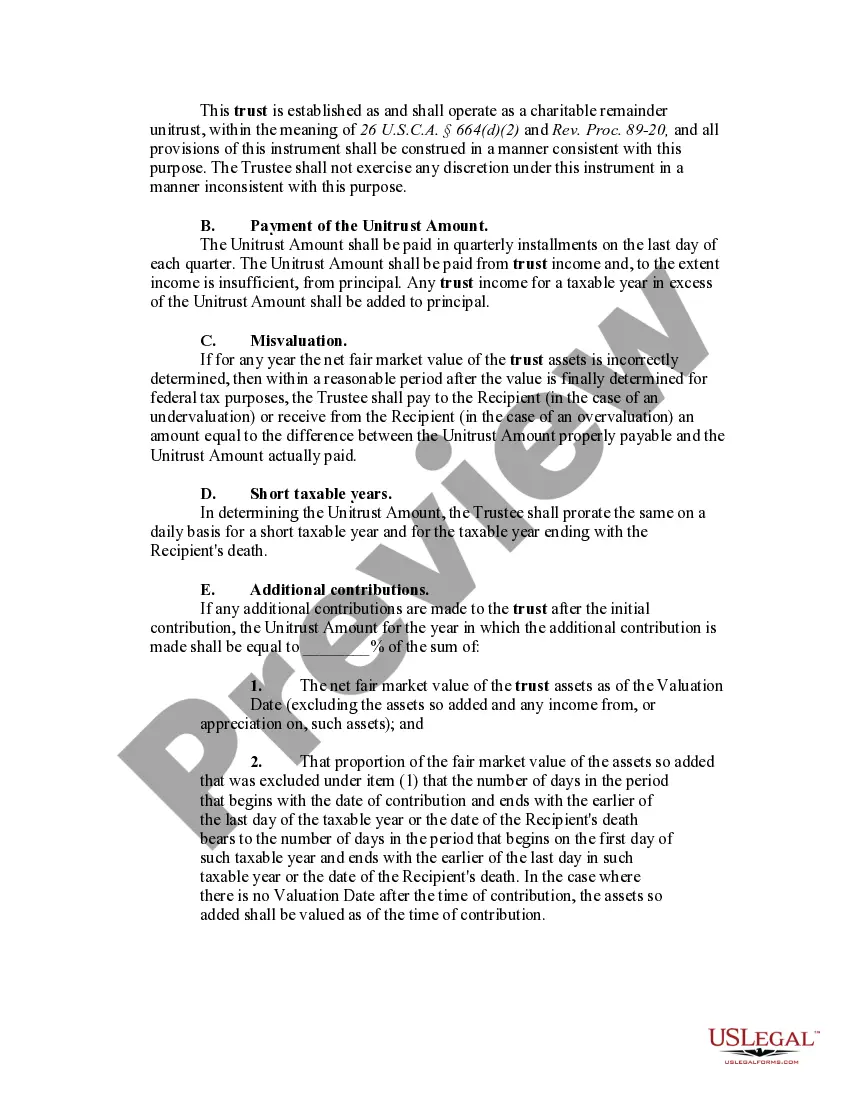
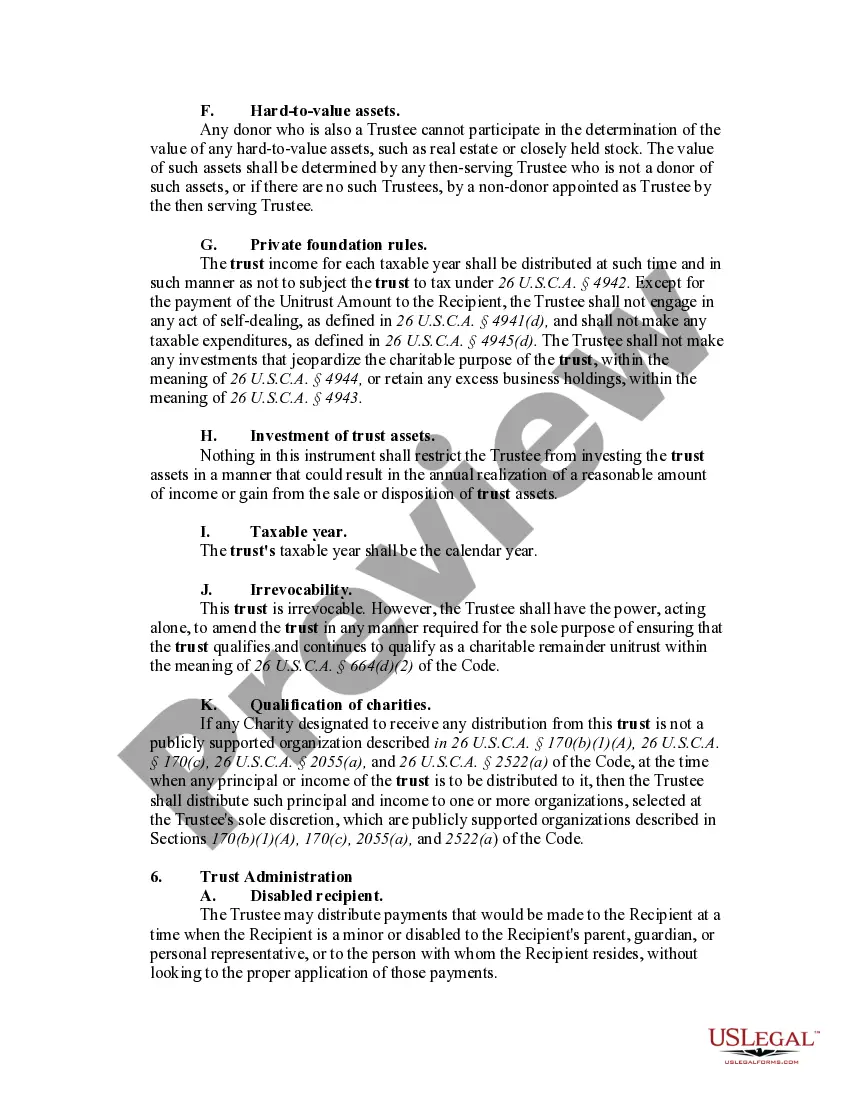
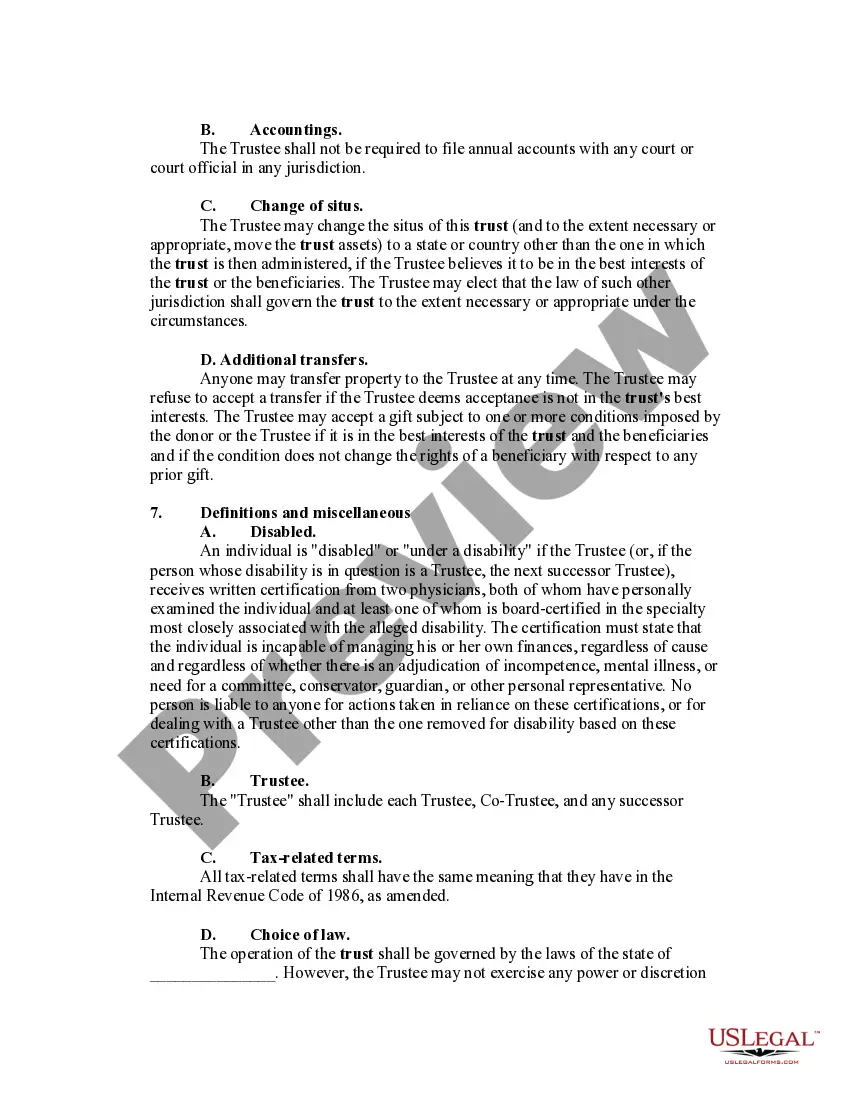
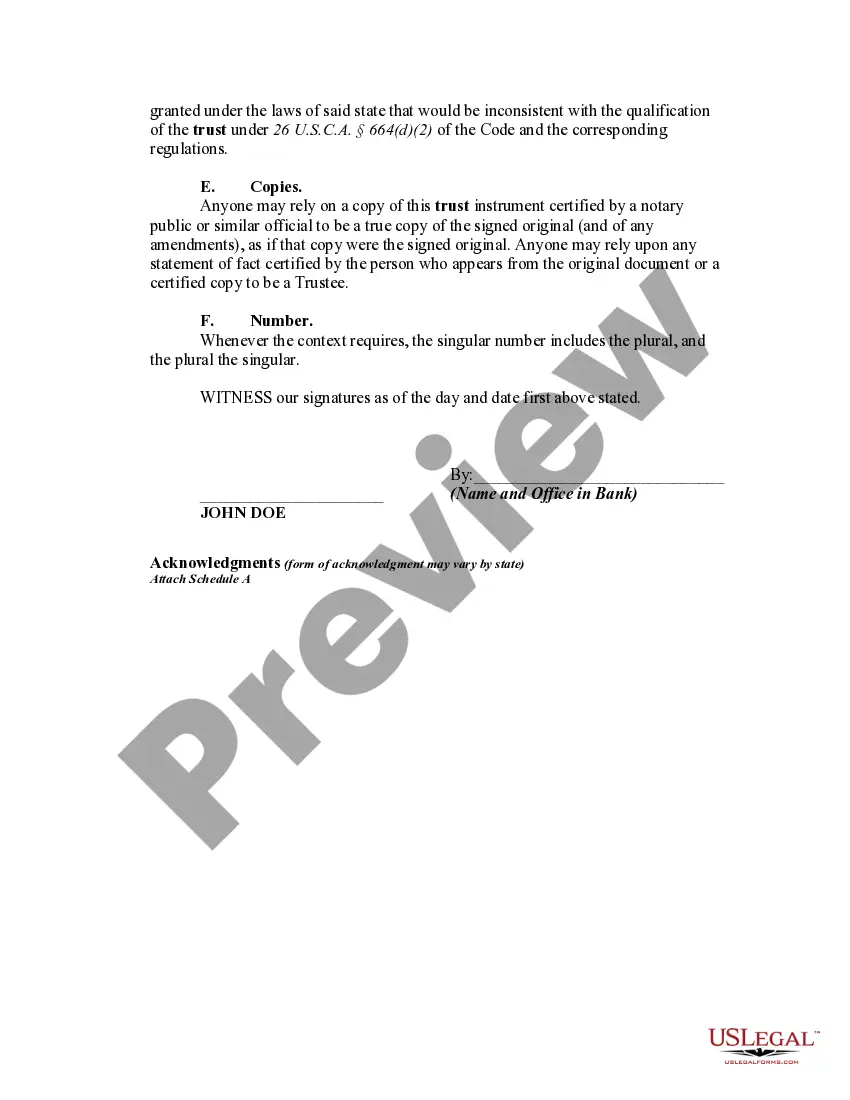
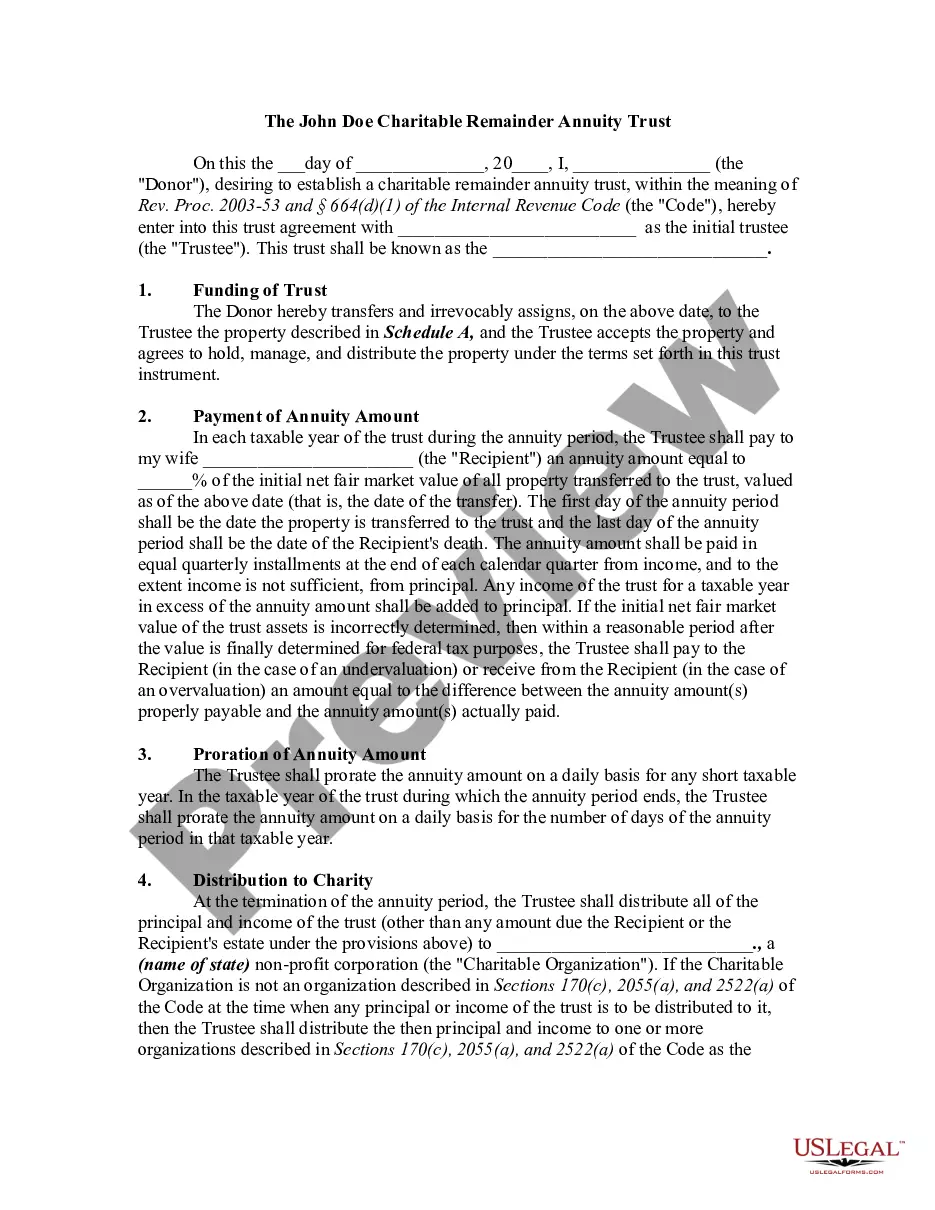
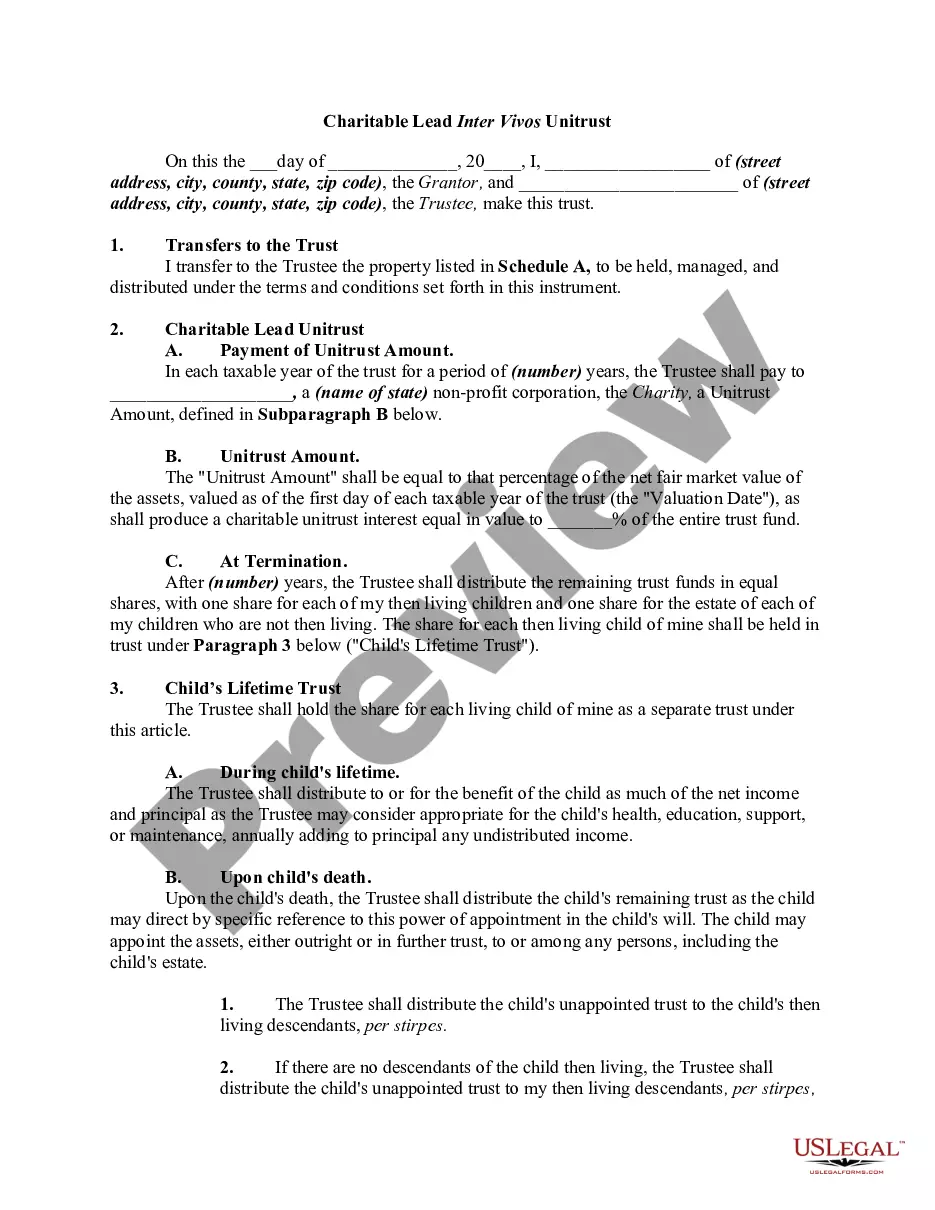
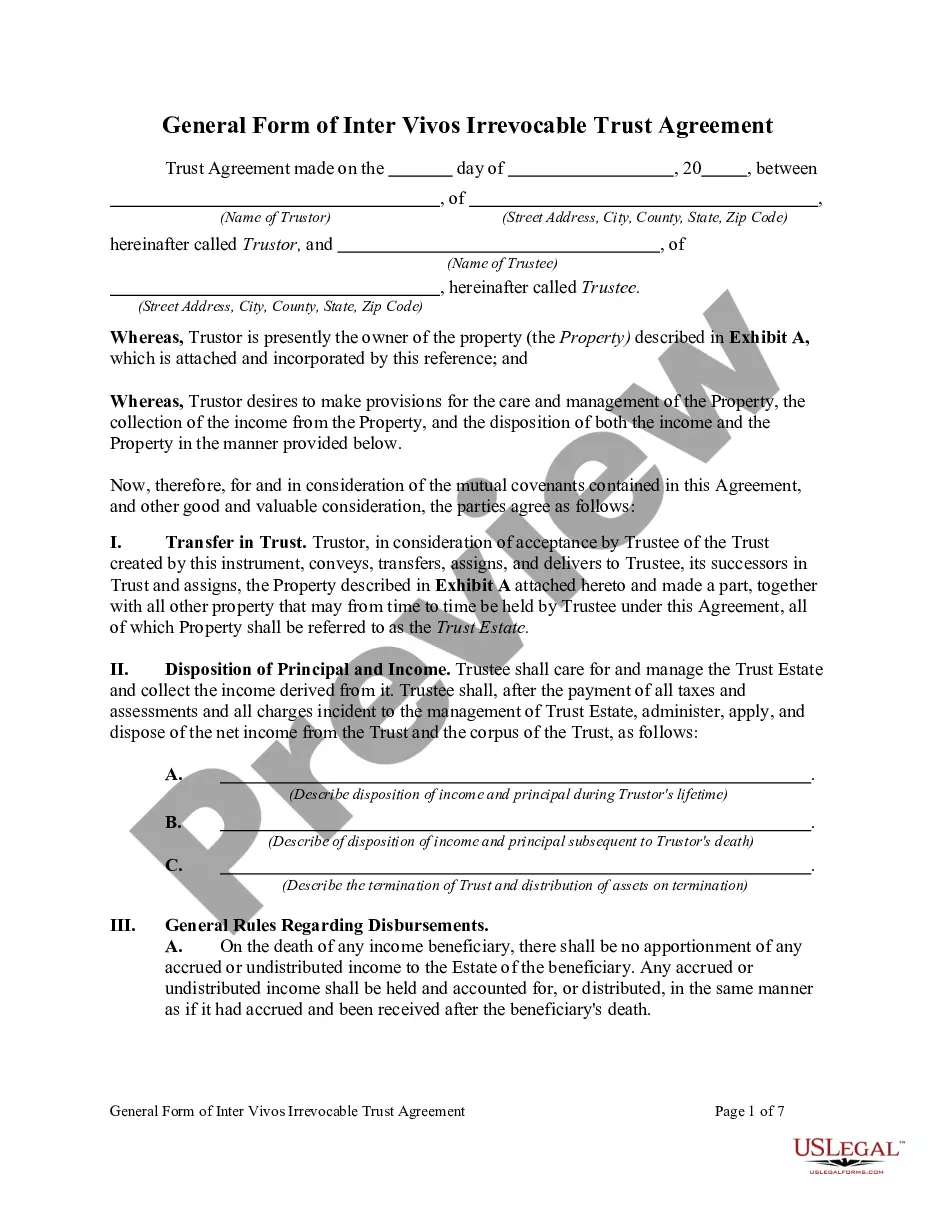
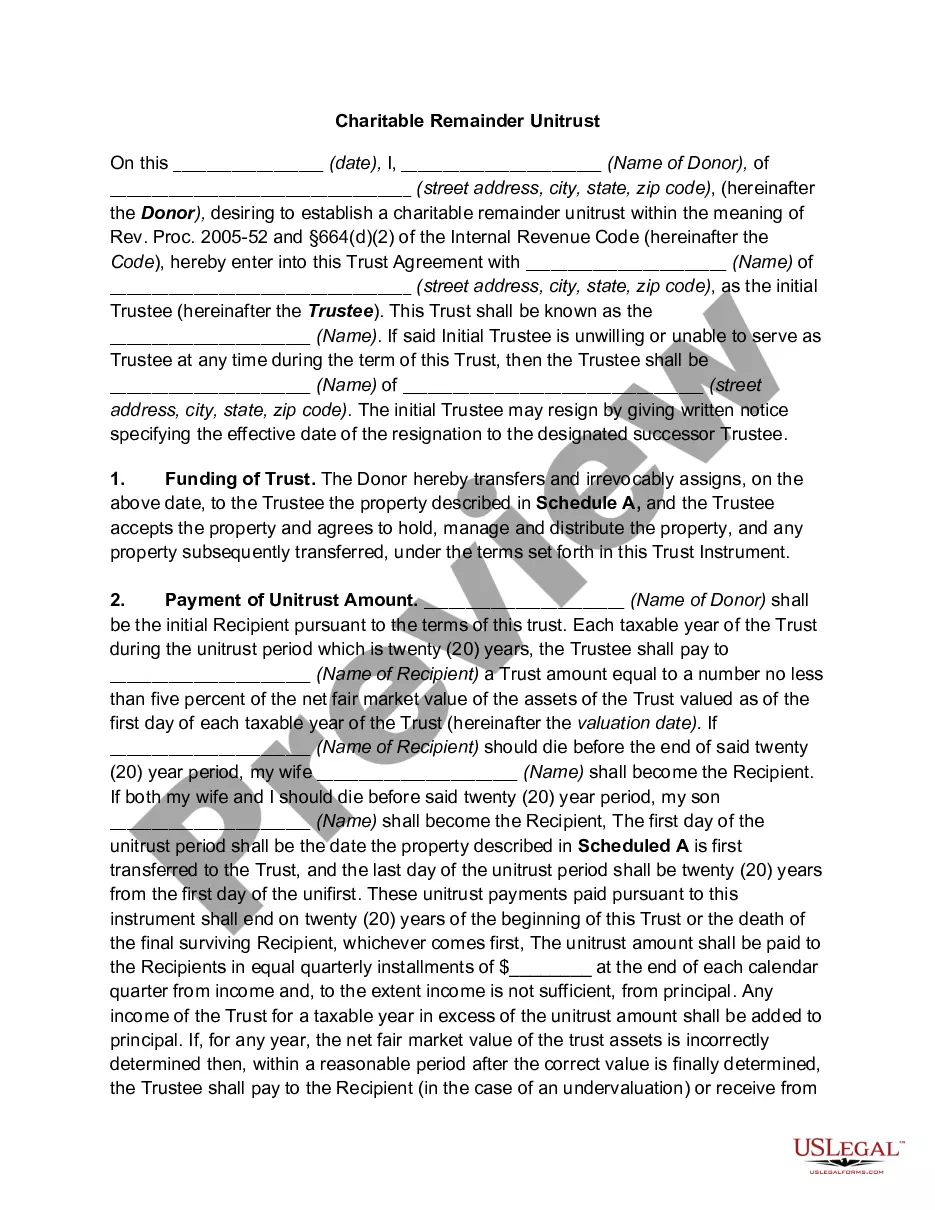
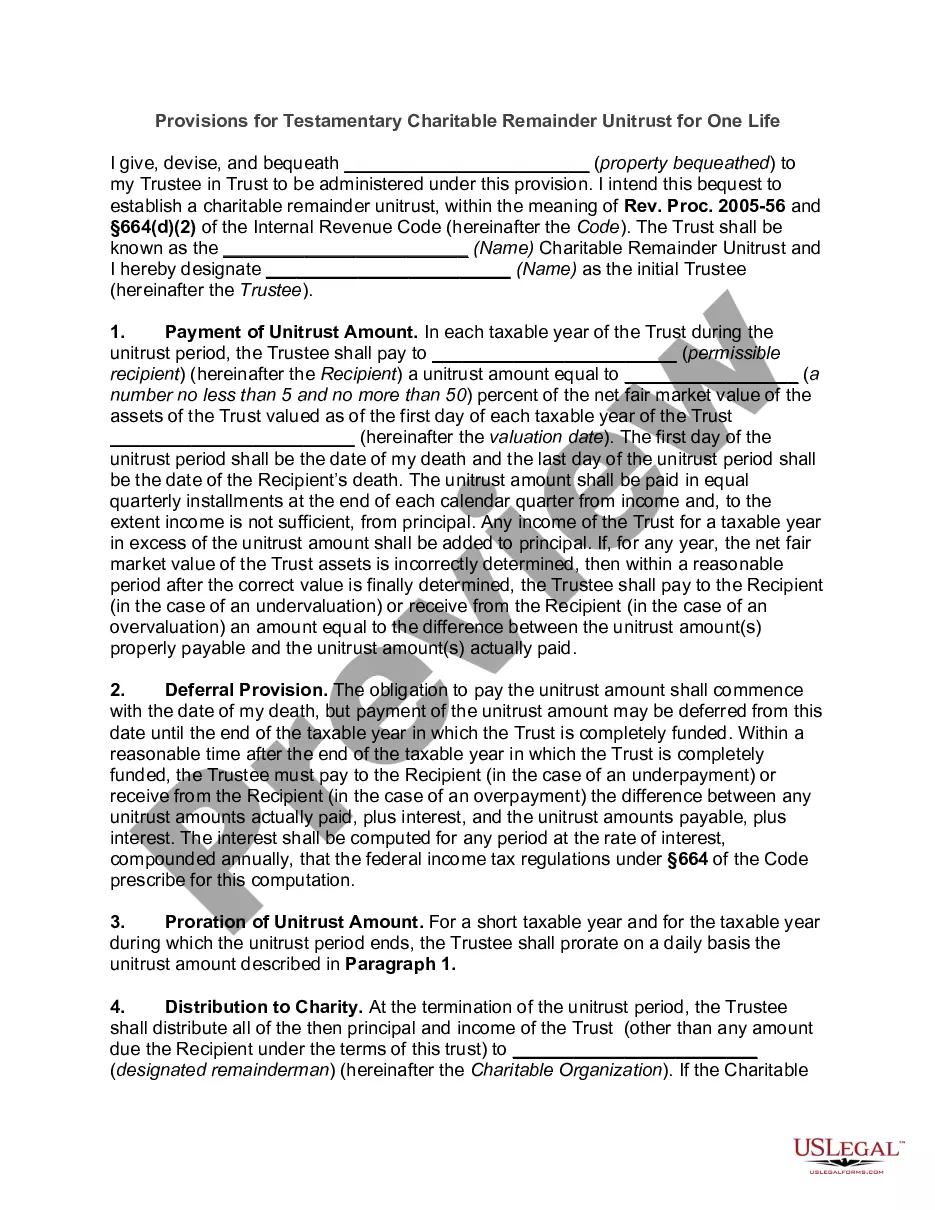
Get your form ready online
Our built-in tools help you complete, sign, share, and store your documents in one place.
Make edits, fill in missing information, and update formatting in US Legal Forms—just like you would in MS Word.
Download a copy, print it, send it by email, or mail it via USPS—whatever works best for your next step.
Sign and collect signatures with our SignNow integration. Send to multiple recipients, set reminders, and more. Go Premium to unlock E-Sign.
If this form requires notarization, complete it online through a secure video call—no need to meet a notary in person or wait for an appointment.
We protect your documents and personal data by following strict security and privacy standards.

Make edits, fill in missing information, and update formatting in US Legal Forms—just like you would in MS Word.

Download a copy, print it, send it by email, or mail it via USPS—whatever works best for your next step.

Sign and collect signatures with our SignNow integration. Send to multiple recipients, set reminders, and more. Go Premium to unlock E-Sign.

If this form requires notarization, complete it online through a secure video call—no need to meet a notary in person or wait for an appointment.

We protect your documents and personal data by following strict security and privacy standards.
Looking for another form?


How to fill out Charitable Remainder Inter Vivos Unitrust Agreement?
- If you are a returning user, log into your account and ensure your subscription is active. Click the Download button to save the needed form template directly to your device.
- For first-time users, start by verifying the Preview mode and form description to ensure it aligns with your needs and meets your local jurisdiction's requirements.
- Search for additional templates if needed. Utilize the Search tab if you find inconsistencies to discover the correct document.
- Proceed to purchase by clicking the Buy Now button and selecting your desired subscription plan. You will need to create an account to access the full range of legal resources.
- Complete your purchase by entering your credit card information or utilizing PayPal to finalize the subscription.
- Download the form onto your device. Access it later through the My documents section of your profile.
Following these steps will ensure a seamless experience in obtaining your Charitable Remainder Unitrust living draft. US Legal Forms not only provides a robust collection of forms but also offers expert assistance for thorough document completion.
Start your journey to creating a tailored CRUT today with US Legal Forms!
Form popularity
FAQ
A charitable remainder unitrust can have significant implications for estate tax. The value of the trust's assets is not included in your estate for tax calculations upon your passing, which can reduce your overall taxable estate. This means more of your wealth can go towards the charitable cause you care about. Utilizing the charitable remainder unitrust living draft for the country can help you navigate estate tax benefits while supporting a nonprofit organization.
While a charitable remainder trust offers various benefits, there are also some downsides to consider. For instance, once you place assets in the trust, you relinquish control over them, and they cannot be easily accessed for personal use. Additionally, trust management can incur fees and requires careful administration. Understanding these factors will help you decide if a charitable remainder unitrust living draft for the country is the right choice for your financial situation.
A charitable remainder unitrust is a financial tool that allows you to make a significant donation to a charity while retaining income from that gift during your lifetime. Essentially, you place assets into a trust, which then pays you a percentage of its value each year. After your passing, the remaining assets go to the designated charity. The charitable remainder unitrust living draft for the country ensures that you can support important causes while enjoying financial benefits.
Yes, a Charitable Remainder Trust (CRT) is required to file a tax return using Form 1041, similar to a Charitable Remainder Unitrust. This form must account for any income generated by the trust during the tax year. Filing this tax return is essential for maintaining compliance with the IRS regulations governing the Charitable Remainder Unitrust living draft for the country.
To set up a unitrust, begin by drafting a formal trust agreement that details the structure, purpose, and distributions of the trust. You must also choose a qualified charitable organization to receive the distributions. Using a trusted platform, like uslegalforms, can simplify this process by providing templates that align with the requirements of the Charitable Remainder Unitrust living draft for the country.
Yes, a Charitable Remainder Unitrust must file Form 1041, which is the U.S. Income Tax Return for Estates and Trusts. This form reports the income earned by the trust and determines the annual tax obligations. By filing Form 1041, you ensure compliance with federal tax laws surrounding the Charitable Remainder Unitrust living draft for the country, providing transparency and clarity.
To set up a Charitable Remainder Unitrust (CRUT), you should start by selecting a legal entity, such as a trust, to create this arrangement. Next, choose a charitable organization that meets IRS requirements to receive the funds. It is also advisable to consult with a financial advisor or an attorney who specializes in estate planning to ensure compliance with all legal guidelines surrounding the Charitable Remainder Unitrust living draft for the country.
Setting up a Charitable Remainder Unitrust involves several key steps, starting with selecting the assets you want to donate. Next, consult a legal or financial expert to ensure compliance with tax regulations and charitable laws. After defining the income stream you desire, you will draft the trust document. A Charitable Remainder Unitrust living draft for the country can streamline this process, making it straightforward and effective.
A Charitable Remainder Unitrust (CRUT) specifically allows individuals to donate assets while receiving income, supporting a charitable cause. In contrast, a standard trust may not have such charitable intentions and focuses on asset management. The asset distribution, in a CRUT, benefits both the donor and the charity over time. Crafting a Charitable Remainder Unitrust living draft for the country can help clarify these distinctions and benefits.
The key difference between a Charitable Remainder Trust (CRT) and a Charitable Lead Trust (CLT) lies in their payment structures. In a CRT, the donor receives income from the trust for a period of time before the remaining assets go to charity. Conversely, a CLT provides payments to charity first, with the remaining assets going to the donor's beneficiaries later. For clarity, you can explore a Charitable Remainder Unitrust living draft for the country to ensure compliance and effectiveness.