Charitable Remainder Trust Calculator With Dividends
Description
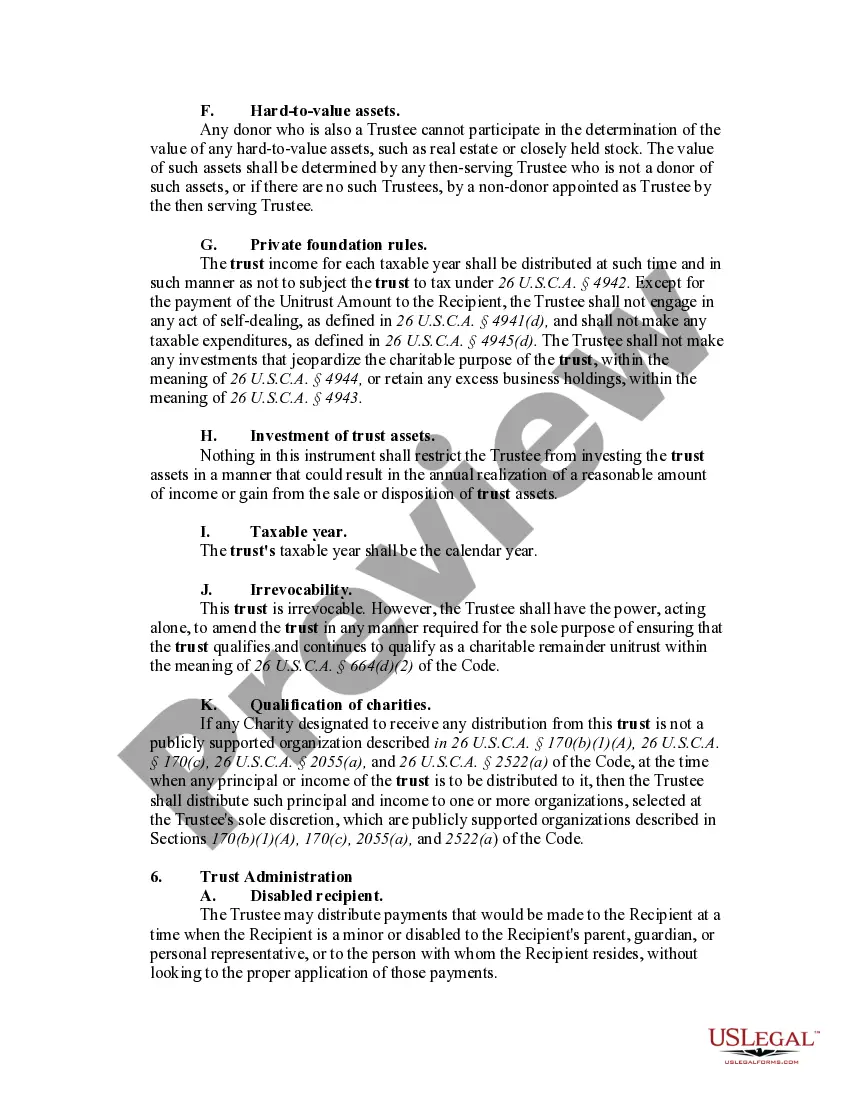
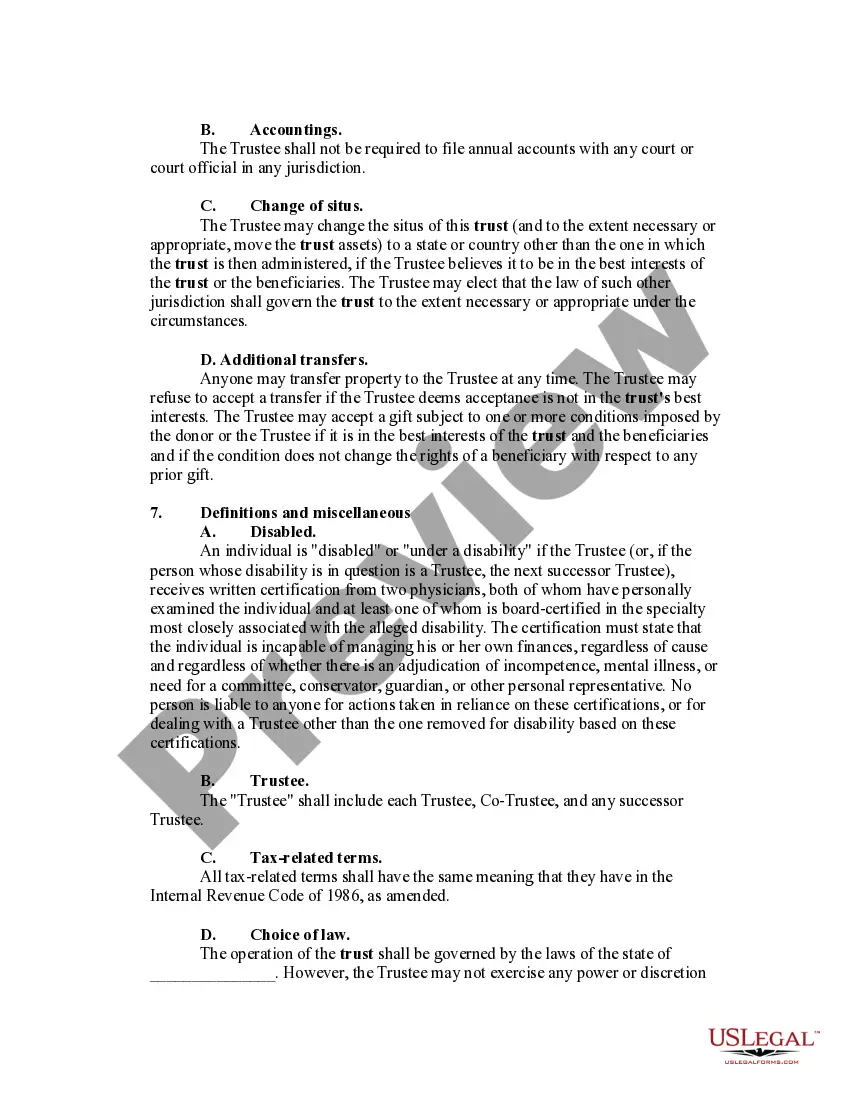
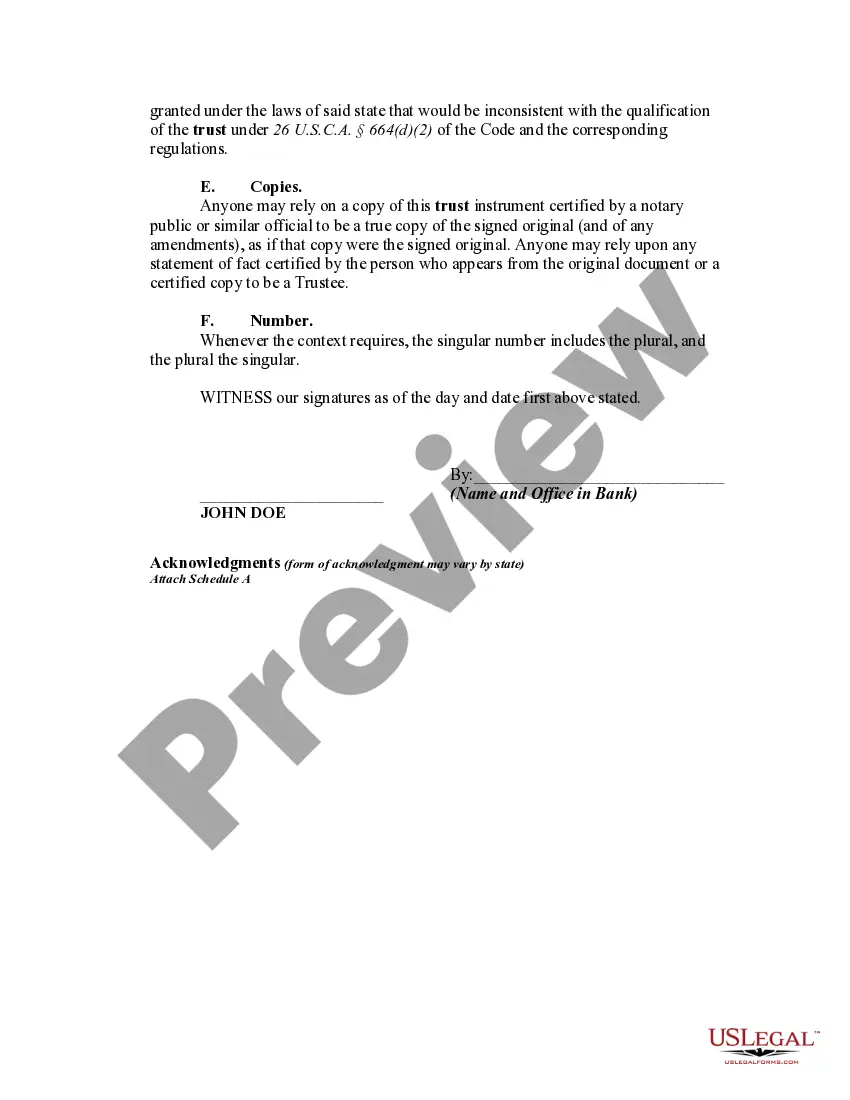
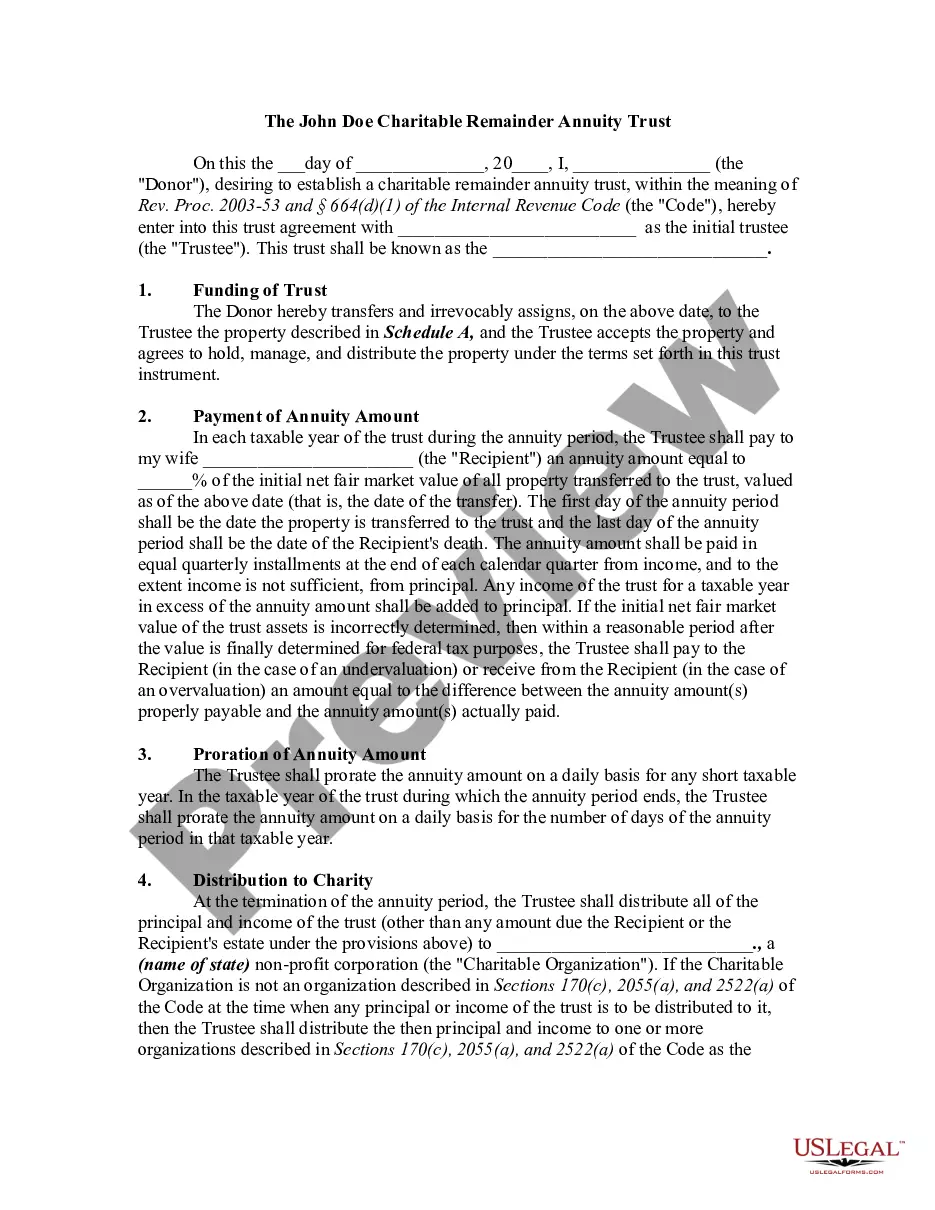
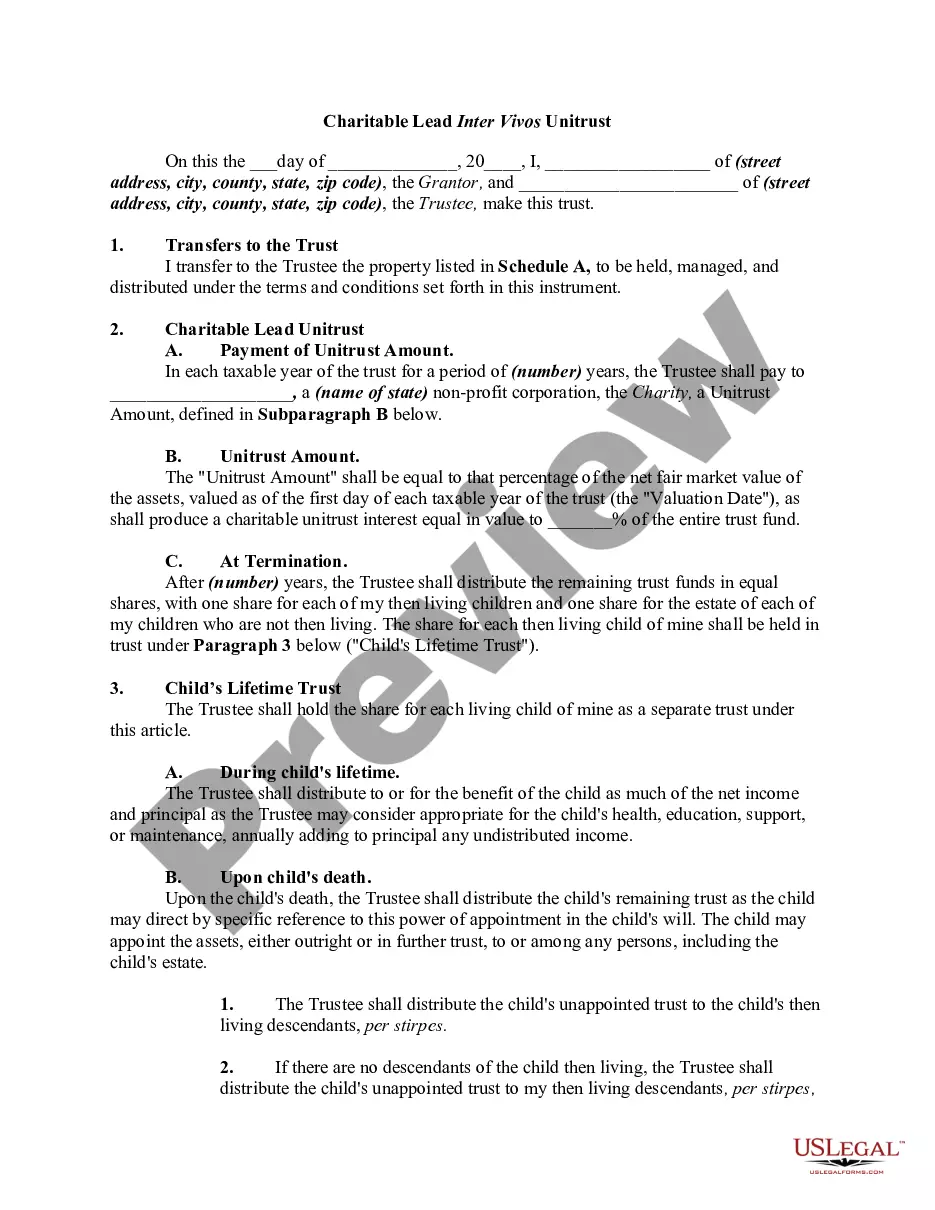
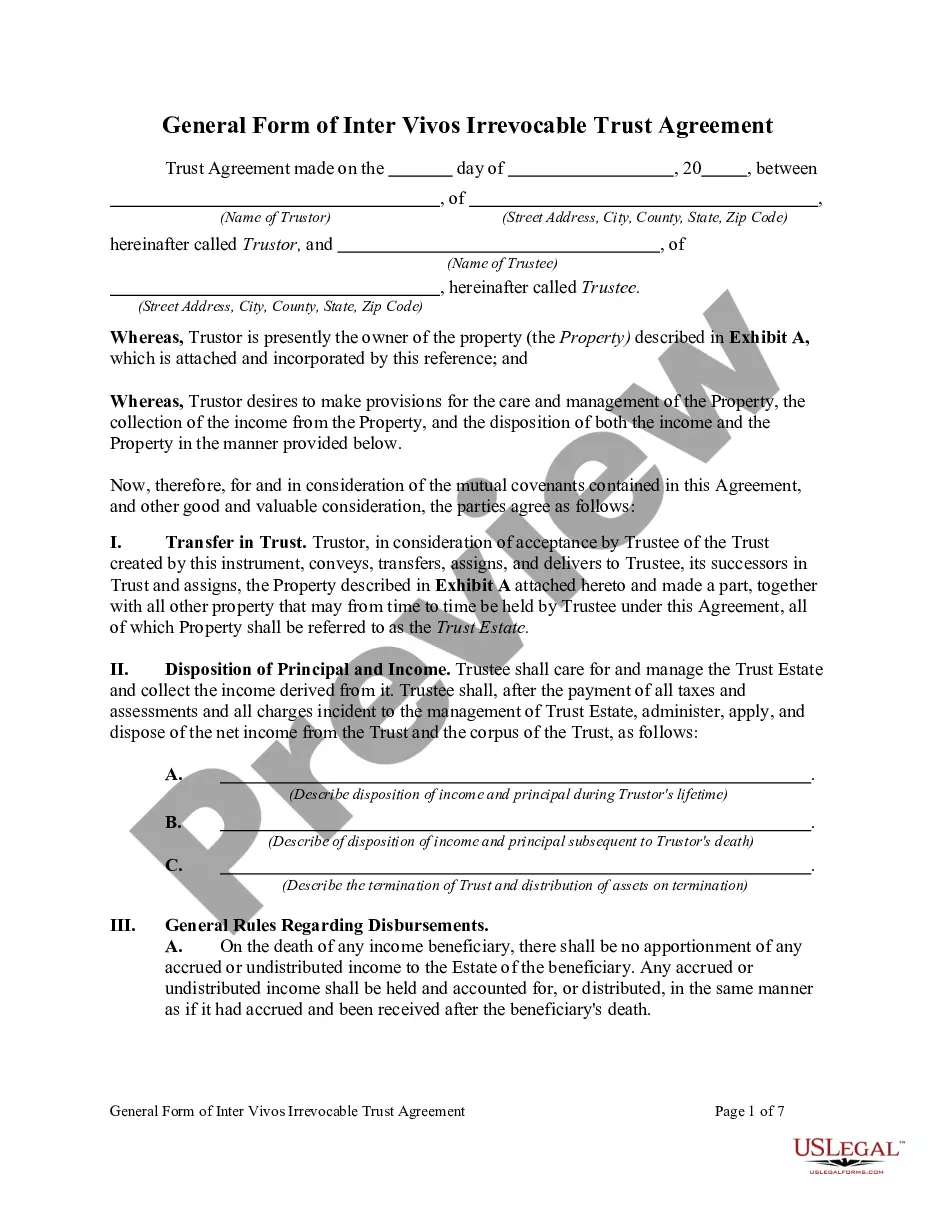
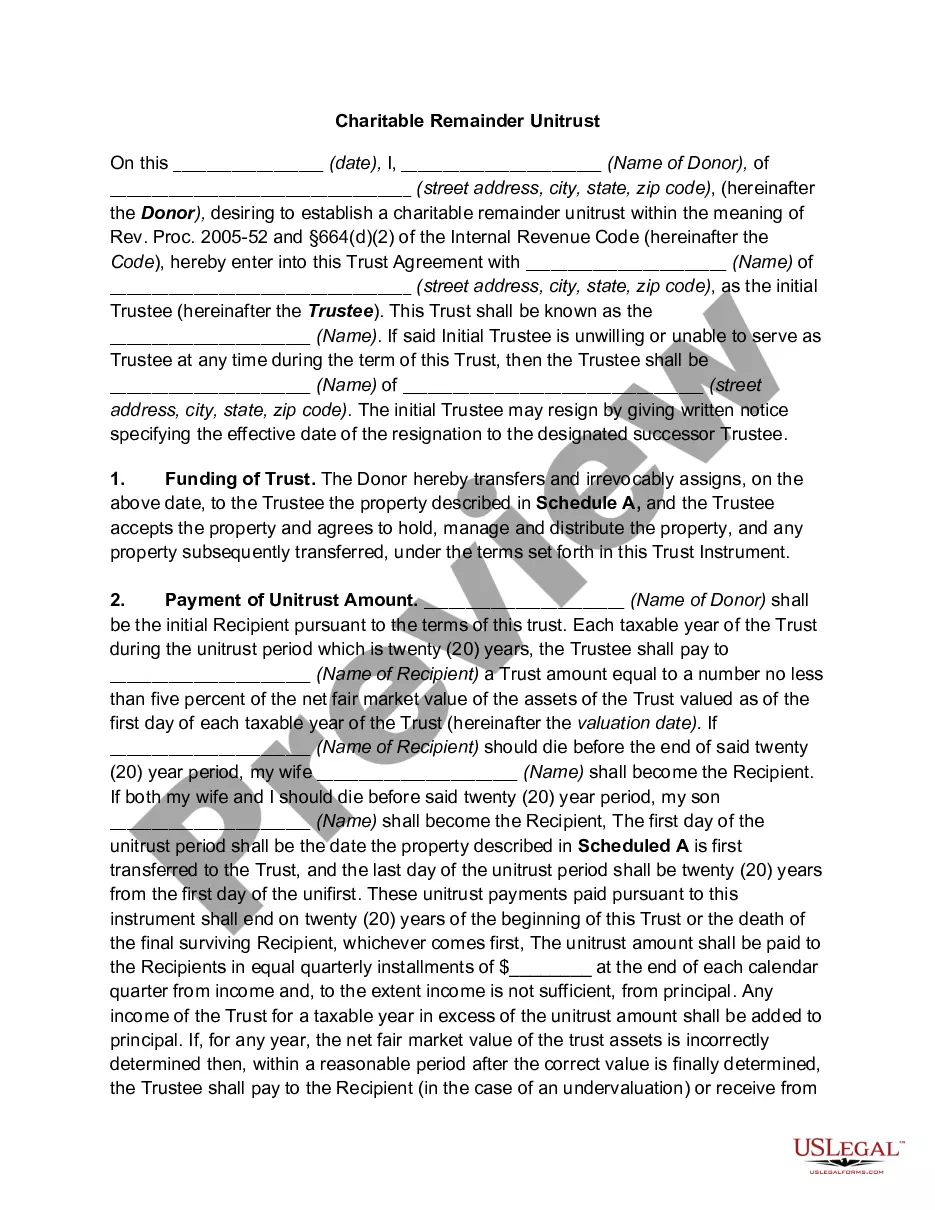
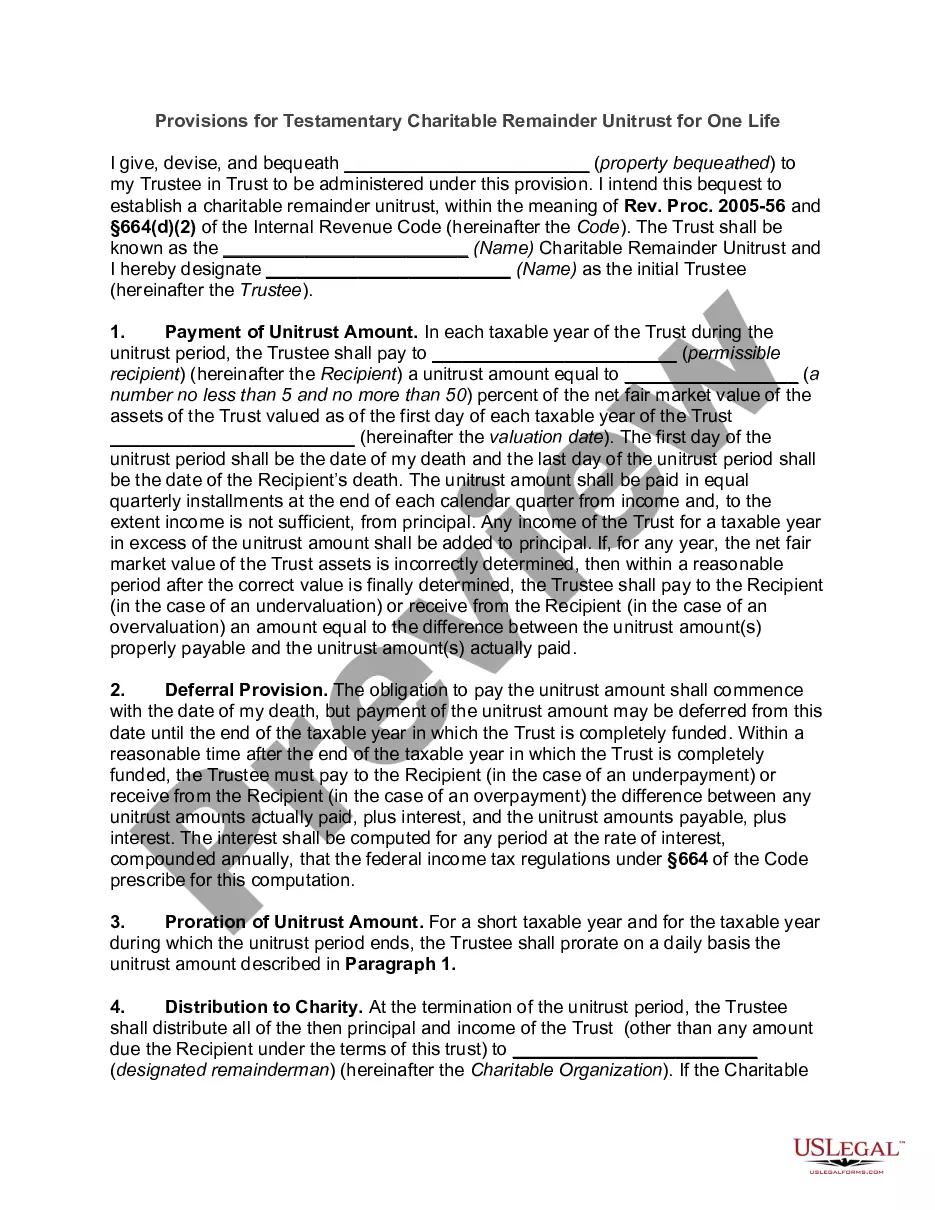
Get your form ready online
Our built-in tools help you complete, sign, share, and store your documents in one place.
Make edits, fill in missing information, and update formatting in US Legal Forms—just like you would in MS Word.
Download a copy, print it, send it by email, or mail it via USPS—whatever works best for your next step.
Sign and collect signatures with our SignNow integration. Send to multiple recipients, set reminders, and more. Go Premium to unlock E-Sign.
If this form requires notarization, complete it online through a secure video call—no need to meet a notary in person or wait for an appointment.
We protect your documents and personal data by following strict security and privacy standards.

Make edits, fill in missing information, and update formatting in US Legal Forms—just like you would in MS Word.

Download a copy, print it, send it by email, or mail it via USPS—whatever works best for your next step.

Sign and collect signatures with our SignNow integration. Send to multiple recipients, set reminders, and more. Go Premium to unlock E-Sign.

If this form requires notarization, complete it online through a secure video call—no need to meet a notary in person or wait for an appointment.

We protect your documents and personal data by following strict security and privacy standards.
Looking for another form?








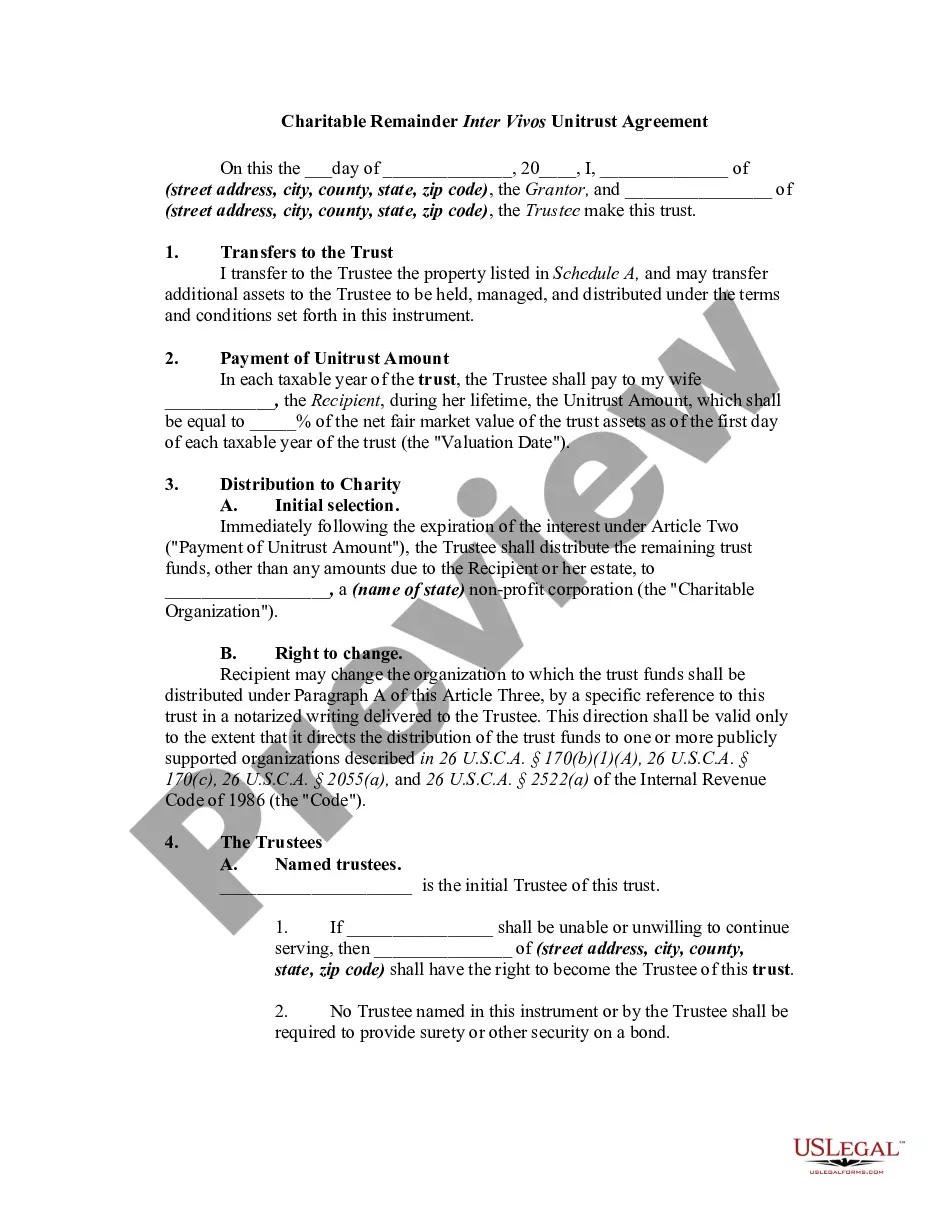
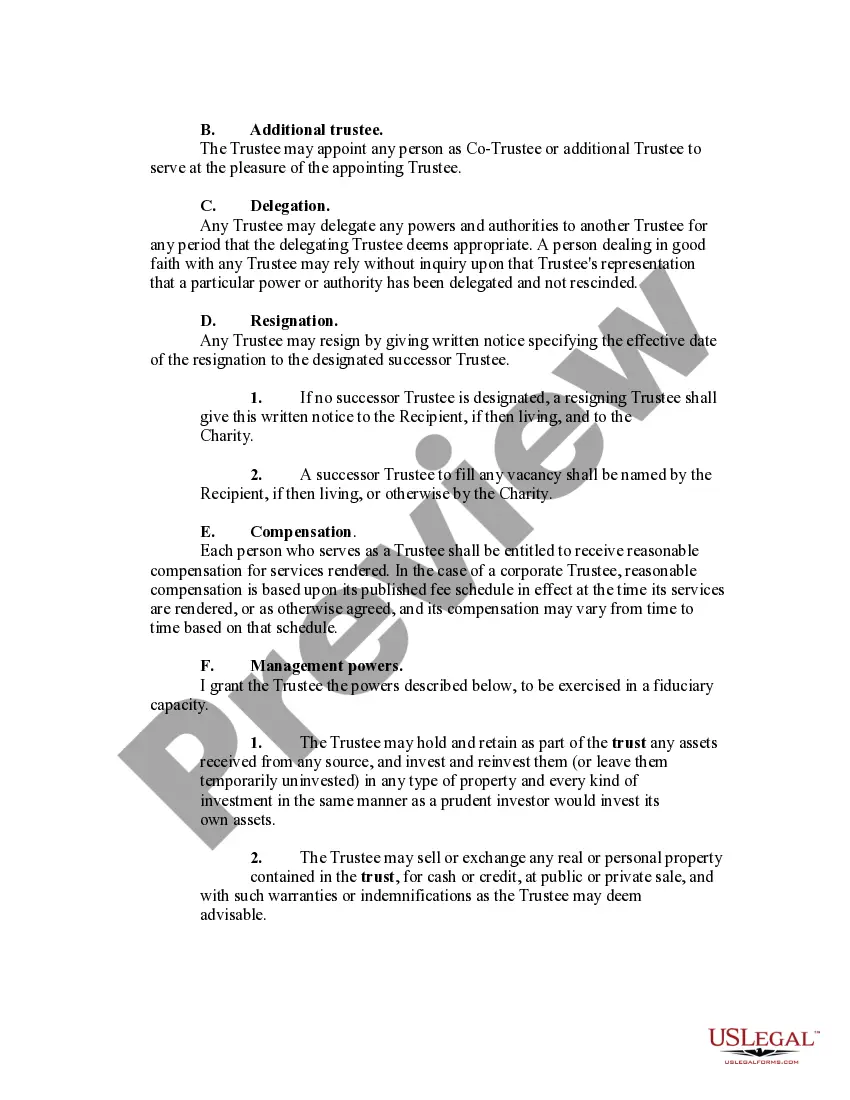
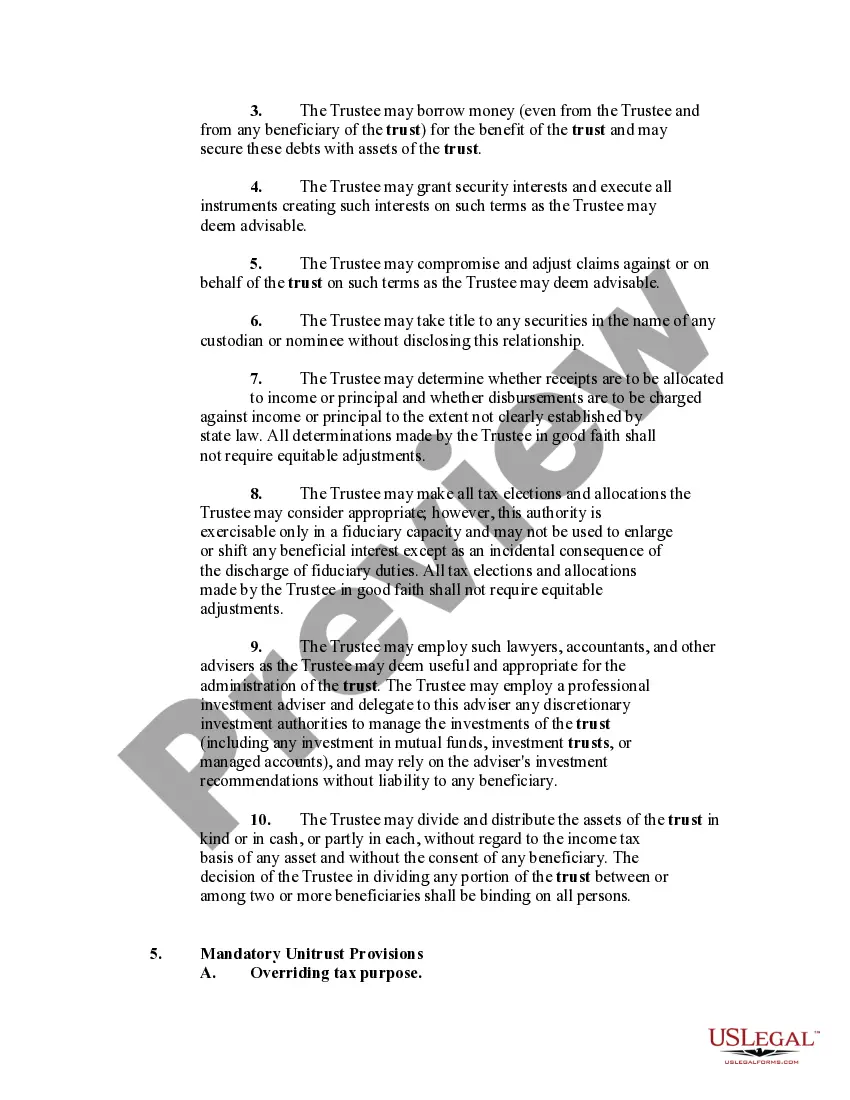
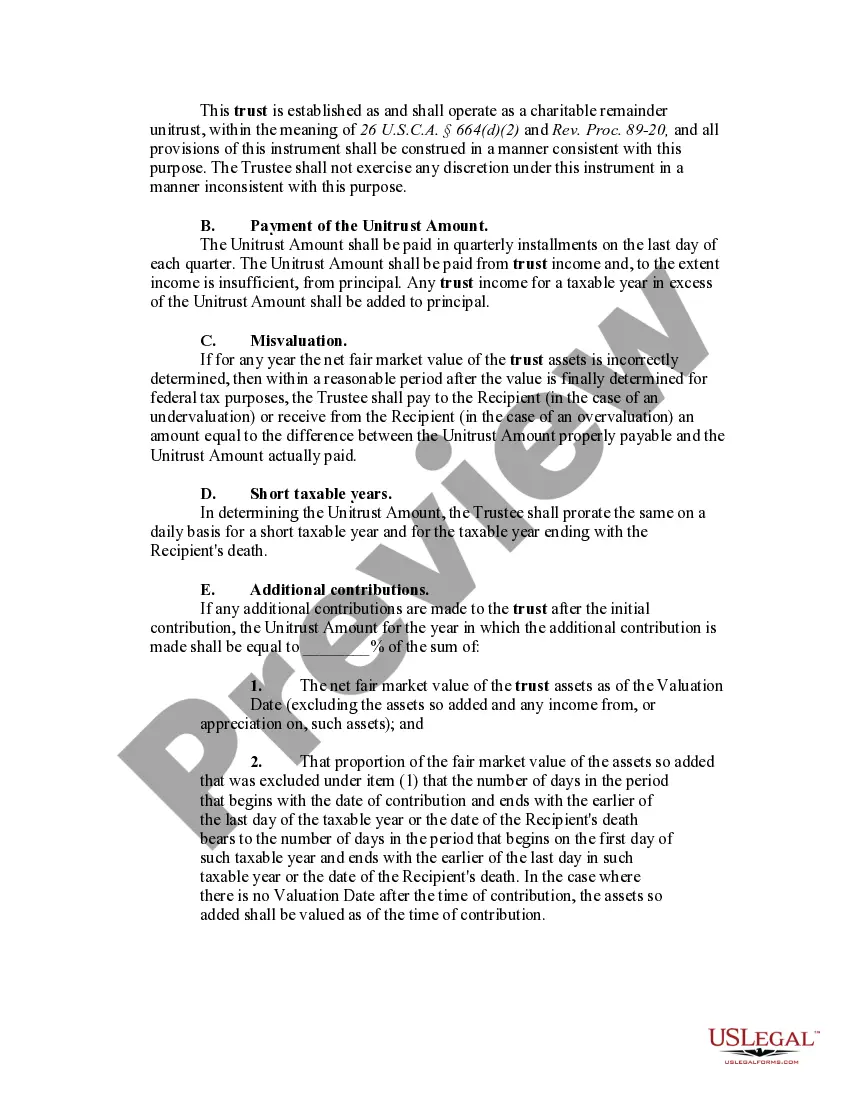
How to fill out Charitable Remainder Inter Vivos Unitrust Agreement?
Obtaining a reliable source for the latest and suitable legal templates is a significant part of navigating bureaucracy.
Selecting the correct legal paperwork requires accuracy and meticulousness, which is why it is crucial to obtain samples of Charitable Remainder Trust Calculator With Dividends solely from trustworthy providers, like US Legal Forms. An incorrect template will consume your time and delay your ongoing situation.
Eliminate the complications associated with your legal paperwork. Explore the vast assortment of US Legal Forms to discover legal templates, assess their relevance to your circumstances, and download them instantly.
- Utilize the catalog navigation or search bar to locate your sample.
- Review the form’s description to determine if it meets the standards of your state and locality.
- Examine the form preview, if available, to ensure it is the template you are seeking.
- If the Charitable Remainder Trust Calculator With Dividends does not meet your specifications, continue your search for the correct template.
- If you are confident in the form’s applicability, download it.
- If you are a registered user, click Log in to verify and access your selected templates in My documents.
- If you do not yet have an account, click Buy now to purchase the template.
- Select the pricing option that aligns with your requirements.
- Proceed to register to complete your purchase.
- Conclude your purchase by choosing a payment method (credit card or PayPal).
- Select the file format for downloading Charitable Remainder Trust Calculator With Dividends.
- Once the form is on your device, you can edit it using the editor or print it out and fill it in manually.
Form popularity
FAQ
The deduction is limited to the present value of the charitable organization's remainder interest. This is calculated as the value of the donated property minus the present value of the annuity.
Government regulations determine this amount, which is essentially calculated by subtracting the present value of the annuity from the fair market value of the property and/or cash placed in the trust. The balance is the amount that the grantor can deduct when the grantor contributes the property to the trust.
With respect to charitable remainder annuity trusts (CRATs), the IRS takes the position that the trust is disqualified for a charitable deduction if there is a greater than 5% probability that the income beneficiary will survive the exhaustion of principal [Rev. Rul. 77-374, 1977-2 C.B. 329; see also Ltr.
The present value of the remainder interest is determined by multiplying the fair market value of the property on the valuation date by the appropriate remainder factor.
Example of a CRAT For example, a CRAT with an initial value of $4,000,000 and a 5% payout would pay $200,000 annually to the income beneficiary regardless of whether the economic performance of the trust was good or poor.