Charitable Remainder Form Trust Buy With 40
Description
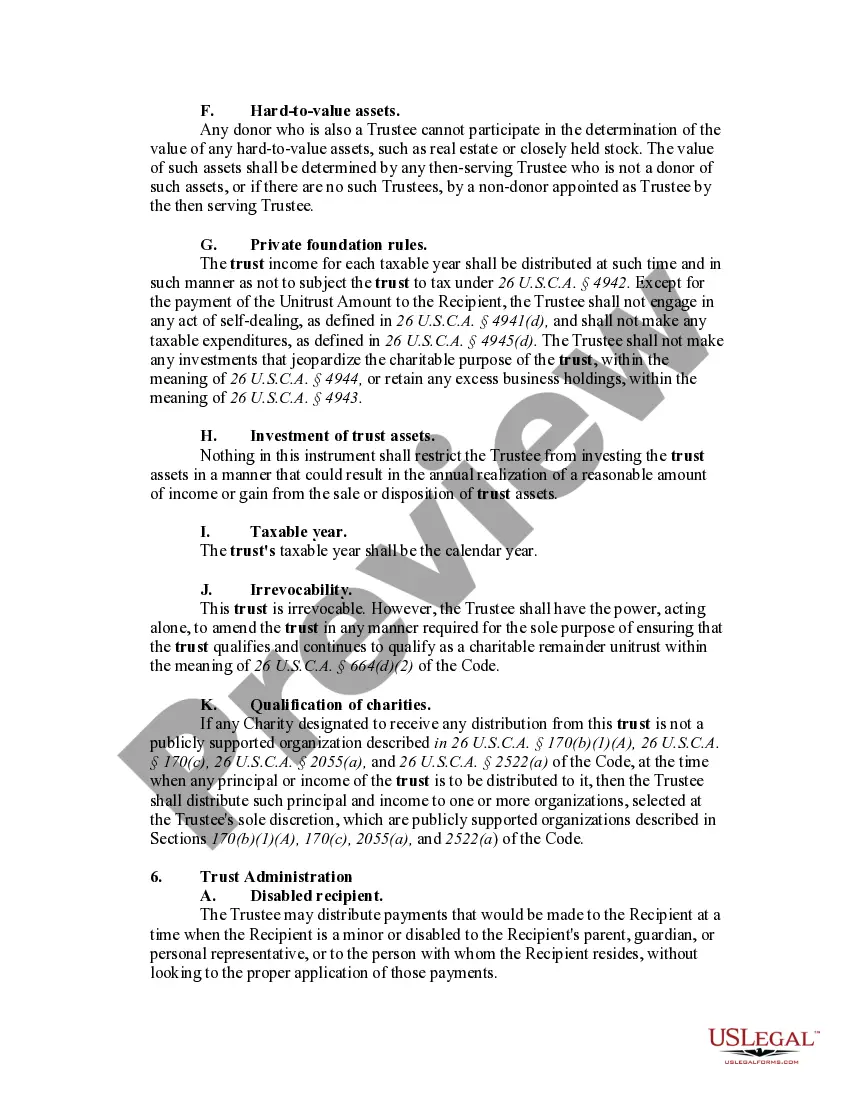
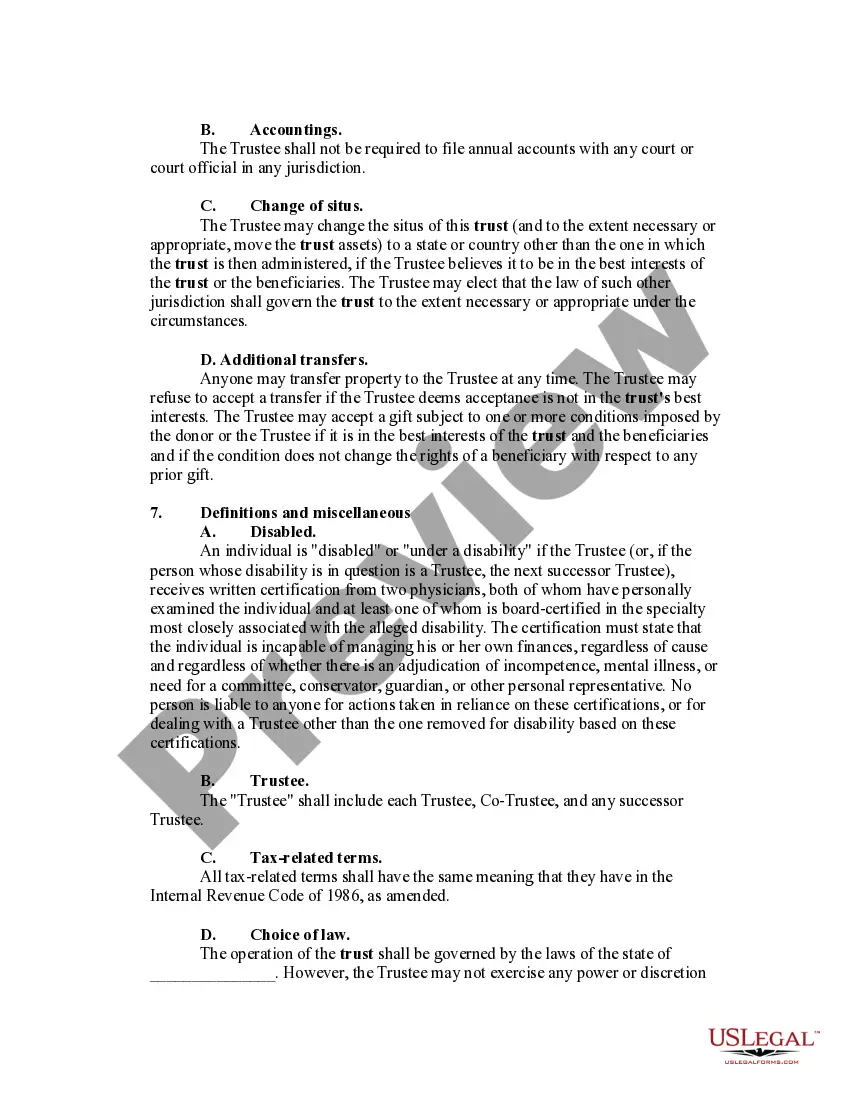
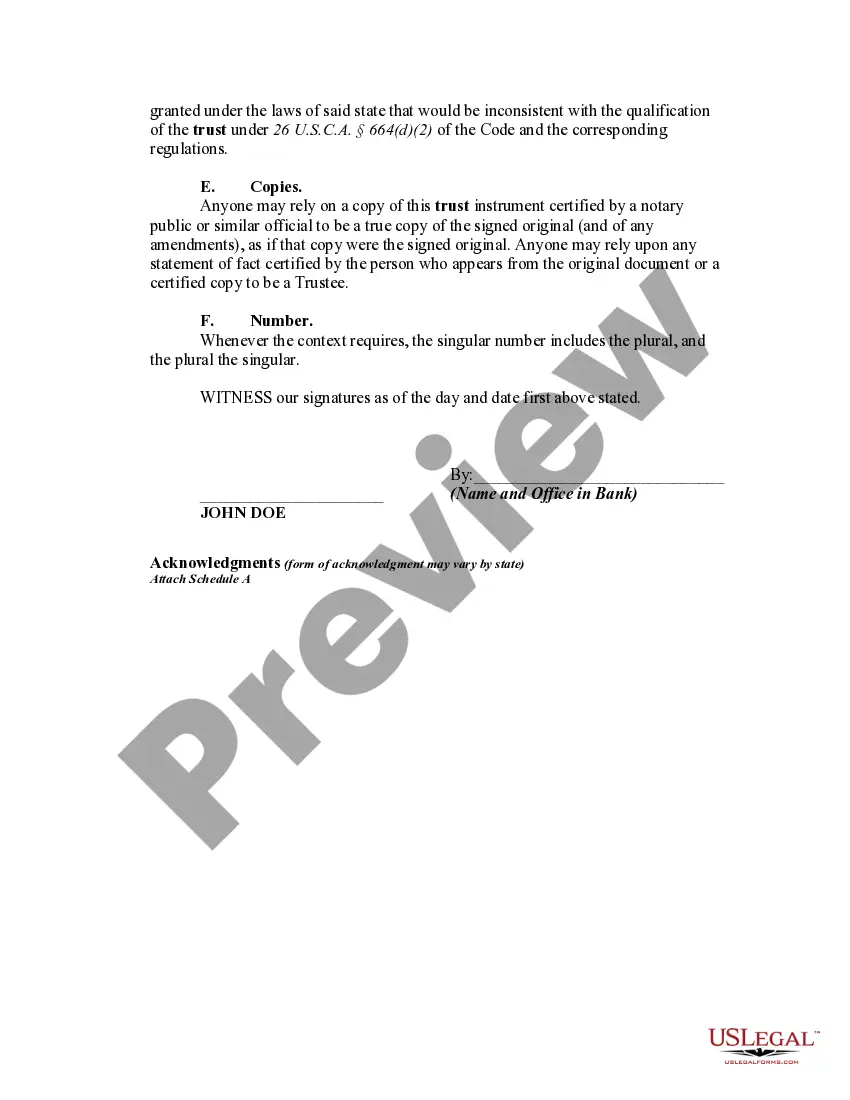
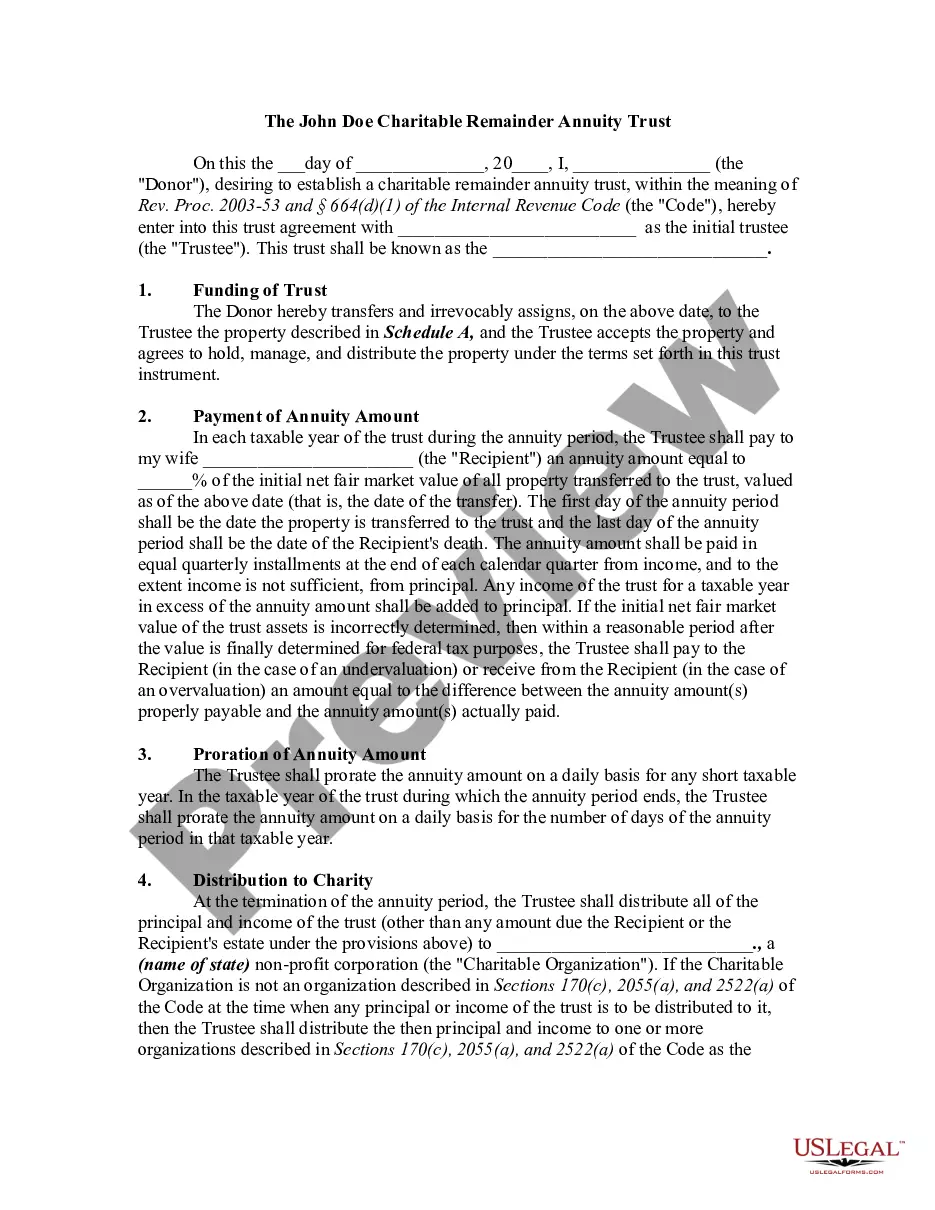
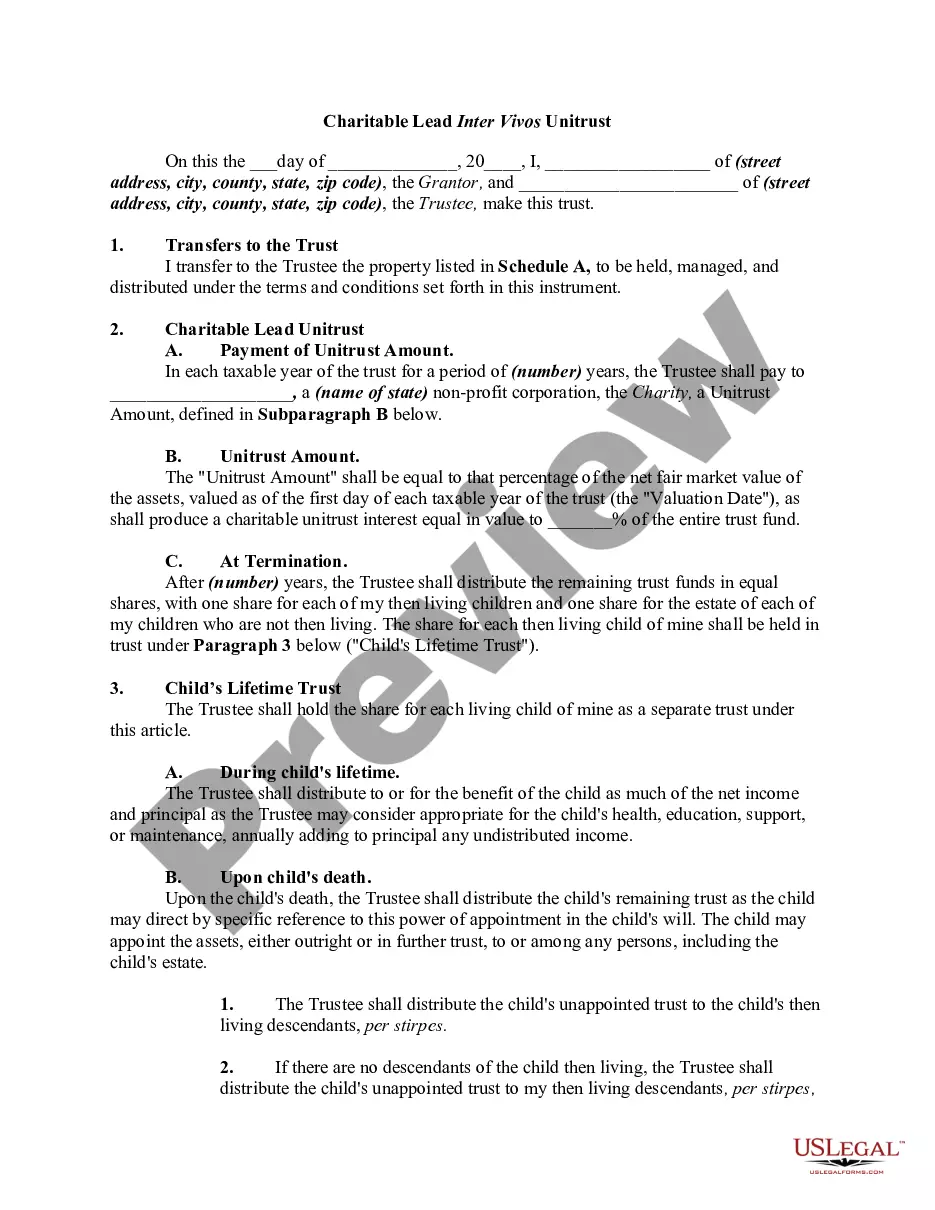
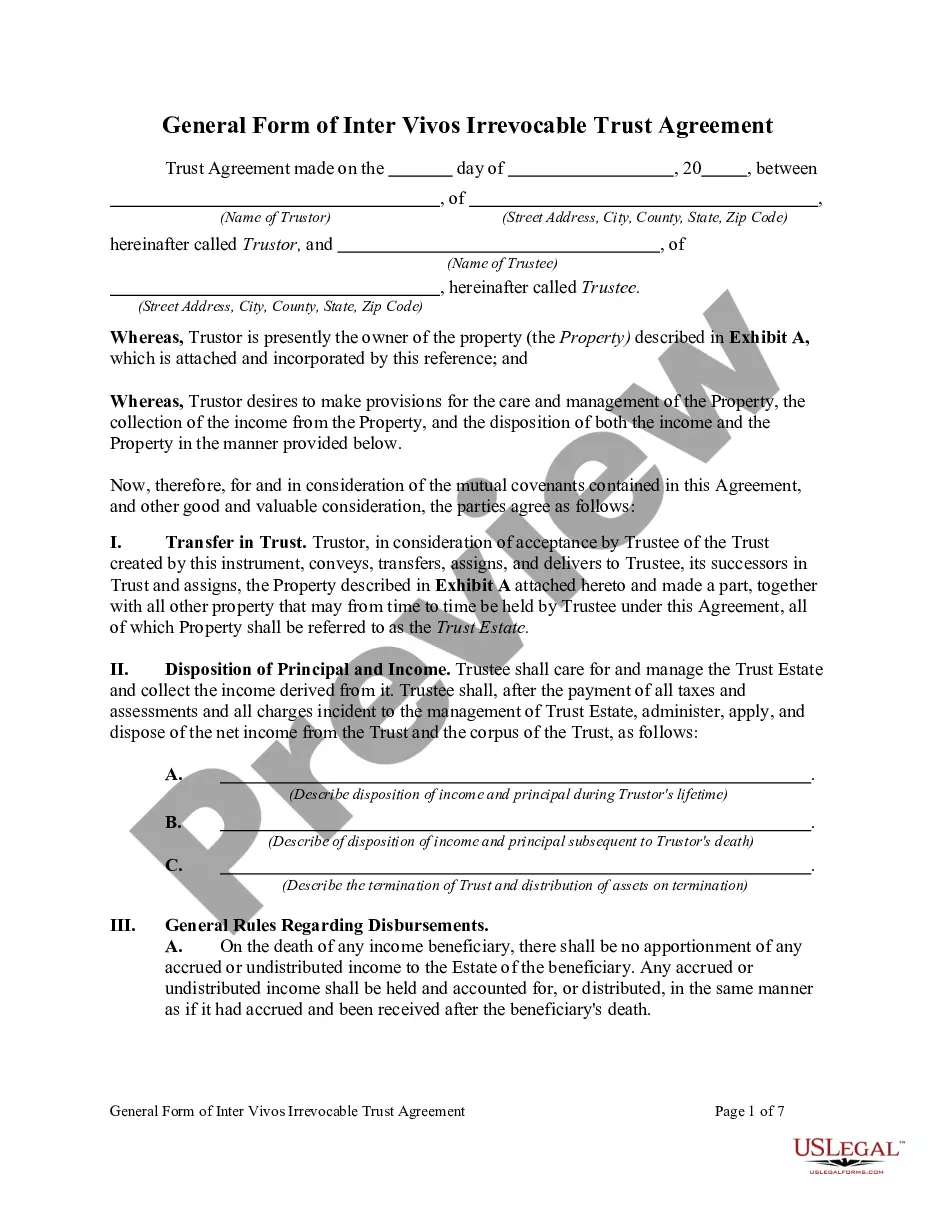
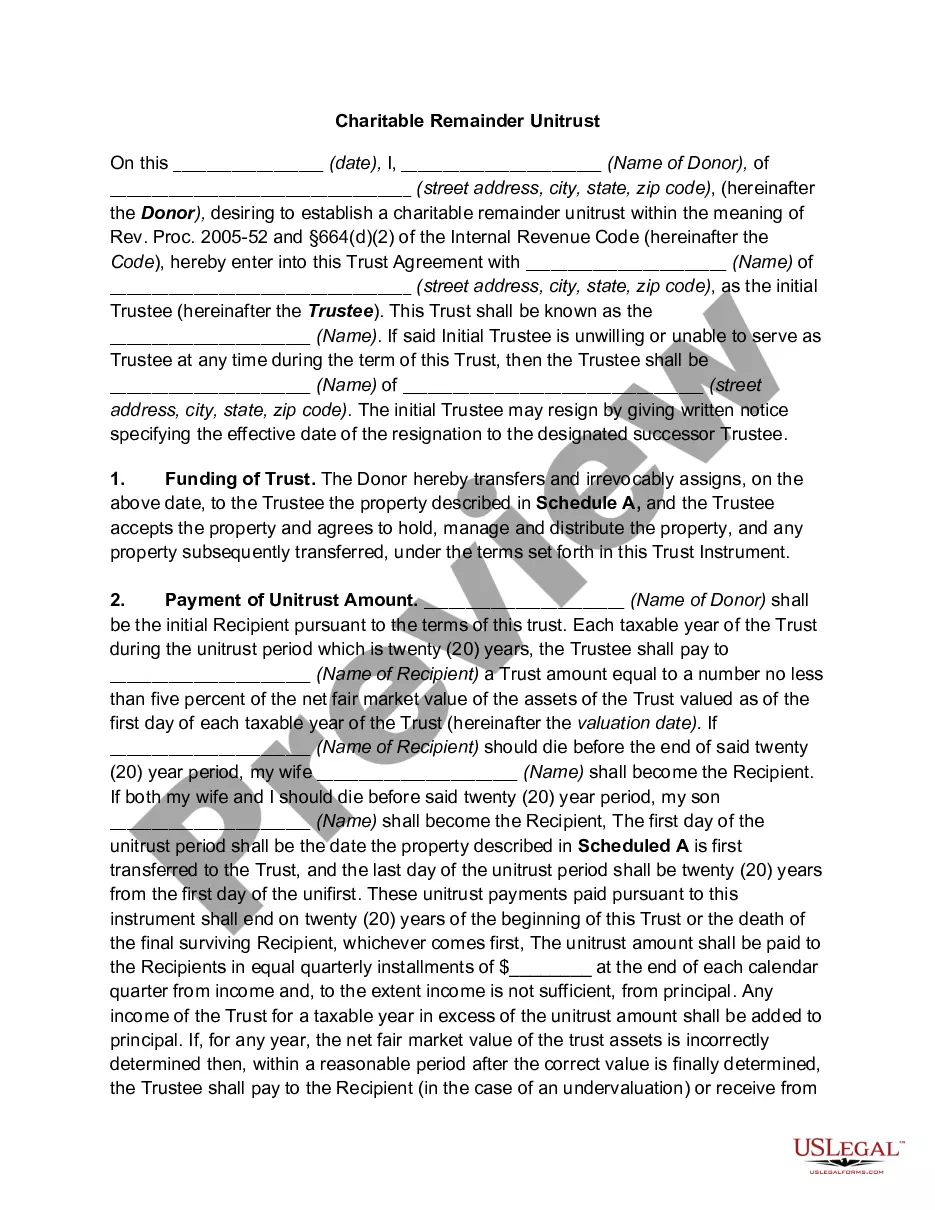
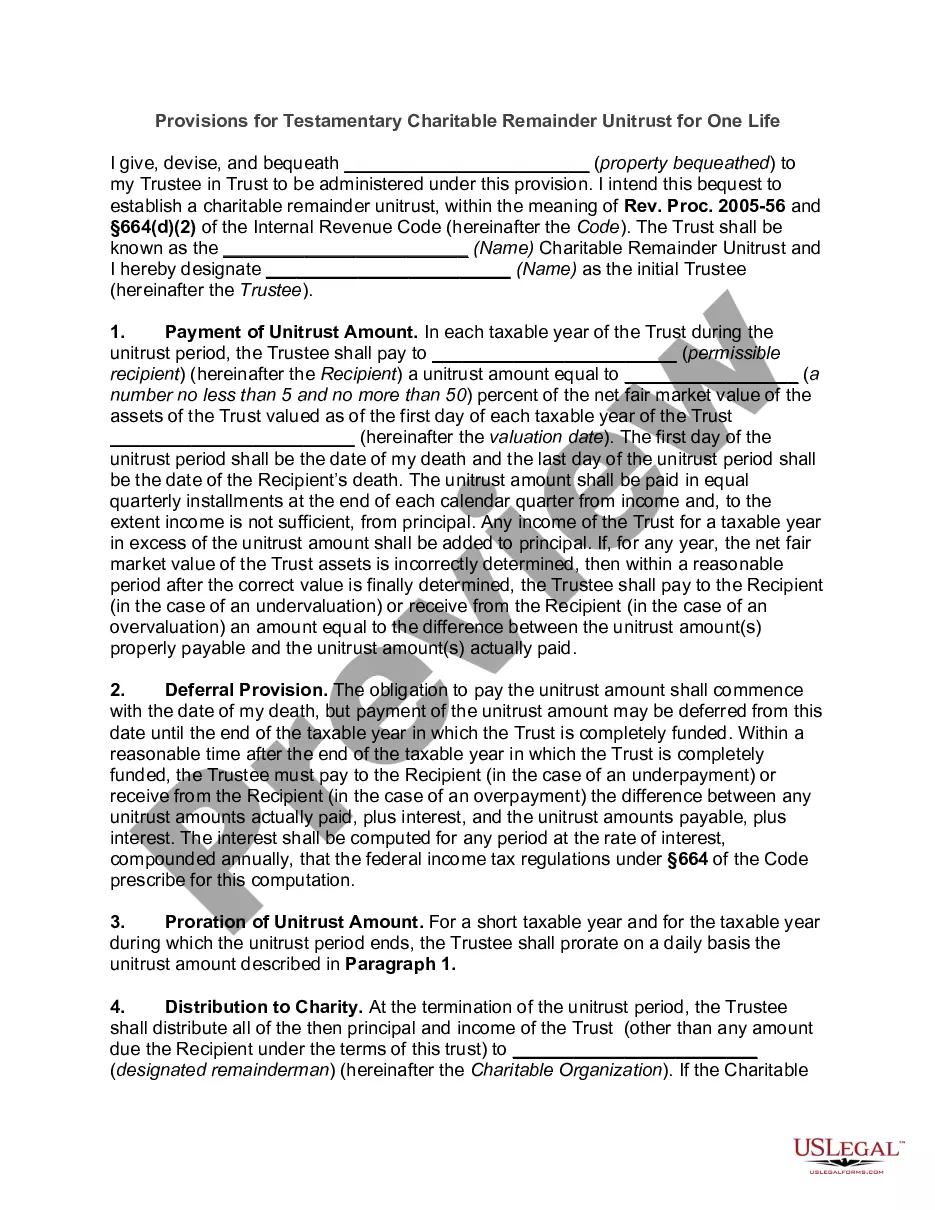
Get your form ready online
Our built-in tools help you complete, sign, share, and store your documents in one place.
Make edits, fill in missing information, and update formatting in US Legal Forms—just like you would in MS Word.
Download a copy, print it, send it by email, or mail it via USPS—whatever works best for your next step.
Sign and collect signatures with our SignNow integration. Send to multiple recipients, set reminders, and more. Go Premium to unlock E-Sign.
If this form requires notarization, complete it online through a secure video call—no need to meet a notary in person or wait for an appointment.
We protect your documents and personal data by following strict security and privacy standards.

Make edits, fill in missing information, and update formatting in US Legal Forms—just like you would in MS Word.

Download a copy, print it, send it by email, or mail it via USPS—whatever works best for your next step.

Sign and collect signatures with our SignNow integration. Send to multiple recipients, set reminders, and more. Go Premium to unlock E-Sign.

If this form requires notarization, complete it online through a secure video call—no need to meet a notary in person or wait for an appointment.

We protect your documents and personal data by following strict security and privacy standards.
Looking for another form?










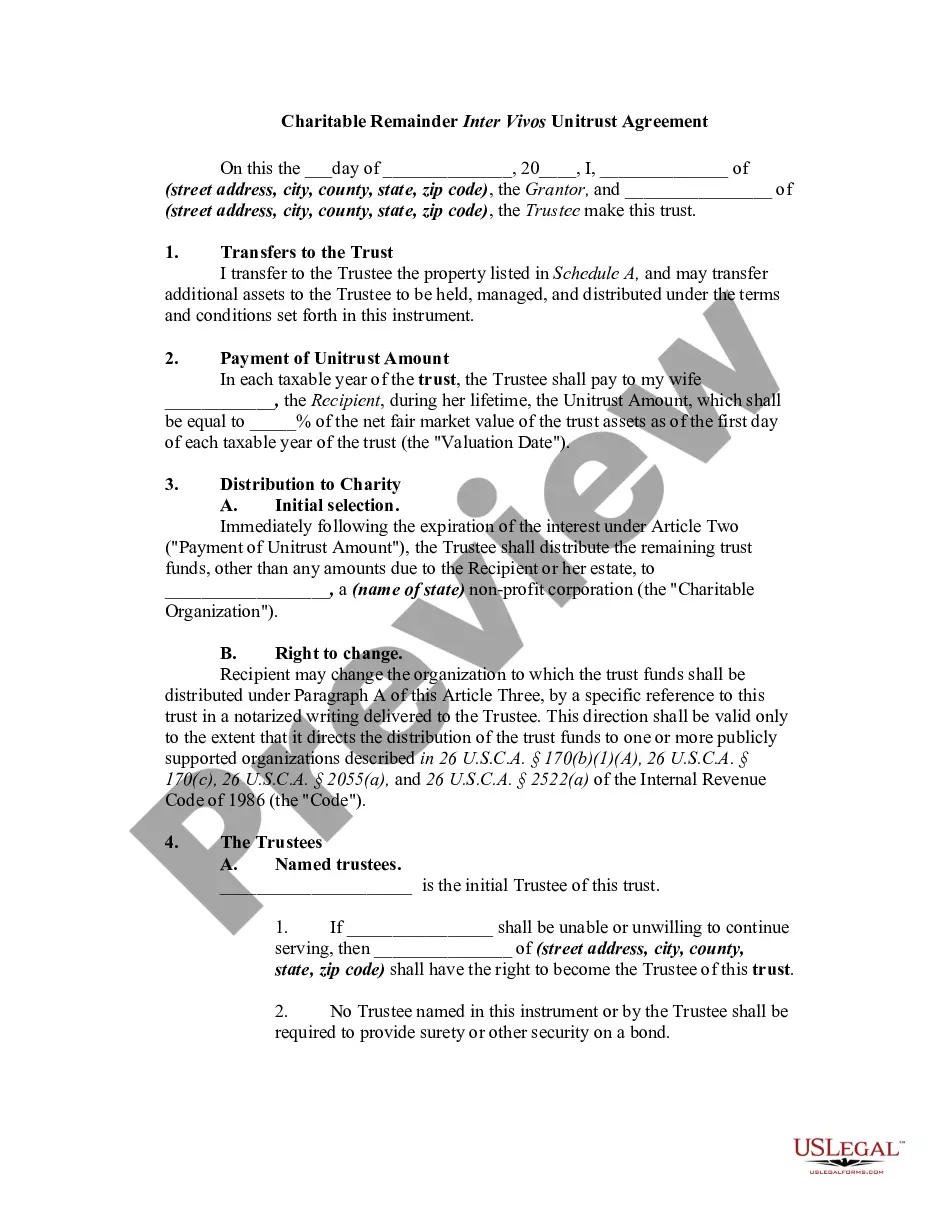
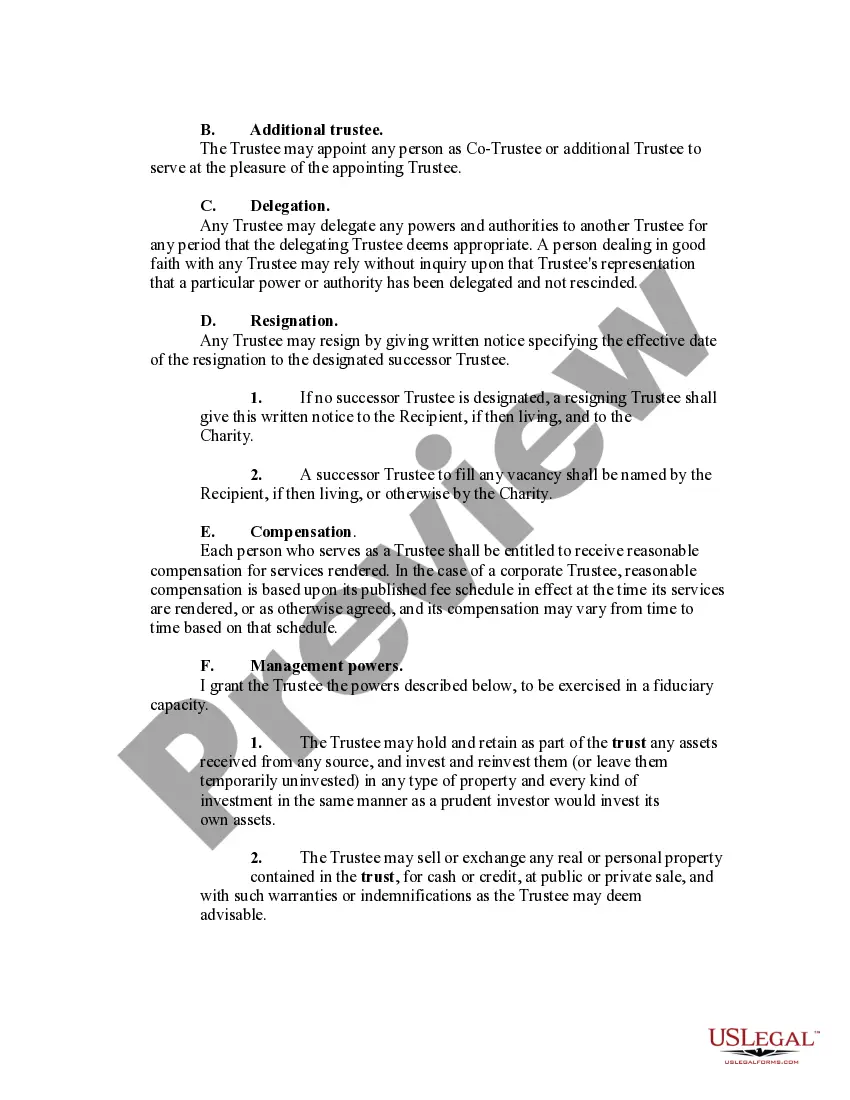
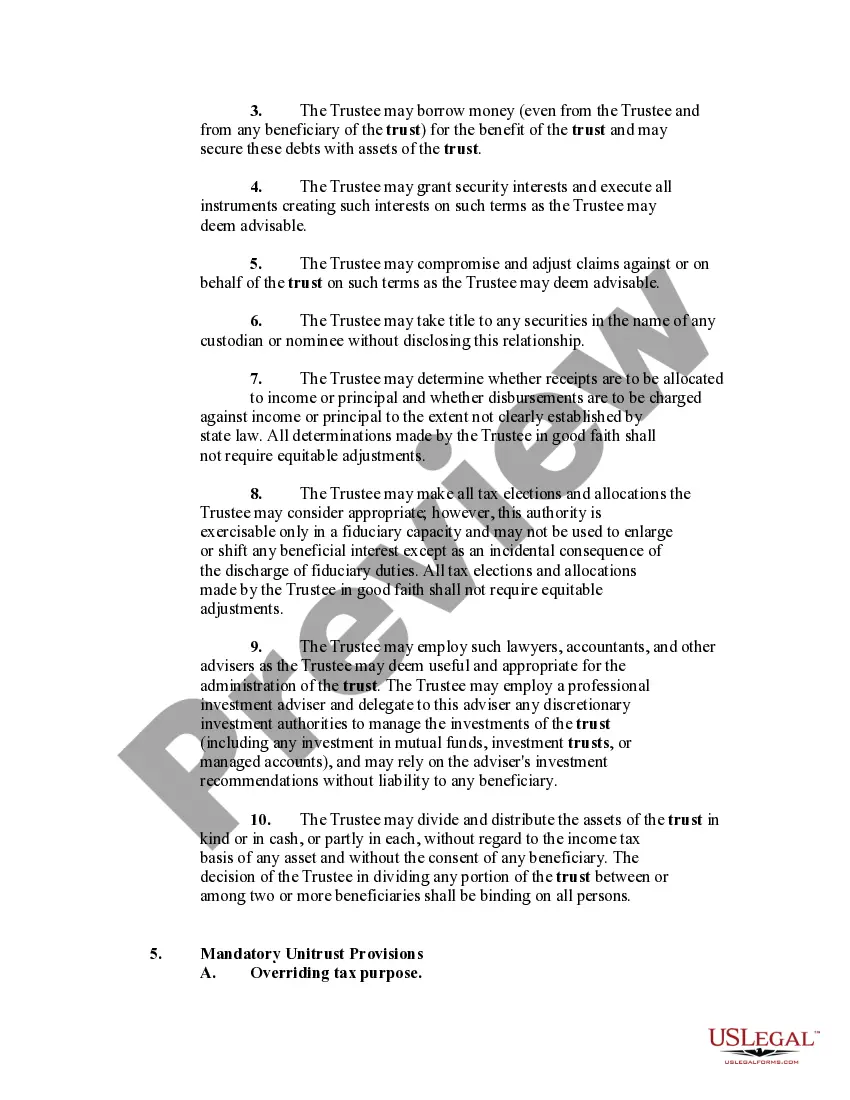
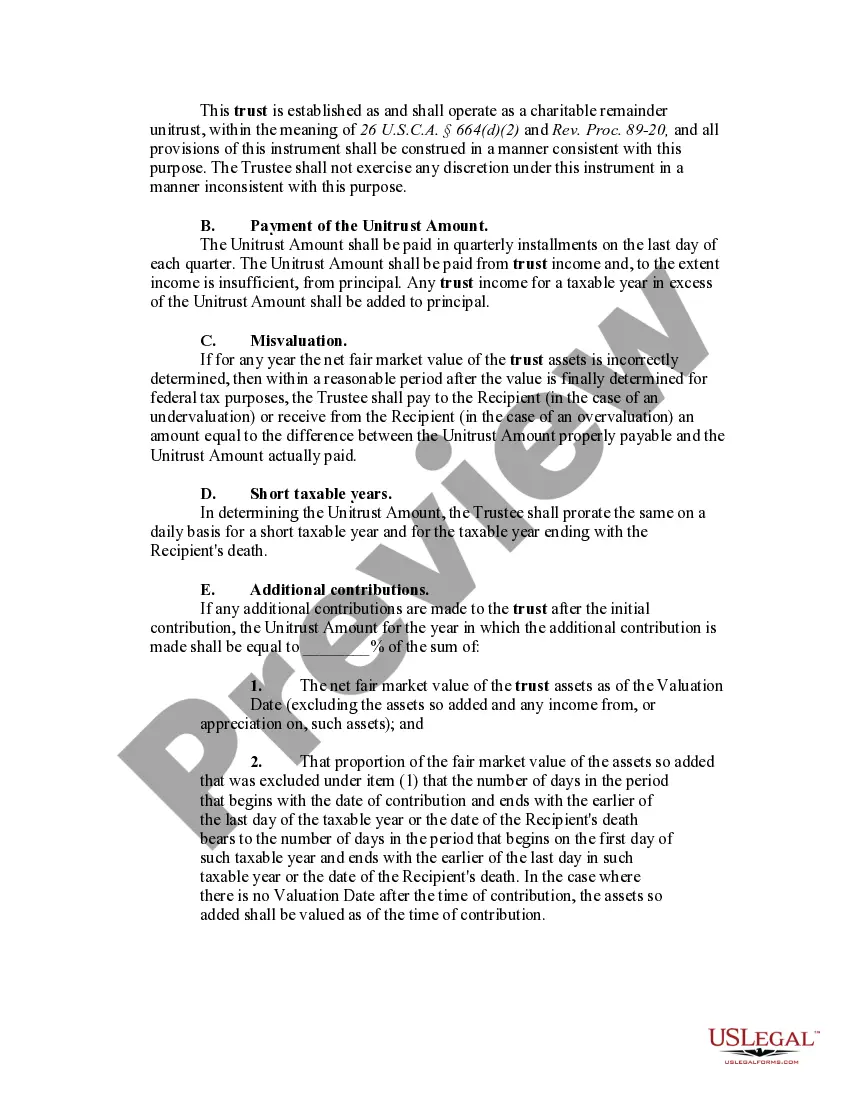
How to fill out Charitable Remainder Inter Vivos Unitrust Agreement?
- If you're a returning user, log in to your account and download the desired form template by clicking the Download button. Ensure your subscription is active; if not, renew it based on your payment plan.
- For first-time users, start by reviewing the form's Preview mode and description to confirm it meets your needs and complies with local legal requirements.
- If the form doesn't meet your expectations, utilize the Search tab above to find the appropriate template that suits your situation.
- Once you've found the right document, click the Buy Now button and select your preferred subscription plan. You'll need to create an account to access the extensive library.
- Complete your purchase by entering your credit card details or logging into your PayPal account.
- Finally, download your form and save it to your device. You can also access it anytime through the My Forms section of your profile.
With US Legal Forms, you benefit from a vast library of over 85,000 editable legal forms and packages, making document preparation faster and easier.
Experience the ease of legal document preparation today! Visit US Legal Forms now and take the first step towards securing your Charitable Remainder Trust.
Form popularity
FAQ
An example of a charitable remainder trust is when an individual donates property to a trust while retaining the right to receive income from that property during their lifetime. After their passing, the trust assets go to a designated charity. This method not only secures a steady income but also provides tax benefits. Utilizing a charitable remainder form trust buy with 40 can streamline this process, allowing for an effective and structured giving strategy.
Income distributions from a charitable remainder trust can vary based on the type of trust and the agreements put in place. Typically, beneficiaries receive a fixed percentage of the trust’s assets or the trust's income each year. By choosing a charitable remainder form trust buy with 40, you can ensure clear guidelines on how much income beneficiaries will receive, which helps in effective planning.
The 5% rule for a charitable remainder trust ensures that income beneficiaries receive a minimum annual payout of at least 5% of the trust's asset value during the trust's duration. This rule helps to maintain a balance between providing income to beneficiaries and fulfilling the charitable goals set for the trust. When planning your charitable remainder form trust buy with 40, keeping this percentage in mind can help optimize your financial planning.
Minimum distributions from a charitable trust follow similar guidelines to those of charitable remainder trusts. These distributions must meet legal requirements based on the specific trust’s structure and terms. If you’re keying into charitable remainder form trust buy with 40, it's important to consult legal guidance, as every trust can have unique terms that affect distributions.
The minimum distribution for a charitable remainder trust typically equals the greater of the mandated percentage distribution or the trust's income for the year. Generally, the percentage must be at least 5% of the trust's initial value. By selecting a charitable remainder form trust buy with 40, you can ensure your distributions align with these minimum requirements while maximizing benefits.
To calculate the charitable remainder trust deduction, you'll need to determine the present value of the charitable interest and the present value of the income interest. The IRS provides specific tables and formulas for this calculation. Utilizing the charitable remainder form trust buy with 40 can simplify this process, as they often include tools to help you evaluate these values accurately.
The 5% rule for charitable remainder trusts, or CRTs, refers to the requirement that the income beneficiaries receive at least 5% of the trust's assets at the time of the trust's funding. This rule ensures that the distribution amounts remain substantial over the trust's lifespan. When you consider a charitable remainder form trust buy with 40, it is essential to understand this rule for effective planning and compliance.
Typically, a gift tax return is not needed for contributions to a charitable remainder trust unless specific conditions arise. If the contributions exceed the gift tax exclusion limit, then you will need to file a return. It’s wise to stay informed about the rules surrounding your charitable remainder form trust buy with 40 to avoid any tax surprises. This can often be clarified with professional legal assistance or using resources like US Legal Forms.
In many cases, a gift tax return is not required for a charitable remainder trust. The transfer of assets to the trust often does not trigger gift tax if structured correctly. However, for higher value gifts or contributions, consulting experts on your charitable remainder form trust buy with 40 is essential to prevent any compliance issues. Ensure your trust’s setup aligns with IRS regulations.
Yes, a trust may need to file a gift tax return under certain conditions. If the trust makes a transfer that exceeds the annual exclusion limit, filing is necessary. Understanding these requirements is crucial for managing your charitable remainder form trust buy with 40 effectively. Consulting with a legal expert can help clarify your obligations.