Executive Planning
Description
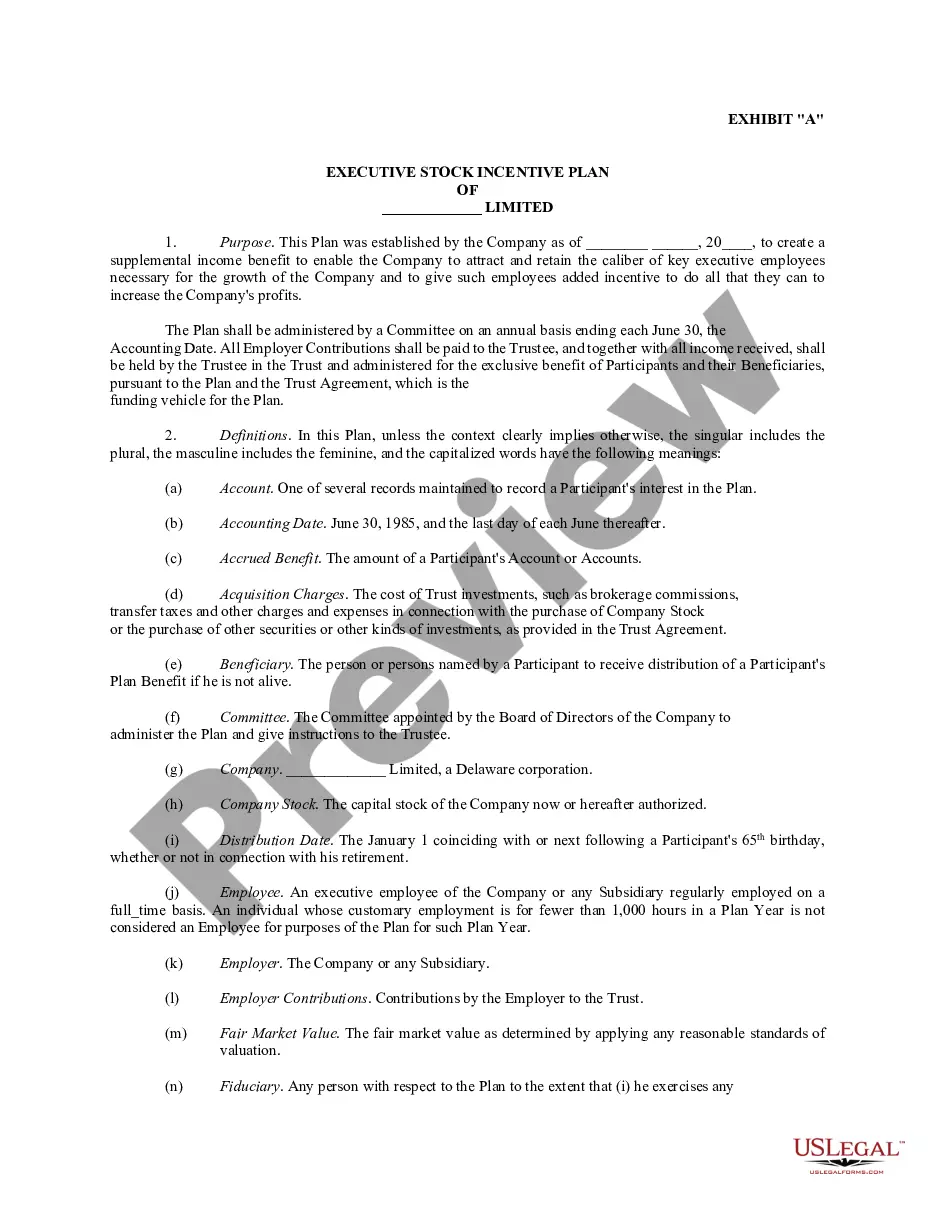
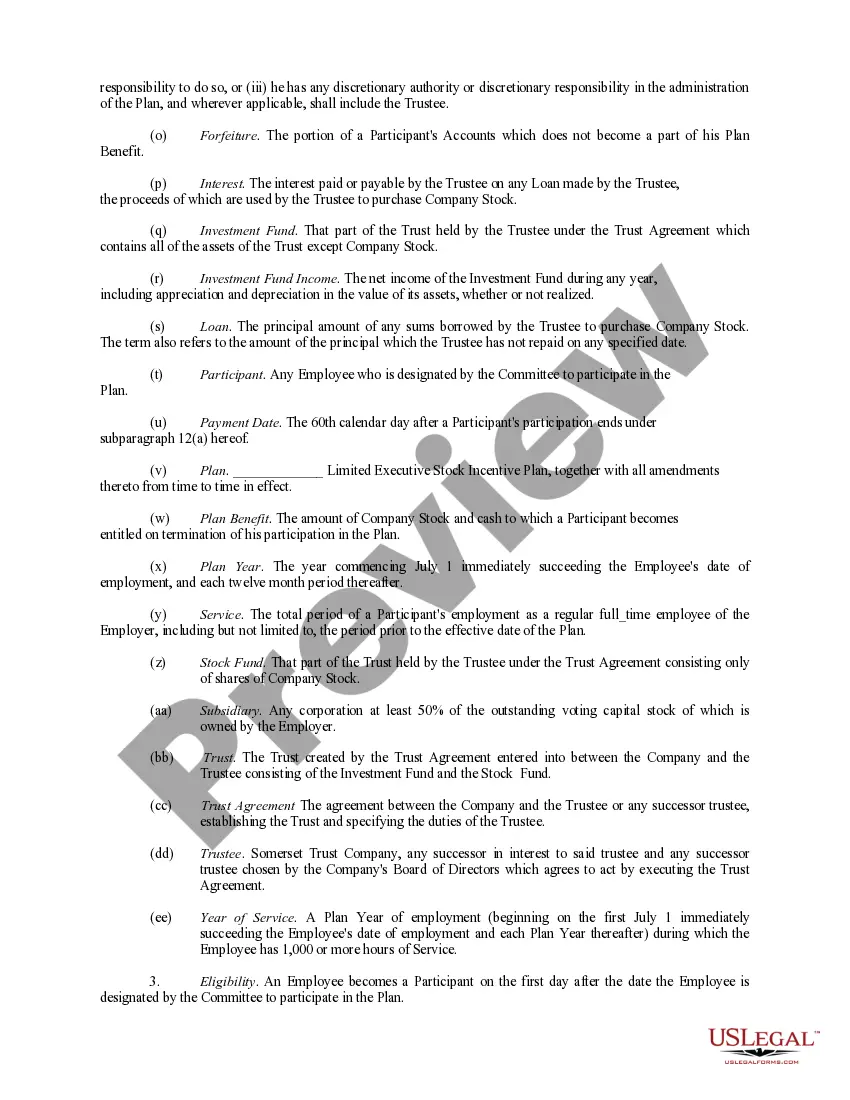
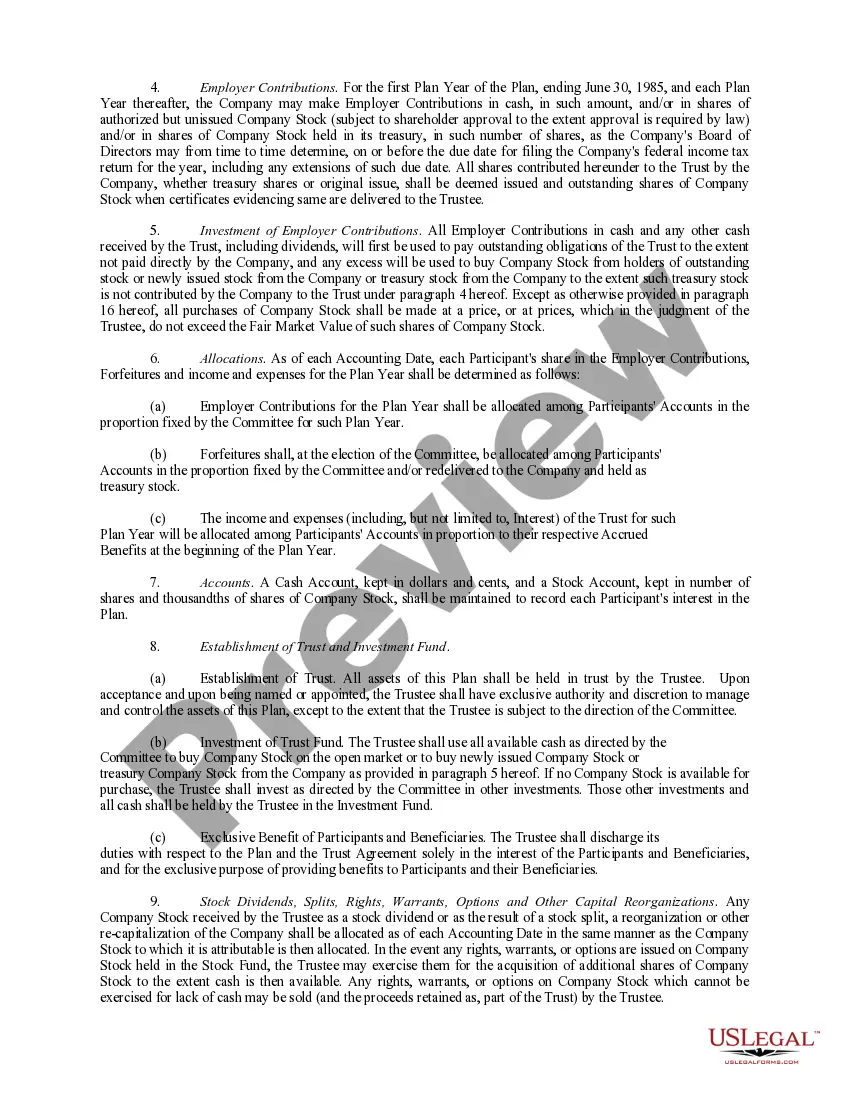
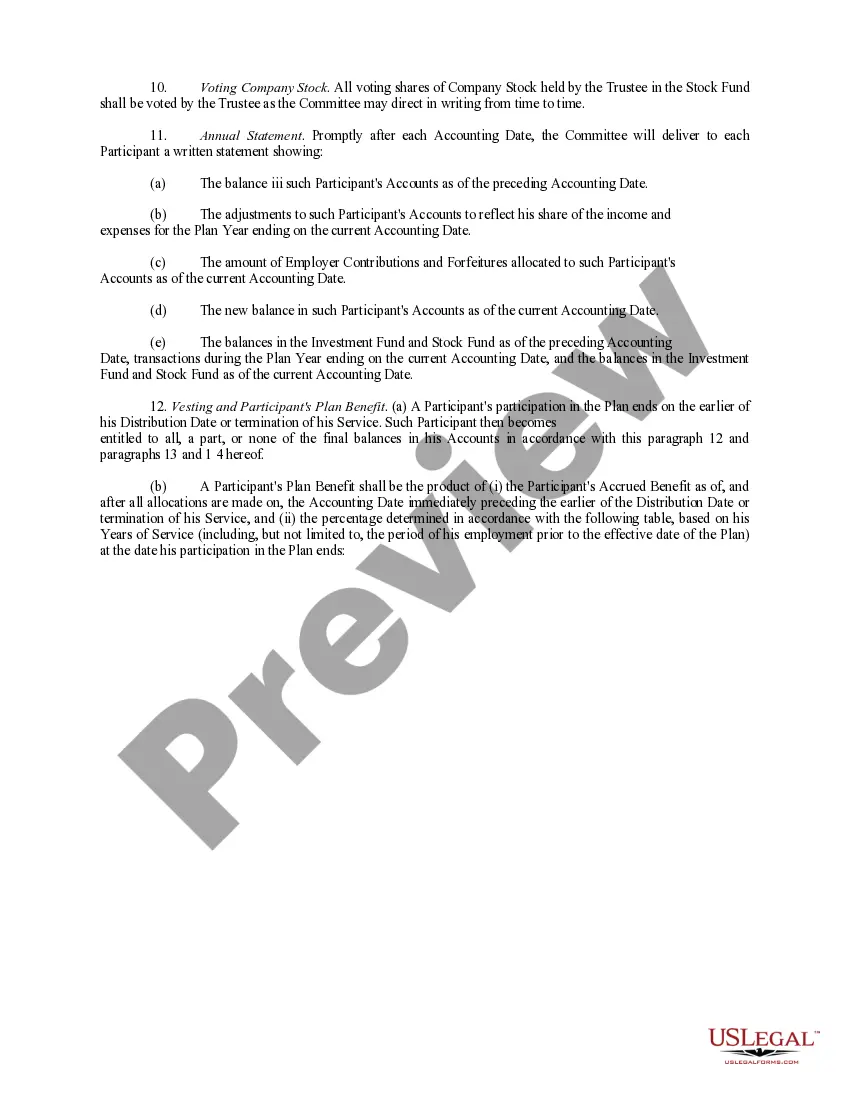
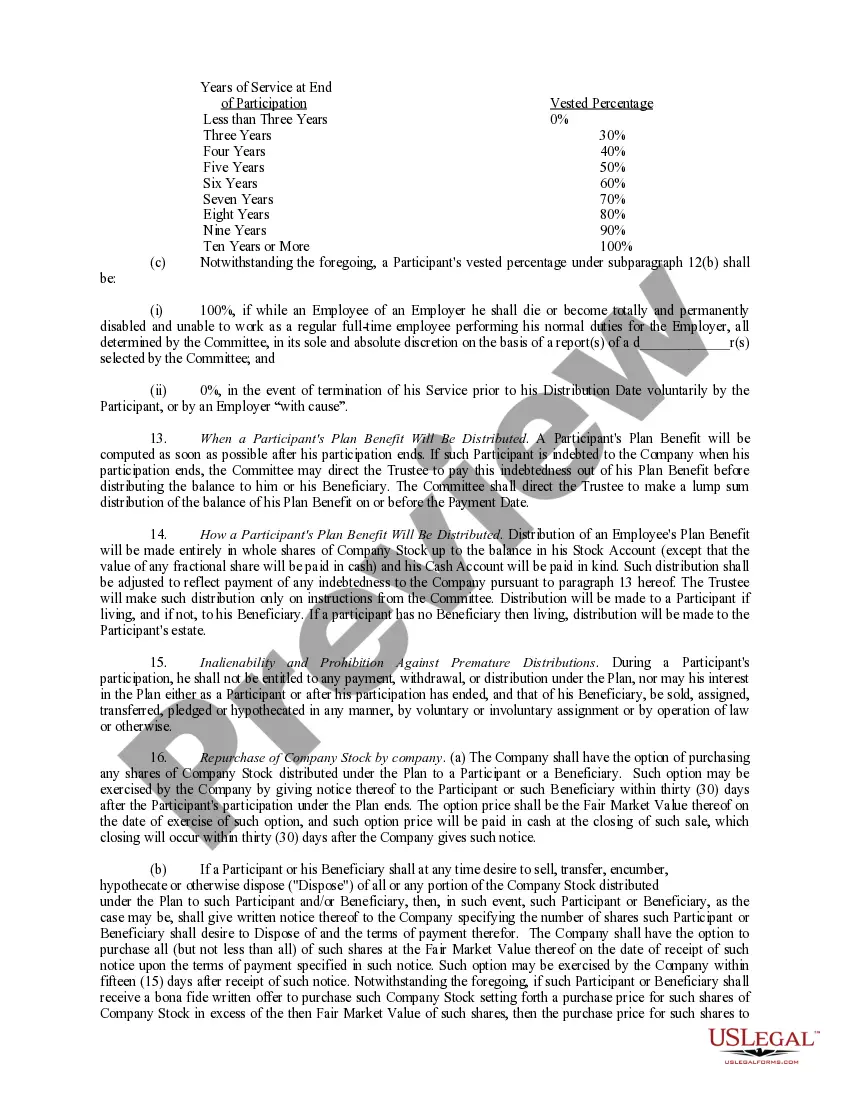
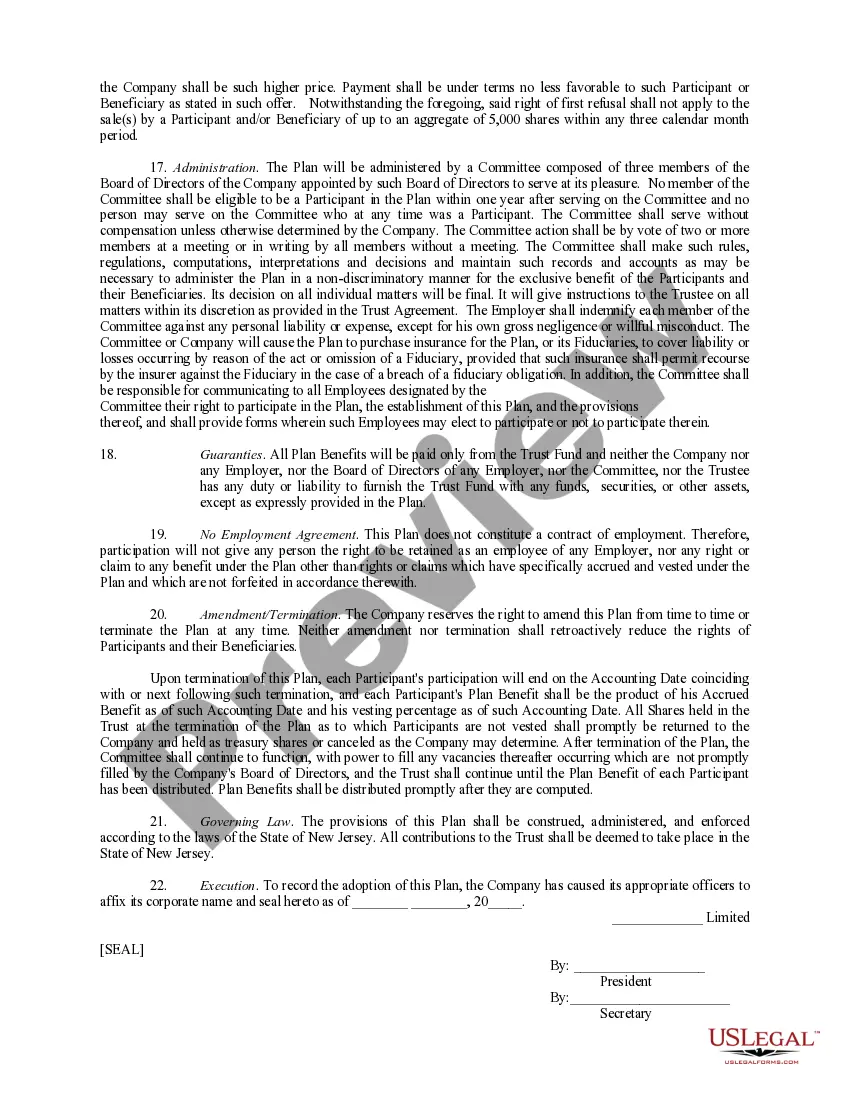
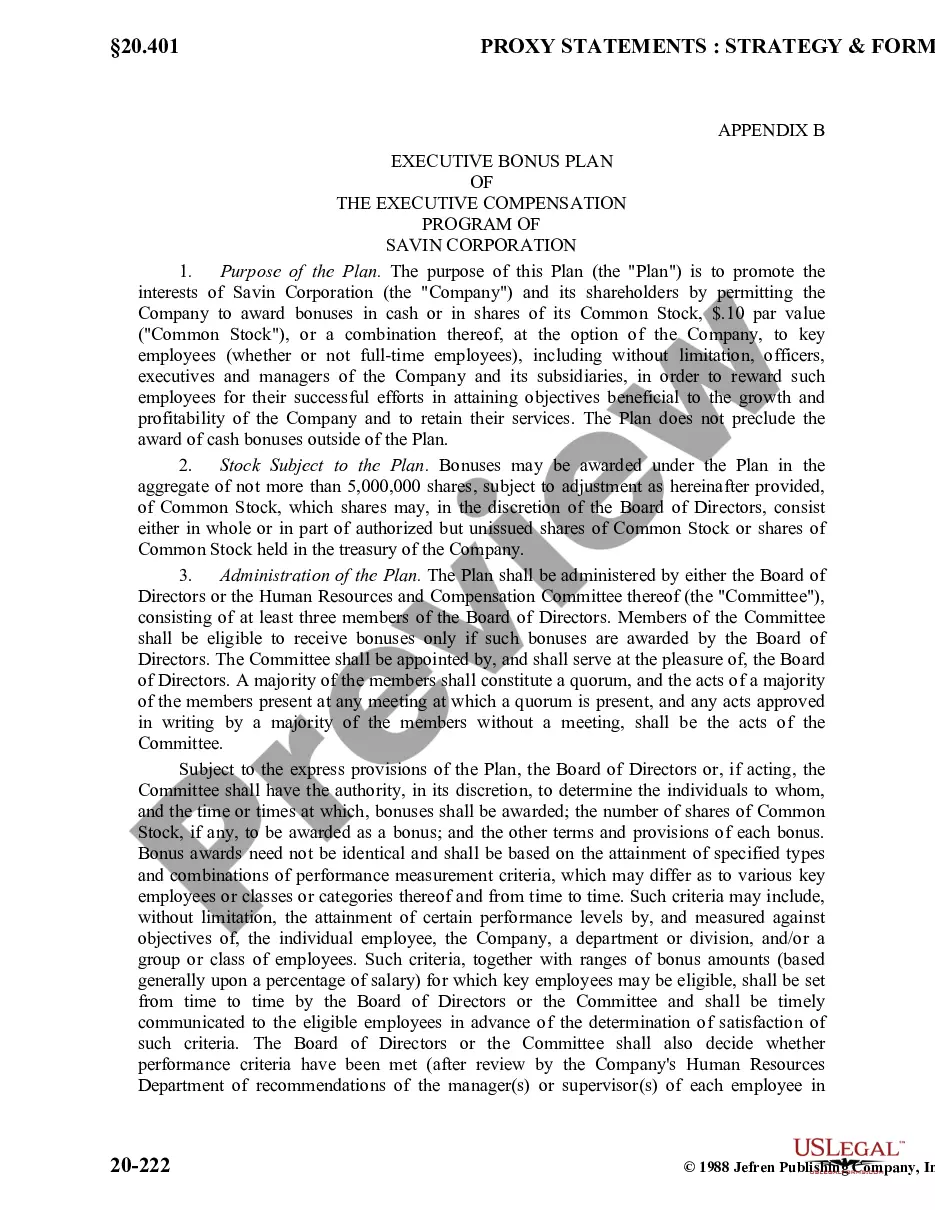
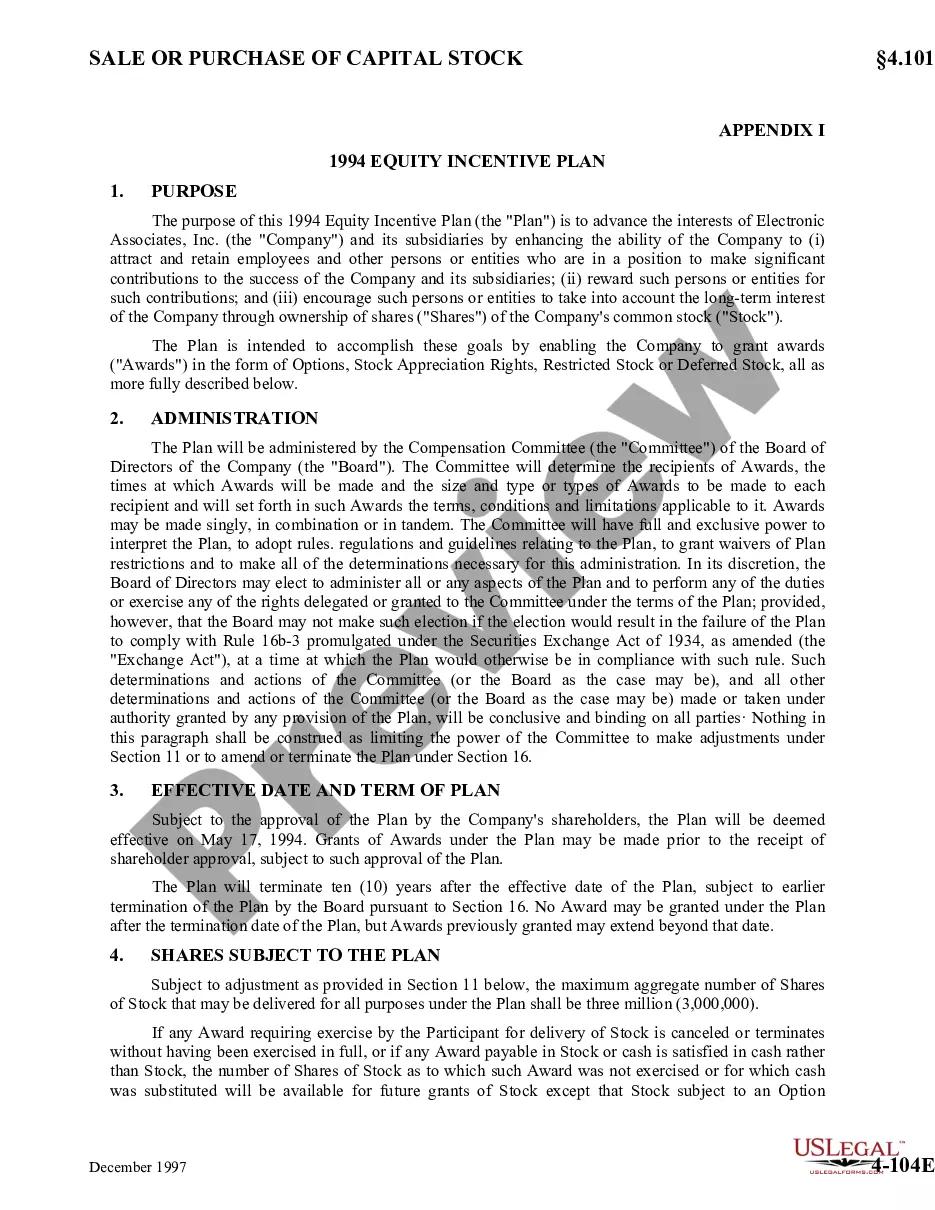

Get your form ready online
Our built-in tools help you complete, sign, share, and store your documents in one place.
Make edits, fill in missing information, and update formatting in US Legal Forms—just like you would in MS Word.
Download a copy, print it, send it by email, or mail it via USPS—whatever works best for your next step.
Sign and collect signatures with our SignNow integration. Send to multiple recipients, set reminders, and more. Go Premium to unlock E-Sign.
If this form requires notarization, complete it online through a secure video call—no need to meet a notary in person or wait for an appointment.
We protect your documents and personal data by following strict security and privacy standards.

Make edits, fill in missing information, and update formatting in US Legal Forms—just like you would in MS Word.

Download a copy, print it, send it by email, or mail it via USPS—whatever works best for your next step.

Sign and collect signatures with our SignNow integration. Send to multiple recipients, set reminders, and more. Go Premium to unlock E-Sign.

If this form requires notarization, complete it online through a secure video call—no need to meet a notary in person or wait for an appointment.

We protect your documents and personal data by following strict security and privacy standards.
Looking for another form?


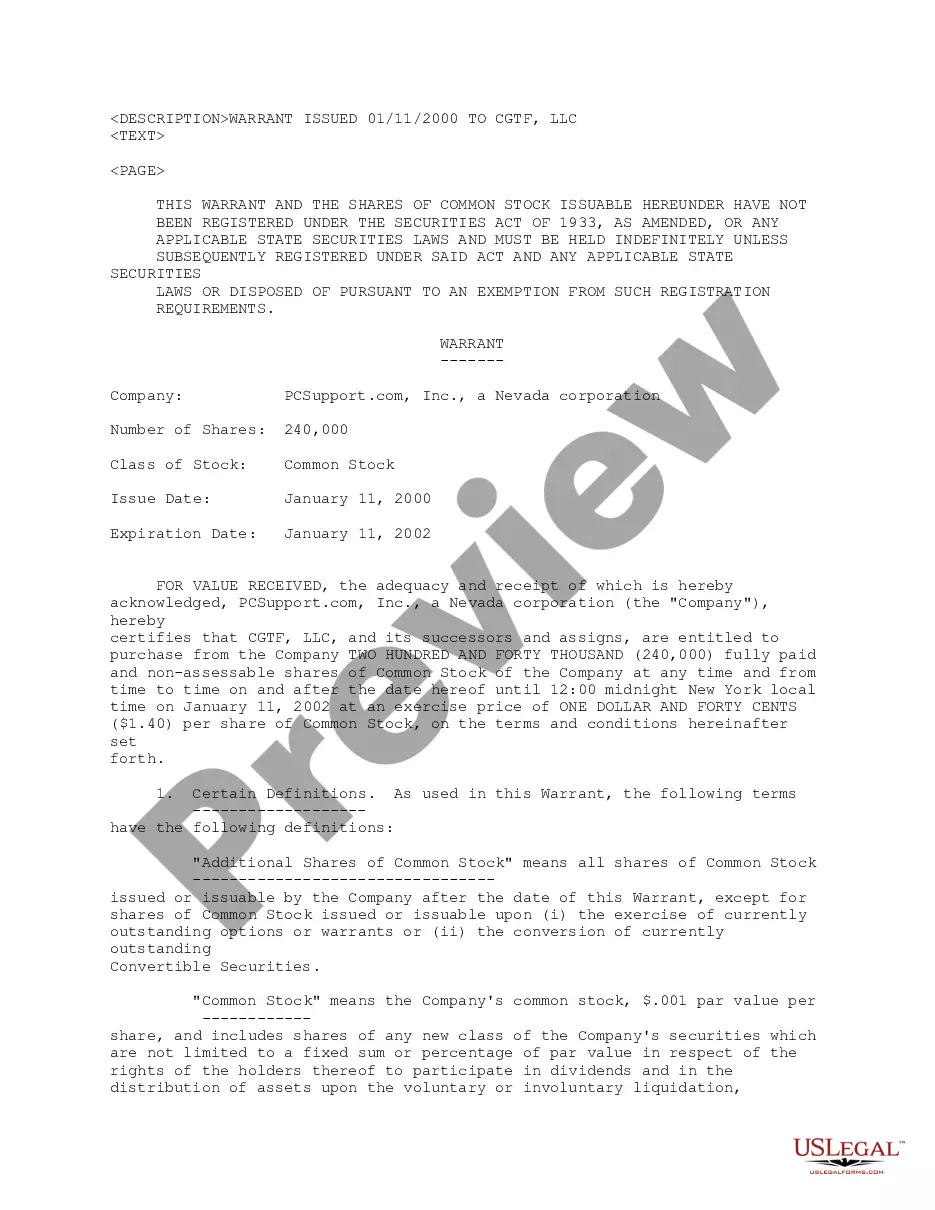
How to fill out Executive Employee Stock Incentive Plan?
- If you're a returning user, log in to your account and select the required form template to download. Ensure that your subscription remains active; renew it if necessary.
- For new users, start by reviewing the Preview mode and the description of the form. Confirm that it aligns with your requirements and local jurisdiction standards.
- If there are discrepancies, utilize the Search tab to locate the correct template. Once found, proceed to the next step.
- Purchase the document by clicking the Buy Now button and selecting your desired subscription plan. An account registration is required to access the full library.
- Complete your purchase by entering your credit card information or using your PayPal account.
- Download the chosen form onto your device. You can also access it anytime later through the My Forms section of your profile.
US Legal Forms not only facilitates easy access to a diverse array of legal forms but also connects users with professional assistance for form completion. This ensures accuracy and adherence to legal guidelines.
Empower your executive planning today by utilizing US Legal Forms' resources to streamline your legal documentation. Get started now!
Form popularity
FAQ
Executive planning refers to the strategic process of setting goals, determining actions, and allocating resources to achieve organizational success. It encompasses various activities, including succession planning, talent management, and positioning for future growth. A strong executive planning approach aligns resources with vision, enabling organizations to adapt to changes effectively. It is essential for long-term stability and development.
When writing an executive summary, focus on clarity and brevity to convey core messages effectively. Avoid unnecessary jargon to maintain reader engagement. Emphasize key findings and recommendations related to executive planning. Structure the content logically, guiding readers naturally through your arguments. Lastly, ensure you revise for grammar and clarity to enhance professionalism and readability.
To engage in effective executive succession planning, first assess your current leadership team and identify potential candidates for future roles. Then, develop training and development plans tailored to the aspirations and strengths of these candidates. Regularly review and update your succession plan to reflect changes in your organization and market. Employing tools and templates from platforms like US Legal Forms can streamline this process.
A succession planning executive summary highlights the process and strategies for identifying and developing future leaders within an organization. This is a crucial aspect of executive planning, ensuring smooth transitions and maintaining business continuity. It encapsulates key insights on talent management and growth potential. Ultimately, this summary should demonstrate the importance of proactively addressing leadership needs.
To craft an effective executive summary, first, gather essential data and insights from the main report. Then, create a structured outline with clear headings for each section. Write each section clearly to communicate the core ideas of executive planning. Lastly, refine your summary by ensuring it aligns with your audience's needs, making it persuasive and succinct.
Begin your executive summary by reviewing the main document to identify the most critical points. Next, outline the key findings, recommendations, and conclusion. Write concisely, focusing on significant insights that relate to executive planning. Finally, review and edit your summary to ensure clarity and coherence, making it engaging and informative.
An effective executive summary in executive planning typically includes an introduction, purpose, key findings, recommendations, and conclusion. Each section serves to clarify and emphasize the main message. By structuring it this way, you guide readers through your thought process and make a strong case for your recommendations. Clarity in these components enhances understanding and decision-making.
In executive planning, you should avoid unnecessary jargon and overly complex details. Stick to clear and precise language that conveys the key points. Also, refrain from including data or information that will not directly support your main arguments, as this can confuse readers. Focusing on relevance ensures your executive summary is impactful.
Executive planning is the process of establishing an organization's long-term goals and strategies. It involves gathering data, assessing resources, and determining the best approaches to reach those goals. Effective executive planning is critical for driving business success, and platforms like USLegalForms can assist in creating necessary documentation and frameworks to achieve these objectives.
Typically, an executive summary should be one to two pages long, depending on the report's complexity. Aim to convey critical information succinctly while adhering to your organization's executive planning requirements. Keeping it concise allows busy stakeholders to digest essential data quickly without losing context.