Equity 2
Description
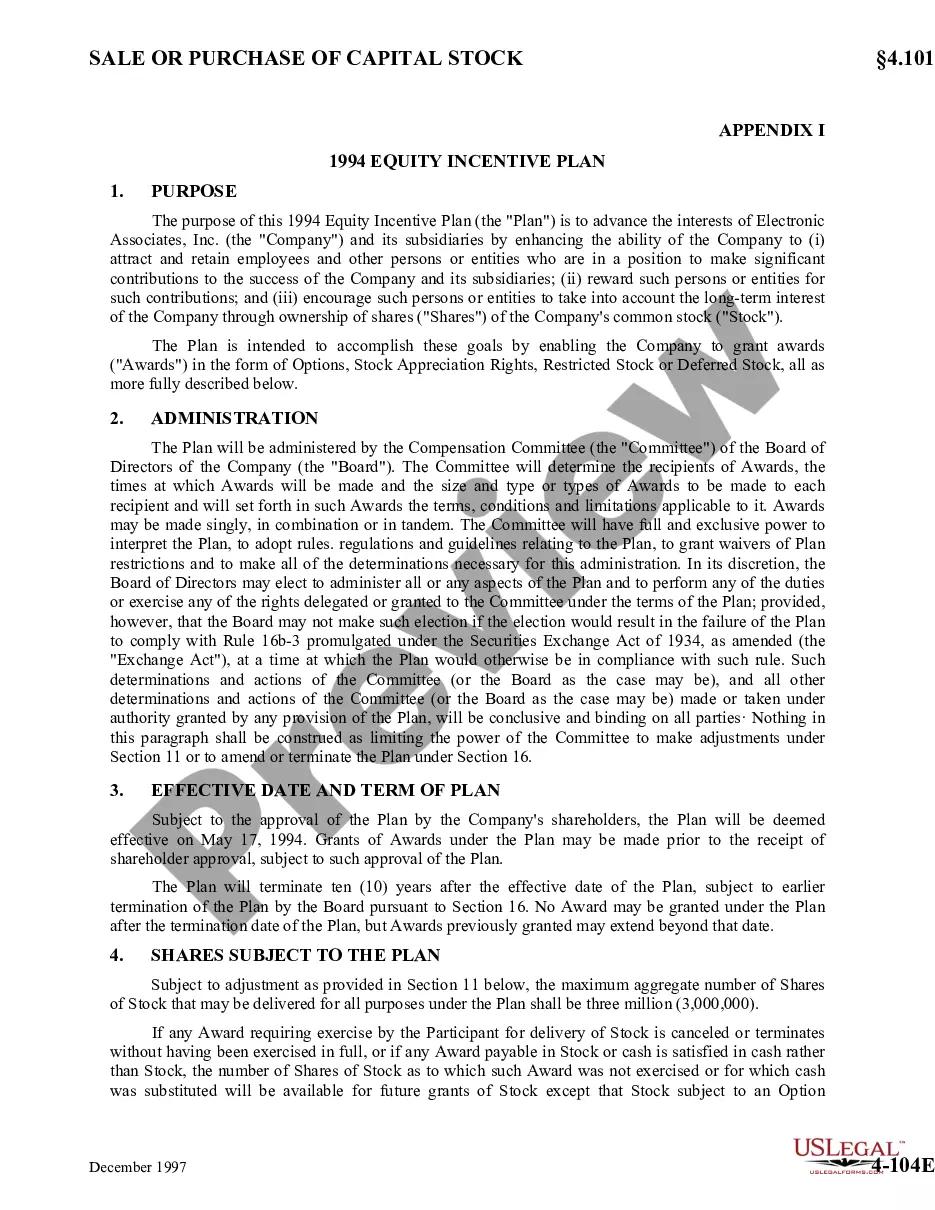
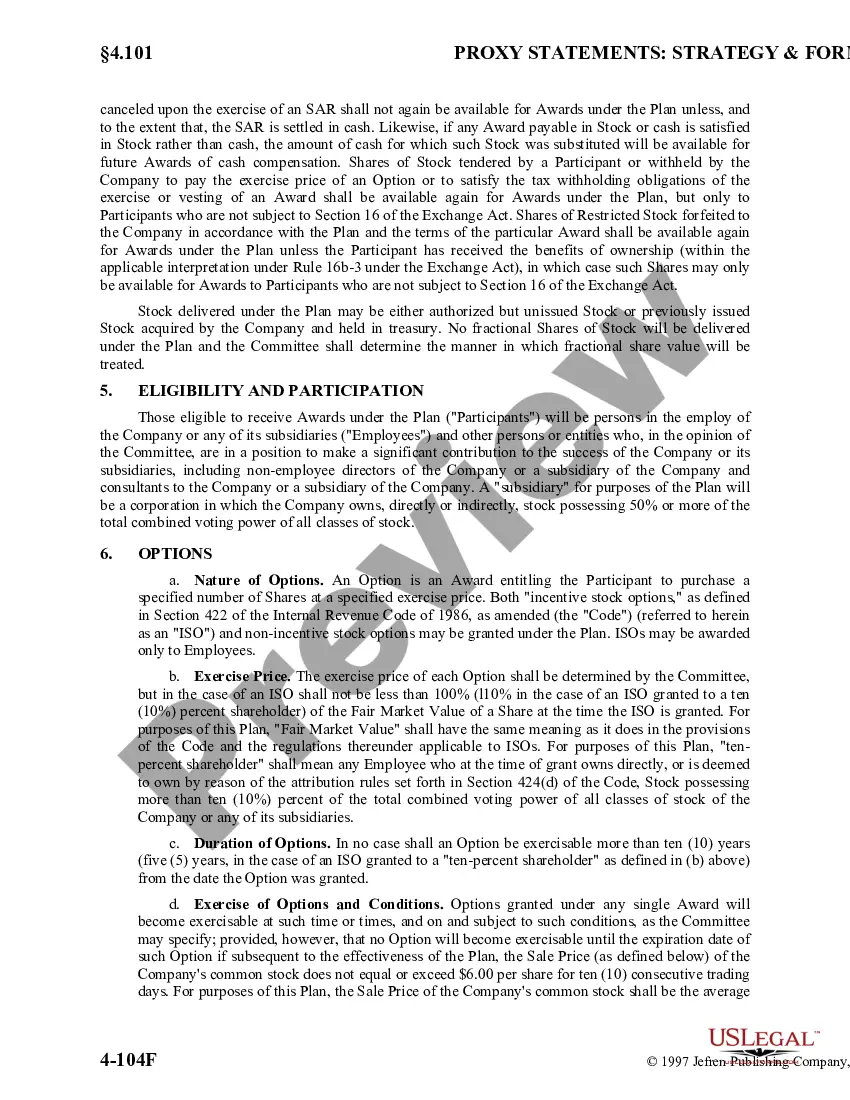
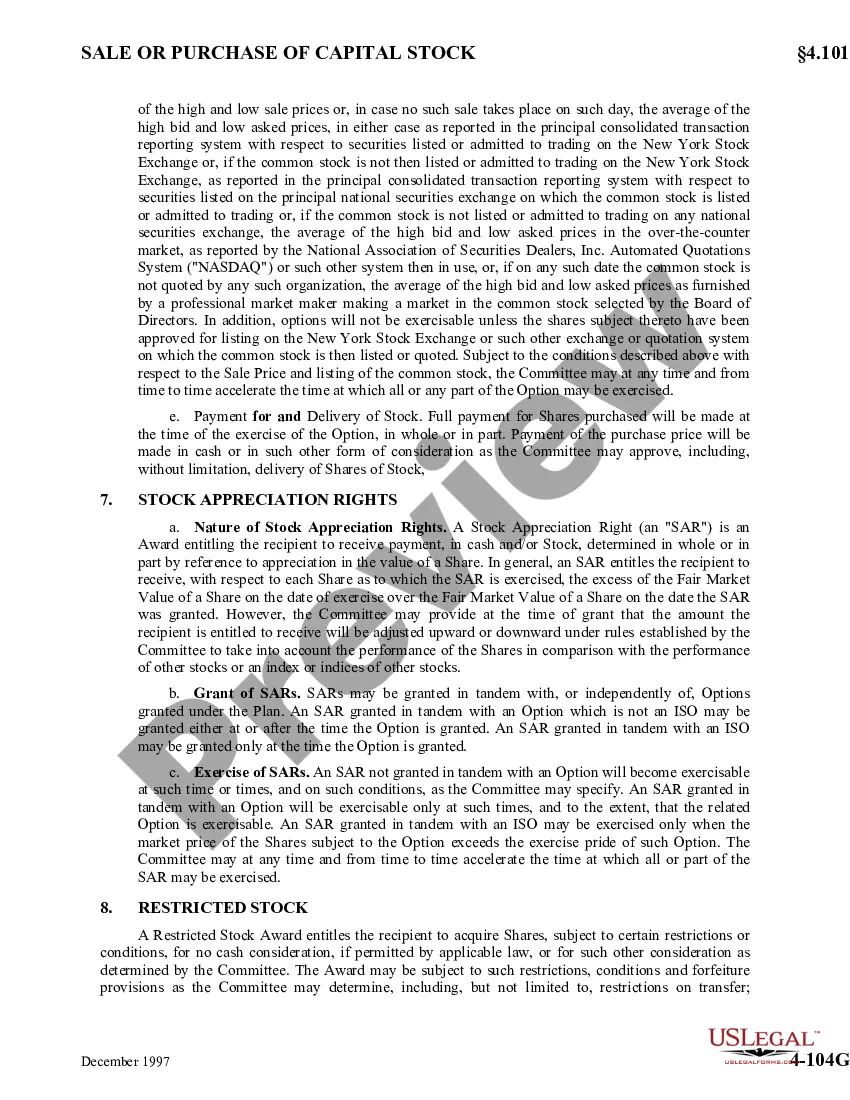
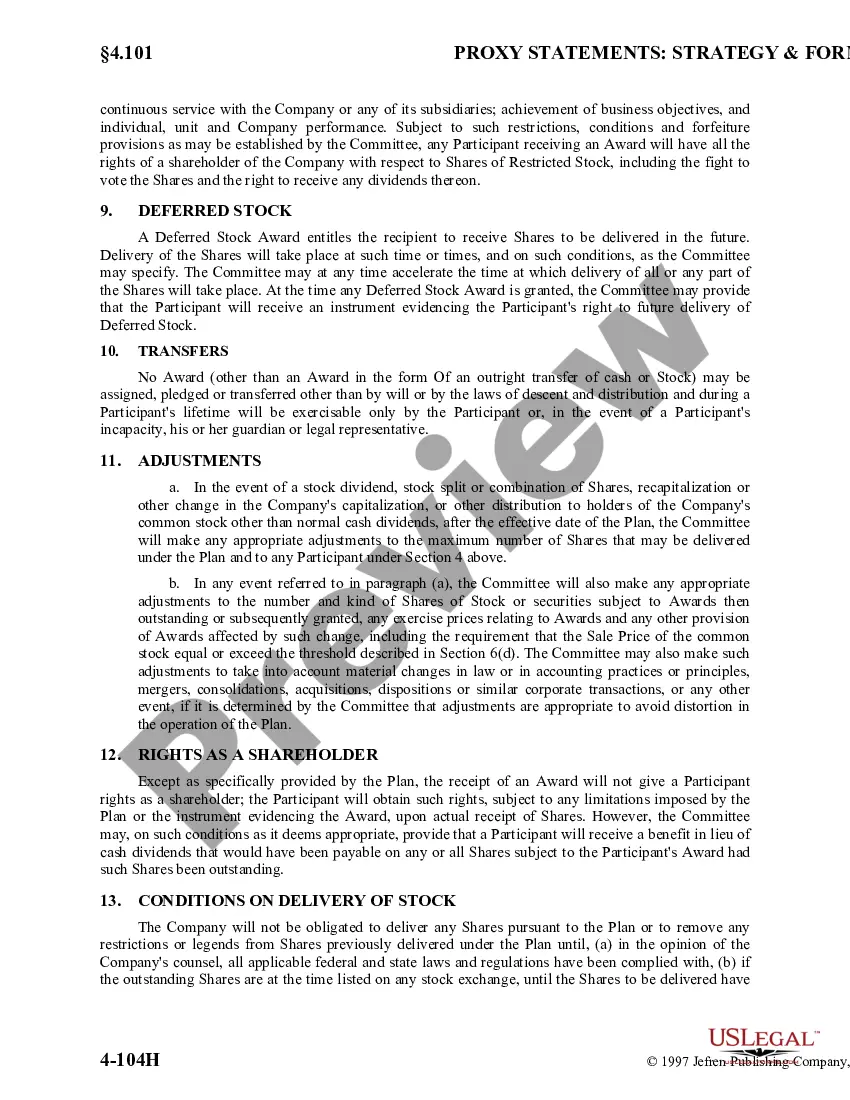

Get your form ready online
Our built-in tools help you complete, sign, share, and store your documents in one place.
Make edits, fill in missing information, and update formatting in US Legal Forms—just like you would in MS Word.
Download a copy, print it, send it by email, or mail it via USPS—whatever works best for your next step.
Sign and collect signatures with our SignNow integration. Send to multiple recipients, set reminders, and more. Go Premium to unlock E-Sign.
If this form requires notarization, complete it online through a secure video call—no need to meet a notary in person or wait for an appointment.
We protect your documents and personal data by following strict security and privacy standards.

Make edits, fill in missing information, and update formatting in US Legal Forms—just like you would in MS Word.

Download a copy, print it, send it by email, or mail it via USPS—whatever works best for your next step.

Sign and collect signatures with our SignNow integration. Send to multiple recipients, set reminders, and more. Go Premium to unlock E-Sign.

If this form requires notarization, complete it online through a secure video call—no need to meet a notary in person or wait for an appointment.

We protect your documents and personal data by following strict security and privacy standards.
Looking for another form?

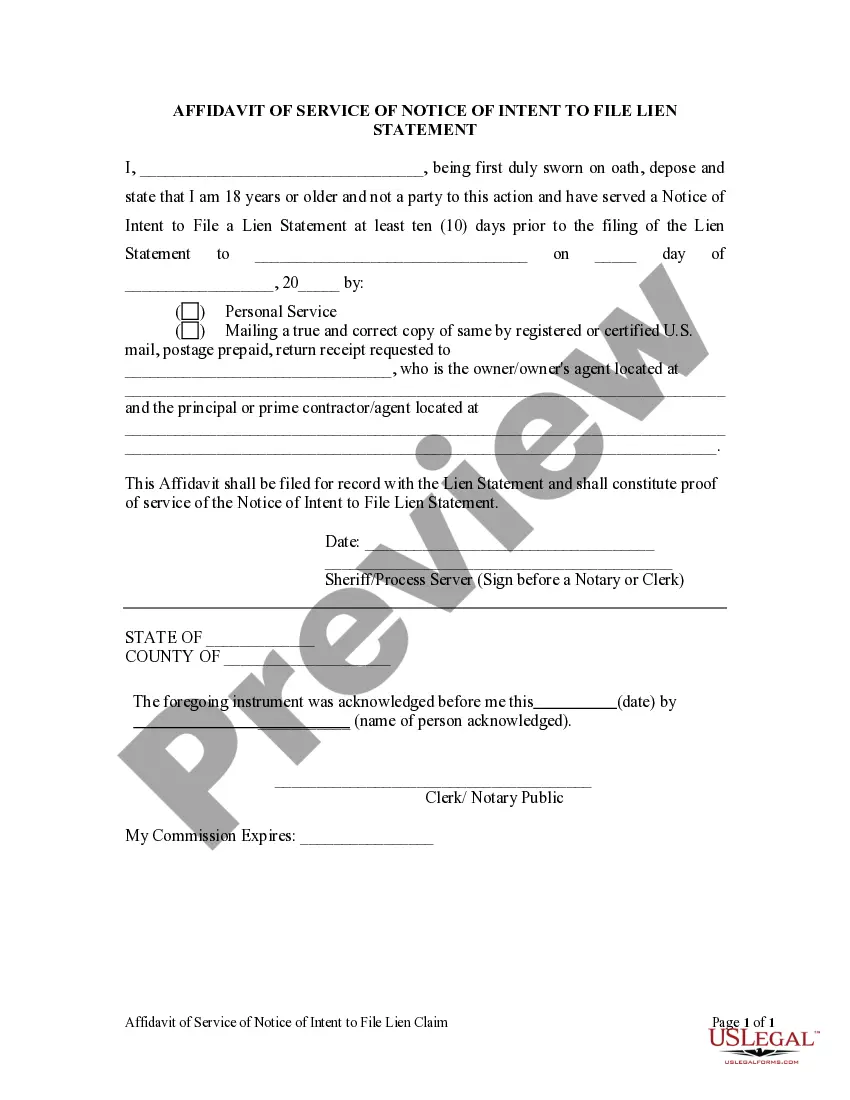


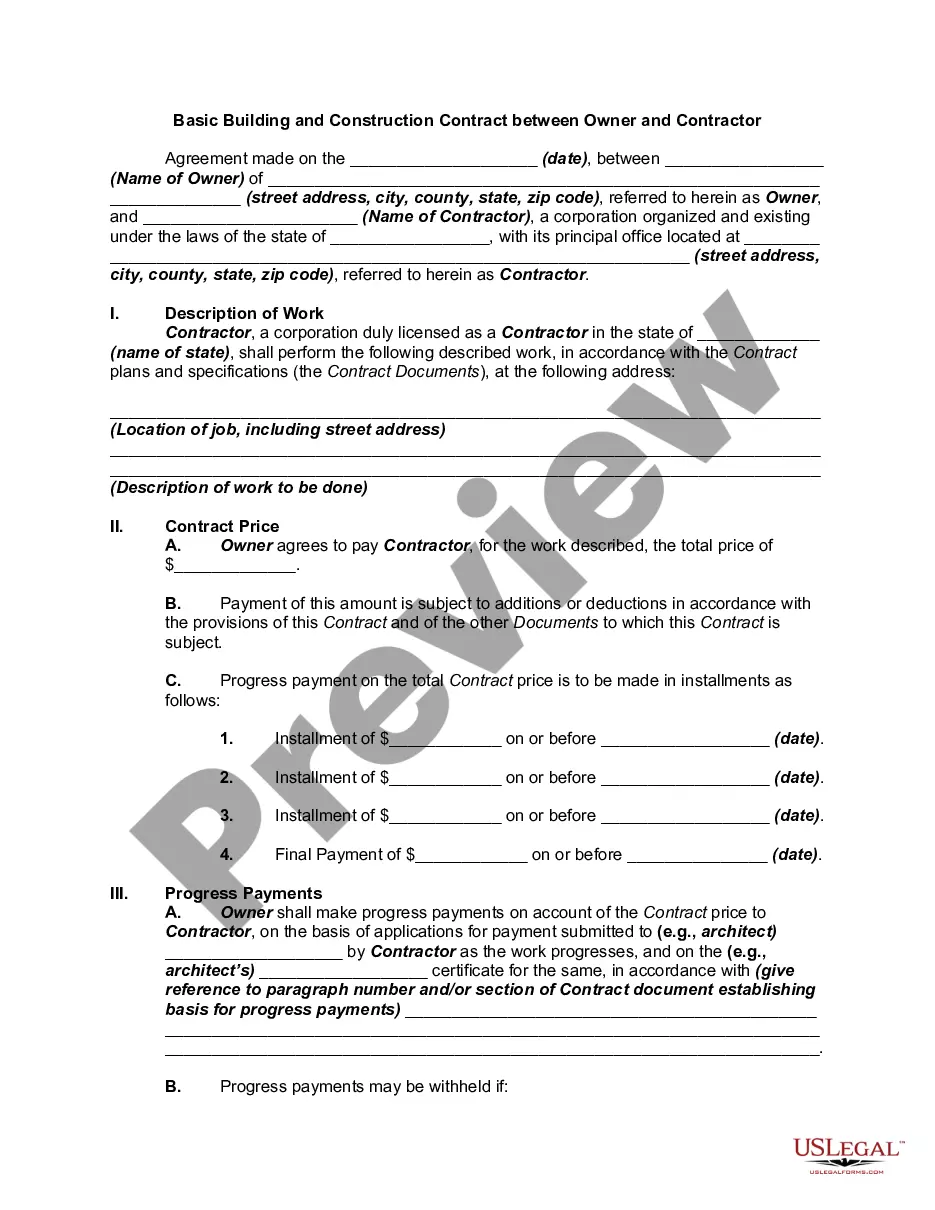


How to fill out Equity Incentive Plan?
- If you are a returning user, log in to your account and click the Download button to retrieve your desired form. Ensure your subscription is active; renew it as needed based on your chosen plan.
- For first-time users, check the Preview mode along with the form description to confirm you've selected the correct document that meets your local jurisdiction's specifications.
- If you need a different template, utilize the Search tab at the top to find the appropriate forms. Once located, proceed to the next step.
- Purchase the document by clicking the Buy Now button and select a subscription plan that fits your needs. You will need to register an account to access the extensive library of forms.
- Complete your purchase by entering your credit card details or using your PayPal account to finalize the subscription.
- Download your selected form. Save it for easy access. You can always find it later in the My Forms section of your profile.
Choosing US Legal Forms allows you to leverage their robust collection, ensuring you have access to more forms than competitors at a similar price. With over 85,000 forms available, users benefit from a wide array of customizable legal documents.
In conclusion, US Legal Forms empowers users to effectively manage their legal needs. With easy access to essential documents and expert assistance, you can ensure your legal forms are completed accurately. Get started today to simplify your legal documentation!
Form popularity
FAQ
Yes, you need Schedule D to report capital gains from your equity transactions. Schedule D summarizes your total capital gains and losses for the year, helping to determine your tax liability. This form is essential in accurately filing your tax return and managing your overall equity income.
Yes, you need to report every stock trade on your tax return if they result in gains or losses. This requirement includes trades reported on Form 1099-B. Reporting each trade correctly ensures your equity income is transparent and compliant with IRS regulations.
Anyone who has sold stocks, bonds, or other securities during the tax year must fill out Form 8949. This includes taxpayers reporting equity income, capital gains, or losses. Each transaction must be reported accurately to help you prepare your tax return and avoid any discrepancies.
You should generally file Form 8949 first, as it details individual transactions. Once you have completed Form 8949, you will summarize those totals on Schedule D. This two-step process allows you to provide a clear account of your equity activities while ensuring compliance.
To report equity income, start by gathering all relevant documents such as 1099-B forms and transaction records. Next, use Form 8949 to detail each transaction, including any gains or losses. Finally, transfer the totals to Schedule D, which summarizes your capital gains and losses, ensuring that you capture your equity income correctly.
You can indeed use more than $3,000 in capital loss carryover, but only $3,000 can offset your ordinary income in one tax year. Any remaining losses can roll over into future years to offset equity income. This feature allows you to manage your tax liability effectively and plan for future gains.
Yes, you need to report 1099-B on your tax return if you received equity income from stock sales or other securities. The 1099-B form provides crucial details about your transactions, which you then report on Form 8949 and Schedule D. Accurately reporting this information ensures compliance with tax laws and helps you avoid potential penalties.
Schedule D and Form 8949 serve different purposes in reporting your equity transactions. Schedule D summarizes your capital gains and losses, while Form 8949 details each transaction individually. You must complete Form 8949 before transferring totals to Schedule D. Understanding this difference helps you accurately report your equity activities.
Filling out owner's equity requires you to list your total assets and subtract total liabilities. This calculation will give you the correct figure for owner's equity, showing your stake in the business. Accurately documenting this information is essential for clarity in financial reports and can be aided by tools available at US Legal Forms. Ensuring your owner's equity is correct helps maintain transparency and trust in your financial dealings.
A 2% debt-to-income ratio is typically seen as very favorable. It indicates that only a small portion of your income goes toward debt payments, which is beneficial for obtaining loans or credit. Maintaining a low debt-to-income ratio can enhance your creditworthiness. Keep in mind that different lenders may have varying benchmarks, so it's wise to check their specific requirements.