Employee Stock Option Plan
Description

Get your form ready online
Our built-in tools help you complete, sign, share, and store your documents in one place.
Make edits, fill in missing information, and update formatting in US Legal Forms—just like you would in MS Word.
Download a copy, print it, send it by email, or mail it via USPS—whatever works best for your next step.
Sign and collect signatures with our SignNow integration. Send to multiple recipients, set reminders, and more. Go Premium to unlock E-Sign.
If this form requires notarization, complete it online through a secure video call—no need to meet a notary in person or wait for an appointment.
We protect your documents and personal data by following strict security and privacy standards.

Make edits, fill in missing information, and update formatting in US Legal Forms—just like you would in MS Word.

Download a copy, print it, send it by email, or mail it via USPS—whatever works best for your next step.

Sign and collect signatures with our SignNow integration. Send to multiple recipients, set reminders, and more. Go Premium to unlock E-Sign.

If this form requires notarization, complete it online through a secure video call—no need to meet a notary in person or wait for an appointment.

We protect your documents and personal data by following strict security and privacy standards.
Looking for another form?

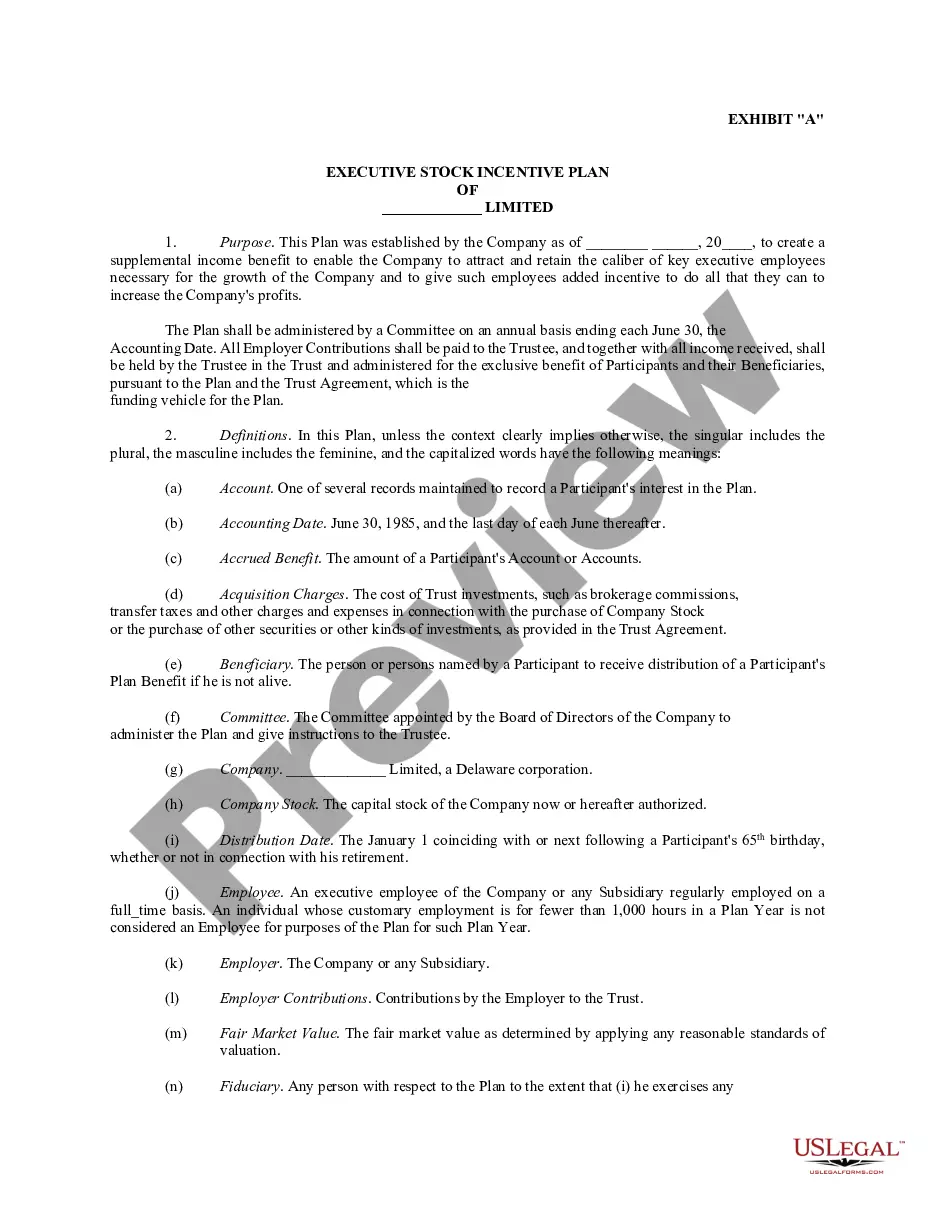
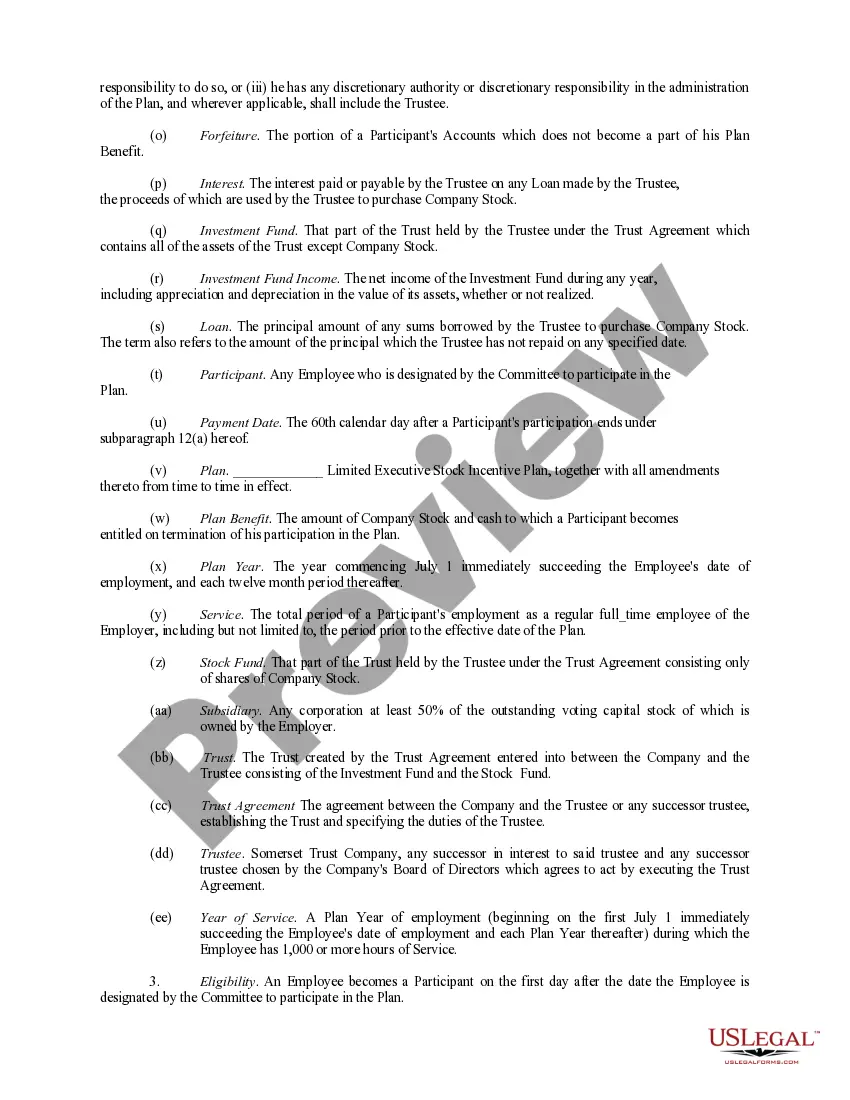
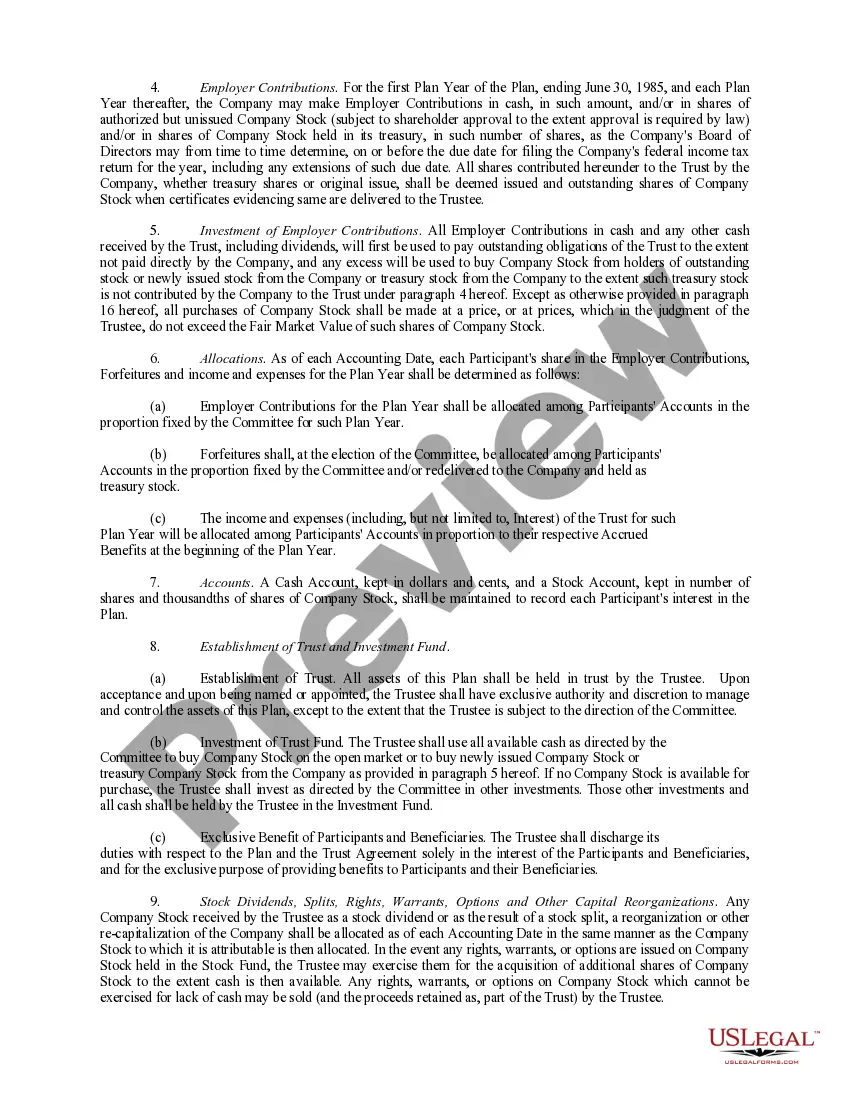
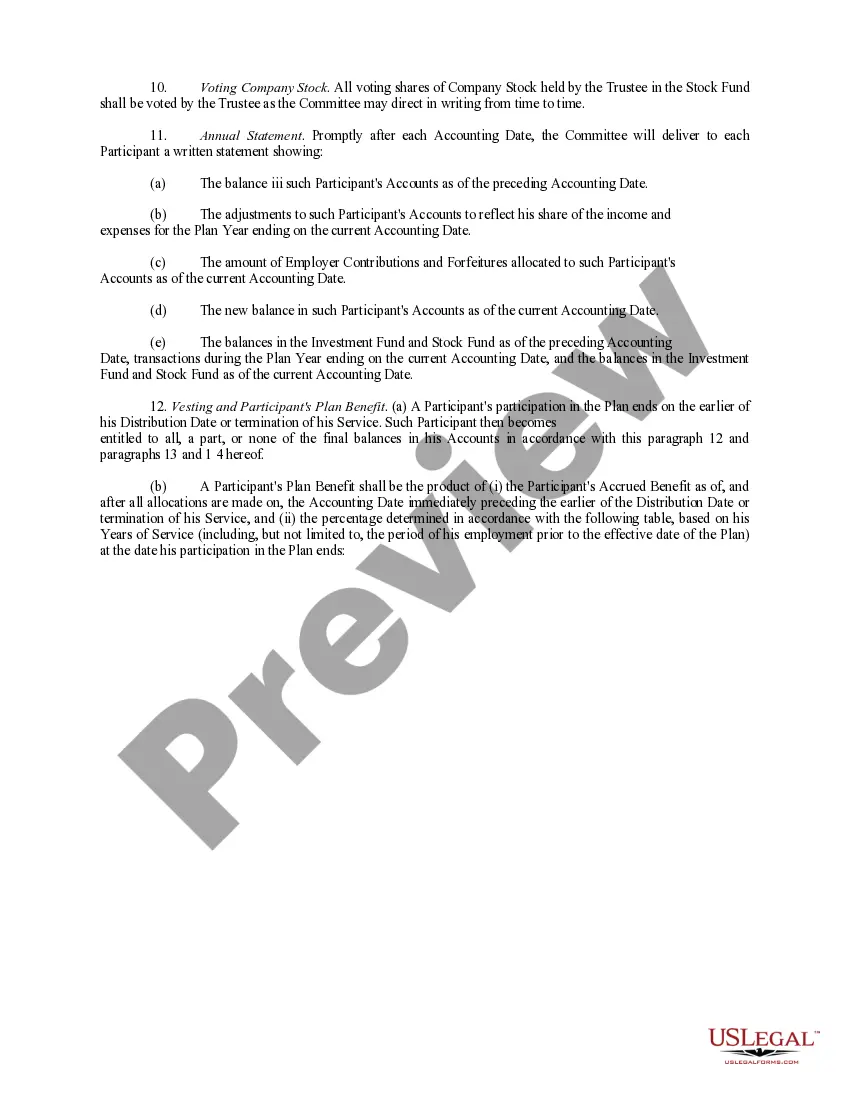
How to fill out Executive Employee Stock Incentive Plan?
- If you're a returning user, log in to your account and download the required form template by clicking the Download button. Ensure your subscription is up to date.
- For new users, start by checking the Preview mode and description of the form. Make sure to select the one that suits your needs and adheres to your local jurisdiction's requirements.
- If the form doesn't meet your criteria, utilize the Search tab at the top to find an alternative template that better serves your needs.
- Once you identify the right document, click on the Buy Now button. Choose your preferred subscription plan and create an account to access the full library.
- Complete your purchase by entering your credit card details or using your PayPal account to finalize the subscription.
- Download the form and save it to your device for easy access. You can also retrieve it anytime from the My Forms section in your profile.
US Legal Forms offers a robust library of over 85,000 legal forms, significantly more than competitors, ensuring you have the right documents for an Employee Stock Option Plan at your fingertips.
Leverage the expertise of premium professionals available through the platform for any assistance in completing your forms accurately. Begin your journey towards establishing a successful ESOP today!
Form popularity
FAQ
Claiming your Employee Stock Option Plan (ESOP) typically involves following your company’s procedures for notifying your employer of your intent to exercise options. You need to provide the required documentation and may need to fill out specific forms. Be aware of any deadlines or specific instructions from your employer. USLegalForms can guide you in claiming your options efficiently.
To file an Employee Stock Option Plan (ESOP), start by preparing the necessary documentation, including your plan's terms and participating employee details. You will need to file Form 5500 annually to provide financial information to the IRS. It’s wise to consult with a professional to ensure compliance with regulations. Resources like those available at USLegalForms can assist in simplifying this process.
One downside of an Employee Stock Option Plan (ESOP) is the potential risk associated with over-concentration in one stock. If a company's stock performs poorly, employees could face significant financial loss. Moreover, employees may not have immediate access to their shares, leading to liquidity issues. Understanding these factors is crucial, and platforms like USLegalForms can help clarify ESOP structures.
Choosing between a 401k and an employee stock option plan depends on personal financial objectives. A 401k generally provides better diversification and more stable growth due to investments in various assets. Conversely, an ESOP might yield higher returns tied to the company's performance but comes with increased risk. Assessing your risk tolerance and financial plans is essential.
The three-year rule in an employee stock option plan typically refers to the minimum vesting period. Employees usually have to work for a company for at least three years before they can fully exercise their options. Understanding this rule is crucial, as it affects when you can benefit from your employee stock options.
Comparing an employee stock option plan to a 401k depends on individual financial goals and circumstances. An ESOP can provide the opportunity to invest directly in your company, potentially resulting in higher returns if the company does well. On the other hand, a 401k offers diversification and usually includes employer matching, which can be a significant advantage.
If you leave the company before your employee stock option plan vests, you typically lose the unvested options. However, vested options may still be exercisable for a certain period after your departure. It’s essential to review your specific plan’s terms to understand your rights regarding the employee stock option plan upon quitting.
The employee stock option plan policy outlines the rules and conditions under which employees can exercise their stock options. This policy includes details like the eligibility criteria, the vesting schedule, and the expiration date of the options. A clear policy helps employees understand their rights and the potential benefits of participating in the employee stock option plan.
To access your Employee Stock Option Plan, first understand the vesting schedule and the terms of your plan. You usually need to formally exercise your options within the specified timeframe. It’s also essential to review any tax implications associated with exercising your stock options. If you need assistance or legal advice, the US Legal Forms platform offers valuable guidance.
Starting an Employee Stock Option Plan involves several key steps. First, you’ll need to determine eligibility criteria and plan terms that align with your company goals. Then, consult with financial and legal advisors to ensure compliance with regulations. The US Legal Forms platform can provide templates and legal resources to help streamline the process.