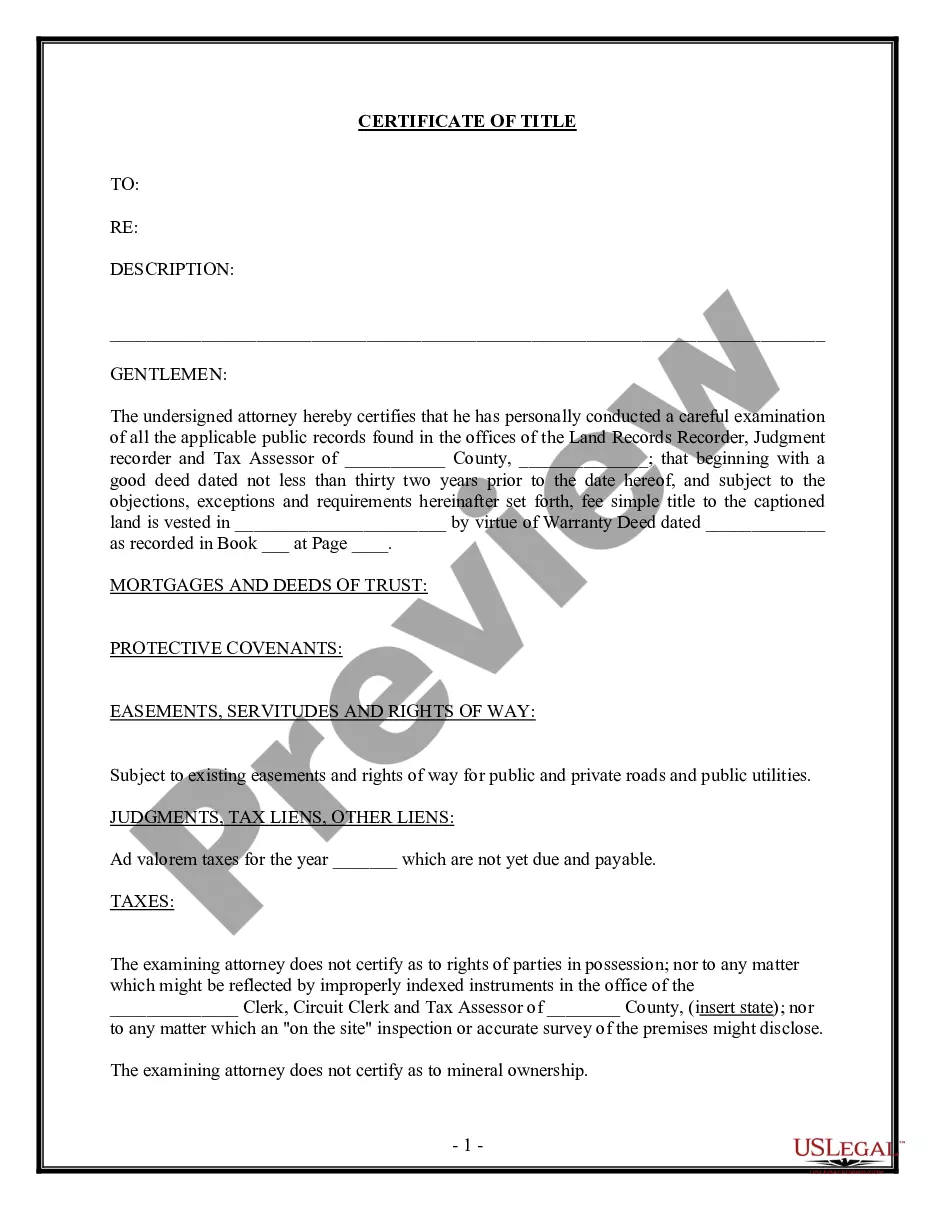
Construction Contracts Force Majeure In Michigan
Description


Get your form ready online
Our built-in tools help you complete, sign, share, and store your documents in one place.
Make edits, fill in missing information, and update formatting in US Legal Forms—just like you would in MS Word.
Download a copy, print it, send it by email, or mail it via USPS—whatever works best for your next step.
Sign and collect signatures with our SignNow integration. Send to multiple recipients, set reminders, and more. Go Premium to unlock E-Sign.
If this form requires notarization, complete it online through a secure video call—no need to meet a notary in person or wait for an appointment.
We protect your documents and personal data by following strict security and privacy standards.

Make edits, fill in missing information, and update formatting in US Legal Forms—just like you would in MS Word.

Download a copy, print it, send it by email, or mail it via USPS—whatever works best for your next step.

Sign and collect signatures with our SignNow integration. Send to multiple recipients, set reminders, and more. Go Premium to unlock E-Sign.

If this form requires notarization, complete it online through a secure video call—no need to meet a notary in person or wait for an appointment.

We protect your documents and personal data by following strict security and privacy standards.
Looking for another form?






Form popularity
FAQ
Force majeure clauses typically identify such events as excusable delays, allowing the contractor a time extension. However, these clauses are typically silent as to responsibility for delay costs and additional direct costs that result from the force majeure event. (h) Strikes or labor disturbances.
The force majeure clause is a contract provision that relieves involved parties from performing their contract obligations if extreme circumstances or “major unforeseen events” outside of their control arise that would make performing these obligations impossible, inadvisable, or dangerous.
Typically, the clause will define the specific events or circumstances that qualify as force majeure, providing a non-exhaustive list of examples. These examples often encompass natural disasters, acts of God, riots, embargoes, or any other events that are considered extraordinary and beyond the control of the parties.
Templates. “Force Majeure: Neither party shall be liable for any failure or delay in the performance of any obligations under this Agreement, except for the obligation to make payments, if such failure or delay is caused by a Force Majeure event.
(1) Neither Party shall be in breach of its obligations under this Agreement (other than payment obligations) or incur any liability to the other Party for any losses or damages of any nature whatsoever incurred or suffered by that other (otherwise than under any express indemnity in this Agreement) if and to the ...
For events to constitute the use of force majeure, they must be unforeseeable, external to contract parties, and unavoidable. Force majeure means “greater force” and is related to an act of God, an event for which no party can be held accountable.
Exhaustive, of examples of force majeure events. Force majeure events generally can be divided into two basic groups: natural events and political events. These may include earthquakes, floods, fire, plague, Acts of God (as defined in the contract or in applicable law) and other natural disasters.
Either Party shall be excused from performance and shall not be in default in respect of any obligation hereunder to the extent that the failure to perform such obligation is due to a Natural Force Majeure Event.
How To Write A Construction Contract With 7 Steps Step 1: Define the Parties Involved. Step 2: Outline the Scope of Work. Step 3: Establish the Timeline. Step 4: Determine the Payment Terms. Step 5: Include Necessary Legal Clauses. Step 6: Address Change Orders and Modifications. Step 7: Sign and Execute the Contract.
Per contract law, a contract is only considered to be legally binding if it is mutually beneficial for all parties involved. This is also known as consideration. When one party does something without getting anything in return, the contract is typically considered unenforceable by the courts.