Construction Contracts Former Provisions Act
Description




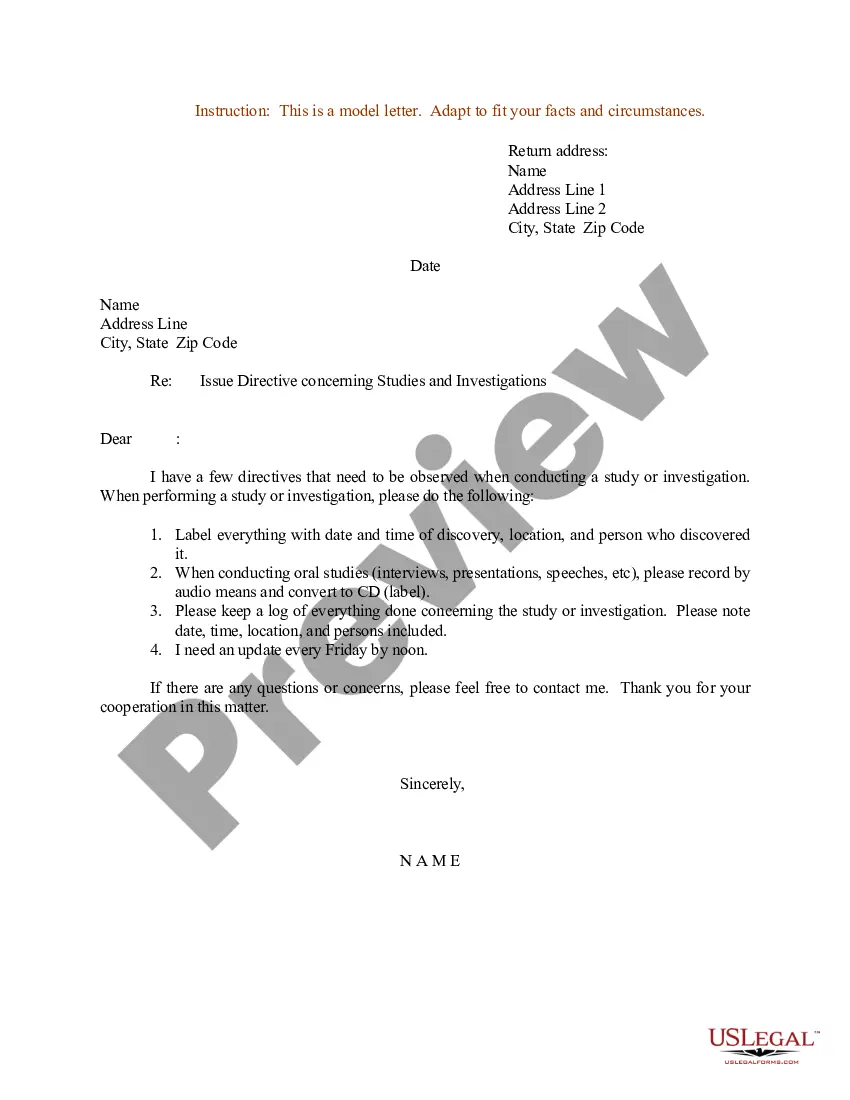



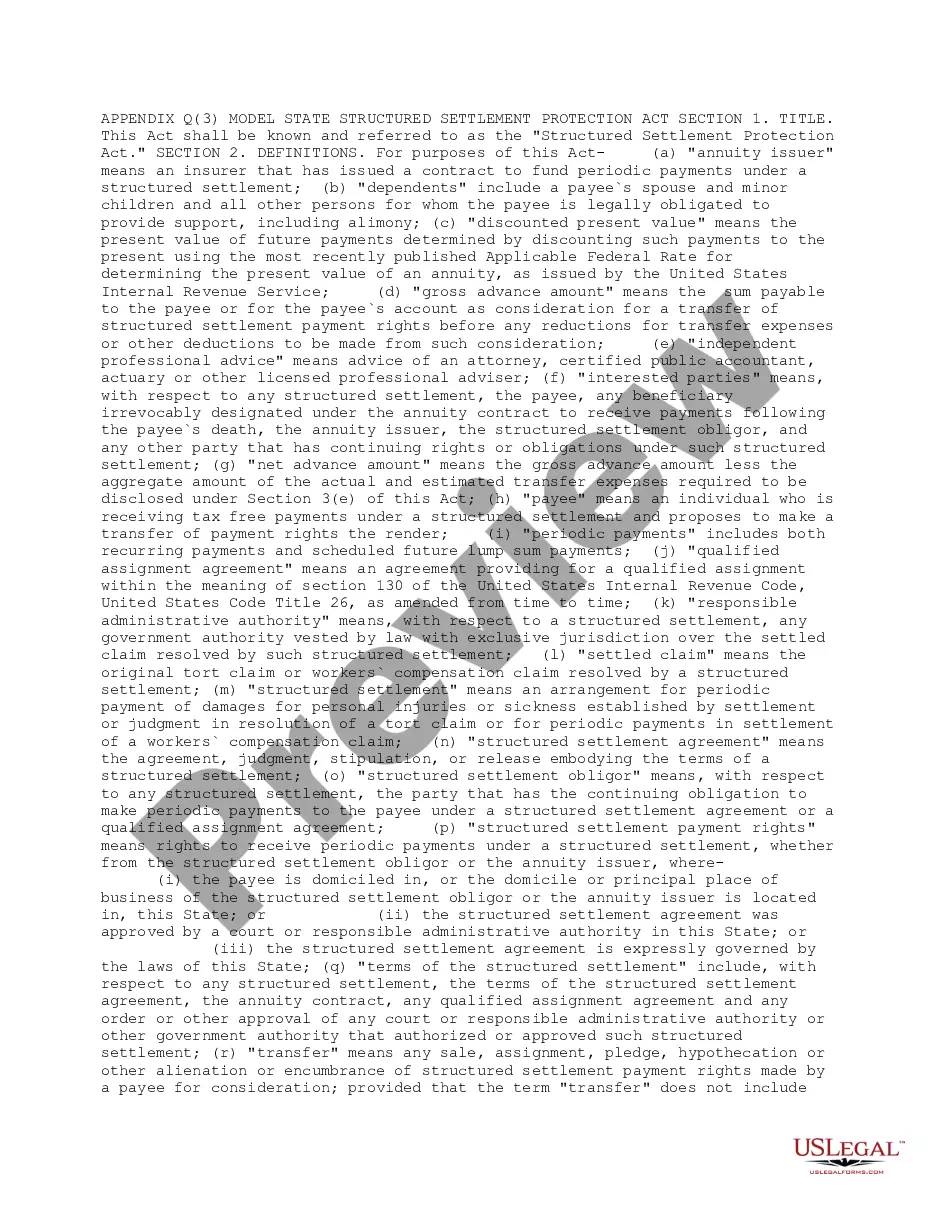
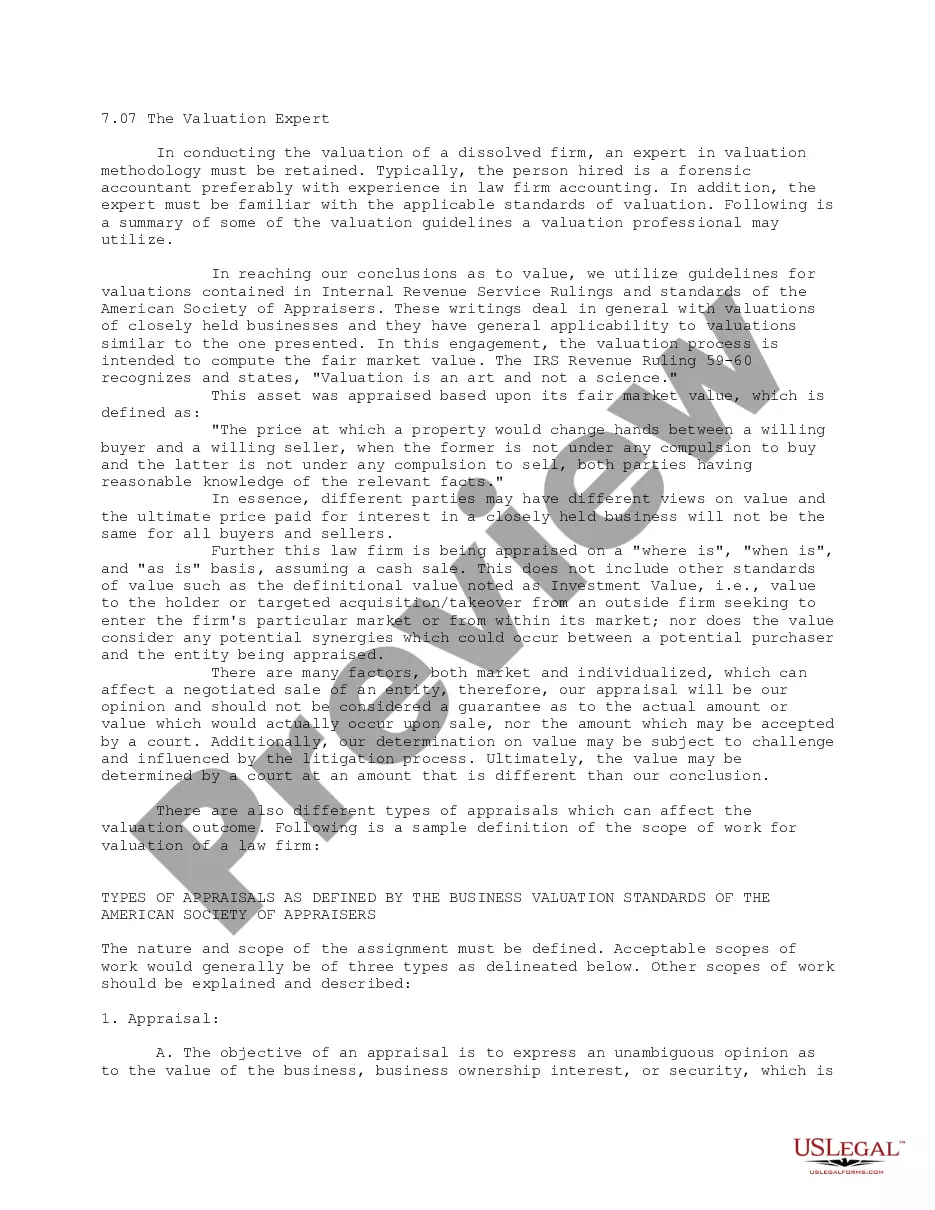

How to fill out Construction Contract For Home - Fixed Fee Or Cost Plus?
It’s widely acknowledged that you cannot instantly become a legal authority, nor can you swiftly master the preparation of Construction Contracts Former Provisions Act without a dedicated background.
Assembling legal documents is a lengthy endeavor necessitating specific training and expertise. So why not entrust the preparation of the Construction Contracts Former Provisions Act to the experts.
With US Legal Forms, one of the most extensive legal template repositories, you can discover anything from court papers to templates for corporate internal communications. We understand how vital compliance and adherence to federal and local statutes are. That’s why, on our platform, all documents are location-specific and currently applicable.
You can revisit your documents from the My documents section at any time. If you’re an existing client, you can simply Log In, and find and download the template from the same section.
Regardless of the intent of your documents—whether financial, legal, or personal—our platform has you covered. Experience US Legal Forms now!
- Locate the form you require by utilizing the search bar at the page’s top.
- View it (if such an option is available) and review the accompanying description to see if the Construction Contracts Former Provisions Act is what you need.
- If you require any other template, start your search again.
- Create a free account and choose a subscription plan to purchase the template.
- Click Buy now. Once the payment is completed, you can acquire the Construction Contracts Former Provisions Act, fill it out, print it, and send or post it to the appropriate individuals or organizations.
Form popularity
FAQ
When writing a construction contract, start by outlining the scope of work clearly. Include specific details about the project timeline, payment terms, and deliverables to eliminate ambiguity. Additionally, consult the Construction Contracts Former Provisions Act to ensure compliance with legal standards. Utilizing platforms like USLegalForms can streamline this process by providing tailored templates that ensure all necessary elements are included.
The four types of contracts include bilateral, unilateral, express, and implied contracts. Bilateral contracts involve mutual promises between parties, while unilateral contracts require only one party to make a promise in exchange for performance. Express contracts clearly outline terms in written or spoken form, whereas implied contracts arise from actions or circumstances rather than explicit agreements. Understanding these differences is important under the Construction Contracts Former Provisions Act to protect your rights and obligations.
The five essential elements of a construction contract include mutual agreement, capacity, consideration, lawful purpose, and certainty of terms. Mutual agreement means both parties understand and accept the contract terms. Each party must have the capacity to form the contract, which often includes being of legal age and sound mind. Consideration refers to the exchange of value, such as payment for construction services, while lawful purpose ensures the contract is legal. Certainty of terms helps avoid confusion by clearly outlining the service expectations and obligations of both parties under the Construction Contracts Former Provisions Act.
An example of a provision in a contract could be a payment schedule, which outlines when payments are due and the conditions under which they must be made. Such provisions ensure clarity and prevent disputes related to finances. By following the guidelines set forth by the Construction Contracts Former Provisions Act, you can form more effective and clear contracts.
Special provisions in construction refer to unique terms tailored to specific aspects of a project, which may deviate from standard practices. These may address specific project risks, additional responsibilities, or unique compliance requirements. It is crucial that these special provisions align with the Construction Contracts Former Provisions Act to avoid legal issues.
Notice provisions in a construction contract outline the requirements for notifying parties about specific actions, such as changes or breaches. These provisions ensure that all parties are informed in a timely manner, promoting transparency. Adhering to the Construction Contracts Former Provisions Act emphasizes the importance of these notifications to maintain smooth project operations.
Term provisions in contracts define the duration and conditions under which the contract remains valid and enforceable. These may include initiation, completion dates, and conditions for extensions or termination. Following the standards of the Construction Contracts Former Provisions Act helps ensure that these terms are clear and legally enforceable.
A provision in construction refers to a specific term or condition outlined in a construction contract. These provisions can relate to various contractual elements, such as deliverables, timelines, and financial arrangements. Each provision must align with the guidelines set forth by the Construction Contracts Former Provisions Act to safeguard all parties involved.
The Construction Contracts Act provides a legal framework for construction contracts, focusing on the rights and obligations of parties engaged in construction projects. This Act aims to promote fair dealings and timely payments. Compliance with the Construction Contracts Former Provisions Act, a part of this wider legislative framework, ensures that contracts are governed with transparency and fairness.
A CE, or Change Event, refers to a modification in the original scope of work agreed upon in construction contracts. This could involve changes in materials, timelines, or project specifications. Addressing CEs correctly is crucial for adherence to the Construction Contracts Former Provisions Act, ensuring that any alterations are documented and agreed upon by all parties.