Construction Contract Types Pros And Cons
Description

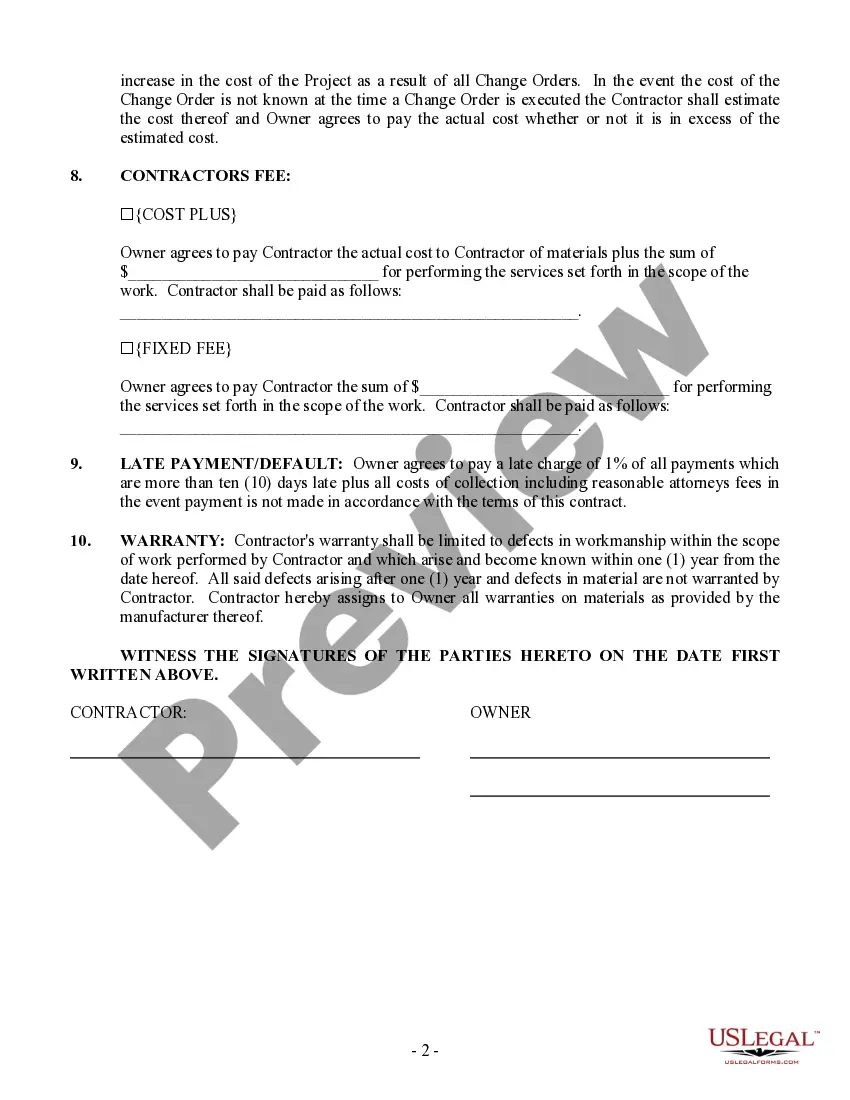



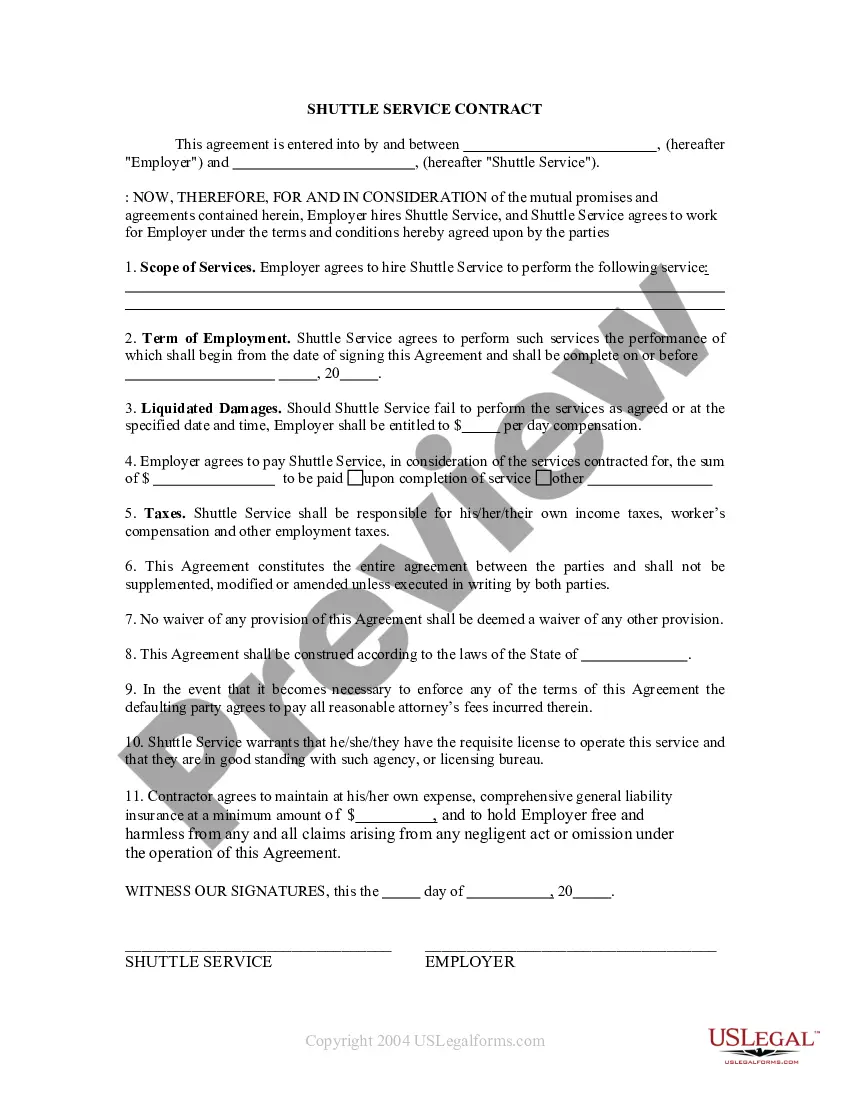


How to fill out Construction Contract For Home - Fixed Fee Or Cost Plus?
Whether for commercial purposes or personal affairs, everyone must handle legal situations at some point in their lives.
Filling out legal documents requires careful consideration, beginning with selecting the correct form template.
Once saved, you can fill out the form using editing software or print it out and complete it by hand.
- Locate the template you require using the search box or catalog browsing.
- Review the form's details to ensure it aligns with your situation, state, and locality.
- Click on the form's preview to view it.
- If it is the wrong document, return to the search tool to find the Construction Contract Types Pros And Cons template you need.
- Obtain the file when it fits your criteria.
- If you already possess a US Legal Forms account, click Log in to access previously stored documents in My documents.
- If you do not have an account yet, you can download the form by clicking Buy now.
- Select the appropriate pricing option.
- Complete the account registration form.
- Choose your payment method: you can utilize a credit card or PayPal account.
- Select the file format you wish and download the Construction Contract Types Pros And Cons.
Form popularity
FAQ
The six stages of contract management are initiation, negotiation, approval, implementation, performance management, and contract renewal or termination. Each stage plays a vital role in ensuring the effectiveness of construction contracts. Understanding these stages helps you navigate the pros and cons of various construction contract types efficiently. When you utilize platforms like USLegalForms, you can streamline the entire process, making contract management simpler and more systematic.
Construction contracts typically outline the project's scope, budget, timeline, and responsibilities of all parties involved. Basics also include terms for payments, changes, disputes, and completion. Knowing these foundation elements helps prevent misunderstandings and disputes down the road. When you review the construction contract types pros and cons, make sure to consult legal resources like uslegalforms to ensure comprehensive understanding.
The Office of. Financial Institutions. OFI is responsible for the supervision of various entities which provide financial services to the citizens of the State of Louisiana.
Bank of NH, based in Laconia, is the largest bank with headquarters in NH, ranking fifth for market share (3.6 percent) with $1.2 billion in deposits and 25 branches. Bank of NH president and CEO, Paul Falvey, back row, center, with bank staff. Courtesy photo.
The New Hampshire Banking Department is an executive agency of New Hampshire state government charged with protecting the public interest by securing the safety and soundness of banks and credit unions, and by regulating non-bank consumer loan lenders and loan brokers.