Consignment Form For Cars In Los Angeles
Description

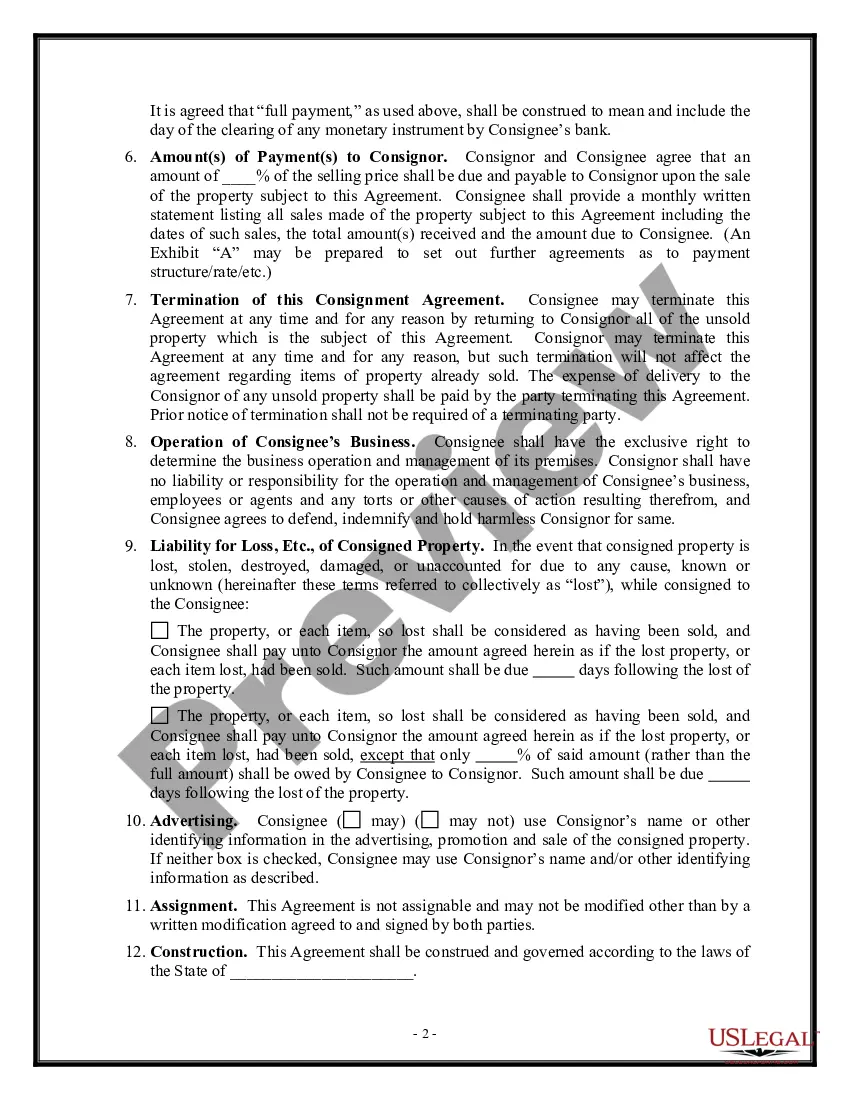
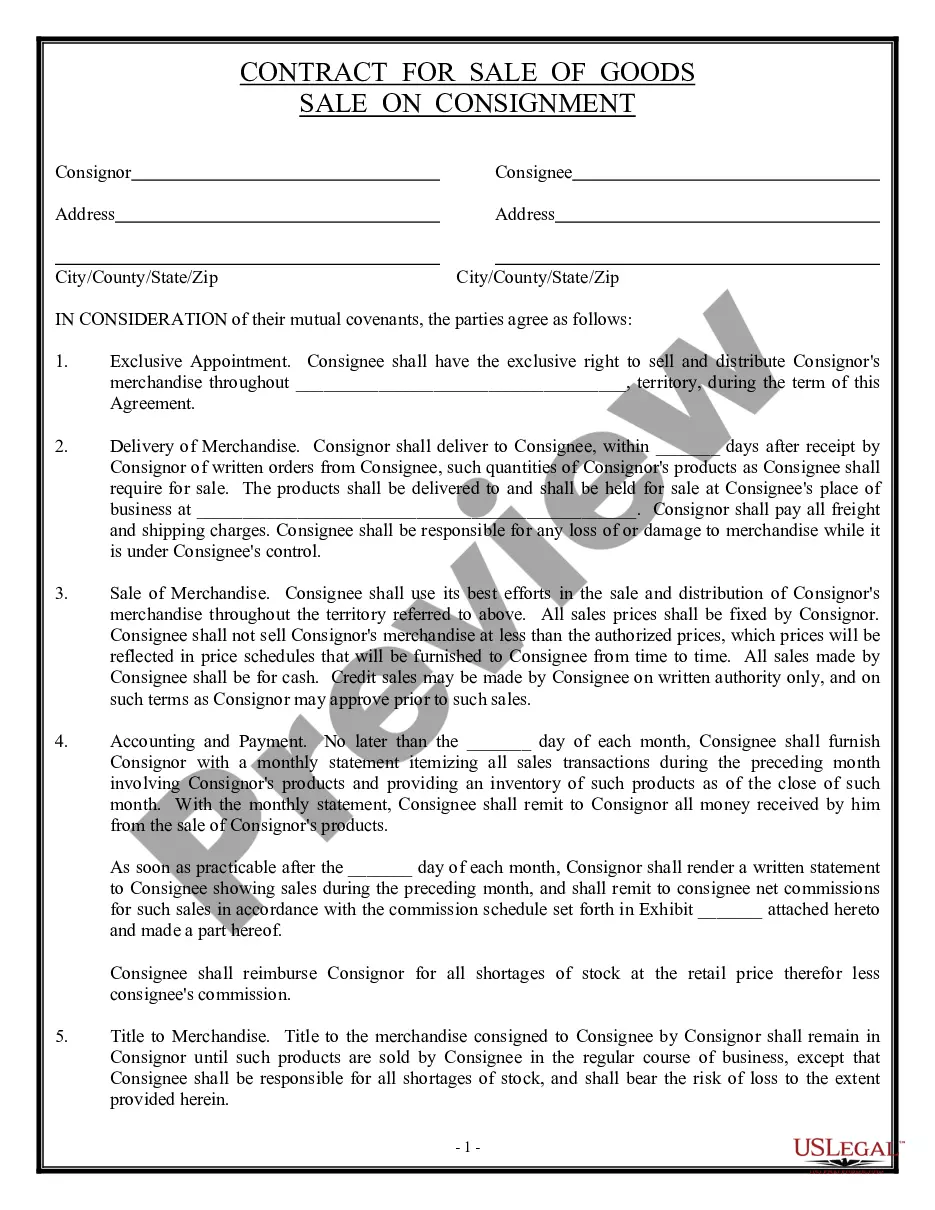
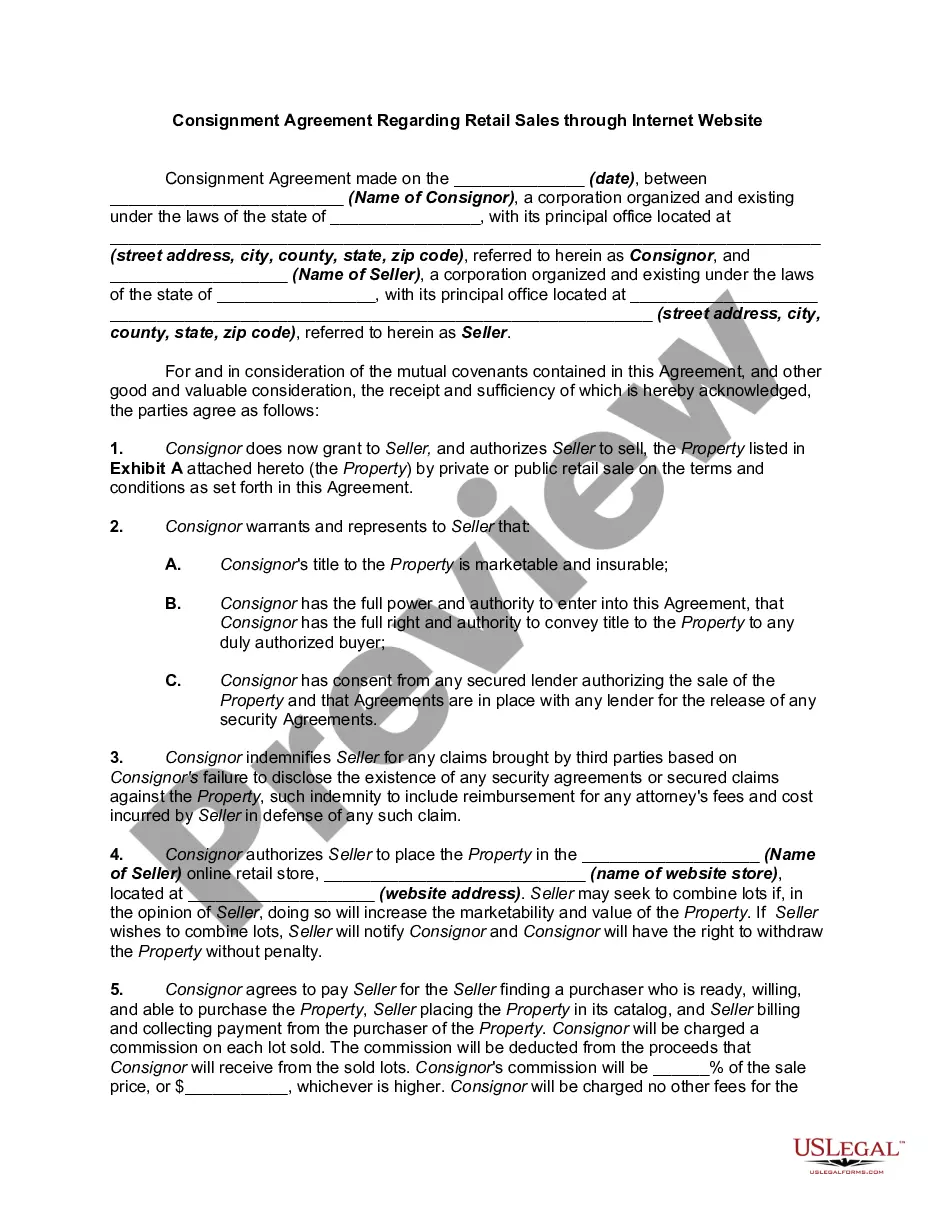
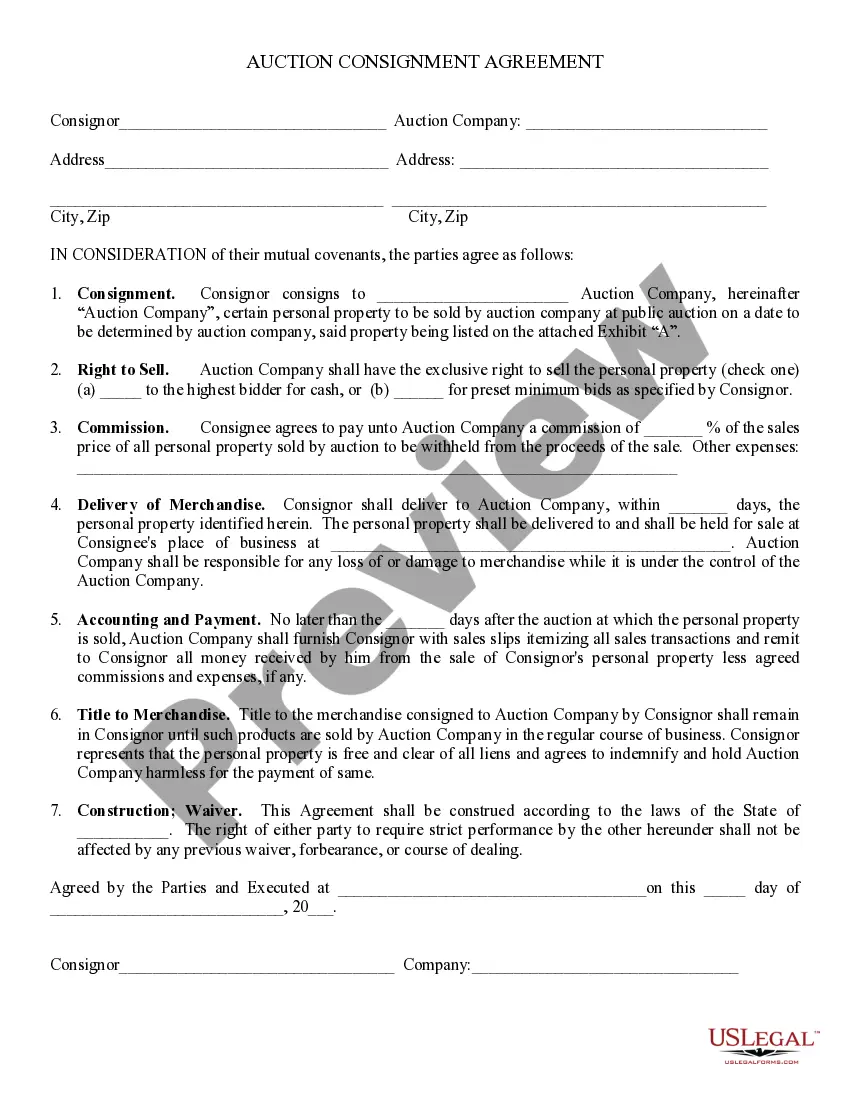
Get your form ready online
Our built-in tools help you complete, sign, share, and store your documents in one place.
Make edits, fill in missing information, and update formatting in US Legal Forms—just like you would in MS Word.
Download a copy, print it, send it by email, or mail it via USPS—whatever works best for your next step.
Sign and collect signatures with our SignNow integration. Send to multiple recipients, set reminders, and more. Go Premium to unlock E-Sign.
If this form requires notarization, complete it online through a secure video call—no need to meet a notary in person or wait for an appointment.
We protect your documents and personal data by following strict security and privacy standards.

Make edits, fill in missing information, and update formatting in US Legal Forms—just like you would in MS Word.

Download a copy, print it, send it by email, or mail it via USPS—whatever works best for your next step.

Sign and collect signatures with our SignNow integration. Send to multiple recipients, set reminders, and more. Go Premium to unlock E-Sign.

If this form requires notarization, complete it online through a secure video call—no need to meet a notary in person or wait for an appointment.

We protect your documents and personal data by following strict security and privacy standards.
Looking for another form?

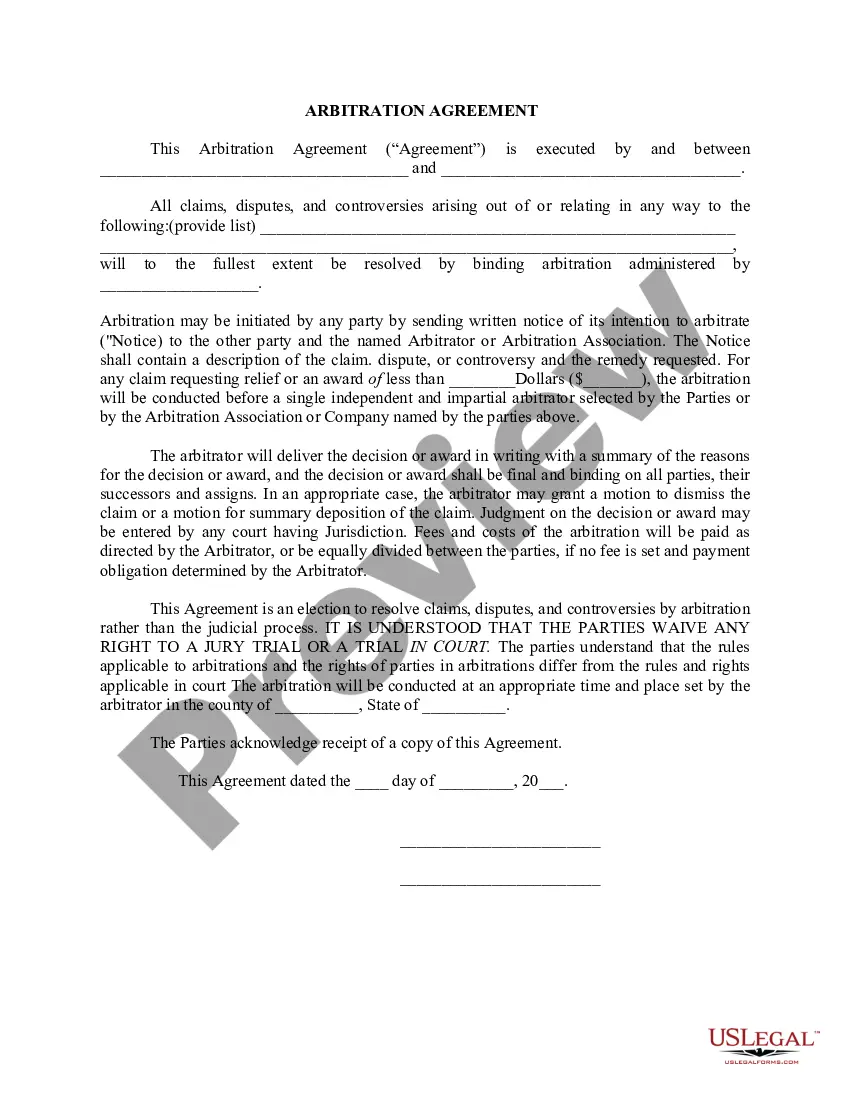


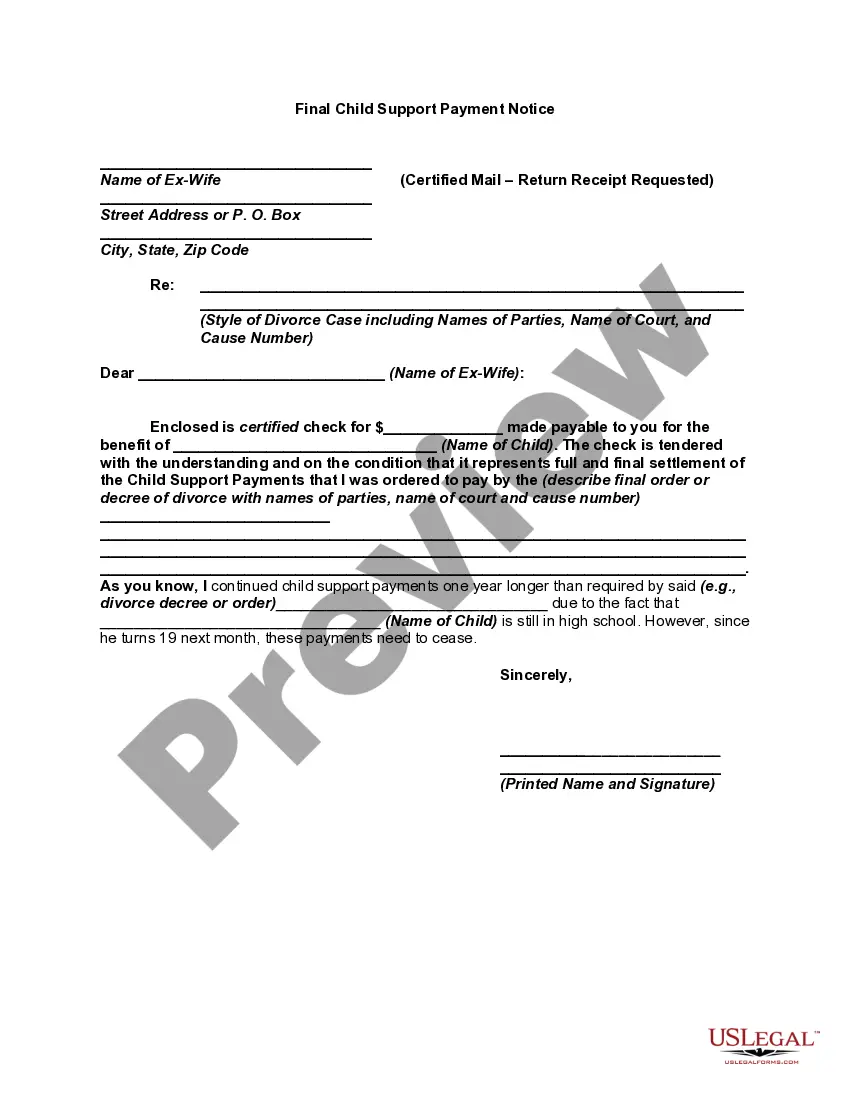





Form popularity
FAQ
For example, you may own a jewelry store where you sell jewelry on consignment. Typically, the owner of the jewelry will bring it to you and sign an agreement that authorizes you to sell the item and transfer ownership to the buyer.
Consignment is a commercial term that refers to a giving over of objects. If your goods are on consignment, you still technically own them while they are on sale at the consignment shop. The word sometimes refers literally to goods being delivered or shipped, such as food or cargo.
To register, head to the DMV and submit: A Completed Application for Title or Registration (Form REG 343). The Vehicle's Out-of-State Title. The Vehicle's Out-of-State Registration. Proof of Insurance. A Valid Smog Certificate. Payment for Fees (see "Fees" below).
DMV requires owners to sign and present a Certification of Exportation (REG 32) form in person at a DMV office when the owner is exporting a vehicle to another country by ship or air. All registered owners whose names on the title are joined by “and” or “a slash (/)” must: Appear in person.
The first step of how to register a car in California is to establish residency. A resident is in possession of a driver's license or voter registration as proof, as well as California-based employment, tax exemption for a home in the state, or rent or lease for an apartment in-state.
To register, head to the DMV and submit: A Completed Application for Title or Registration (Form REG 343). The Vehicle's Out-of-State Title. The Vehicle's Out-of-State Registration. Proof of Insurance. A Valid Smog Certificate. Payment for Fees (see "Fees" below).
How to Get a Car Dealers License in California (12 Steps) Pre-License Dealer Training Class. Online Home Study. Decide on a Dealer License Type. Name Your Dealership. Set up your Online DMV Application account. Get a Live Scan. Pass the DMV's Dealer Test. Open a Bank Account. Secure your Location / Dealer Address.
In California, you can register your car online, over the phone, through the mail, and in person.
