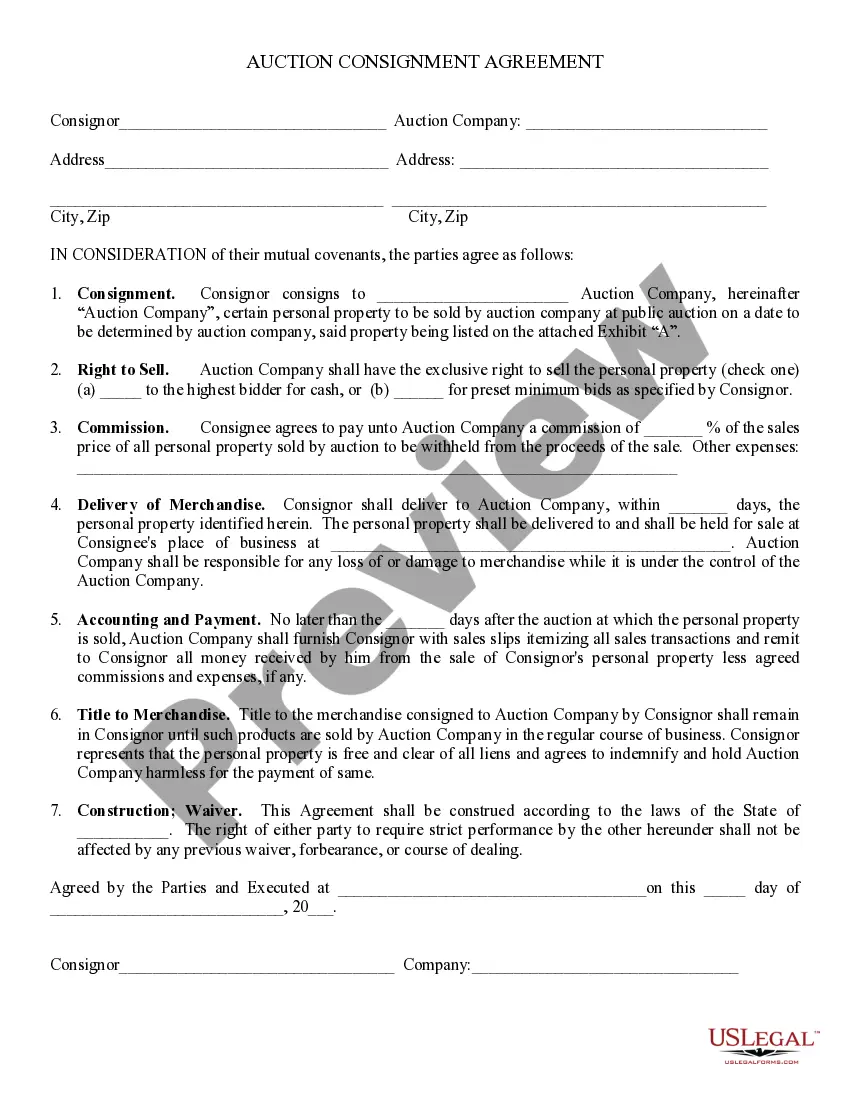
Consignment Agreement In Oracle Fusion In Illinois
Description

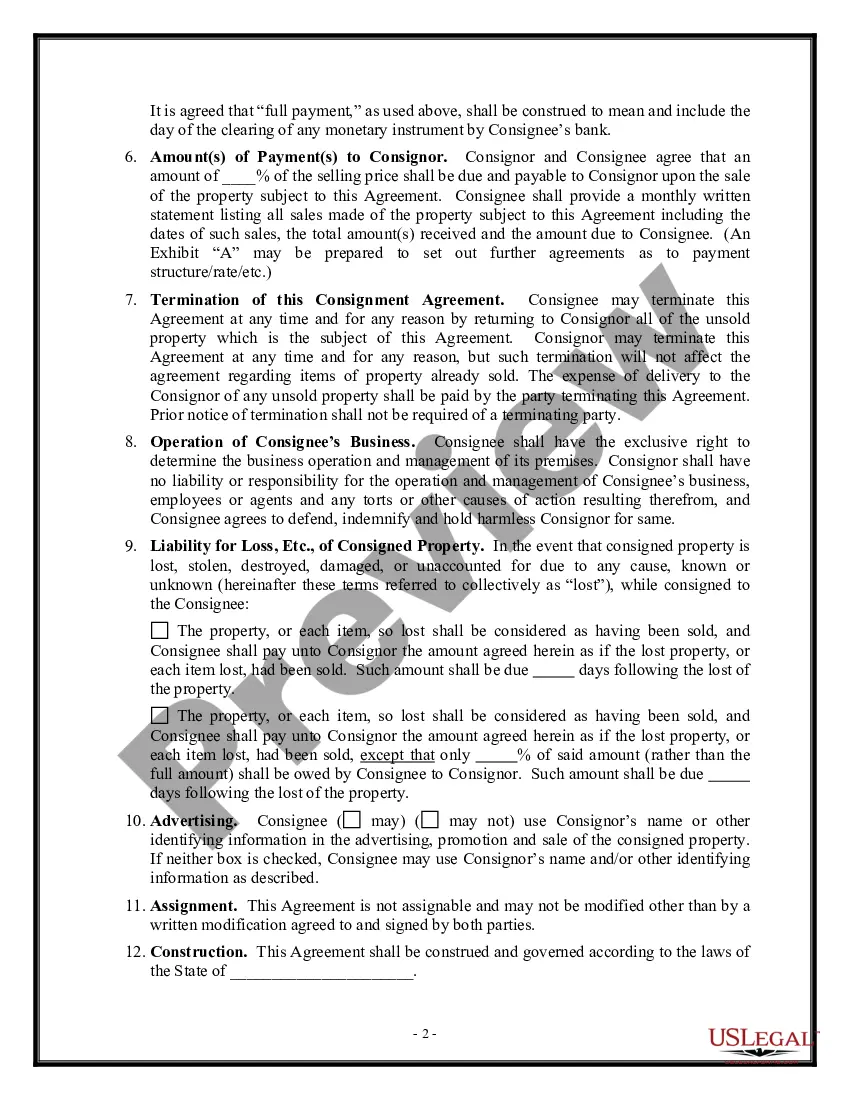
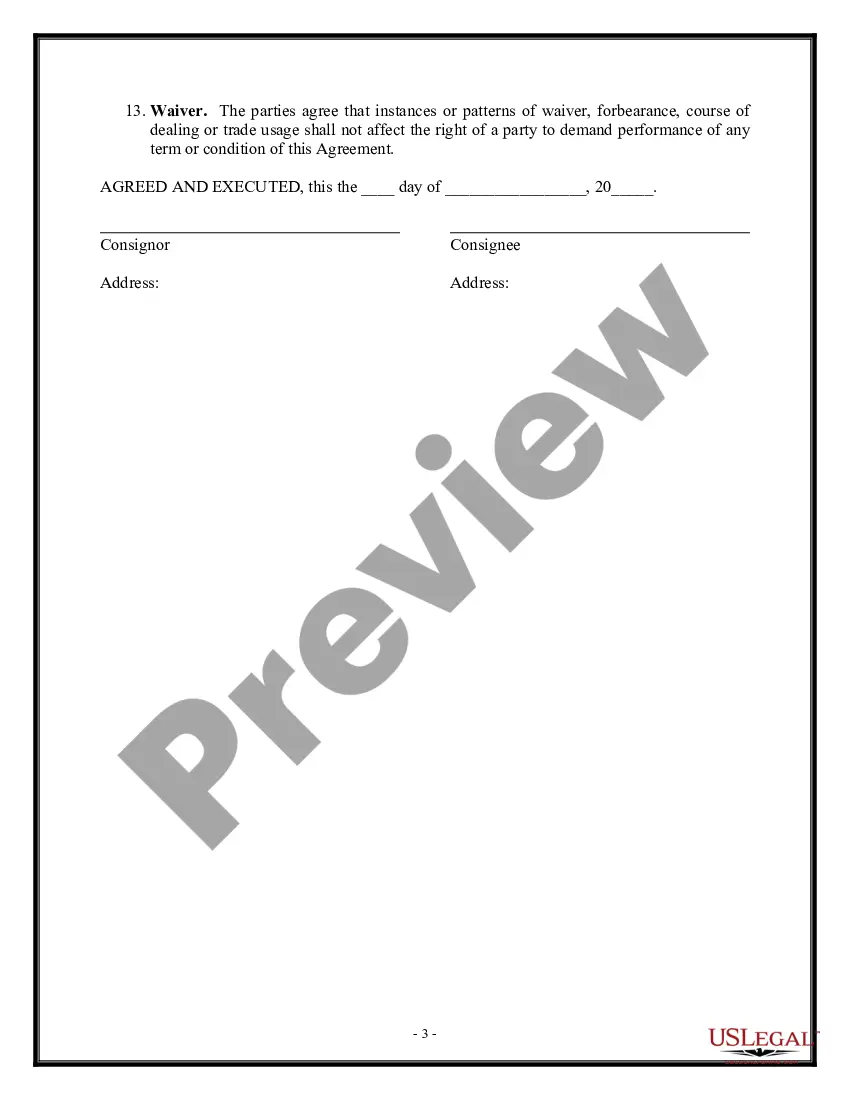
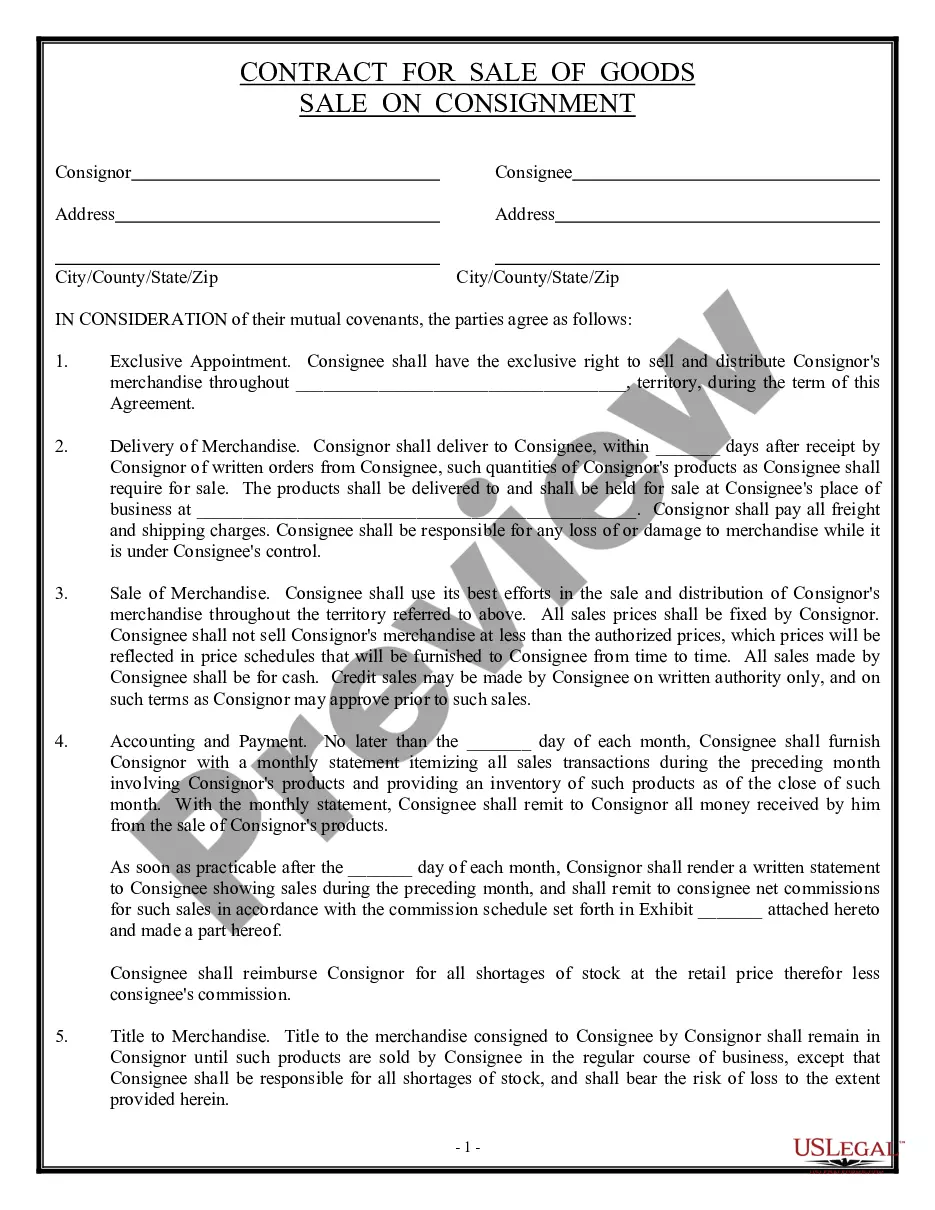
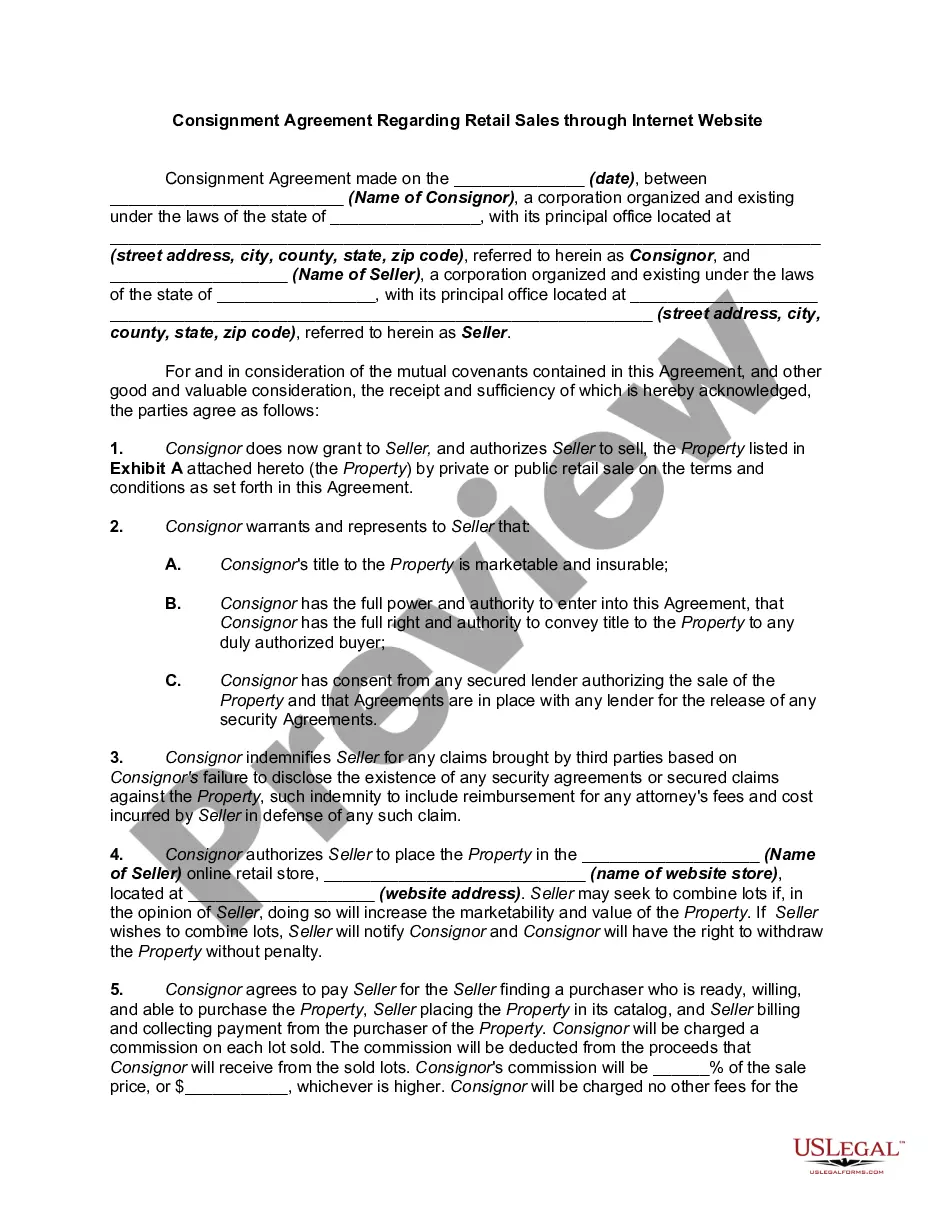
Get your form ready online
Our built-in tools help you complete, sign, share, and store your documents in one place.
Make edits, fill in missing information, and update formatting in US Legal Forms—just like you would in MS Word.
Download a copy, print it, send it by email, or mail it via USPS—whatever works best for your next step.
Sign and collect signatures with our SignNow integration. Send to multiple recipients, set reminders, and more. Go Premium to unlock E-Sign.
If this form requires notarization, complete it online through a secure video call—no need to meet a notary in person or wait for an appointment.
We protect your documents and personal data by following strict security and privacy standards.

Make edits, fill in missing information, and update formatting in US Legal Forms—just like you would in MS Word.

Download a copy, print it, send it by email, or mail it via USPS—whatever works best for your next step.

Sign and collect signatures with our SignNow integration. Send to multiple recipients, set reminders, and more. Go Premium to unlock E-Sign.

If this form requires notarization, complete it online through a secure video call—no need to meet a notary in person or wait for an appointment.

We protect your documents and personal data by following strict security and privacy standards.
Looking for another form?









Form popularity
FAQ
You can view an item's revision number and the corresponding change order from the Revision list on any item page. The current effective revision is marked with an asterisk () character. Attachments - text or graphic files, or URLs, with more information about the item; classify attachments into a category.
Click Servicing > Servicing > Vendors > Vendors > Vendor Details > Vendor Groups.
Consigned inventory refers to items that are in the possession of one party, but remain the property of another party by mutual agreement. The process of consigned inventory follows steps between the buyer and seller.
In a consignment agreement, a consignor supplies goods to a consignee, who sells them on the consignor's behalf. The consignee earns a commission from each sale and sends the remaining sales revenue to the consignor. The consignor retains ownership of the goods until they are sold.
On the Manage Suppliers page or the Quick Search page, enter full or partial search values values into the Keywords field. The application searches for a match between the value you enter and either the supplier name, alternate name, parent supplier name, supplier number, or D-U-N-S number.
In Oracle Fusion Cloud, click Navigator > Tools > Reports and Analytics. Click Browse Catalog, and In the Catalog page click Shared Folders > Procurement > Embedded Content > Export supplier data for import template. Search for the required supplier and export the data for FBDI.
View Supplier Details In the Suppliers work area, click the Manage SAM Trading Partners task. On Manage SAM Trading Partners, select the UEI record for which you want to view the supplier details. From the More Actions menu, click View Supplier.
How to Write a Consignment Agreement Parties Involved: Names and contact information of the consignor and the consignee. Consigned Goods: Detailed description of the goods being consigned, including quantities and specifications. Consignment Period: Duration of the consignment arrangement.
In consignment inventory, the supplier retains ownership of the goods until they are sold by the retailer, who pays the supplier only after the sale. In vendor-managed inventory (VMI), the supplier manages and replenishes the retailer's inventory levels based on agreed-upon metrics.
Overview of Importing Contracts Upload the source file to the file repository. Identify the target import objects. Map import object attributes to fields in the source file you uploaded. Schedule the import activity to populate the interface tables with the data. Import contract attachments (optional).
