Authorization Release Form For Medical Records In San Bernardino
Description
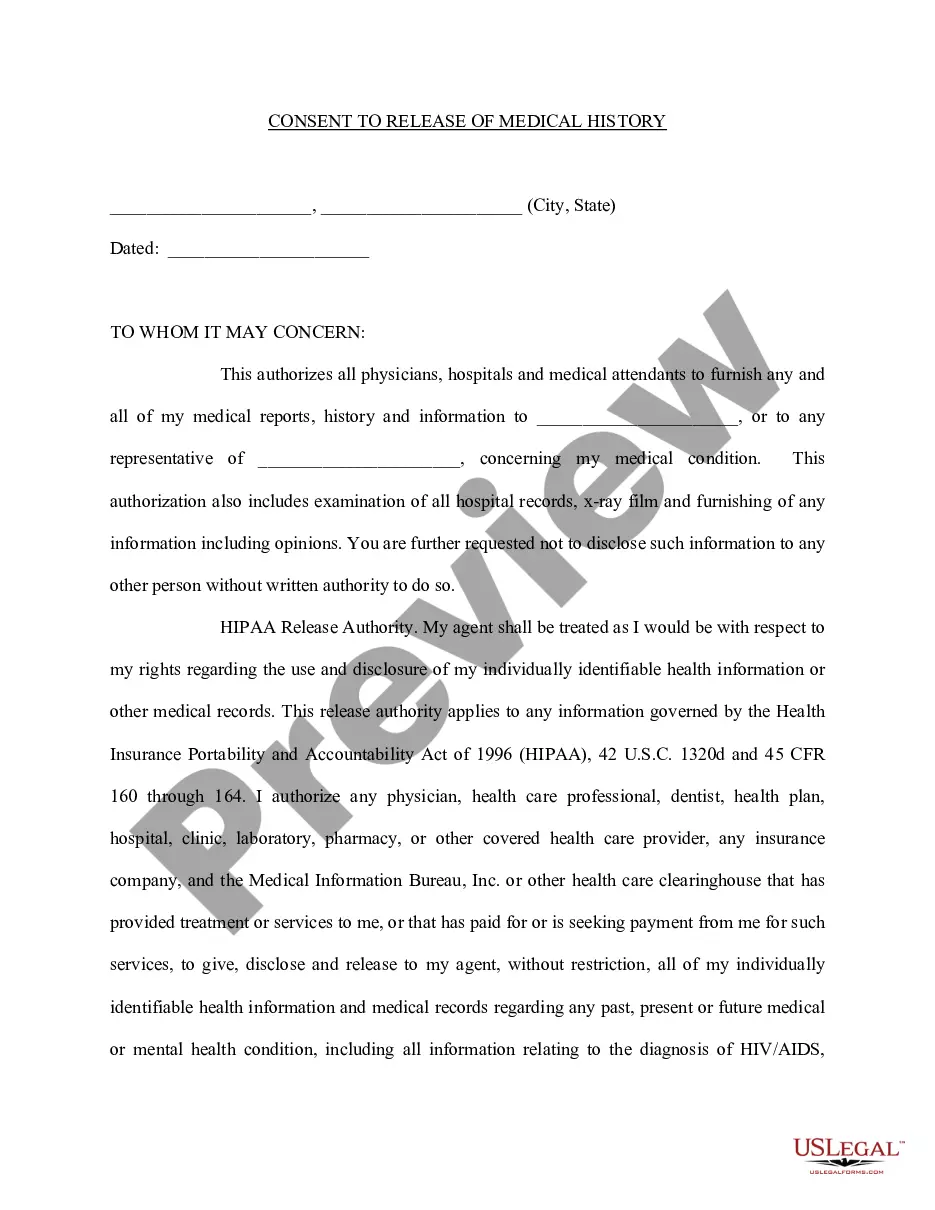
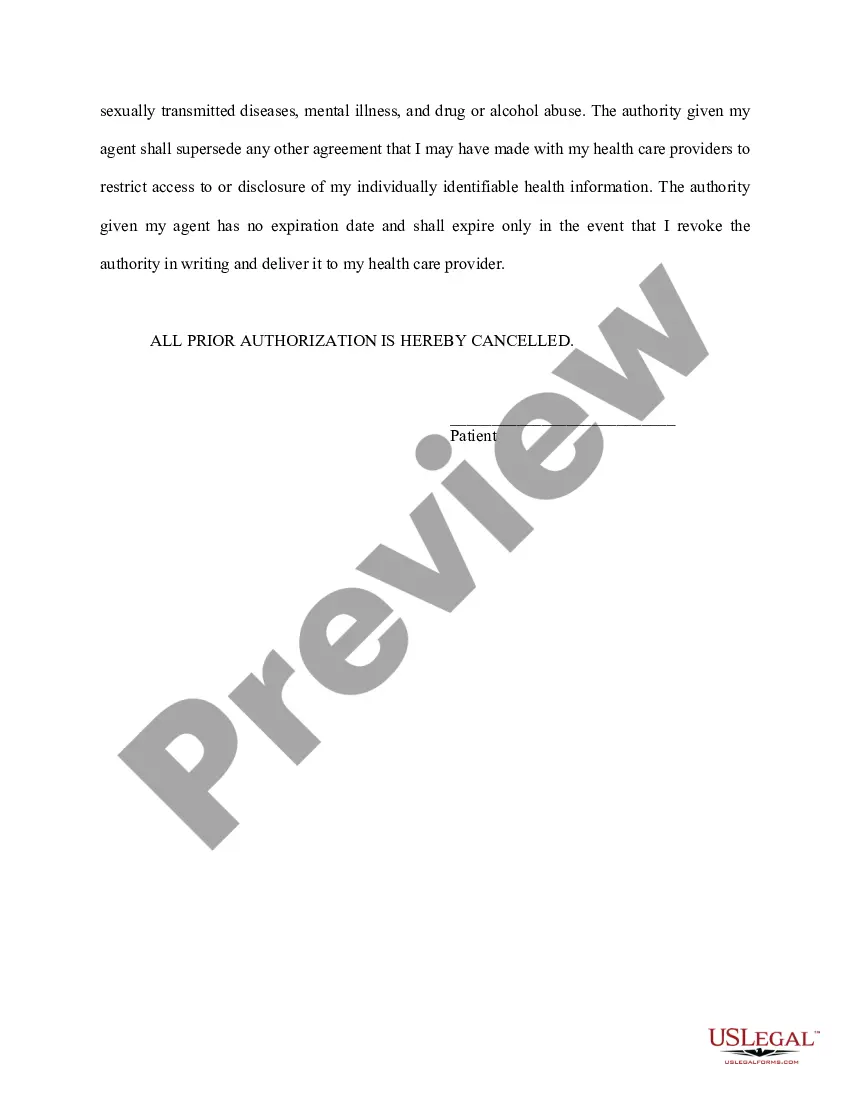

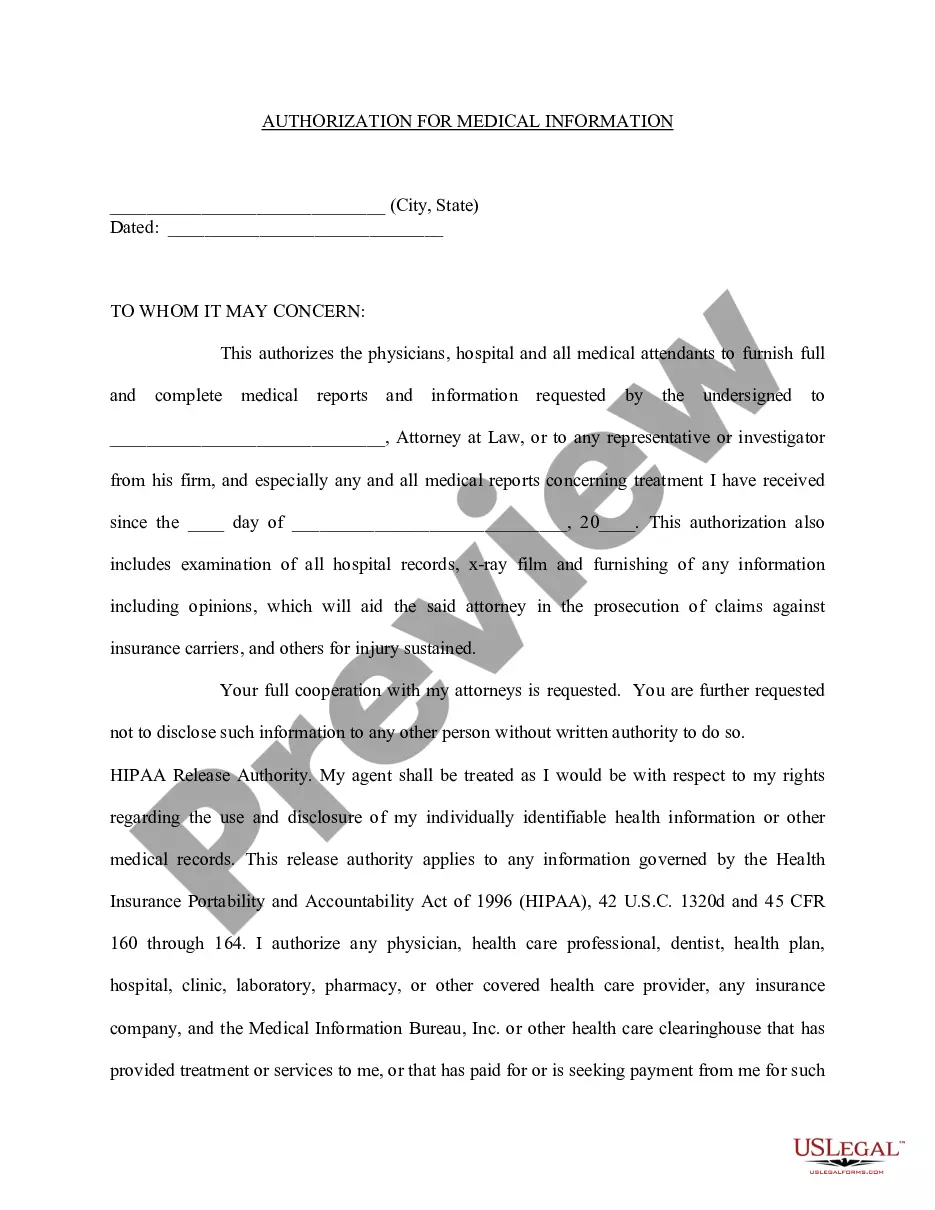
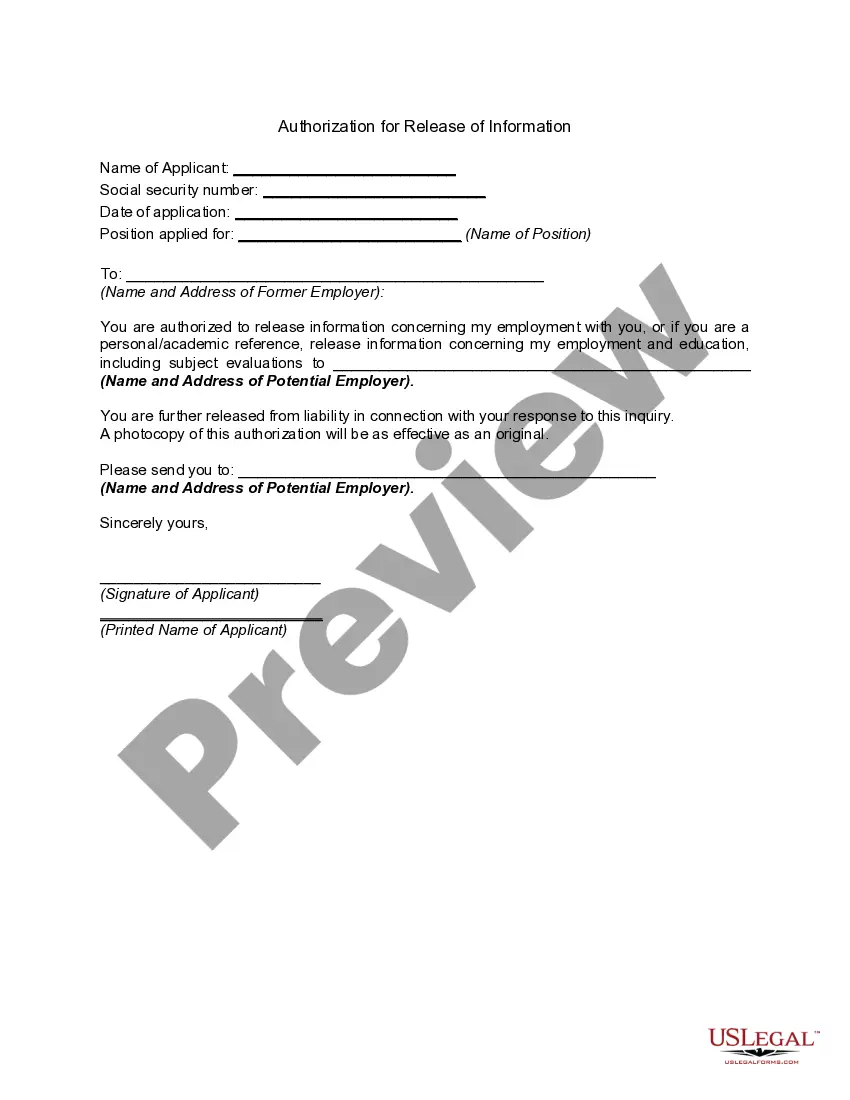
Get your form ready online
Our built-in tools help you complete, sign, share, and store your documents in one place.
Make edits, fill in missing information, and update formatting in US Legal Forms—just like you would in MS Word.
Download a copy, print it, send it by email, or mail it via USPS—whatever works best for your next step.
Sign and collect signatures with our SignNow integration. Send to multiple recipients, set reminders, and more. Go Premium to unlock E-Sign.
If this form requires notarization, complete it online through a secure video call—no need to meet a notary in person or wait for an appointment.
We protect your documents and personal data by following strict security and privacy standards.

Make edits, fill in missing information, and update formatting in US Legal Forms—just like you would in MS Word.

Download a copy, print it, send it by email, or mail it via USPS—whatever works best for your next step.

Sign and collect signatures with our SignNow integration. Send to multiple recipients, set reminders, and more. Go Premium to unlock E-Sign.

If this form requires notarization, complete it online through a secure video call—no need to meet a notary in person or wait for an appointment.

We protect your documents and personal data by following strict security and privacy standards.
Looking for another form?








Form popularity
FAQ
Release of Information Authorization Under the HIPAA Privacy Rule, when a release of information is intended for purposes other than medical treatment, healthcare operations, or payment, you'll need to sign an authorization for ROI.
By law, a patient's records are defined as records relating to the health history, diagnosis, or condition of a patient, or relating to treatment provided or proposed to be provided to the patient. Physicians must provide patients with copies within 15 days of receipt of the request.
A: In California, a subpoena can indeed compel the production of medical records for a court case, but it's subject to strict legal and privacy regulations.
Personal health record (PHR) Electronic medical record (EMR)
If the court does not have the proper jurisdiction, the subpoena is invalid. Inadequate notice: The subpoena must provide sufficient time for the recipient to comply. If the notice period is too short, the subpoena may be considered invalid.
The answer varies depending on the state. In California, the retention period can be anywhere from two to ten years, depending on the type of procedure or healthcare provider. However, an insurance claim medical report should only look as far back as the injury in question.
The party must bring a subpoena form (AO-88, AO-88A or AO-088B) and be prepared to provide the case name and case number. The clerk will issue a subpoena, signed but otherwise in blank, to the requesting party. The party must complete the subpoena before service.
(a) Patients may authorize the release of their health care information by completing the CDCR 7385, Authorization for Release of Protected Health Information , to allow a family member or friend to request and receive an update when there is a significant change in the patient 's health care condition.
