Corporation Status In Texas In Texas
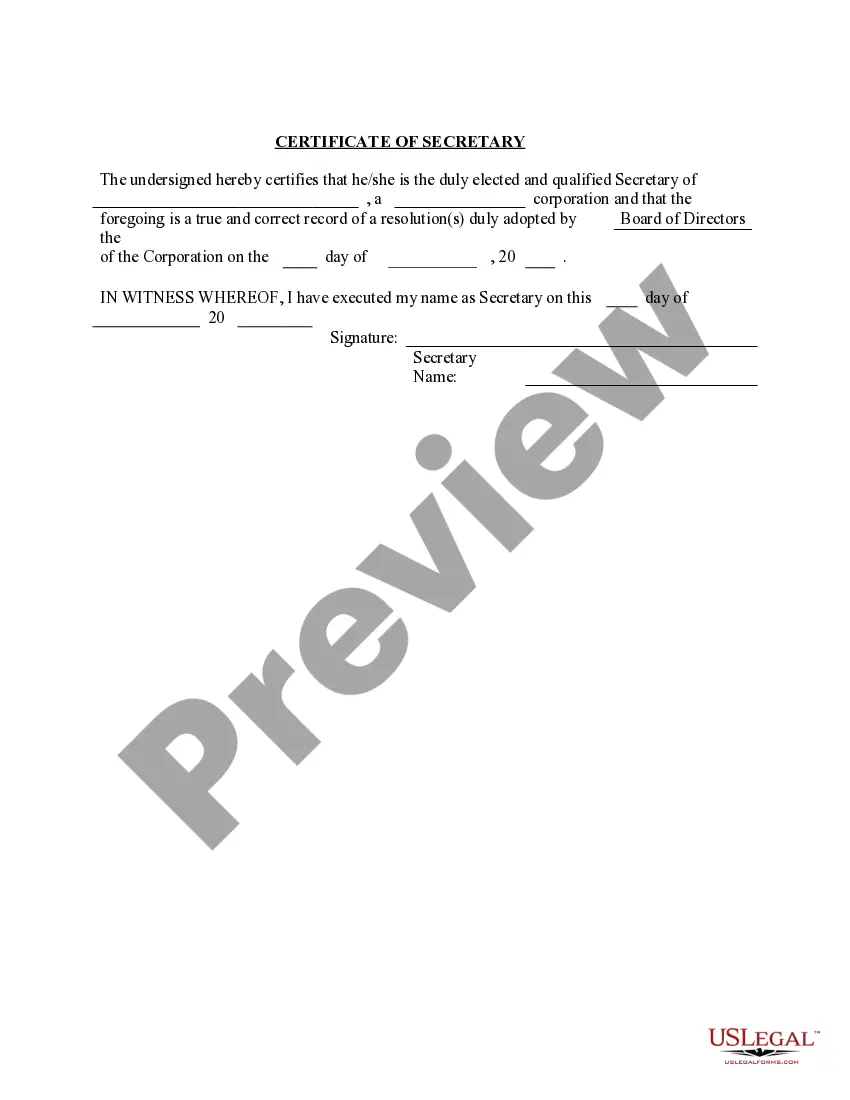
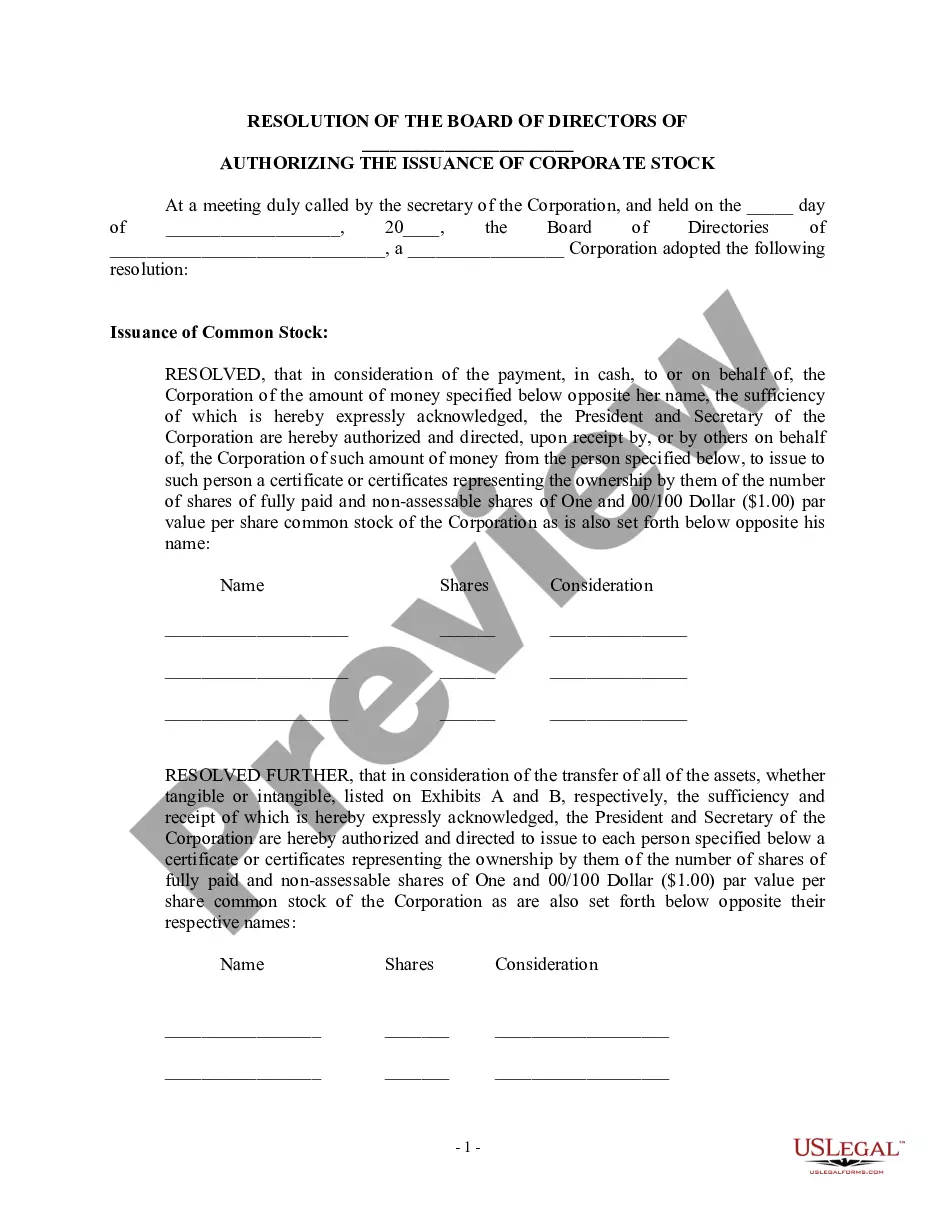
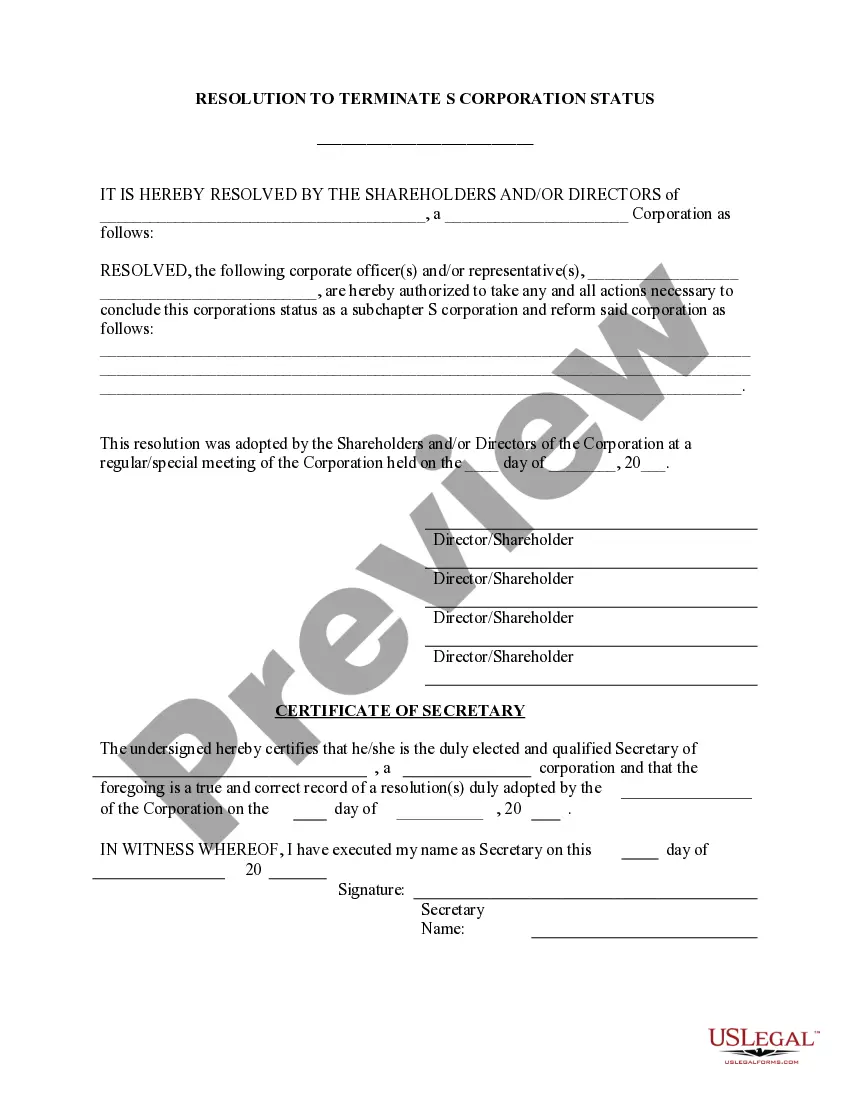
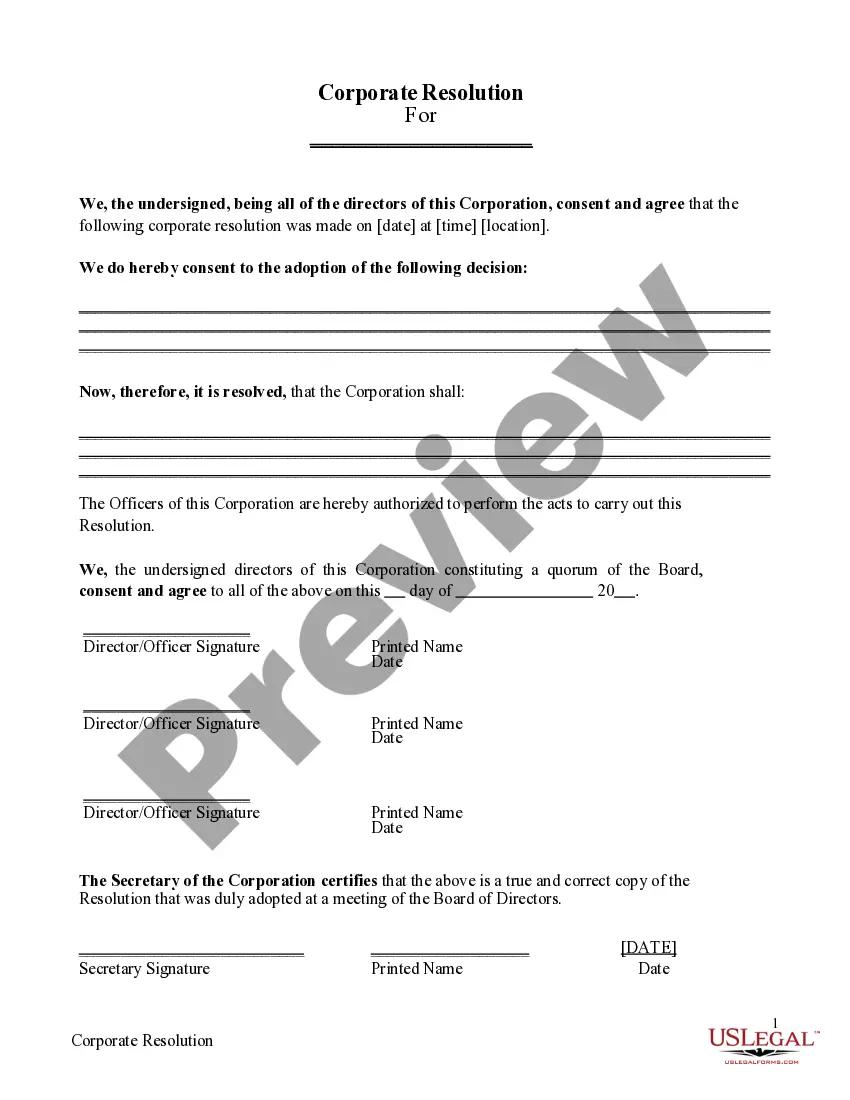
Description


Get your form ready online
Our built-in tools help you complete, sign, share, and store your documents in one place.
Make edits, fill in missing information, and update formatting in US Legal Forms—just like you would in MS Word.
Download a copy, print it, send it by email, or mail it via USPS—whatever works best for your next step.
Sign and collect signatures with our SignNow integration. Send to multiple recipients, set reminders, and more. Go Premium to unlock E-Sign.
If this form requires notarization, complete it online through a secure video call—no need to meet a notary in person or wait for an appointment.
We protect your documents and personal data by following strict security and privacy standards.

Make edits, fill in missing information, and update formatting in US Legal Forms—just like you would in MS Word.

Download a copy, print it, send it by email, or mail it via USPS—whatever works best for your next step.

Sign and collect signatures with our SignNow integration. Send to multiple recipients, set reminders, and more. Go Premium to unlock E-Sign.

If this form requires notarization, complete it online through a secure video call—no need to meet a notary in person or wait for an appointment.

We protect your documents and personal data by following strict security and privacy standards.
Looking for another form?








Form popularity
FAQ
Texas Taxpayer Number: This 11-digit number is issued to an individual/entity by the Comptroller of Public Accounts.
The limited liability company ( LLC ) is not a partnership or a corporation but rather is a distinct type of entity that has the powers of both a corporation and a partnership.
If you do not have your Webfile number, you can contact us at (800) 442-3453 24 hours a day, 7 days a week. This automated system can provide a Webfile number if you can provide confidential information from a previously filed report.
If you do not know the file number, click on Find Entity. On the Find Entity Name Search screen, input the name of the entity for which you need to change entity information or status and click on Search.
Other differences between S corps and LLCs include: Transferability of ownership. S corporation stock is freely transferable, as long as IRS ownership restrictions are met. An LLC membership interest (ownership) typically is not freely transferable—approval from other members is often required.
LLC vs Corporation: Governance and Management Texas law also requires corporations to keep certain records, including written minutes of shareholder and director meetings. In contrast, an LLC affords members the flexibility to decide their own management structure and governance.
There are seven steps you'll complete to start an S corp in Texas. Step 1: Check Name Availability. Step 2: Choose a Business Name. Step 3: Registered Agent. Step 4: Complete Form 201. Step 5: Bylaws and Regulations. Step 6: Obtain EIN. Step 7: File Form 2553.
Information about certificates of account status is available from the comptroller. You may contact the comptroller at (800) 252-1381 for assistance as well. Certificates of account status are often confused with certificates of fact - status issued by the Secretary of State.
First, the name must include the words “Limited Liability Company” or one of its abbreviations, such as “LLC” or “L.L.C.” This requirement helps clarify the legal structure of the business to the public. Second, the name must be distinguishable from other LLC names already on file with the Texas Secretary of State.
While several states actively compete for new business formations, Anonymous LLCs are only permitted in a few states. If you currently reside in Texas, your state does not currently offer this commodity. However, don't let that stop you from enjoying your privacy!
