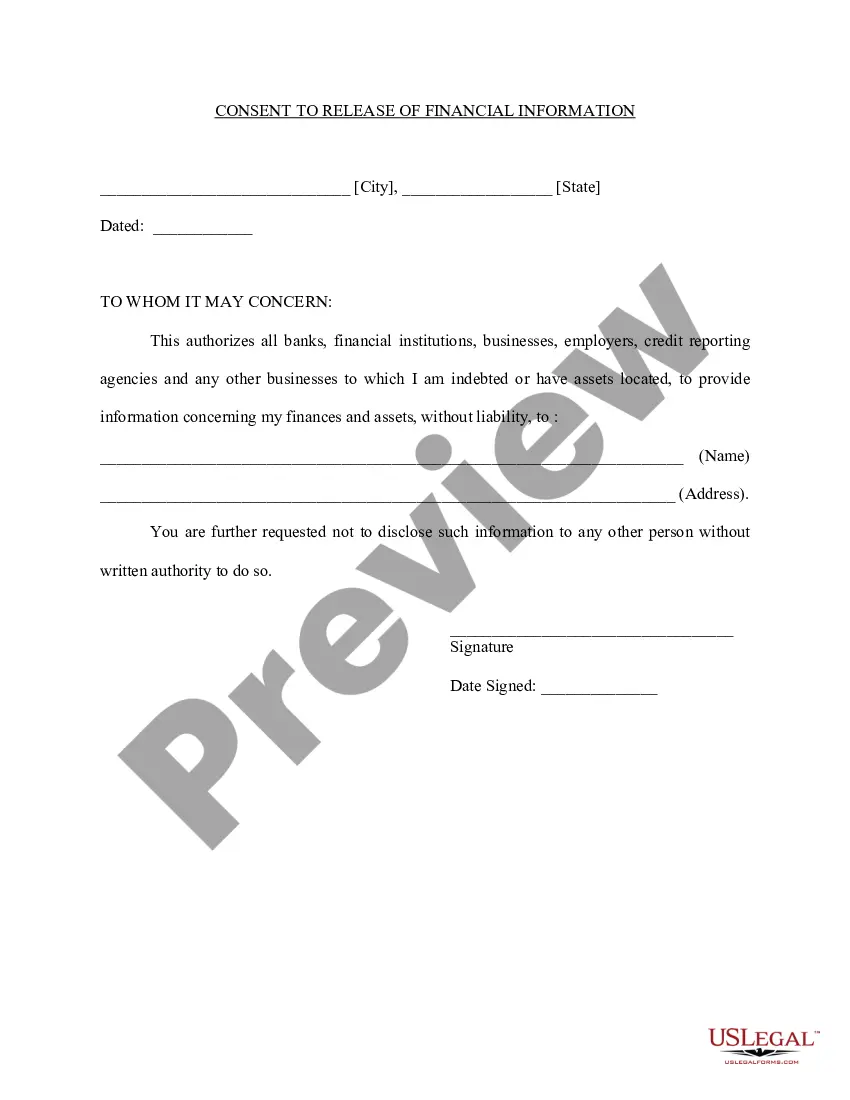
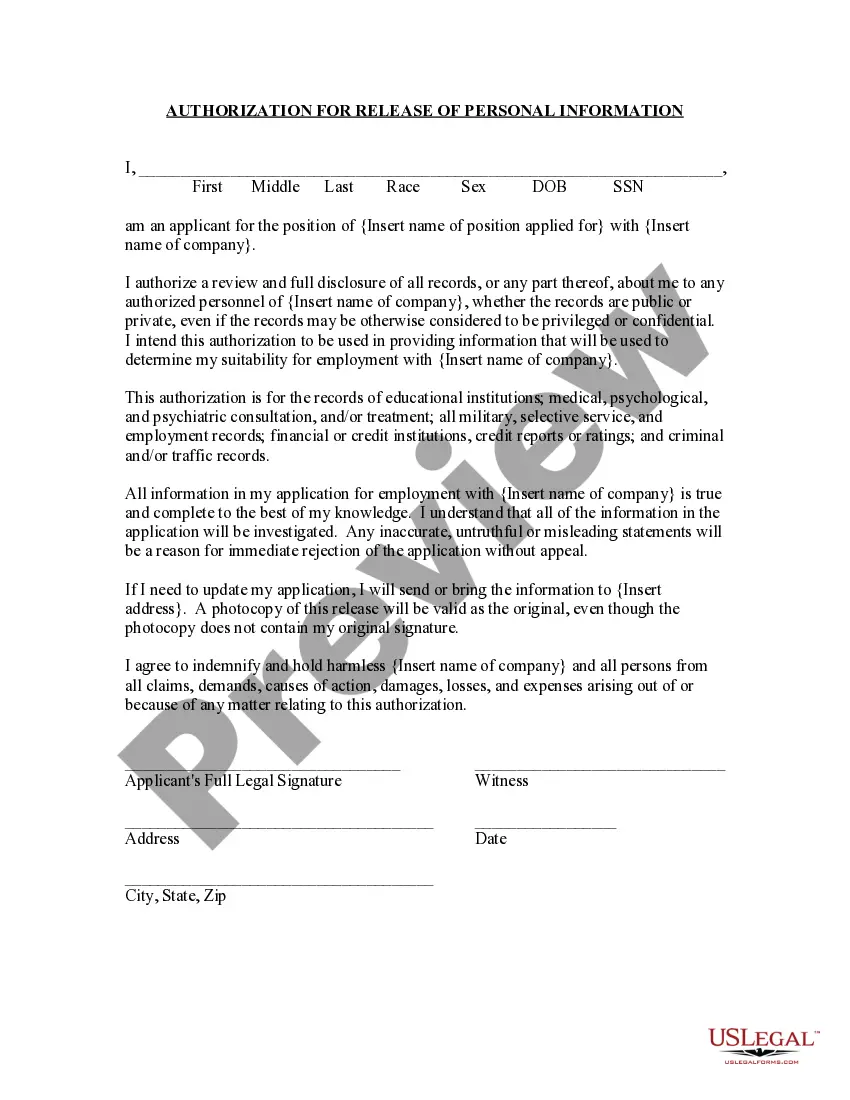
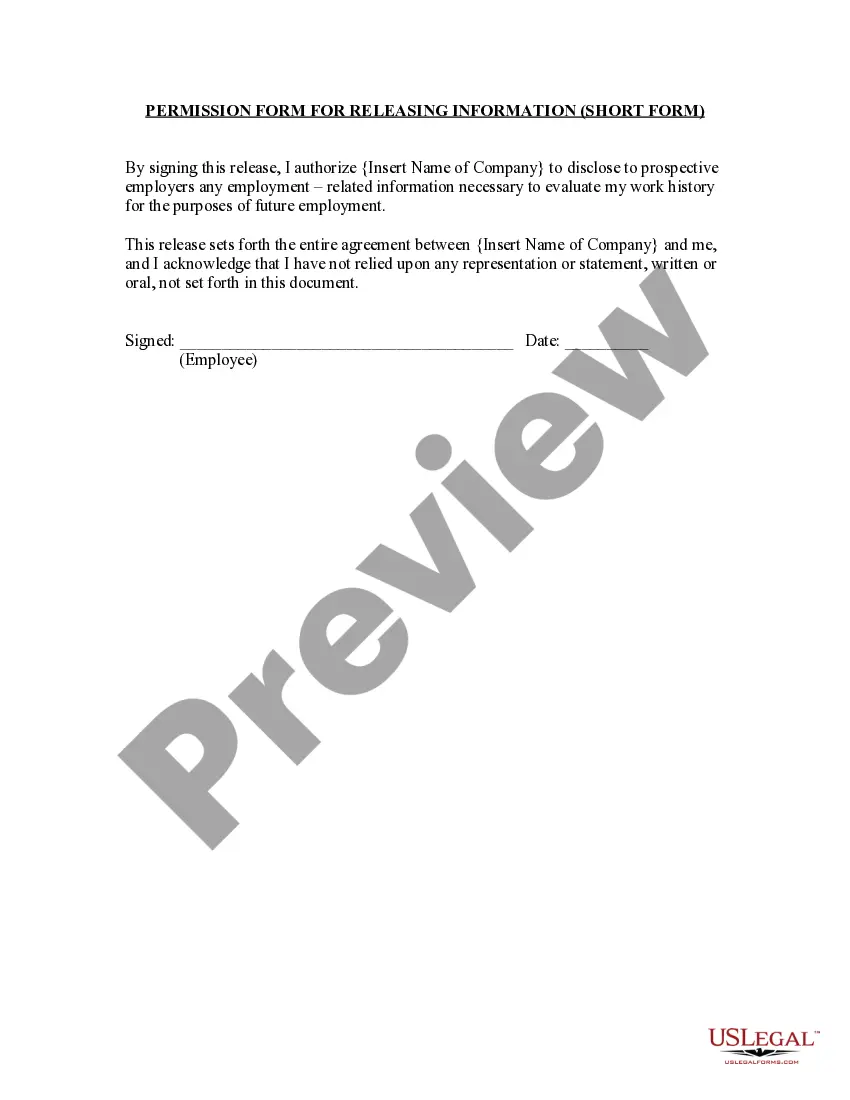
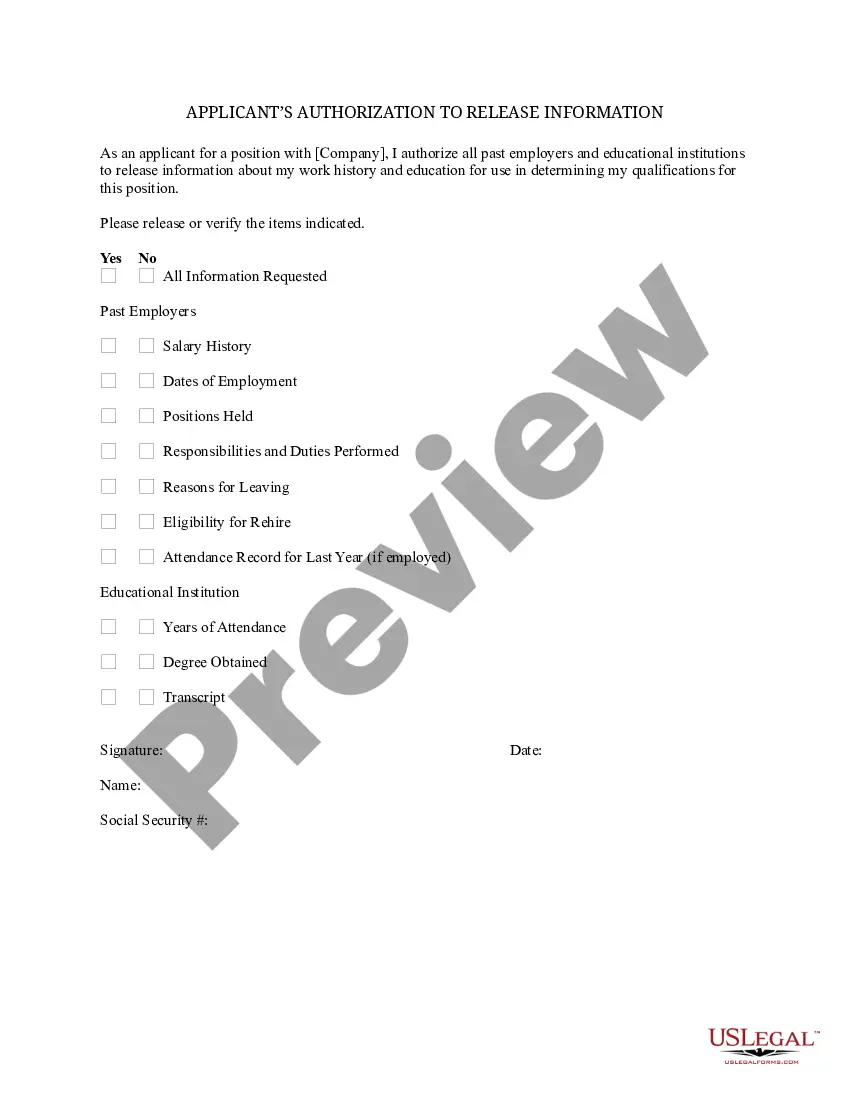
Ferpa Release Information Without Consent In Virginia
Description

Get your form ready online
Our built-in tools help you complete, sign, share, and store your documents in one place.
Make edits, fill in missing information, and update formatting in US Legal Forms—just like you would in MS Word.
Download a copy, print it, send it by email, or mail it via USPS—whatever works best for your next step.
Sign and collect signatures with our SignNow integration. Send to multiple recipients, set reminders, and more. Go Premium to unlock E-Sign.
If this form requires notarization, complete it online through a secure video call—no need to meet a notary in person or wait for an appointment.
We protect your documents and personal data by following strict security and privacy standards.

Make edits, fill in missing information, and update formatting in US Legal Forms—just like you would in MS Word.

Download a copy, print it, send it by email, or mail it via USPS—whatever works best for your next step.

Sign and collect signatures with our SignNow integration. Send to multiple recipients, set reminders, and more. Go Premium to unlock E-Sign.

If this form requires notarization, complete it online through a secure video call—no need to meet a notary in person or wait for an appointment.

We protect your documents and personal data by following strict security and privacy standards.
Looking for another form?







Form popularity
FAQ
Family Educational Rights and Privacy Act FERPA gives parents certain rights with respect to their children's education records. These rights transfer to the student when he or she reaches the age of 18, “eligible student,” or is enrolled in a postsecondary institution.
Effective July 1, 2018, § 23.1-405(C) of the Code of Virginia prohibits a university from disclosing a student's email address, physical address or telephone number pursuant to a Virginia Freedom of Information Act request, or as a disclosure of Directory Information under FERPA without the student's prior written ...
In Virginia, every child between the ages of five and 17 is required by law to attend school. Parents may choose to send their children to a public, private, denominational, or parochial school. If certain requirements are met, parents may also teach their children at home. (Code of Virginia § 22.1-254).
Virginians may legally drop out of high school once they turn 18. Students who are 16 or 17 may also leave regular school, but only after they've had a meeting with their parents and the principal to set up an individual student alternative education plan.
Final answer: School officials can release identifiable information without parental consent when required by law, in emergencies or to school officials with legitimate interests.
All public records and meetings shall be presumed open, unless an exemption is properly invoked. The provisions of this chapter shall be liberally construed to promote an increased awareness by all persons of governmental activities and afford every opportunity to citizens to witness the operations of government.
No public institution of higher education shall sell students' personal information, including names, addresses, phone numbers, and email addresses, to any person.