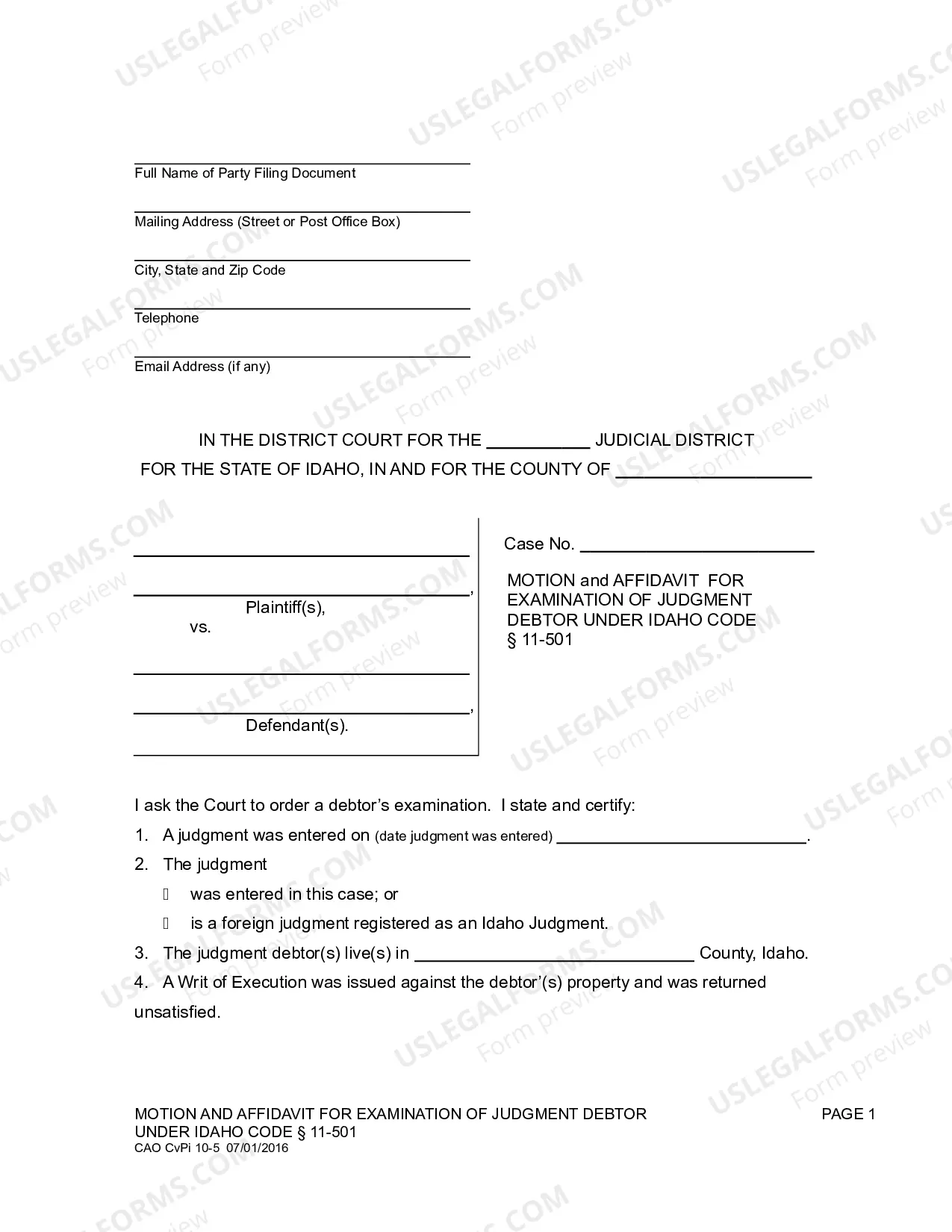
Agreement to Extend Security Interest
Overview of this form
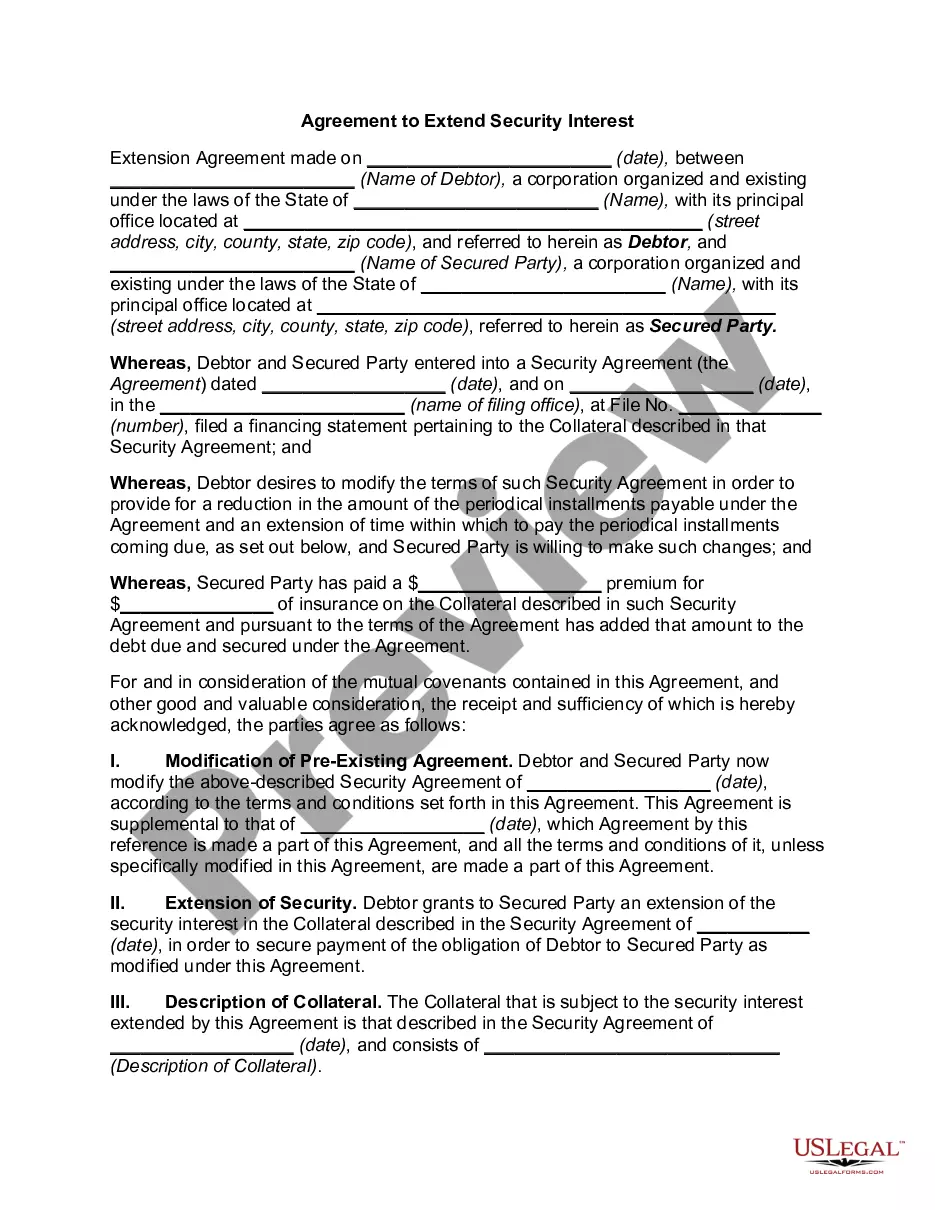
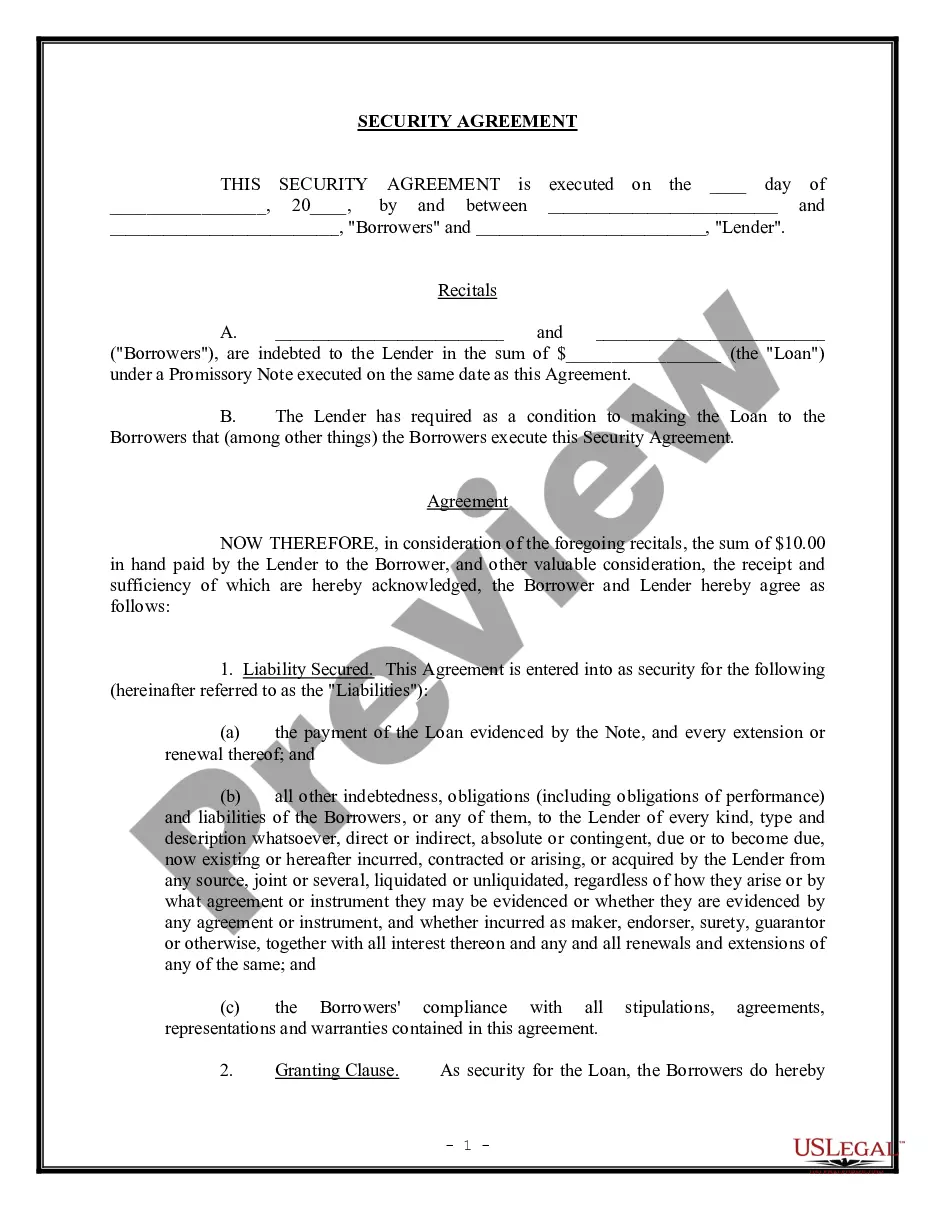
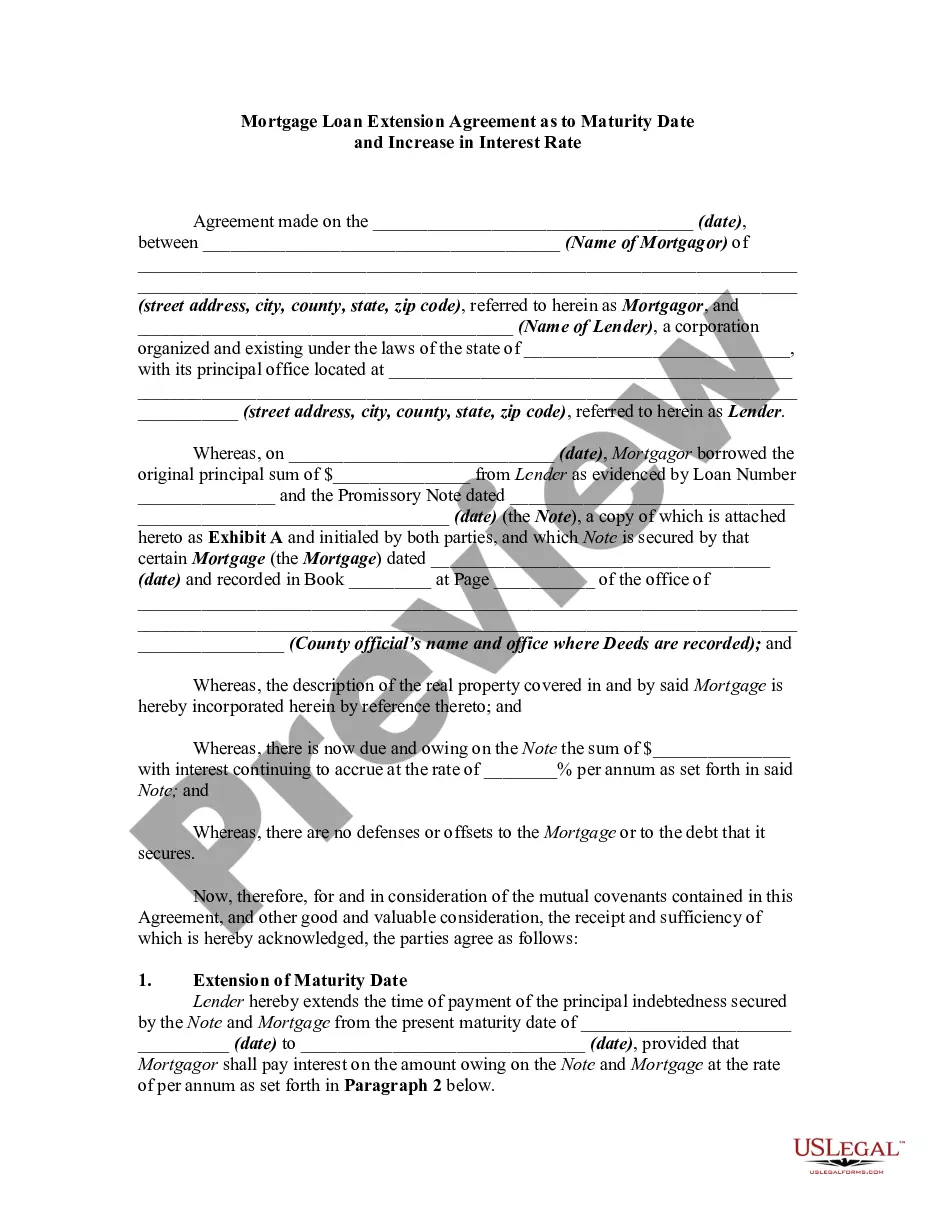
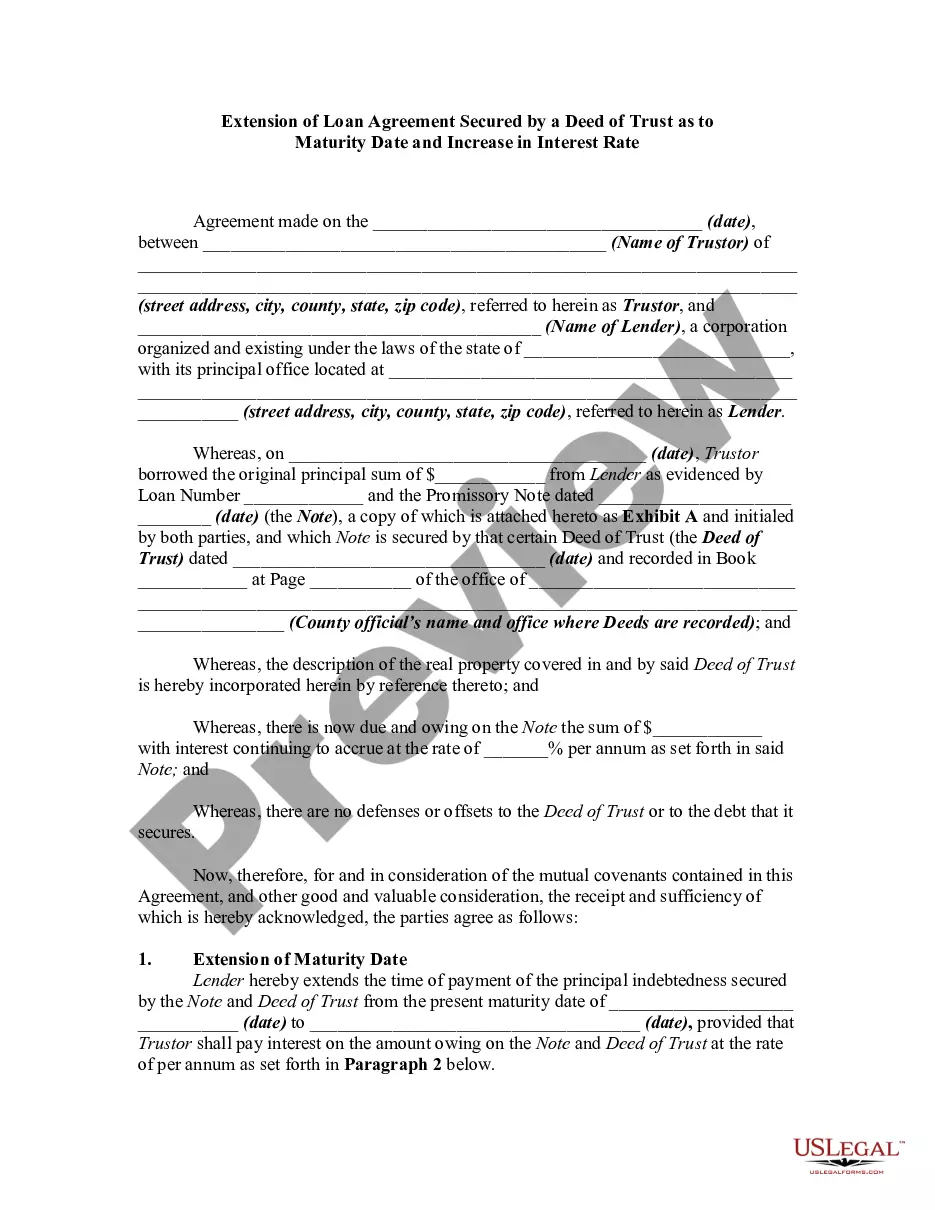
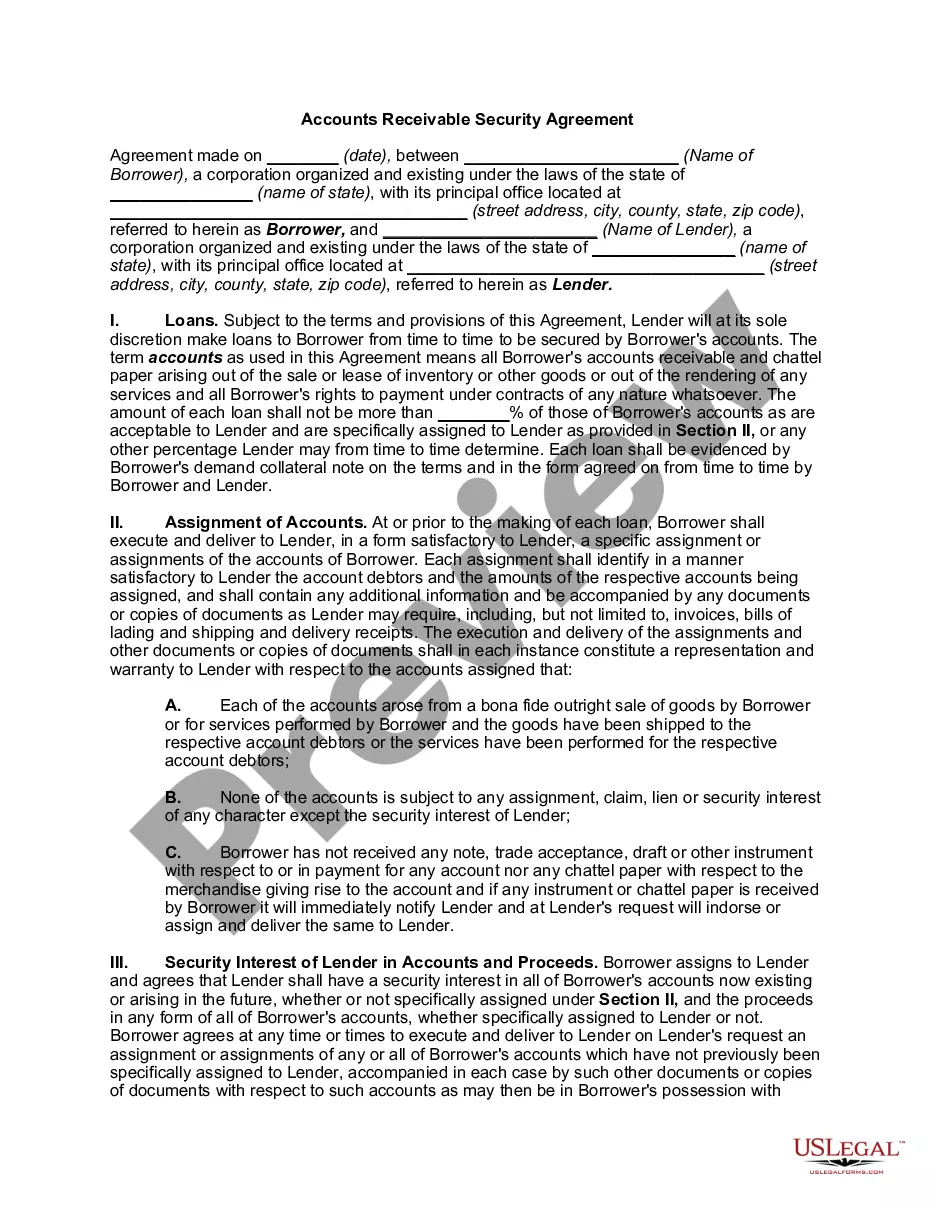
The Agreement to Extend Security Interest is a legal document used to modify an existing security agreement between a debtor and a secured party. This form is utilized when a debtor seeks to extend the terms of repayment and modify the payment amounts under a secured transaction. This extension allows the debtor more time to fulfill their payment obligations while ensuring that the secured party maintains their interest in the collateral.
Main sections of this form
- Parties involved: Identification of the debtor and secured party.
- Original security agreement details: Reference to the initial security agreement and its filing.
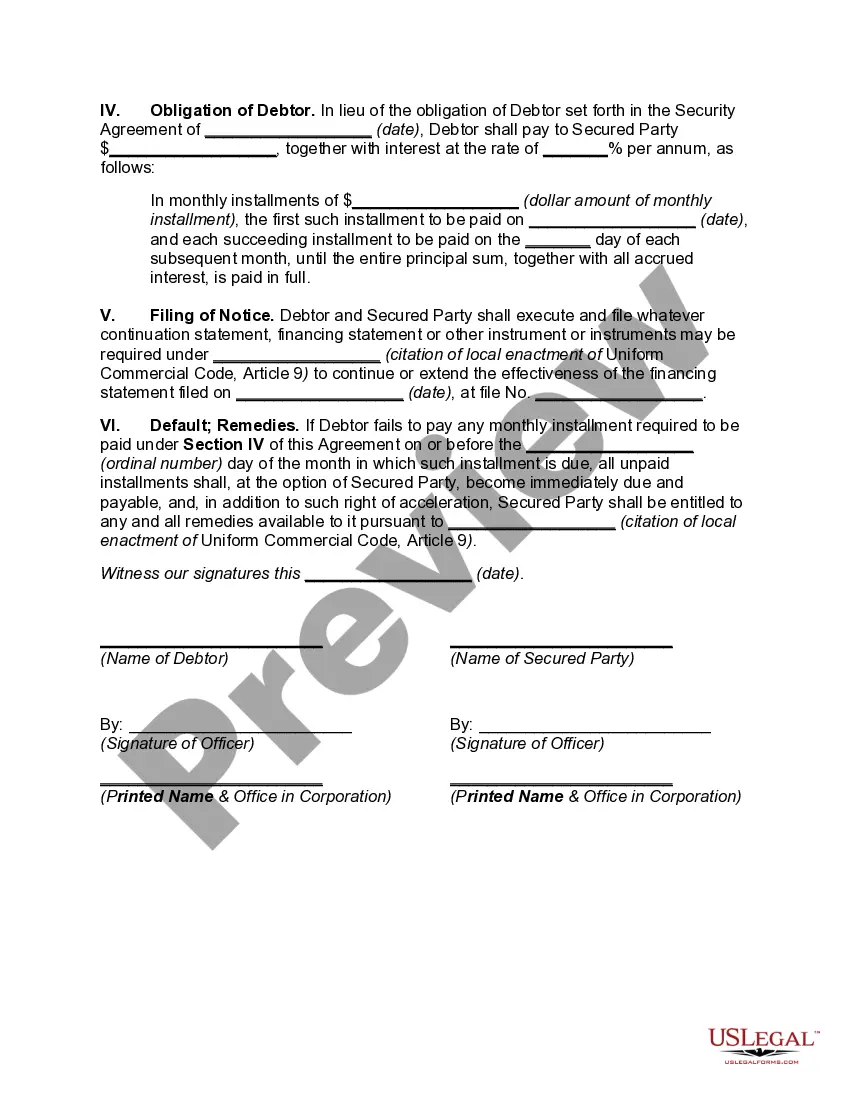
- Modification terms: Specific changes to repayment amounts and timelines.
- Collateral description: Detailed description of the collateral securing the debt.
- Filing requirements: Instructions for filing necessary continuation statements to maintain the security interest.
- Default remedies: Clauses outlining the actions the secured party may take in case of default.
Situations where this form applies
This form is applicable in scenarios where a debtor is experiencing financial difficulties and needs to renegotiate payment terms with their secured party. It is often used in cases where the debtor seeks to lower their monthly payments or extend the repayment period without losing their collateral. This agreement is particularly useful for businesses and individuals who have assets pledged as security for loans or other obligations.
Who needs this form
- Debtors who have a secured loan and need to negotiate more manageable repayment terms.
- Creditors or secured parties who are open to modifying the terms of an existing security agreement.
- Business owners seeking to maintain their collateral while adjusting their payment schedules.
Completing this form step by step
- Identify the parties: Enter the names and addresses of both the debtor and the secured party.
- Reference the original agreement: Specify the date and details of the initial security agreement.
- Define the new financial terms: Outline the modified payment amounts and due dates.
- Describe the collateral: Clearly detail the property or assets being secured.
- Sign and date: Ensure proper signatures and dates are added for both parties to make the agreement legally binding.
Does this form need to be notarized?
This form does not typically require notarization to be legally valid. However, some jurisdictions or document types may still require it. US Legal Forms provides secure online notarization powered by Notarize, available 24/7 for added convenience.
Get your form ready online
Our built-in tools help you complete, sign, share, and store your documents in one place.
Make edits, fill in missing information, and update formatting in US Legal Forms—just like you would in MS Word.
Download a copy, print it, send it by email, or mail it via USPS—whatever works best for your next step.
Sign and collect signatures with our SignNow integration. Send to multiple recipients, set reminders, and more. Go Premium to unlock E-Sign.
If this form requires notarization, complete it online through a secure video call—no need to meet a notary in person or wait for an appointment.
We protect your documents and personal data by following strict security and privacy standards.

Make edits, fill in missing information, and update formatting in US Legal Forms—just like you would in MS Word.

Download a copy, print it, send it by email, or mail it via USPS—whatever works best for your next step.

Sign and collect signatures with our SignNow integration. Send to multiple recipients, set reminders, and more. Go Premium to unlock E-Sign.

If this form requires notarization, complete it online through a secure video call—no need to meet a notary in person or wait for an appointment.

We protect your documents and personal data by following strict security and privacy standards.
Mistakes to watch out for
- Failing to accurately describe the collateral, which can lead to enforcement difficulties.
- Not specifying the revised payment terms clearly, resulting in confusion later.
- Neglecting to file required continuation statements, which can jeopardize the security interest.
- Forgetting to have all parties sign the form, making it unenforceable.
Benefits of completing this form online
- Convenience of filling out the form at any time with easy access.
- Editability to customize terms specifically to your situation.
- Reliability through professionally drafted templates ensuring legal compliance.
Legal use & context
- This agreement helps secure the interests of creditors while providing debtors with modified terms in line with their financial situation.
- Failure to follow the proper process may result in enforceability issues during collection proceedings.
Quick recap
- The Agreement to Extend Security Interest is crucial for managing existing secured debts.
- Proper completion and filing of this form help protect both the debtor and the secured party's interests.
- Always check state-specific laws to ensure compliance with local requirements.
Looking for another form?
Form popularity
FAQ
Security agreement is the agreement between the secured party and the debtor that creates or provides for a security interest. Collateral refers to the items of property in which a security interest is granted by the debtor.
Security interest is an enforceable legal claim or lien on collateral that has been pledged, usually to obtain a loan. The borrower provides the lender with a security interest in certain assets, which gives the lender the right to repossess all or part of the property if the borrower stops making loan payments.
Loans from banks or other institutional lenders are always made using a number of documents, two of which are a promissory and security agreement. In general, the promissory note is your written promise to repay the loan and a security agreement is used when collateral is given for the loan.
Security interest provides reassurance to creditors that they will not suffer losses. The debtor also benefits from a low interest rate in presence of a collateral. Security agreements provide a legally binding document outlining all terms under which debt can be secured and remedies if the debtor defaults.
A security interest means that if you don't make the mortgage payments as agreed, or if you break your agreement with the lender, the lender can take your home and sell it to pay off the loan. You give the lender this right when you sign your closing forms.
One of the most common examples of a security interest is a mortgage: a person borrows money from the bank to buy a house, and they grant a mortgage over the house so that if they default in repaying the loan, the bank can sell the house and apply the proceeds to the outstanding loan.
(a) Attachment. A security interest attaches to collateral when it becomes enforceable against the debtor with respect to the collateral, unless an agreement expressly postpones the time of attachment.
In general: (1) the creditor must give value, (2) the debtor must have rights in the collateral, and (3) there must be a security agreement or other action indicating an intent to convey a security interest. Once the security interest has ?attached,? it is effective between the debtor and the creditor.